Step into Singapore Chinatown, and you are instantly enveloped by a symphony of sights, sounds, and smells. This is not just a tourist district; it is one of Singapore’s oldest and most culturally significant heritage districts, a living, breathing museum where generations of stories unfold. Unlike the polished gleam of the central business district, Chinatown Singapore offers a rich tapestry of history, where stunning temples neighbor trendy bars, and traditional medicine halls sit just a short walk from chic boutiques.
You’ll find colorful shophouses, bustling markets like Chinatown Street Market, and world-famous food stalls on every block. It’s this fascinating blend of tradition and modernity that makes the area stand out from other neighborhoods. In this guide, discover sacred cultural sites, must-visit hawker centres, authentic Chinatown food experiences, buzzing shopping streets, and vibrant activities—everything that makes Singapore Chinatown a must visit for locals and travelers alike.
It’s this fascinating blend of tradition and modernity that makes the area stand out from other neighborhoods. If you’re planning to explore Singapore’s historic quarters beyond Chinatown, you can read more about another iconic heritage district here.
Singapore Chinatown: A Rich History Preserving Singapore’s Heritage
The story of Chinatown Singapore begins in the early 19th century. Following Sir Stamford Raffles‘ founding of modern Singapore, a wave of Chinese immigrants arrived, seeking fortune and a new life beside the Singapore River. Raffles’ 1822 town plan designated an area southwest of the river for the Chinese community. This settlement, known as Niu Che Shui (牛车水), or “bullock-cart water,” took its name from the bullock carts that once carried fresh water along Pagoda Street and Smith Street, defining the area’s old world charm.
The district grew rapidly, becoming a bustling, and often overcrowded, enclave—a center of hope and struggle, where clan associations provided support and secret societies jockeyed for influence. Life was centered around two- and three-story shophouses, which served as homes, businesses, and social hubs. The district evolved through the years, with winding alleys, hawker stalls, and dim sum restaurants forming the backdrop for daily life. Fast-forward to the late 20th century, and the area faced threats of redevelopment; however, Singapore’s extensive conservation efforts in the 1980s protected thousands of colorful shophouses and temple buildings, safeguarding Chinatown Singapore as a treasure trove of the nation’s heritage for generations. Today, heritage trails and walking tours reveal the remarkable transformation of old Singapore into a district full of both nostalgia and energy.
Pagoda Street, Street Art & Cultural Landmarks: Must-Visit Attractions in Chinatown
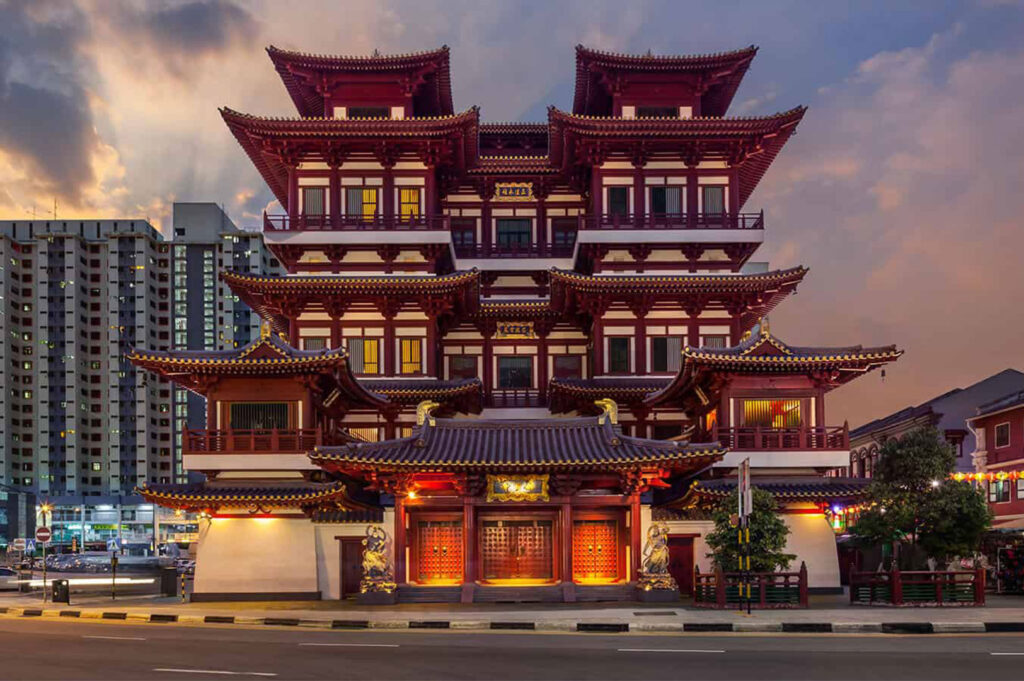
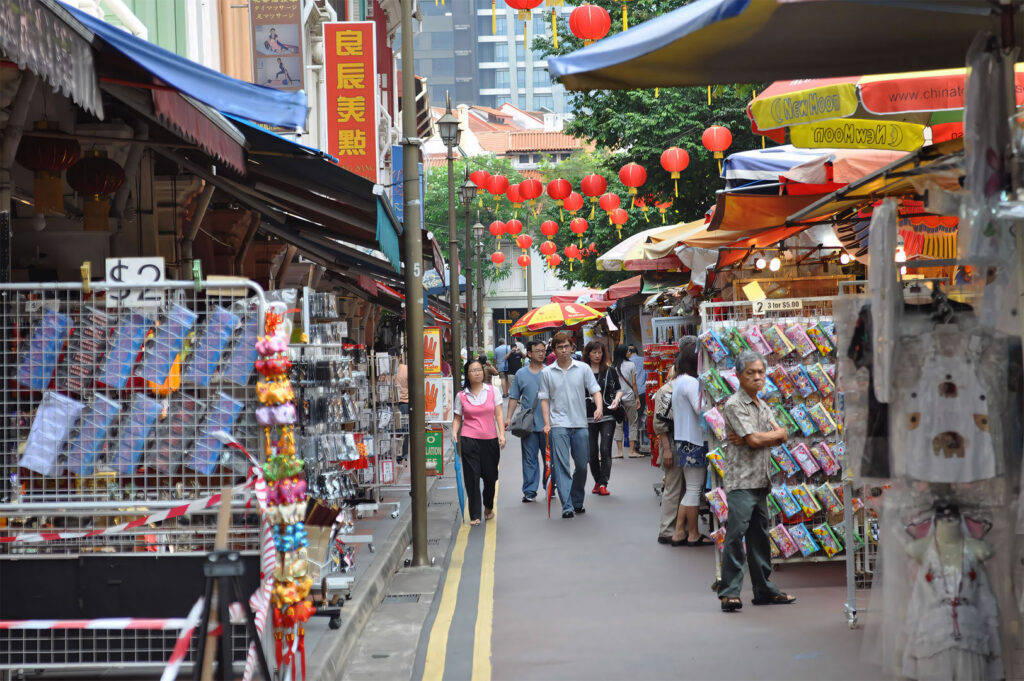
Singapore Chinatown is a treasure trove of cultural attractions, each landmark telling the living story of the people who have shaped this vibrant district. Begin your journey on Pagoda Street, lined with historic shophouses and the ever-popular Chinatown Street Market—perfect for souvenir hunting and soaking up bustling street life.
Just off Smith Street—home to the renowned Chinatown Food Street—is the breathtaking Buddha Tooth Relic Temple. This magnificent, four-story monument built in the Tang dynasty architectural style is said to house a relic tooth of the Buddha himself. A must visit for spiritual seekers and architecture fans alike, the temple offers ornate interiors, Buddhist artifacts, and a tranquil rooftop garden. Its adjacent museum details the rich history and culture of Buddhism in Southeast Asia.
A short walk away lies Sri Mariamman Temple, Singapore’s oldest Hindu temple, founded in 1827. The temple’s vibrant gopuram (gateway tower) is a visual feast of intricate carvings, colorful deities, and local history. Step inside in respectful attire to witness rituals and soak up the scent of flowers and incense.
Nearby, Thian Hock Keng Temple on Telok Ayer Street is one of the oldest and most important Hokkien temples in Singapore, built in 1840—without a single nail! Its so much detail, from carved dragons on the roof to the stunning main hall, is a testament to Chinese artistry and culture.
For an immersive trip into the past, visit the Chinatown Heritage Centre on Pagoda Street. This interactive museum recreates historic homes and shops, providing a vivid glimpse into the daily lives of early immigrants. Don’t miss street art and murals scattered across Temple Street and Smith Street, offering photo opportunities amid the district’s hidden gems.
For nightlife and old world charm, explore Ann Siang Hill and Club Street. By day, enjoy their independent boutiques; by night, the area transforms into a thriving hub of rooftop bars, late night bites, and live music. These beautifully restored shophouse rows embody Singapore’s unique blend of heritage and cosmopolitan flair.
Hawker Stalls, Chinatown Complex Food Centre & Chinatown Food: Culinary Experiences in Chinatown
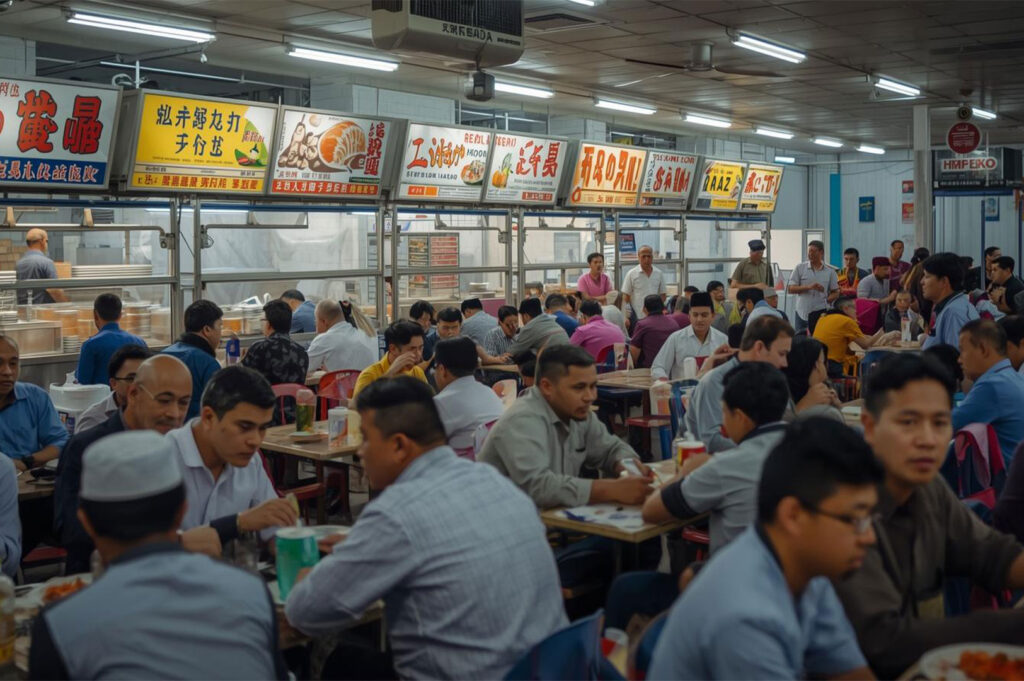
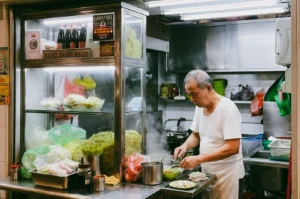
Exploring Chinatown food is a journey for the senses, offering the very best of Singapore’s hawker and street food heritage. The area is famed for its hawker stalls and vibrant hawker centres, serving beloved dishes to locals and travelers.
Dive into the heart of local cuisine at the iconic Chinatown Complex Food Centre—Singapore’s largest hawker centre with over 260 stalls. Here you’ll find the famous Liao Fan Hong Kong Soya Sauce Chicken Rice & Noodle, awarded a Michelin star for its delicious, wallet-friendly chicken rice. Try char kway teow, hokkien mee, and savory pork ribs from different food stalls, or sample the hearty bak kut teh (pork rib soup) and fragrant dim sum specialties at other vendors.
Maxwell Food Centre is just a short walk away, renowned for the legendary Tian Tian Hainanese Chicken Rice—arguably the city’s most famous plate. Other must-try stalls offer local favorites like hokkien mee, oyster cake, and traditional fare that defines the Singaporean palate, all at reasonable prices.
For sweet treats, look for traditional Chinese desserts such as almond jelly, yam paste, or local egg tarts from Tong Heng—a beloved store famous among locals alike for its golden, flaky pastries.
Don’t miss Chinatown Food Street on Smith Street, a bustling, partially covered row of food stalls and pop-up vendors. Many stalls stay open for late night bites, making it a go-to spot after sunset. If it’s a sit-down meal you’re after, Kok Sen Restaurant on Keong Saik Road is celebrated for its local flavors and wok-fried specialties.
Craving something modern? Trendy eateries and Potato Head Singapore in a heritage shophouse along Keong Saik Road blend innovative twists with classic Asian flavors. Whether you’re after budget-friendly meals or premium culinary experiences, Chinatown offers dining to suit all tastes.
Chinatown Shopping: Bustling Markets, Pagoda Street & People’s Park Complex
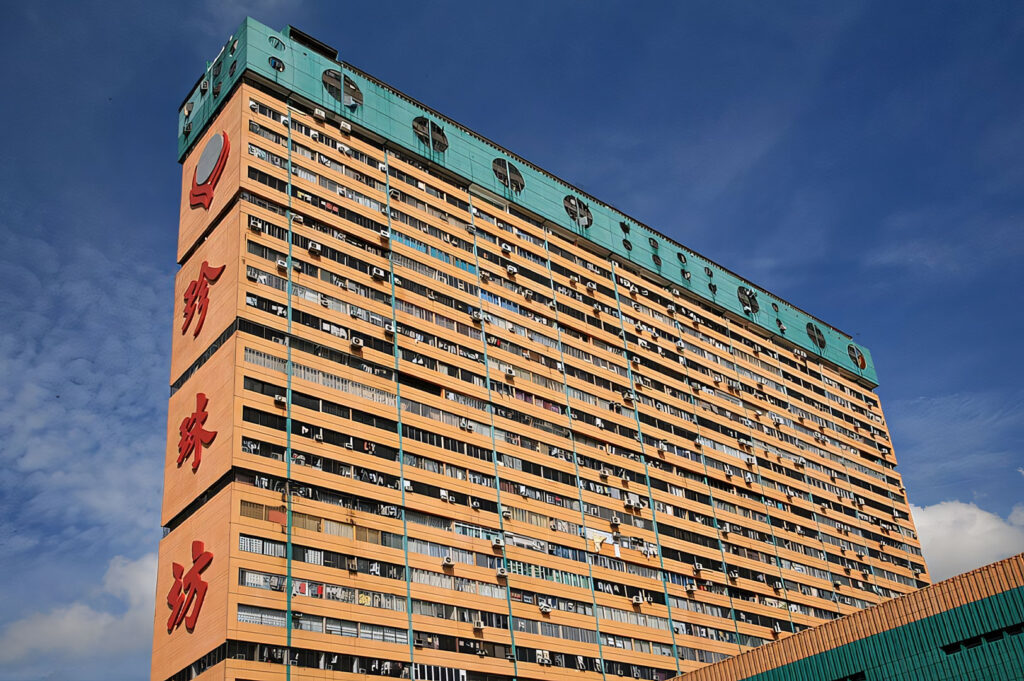
Shopping in Chinatown Singapore blends vibrant atmosphere, history, and great finds. The famous Chinatown Street Market, spanning Pagoda Street, Sago Lane, and Trengganu Street, is lined with bustling stalls—perfect for discovering calligraphy brushes, cheongsam dresses, teas, and classic trinkets. Shop for souvenirs such as chopsticks, magnets, and hand-painted fans; embrace the local tradition of gentle bargaining.
If you’re seeking authentic cultural goods, the traditional Chinese medicine shops offer herbal remedies, ginseng, tonics, and other items that echo centuries of chinese culture. Wander through Chinatown Complex Market or explore fresh produce at nearby wet markets for a taste of daily life in old Singapore.
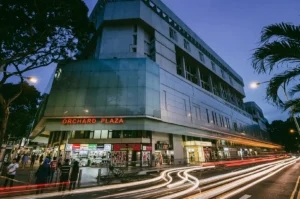
Step into People’s Park Complex, an iconic local mall with dozens of stores offering everything from tailored clothes to electronics and imported goods—often at bargain prices.
Beyond the well-trodden paths, discover hidden gems—boutique stores, independent designers, and artisan workshops around Ann Siang Hill, Club Street, and Chinatown Point. If you’re visiting during the Chinese New Year season, make sure to check out the seasonal street market stalls, which add extra color, lights, and festive cheer to the bustling streets of Chinatown.
Cultural Experiences & Activities—Chinese Heritage Centre, Workshops & Festivals
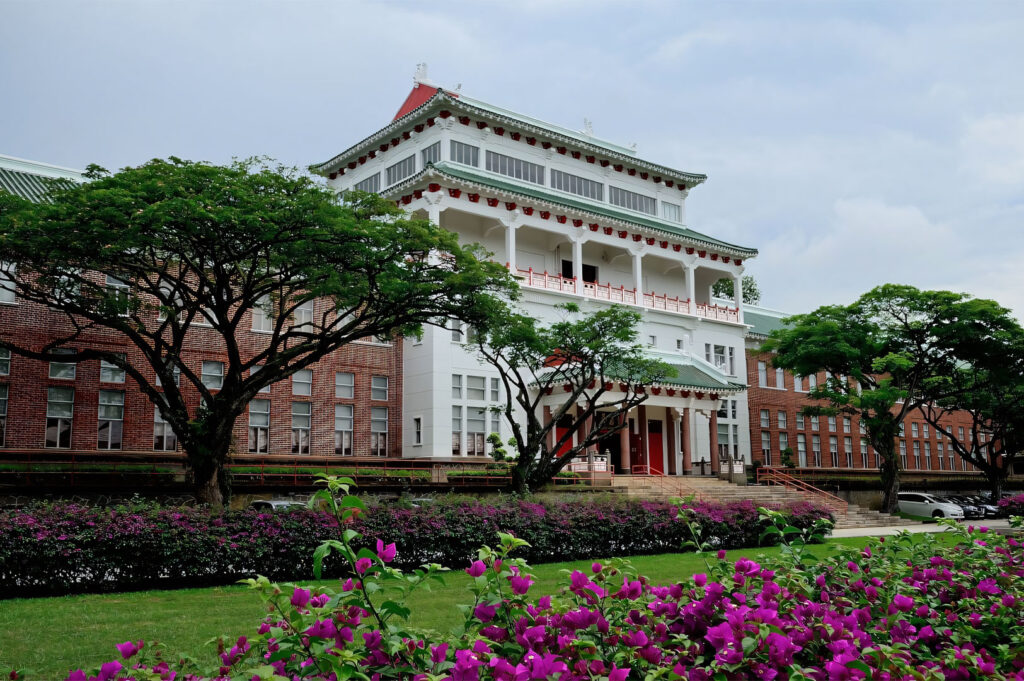
For those looking to go beyond sightseeing, a host of interactive cultural experiences await. Many local organizations and the Chinese Heritage Centre offer calligraphy brush and painting workshops, as well as guided walking tours that delve into the tales of temples, shophouses, and clan associations along Pagoda Street and Telok Ayer Street.
Join a tea appreciation session at a heritage teahouse, immersing yourself in centuries-old brewing rituals and discovering the meaning behind each cup—an integral part of local culture. Cultural performances and seasonal events, such as lantern-making during Mid-Autumn Festival, lion dances, or pop-up markets, run throughout the year—many are free and open to both tourists and locals.
Don’t forget to visit the district’s iconic temples—Sri Mariamman Temple (Singapore’s oldest Hindu temple), Thian Hock Keng Temple, and the revered Buddha Tooth Relic Temple—to observe daily rituals, prayer ceremonies, and the artistry of each historic space. Participation in guided heritage walks is easily arranged online or through hotels and visitor centers.
Practical Visitor Information for Chinatown Singapore
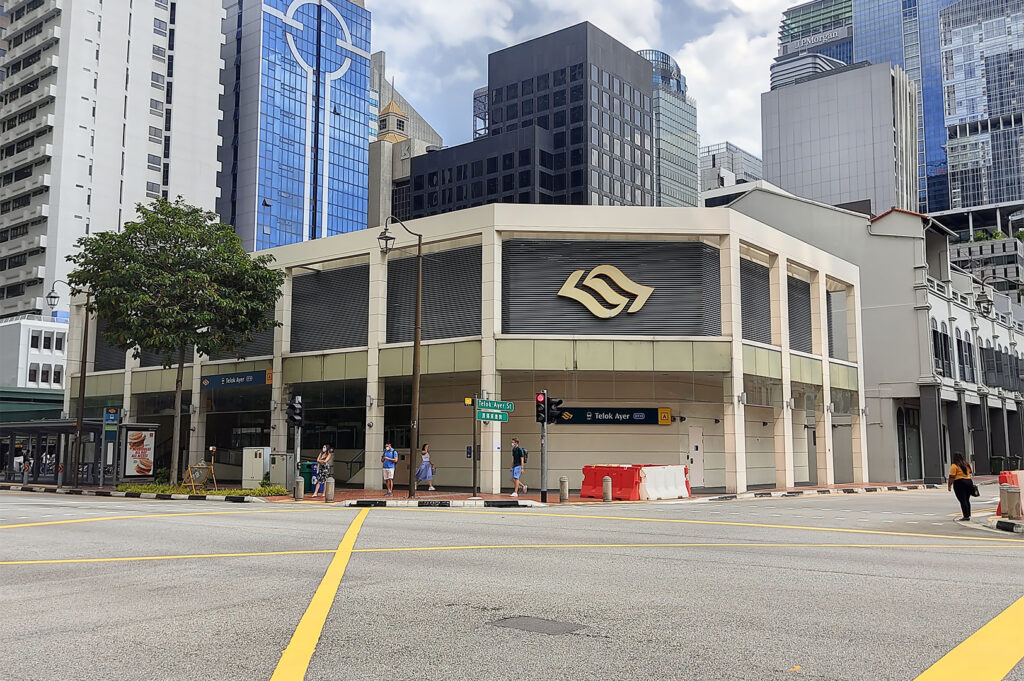
Navigating Chinatown Singapore is easy and convenient for visitors.
- Transport: Take the Chinatown MRT Station (North-East and Downtown Lines) for immediate access to major attractions like Pagoda Street and Chinatown Complex. Both the Telok Ayer MRT station and nearby bus routes connect you in minutes to classy neighborhoods like Clarke Quay, Tanjong Pagar, or Marina Bay.
- Best Time to Visit: Wander the bustling streets early in the morning for a taste of local life or drop by in the evening when lanterns glow and street food comes alive. The chinese new year season is especially vibrant, but do expect more crowds.
- Walking Tour Tip: Start at the Buddha Tooth Relic Temple, wander through Pagoda Street and bustling markets, snap photos of the street art and colorful shophouses, then head towards People’s Park Complex. Don’t miss Telok Ayer Street’s temples for a deeper dive into Singapore’s heritage.
- Etiquette: Dress modestly for temple visits—shoulders and knees covered—remove your shoes at Hindu temples, and always be respectful when observing religious or family ceremonies. Ask before taking close-up pictures of people or religious rites.
Hawker Stalls, Night Markets & Club Street: Chinatown After Dark
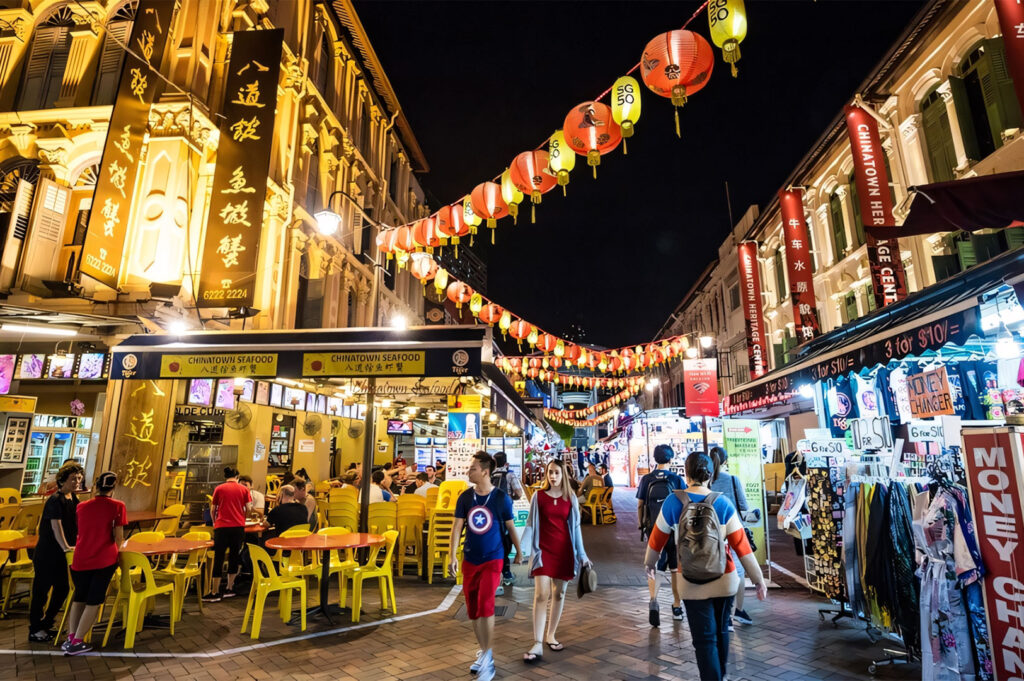
As dusk sets in, Chinatown Singapore transforms into one of the city’s liveliest precincts. Night markets and hawker stalls along Chinatown Food Street, Temple Street, and Smith Street buzz with activity, offering late night bites, satay skewers, and icy drinks.
The nightlife crowd congregates around Ann Siang Hill and Club Street, where rooftop bars and jazz venues are tucked inside heritage shophouses. Sip a craft cocktail at Potato Head, enjoy open-air dining, or listen to live music with friends, as the historic surroundings come alive with a modern pulse. Special performances or open-air movies sometimes take place in nearby parks or courtyards, adding unique energy to the old world charm of the area.
There’s a quiet joy in wandering familiar streets at night and discovering how they change—the sounds, the pace, the people who emerge. These small shifts reveal the living nature of neighbourhoods like Chinatown. Neighbourhoodlife.com.sg follows these transformations across Singapore, telling stories shaped by observation, curiosity, and lived experience.
Conclusion: Embrace Singapore’s Heritage in Chinatown
Singapore Chinatown is more than a picturesque neighborhood; it’s a living testament to the immigrant spirit that shaped Singapore and the rich tapestry of local culture. Blending iconic temples, bustling markets, outstanding Chinatown food, and street art with modern shopping and nightlife, it stands as a must-visit for travelers and locals alike. Take the time to explore its intricate carvings, sample its world-class hawker cuisine, and discover its hidden gems—from the Chinese Heritage Centre to vibrant Smith Street and the colorful shophouses along Pagoda Street. Chinatown awaits, ready to share its stories and traditions with you, no matter how many times you visit.
Like Chinatown, Singapore’s other historic districts offer their own distinct stories shaped by migration, faith, and everyday life. For those new to exploring these neighbourhoods, you can start with a beginner-friendly guide to another heritage district here.