
Step into the vibrant world of Singapore open air markets and let your senses run wild. The first thing that greets you is a lively burst of sounds—friendly haggling, cleavers chopping fresh produce, and chatter in English, Mandarin, Malay, and Tamil. Let your nose guide you through the rich aromas of delicious food: tropical fruits, spices, and sizzling hawker food from market food centre stalls. Singapore’s open air markets mark the beating heart of every neighborhood, weaving together locals, tourists, and communities across the island.
These markets are more than just spaces to shop; they’re vibrant meeting points that define the city’s unique blend of efficiency, cleanliness, and multicultural energy. Unlike other Southeast Asian night market hubs, Singapore’s markets stand out for their spotless aisles, organization, and impressive variety. Stalls selling fresh vegetables sit beside vendors offering home decor or live entertainment. This comprehensive guide will walk you through the breadth of Singapore open air markets: from the wet market for early morning shopping to vintage market gems and bustling night market action that comes alive after sunset.
Food, streets, rituals, and routines, Neighbourhood Life looks at how these small details shape life across Singapore’s neighbourhoods.
Wet Market Singapore: The Heartbeat of Local Life
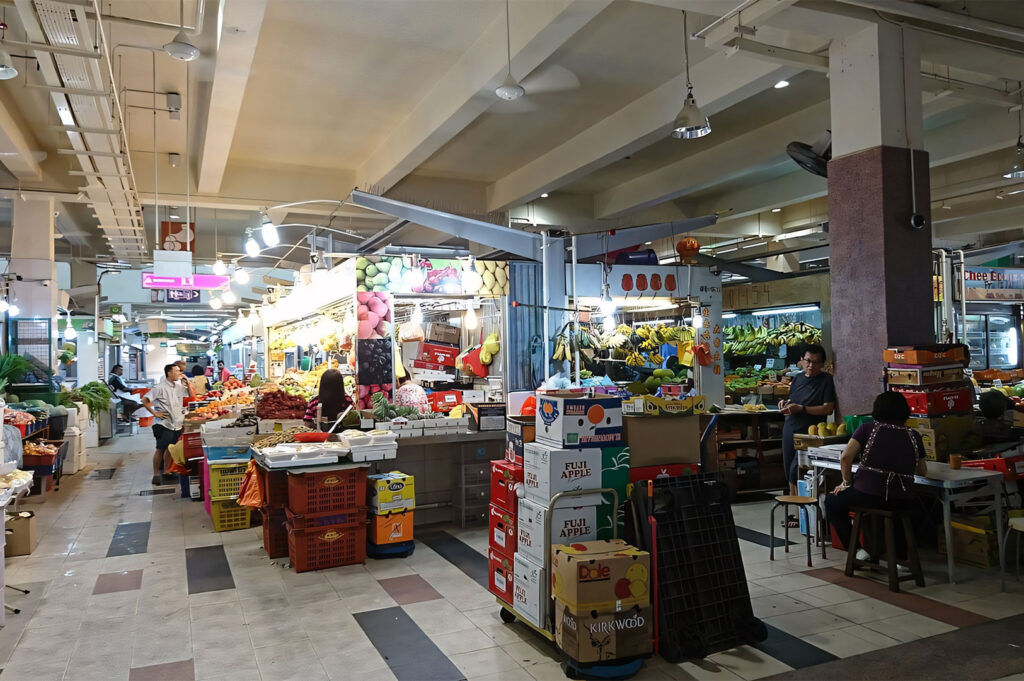
No Singapore shopping adventure is complete without getting up early for a visit to a wet market. These vibrant ground floor markets operate in neighborhoods island-wide, each offering a unique blend of sights and smells.
Tekka Centre (Little India): Located just a few steps from the nearest MRT station, Tekka Centre is the jewel of Little India. Vendors here display a dazzling range of fresh produce—spices, mutton, tropical fruits, and hard-to-find Indian ingredients—right on the ground floor. You’ll also discover household goods, fresh seafood, and vegetables that reflect both Indian and Malay roots. Don’t miss the opportunity to explore hawker food stalls upstairs for famous dishes like roti prata and biryani. If it’s your first time navigating Indian food beyond the familiar classics, this is a great place to start, click here.
Tiong Bahru Market: This retro market, located in the historical Tiong Bahru estate, is a favorite among locals for its high-quality vegetables, seafood, and poultry. The market is renowned for its organized stalls and top-notch cleanliness. Upstairs, the hawker centre serves up char kway teow, hainanese chicken rice, and other local favorites.
Geylang Serai Market: A true highlight for those seeking Malay food culture. Specialty items like fresh coconut, palm sugar, and exotic spices are abundant. The market becomes a feast for the senses during Ramadan, with a bustling bazaar and delicious street food that spills out onto the pedestrian walkway.
Chinatown Complex Wet Market: Found at Smith Street, this is one of the largest wet markets in Singapore. With its wide range of Chinese herbs, live seafood—including crabs and shellfish—fresh vegetables, and even frogs, it’s a paradise for foodies seeking hidden gems. Combine your market trip with a stop at the famous Maxwell Food Centre nearby.
Local’s Tip: Arrive between 7 AM and 9 AM to get the best fresh produce. Bring a reusable bag, carry small cash denominations, and enjoy some of the friendliest banter you’ll find on the island.
Night Market Singapore: After-Dark Shopping and Feasting
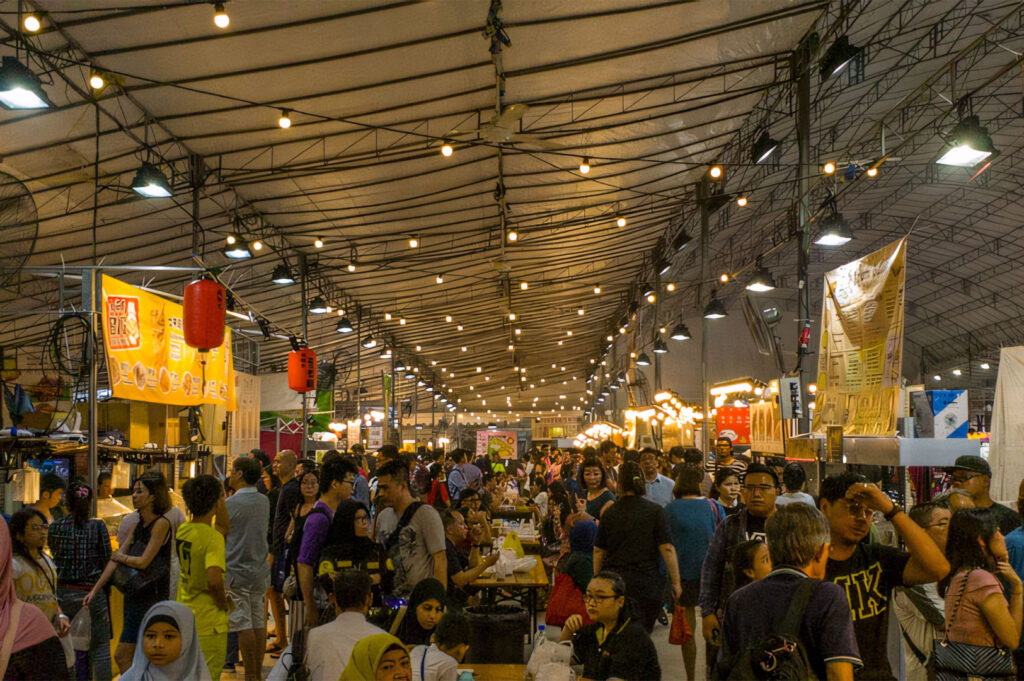
Once the sun dips, Singapore’s night markets come alive and turn everyday spaces into lively hubs for delicious food, bargain shopping, and live entertainment.
Bugis Street Market: Located near the central business district and the Bugis MRT station, this legendary night market has reinvented itself over the years. From vintage clothing and vinyl records to cheap eats and home decor, it’s a paradise for bargain hunters. The market’s pedestrian walkway is packed with stalls, making it one of the city’s busiest shopping streets.
Pasar Malam (Rotating Night Markets): Local favorites, these pop-ups rotate between neighborhoods like Woodlands, Sengkang Rivervale Plaza, and Ang Mo Kio Avenue. Search for updates via community events or the Retro Factory social media page. Find unique local snacks, old-school toys, satay, and even retro electronics.
Chinatown Night Market: During festivals like Chinese New Year, Chinatown transforms into a festive wonderland. Smith Street is lined with bustling street stalls selling festive snacks, red lanterns, home accessories, and Chinese outfits, all beneath twinkling lights.
IMM Outlet Mall Outdoor Bazaar: Located near the west’s Singapore Expo and exhibition centre, this market brings a commercial but accessible take on the night market. Pick up everything from discounted clothing and bags to snacks and electronics.
Insider Market Tip: Night markets are the best place to eat and shop late into the night. Many vendors only accept cash, so come prepared!
Weekend Flea Markets Singapore: Explore Vintage, Artisanal & Second-hand Finds
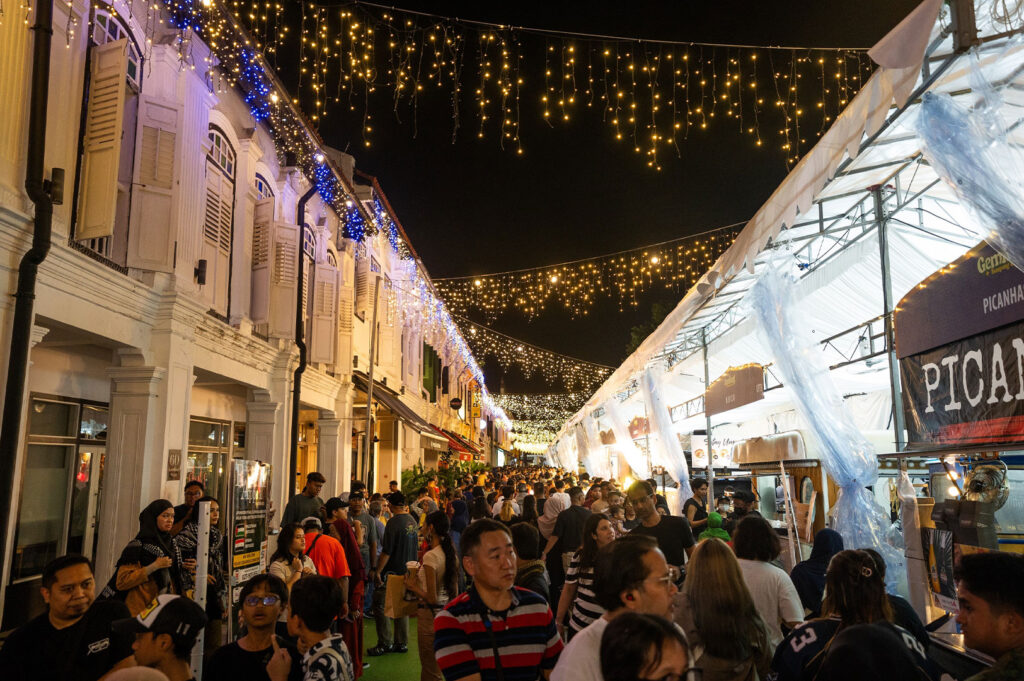
Singapore flea markets are an eclectic mix of retro treasures, sustainable shopping, and youth entrepreneurship.
Kampong Gelam and Katong Square Bazaars: Set in vibrant enclaves near Orchard Road, these weekend flea markets frequently host independent designers, handmade jewelry stalls, and quirky accessories. You’ll mingle with hip locals, enjoy vinyl record booths, and sample unique snacks.
SCAPE Youth Park Flea Markets: Just a short walk from the Orchard MRT, SCAPE is the epicenter of youth culture. Its bustling flea markets are a great place to find custom-printed T-shirts, computer games, and even second-hand sneakers.
Loewen Gardens Farmers’ Market: Near Dempsey Hill, this lush weekend food centre specializes in organic produce, artisanal bakes, and wellness products. Families and foodies come for the friendly community vibe.
Public Garden Consumer Trade Shows: Held at venues like Suntec Singapore Convention and Singapore Expo, these markets showcase independent labels and homegrown brands. Explore sustainable clothing swaps, upcycled crafts, and designer lifestyle goods in air-conditioned comfort.
Sustainability Trend: Sustainable and vintage market events—like those hosted by Retro Factory—are becoming increasingly popular, with stalls offering pre-loved apparel, retro furniture, and rare collectibles.
Specialty Markets and Seasonal Bazaars in Singapore
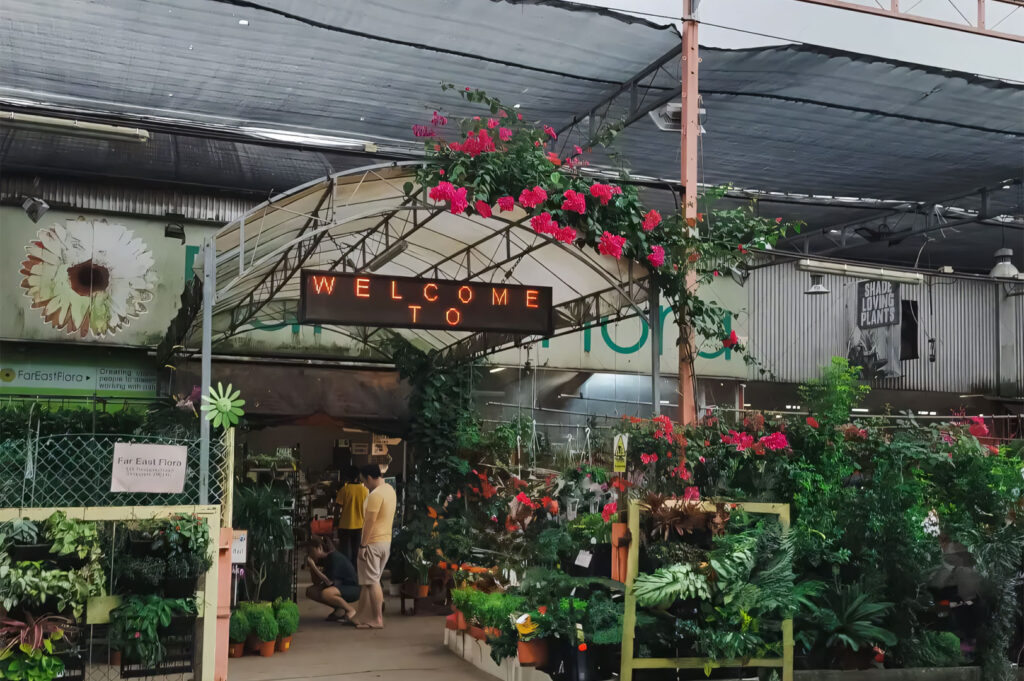
Beyond the everyday markets, Singapore’s specialty and seasonal markets offer memorable, festive experiences throughout the year.
Flower Markets: Head to Thomson Road or Tiong Bahru to pick up fresh flowers and plants. Prices are much lower than at retail outlets, and the vendors are welcoming to both locals and tourists.
Seasonal Festive Bazaars: Don’t miss Geylang Serai during Ramadan for Malay snacks, or Chinatown’s festive markets for Chinese New Year decorations. At Christmas, Orchard Road and shopping mall outdoor spaces light up for holiday markets filled with handicrafts and snacks.
Singapore Really Really Free Market: Experience the community-driven “gift economy” at this unique pop-up, where everything you find—clothes, books, even snacks—is free. Check their social channels for the next location.
Tip: Pop-up and seasonal market locations regularly change. Use Google or local community portals for the latest updates and timings.
Food Centre Singapore: The Heart of Hawker Food and Community
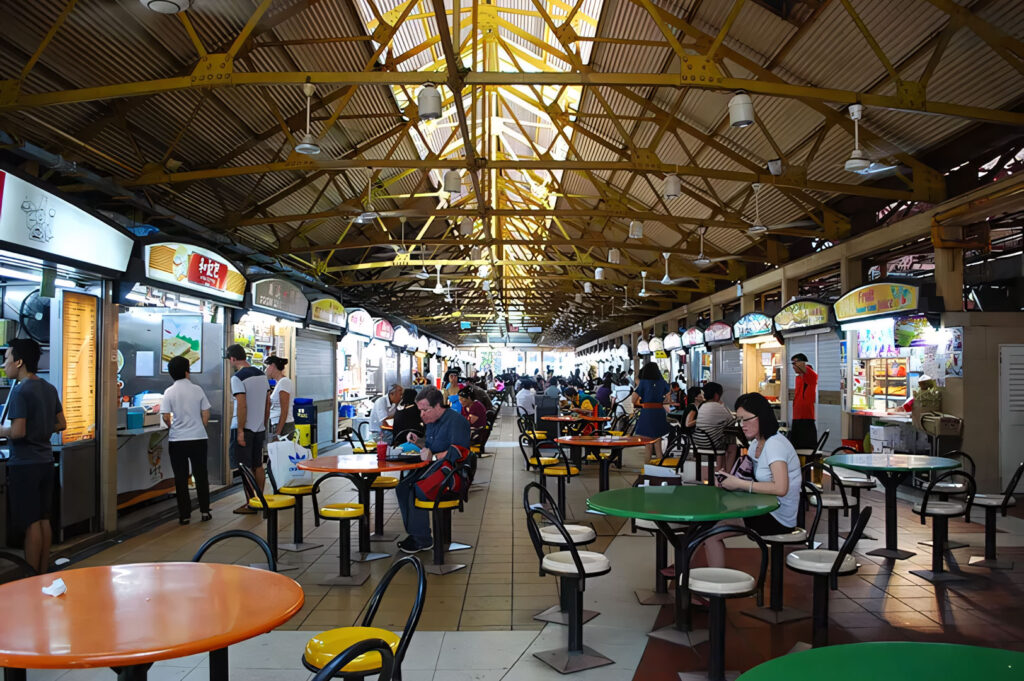
No guide is complete without highlighting Singapore’s celebrated food centres—essential destinations for delicious, affordable hawker food, especially dishes like laksa that people often plan an entire visit around if they know where to look, read more.
East Coast Lagoon Food Village: Head out to this food centre by the sea for a feast of chilli crab, barbecued seafood, and satay stalls. Enjoy the relaxed beachside space—perfect for casual weekends with friends and family.
Maxwell Food Centre: Located in the heart of Chinatown, this market food centre is home to the famous hainanese chicken rice at Tian Tian and an endless array of stalls selling local staples like char kway teow and roti prata.
Satay by the Bay: Nestled within Gardens by the Bay, you’ll find open-air satay stalls, seafood, and iconic local dishes. It’s a great place for a sunset meal after a day exploring the park.
Lau Pa Sat: A heritage icon in the central business district, Lau Pa Sat blends old-world charm with some of the city’s best satay and seafood at open-air street food stalls. The bustling night vibe, live entertainment, and pedestrian walkways make it an unforgettable experience.
Don’t Miss: Lau pa’s Smith Street Satay Stalls offer satay grilled over charcoal right before your eyes—an absolute must-eat for food lovers!
Hawker Centres and Market Food Centre Comparison
Market Type | Vibe | Best For | Payment | Must-Try Dishes | Nearest MRT Station |
|---|---|---|---|---|---|
Wet Market | Bustling, Morning | Fresh produce, locals | Mostly Cash | Fresh vegetables, seafood | Various (Tekka/Chinatown) |
Night Market | Lively, Evening/Night | Street food, bargains | Cash | Local snacks, satay | Bugis, Woodlands |
Flea Market | Trendy, Weekends | Vintage, unique finds | Both | Artisanal snacks, crafts | Orchard, Suntec |
Food Centre | Communal, All Day | Hawker food, family | Both | Chicken rice, char kway teow | Maxwell, Lau Pa Sat |
Hidden Gems: The Markets Locals Love
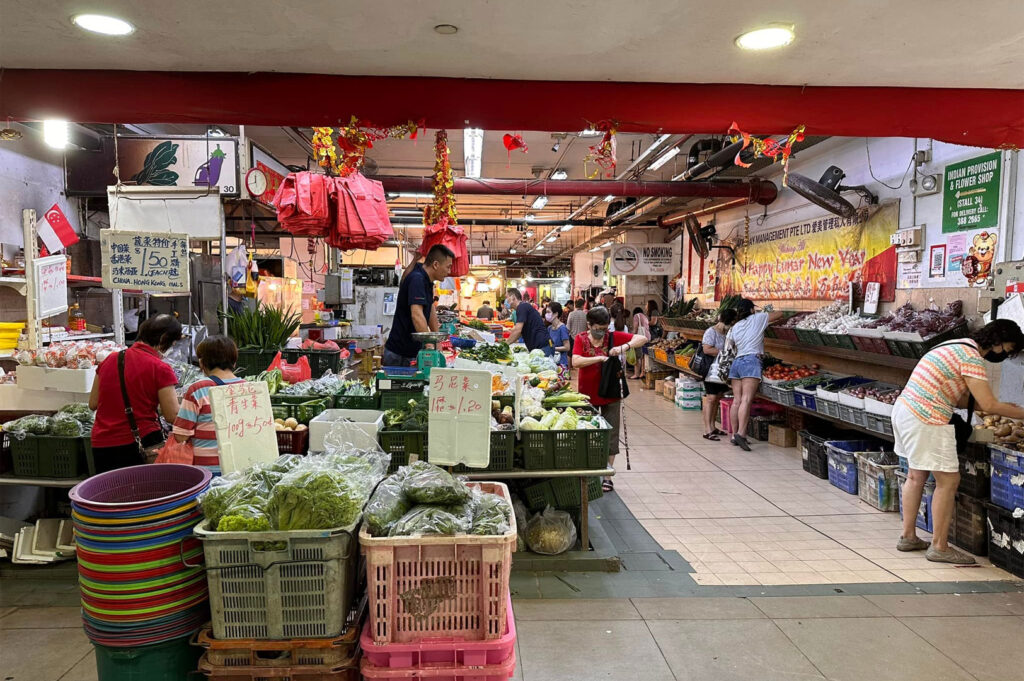
For those keen to discover the city’s lesser-known charms, don’t skip markets like Retro Factory vintage market (pop-up locations), the morning wet market at Rivervale Plaza, or the Chinese wet market tucked beneath Geylang Serai food centre. Each provides an authentic local experience far from the tourist crowds.
Practical Tips for Market Explorers
Best Times: Hit wet markets from 6:30 AM to 10 AM; night markets from 6 PM onwards; flea and food markets are busiest on weekends from noon.
Weather & What to Bring: Singapore’s weather is humid with occasional rain. Carry an umbrella, wear comfortable shoes, and bring a bag for your purchases.
Payment: While cash remains king, more stalls accept PayNow or QR options. Always bring small notes.
Transportation: Most markets are a short walk from the nearest MRT station—e.g., Woodlands MRT Station for northern night markets.
Negotiation: Gentle bargaining is acceptable, especially for bulk purchases at night and flea markets, but don’t persist if the answer is no.
Basic Phrases: “Auntie, uncle, how much?” “Can discount, lah?” “Hao chi!” (delicious in Chinese) for hawker food praise.
Market Etiquette: Dos and Don’ts
DO:
Bring reusable bags and containers.
Try as many food stalls as you can—hawker food is a culinary adventure!
Respect closing times and tidy up after eating.
DON’T:
Block walkways or entrances—markets can get crowded.
Take photos without permission at small stalls.
Forget to check the nearest MRT station for an easy exit.
Conclusion
Singapore open air markets remain at the soul of the city—where locals and tourists mingle, and the best food, fresh produce, hidden gems, and cultural feasts await. Support neighborhood vendors, explore markets old and new, and enjoy one of Singapore’s most vibrant and authentic experiences. Whether you’re here for the bustling market food centre, tracking down hainanese chicken rice, or chasing live entertainment at a night market, there’s always something on offer at every corner of this island city.