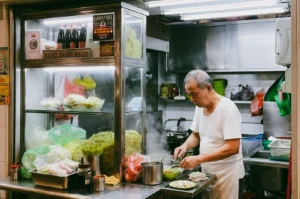
Step off the train at Little India MRT Station and you’re instantly immersed in a sensory feast unique to Little India Singapore. Waves of jasmine garland fragrance and incense mix with the bold spices from open-air wet market stalls along Serangoon Road—the main thoroughfare threading this colourful neighbourhood. The vibrant saris in shop windows, bustling streets lined with flower shops and traditional trades on Buffalo Road, and the intricate facades of heritage shophouses spark an unmistakable sense of place. This lively district is not only a celebrated ethnic enclave of Singapore, but also a living tapestry that tells the story of Singapore’s Indian community.
Spanning from Tekka Centre at one end to Syed Alwi Road and Race Course Road on the other, Little India is centrally located and easily accessible. The neighbourhood’s vibrancy pulses through its eateries, markets, street art murals, and Indian temples in Singapore. For both tourists and locals, this district is a great place to learn about Indian culture in Singapore, discover traditional Indian cuisine, and soak up the lively community spirit that thrives in this must-visit area.
Historical Background: Little India’s Cultural Heartbeat
The origins of Little India Singapore date back to the 1840s, when the area was defined by cattle trading near the Serangoon River—an essential resource for livestock. Early Indian immigrants, especially Tamils from South India, settled here for work in the cattle trade and soon established shops, temples, and mosques along Serangoon Road and Kampong Glam. Over time, Little India grew from a commercial hub into a residential and cultural stronghold.
Key events include the opening of Tekka Market (now Tekka Centre) on Buffalo Road, which quickly became a focal point for the community’s daily life. The district’s development paralleled other Singapore cultural districts like Chinatown and Kampong Glam, but unlike those, Little India was not established by colonial zoning; it evolved organically through the grit and enterprise of Singapore’s Indian community.
Today, the area’s earliest roads—such as Dunlop Street and Kerbau Road—are home to 19th-century shophouses, traditional Indian commerce, and religious landmarks. Compared to other ethnic enclaves, Little India remains the most authentic, with its mix of old-school trades, backpacker hostels, boutique hotels, and modern businesses.
Cultural Significance: Living Heritage in the Heart of Singapore
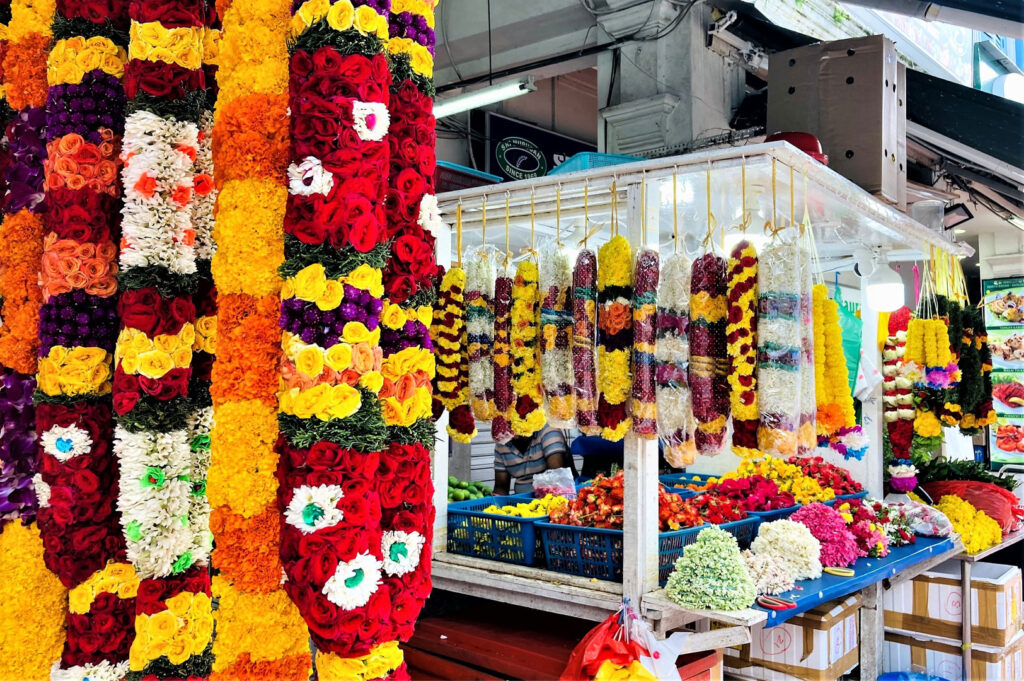
More than just a tourist destination, Little India Singapore is a vibrant area where longstanding traditions and contemporary culture collide. Home to diverse communities—Tamil, Punjabi, Gujarati, Bengali, and more—this district exemplifies the ideal of Singapore as a multicultural nation.
“This is not just a place we work; it is our life,” shares Mr. Raj, a third-generation textile merchant on Serangoon Road. “The shops on these streets have seen more history than most museums.” The indian community here nurtures both faith and commerce, with generations running shops along the bustling streets and stalls at Tekka Market. Campbell Lane and Dunlop Street are dotted with jewellery shops, spices, and stores specializing in prayer items and vibrant sarees. Chander Road is a great place to see preservation efforts in action, balancing heritage buildings with newer developments.
Projects like the Indian Heritage Centre on Campbell Lane showcase artefacts and exhibits explaining the migration, traditions, and contemporary lives of Singapore’s Indian community. Preservation efforts throughout the district ensure classic landmarks and trades—like banana leaf restaurants, goldsmiths, and flower garland makers—keep their true light alive amidst modernisation.
Must-Visit Religious Sites: Sacred Treasures of Little India Singapore
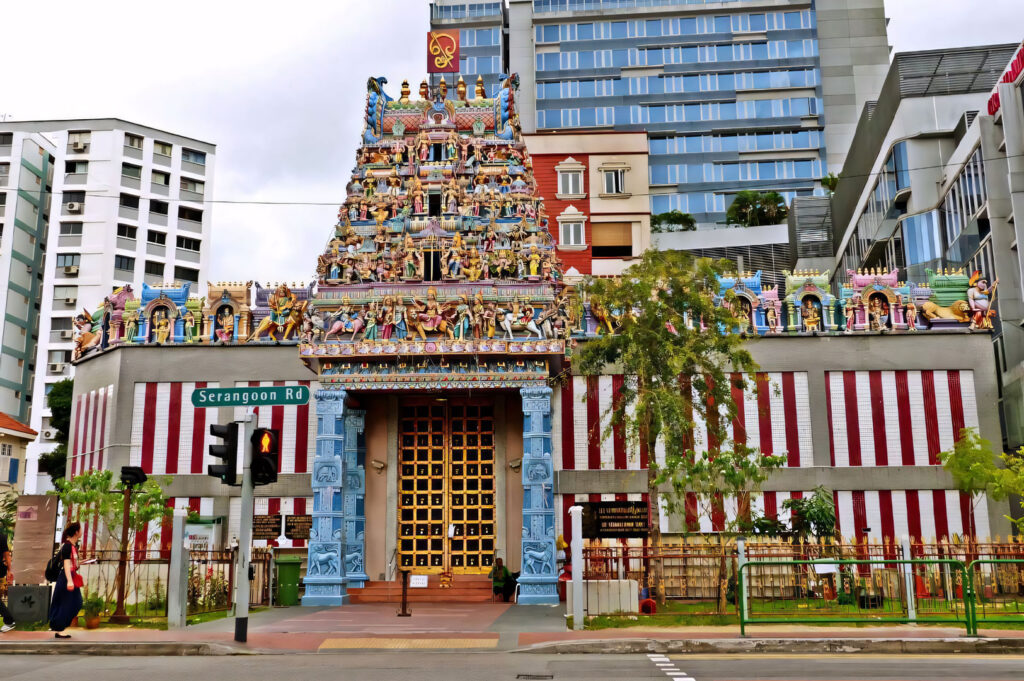
Little India is famed for its concentration of some of the oldest Hindu temples and spiritual landmarks in Singapore, each reflecting a unique facet of Indian culture and worship.
Sri Veeramakaliamman Temple (Serangoon Road): One of the most iconic Indian temples in Singapore, this temple was built in the late 19th century and features a spectacular gopuram (gateway tower) adorned with deities. The temple draws devotees from the local and regional community and offers visitors a glimpse of vibrant rituals.
Sri Srinivasa Perumal Temple: Start your journey here to witness colourful festival processions like Thaipusam, where the North Indian Gujarati and Tamil traditions come together. Its striking facade makes it a favourite for guided tours and cultural walks.
Sakya Muni Buddha Gaya Temple (Temple of 1,000 Lights): Located on Race Course Road, this temple is home to a monumental Buddha statue surrounded by countless lamps, representing a fusion of Indian and Thai-Buddhist influences.
Abdul Gafoor Mosque (Dunlop St) and Abdul Gaffoor Mosque: Both are essential to the Muslim community in Little India, showcasing unique architectural styles with touches of Moorish and South Indian design.
Visitor etiquette: Dress modestly, remove shoes, avoid taking photos during worship, and seek permission before close-up photography.
Culinary Experiences: The Flavours of Little India Food Culture
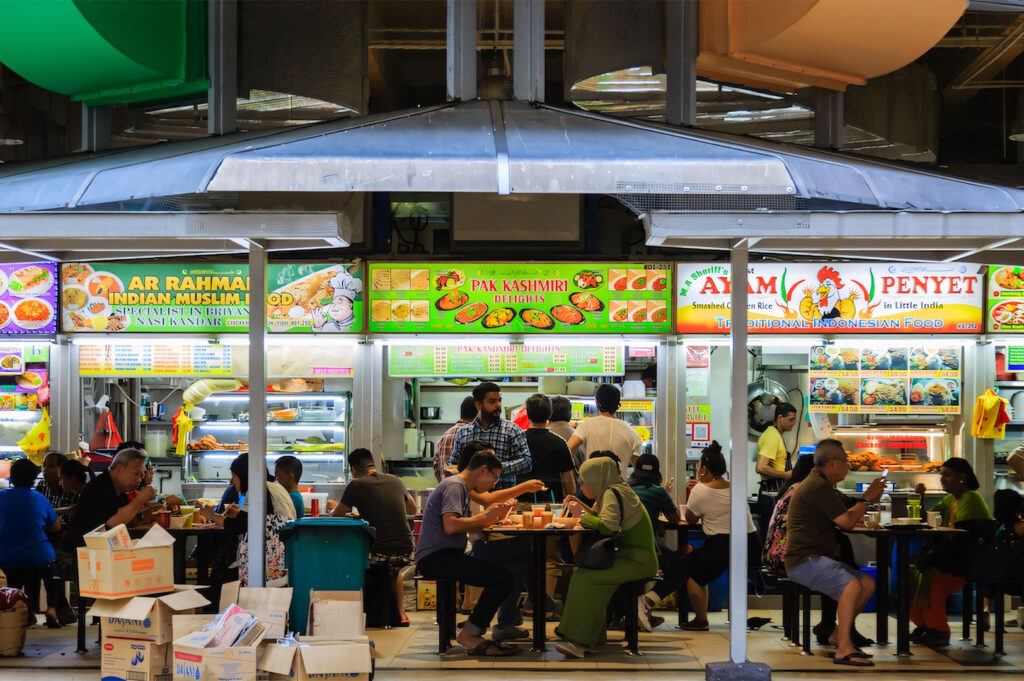
If you love food, there’s no better place for Indian cuisine in Singapore. The district is renowned for its range of vegetarian dishes, aromatic biryanis, street-side indian snacks, and legendary eateries. Start your culinary adventure at Tekka Centre—the district’s hub for wet market produce, street food, and authentic hawker stalls.
Must-Try Dishes & Eateries:
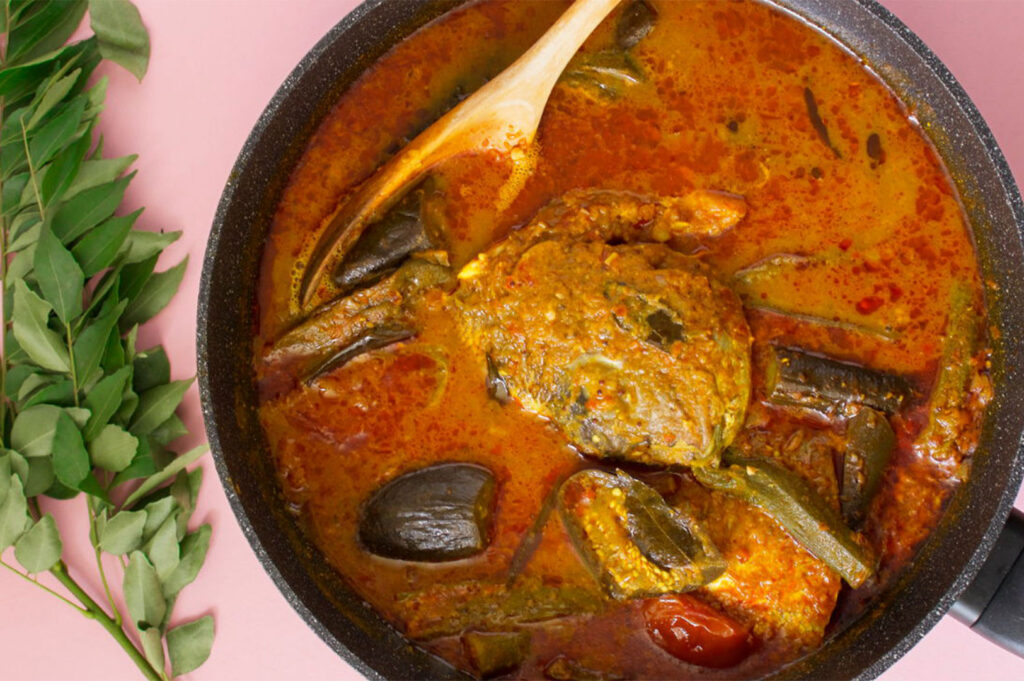
Fish Head Curry: Created at Race Course Road’s Banana Leaf Apolo, this iconic dish combines fresh fish, vegetables, and spicy curry, all enjoyed atop banana leaves.
Dosa / Thosai: Thin crepes made from fermented rice and lentil batter, served with coconut chutney and potato curry. Sample some from the stalls at Tekka Centre, or famed eateries like Komala Vilas.
Biryani: Served across mustafa centre and nearby stalls; tender meat or vegetables in spiced basmati rice.
Vegetarian Thali: For a wholesome, meat-free feast, look for restaurants on Syed Alwi Road and Serangoon Road.
Indian Sweets: Don’t miss jalebi and laddu from sweet shops near Little India Arcade and Belilios Road.
If you’re craving Indian food late at night, head to Mustafa Centre’s food court, or try Banana Leaf Apolo on Race Course Road for a classic meal with friends. The area’s variety makes it a favourite for both locals and tourists alike.
Shopping in Little India: From Wet Markets to Modern Arcades
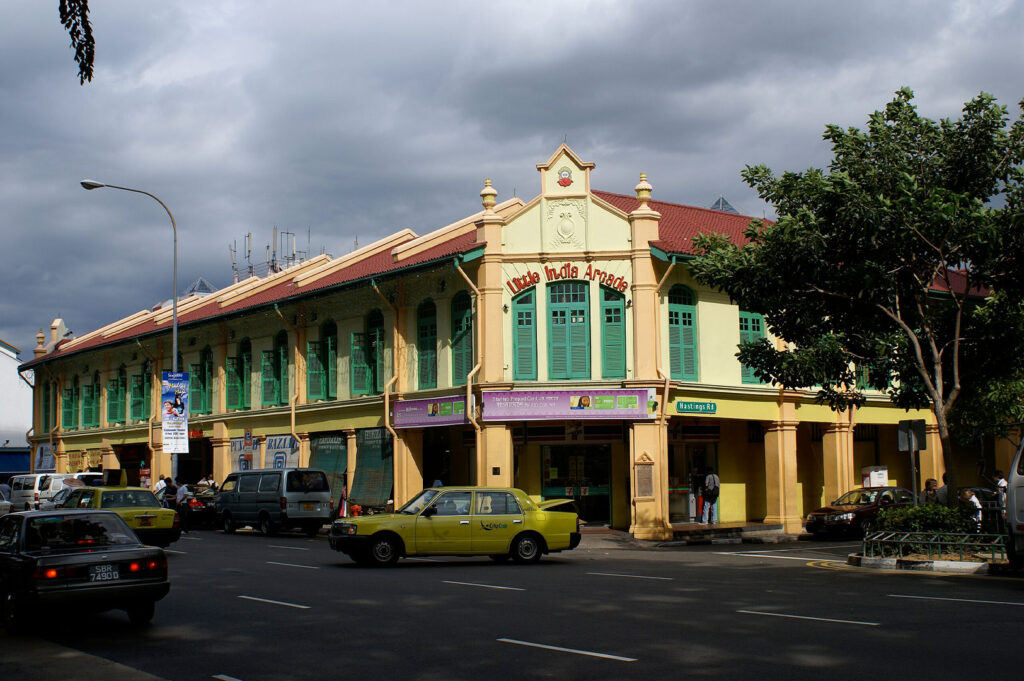
Little India shopping is a journey through sensory overload—ripe jackfruit, heady incense, and dazzling jewellery all within a few blocks. Start at Tekka Centre’s ground floor wet market, where you’ll find tropical fruits, imported spices, fresh flower garlands, and stacks of banana leaves.
Top Shopping Spots:
India Arcade / Little India Arcade: Discover a collection of restored shophouses packed with shops hawking everything from handicrafts and handwoven textiles to custom-fitted saris and gold ornaments—a perfect spot for souvenirs and gifts.
Mustafa Centre: Part supermarket, part department store, part curiosity cabinet. This 24-hour megastore covers everything—Indian snacks, electronics, perfumes, jewellery, and more. It’s centrally located and adjacent to Syed Alwi Road.
Jothi Store & Flower Shop: Specializes in prayer items, garlands, and traditional artefacts.
Tekka Market: Perfect for authentic spices, fresh produce, and traditional Indian utensils.
You’ll find unique crafts, bindis, fabrics, and everything needed for prayers and celebrations—making shopping here an essential part of the Little India experience.
Festivals and Events: Joyous Celebrations in the Heart of Singapore
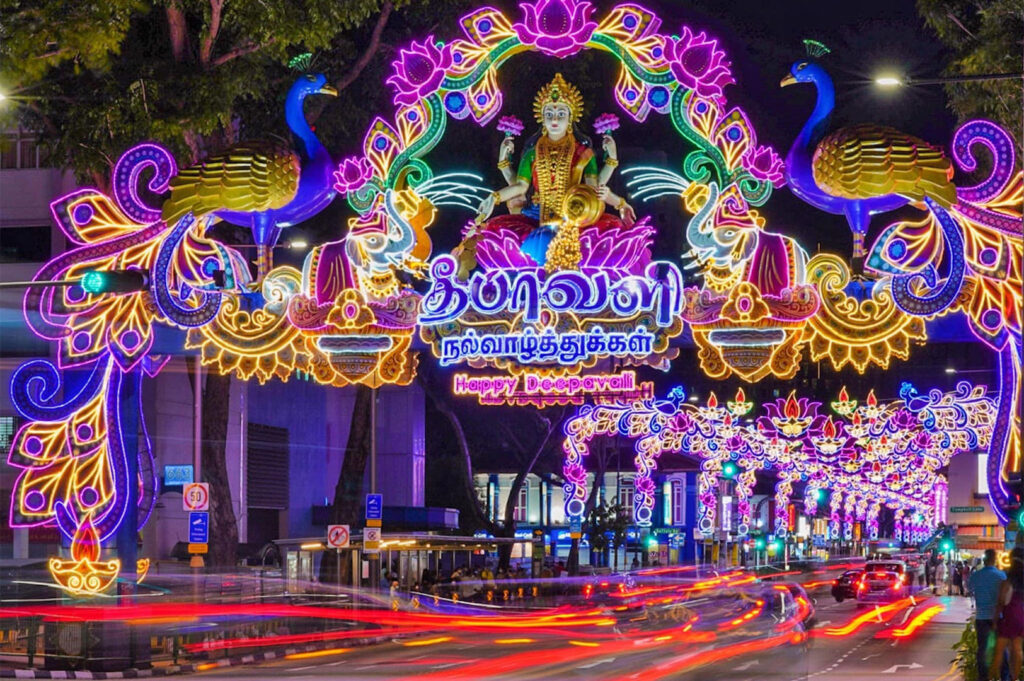
Visiting during festival season? Little India Singapore dazzles year-round but especially comes alive for major events:
Deepavali (Diwali): The Festival of Lights transforms Serangoon Road and Campbell Lane with brilliant arches of light, night bazaars, and the rich scent of fresh flowers. The festive “bustling street” energy is a sight to behold.
Pongal: Held in January, this harvest festival brings cattle processions, traditional music, and food stalls. Head to Campbell Lane for a taste of heritage.
Thaipusam: Each year, devotees begin at Sri Srinivasa Perumal Temple and walk to the temple complex on Tank Road, carrying elaborate kavadis—a moving spectacle of faith.
Other significant observances throughout the year include Hari Raya celebrations and Tamil New Year, each offering visitors a unique lens into community traditions.
Walking Tour: Discovering Little India’s Vibrant Area
Here’s a half-day walking tour ideal for first-timers or those wanting to dig beneath the surface of Little India Singapore:
Start: Little India MRT Station (north exit). Wander along Buffalo Road to Tekka Centre for the morning market buzz.
Next: Stroll up Serangoon Road, past historic boutique hotels and backpacker hostels, until you reach the vivid street art murals near Dunlop Street and Kerbau Road (great photo ops!).
Explore: Pop into Little India Arcade for souvenirs, snacks, and traditional accessories.
Midday: Walk along Campbell Lane towards the Indian Heritage Centre for exhibits on Indian migration, traditional trades, and contemporary culture. Guided tours are available.
Lunch: Choose a banana leaf meal at a classic like Banana Leaf Apolo.
Final Stop: Snap a picture at the iconic, technicolour Tan Teng Niah House, one of the district’s most beloved hidden gems.
Photography tip: Early mornings or late afternoons offer the best light for capturing Little India’s colourful neighbourhoods.
Contemporary Arts and Culture
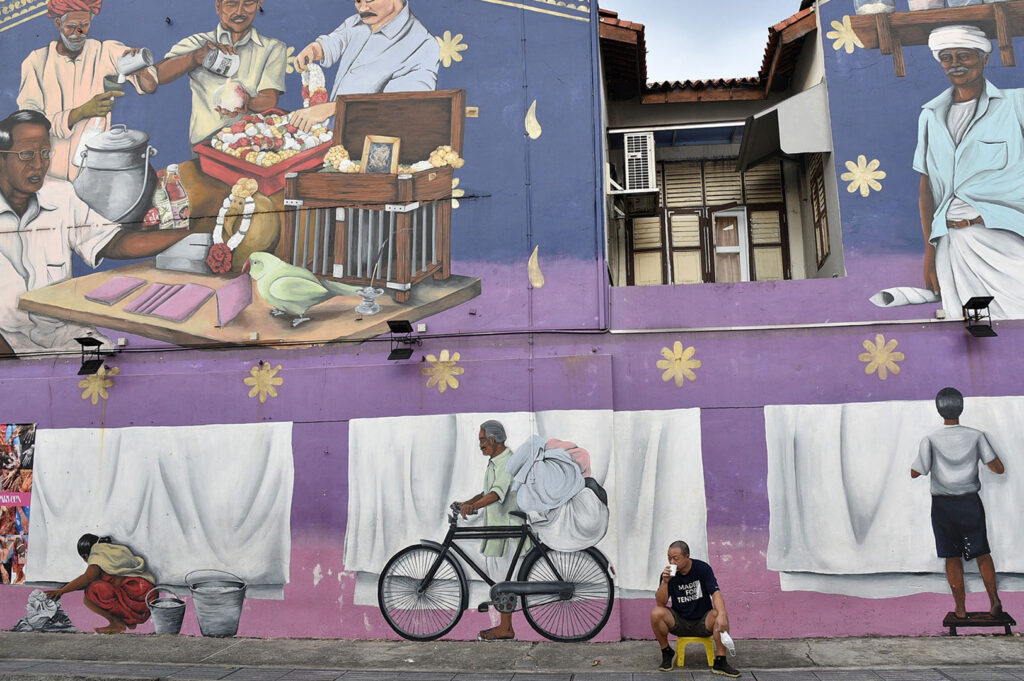
Little India isn’t just about history. The present pulses with vibrant creativity. Street art can be found on Belilios Road and surrounding alleys. Contemporary galleries and performance spaces, pop-up art installations along Campbell Lane, and regular workshops at the Indian Heritage Centre add new layers to the district’s identity. Events like the Singapore Night Festival often include cultural programming in Little India, bringing true light to its thriving arts scene.
Practical Information
Transportation: The district is served by Little India MRT Station and Farrer Park Station, both close to heart of the action.
Little India Hotels: Ranging from stylish boutique hotels to budget-friendly backpacker hostels, there’s a stay to suit every preference along Kerbau Road, Dunlop Street, and neighbouring streets.
Best Times to Visit: Weekday mornings are calm for market visits; evenings and weekends bring celebrations, bustling street food stalls, and vibrant activity.
Etiquette: Dress modestly for temple visits, respect prayer times, and use your right hand when passing money or eating (a tradition in Indian culture).
Safety: Little India is a safe neighbourhood, but watch for traffic on busy streets and mind your belongings in crowded places.
Language: English is spoken everywhere, but common Tamil phrases include “Nandri” (Thank you) and “Vanakkam” (Hello).
Conclusion
For those seeking a deep dive into Singapore’s multicultural fabric, Little India Singapore is essential. This unique district melds heritage and modernity—through its festivals, markets, cuisine, and community. Whether you’re wandering beneath vibrant street art, sharing biryani on banana leaves, or shopping for spices at Tekka Market, the area’s energy is sure to leave a lasting impression. Make time to explore these welcoming streets, discover the stories of Singapore’s Indian community, and let Little India’s colours, flavours, and traditions become a cherished travel memory. If stories like this resonate with you, Neighbourhood Life explores Singapore through its neighbourhoods—where culture, food, and everyday life quietly shape the city’s identity.