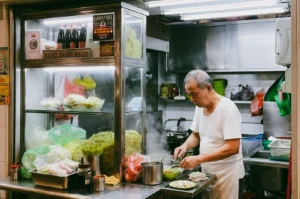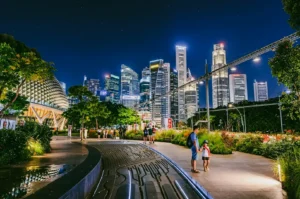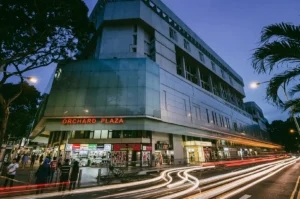
In Singapore, you can stroll down a bustling street and be immersed in a symphony of sounds: the ring of temple bells, melodic chanting, the call to prayer, and laughter emanating from lively coffee shops. This is the everyday magic of multicultural Singapore—a unique blend where Asian and European cultures harmoniously coexist. The island’s rich cultural diversity Singapore is most vividly experienced during the many festivals in Singapore, which punctuate the year and breathe life into neighborhoods across the city.
Singapore’s population is made up of various ethnic communities—Chinese, Malay, Indian, and Eurasian—each bringing unique traditions and celebrations. The main cultural festivals span the Chinese lunar calendar, the Islamic calendar, and the Tamil calendar, as well as Western observances. Yet, the true magic lies in how these Singapore festivals break ethnic boundaries, uniting residents through music, food, and shared cultural practices. Festivals act as bridges, nurturing racial harmony Singapore and strengthening the nation’s fabric. In this guide, you’ll explore how major celebrations—from Lunar New Year Singapore to Mid Autumn Festival, Hari Raya Puasa, and Deepavali celebrations—flourish within local neighborhoods, inviting all to participate.
Chinese New Year & Chinese Cultural Festivals in Singapore
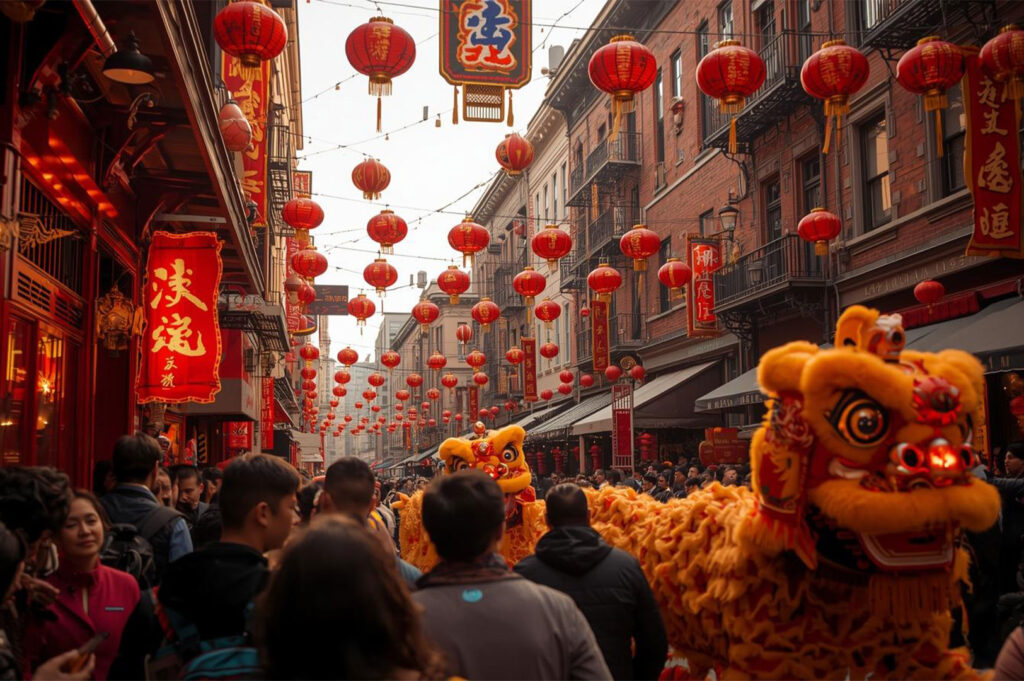
When spring arrives, Chinese New Year Singapore (the Spring Festival or Chunjie) lights up the city. Festivals in Singapore truly begin with this iconic event. A few weeks prior, Chinatown explodes with red and gold decorations, dragon dances, lion dances, lanterns, and countless stalls selling traditional snacks, sticky rice dumplings, and gifts. The public holidays bring whole families and close friends together for reunion dinners at home, while the streets fill with live performances and the aroma of traditional cuisine.
The excitement doesn’t end with Chinese New Year. Mid Autumn Festival (also called the Lantern Festival) animates heartland neighbourhoods as the full moon rises in the eighth month of the Chinese lunar calendar. This festival celebrates family unity—with colourful lanterns, exchange gifts of mooncakes, and neighborhood lantern walks from Toa Payoh to Bedok. Orchard Road and Chinatown become illuminated with gold decorations and dazzling lantern displays, perfect for photos and strolls.
Next comes the Dragon Boat Festival (the Double Fifth Festival) in the fifth month. Watch the Singapore River host exhilarating dragon boat races, a tradition rooted in southern China. Families celebrate by making or eating sticky rice dumplings wrapped in bamboo leaves—a must-try traditional snack during the season.
Finally, there’s the legendary Hungry Ghost Festival in the seventh lunar month. Visit Chinatown, Bukit Batok, or Geylang for a truly local experience. Makeshift altars with joss sticks and food offerings pop up everywhere, while communities enjoy getai (stage shows), lion dances, and drama in the evenings. These vibrant performances blend religious and cultural traditions, drawing crowds from all backgrounds in true Singaporean spirit.
Malay and Muslim Festivals: Hari Raya Puasa & Hari Raya Haji
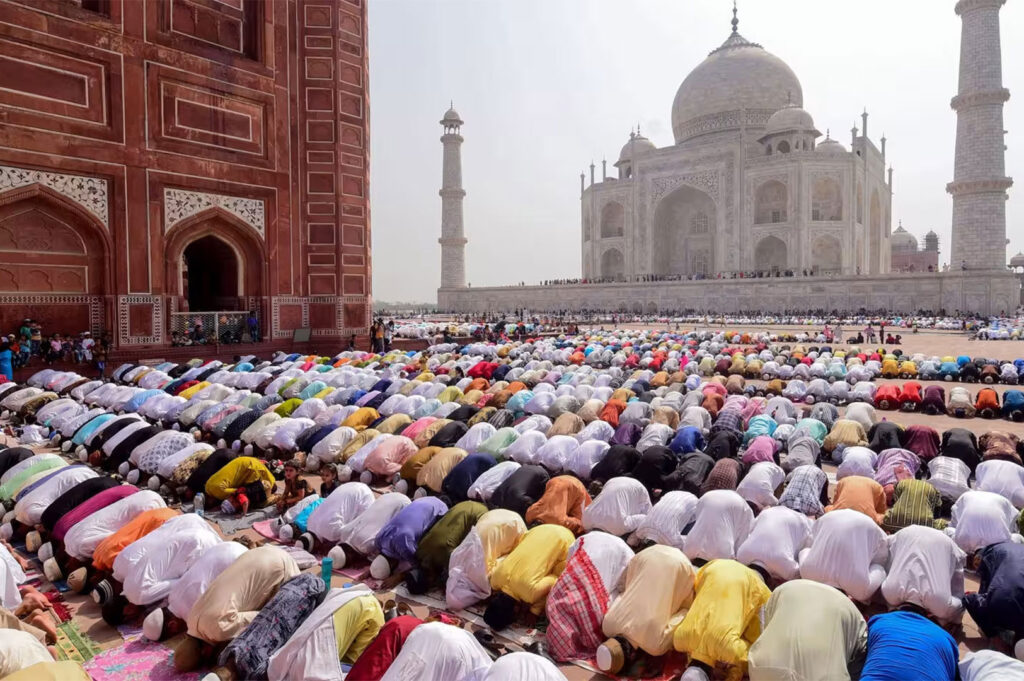
Hari Raya Puasa: A Feast of Forgiveness
As Ramadan ends, Hari Raya Puasa (also called Hari Raya Aidilfitri) is celebrated across Singapore, especially in Geylang Serai and Kampong Glam. Busy bazaars and night markets brim with colourful garments, sweet cakes, and traditional kuih. Neighbors visit open houses to share festive dishes such as rendang, ketupat, and pineapple tarts—a powerful symbol of multicultural Singapore’s hospitality.
Whether you live in Bedok North, Bukit Timah, or Bukit Batok, Muslims and non-Muslims alike enjoy the communal harmony. As one resident shares, “Whenever we celebrate Hari Raya, we always invite our neighbors regardless of background. These gatherings remind us that Singapore celebrates as one family.”
Hari Raya Haji: Sacrifice, Charity, and Community
Celebrated about 70 days after Hari Raya Puasa, Hari Raya Haji is observed in mosques from the Central Business District to Woodlands. The act of korban—sacrificing livestock and sharing the meat—underscores Singapore’s value of supporting the less fortunate. Neighbourhoods hold communal prayers; giving to charity and sharing food strengthens bonds beyond the Muslim community. Visitors who respectfully join open houses or sample traditional cuisine at food stalls help foster true understanding.
Indian Celebrations: Deepavali, Thaipusam, and More
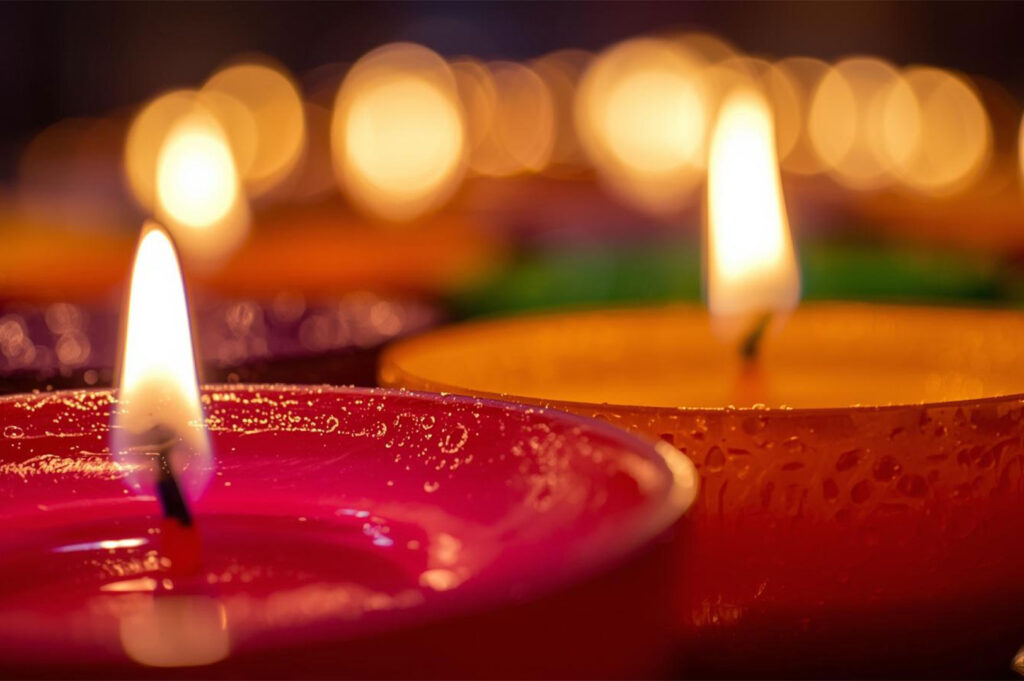
Deepavali celebrations (the Festival of Lights) transform Little India, Serangoon Road, and Campbell Lane into a sea of colourful lights, street art, and joyful activity. Residents don new clothes and decorate their houses, while visitors can try Indian snacks and sweets at countless stalls dotting the district. Open houses welcome people from different cultures to experience the vibrancy of the Indian community.
The Thaipusam procession is an annual pilgrimage that starts at the Sri Srinivasa Perumal Temple and ends at Sri Thendayuthapani Temple. Neighborhoods along the route—from Farrer Park to Race Course Road—become alive with live performances, songs, and community support for those making religious vows.
Pongal, the harvest festival rooted in south India, is celebrated in January. The festival is a thanksgiving for a bountiful harvest and features the cooking of sweet rice in clay pots, cultural performances, and food stalls serving a range of vegetarian dishes.
Don’t miss stopping by the oldest Hindu temple in Singapore, Sri Mariamman Temple, in Chinatown, or enjoy a heady ayurvedic massage at Little India. The many lanterns, sticky rice dumplings, and variety of Indian snacks highlight how different cultures and traditions blend in Singapore’s neighbourhood life.
Festivals in Singapore: Cross-Cultural, National, and Modern Celebrations
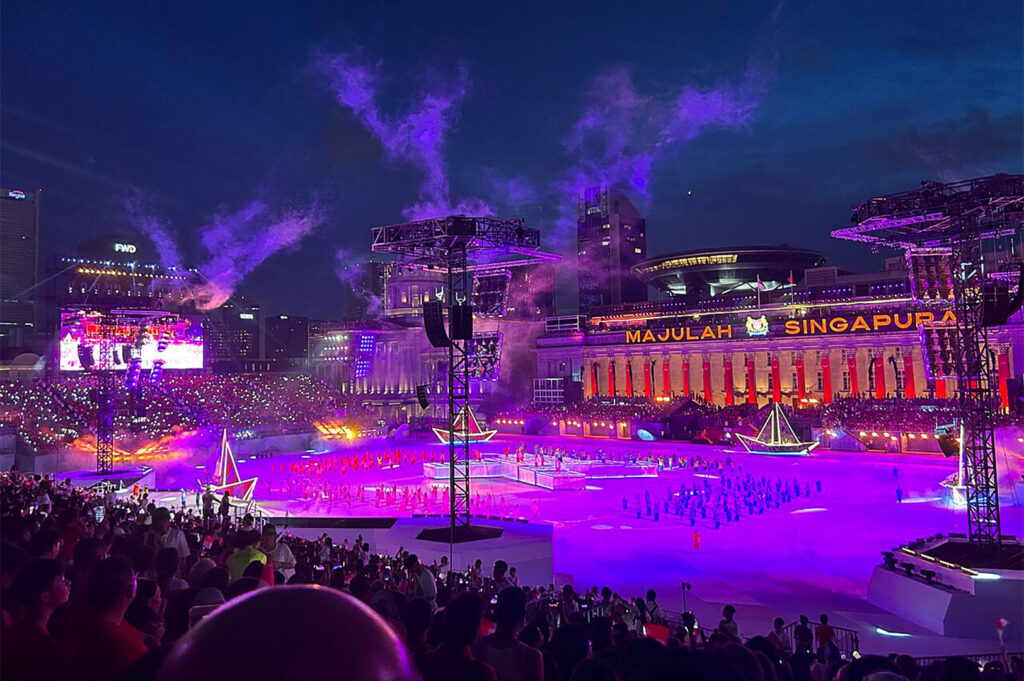
Singapore’s National Day & Parade
Every August 9, Singapore marks National Day with a massive national day parade featuring fireworks at Marina Bay, chingay parade floats, and live performances across the island. Yet, the heart of the celebration lies in neighborhood carnivals and block parties, where everyone joins in to celebrate Singapore’s unity and four official languages are on brilliant display.
Racial Harmony Day & Singapore Heritage Festival
Racial Harmony Day, celebrated each July 21, is central to Singapore’s ethos. Schools and communities organize activities where students wear traditional outfits from different ethnic groups and share favourite foods—a fun way to embody racial harmony Singapore.
The Singapore Heritage Festival is a multicultural journey, spotlighting neighbourhoods’ unique histories from Bugis Street to Tiong Bahru. Events at the Indian Heritage Centre, night markets, and guided tours foster deeper appreciation of Singapore’s rich cultural traditions.
Lantern Festival & Western-Inspired Celebrations
The Lantern Festival (together with Mid Autumn Festival) draws families into parks, plazas, and HDB courtyards with paper lanterns, gold decorations, and mooncakes. The meanings of the full moon and reunion echo through Asian and European cultures alike.
Christmas in Singapore is celebrated with Orchard Road’s grand light-up and countless stalls selling festive treats. Local churches, schools, and neighbourhood groups hold events with live performances, caroling, and exchange of gifts. New Year’s Eve sees the city usher in the year with fireworks at Marina Bay and parties echoing across neighbourhoods.
Grand Prix season (usually in September) sees a fusion of modern Singapore and international culture as the island hosts the F1 night race, accompanied by concerts and vibrant street events that welcome locals and visitors alike.
Food as a Festival Unifier in Multicultural Singapore
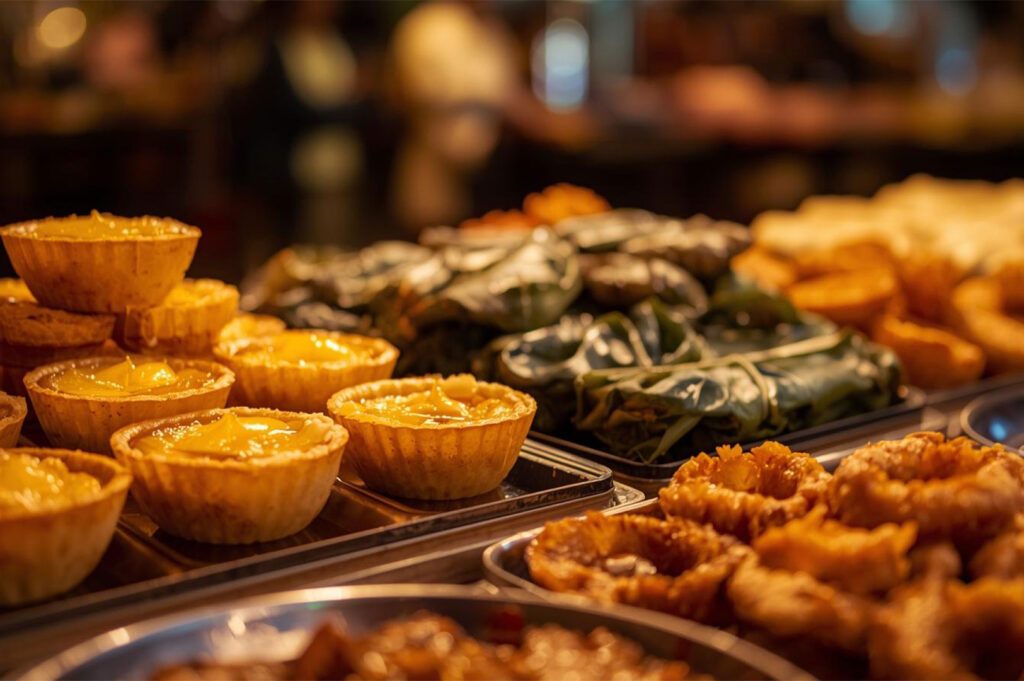
Throughout the year, festival food Singapore is a universal connector. From pineapple tarts at Chinese New Year to sticky rice dumplings during the Dragon Boat Festival; from satay stalls and kitchen tables groaning under bountiful harvest feasts to vadai and murukku at Deepavali—Singapore’s food stalls and night markets bring everyone together. It’s not unusual to find Indian snacks in Malay homes or Chinese dishes at Indian open houses, as the lines between traditional cuisine blur happily.
Visit Geylang Serai for Malay specialties, Chinatown for mooncake fairs, or Little India for the best sweets—every neighbourhood’s food district has something to offer. **Traditional snacks, food stalls, and modern takes on age-old recipes demonstrate how unity is eaten and savoured, not simply spoken.
How Festivals Build Unity Among Different Cultures
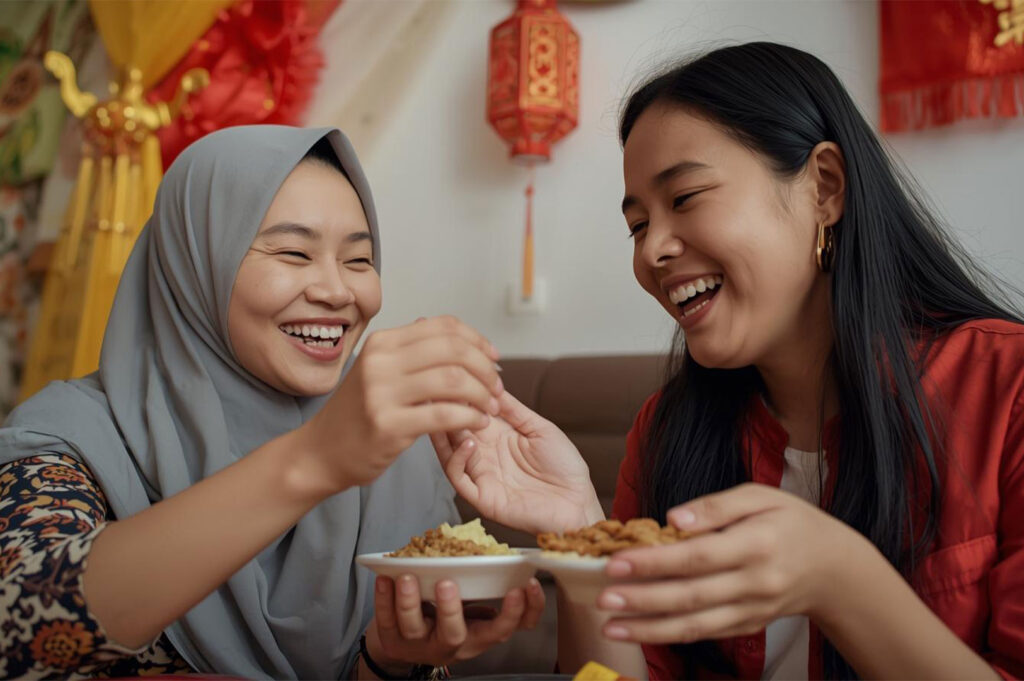
The Singapore government actively ensures all religious festivals and major ethnic celebrations are recognized as public holidays, promoting acceptance and participation among all citizens. Beyond formal policies, it’s these festivals—the laughter shared over hong bao, dress in new clothes for the Spring Festival, fire eaters at Hungry Ghost Festival, and the compassion of Hari Raya Puasa—that spark organic, meaningful connections.
Life stories abound, like the Malay grandmother who invites her Chinese neighbours for rendang during Hari Raya, or the Indian teenager learning to make rice dumplings from her friend’s family for the Dragon Boat Festival. Festivals are opportunities for different communities to learn, grow, and celebrate side by side.
Conclusion: Singapore Celebrates as One
From the glory of the Lunar New Year Singapore streets and the dazzling lights of the Lantern Festival, from the booming chingay parade at National Day to the sticky sweetness of mooncakes, festivals in Singapore serve as more than just days off; they are moments when the idea of multiculturalism springs vibrantly to life.
As modern Singapore embraces both ancient traditions and new forms of celebration, these festivals—rooted in the chinese calendar, islamic calendar, and tamil calendar—continue to evolve, drawing residents and visitors closer. No matter your background, to visit Singapore during a festival is to join a living tapestry, sparked by the joy of sharing, honouring, and celebrating together.
Singapore Festival Calendar (Major Events)
January/February: Chinese New Year, Thaipusam, Pongal, Spring Festival
March/April: Hari Raya Puasa, Qingming Festival (dates vary)
May: Vesak Day (with traditional chanting and candlelight processions)
June: Hari Raya Haji, Dragon Boat Festival, Fifth Month/Double Fifth Festival
July: Racial Harmony Day
August: Singapore’s National Day, Hungry Ghost Festival (begins)
September: Mid Autumn Festival, Lantern Festival, Grand Prix
October/November: Deepavali, Halloween celebrations (dates vary)
December: Christmas in Singapore, New Year’s Eve, Marina Bay fireworks
Tips for Respectful Participation in Singapore Festivals
Dress Appropriately: Modest attire is expected at places of worship and open houses.
Accept Food & Drinks: Sharing food is a gesture of goodwill—sample dishes, even if just a little.
Bring a Gift: When invited, gifts like sticky rice dumplings, sweets, or fruits are appreciated.
Photograph Politely: Always ask before taking photos, especially during religious or family moments.
Use Both Hands: Whether exchanging hong bao or gifts, using both hands is a sign of respect.
Neighbourhood Celebration Hotspots:
Chinatown: Lion dances, Night markets, Sri Mariamman Temple celebrations
Little India: Deepavali lights, harvest festival, the oldest Hindu temples
Geylang Serai: Hari Raya bazaars, food stalls, modern Singapore family open houses
Marina Bay & Orchard Road: National Day Parade, Christmas in Singapore, Grand Prix events
Come and visit Singapore during its diverse calendar of festivals—the spirit of unity, joy, and cultural harmony will leave a lasting mark on your heart. Stories like these sit at the heart of Neighbourhood Life—where festivals are not just events, but shared experiences rooted in neighbourhoods.