Singapore’s skyline tells the story of a city-state transformed. From the era of the British East India Company to the dynamic metropolis of modern Singapore, every street corner boasts a diverse collection of iconic landmarks, colonial architecture, and futuristic marvels. Walking these historic districts and modern neighborhoods is the best way to appreciate Singapore’s architectural heritage up close. Singapore architectural tours let you trace the city’s development, from old trading posts along the Singapore River to glass-and-steel skyscrapers that define the city today.
Why choose a walking tour? On foot, you discover carefully restored shophouses in Singapore, neoclassical government hill monuments, and ground floor cafés that spill onto leafy boulevards. Each route offers a journey through Singapore architectural history, showcasing rich culture layered over the centuries—from untouched Straits Chinese architecture to art deco motifs and modernist buildings. This guide will introduce you to some of the city-state’s most fascinating walking tours, tailored for architecture enthusiasts and first-time visitors eager to explore both popular and lesser-known marvels.
Some of the most meaningful architectural experiences are found in neighbourhoods where history, culture, and daily life intersect, learn more about these districts as you plan your walking route.
The Evolution of Singapore’s Architecture: From Colonial Era to Modern Marvels
Understanding the city’s built environment means understanding the forces that shaped it. Singapore’s transformation began with the arrival of Sir Stamford Raffles in 1819, who established a British trading post and laid the plans for colonial Singapore. Early public buildings were typical cross cultural features—an eclectic blend of European, Malay, and Chinese decorative elements.
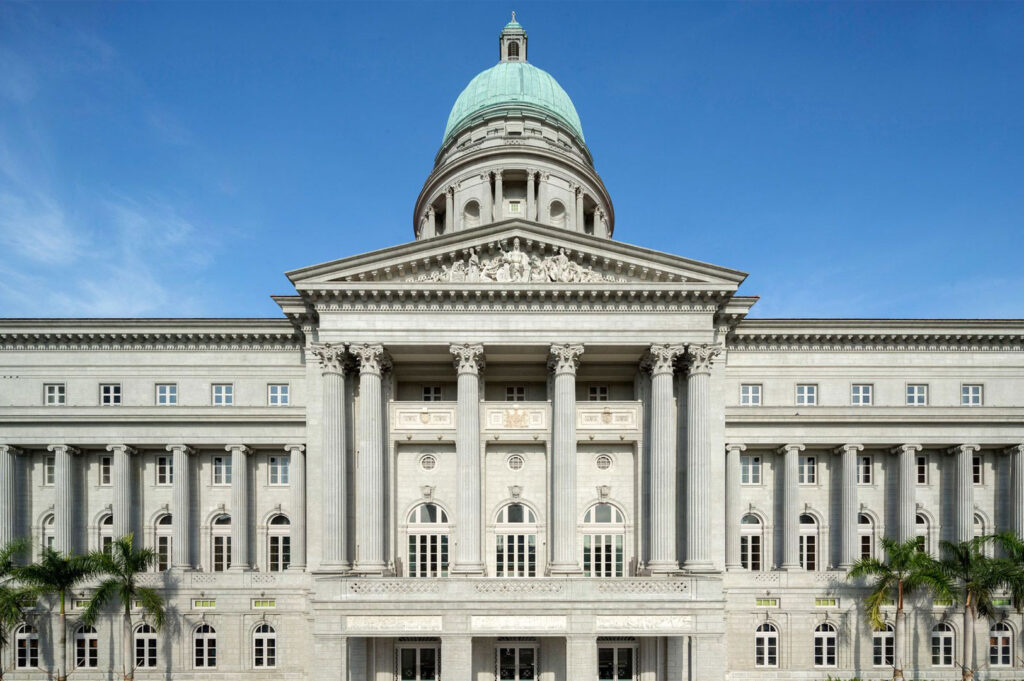
Many surviving colonial buildings Singapore—from the old Supreme Court and City Hall to black and white bungalows—reflect neoclassical grandeur, with ornamental columns and expansive verandas. The town hall, now part of the National Gallery, and iconic Victoria Theatre and Concert Hall, designed with a prominent main hall featuring elaborate interiors, stand testaments to colonial influence and the British Empire’s presence.
After independence and the disruptions of World War II, Singapore’s urban redevelopment gathered pace. The government, guided by the Urban Redevelopment Authority and its master plan, embarked on mass public housing and the creation of affordable residential complexes, introducing Brutalist and modernist architecture across the island. Today, the city is an international showcase of contemporary architecture, with green skyscrapers, shopping malls, and vibrant public spaces. Conservation guidelines now protect the mix of Singapore historical buildings, residential spaces, and commercial buildings, contributing to the city’s unique appeal.
Colonial Architecture: Central District Heritage Walking Tour
Start your exploration in the Civic District, the epicenter of colonial era Singapore. The best-known Singapore architectural tours often begin at the grand Raffles Hotel, an icon since 1887, built in the British colonial architectural style and once a gathering place for the British East India Company’s elite.
National Gallery (Old Supreme Court and City Hall): These two buildings dominate Government Hill with Corinthian columns and majestic domes. Admire their historical significance and elaborate decorative elements, painstakingly restored to their former glory.
St. Andrew’s Cathedral: Exemplifying the English Gothic Revival, this church is the largest cathedral in Singapore with beautiful stained glass and tall spires.
Victoria Theatre & Concert Hall: Formerly a town hall, this venue is celebrated for architecture that blends neo-classical style with contemporary upgrades, and it stands as a renowned concert hall.
Fort Canning Hill: Once home to the British command during WWII, this site offers panoramic views and insights into Singapore’s past strategic importance.
Practical Information: This well-marked walking route stretches around 3 kilometers. Morning or late afternoon is ideal for comfortable weather and photography. Highlights abound for both architectural detail lovers and those interested in the city-state’s historical narrative.
Art Deco Shophouse Style: Chinatown Shophouse Trail
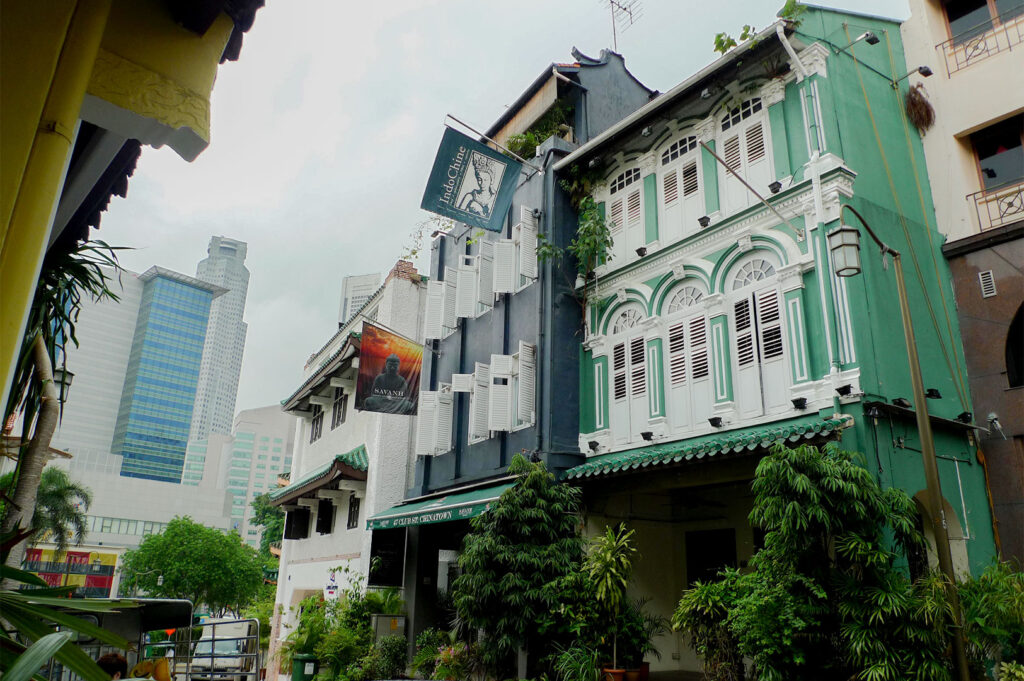
No discussion of Singapore’s architectural heritage is complete without the beloved shophouses in Singapore, many found on South Bridge Road, Telok Ayer Street, and the surrounding area.
Early Shophouse Style to Art Deco Motifs
Singapore shophouse architecture evolved through five main styles:
Early Shophouse Style: Simple design, minimal ornamentation, wooden half doors.
First Transitional Shophouse Style: Decorative tiles and arches, influenced by the city’s rich culture.
Second Transitional Shophouse Style: More elaborate ornamentation and art deco influences.
Art Deco Shophouses: Vertical emphasis, thin concrete fins, bold geometric shapes—especially visible along Club Street and Ann Siang Hill, where colourful enclaves reflect the vibrancy of the straits Chinese community.
Late Shophouse Style: Highlights modernist architecture with simplified forms and motifs.
Many of these buildings have been carefully restored following conservation guidelines, revitalizing historic districts while preserving their architectural significance. Don’t miss the chance to photograph pastel-hued doors, elaborate cornices, and Chinese decorative elements—favorite subjects for Singapore architectural photography spots.
Insider Tip: For shots of untouched Straits Chinese houses and modern shophouse styles, seek out side alleys off Telok Ayer Street and Ann Siang Hill’s quieter corners.
Marina Bay Architectural Landmarks: Modern and Contemporary Architecture
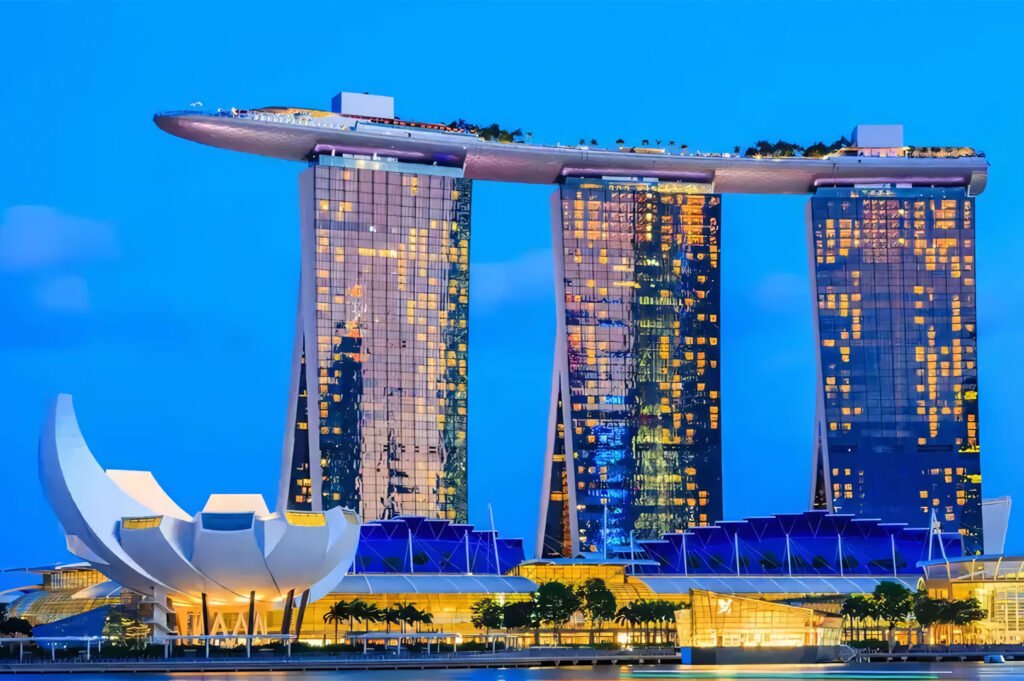
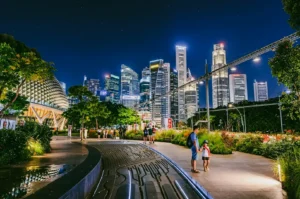
Marina Bay is the centerpiece of modern Singapore—a place where bold, contemporary architecture rises alongside the shimmering waters of the Singapore River.
Marina Bay Sands: A defining feature of the city’s skyline, its three soaring towers linked by a dramatic skypark set the standard for cutting-edge design and engineering.
ArtScience Museum: Inspired by a lotus in bloom, this museum bridges art and science, with sustainable building features such as rainwater harvesting.
Gardens by the Bay: Step into a world where architecture meets nature—the Flower Dome, Cloud Forest, and Supertree Grove stand as icons of sustainable design and contemporary architecture.
Helix Bridge & Esplanade: The Helix joins Marina Centre and Marina South, inspired by the DNA structure. The Esplanade – Theatres on the Bay, or ‘durian’ by locals, is a concert hall famous for its spiky roof—a nod to Southeast Asia’s most famous fruit.
Explore the late afternoon and evening for illuminated cityscapes, dramatic views, and live performances. This route offers something for everyone: from futuristic commercial buildings and art galleries to open-air spaces perfect for relaxation after a day of walking.
Off the Beaten Path: Hidden Gems and Historic Districts
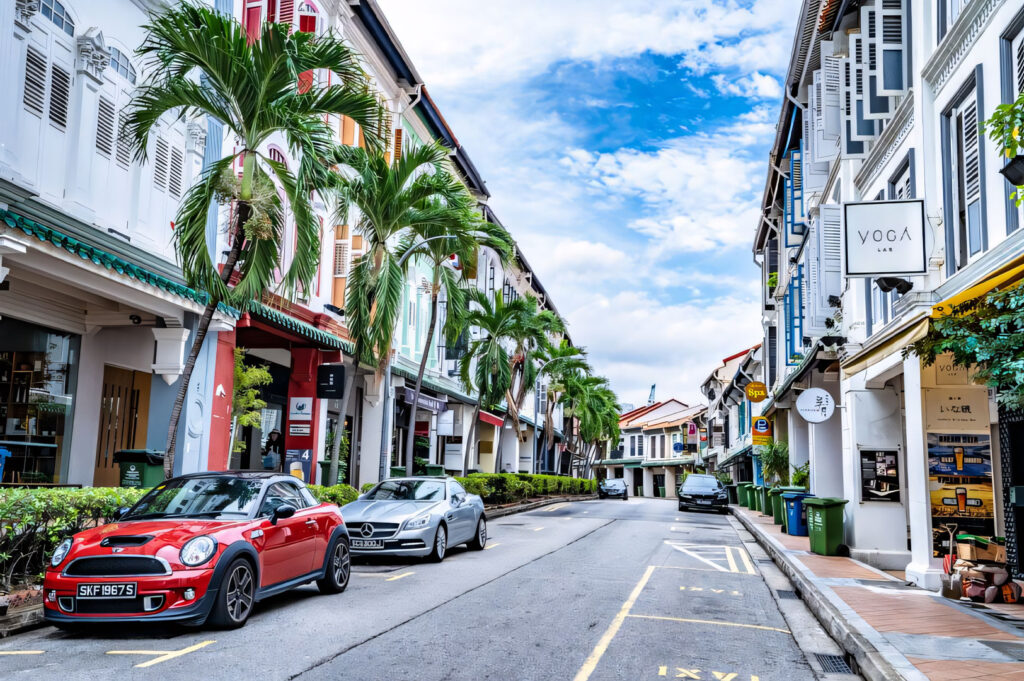
Walking beyond the main avenues reveals remarkable places, from religious buildings to beautifully restored residential and commercial spaces.
Tiong Bahru: A hotspot of modernist architecture. Streamlined, rounded balconies and minimal ornamentation mark buildings put up before WWII. Check out the ground floor bakeries and cafes that are local favourites for a taste of everyday life.
Joo Chiat & East Coast: Famed for Straits Chinese architecture restored to its full splendor, featuring untouched Peranakan houses painted in vibrant hues.
Golden Mile Complex: A fascinating example of brutalist architecture and one of Singapore’s first mixed-use residential complexes. It represents the evolution in affordable housing and commercial design.
Religious and Cultural Fusion: From the Abdul Gafoor Mosque (Little India) with its blend of Southern Indian and Moorish motifs to the Chesed-El Synagogue and Holy Infant Jesus Chapel, these places illustrate the city’s multiethnic community. Each has a unique main hall with elaborate interior features and architectural styles.
In these areas, you encounter vibrant local artisans, hidden gems with art deco motifs, and preserved features demonstrating the city’s commitment to architectural conservation.
Another district that rewards architectural exploration is Kampong Glam, where mosque architecture, conserved shophouses, and royal Malay history intersect within a compact heritage precinct. Read more to uncover how this neighbourhood’s built environment reflects faith, trade, and community life.
Conservation Guidelines in Singapore: Preserving Rich Culture
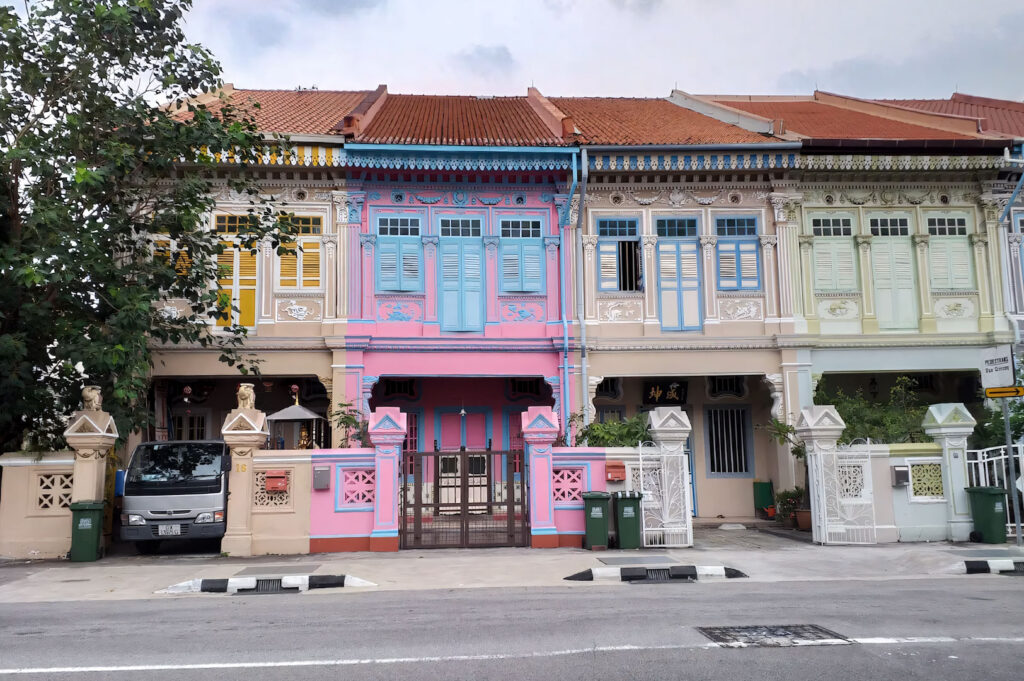
Singapore’s Urban Redevelopment Authority and National Heritage Board have instituted robust conservation guidelines, especially for black and white bungalows, Straits Chinese family homes, and civic buildings. Efforts are ongoing to retain historic details while adapting structures for new uses—balancing modern needs with respect for the city’s architectural legacy.
Architectural styles are protected under these plans, allowing for everything from residential spaces and ground floor shops to striking commercial developments and carefully planned green areas.
Guided vs. Self-Guided Architecture Tours Singapore: Exploring with Experts or Independently
Guided Tours: For deep dives into Singapore’s architectural history, join a reputable tour provider with expert guides who share stories of Sir Stamford Raffles, colonial Singapore, WWII, and the rise of the city state.
Self-Guided Architecture Tours Singapore: Apps and resources from the Urban Redevelopment Authority and Singapore Heritage Trails empower you to set your pace, choose your focus (colonial, art deco, contemporary, etc.), and explore more small details like art deco shophouse style, early shophouse style, and decorative elements missed by larger groups.
Cost Comparison: Guided tours range from S$20–S$60 per passenger, while self-guided tours using apps are often free or under S$5. Both offer memorable experiences across historic districts.
Practical Tips for Architecture Enthusiasts Visiting Singapore
Timing: Visit early morning or late afternoon for the best photography, especially along ground floor fronts and upper floors of historic or commercial buildings.
Weather: Singapore’s humidity is legendary—dress in breathable clothing and have an umbrella handy.
Essentials: Bring water, a notebook for jotting down details on art deco motifs or conservation techniques, and a camera with a wide lens for capturing everything from town halls and concert halls to sprawling residential complexes.
Etiquette: Always show respect inside religious buildings or private residences. Modest dress is a must when visiting places of historical or religious significance.
Conclusion: Reliving Singapore’s Architectural Heritage
Every Singapore architectural walking tour—whether in colonial architecture zones, historic districts, or among Marina Bay’s contemporary architecture icons—offers a unique lens on the city’s evolution. By engaging with the stories, styles, and strata from Singapore’s past, you’ll gain an enriched perspective on how this city state honors its history while building the future.
Ready to see Singapore’s old buildings, innovative shopping malls, and concert halls with new eyes? Lace up your walking shoes, grab your camera, and embark on a journey into the heart of Singapore’s architectural heritage—a rewarding adventure through time, culture, and design.
Singapore reveals itself best when you slow down and look closer — at the streets you pass daily, the neighbourhoods you think you know, and the stories quietly unfolding around you. If you’re curious to keep exploring these everyday places and the lives within them, NeighbourhoodLife.com.sg is where those journeys continue.