In Singapore’s rapidly urbanizing landscape, nature reserves like Sungei Buloh Wetland Reserve and the lush Kranji countryside stand as vital refuges for native wildlife, plant species, and rare ecosystems. Located in the northwestern section of the island, these significant green spaces form an irreplaceable wildlife corridor linking wetlands, farms, and protected habitats, and have become exemplary showcases of nature conservation for both local residents and international visitors. Within Singapore’s limited land area, these two sites serve as a lifeline for countless wild animals and unique plants, and as sanctuaries where humans and the natural environment coexist.
As Singapore continues to grow, the delicate balance between urban development and green space preservation is constantly tested. Sungei Buloh and Kranji not only highlight the wonders of Southeast Asia’s biodiversity but also demonstrate the city-state’s commitment to the Singapore Green Plan and its Nature Conservation Masterplan. This article explores how these iconic parks—recognized as both a local treasure and as part of the four core nature reserves—protect our fragile habitats while engaging, educating, and inspiring the community to conserve and cherish Singapore’s rich natural environment for generations to come.
This northern landscape also connects to coastal public spaces such as Woodlands Waterfront: Singapore’s Northern Coastal Landmark, where urban residents experience Singapore’s border geography, sea views, and everyday nature encounters before venturing deeper into protected wetlands like Sungei Buloh and the Kranji countryside.
Sungei Buloh Wetland Reserve: Conservation and Global Recognition
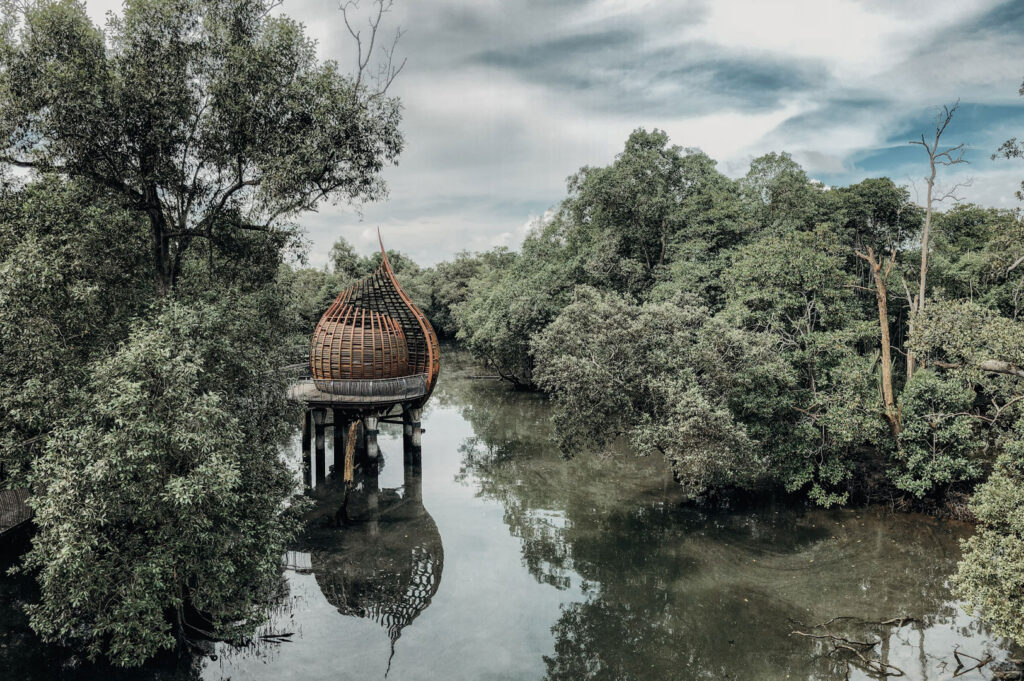
Designated as Singapore’s first ASEAN Heritage Park in 2003 and established in the mid-1980s, the Sungei Buloh Wetland Reserve spans over 200 hectares, having since expanded from its original 87-hectare footprint. The reserve’s establishment is credited to passionate birdwatchers and environmentalists who recognized its vital ecological role for migratory birds traveling on the East Asian–Australasian Flyway. As Singapore’s only officially recognized wetland reserve, Sungei Buloh preserves an incredible range of wildlife and is a living classroom for biodiversity, making it one of the most important nature areas in the region.
Ecological and Environmental Significance
Every year, the mudflats and mangroves of Sungei Buloh serve as a significant refueling station for more than 200 bird species, including globally threatened migrants like the Far Eastern curlew and Nordmann’s greenshank. Iconic residents such as Malayan water monitor lizards, smooth-coated otters, estuarine crocodiles, mudskippers, and elusive native mammals call this area home. This thriving biodiversity is regularly studied by the National Biodiversity Reference Centre and is central to Singapore’s nature conservation vision.
The reserve’s unique mangrove ecosystem acts as a natural barrier against coastal erosion and sea-level rise, while also serving as crucial nurseries for marine life. Mangroves help absorb carbon dioxide, reducing Singapore’s overall carbon footprint and supporting climate resilience. These habitats are maintained and enhanced under programs like the Nature Conservation Masterplan, which focus on riparian reforestation, restoring lost habitats, flora and fauna surveys, and partnering with the National Parks Board (NParks) for targeted conservation efforts.
Sungei Buloh’s international accolades include its recognition as a critical site for migratory birds, especially with evidence of at least three species of kingfishers and sightings of rarities that draw bird enthusiasts from around the world. Its history stands as a powerful example of how dedicated conservation efforts can protect and enhance Singapore’s biodiversity while allowing urban spaces to thrive alongside natural ones.
Nature Conservation and Visitor Experience at Sungei Buloh Wetland Reserve
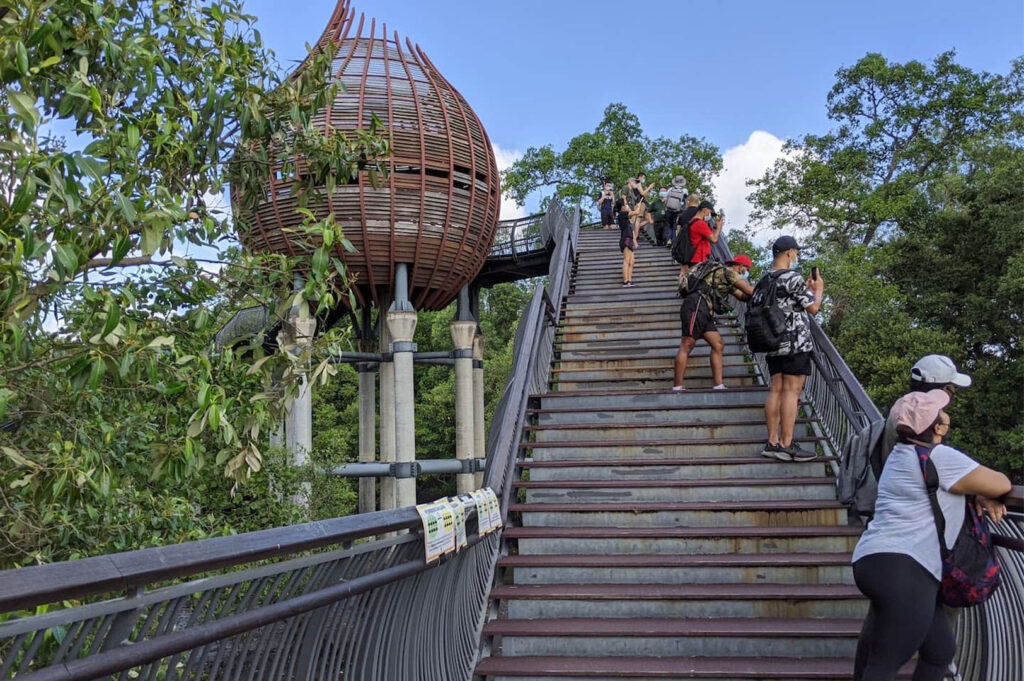
Exploring Sungei Buloh Wetland Reserve offers visitors a profound connection to Singapore’s wild side. The reserve features a range of accessible nature trails, boardwalks, and viewing towers designed for visitors of all ages and physical abilities—a testament to its mission to enhance environmental awareness and engagement with the public.
Trail Options and Prime Observation Points
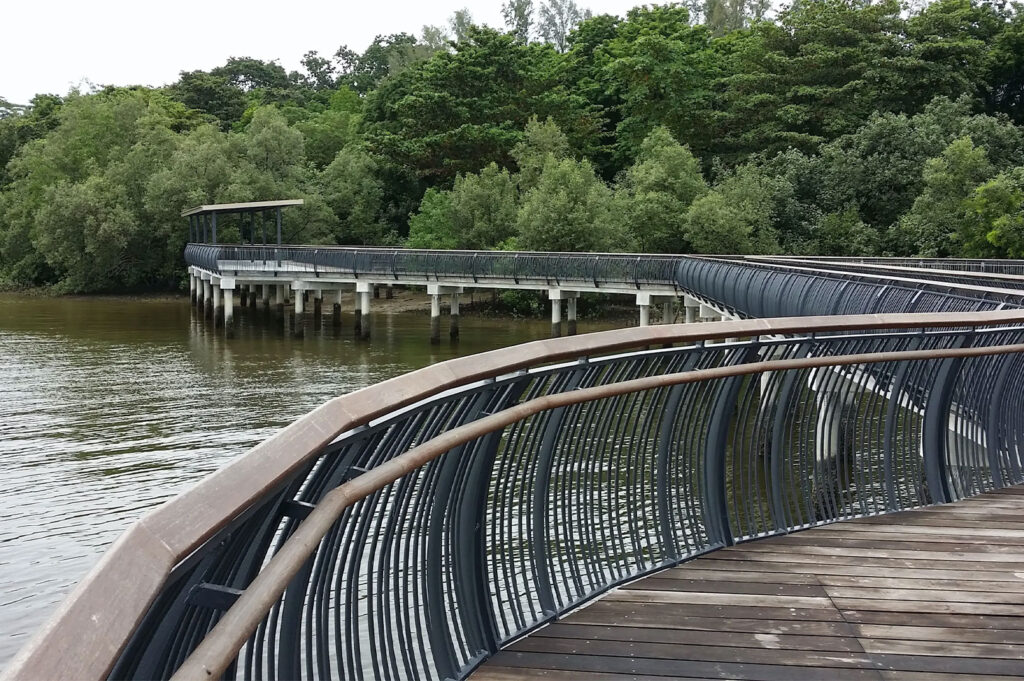
The Main Wetland Centre Trail guides visitors through freshwater and mangrove wetlands, allowing for unobtrusive viewing of wildlife. The Mangrove Boardwalk invites you to discover the intricate root networks that support countless native creatures, while the Migratory Bird Trail follows tidal ponds bustling with activity especially during migration seasons. Hides and elevated observation towers offer panoramic views, ideal for photography enthusiasts and birdwatchers seeking rare species or the perfect perspective.
Along these routes, educational kiosks share information about the flora, fauna, and ongoing research, helping visitors recognize the importance of these conservation efforts. With over 200 bird species recorded, you may spot anything from shorebirds during low tide to mammals foraging in the early morning. For those wanting a deeper understanding, NParks organizes regular guided tours and thematic walks as part of their education and outreach.
Beyond official trails and guided tours, everyday encounters with nature happen in quieter ways—regular walkers spotting familiar birds, photographers returning to the same viewpoints, and families building routines around these green edges. Neighbourhood Life captures these lived experiences, showing how nature reserves become part of daily neighbourhood rhythms rather than one-off destinations.
Facilities, Best Times to Visit, and Tours
The optimum months to visit for birdwatching are from September to March, during the migratory season, when birds rest and feed before continuing their journey. Tide timings influence visible wildlife activity, with low tides offering the best opportunities to observe mudflat foragers. Early mornings promise cooler temperatures and more lively encounters with both bird and mammal species.
Facilities at the reserve include wheelchair-accessible trails, shelters, clean restrooms, interpretive galleries, and an expanded visitor centre equipped to educate with up-to-date displays about Singapore’s biodiversity and conservation milestones. NParks’ recreation department also schedules educational tours and citizen science programs, inspiring visitors to participate directly in Singapore’s broader conservation journey.
Kranji Countryside: Sustainable Living, Heritage, and the Spirit of Singapore
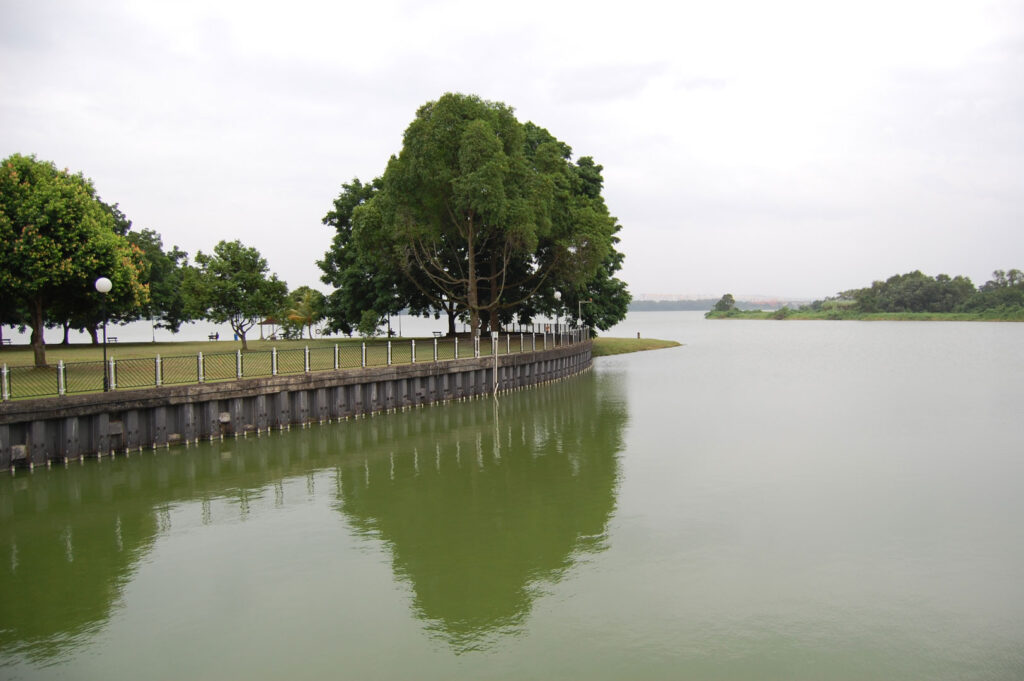
Beside Sungei Buloh lies the tranquil Kranji countryside, a landscape shaped by Singapore’s agricultural roots and the vision of sustainable land use. In an increasingly urban city, Kranji is a refreshing counterpoint—its rolling fields and working farms demonstrating how conservation, food production, and community building can coexist.
Agricultural Heritage, Kranji Farms, and Conservation Efforts
The Kranji Countryside Association unites a network of over 30 nature-based businesses and farms, ranging from Bollywood Farms to Hay Dairies. Many of these Kranji farms use sustainable techniques like aquaponics and vertical growing, making the region a living lab for innovative food production and biodiversity conservation. On weekends, the countryside comes alive with families exploring farm-to-table cafes, organic markets, and eco-tours that explain how farms help conserve native plants and protect habitats for wild animals.
An underappreciated gem, the expansive Kranji Marshes, is a nature park managed by the National Parks Board. It supports over 170 bird species, including raptors and wetland specialists rarely seen elsewhere in Singapore. Observation hides and towers provide quiet vantage points for birdwatchers and photographers intent on spotting kingfishers, herons, or the elusive blue-eared barbet.
Neo Tiew’s history as a thriving rural community, and its subsequent transformation into an ecological site, underscores the importance of adaptive land use in conserving Singapore’s natural spaces while allowing for creative community development.
Conservation Efforts, Nature Conservation Masterplan, and Community Engagement
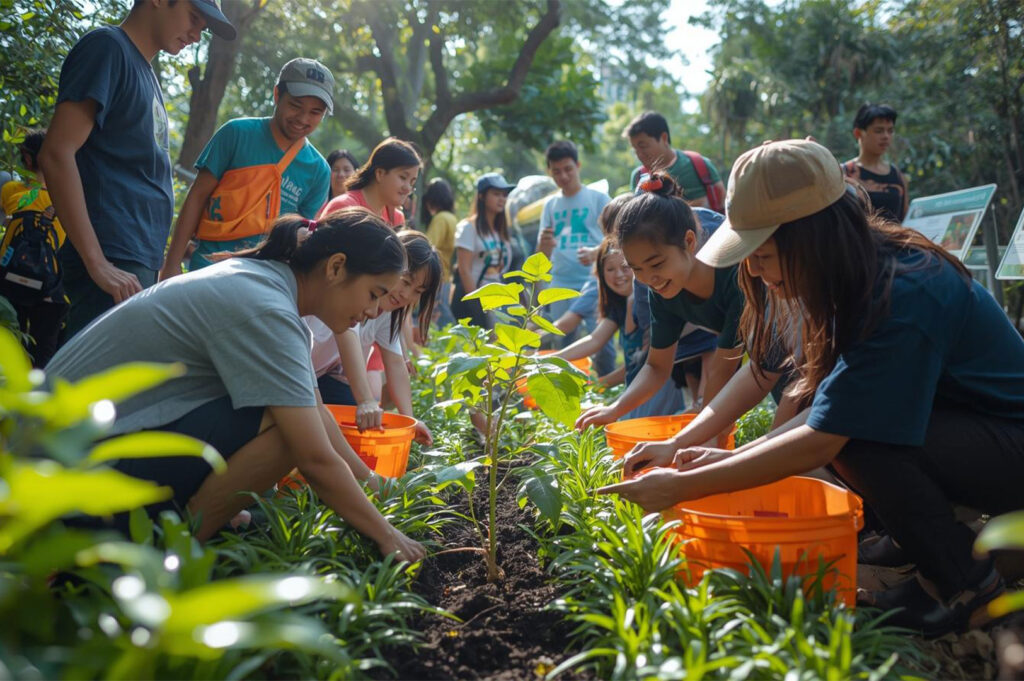
Singapore’s nature conservation legacy is rooted in active partnerships between government agencies, NGOs, local communities, and visitors. The ongoing success of the Nature Conservation Masterplan can be seen in initiatives like school-based biodiversity education, eco-gardening, and hands-on tree planting at both Sungei Buloh and Kranji.
Schools work with NParks and the National Biodiversity Reference Centre to design projects that promote knowledge of local flora and encourage appreciation for the natural environment. Farm tours and workshops not only support community learning but also forge links between food, biodiversity, and sustainability. Local volunteers play a critical role in reforestation, monitoring animal populations, and promoting conservation awareness, ensuring broad community stewardship of these unique habitats.
These conservation efforts align seamlessly with national goals: supporting the Singapore Green Plan, lowering the city’s carbon footprint, and maintaining vibrant ecosystems as Singapore evolves. Eco-tourism in the Kranji countryside, as in Sungei Buloh, fosters sustainability by connecting visitors with the realities—and rewards—of living in harmony with nature.
Facing Urban Development and Other Challenges
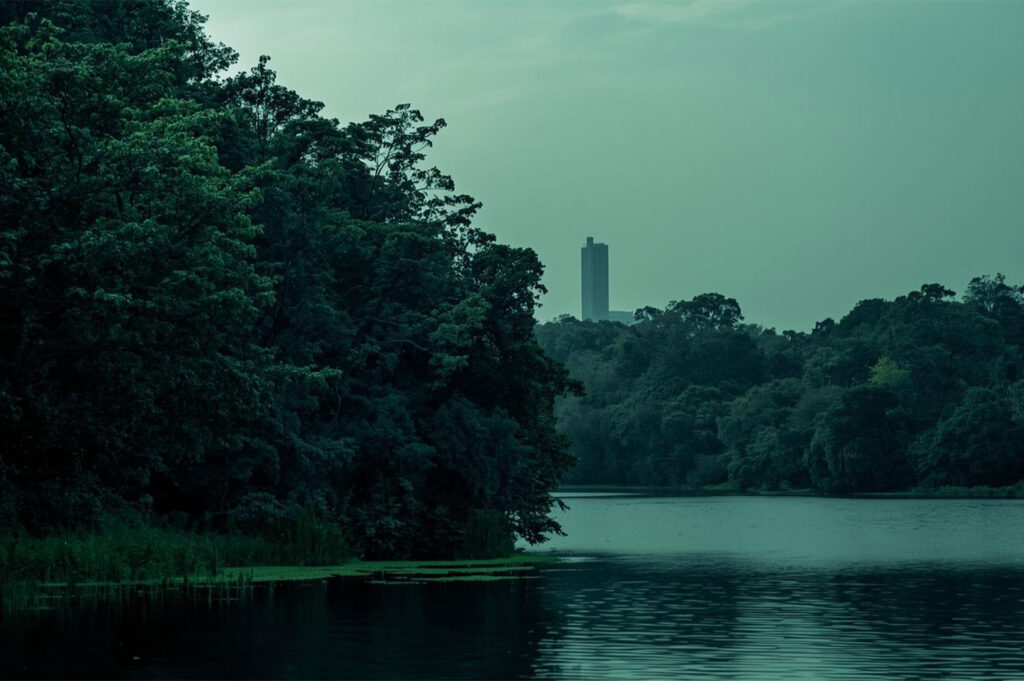
Despite robust protections and impressive successes, these reserves face ongoing threats. Urban development at the fringes, industrial pollution, and visitor pressures can strain delicate habitats. Rising sea levels and changing rainfall patterns associated with climate change threaten to alter ecosystems and displace wild species, sometimes leading to local extinction events.
Yet, Sungei Buloh Wetland Reserve and the wider Kranji corridor remain resilient, thanks to adaptive management by the National Parks Board. Mapped wildlife corridors and integrated park connectors now tie these reserves with larger networks, including the Central Catchment Nature Reserve and Bukit Timah. Innovative projects, research partnerships, and community science programs continue to enhance data about habitats and species, driving forward the mission to conserve and protect the natural environment.
Public engagement is paramount: programs invite citizen scientists to observe and report on wild animals or participate in habitat restoration, weaving together a tapestry of community-led conservation grounded in real-world research.
The Role of the National Parks Board and Future Ambitions
The National Parks Board (NParks) stands at the heart of Singapore’s conservation achievements. As stewards of Sungei Buloh Wetland Reserve, Kranji countryside, and the nation’s other four nature reserves, NParks coordinates all aspects of management, public education, and research. Their work is guided by national strategies like the Singapore Green Plan, which sets ambitious targets for expanding nature reserves, enhancing the park connector network, and supporting biodiversity recovery.
Looking ahead, plans to strengthen ecological connectivity include new park connectors, the integration of the Rail Corridor and additional green sites, and continued expansion and management of nature reserves. Local communities, visitors, scientists, and government will all have a part to play in shaping how these corridors adapt in a changing world, whether in bolstering climate resilience, enhancing natural habitats, or promoting environmental education.
Sungei Buloh: Icon, Inspiration, and Invitation
Sungei Buloh Wetland Reserve is far more than a park—it is the living heart of Singapore’s commitment to nature conservation. Kranji, its companion in the north, is proof that urban development, food production, and sustainable land use can go hand in hand with wildlife protection. These nature reserves are powerful symbols of our city’s resolve to conserve, restore, and celebrate the richness of our natural heritage.
Visitor Highlights: Sungei Buloh Wetland Reserve is open daily from 7 AM to 7 PM and can be reached easily by public transport (take bus 925 from Kranji MRT station). There are no entrance fees. Kranji Marshes and the surrounding countryside are accessible year-round—just check opening times for individual farms and attractions. Whether you’re interested in flora, fauna, biology, or simply seeking fun and inspiration surrounded by nature, these green corridors offer something for everyone.
Remember: as a visitor and resident, your engagement matters. Observe, protect, and respect all living things, leave no trace, and consider joining a research project or conservation tour. Together, we can ensure that Sungei Buloh, Kranji, and Singapore’s network of nature reserves remain celebrated sanctuaries for wildlife—and for all who wish to discover, enjoy, and help protect our island’s irreplaceable natural treasures.
If you’re interested in how Singapore’s heritage shifts from quiet wetlands to lively urban quarters, Exploring Kampong Glam Heritage: Malay Heritage Centre, Masjid Sultan, and Striking Architecture in Kampong Gelam follows that transition through domes, textile shops, and five-foot ways, where history is felt in everyday sights, sounds, and movement.