In a city-state famous for its relentless pace of change, a handful of names—Commonwealth and Queensway—stand as visible reminders of Singapore’s colonial architecture, its fascinating history, and ties to the British East India Company. These arterial roads and the neighbourhoods they shape were not only named in honor of Queen Elizabeth II’s coronation in 1953, but also echo the broader heritage of Singapore’s colonial era. Proudly located at the crossroads of the island’s central region, Commonwealth Singapore and Queensway Singapore have evolved, reflecting how this country, a former British colony, has blended colonial remnants with a thriving local identity and vibrant community life.
The journey of Commonwealth and Queensway captures Singapore’s ability to transform colonial remnants and British government buildings into neighbourhoods alive with modern culture and a distinctive sense of place. In this article, we’ll explore how these areas were shaped by colonial architecture Singapore and architectural styles from the colonial period, discover notable landmarks built during British rule, and share stories that illuminate the character and spirit of the community—making visible a transformation that is both historical and uniquely Singaporean. Join us as we map the trail of this journey across time, where contact with the past remains visible at every stop, and discover how history, architecture, and people continue to shape life today.
Historical Context: Commonwealth Singapore and the British Colonial Connection
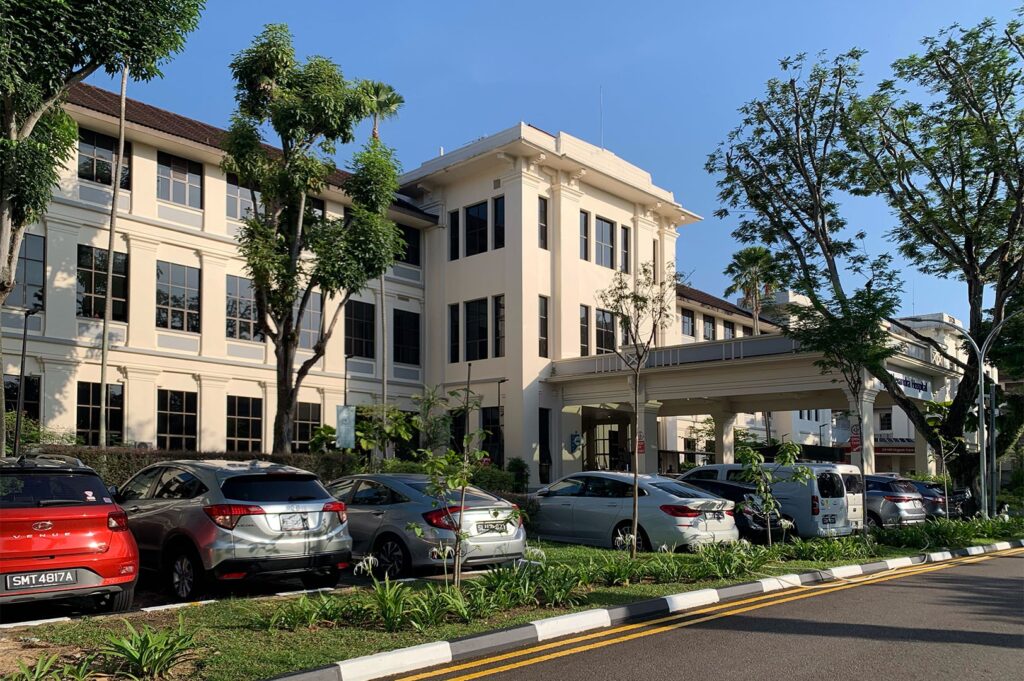
The story of Commonwealth Singapore is intertwined with both the ambitions of the British East India Company and the enduring legacies of Singapore’s colonial era. The names “Commonwealth” and “Queensway” were implemented by the British government planners in the 1950s, harking back to the broader community of nations and the ties that bound Singapore to the British Empire. This colonial place name Singapore strategy was executed as the city was being shaped by European architects and engineers, who determined the layout for governance and business on the island.
During this period, significant colonial infrastructure was constructed, including government buildings like Alexandra Hospital, which served the medical needs of British military personnel. The area was mapped meticulously, with streets and buildings designed to facilitate British rule and bolster services for the vibrant town that was emerging. Even as Singapore’s independence from colonial administration brought new policies and directions, the blend of heritage and innovation established then remains visible today. The adaptive reuse of colonial buildings and the transformation of the area illustrate how the historical influence of the British government and colonial engineers shaped a city where remnants of the period can still be explored.
In Commonwealth Singapore, streets, buildings, and everyday spaces still carry traces of the colonial past. Neighbourhood Life delves into the stories behind repurposed government halls, quiet residential lanes, and bustling corners, showing how British planning continues to shape the rhythms and character of daily life today.
Commonwealth Singapore: From Colonial Architecture to Modern Heartland
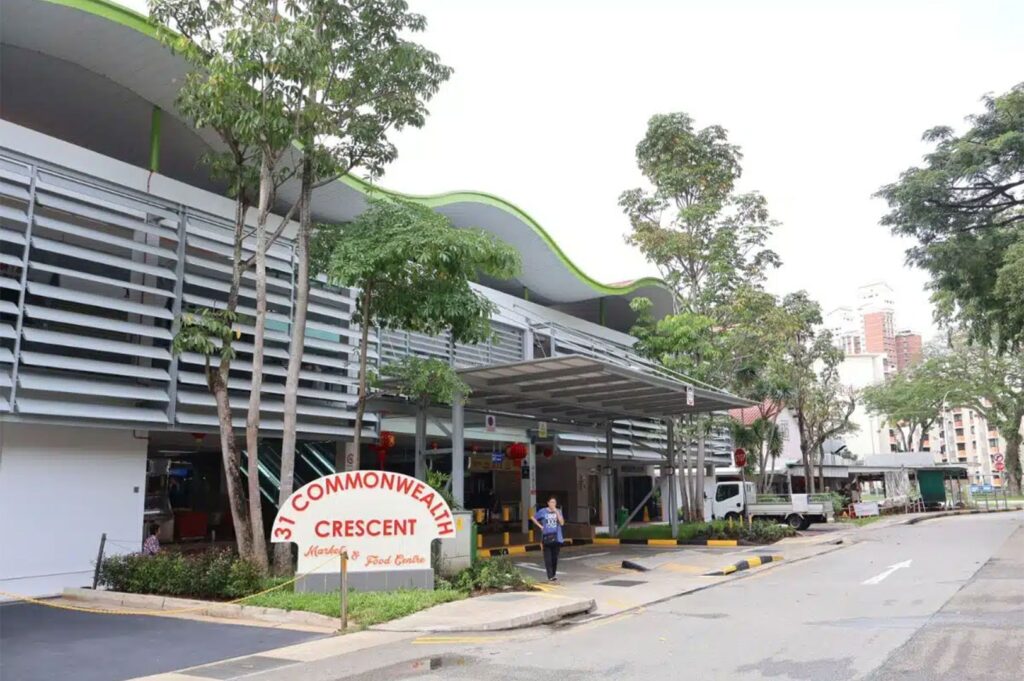
The evolution of Commonwealth Singapore is an essential chapter in the country’s urban development story—a place where colonial-era housing and iconic colonial architecture gave way to a new form guided by the Housing and Development Board (HDB). Early development in the area featured black-and-white colonial houses, styled by architects to blend European form with adaptations suited for tropical life. These houses, constructed with wide verandas, high ceilings, and whitewashed walls, once accommodated colonial officers and are now highly recognized as part of Singapore’s built heritage.
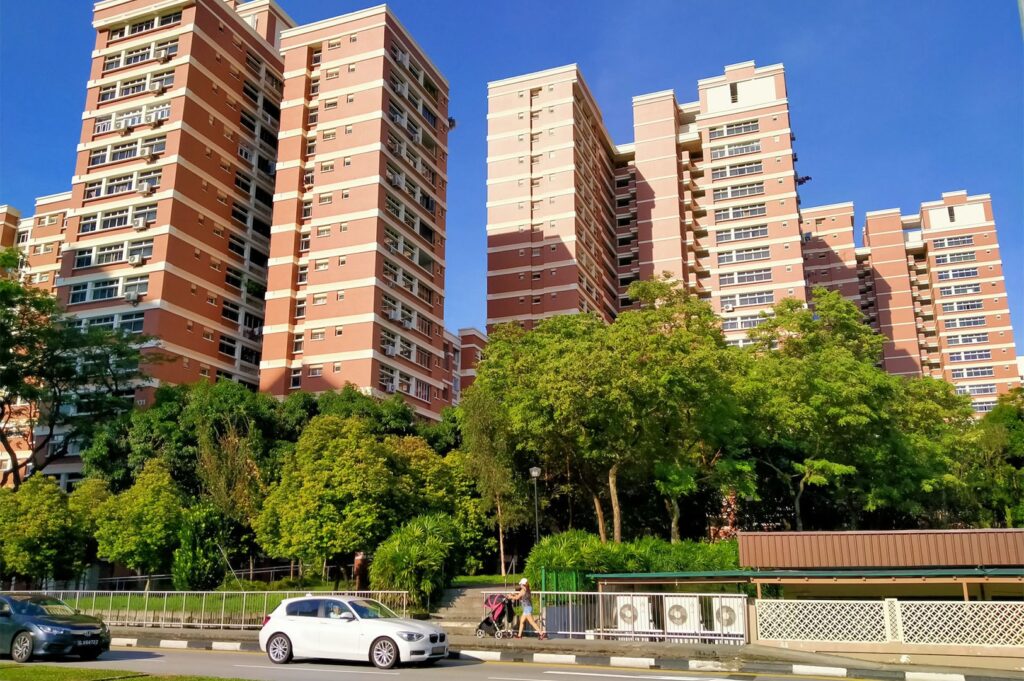
Years of urban transformation have seen many of these original architectural styles complemented and, in some cases, replaced by modern HDB flats. Yet, the journey toward a uniquely Singaporean neighbourhood is visible in places like the Commonwealth Crescent Market, still bustling at the heart of the community. Here, you can enjoy local food, explore the historic market, and experience an area where old and new join seamlessly. The proximity of landmarks such as Commonwealth MRT and the legacy blocks of Tanglin Halt attest to how this area facilitates daily life, supports community contact, and showcases the direction of public development. The rich mix of culture, food, and architecture shapes an urban experience where colonial history and local vibrancy stand side by side.
Colonial Architecture: Remnants and Adaptations Through the Years
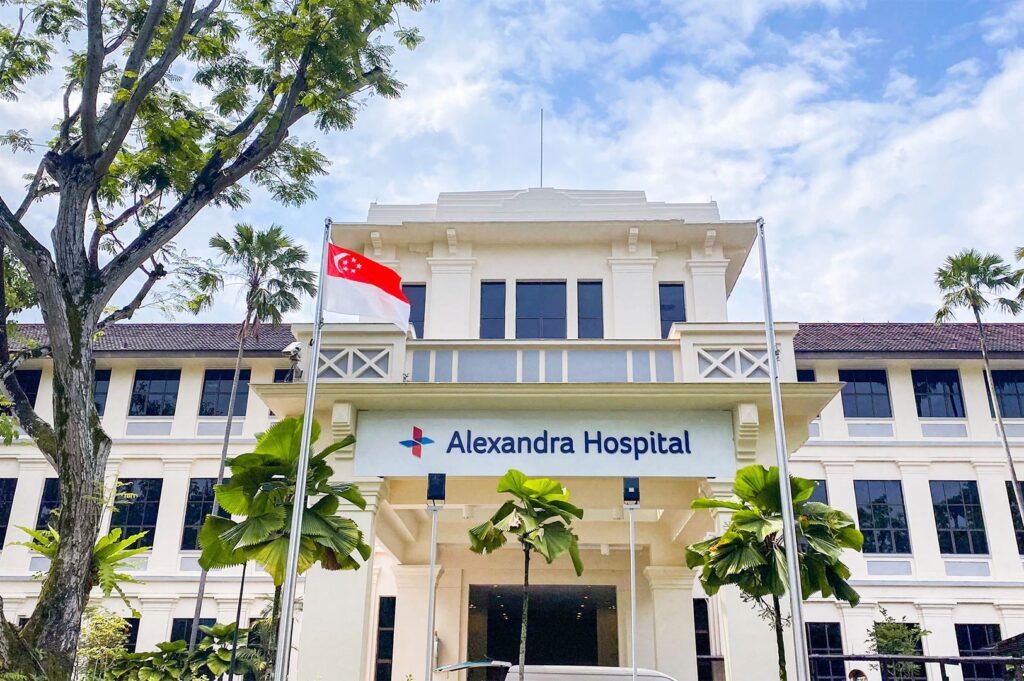
Despite the drive for modernization throughout Singapore, the colonial architecture of Commonwealth and Queensway still features prominently—offering a trail of visible remnants from the city’s days as a British colony. Iconic black-and-white bungalows, built by European architects and engineers, remain nestled amongst modern blocks. Architectural features like wide verandas, elevated floors, and open compounds show thoughtful adaptation, blending British techniques with climate-appropriate innovations from India and Southeast Asia.
These colonial buildings, originally constructed for government officials, have undergone significant adaptive reuse. Today, former colonial residences, barracks, and government offices serve new functions as restaurants, business venues, or homes. Their unique character has led to many being preserved or listed for public or private sale. Alexandra Hospital, built during the colonial era, stands as both a living piece of heritage and a modern center for state-of-the-art medical services. Government policies promote conservation and ensure that as new buildings rise, significant architectural remnants are not lost, but rather lead and inform the continued shape of the neighbourhood. Walking through these areas, visitors can recognize remnants of the colonial period, blending seamlessly with the energy of a modern city.
British East India Company: How Empire Shaped the Area
The lasting imprint of the British East India Company on the development of Singapore cannot be overstated. This was the organization that engineered Singapore’s emergence as a free port in the 19th century, laying the groundwork for commerce that would attract the world. The Company’s presence helped shape policies, services, and trade, and led to the creation of map layouts and infrastructure that would appear in the Commonwealth and Queensway areas.
As Singapore’s colonial era entered full swing, British architects and engineers implemented both European design and local construction techniques to blend function with grandeur. Houses and civic landmarks built during this period, many now considered heritage gems, became focal points for community life as Singapore evolved from colonial town to global city. Today, the architecture in these neighbourhoods displays a unique blend of imported and local styles—reminding residents and visitors alike how colonial history and the vision of independence have guided the nation.
Singapore's Colonial Era: The Shifting Landscape
Throughout Singapore’s colonial era, the rise and transformation of neighbourhoods like Commonwealth and Queensway marked an era of profound change. The design and construction of houses, government buildings, and the physical layout of the area were determined by the needs of British administration, with government engineers taking the lead on many key projects.
Cultural life thrived alongside these developments, as communities took shape around shared spaces—food markets, community halls, and religious institutions. Over the years, policies aimed at encouraging the growth of local identity were implemented, with each successive period adding to the blend of culture, architecture, and services available in the area. As a result, the visible contacts with colonial times—be it in street names, heritage sites, or the style of houses—continue to provide a sense of depth and character to the city today.
Architectural Styles: An Enduring Blend
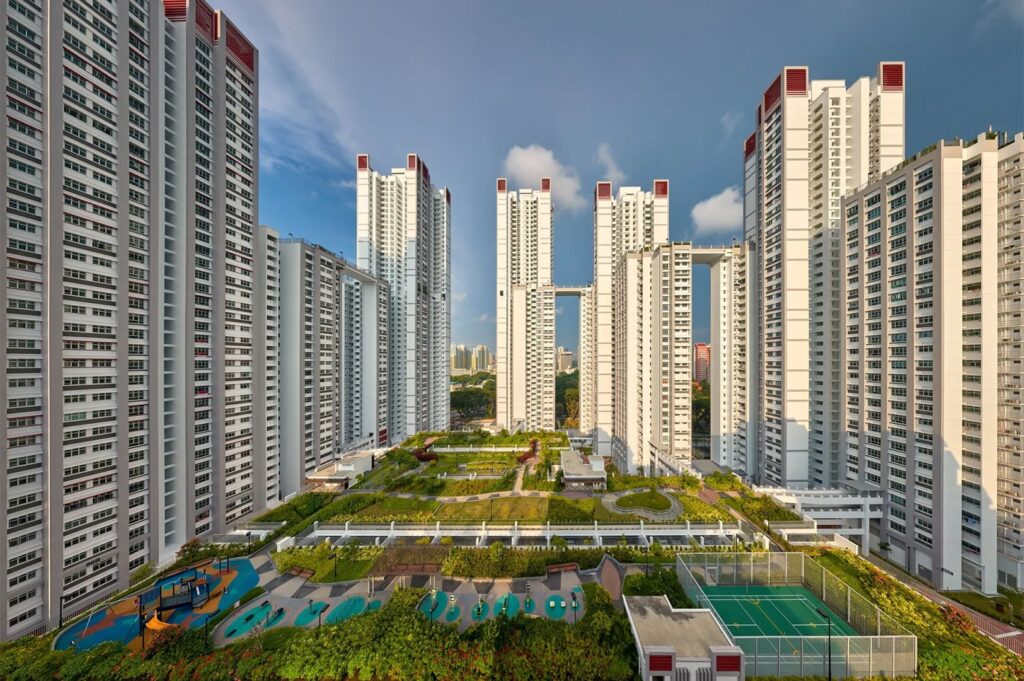
The enduring architectural styles of Commonwealth and Queensway reveal an intricate blend where colonial influences continue to shape the built environment. The much-loved “black-and-white” houses, recognized worldwide for their unique appearance, were designed for comfort in the tropics but reflect European formality. Alongside these, rows of pragmatic HDB flats mark Singapore’s determination to elevate public housing and create thriving neighbourhoods.
Modern developments join seamlessly with preserved colonial landmarks, offering an urban landscape where visitors can stop to explore the evolution of style across decades. Cafés and business spaces appear within restored colonial houses, and the trail of innovation is visible in the creative adaptation of older buildings to suit new purposes. Whether you’re interested in Singapore’s oldest government offices or the latest residential blocks, the continuous blend of styles and periods forms a living heritage that’s both nationally and locally celebrated.
Community Life: The Heartbeat of Commonwealth and Queensway
Community life in Commonwealth Singapore and Queensway is shaped by the enduring legacy of the colonial period and the development of modern Singaporean identity. Here, heritage and history are alive—visible in events, weekend gatherings, and the continuous blend of long-time residents with new arrivals. Life in these neighbourhoods is a dynamic experience, nurtured by local government policies aimed at encouraging participation and community pride.
Long-time residents, like Mdm Lim, note, “Every year, new buildings appear, but the blend of old and new makes living here special.” Mr. Faisal sees Queensway as both “a stop for my childhood memories and a place where my family’s future is being built.” Such personal histories, intertwined with the physical transformation of the area, give the neighbourhoods a recognised vibrancy—proof that the contact with the colonial era is not just architectural but embedded in daily life and social fabric.
Culinary Heritage: When British Flavors Meet Local Traditions
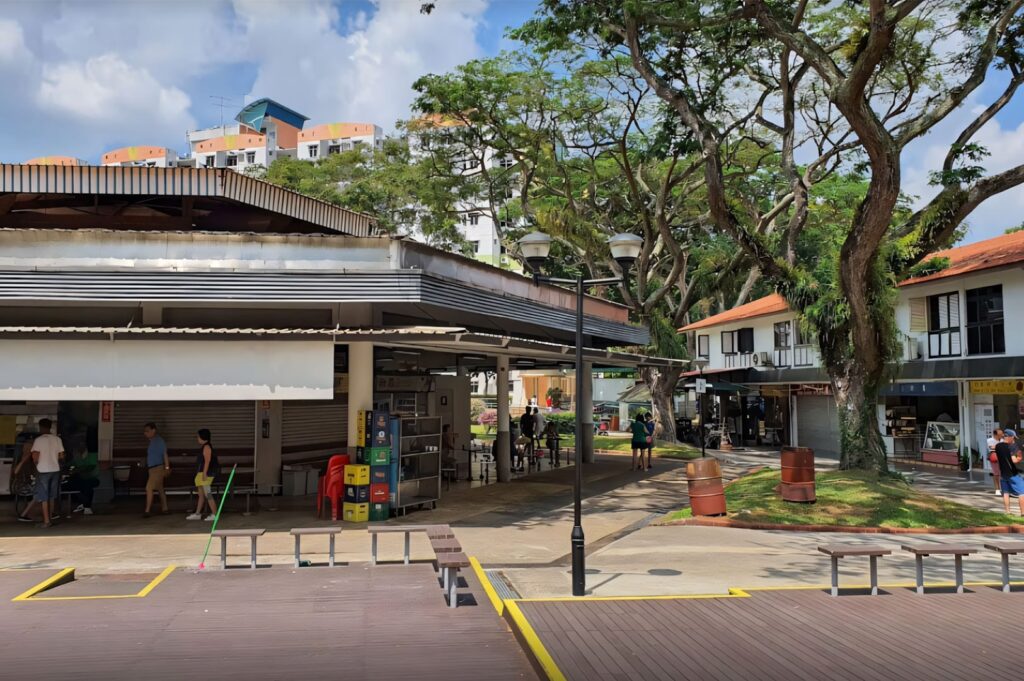
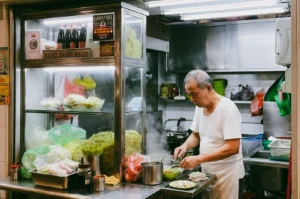
Culinary life in Commonwealth and Queensway showcases Singapore’s ability to transform the remnants of its colonial past into beloved local traditions. While bakeries and cafés echo British influences with butter cakes and pastry treats, the overwhelming presence is that of local Singaporean food culture—roaring to life at places like the Commonwealth Crescent Market. Here, the sights, smells, and sounds of bustling hawker stalls create a multisensory trail that blends the past with today.
Diners can enjoy dishes that show the meeting of British and Asian influences: perhaps an elevated afternoon tea served next to a plate of chicken rice, or British-style cakes alongside spicy laksa. These food experiences are a tangible blend of the cultural currents that shape the area—enhancing the sense of heritage and giving everyone a reason to celebrate the commonwealth of flavors found in modern Singapore.
Looking Forward: Development, Heritage, and a Unique Singaporean Future
As Singapore moves further into the future, the development of Commonwealth and Queensway is carefully balanced by a determined commitment to heritage preservation. The trailblazing redevelopment of Tanglin Halt and the modernization of business and civic services are paired with initiatives that ensure significant colonial buildings and landmarks are retained, studied, and enjoyed by all.
Community organizations—joined by government agencies—work to record and share stories, ensuring new generations learn about the policies, engineers, and citizens who built and shaped these areas. As neighbourhoods continue to transform, the goal is clear: to implement urban growth strategies that honor the city’s colonial legacy while facilitating a vibrant, inclusive, and sustainable future for residents and businesses alike.
Conclusion
The story of Commonwealth Singapore and Queensway is one of remarkable transformation. Through their colonial architecture, government buildings, and vibrant local life, these areas illustrate how a former British colony has shaped and reshaped its identity, turning colonial remnants into beloved features of a modern city. By blending the old with the new, these neighbourhoods enable everyone—locals and visitors alike—to enjoy, learn from, and participate in the living heritage of Singapore. Take time to stop, explore, and experience firsthand the unique journey embodied by these parts of the island—a journey that continues to shape the nation today.
For a closer look at how Singapore’s history comes alive in daily life, Exploring Kampong Glam Heritage: Tiong Bahru Heritage: Singapore’s Living Museum guides you through streets, buildings, and community spaces where past and present intersect. Experience the stories behind heritage façades, local businesses, and vibrant neighbourhood rhythms that keep Singapore’s cultural memory thriving.