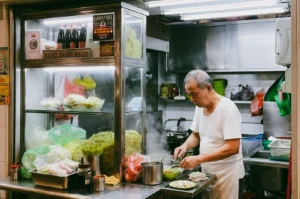
The air is thick with the aroma of freshly toasted bread and the bold scent of local kopi, specialty coffee beans, and the telltale roast that coffee lovers crave across the coffee shops Singapore landscape. It’s 8 a.m. in a Bedok kopitiam, and the familiar symphony of Singapore coffee life is in full swing. The clatter of ceramic cups, the sizzle of a wok from the noodle stall, and the low hum of conversations in a mix of dialects create a comforting soundtrack for coffee lovers and casual visitors alike. Office workers rush by for a robust cup, retirees linger over filter coffee sweetened perfectly with just the right amount of condensed milk, and students sip cold brew from Singapore cafes while reviewing notes. A group of aunties chats animatedly at a nearby table, surrounded by the scents of white coffee and kaya toast.
Regulars greet stallholders by name, swapping stories under Maxwell Food Centre’s covered walkways or outside Tiong Hoe Specialty Coffee, where beans are roasted on-site. This scene, in countless variations—from the flagship cafe of Five Oars Coffee Roasters in Tanjong Pagar to quiet corners at Nylon Coffee Roasters and Flip Coffee Roasters—is much more than a morning ritual. It represents the beating heart of the coffee shops Singapore community, where each cup helps brew bonds that connect neighbors across the vibrant city.
The rhythm of Singapore’s coffee scene extends beyond the cups and conversations. Neighbourhood Life captures how kopitiams, specialty cafés, and hidden coffee corners shape daily routines, friendships, and community bonds—showing that each coffee shop is more than a place to drink, but a hub where neighbourhood life quietly unfolds.
This article explores how coffee shops—whether traditional kopitiam, bustling Maxwell Food Centre stalls, or trendy specialty coffee bars—anchor Singapore’s coffee culture. We’ll trace the journey from local coffee shops full of robusta beans and the taste of evaporated milk to flagship store hangouts for coffee aficionados, uncovering how each place, with its own beans, co working space, matcha latte, and friendly cafe’s ambiance, weaves together the city’s diverse social fabric.
From Kopitiam to Modern Café: Coffee Shops Singapore and Their Historical Foundation
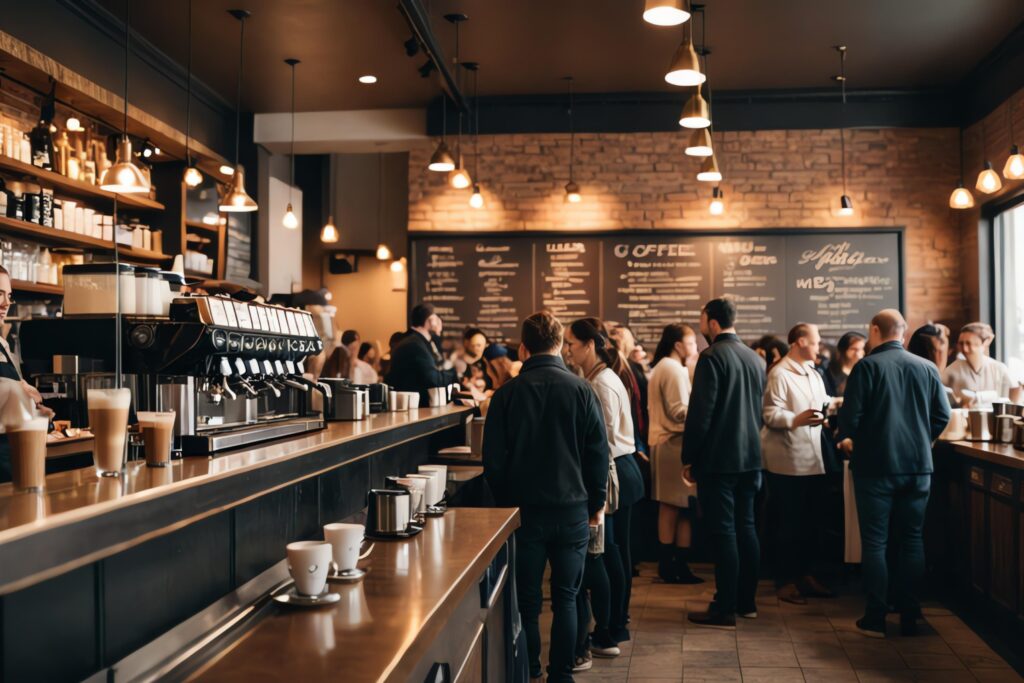
Coffee shops Singapore are rooted in a tradition as rich as their brews. It all began in neighborhood kopitiams, where Hainanese and Foochow immigrants roasted their own beans—often robusta or blends with arabica—right behind the counter. These establishments quickly became fixtures, offering bold coffee and local kopi using condensed milk or evaporated milk, creating flavor profiles now iconic in coffee culture across the island.
Kopitiams grew up alongside communities in Tiong Bahru, Toa Payoh, Ang Mo Kio, and Bedok. More than functional, these local coffee shops Singapore residents cherished became central gathering places, where people gathered for a robust cup, a delicious breakfast of kaya toast, and a side of morning gossip. The hardware store origins of some locations, such as the old hardware store now home to certain cafes, add a nostalgic flavor all their own.
As Singapore evolved, so did its taste. Third-wave coffee culture brought a new appreciation for specialty coffee. Modern cafes in Singapore, like Nylon Coffee Roasters, Common Man Coffee Roasters, Oars Coffee Roasters, and Flip Coffee Roasters, now offer a wide range of coffee beans, from single origin to blends directly sourced from coffee farms around the world. The vibrant coffee scene expanded to include specialty brews like cold brew, dirty matcha, matcha latte, and oat milk lattes—all available alongside the rich history of traditional local kopi.
Today’s coffee scene is a tapestry of traditional kopitiams, specialty coffee roasters, and Australian style coffee specialists. On any given morning or lunch hour, cafes in Singapore—from Maxwell Food Centre’s humble stalls to the flagship cafes of Five Oars Coffee Roasters—are packed with coffee lovers seeking quality coffee beans and that equally delicious feeling of community.
More Than Just Beverages: Coffee Shops Singapore as Community Anchors
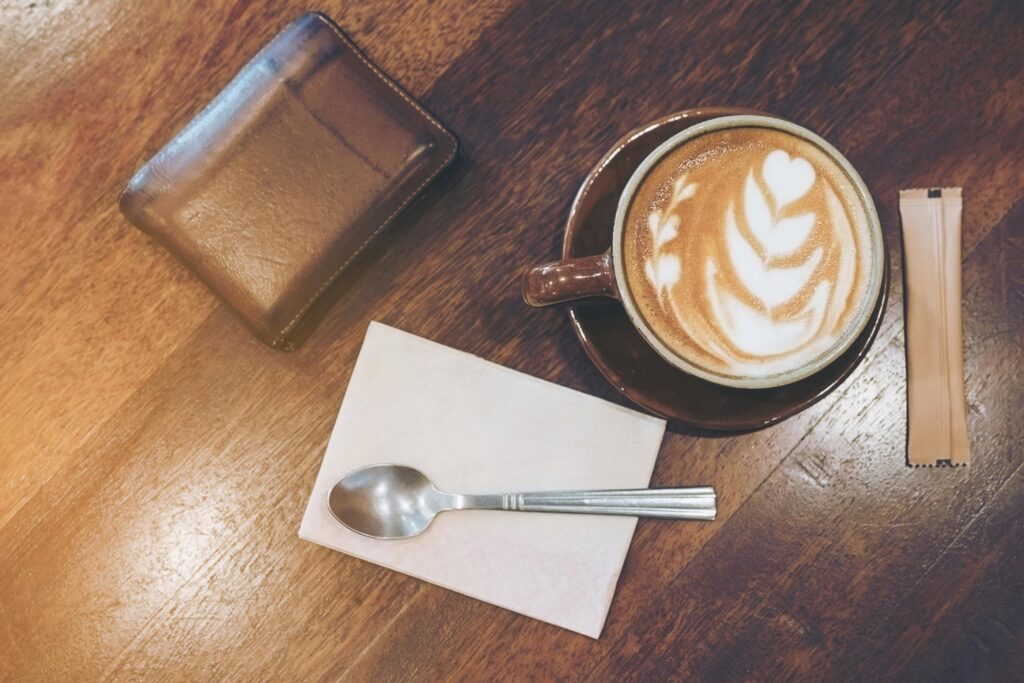
What makes the coffee shops Singapore community special isn’t just the bold coffee or the great food—it’s the way these places facilitate connection and interaction. Coffee shops, whether hawker stalls or specialty coffee bars, act as third spaces for all—young and old, students and office workers, city newcomers and seasoned regulars. The familiar “uncle and auntie” culture thrives, as staff memorize regulars’ orders—be it a filter coffee, latte with oat milk, iced white, or traditional local kopi.
Coffee bars with natural light and outdoor seating—now common among cafes in Singapore—encourage people to linger, chat, and share ideas. Many lunch hours are spent trading tasting notes on the latest batch from Oars Coffee Roasters or discussing which robust cup from Baristart Coffee offers the best experience. Office workers unwind at coffee roasters around the city, while old friends meet at Maxwell Food Centre for a coffee and hearty local food menu. Singapore coffee has even provided a platform for remote workers and freelancers to connect in shared co working space areas.
Family rituals often revolve around neighborhood coffee shops. Every Sunday in Toa Payoh or Ang Mo Kio, a bustling crowd descends for delicious breakfast, good coffee, and friendly cafe offers—solidifying coffee’s place as an important connector. In a city renowned for efficiency, it’s heartening to find these welcoming environments where relationships percolate alongside quality cups of brew coffee.
The Kopitiam Experience: Coffee Shops, Coffee Beans, and Cultural Preservation
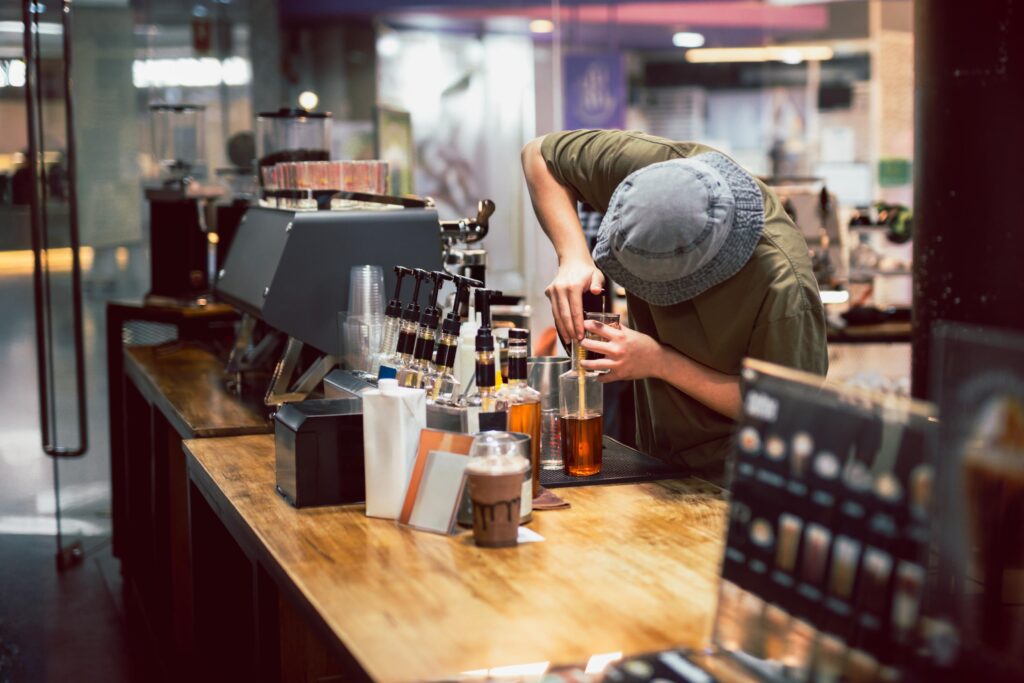
Traditional coffee shops Singapore values go well beyond caffeine. The kopitiam, still a backbone of local life, thrives as a cultural preserver. Here, communal coffee bars offer up robusta beans, strong filter coffee, and simple food menus. These cafes’ ambiance is open, accessible, and ideal for striking up conversation—whether you’re reading the morning paper over a robust cup or learning kopi lingo like kopi-c siu dai.
Peak lunchtime rushes at Maxwell Food Centre or Tiong Bahru’s famous street corners guarantee shared tables and inevitable socializing—strangers become neighbors over coffee in Singapore. Mahjong and cards become regular rituals among retirees, and kids watch elders order traditional kopi before trying an oat milk matcha latte.
The rise of specialty coffee has layered new meaning on older traditions. Coffee roasters such as Nylon Coffee Roasters and Homeground Coffee Roasters showcase their own beans, serve single origin filter brews, and even offer barista academy courses. These specialty coffee places, sometimes set in old hardware store spaces, have changed the face of Singapore coffee but preserved the inclusive, co working spirit, inviting anyone to grab a cup of coffee and join the conversation.
Contemporary Cafés: Coffee Bars and Building New Communities
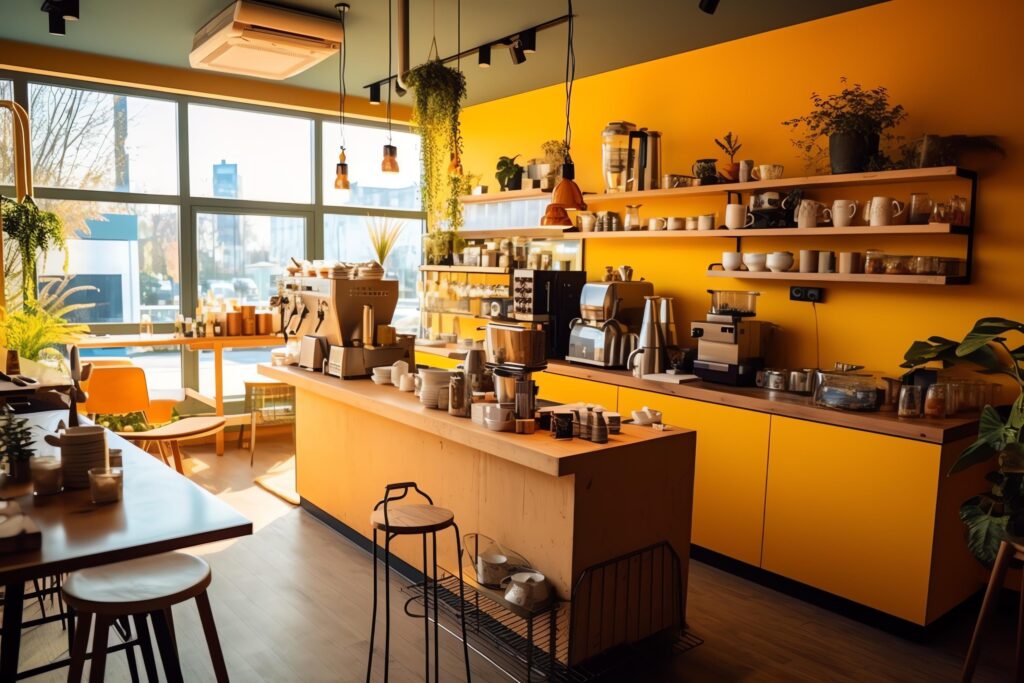
The third wave of coffee shops Singapore is embodied by specialty coffee bars and flagship stores like Five Oars Coffee Roasters, Flip Coffee Roasters, Baristart Coffee, and Oars Coffee Roasters. These best cafes take pride in using quality coffee beans, offer extensive coffee menus, and foster community through thoughtful design—lots of natural light, outdoor seating, and a welcoming ambiance.
Modern cafes in Singapore are more than just spots to drink coffee; they’ve become a lifeline for freelancers and remote workers, who value co working spaces and reliable food menus as much as top notch coffee. These places host events, reviews, and even coffee bar pop-ups, bringing coffee scene innovation to every neighborhood.
Many specialty cafes source their own beans directly from coffee farms, allowing coffee in Singapore to showcase global excellence in every cup. Cold brews, iced white, dirty matcha, robust cups of filter coffee, and creamy lattes with just the right amount of foam or condensed milk all unite office workers and long-time residents. Whether you visit a flagship cafe or try filter coffee at a new spot, there’s a sense of innovation and community-building at the heart of each gathering place.
Neighborhood Stories: Coffee Shops Singapore and Real Examples
Every Singapore neighborhood puts its mark on the coffee shops Singapore story. Here are a few standouts:
- Tiong Bahru: In this heritage enclave, neighborhood shophouses hide some of the city’s most revered neighborhood coffee shops. Shops like Nylon Coffee Roasters offer exceptional specialty coffee, with skilled baristas guiding both regulars and new coffee lovers through brewing techniques and flavor profiles.
In Tiong Bahru, coffee culture is inseparable from heritage conservation—the preserved shophouses, pre-war flats, and long-standing residents shape how cafés operate and who they serve. Neighbourhood Life explores how conservation efforts in Tiong Bahru have helped sustain these everyday gathering spaces, ensuring that coffee shops remain embedded in community life rather than displaced by rapid redevelopment.
- Maxwell Food Centre: Known for hawker fare, this food centre also holds secret gems—old-school coffee stalls offering kopi, iced white, and robusta blends. People come for delicious food and stay for great coffee, exchanging lunchtime news with friends in the fresh air.
- Toa Payoh: Amid a sea of HDB blocks, local coffee shops double as informal co working spaces. Office workers, retirees, and students crowd around shared tables enjoying dirty matcha, good coffee, and the best Singapore food menu options for a quick bite.
- Tanjong Pagar: The flagship cafe of Five Oars Coffee Roasters is a magnet for matcha fans, specialty coffee aficionados, and anyone who loves fresh air with their brunch. Regulars know each other’s orders, and the outdoor seating turns into a social scene during busy lunch hours.
From staff remembering exact regular orders—down to the preferred shot of robusta beans or oat milk swap—to shops delivering great food and coffee to regulars during tough times, coffee shops in Singapore epitomize resilience and kindness.
The Social Architecture: Coffee Culture and Design Elements That Foster Connection
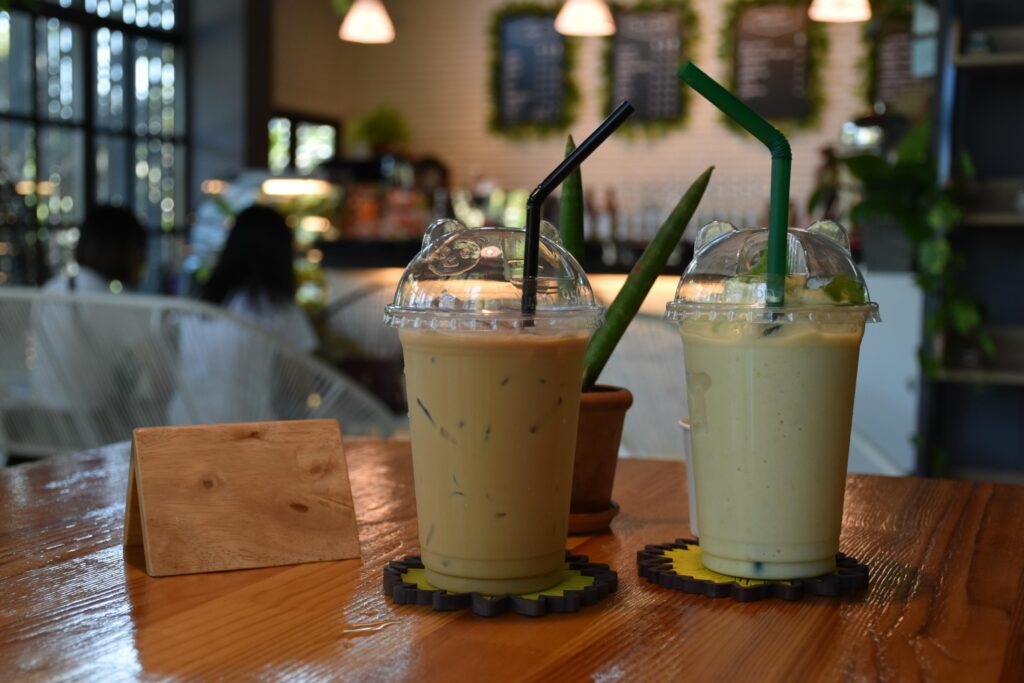
The tapestry of coffee shops Singapore is woven from smart, inclusive design. Open layouts, generous natural light, and inviting coffee bars all create spaces where people stay, observe, and interact. Shared tables encourage strangers to strike up conversations, and many of the best cafes in Singapore offer outdoor seating for those who want to enjoy their cup of coffee alongside the sights and sounds of a bustling city.
Prices remain accessible across the spectrum, whether you’re sipping robust local kopi in a traditional spot or sampling specialty coffee at a flagship cafe. Flexible hours and central locations—many built right into neighborhood hubs, food centres, or as anchor tenants in hardware store conversions—mean that coffee lovers from all walks of Singapore life can drop by.
Whether for the tranquil hours after sunrise or the lively hustle of the lunchtime rush, each element, from robust cups brewed with arabica beans to matcha lattes enjoyed at a co working space, brings people together and builds connections—one cup at a time.
Conclusion
From the warmth of kopitiams brewing rich robusta blends to the cool ambiance and specialty beans at the city’s top notch coffee bars, coffee shops Singapore are more than places to grab a cup—they’re foundational to a city’s connections and culture. Each visit, each order—be it an oat milk dirty matcha or a classic kopi-c siu dai—adds another layer to the vibrant narrative of neighborhood life. So next time you crave a robust cup, a delicious breakfast, or a chat in the fresh air, head to your nearest coffee shop in Singapore and discover the welcoming environment and close-knit community waiting to share a story and a cup of coffee.
Discover the stories behind every cup in Kopi Tiam Singapore: The Secret to Singapore’s Coffee Culture. From lively hawker stalls to tucked-away specialty cafés, it reveals how kopi tiams do more than serve coffee—they shape daily routines, spark connections, and keep Singapore’s beloved coffee traditions alive and thriving.