Singapore’s journey from a developing nation to a global metropolis is a well-known story, but its latest chapter is perhaps its most crucial: the transformation into a truly eco-friendly Singapore. The push for eco-friendly living Singapore is no longer a niche interest but a mainstream movement, now woven into the very fabric of the island nation’s neighborhoods. From solar power on HDB rooftops to community gardens and circular economy projects sprouting amid urban farms, residents are actively addressing climate change and working toward a resilient, sustainable city. This article explores the rise of sustainable neighborhoods Singapore is pioneering, delving into how national policies, eco friendly practices, and citizen action are creating a more sustainable future for everyone.
Singapore’s shift toward sustainability isn’t just about policies—it’s lived in daily routines and local initiatives. Neighbourhood Life explores these eco-friendly practices across the city, from community gardens and urban farms to rooftop solar projects, showing how neighbourhoods are shaping a greener, more sustainable Singapore.
Reducing Your Carbon Footprint: Singapore's National Sustainability Vision
At the heart of eco-friendly Singapore’s transformation is the drive to reduce the nation’s overall carbon footprint. This green shift is underpinned by a strong national framework and bold goals. The Singapore Green Plan 2030—often referred to simply as the Singapore green plan—charts a sustainable path forward, guided by green plan’s key targets to cut carbon emissions, achieve energy efficiency, reduce waste, and conserve water. These actions are crucial for a city state with a growing population and limited land.
The government’s vision for a sustainable city emphasizes everything from increasing urban biodiversity to growing the use of renewable resources like solar power, helping to decrease dependency on fossil fuels and natural gas. The green plan’s key targets include ensuring every Singaporean lives within a 10-minute walk of a park, developing an extensive park connector network, and accelerating the move toward clean energy. Neighborhoods reflect these changes daily, with government incentives nudging residents to adopt eco friendly practices, and businesses supporting Singapore’s sustainable development goals.
Singapore Green Plan: Green Building, Energy Consumption, and Eco-Housing Initiatives
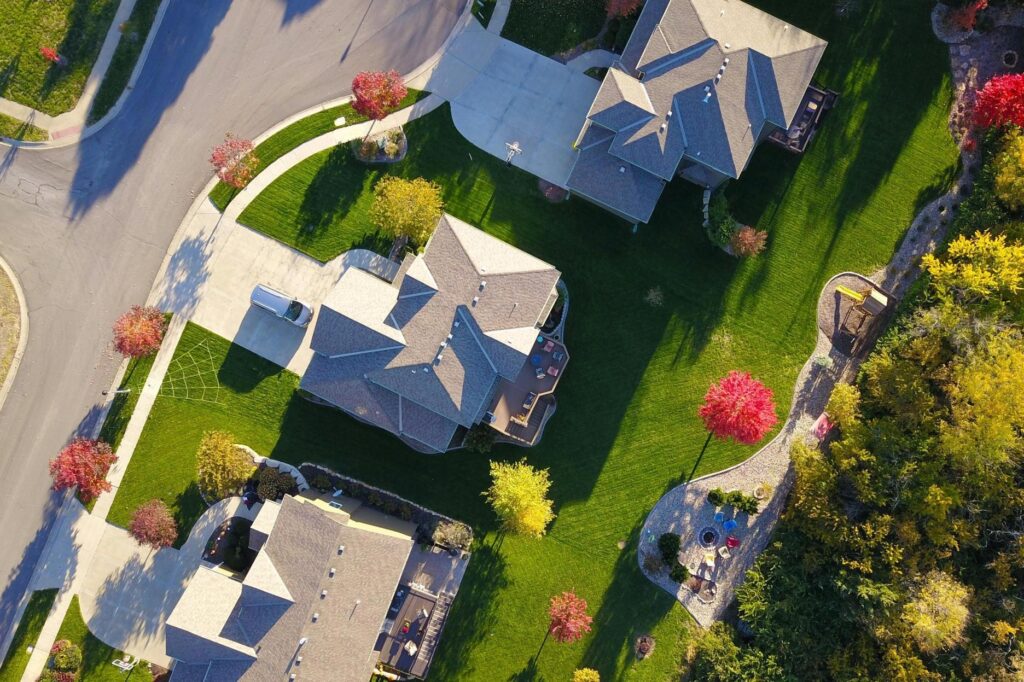
A cornerstone of eco-friendly living Singapore is the focus on green buildings and advanced energy consumption reduction. The Housing & Development Board (HDB) is leading the way, integrating eco friendly Singapore features into both new and existing public housing. Solar panels now dot the skyline, supporting the water loop system and lowering reliance on fossil fuels. Energy efficiency is enhanced by smart technologies, such as sensor-driven lights and real-time energy monitoring systems that adjust usage during peak times, helping to save both power and money.
In line with sustainable development standards, Green Mark certification by the BCA ensures that both private and public developments minimize their environmental impact. These buildings often employ rainwater harvesting, advanced insulation, and vertical gardens, all designed to lower energy consumption and keep cool in Singapore’s tropical climate. There are also excellent examples of eco-friendly condominiums and estates such as Punggol’s Northshore Residences, which leverage smart infrastructure, rainwater collection, and efficient waste management to create greener homes. These advances all contribute to Singapore’s drive to reduce carbon emissions and preserve natural resources for a resilient future.
Community-Led Circular Economy and Reducing Waste
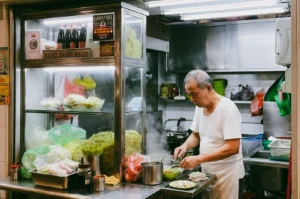
The engine behind eco friendly Singapore isn’t just government policy; it’s the power of eco-conscious communities embracing circular economy models and actively reducing waste. Grassroots initiatives like neighborhood recycling drives, zero waste events, and e waste collections help citizens become part of the movement. Bulk food stores and repair cafes have become neighborhood staples, supporting a lifestyle of “reuse, repair, recycle.” Drive by community gardens (encouraged by the Singapore Food Agency and NParks), and you’ll see residents of all ages planting, composting, and sharing produce. Urban farms supported by local farmers help supply herbs and vegetables to nearby cafes, reducing food miles and supporting sustainable food ecosystems.
The move toward a zero waste nation is real and tangible. Schools, grassroots organizations, and the National Environment Agency run educational campaigns to reduce food waste—teaching Singaporeans how to compost, conserve water, and sort recyclables. These bottom-up projects foster resilience and empower individuals to achieve real progress in everyday life.
Green Plan’s Key Targets: Expanding Green Spaces and Encouraging Biodiversity
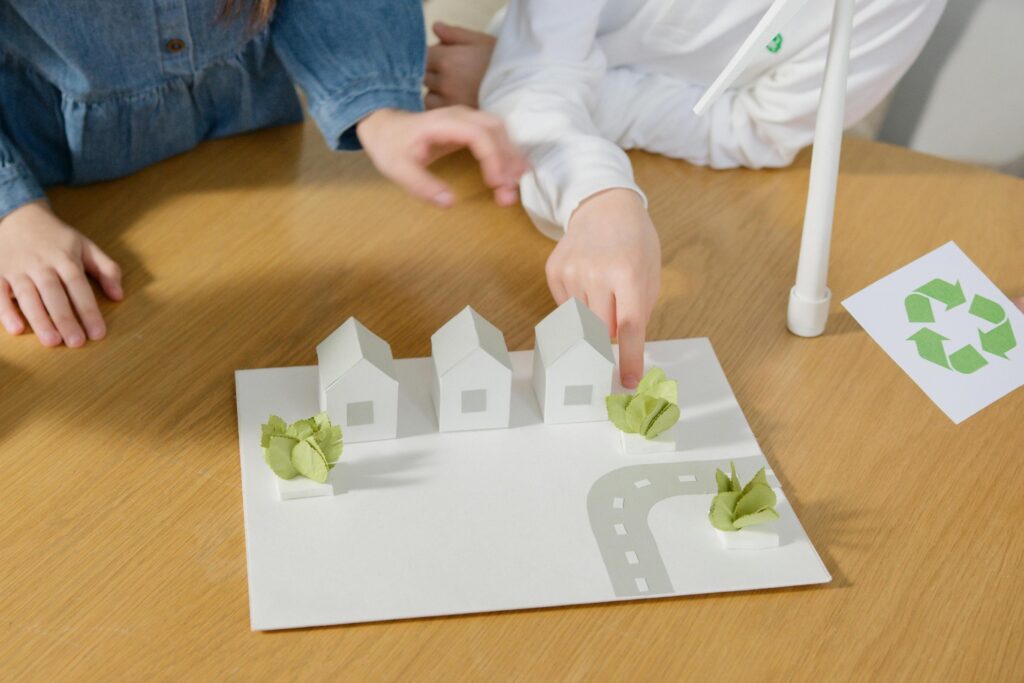
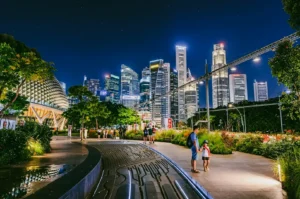
Singapore’s commitment to being a sustainable city is evident in the rapid expansion of green spaces and preservation of its natural environment. The city’s dense urban fabric now includes vast stretches of public parks, rooftop gardens, and nature corridors. These spaces provide habitat for wild animals, including birds, butterflies, and even otters that occasionally swim in the Singapore River. The Park Connector Network ties together these green lungs, enabling residents to walk, jog, or cycle through shaded corridors that also double as biodiversity superhighways. Vertical greenery softens the cityscape and helps counteract urban heat, conserving energy and providing daily opportunities for residents to reconnect with nature and support wildlife conservation.
Efforts to conserve and smartly manage natural resources can be seen everywhere—from rainwater harvesting in public housing to wildlife-friendly landscaping and tree planting projects in the heartlands. These initiatives set a global example for city-states striving for a green, healthy, and sustainable environment.
Carbon Emissions, Energy Consumption, and Energy Efficiency: Smarter Homes for a Sustainable City
Reducing carbon emissions and improving energy efficiency are critical tenets of Singapore’s sustainability blueprint. Through innovations like smart meters, solar panels, energy-efficient cooling, and natural ventilation, estates across the island lower their energy consumption while maintaining comfort and functionality. The government provides incentives for HDB households to upgrade to energy- and water-saving appliances, and Green Mark standards for private developers drive continual improvement.
Residents can take action too—by switching to LED lighting, investing in smart plugs, monitoring their own consumption, and supporting clean energy. These measures not only save money but also help Singapore move toward its climate change goals, supporting global efforts to slow rising temperatures and preserve our world for the next generation.
Reducing Waste Singapore: Grassroots Action for a Zero Waste Nation
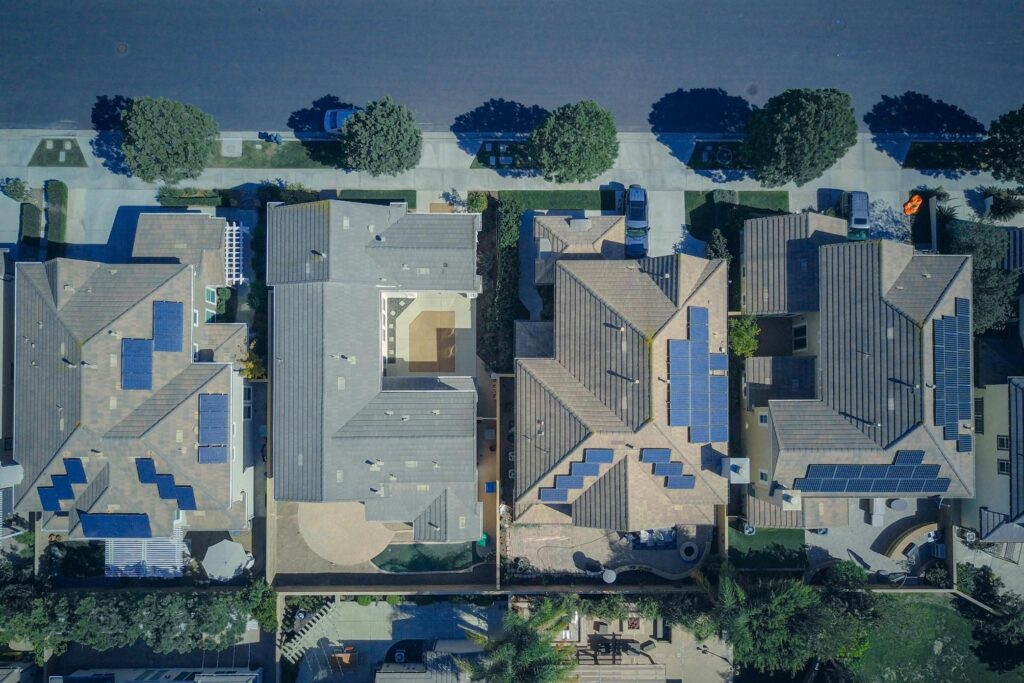
A true zero waste nation starts in every household and community. Programmes led by community groups, schools, and the Singapore Food Agency teach citizens how to reduce food waste through smart shopping, leftovers management, and composting. E waste collection centers make it easy to safely dispose of electronics, while repair cafes teach practical skills for a circular economy. Urban farms and compost projects remind us that waste is a resource not a burden, supporting a local and resilient food system. By getting involved, residents become crucial actors in Singapore’s vision to reduce, reuse, and recycle for a cleaner, greener island.
Government Incentives and Support for Eco Friendly Singapore
The government’s commitment to a greener city is evident in its ongoing support for eco friendly practices and sustainable projects. Financial government incentives—from the Climate Friendly Households Programme to water conservation grants—help households and businesses adopt green technologies, solar power, and resource-saving appliances. Larger-scale projects, such as supporting new urban farming technologies or installing electric vehicle charging points, also benefit from funding and regulatory encouragement. These practical steps make eco friendly choices easier and more affordable for all Singaporeans.
Achieving a Circular Economy and Food Security
Singapore’s sustainable future relies on maximizing resource use and prioritizing food security—especially as an island nation with limited land. Local farmers, researchers, and the Singapore Food Agency collaborate on urban farming and aquaculture projects, supporting a reliable supply of fish, herbs, and vegetables. Circular economy principles are applied through food composting schemes, “ugly foods” rescue, and closed-loop water management. These solutions reduce reliance on imports, shrink Singapore’s carbon footprint, and keep the food system robust amid global uncertainties.
Green Plan’s Key Targets for Transportation and Public Transport
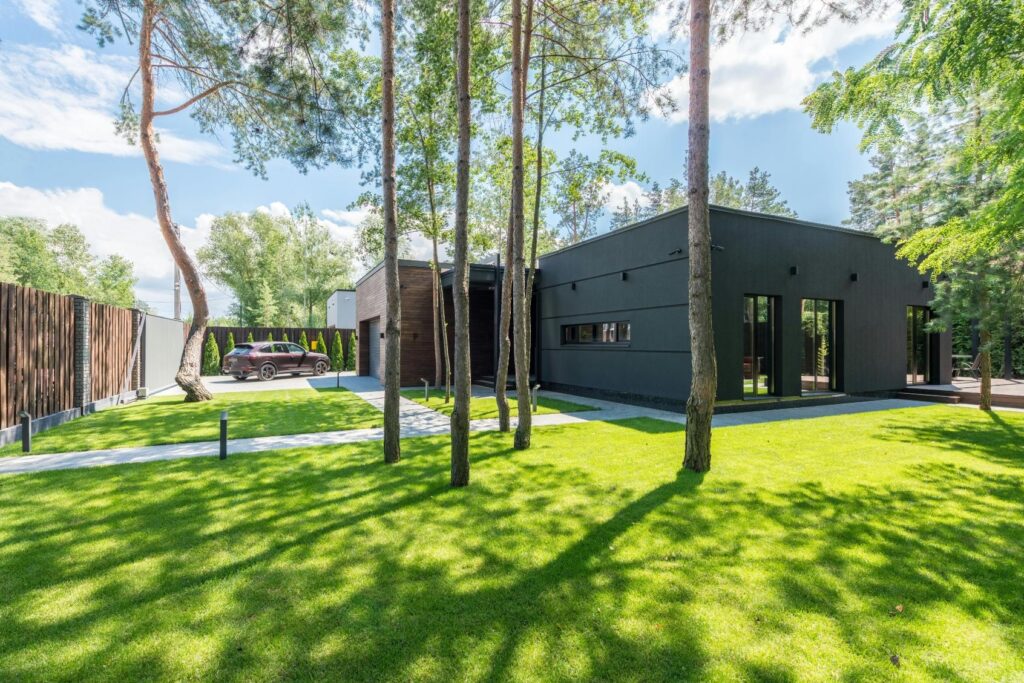
A car-lite, public transport-oriented society is a cornerstone of sustainable city planning. The Land Transport Authority has overseen the expansion of the cycling network, making it easier and safer for people to walk or bike for daily commutes. Park Connector Networks link parks and neighborhoods, creating seamless routes for non-motorized travel. MRT and bus accessibility ensures most residents are within minutes of public transit. The roll-out of electric vehicle charging points in HDB estates and shopping malls is part of the green plan’s key targets, signposting Singapore’s move toward clean energy and lower carbon emissions in transport.
Eco Friendly Businesses and Support for Sustainable Practices
The growth of eco-friendly businesses, social enterprises, and responsible restaurants helps bring the vision of sustainable development to daily life. Zero waste grocers, sustainable eateries, and businesses prioritizing local produce are now common in every neighborhood. Public education efforts, supported by the government and NGOs, encourage conscious consumerism and empower residents to improve their sustainability footprint with every meal or purchase. These businesses support the circular economy and act as community anchors for climate action.
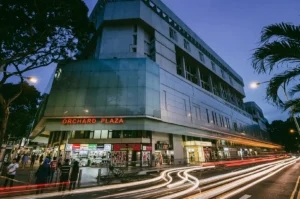
Even traditionally high-consumption districts are adapting. Along Orchard Road, sustainability now shows up through energy-efficient mall retrofits, improved walkability, reduced car dependency, and greener public spaces integrated into one of Singapore’s most iconic commercial corridors. Orchard Road Singapore: Timeless Beauty and Global Evolution from Plantation Land to Shopping Haven traces how this retail spine has evolved into a more people-first, culturally layered, and increasingly sustainability-conscious urban district.
Singapore River to Garden City: Nature, Education, and the Road Ahead
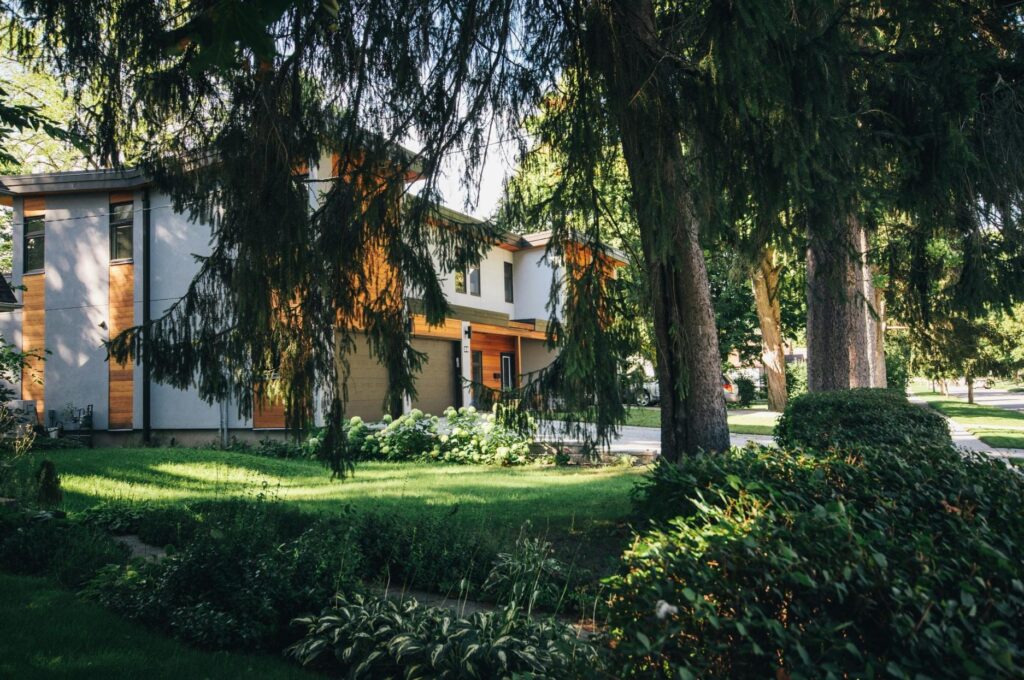
From the banks of the Singapore River to the lush parks of the heartlands, the best examples of eco friendly Singapore are places where stewardship, education, and accessibility meet. Residents, schools, and businesses are working together to build a city where sustainability is second nature. Nature education trails, smart composting, and water conservation projects are all part of the story. As Singapore continues to innovate and adapt, individuals are encouraged to take an active role—supporting recycling drives, joining neighborhood gardens, and helping to achieve a truly sustainable, resilient city.
Frequently Asked Questions (FAQ) About Eco Friendly Living Singapore
What is Singapore Green Plan 2030?
The Singapore Green Plan 2030 is a comprehensive roadmap charting Singapore’s journey toward a sustainable future. It targets sustainable development, clean energy use, smart resource management, and new green industries, helping the nation achieve lower carbon emissions and a circular economy.
How can I reduce my carbon footprint and energy consumption at home?
Adopt eco friendly practices such as using energy-efficient appliances, relying on smart meters, solar panels, and reducing water and food waste. Government incentives encourage these choices.
Are there government incentives for businesses and homes?
Yes, the Singapore government supports eco friendly upgrades with grants, rebates, and information—making it easier for homes and businesses to adopt green technologies, reduce energy use, and conserve water.
How does public transport contribute to eco friendly Singapore?
Extensive public transport networks, walking and cycling routes, and car-lite urban planning reduce carbon emissions, energy use, and air pollution, creating a more sustainable city and improving quality of life.
How can residents help reduce food waste and support local farmers?
Buy from urban farms and local producers, compost at home, properly store food, and use leftovers creatively. Support programs organized by the Singapore Food Agency and neighborhood groups to make food systems more sustainable.
To see how parks and greenery shape neighbourhood connections, The Impact of Green Spaces on Singapore’s Communities highlights how open spaces foster social interaction, recreational activities, and sustainability initiatives. It shows how Singapore’s green pockets do more than beautify the city—they strengthen communities and promote a healthier, more connected urban life.