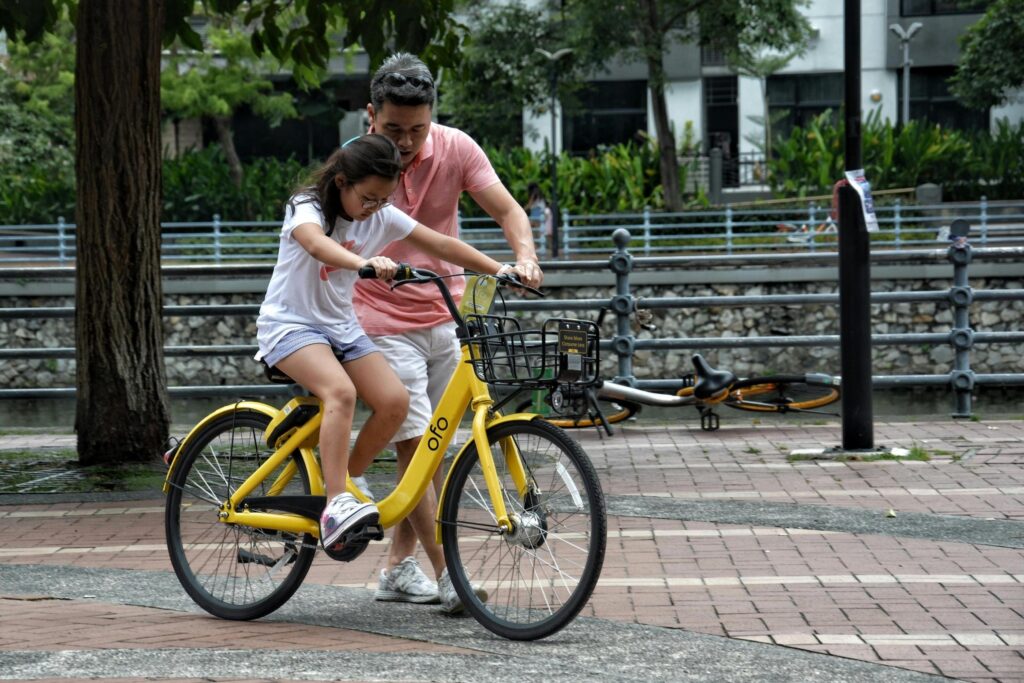
Singapore is renowned for its commitment to building a more inclusive society, where disability inclusion is woven into daily life. Across the island, efforts are underway to expand access to culture and recreation, offering a welcoming and dynamic environment for everyone. Whether you’re a parent, caregiver, volunteer, educator, or someone interested in greater participation, Singapore’s neighbourhoods are opening up new worlds of opportunity through inclusive cultural activities Singapore residents can truly celebrate. In this guide, we’ll explore innovative programmes, accessibility features, and dedicated spaces that are making a positive impact and helping to create a more inclusive Singapore for people of all abilities.
Understanding Adaptive Recreation and Disability Inclusion in Singapore
Adaptive recreation in Singapore refers to recreational programmes and accessible activities developed to address specific needs so that all individuals, including persons with disabilities, can take part meaningfully. At its heart, adaptive recreation blends universal design, disability inclusion principles, and a community-based approach to foster participation and social connections.
Singapore’s Enabling Masterplan serves as the blueprint for national disability inclusion policy. Supported by government initiatives, the community fund and partners like SG Enable—the focal agency for disability inclusion—ensure accessible programmes, transport, and public services continue to improve. These efforts have a positive impact, enabling wellness, mental health, independent living, and supporting inclusive society building. Both participants and the community benefit: people with disabilities develop essential skills, experience wellness, and share experiences, while communities grow stronger and more empathetic.
Adaptive recreation blends universal design, disability inclusion, and community participation to foster belonging and connection across neighbourhoods. To explore how these values extend beyond recreation into everyday cultural life, click here.
Arts and Creative Inclusive Programmes: Enabling Expression for All
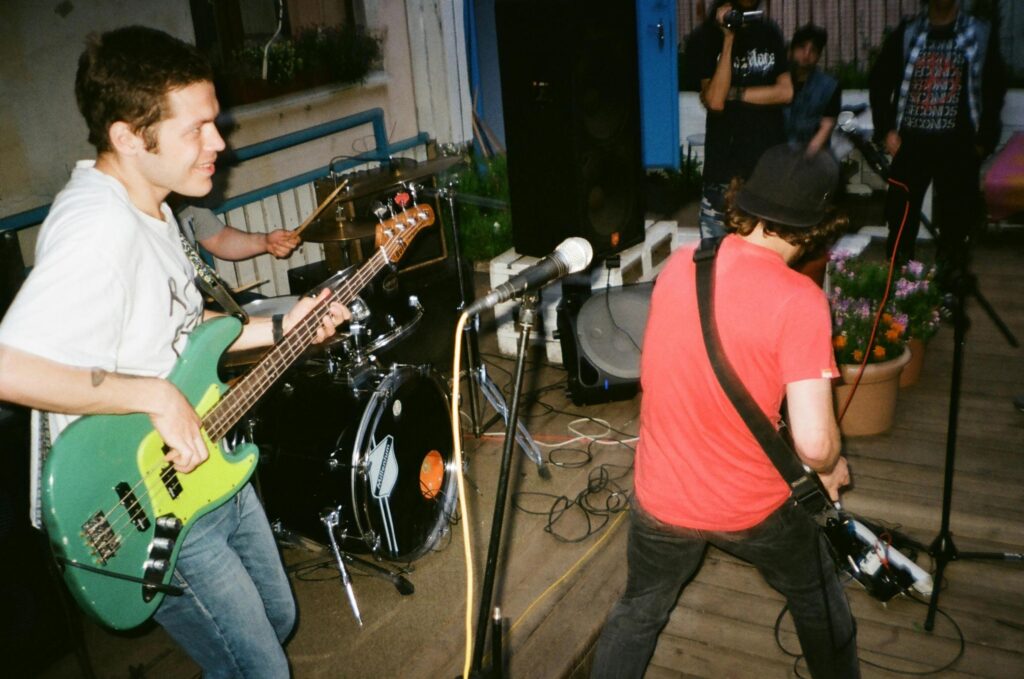
The arts are a powerful tool for inclusion, self-expression, and connection. Across Singapore neighbourhoods, you’ll find a range of inclusive cultural activities Singapore values.
Visual Arts Workshops Supported by Community Fund
Community centres and social service agencies run adaptive art workshops for children, youth, and adults with diverse abilities. The National Gallery Singapore has been a leader in this area, developing inclusive programmes and workshops with accessibility features like tactile art tours, audio guides for persons with visual impairments, and materials adapted for wheelchair users and persons with specific needs. These initiatives create a supportive space for individuals to explore, imagine, and create meaningful artworks.
Performing Arts, Music, and Theatre for Disability Inclusion
Inclusive dance and movement programmes welcome children and adults of all abilities, focusing on adaptability, fun, and wellness. Local theatre groups stage performances with inclusive casting—sometimes featuring actors with disabilities—while music therapy sessions leverage adaptive instruments and technology to involve everyone. Arts practitioners partner with SG Enable and other organisations, using accessible venues and modifying practices to enhance participation, expression, and joy.
Inclusive Sports and Physical Activities: Wellness and Social Connection
Physical fitness, play, and sport underpin an individual’s sense of wellness and belonging. In Singapore, a growing number of neighbourhood facilities now provide inclusive sports opportunities for people with disabilities and those with mental health or developmental needs.
Community sports centres across the island operate inclusive programmes like swimming classes with pool hoists, wheelchair basketball leagues, and boccia (a sport similar to bowls designed for persons with physical disabilities). Facilities are equipped with accessibility features—ramps, accessible changing rooms, and universal design principles—helping wheelchair users and other participants access and enjoy sport fully. Collaboration with disability sports organisations, such as the Singapore Disability Sports Council and initiatives funded by the community fund, ensure more inclusive Singapore neighbourhoods are being built.
Creating Access: Heritage, Culture, and Inclusive Society
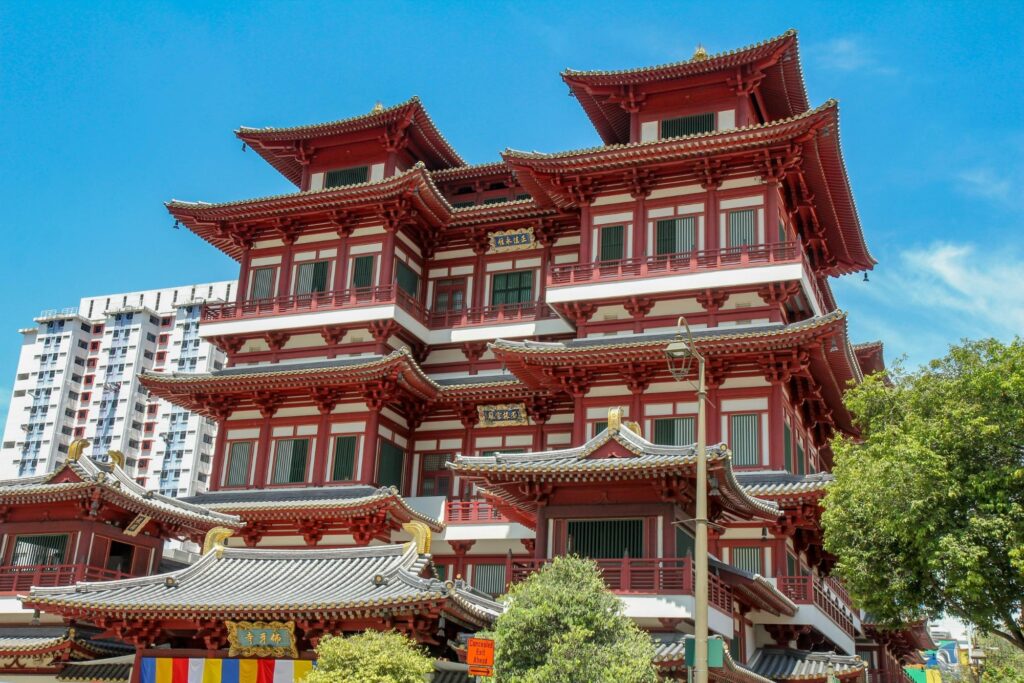
Access to cultural knowledge is essential to building a more inclusive society. Singapore is developing accessible programmes at many of its cultural attractions and museums. Notably, the National Gallery Singapore and other major institutions offer accessible tours for persons with visual impairment or other specific needs, as well as quiet hours for those who benefit from sensory-friendly experiences.
Accessible Heritage Trails, Cultural Workshops, and Multicultural Events
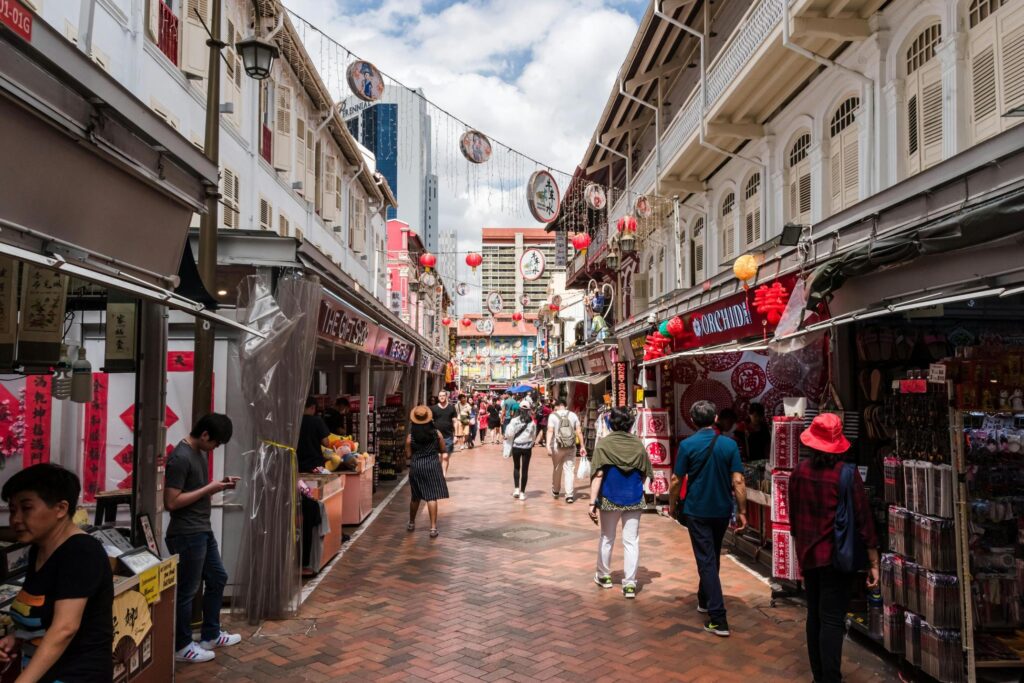
Heritage walks in areas like Kampong Glam and Chinatown are increasingly barrier-free, with guides trained to assist visitors with disabilities and describe artworks or exhibits in detail. Community centres run inclusive traditional craft workshops (batik, lantern-making, or Peranakan beadwork), adapting materials and instructions for physical and cognitive access. Festivals and multicultural events are being reimagined to ensure everyone, regardless of ability, can participate and celebrate, building stronger social connections across the city.
Parks, Nature, and Outdoor Independent Living
Singapore’s parks and gardens are among the most accessible destinations for inclusive cultural activities Singapore offers. Universal design features include wheelchair-accessible trails, tactile wayfinding, and adapted play equipment for children with disabilities. Parks in Tampines, Bishan, and Jurong have established community gardening and wellness programmes using adaptive tools and raised beds, allowing all ages and abilities to join in.
For nature appreciation, accessible birdwatching stations, sensory nature tours, and dedicated outdoor spaces enhance opportunities for mental health, play, and social engagement. These initiatives, inspired by a vision of a more inclusive Singapore, offer independent living, enrich daily life, and foster hope for continuous improvement.
Technology, Digital Access, and Inclusive Community Programmes
Technology plays a vital role in empowering persons with disabilities to access, participate in, and benefit from inclusive programming. SG Enable and local community centres provide digital literacy classes for seniors, people with disabilities, caregivers, and young children, ensuring everyone can navigate resources, connect, and play online safely.
Assistive technology workshops offer training in accessible devices (screen readers, alternative input devices), while coding and robotics programmes are increasingly adapted with universal design and disability inclusion in mind. These technology-driven initiatives support independent living, promote skill development, and open up new avenues for inclusion.
Neighbourhood Spotlight: Creating a More Inclusive Singapore
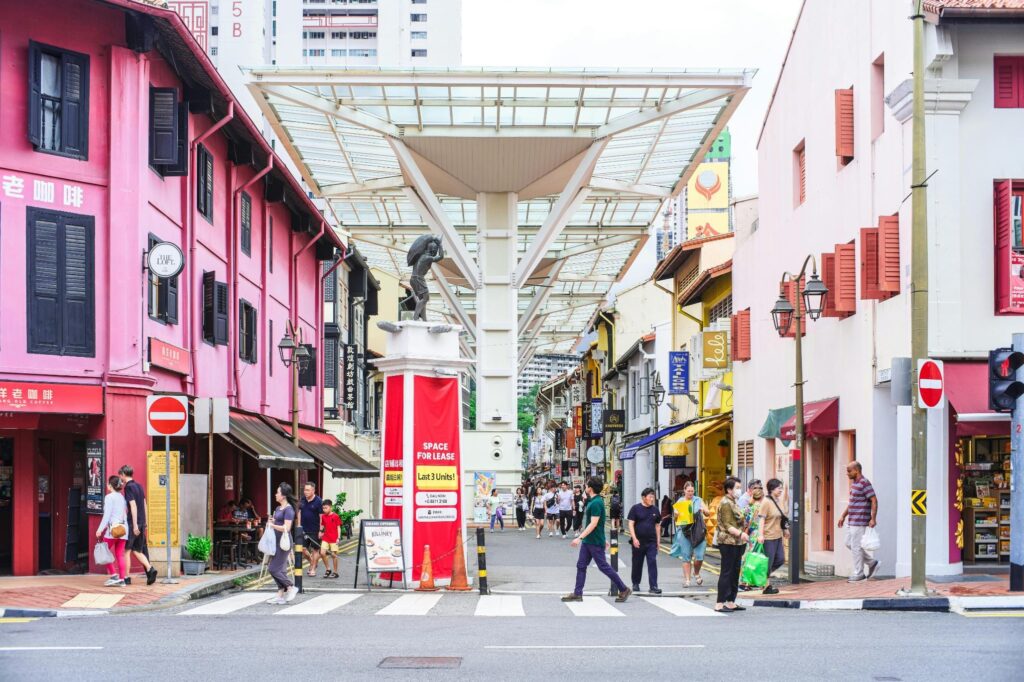
Certain neighbourhoods in Singapore stand out for their advanced commitment to inclusion:
Tampines: Accessible Programmes and Vibrant Community Life
Tampines is known for its array of accessibility features and inclusive programmes. Facilities like Our Tampines Hub champion disability inclusion with adapted sports, inclusive arts festivals, accessible library spaces, and community fund-supported activities. Residents, caregivers, and volunteers describe a space where every person finds support.
Jurong: The Enabling Village as a Destination for Disability Inclusion
Jurong’s Enabling Village goes beyond being a physical centre; it’s a hub for disability inclusion, skills training, retail enterprises by persons with disabilities, and social service partnerships. Their events calendar features cultural performances, art exhibitions, wellness programs, and community engagement opportunities, all within a universally designed environment.
Bishan: Wellness, Nature, and Social Support
Bishan boasts accessible parks, dedicated sports coaches trained in inclusion, and active community clubs running intergenerational art projects. Stories from parents, coaches, and young participants reveal the positive impact these programmes have on confidence and development.
How to Find Inclusive Cultural Activities in Singapore
Resources and Directories for Access and Participation
- SG Enable: The focal agency for disability inclusion curates information on inclusive programmes, accessibility features, and support services.
- Community Centre Websites and Apps: Most community centres list upcoming workshops, sports, and arts programmes for persons with different abilities.
- ActiveSG: Offers details on accessible sports facilities and classes across neighbourhoods.
- Social Service Organisations: Reach out to groups like MDAS, SPD, and others for tailored support and programme access.
If interested in furthering inclusion, consider volunteering, joining awareness events, or providing programme feedback to help shape a more inclusive Singapore.
Conclusion: Singapore’s Journey Toward a More Inclusive Society
Singapore’s efforts to enhance disability inclusion, build community connections, and provide accessible cultural opportunities have created real, positive impact across the island. While there is always progress to be made, the city’s inclusive programmes, enabling villages, universal design parks, and adaptive recreation events prove a deep commitment to a better, more inclusive society.
We invite you to visit neighbourhoodlife.com.sg—whether a resident, volunteer, or visitor—to explore Singapore’s adaptive recreation landscape. Get involved, support caregivers and children, stay connected, and help shape a Singapore where inclusive cultural activities and independent living are a reality for everyone.
Frequently Asked Questions (FAQs)
1. What are inclusive cultural activities Singapore offers?
Inclusive cultural activities in Singapore include adapted arts programmes, inclusive sports, workshops, accessible heritage tours, and digital inclusion initiatives—designed to support persons with disabilities and all community members, fostering participation and enjoyment regardless of ability.
2. How does SG Enable support disability inclusion?
SG Enable, as the focal agency for disability services in Singapore, promotes accessible programmes, inclusive common spaces, resources for independent living, and funding support. Its partnerships and enabling masterplan help strengthen inclusion across all aspects of society.
3. What types of accessibility features are available in Singapore’s community spaces?
Community centres and public venues offer ramps, tactile flooring, dedicated seating for wheelchair users, sensory rooms, and accessible transport connections. Programmes are also adjusted to address specific needs, ensuring services and events are welcoming to everyone.
4. How can parents and caregivers get involved?
Parents and caregivers can access resources and support through SG Enable, participate in community fund-supported events, and advocate for new inclusive programmes. Many centres also offer workshops and training to help families better support their children’s development.
5. How does adaptive recreation benefit mental health and social inclusion?
Adaptive recreation supports mental health by promoting activity, fun, and connection, reducing social isolation, and enabling people with disabilities to participate fully in community life. These experiences contribute to a more inclusive, healthy, and supportive society for all.