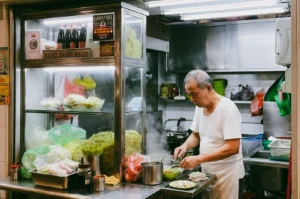
Ordering kopi C siew dai at a bustling hawker centre, you might overhear a lively conversation between a stall owner and an elderly patron. It’s a rapid, expressive exchange not in English, Mandarin Chinese, or Malay language—but in one of Singapore’s many Chinese dialects. The linguistic mosaic at the heart of Singapore’s culture is alive and buzzing, shaped in large part by the diverse Chinese communities whose dialect groups—such as Hokkien, Teochew, Cantonese, Hakka, and Hainanese—contribute to the city’s social fabric. Even as the echoes of dialects fade for younger generations since the government’s Speak Mandarin Campaign, which promoted Mandarin as the common language for the Chinese community and prioritized it over various dialect groups in daily life, schools, and even pop culture, language policies and language policy have played a significant role in influencing the linguistic landscape and the evolving relevance of these dialects.
Yet, a determined revival is taking root. Across modern Singapore, new faces join elders to preserve this aspect of their unparalleled linguistic diversity. Singapore dialects—once spoken in every hawker stall and neighbourhood corridor—are now being revitalized as communities take ownership of this aspect of their language heritage Singapore. This isn’t just about nostalgia; it’s a crucial effort to maintain cultural identity for Chinese people in Singapore and empower younger generations with the richness of their roots. In this article, we explore how local dialects—from Hokkien to Teochew—are being championed in Singapore’s diverse communities, keeping the meaning and music of different dialects alive for years to come.
Singapore Dialects: Understanding Our Linguistic Heritage
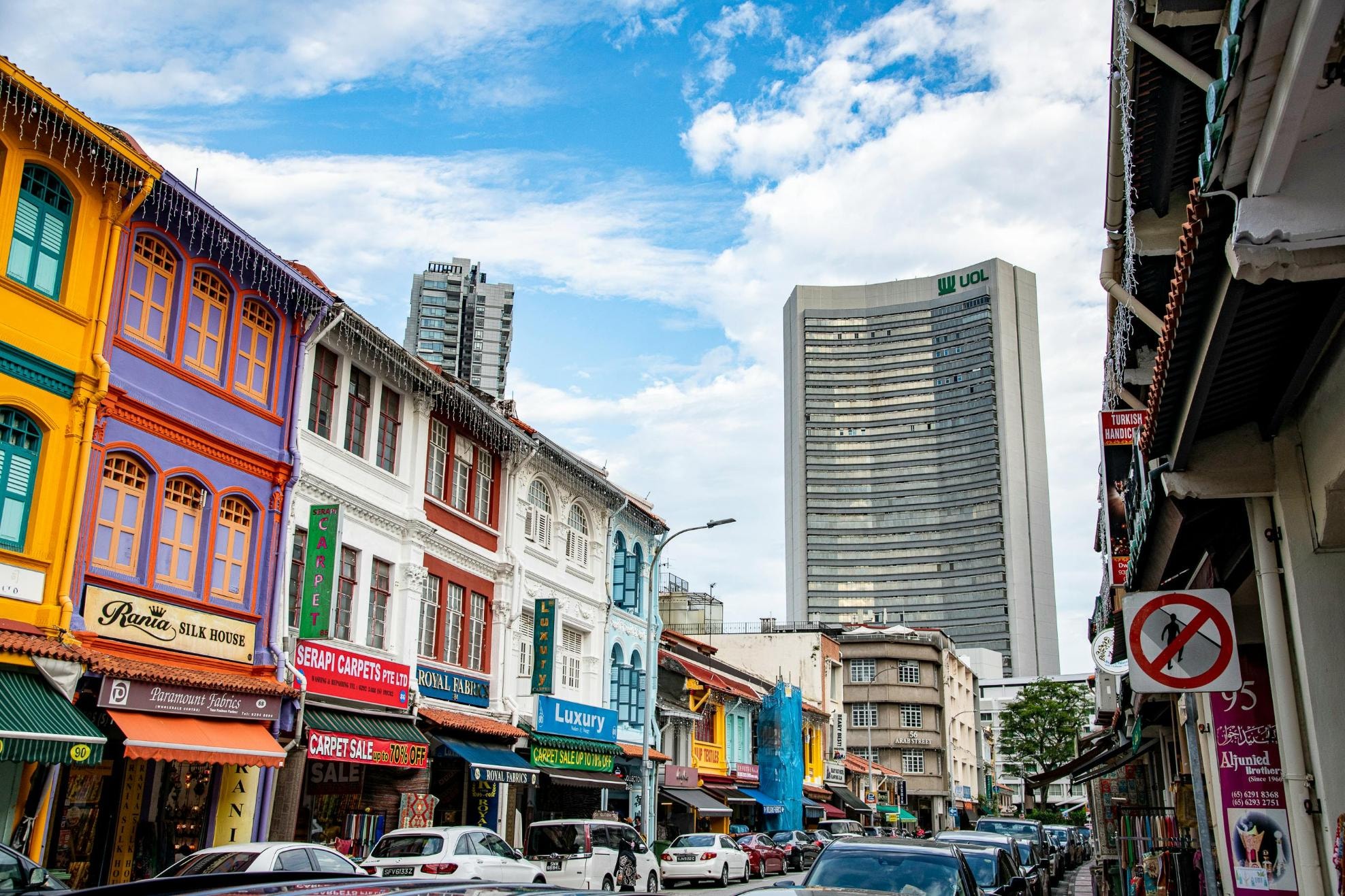
The history of Singapore dialects is the story of the nation’s Chinese population. Early Chinese immigrants landed in the 19th and early 20th centuries, bringing with them a multitude of dialects that quickly became essential for navigation, work, and finding community in the new world. These dialects are all part of the broader family of Chinese languages, reflecting centuries of historical development and cultural exchange. The main Chinese dialect groups—Hokkien, Teochew, Cantonese, Hakka, and Hainanese—each arrived as distinct communities with unique cultural heritage and linguistic practices, shaping the evolving landscape of modern Singapore. The arrival of different ethnic groups within the Chinese population further contributed to this diversity, as each group brought its own traditions, customs, and linguistic variations.
Hokkien dialect: The largest dialect group, originating from Fujian province in Southern China, became the lingua franca among the Singaporean Chinese due to sheer numbers.
Teochew dialect: The second largest dialect group, from the Chaoshan region, is especially embedded in Singapore’s food and business legacy.
Cantonese: Stemming from Guangdong province, Cantonese speakers left a strong mark on trades, Chinese opera, and traditional cuisine.
Hakka: The “guest family” dialect group, known for adaptability and resilience, entering industries from pawn-broking to Chinese medicine.
Hainanese: The fifth largest dialect group, originally from Hainan Island, made a name in Singapore food culture, especially in coffee shops and bakeries.
Other dialect groups, such as Foochow and Shanghainese, also contributed to Singapore’s rich linguistic landscape, though in smaller numbers. In many cases, a particular dialect was closely associated with a specific trade or community function—for example, Hainanese speakers were well known for their dominance in the coffee shop and bakery trades.
Neighbourhoods across the island still bear the marks of these different dialect groups—Chinatown’s shophouses echo with Cantonese, while Tiong Bahru Market’s seniors greet each other in Hokkien. The historical role of ethnic groups in shaping language policies and social structures remains significant, as these communities influenced both cultural identity and social cohesion. However, after the Speak Mandarin Campaign—driven by the late Lee Kuan Yew and the Singapore government—dialect usage dwindled, particularly among younger generations. Today, many Singaporean Chinese can understand their mother tongue dialects but struggle to speak fluently, making Singapore dialects preservation urgent for maintaining cultural significance and dialect group identity. Without these mother tongue languages, family histories, cultural nuances, and unique expressions could fade from the story of the Chinese diaspora in Singapore.
Chinese Dialect Groups: Revitalizing Language Heritage Through Community-led Classes
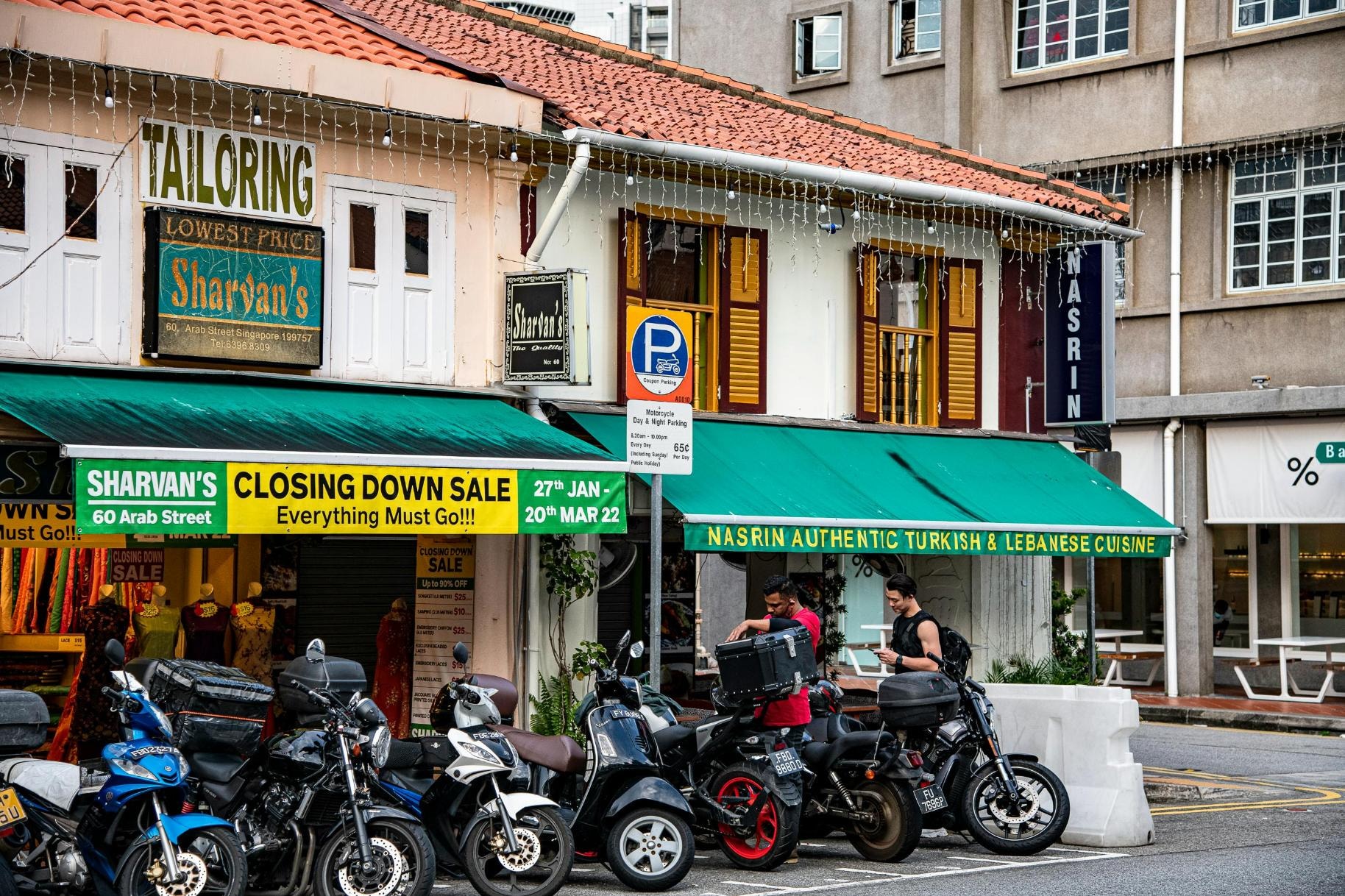
Grassroots energy is making dialects relevant again in neighbourhoods, and language learning is at the heart of this transformation. Community centres, clan associations, and neighbourhood hubs have started offering dialect classes Singapore in Hokkien, Teochew, Cantonese, and other dialects. These classes are piloted by dedicated volunteers, often native speakers or elders from different dialect groups keen to transfer knowledge and preserve a key part of their Chinese culture.
Beginner and advanced Hokkien, Teochew, or Cantonese lessons focus not just on vocabulary, but on real-world application—such as ordering food, sharing stories, or understanding celebrations.
Intergenerational workshops pair Chinese students with older native speakers, fostering deep connections and lively dialogue about heritage, family practices, and humour.
Online language learning through YouTube, mobile apps, and social media is also thriving, with virtual “speak dialect” clubs and gamified platforms making it easier for Singaporean Chinese and younger generations to engage with their linguistic heritage.
The results are heartening: many participants rediscover their roots, reconnect with grandparents, or even find new confidence expressing themselves in their mother tongue language. This community-based model of dialect usage encourages a more active, inclusive form of Singapore dialects preservation where every voice—regardless of age—contributes to the ongoing legacy.
Clan Associations and Dialect Group Identity in the Chinese Community
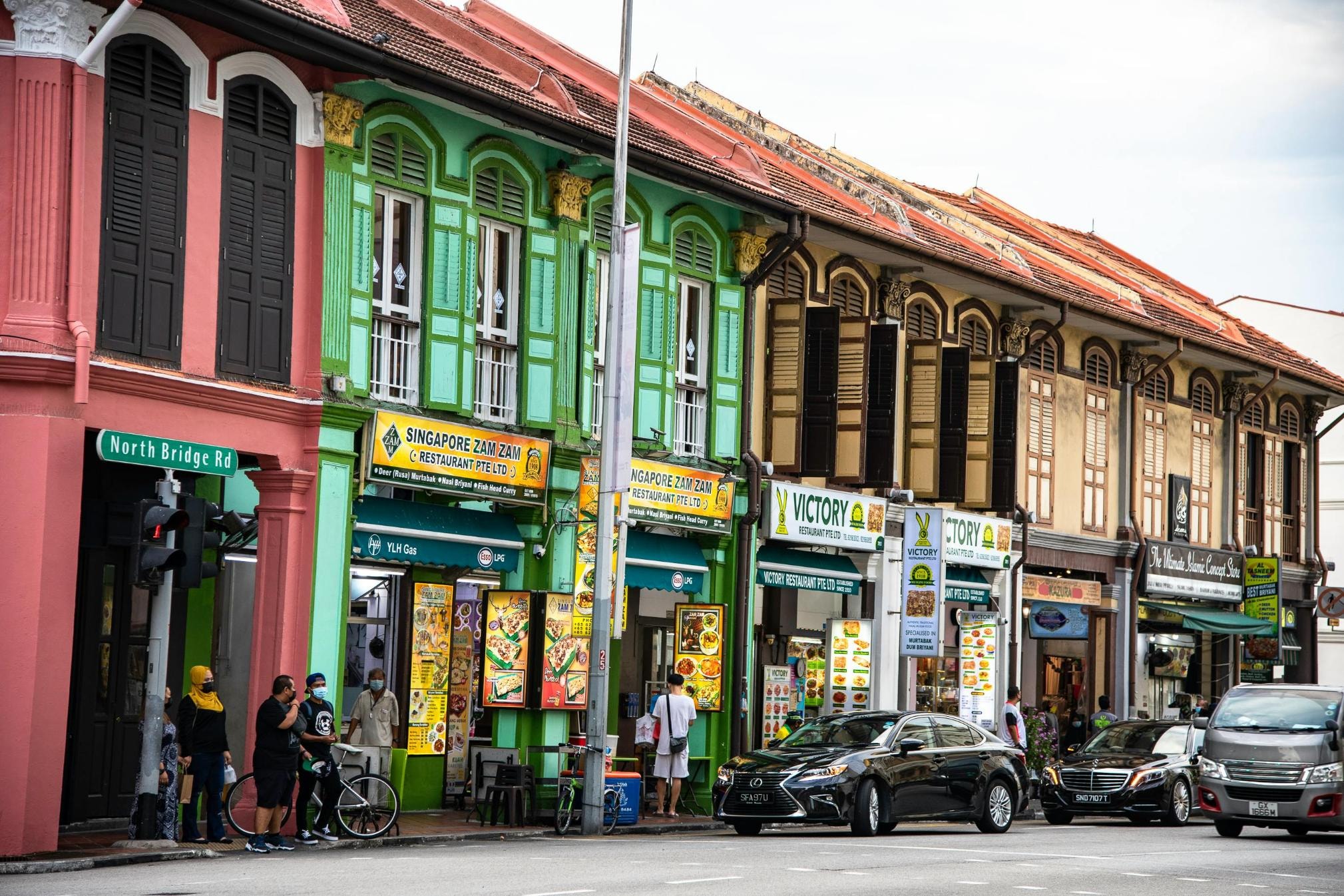
Chinese clan associations have been crucial to both the survival and resurgence of dialects in Singapore. Established during British rule as social lifelines for new Chinese immigrants, these organizations now champion the preservation of language, customs, and identity. Situated along China Street or North Bridge Road, each clan serves as a gathering place for members of the same dialect or from the same region in China.
Clan associations organize festivals, mahjong or opera sessions, and storytelling nights—all conducted in their mother tongue. These gatherings offer real immersion and natural practice, a refreshing supplement to more formal language classes. Importantly, they focus on intergenerational knowledge transfer: programs bring together youth and elderly, offering mentorship, oral history documentation, and the translation of old Chinese language records, further strengthening dialect group identity and bridging the gap between past and present.
Examples abound in neighbourhoods such as Chinatown, Tiong Bahru, and Geylang Serai, where communal bonds forged through dialect usage live on—underscoring the key role of clan associations in the ongoing story of Singapore dialects.
Chinese Dialects in Singapore: Arts, Media, and Pop Culture
The arts and media have always formed the beating heart of Singapore’s dialect revival. On stage, Chinese dialect groups connect through getai performances during the Hungry Ghost Festival, Cantonese opera, and new wave dialect theatre that spotlights updated, edgy narratives for modern audiences.
Popular getai performances in Hokkien or Teochew remain key highlights in the cultural calendar, drawing multi-generational crowds and preserving artistic forms in their authentic dialects.
In the digital age, content creators on radio, podcasts, YouTube, and social media showcase Singapore dialects—through comic sketches, instructional videos, or interviews with dialect speakers, making linguistic diversity relatable and accessible to all.
Local TV, once limited by the Mandarin Campaign, now includes short-form dialect programming, particularly for seniors, while Singapore films sometimes use dialect dialogue to reflect realism and emotional depth.
These dialect entertainment Singapore platforms and performers serve as powerful reminders of the continuing relevance and vibrancy of dialects in contemporary Chinese pop culture and daily life.
Different Dialects: Educational Programs, Youth Engagement, and Language Learning
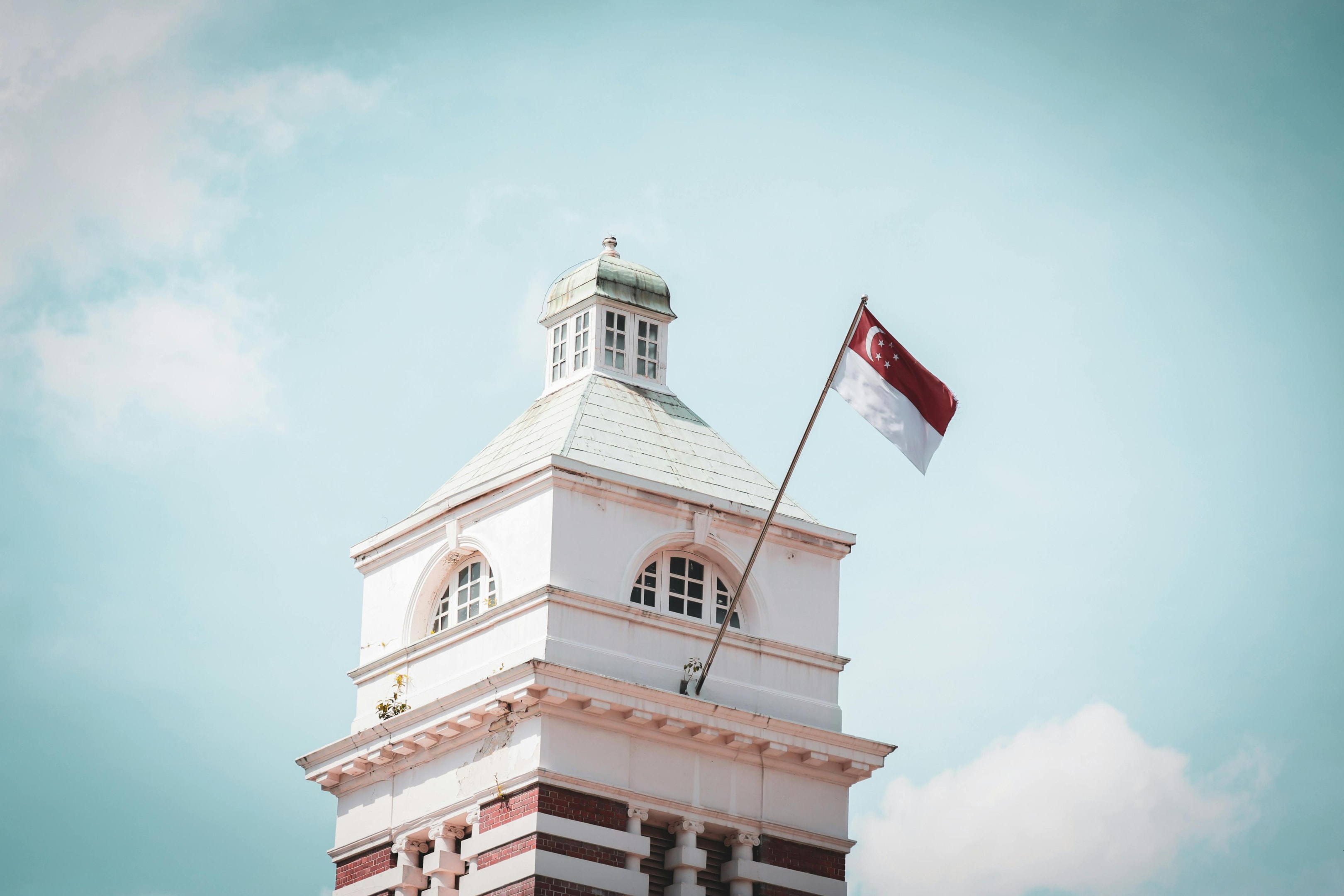
Lasting Singapore dialects preservation depends on young Singaporeans. Recognizing this, the education system is evolving. While formal curriculum in Singapore schools still centres on official languages—English, Mandarin, Malay language, and Tamil—extracurricular activities, student clubs, and university groups are stepping up to cultivate awareness and enthusiasm for different dialects. Singapore’s bilingual journey has played a significant role in shaping language learning, influencing how students engage with both official languages and dialects.
Dialect awareness enrichment lessons introduce Chinese students to simple greetings, idioms, and songs in their mother tongue dialects.
Student-led cultural projects focus on documenting family histories, producing “Speak Hokkien” or “Speak Teochew” campaigns, or running dialect-themed camps, and sometimes include campaigns that encourage students to speak dialects and appreciate their historical significance.
Modern language learning is increasingly gamified—apps and quizzes encourage participation, ensuring education is fun, accessible, and relevant even for a generation raised on bilingual education and digital devices.
University linguistics research, often spotlighting the evolution of dialects, is further helping to strengthen mother tongue languages Singapore values. Together, these efforts are ensuring that the Singapore Chinese identity remains deeply rooted in both the common language and the rich fabric of Chinese dialects in Singapore. The encouragement to speak English has contributed to its dominance in education and society, while language campaigns have also emphasized the importance of speaking Mandarin, reflecting the ongoing shift from dialects to Mandarin as part of Singapore’s language policy.
Dialects in Singapore: Neighbourhood Spotlights
Certain neighbourhoods are celebrated for their role in safeguarding the legacy of dialects and the social connections they nurture.
Chinatown: The living centre of Singapore’s Chinese community, Chinatown is a haven for Cantonese and Teochew dialects. From clan associations to medicine halls, dialect usage is alive–even among younger generations learning from elders.
Tiong Bahru: This neighbourhood, famous for its Hokkien-speaking residents and old coffee shops, is a model for how language, space, and food come together to support identity.
Geylang Serai: Not just a Malay cultural hub, this area exemplifies Singapore’s multicultural strength, with Malay language and Hokkien dialect coexisting in markets and daily dialogue, reflecting both old and new cultural heritage.
Local community centres, schools, and markets across these neighbourhoods create accessible spaces for dialect usage—places where mother tongue, cultural traditions, and generational bonds are openly celebrated.
Challenges and the Future of Chinese Dialects Preservation in Singapore
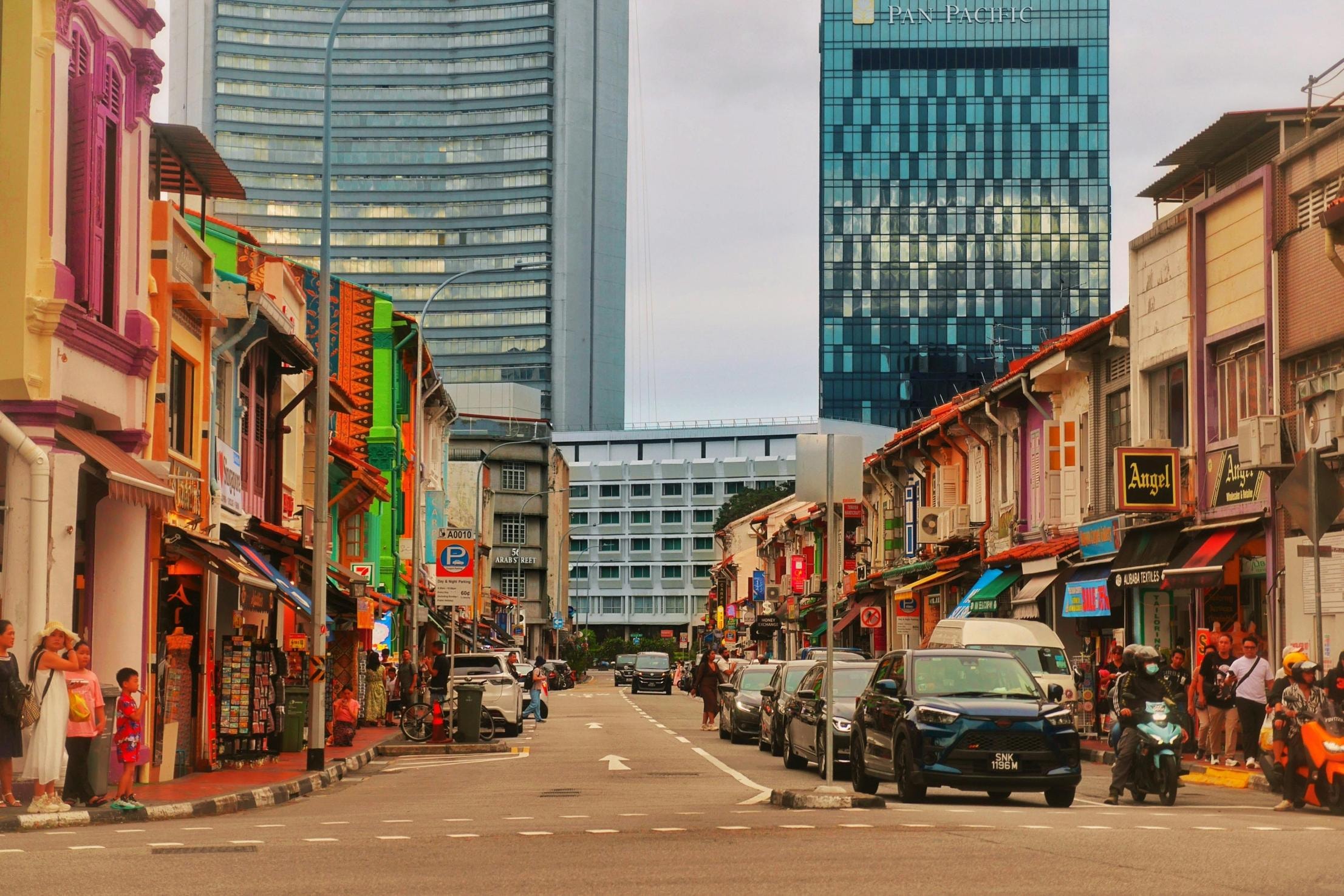
Obstacles remain on the path to full revival. The dominance of English and Mandarin as main language and second language, the push from the Speak Mandarin Campaign, and the prioritization of official languages by the Singapore government mean that dialect speakers must navigate a landscape where immersive practice is rare and younger generations feel less connected. Language policies and language policy initiatives have significantly influenced this environment, often promoting Mandarin at the expense of dialect preservation.
Generational gaps, minority dialect groups, and the lower visibility of dialects in schools and media are real issues. Still, recognition of dialects’ cultural significance is on the rise, as Singapore’s bilingual journey and multicultural values highlight the richness of Chinese dialects in Singapore. Among the official languages, the national language also holds a unique constitutional and cultural status in Singapore’s multilingual society. The trend is hopeful: more clan associations, more language classes, and more youth involvement—signs that a new generation of Singaporean Chinese is re-embracing their linguistic legacy.
Conclusion
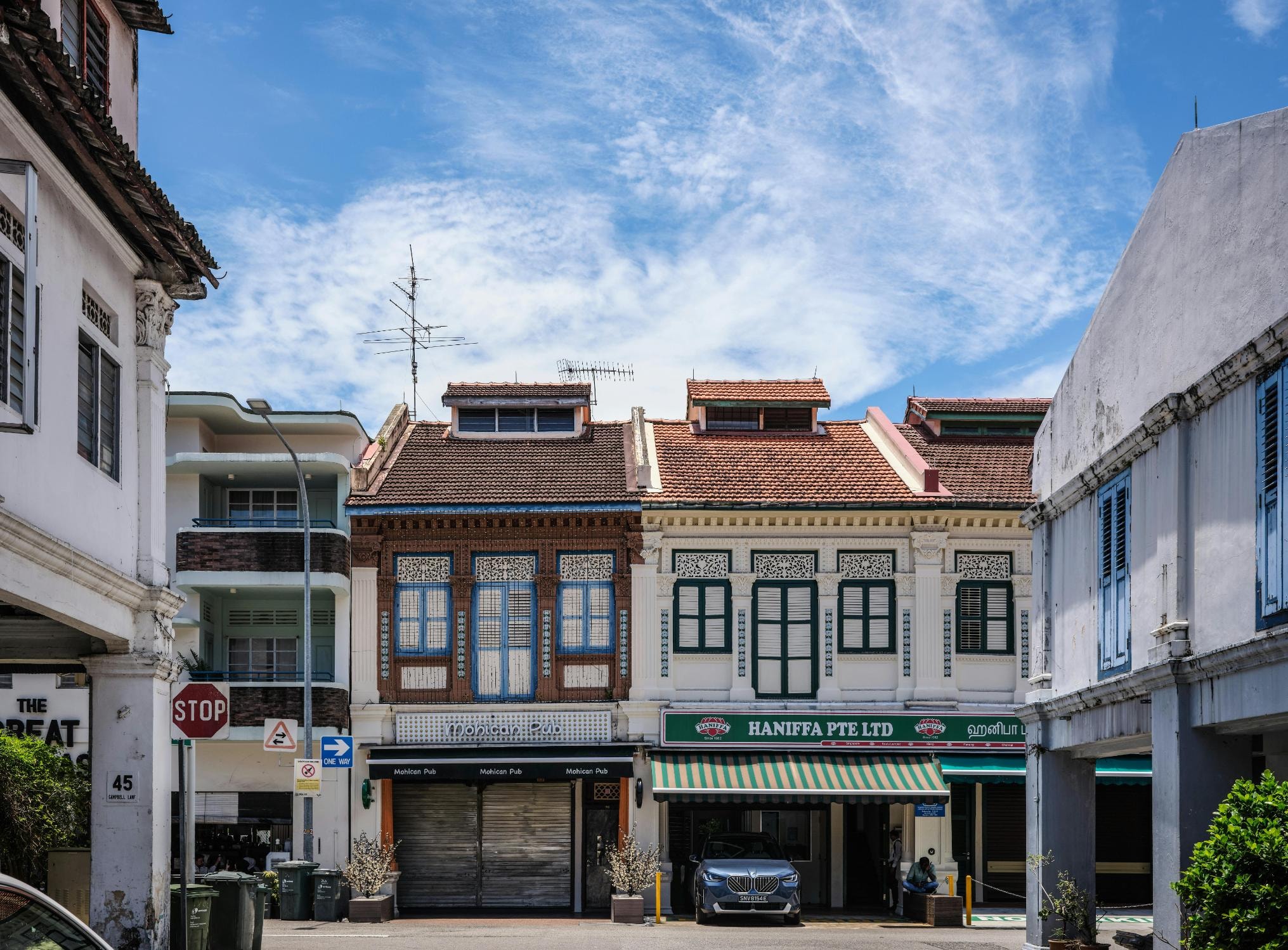
The preservation of Chinese dialects in Singapore is a collective journey—one that ties together community initiatives, clan associations, arts, youth projects, and daily neighbourhood life. As bilingual education and English proficiency flourish, the efforts to maintain the sounds of Hokkien, Teochew, Cantonese, Hakka, and Hainanese are more crucial than ever for cultural identity and belonging.
Your involvement matters. Whether by joining a language class, supporting a clan activity, watching a dialect theatre show, or simply speaking in your dialect at home or the coffee shop, every act helps sustain Singapore’s unparalleled linguistic diversity. Together, Singaporeans and friends ensure that these languages—and all they represent—remain vibrant threads in our shared cultural tapestry.
Frequently Asked Questions (FAQ)
1. What dialects are spoken in Singapore?
The main Chinese dialects spoken in Singapore are Hokkien, Teochew, Cantonese, Hakka, and Hainanese. These major Chinese dialects come from different regions of Southern China and represent the core of the Singaporean Chinese community’s identity. Other languages, including Malay language, Tamil, and other Indian languages, also contribute to the nation’s rich linguistic diversity.
2. Why did dialects decline in Singapore?
Dialect usage declined primarily due to the Speak Mandarin Campaign, launched by the Singapore government in 1979 under Lee Kuan Yew. The campaign encouraged Chinese Singaporeans to use Mandarin as the main language, reducing the prominence of various dialect groups for national unity and educational policy. Over time, dialects lost ground in schools, media, and even in the household, especially for younger generations.
3. Can I learn dialects in Singapore today?
Yes. Thanks to renewed interest in language heritage, more community centres and clan associations are running dialect classes for Hokkien, Teochew, Cantonese, and more. Online resources, social media groups, and apps have also made language learning accessible for all ages.
4. Are dialects used in official settings?
No. English, Mandarin, Malay, and Tamil are Singapore’s official languages. Dialects may be used informally at home, hawker centres, or in cultural settings, but not in government or education. English is generally the main medium in official and business communication.
5. How can I support dialect preservation in Singapore?
You can participate in or volunteer for community and clan association programmes, enroll in a dialect class, use dialects in family and community settings, or support dialect content creators and arts. Every effort—from daily greetings to supporting performances—keeps the spirit of Chinese dialects in Singapore alive for the future.