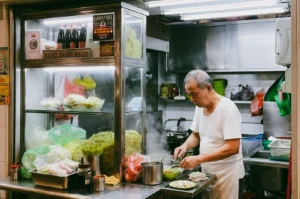
佛跳墙 and Pineapple Tarts: A Kitchen Transformed
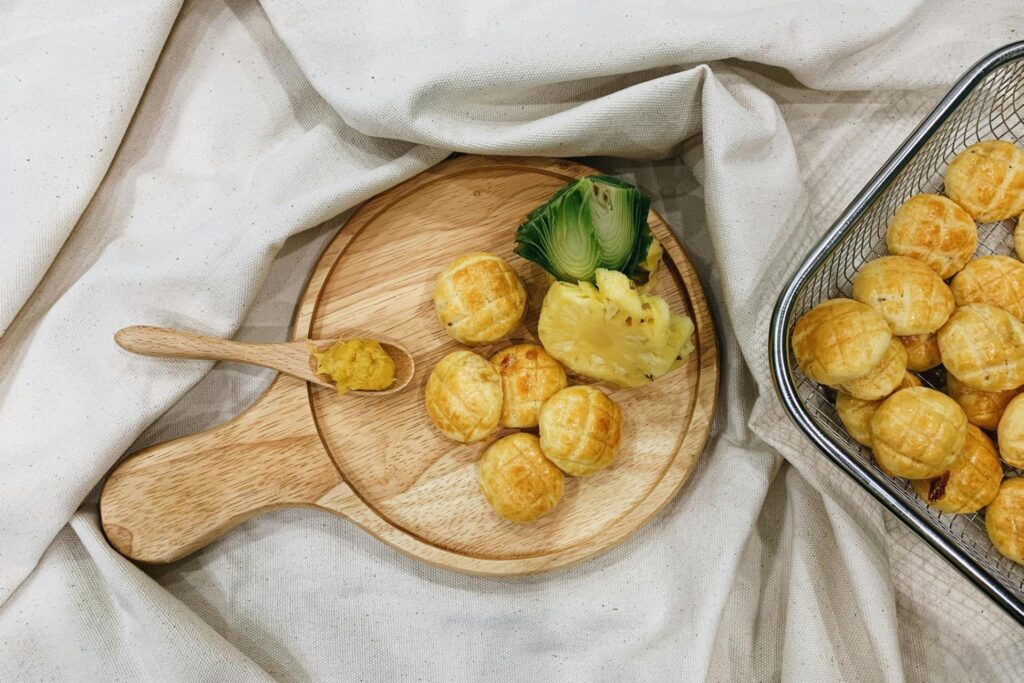
In the weeks leading up to Chinese New Year, Singaporean kitchens come alive. They radiate a unique warmth—not just from the humid afternoons or bustling stoves—but from the hum of generations coming together, preparing festive treats like pineapple tarts or even lavish dishes such as Buddha Jump Over the Wall (佛跳墙). Kitchens that are typically used for quick meals transform into spaces of ritual, patience, and affection.
These moments are more than just about food. They’re about creating memories, preserving traditions, and ensuring that dishes like pineapple tarts or hearty Buddha Jump Over the Wall Singapore delivery orders carry the same love and attention as those made from scratch. The warmth of these gatherings is cherished, as families and friends come together to create loved memories that last a lifetime. Whether you’re rolling tart dough or planning a festive menu that includes bamboo pith, white fungus, or abalone, the kitchen becomes the heart of celebration.
Ordering CNY delivery or festive takeaways allows families to feast in the comfort of their own homes without the hassle of cooking, making Buddha Jump Over the Wall Singapore delivery a convenient way to enjoy these traditional dishes together.
These kitchens, shaped by ritual and repetition, tell stories far beyond recipes—stories that continue beyond this page for those who wish to explore further.
Kitchens That Only Exist in January
For most of the year, home kitchens are practical spaces—efficient, logical, and functional. But January brings an undeniable shift. Much like how Buddha Jump Pickup Orders begin to peak during the holidays, the kitchen too adapts to the festive demands. The dining table is no longer for dining; it’s a staging ground for trays and ingredients. Countertops are cleared to make space for rolling dough or assembling festive dishes. Remember to clear your fridge as well to make room for festive food and leftovers during Chinese New Year.
There’s an organized chaos to it—a rhythm powered by the whirring of ceiling fans, the opening and closing of ovens, and the laughter and chatter of family members. Cousins who rarely step into the kitchen find themselves rolling jam for tarts or mixing ingredients for dishes. Aunts negotiate kitchen territory with silent gestures, each aware of their role in this temporary production floor.
This scene plays out in many homes, with some families also preparing elaborate meals that include dishes like Buddha Jump Over the Wall. Whether it’s for dine-in gatherings or Buddha Jump Over the Wall Singapore delivery orders, the process is infused with the same shared patience and love.
Hands That Know What to Do
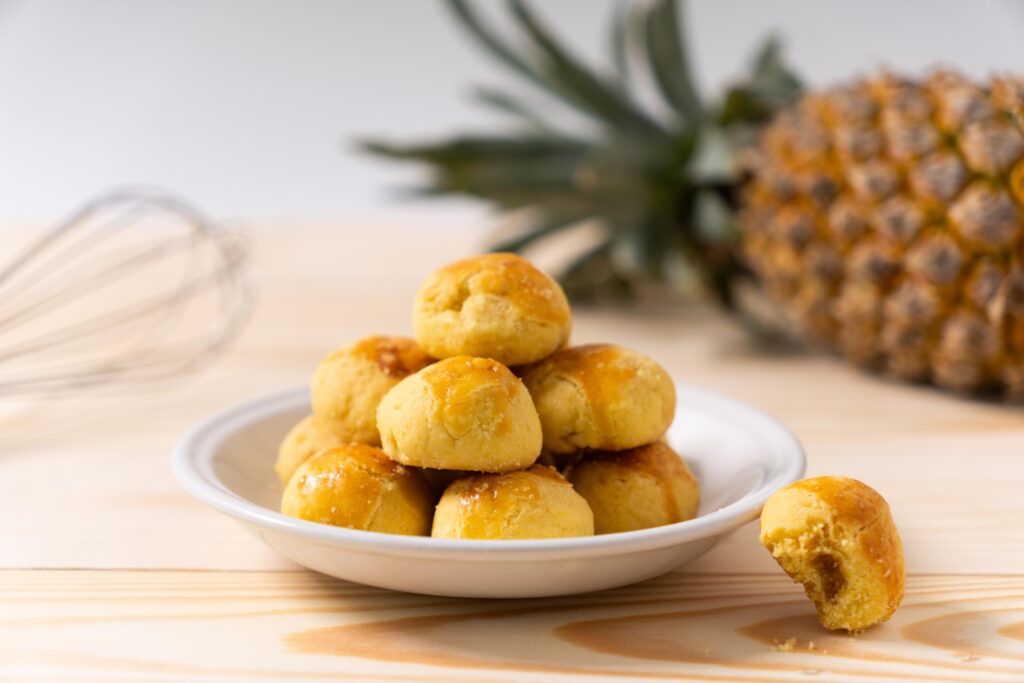
The heart of any festive kitchen lies in the hands that work within it. Recipes aren’t always written down—they live in the muscle memory of mothers, grandmothers, and aunts. These hands know when pineapple tart dough is perfect, just as they instinctively know when the broth for Buddha Jump Over the Wall, with its mix of abalone, bamboo pith, and white fungus, is rich enough.
There’s a tactile intelligence to these hands. They pinch dough into uniform pieces without a scale. They stir pineapple jam until it reaches the right consistency, just like they monitor the rich aroma of Buddha Jump’s ingredients on the stove. Knowledge is passed not through words but through motion—a silent language of tradition and expertise.
For those of us who grew up watching, our learning began with small tasks: washing brushes, glazing pastry tops, or helping select items for festive meals. Over time, these tiny roles built into a deeper understanding of the kitchen’s rhythm. Whether assembling tarts or assisting with a Buddha Jump Pickup Order, the process starts to feel second nature.
Variations That Stay Within the Family
Every home believes their recipe—whether for pineapple tarts or Buddha Jump Over the Wall—is the best. The variations are like family fingerprints. One family’s tarts might crumble at the slightest touch, while another’s hold a delicate bite. Similarly, one Buddha Jump recipe might favor a stronger bamboo pith flavor, while another adds more white fungus for texture. For Buddha Jump Over the Wall, there is also a choice of premium ingredients and menu options, allowing customers to personalize their dining experience with luxe selections or set menus, especially for festive celebrations.
These subtle differences tell stories. Maybe a recipe changed because someone forgot an ingredient and ended up liking the result better. Or perhaps an aunt added a pinch of salt “just because” one year, and that became the family standard.
When it comes to dishes like Buddha Jump Over the Wall, the same sentiment applies. Whether ordered for Buddha Jump Singapore delivery or cooked lovingly at home, the mix of abalone, mushroom, and other premium ingredients reflects the care and thoughtfulness that goes into each serving. Pen cai, another festive favorite, is a traditional Cantonese dish that symbolizes harmony and abundance during Chinese New Year.
The Work Before the Tin
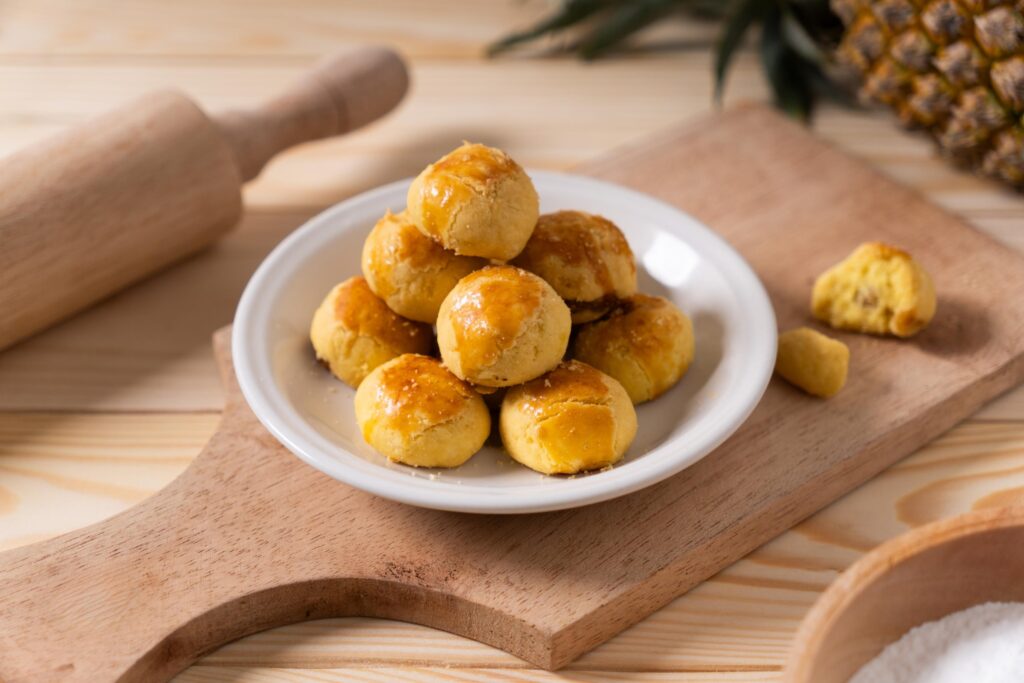
For pineapple tarts, the baking is just the crescendo of a symphony that starts much earlier. Hours of grating pineapple, stirring jam until it thickens, and carefully shaping dough go into creating each tart. Similarly, the process for Buddha Jump Over the Wall involves prepping premium ingredients like abalone, bamboo pith, and white fungus well in advance. It’s important to start preparations early for festive dishes like Buddha Jump Over the Wall to secure the best ingredients and ensure a smooth celebration.
It’s not just the complexity of the steps that’s striking—it’s the patience. Buddha Jumps Over the Wall is a luxurious soup made with premium ingredients like abalone and sea cucumber, making it a highlight of any festive meal. Cooling racks take over entire homes, with trays of golden tarts or buddha jump orders resting on windowsills, tables, and even washing machines. The aroma fills every corner, lingering for days as a comforting reminder of the work completed.
佛跳墙: A Culinary Tradition Beyond Tarts
While pineapple tarts are a key feature of Chinese New Year, so too is the renowned Buddha Jump Over the Wall (佛跳墙). This luxurious soup, traditionally served at important banquets and prepared over several days by expert chefs, is known for its rich, collagen-rich broth simmered for hours and premium ingredients like abalone, sea cucumber, fish maw, and scallops. The name Buddha Jump Over the Wall comes from the soup’s enticing aroma—so irresistible that even a vegetarian monk would leap over a wall for a taste. Often delivered in a claypot and prepared by steaming or boiling after thawing, it is a celebration of harmony and prosperity in every bowl. (Picture is for illustration purposes only; actual presentation may vary.)
Whether you choose to dine in at a select outlet or have it delivered to your doorstep, Buddha Jump Over the Wall is a dish that embodies care and tradition. Chefs spend hours perfecting the balance, and many chef-recommended or patron-recommended versions are available for 1 or 4 pax, making it easy to share with family or friends.
For those looking to share the joy, Buddha Jump Over the Wall Singapore delivery options abound: Lao Huo Tang offers affordable versions with island-wide delivery via their Oddle link, Ban Heng Restaurant provides a Mini Buddha Jump Over The Wall for approximately SGD $70 with delivery, and other restaurants and caterers such as Tam Kah Seafood, Peach Garden, Man Fu Yuan, and Hai Tien Lo feature the dish on their premium takeaway menus, especially during festive seasons. Imperial Herbal offers delivery with potential free delivery for larger orders, while brands like Eu Yan Sang and Bee’s Brand provide canned or frozen versions for home preparation.
Tam Kah Seafood has both fresh hot delivery and frozen options with specific collection points or delivery slots. Key delivery considerations include lead time (often requiring advance ordering, typically 3 days ahead), delivery fees, and minimum order values for free delivery. Frozen versions are also available from specialized traders and platforms for added convenience, such as De Cheng Xin Xing’s frozen soup packs with 1-3 working day delivery, and Peach Garden’s double-boiled version with fixed or free delivery options. Fortune Buddha Jump Over the Wall can be ordered for either 1 or 4 pax, ensuring there is a suitable option for every gathering.
The Final Act: The Tarts and Dishes Leaving the House
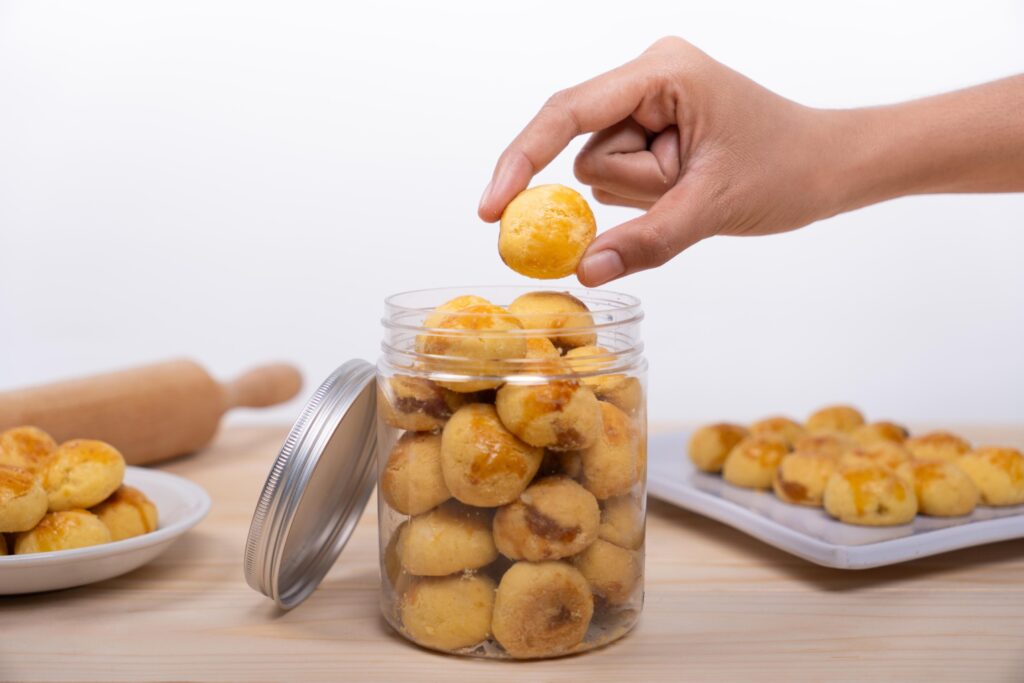
When the pineapple tarts are ready, and the Buddha Jump Over the Wall has been perfected, the next step is sharing. Containers of tarts are packed with care, just as Buddha Jump orders are carefully collected or delivered. Many restaurants offer self-collection and self-pickup options for CNY takeaway orders, allowing customers to choose convenient collection times and specified locations for their festive dishes. These aren’t just gifts; they’re tokens of love and thoughtfulness.
There’s a quiet pride in these exchanges. A tub of tarts is handed to a neighbor with a smile, and a Buddha Jump Over the Wall Singapore delivery recipient receives their dish, knowing it was prepared with intention. These foods travel, connecting families, friends, and communities in a beautiful circulation of care.
These foods travel from home to home, connecting families, friends, and communities in a beautiful circulation of care—inviting those who wish to learn more or see the details to linger a little longer with the stories behind them.
The Kitchen's Transformation
Eventually, the kitchen returns to its functional state. The trays are stacked away, countertops are scrubbed, and dining tables reclaim their space. But the smell—the buttery aroma of tarts or the rich fragrance of Buddha Jump Over the Wall—lingers. It’s a comforting reminder of what the kitchen represents.
These moments are more than culinary achievements. They’re acts of preserving culture, celebrating family, and creating joy. Whether you’re rolling tarts, preparing a Buddha Jump Pickup Order, or deciding on the best menu for dine-in guests, the spirit of care and connection remains the same. For busy families, the convenient delivery and pickup options make enjoying festive dishes accessible and easy, fitting seamlessly into hectic schedules. Many are also keeping an eye on future festive offerings and menu updates, eager to see what new delights will be available for upcoming celebrations.
Bamboo Pith: The Delicate Treasure
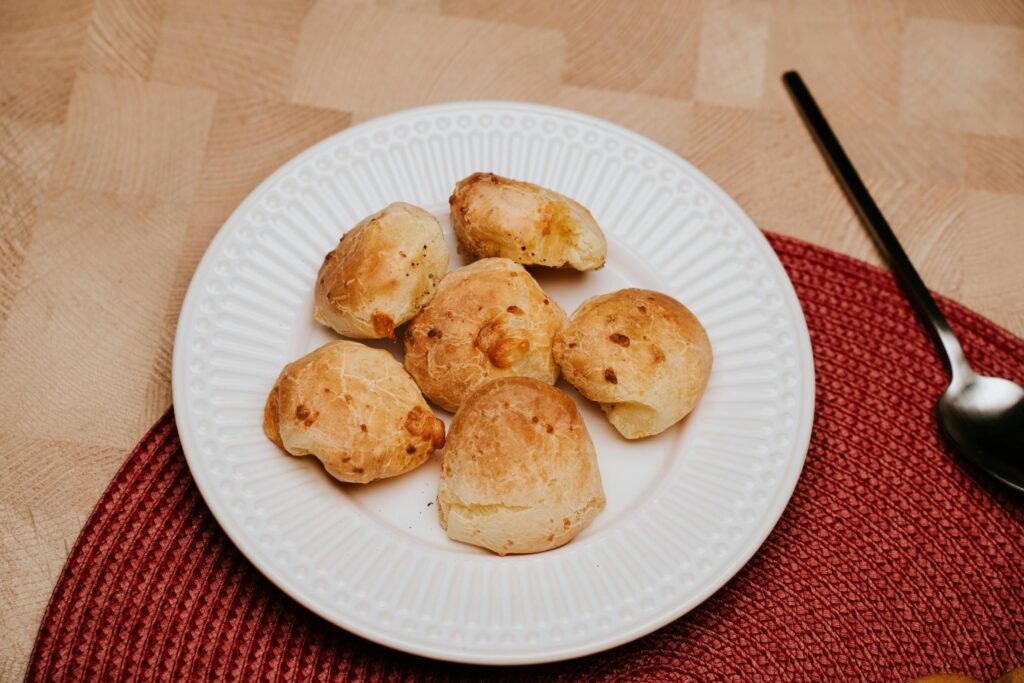
Bamboo pith is a unique and delicate ingredient often featured in Buddha Jump Over the Wall, adding both texture and subtle flavor to this luxurious dish. Known for its light, spongy texture and ability to absorb the rich broth, bamboo pith enhances the overall experience by soaking up the aromatic flavors of abalone, mushrooms, and other premium ingredients.
In traditional Chinese cuisine, bamboo pith is prized not only for its culinary qualities but also for its symbolism of longevity and prosperity—making it a perfect addition to festive dishes like Buddha Jump Over the Wall. Whether you enjoy this dish at a dine-in outlet or opt for Buddha Jump Over the Wall Singapore delivery, bamboo pith remains a star component that contributes to the harmony and depth of the soup.
Celebrate with Pineapple Tarts and 佛跳墙
Carefully prepared and packed, bamboo pith in Buddha Jump Over the Wall offers a tender bite that complements the rich, savory content, making every spoonful a balance of texture and taste. This ingredient truly exemplifies the thoughtful craftsmanship behind this celebrated Chinese New Year delicacy. This ingredient truly exemplifies the thoughtful craftsmanship behind this celebrated Chinese New Year delicacy—click here to learn more.
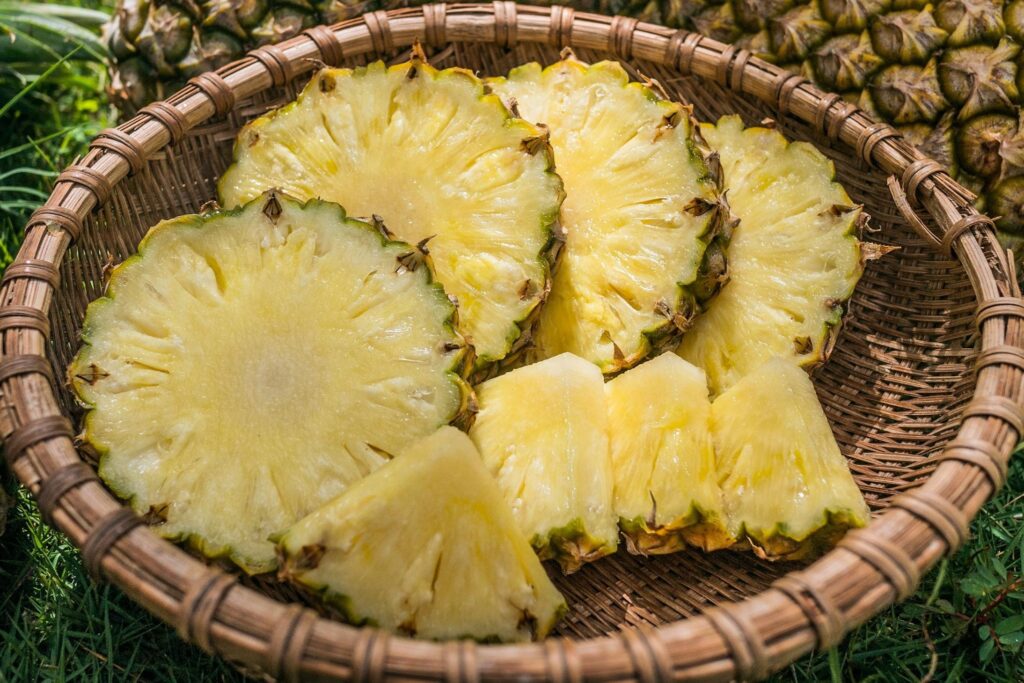
Both pineapple tarts and Buddha Jump Over the Wall hold a special place in Chinese New Year traditions. They’re not just about the taste—they’re about the effort, the shared patience, and the memories they create.
If you’re celebrating this season, consider sharing these timeless treats. Whether it’s pineapple tarts made by hand or a Buddha Jump Over the Wall Singapore delivery to your doorstep, these foods carry the essence of family, love, and tradition.
Take a moment to savor the aroma, notice the careful preparation, and enjoy the flavors that have been passed down for generations. It’s all there—baked into the tarts, simmered into the broth, and shared in the smiles of those we celebrate with. It’s why conversations about festive food often lead to some of the must-try dishes in Little India, dishes that reward curiosity and remind us that heritage isn’t confined to holidays—it’s cooked daily, served generously, and meant to be experienced together.