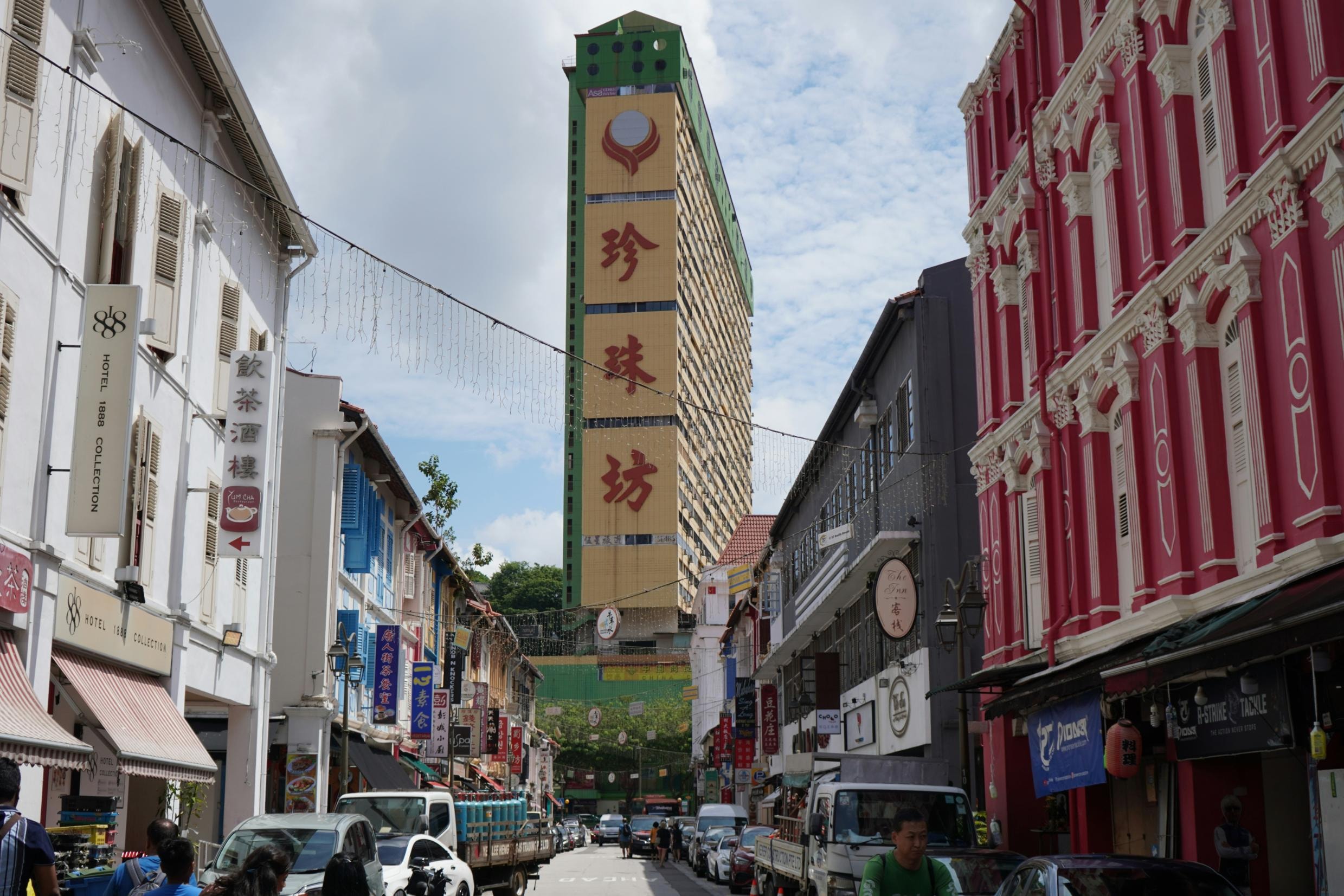
A kaleidoscope of vibrant colours bursts from the walls of Singapore’s Chinatown, where every mural tells a story and every scent—from herbal remedies to sizzling street food—pulls you deeper into its heritage. Along Pagoda Street, the cheerful buzz of hawker stalls and the iconic Chinatown heritage shophouses collide in a lively scene that defines this famous district. Here, the Chinatown Heritage Centre Singapore stands as a testament to the cultural and artistic legacy of early Chinese immigrants, offering visitors a portal to relive the district’s history.
Whether you’re a tourist looking to find street art or a local rediscovering tradition, this guide reveals Chinatown’s intriguing layers—from the bustling heritage centre and famous Chinatown murals to hidden Chinatown art spaces Singapore has cultivated. Discover street art on Smith Street and Trengganu Street, immerse yourself in the flavours at Maxwell Food Centre, and capture the magic that makes Chinatown Singapore a must-visit landmark.
Pagoda Street and Understanding Chinatown Heritage Centre Singapore
History and Mission
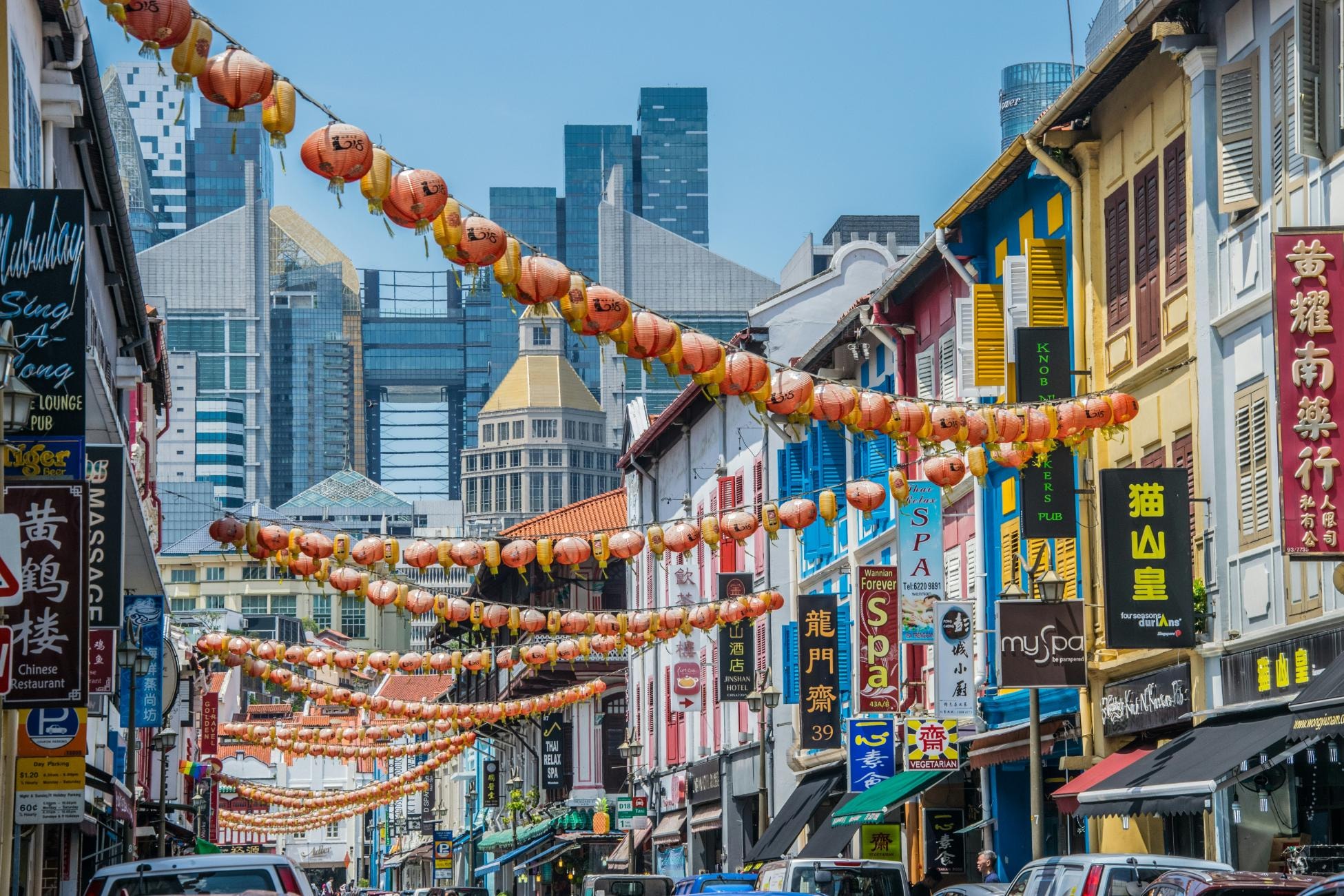
Located in the heart of historic Pagoda Street, the Chinatown Heritage Centre Singapore is more than a museum—it’s a journey into the lives of Chinatown’s early residents. Set within three restored shophouses, the centre preserves the vibrant tapestry of everyday life, from intricate traditional clothing to stories of street vendors once found on almost every corner. Its mission is to honour the struggles and celebrations of the area’s early Chinese immigrants and to tell the story of Chinatown’s transformation from humble beginnings to a vibrant centre of Chinese culture and commerce.
Location and Accessibility
The centre’s strategic location at 48 Pagoda Street places it steps away from the Chinatown MRT exit and iconic destinations like the Buddha Tooth Relic Temple, Sri Mariamman Temple, and bustling Smith Street. Whether you’re entering through the ornate gates of Chinatown MRT or wandering over from Club Street or Keong Saik Road, the accessible footpaths and proximity to major bus lines make your visit easy. Note: The ground floor and much of the heritage shophouses are accessible to wheelchair users, though some conserved upper levels may have limited access.
Opening Hours and Admission
The Chinatown Heritage Centre is open daily but check their website for seasonal updates, special exhibitions, or closures for private events. Admission rates vary for adults, children, and seniors. For a seamless experience, purchase your tickets online and keep your confirmation e-mail handy. Group visitors, especially during local holidays or school excursions, are strongly encouraged to book in advance.
Find Street Art: Chinatown’s Open-Air Gallery
Singapore’s Chinatown Murals and Mural Trail Highlights
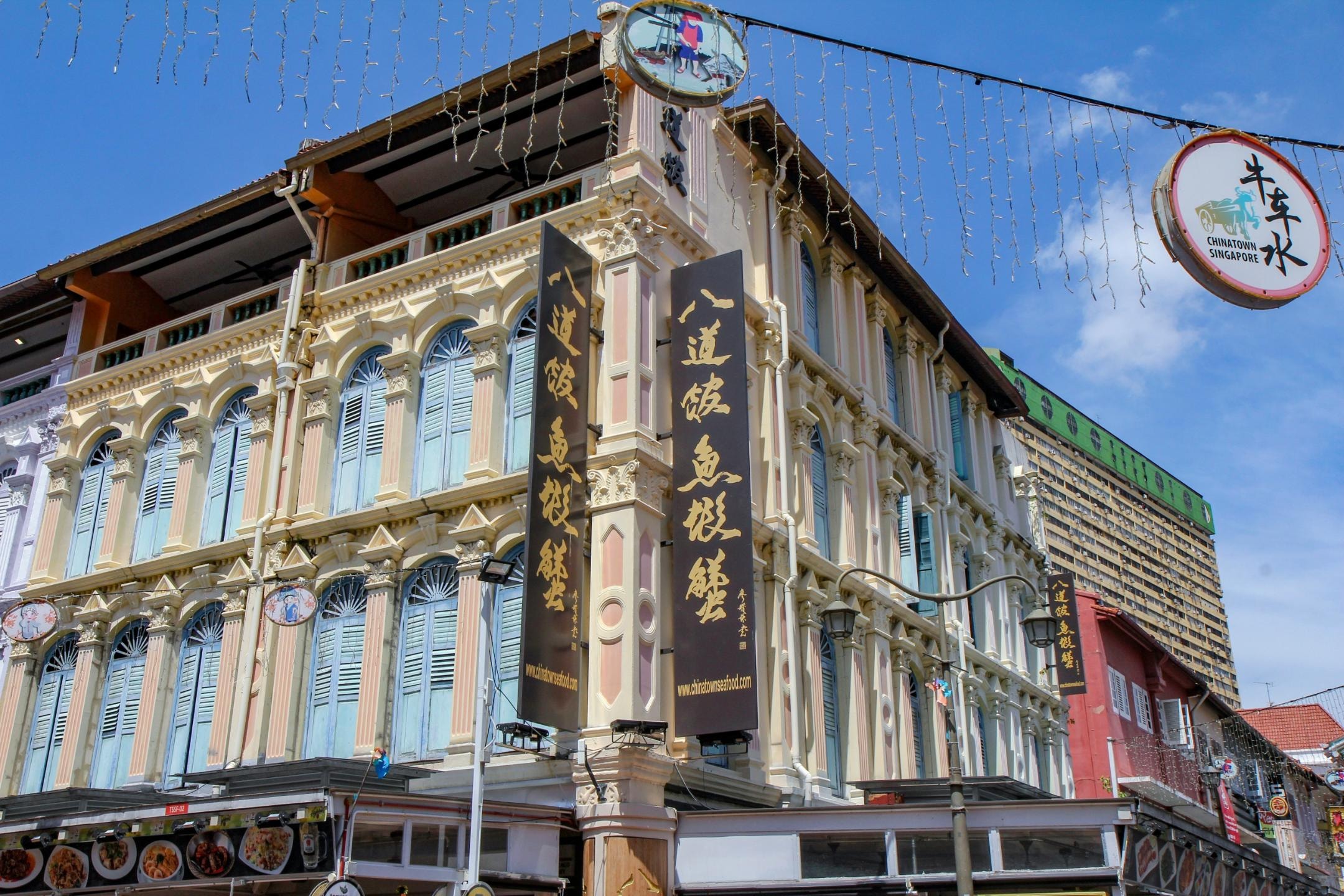
Chinatown Singapore is renowned for its street art, transforming the district into an evocative open-air gallery. The famous Chinatown murals are found on walls and alleyways along Smith Street, Banda Street, Mohamed Ali Lane, and Craig Road. One of the standout names is local artist Yip Yew Chong, whose nostalgic masterpieces—like the Letter Writer mural on New Bridge Road and the detailed market scenes on Trengganu and Banda Streets—immortalize old Singapore.
The mid autumn festival mural on Pagoda Street is a must-see, full of children playing with lanterns and families gathered for mooncakes.
On Temple Street and Upper Cross Street, you’ll find large, colourful murals depicting opera performers, puppet sellers, and scenes from everyday life.
Look for works by Sam Lo, whose vibrant and thought-provoking pieces adorn several walls, as well as collaborations with international artists during mural festivals.
Planning your own Chinatown street art walk? Check neighbourhoodlife.com.sg for more mural maps and neighbourhood art guides across Singapore.
Photography Tips and Best Times
If you want to find the most photogenic light, aim for early morning or late afternoon—the golden hours bring out the vibrant colours of the murals and minimize harsh shadows. For the most immersive experience, plot a self-guided walking tour: start at the Chinatown MRT exit, weave your way down Smith Street, Trengganu Street, and Ann Siang Hill, and don’t miss hidden alley gems on Keong Saik Road, Club Street, Craig Road, and Banda Street.
Interactive Street Art
Many murals are interactive—pose with the lion dance head maker, strike a kung fu fighting stance with Bruce Lee at Keong Saik Road murals, or peek into traditional shophouse scenes that evoke both old and modern Singapore. Visiting during festivals often brings “live” mural painting events featuring both local and international artists.
Chinatown Singapore: Art Spaces, Traditional Craft, and Creative Galleries
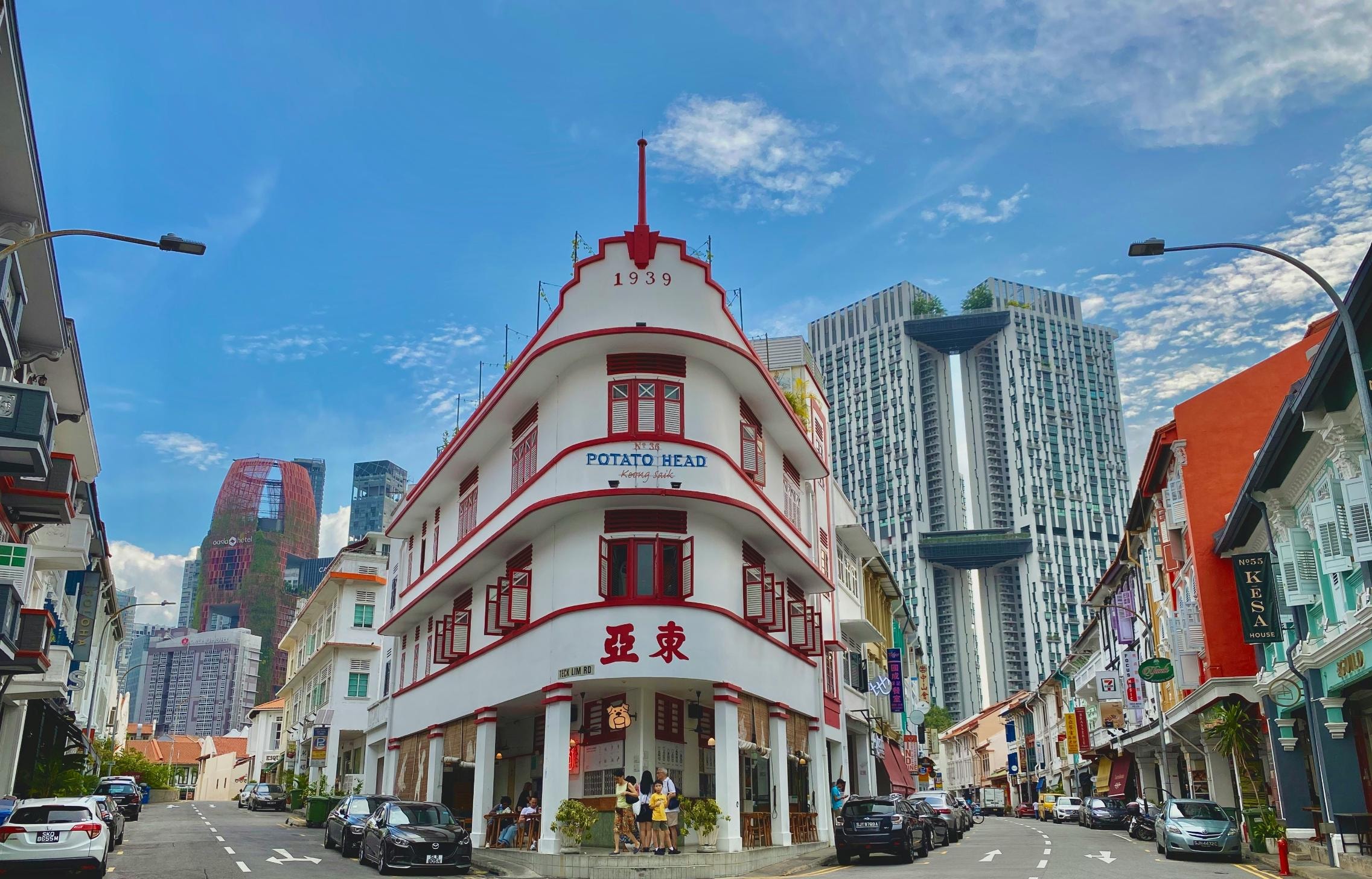
Chinatown’s flourishing creative scene combines Chinatown art, traditional craftsmanship, and the avant-garde.
Art Spaces and Local Galleries
Chinatown art spaces Singapore ranger from contemporary galleries tucked into heritage shophouses on Ann Siang Hill and Amoy Street, to artist-run studios with built-in zoom lenses and workshops open to the public.
The Banda Street Murals and trendy bars around Club Street often display rotating shows with works by emerging and established names.
Look out for popup exhibitions celebrating Chinese culture and cross-cultural connections.
Traditional Crafts and Heritage
Stores specializing in calligraphy, hand-carved stamps (chops), and lantern-making dot Pagoda Street and Smith Street. The puppet seller mural near Kreta Ayer Road pays tribute to the artisans who once dominated the lanes of Chinatown. On weekends, demonstrations of paper cutting, embroidery, and fortune telling can often be seen spilling onto the street.
Support Local and International Artists
Galleries run by both local and international artists offer unique collectibles and decorative pieces. Support the scene by purchasing souvenirs, sharing your finds on social media, or engaging artists in conversation about the stories behind their creations.
Maxwell Food Centre, Club Street & Planning Your Chinatown Walking Tour
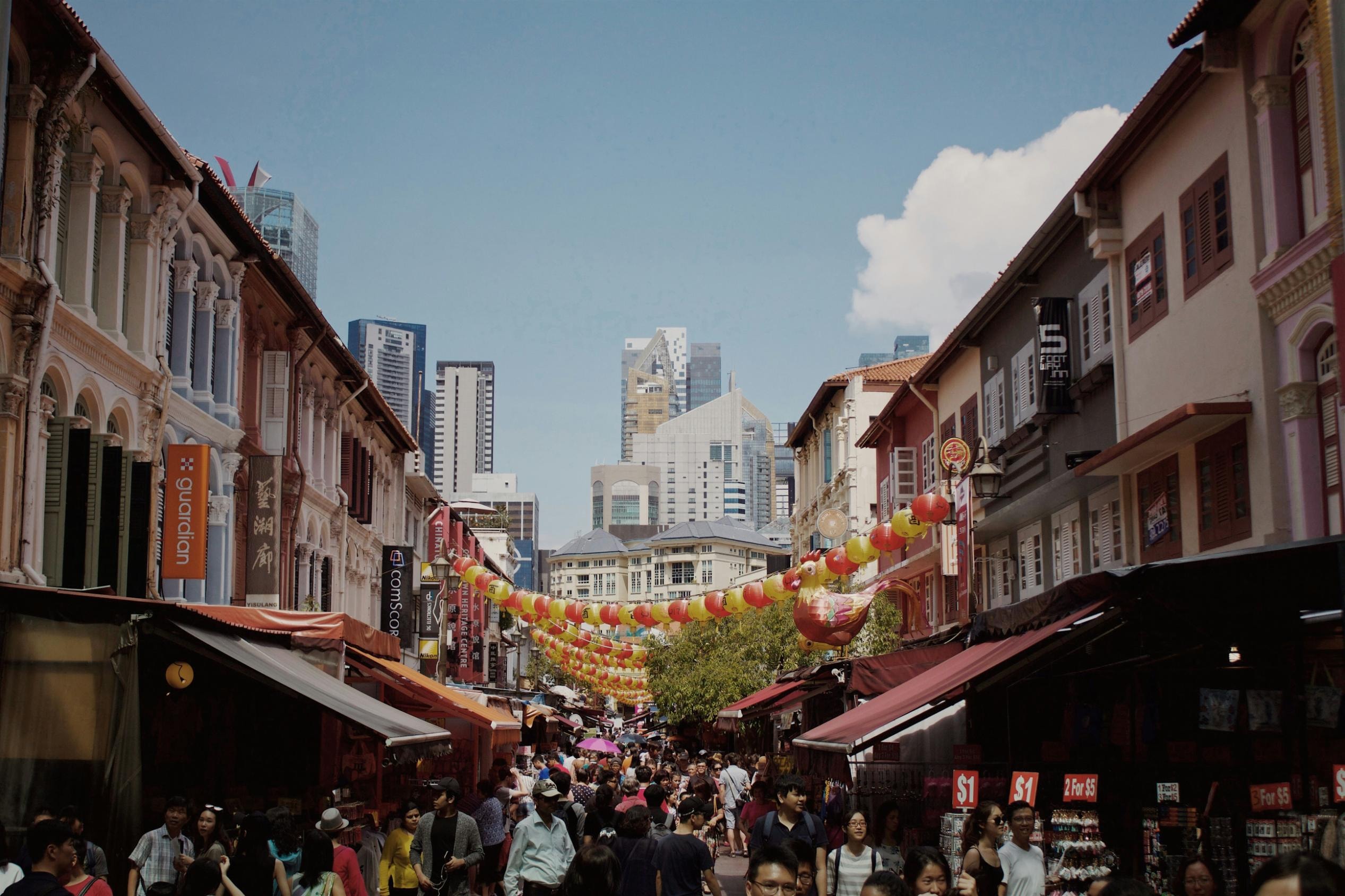
When your art quest builds an appetite, Chinatown has you covered. Iconic hawker centres like Maxwell Food Centre, Chinatown Complex, and street vendors on Smith Street and Amoy Street serve Singapore’s best chicken rice, dumplings, and modern fusions.
Club Street and Ann Siang Hill offer access to vibrant bars and dining experiences, perfect for a lunch break between mural-hunting.
Historic temples, such as the Sri Mariamman Temple and Thian Hock Keng Temple, are all within comfortable walking distance, making it easy to combine culture, art, and flavours in one afternoon.
Chinatown Cultural Heritage Tours: Experience the District’s Story
Guided and Self-Guided Tour Options
Chinatown cultural heritage tours introduce visitors to rich stories and hidden corners that might be missed on solo walks. Options range from food-focussed walking tours sampling street food, to architecture tours along Pagoda Street and Buddha Tooth Relic Temple, and immersive history walks about early Hokkien immigrants and the area’s Chinese culture.
Booking Tips and Pricing
Tours are available in multiple languages and typically last two to four hours. You can book online via major visitor portals or directly with cultural organizations based in the district. Prices are reasonable, with discounts for groups, seniors, and students.
What to Expect
Most tours begin at landmark locations like the Chinatown Heritage Centre Singapore, follow routes past chinatown mural landmarks, and wrap up with tastings at hawker centres like Maxwell or Chinatown Complex. Along the way, expect to visit religious buildings (Buddha Tooth Relic Temple, Sri Mariamman Temple), explore heritage shophouses, and even see live demonstrations from local artisans.
Inside the Chinatown Heritage Centre: Exhibitions, Experiences, and Shophouses
Step inside the Chinatown Heritage Centre to experience life as it was for Singapore’s early Chinese immigrants.
Permanent and Interactive Exhibitions
Permanent displays carefully reconstruct the cramped living quarters of the 1950s, adorned with traditional clothing, family relics, and tools used by tailors, street vendors, and herbalists. Listen to personal stories on the audio guide, explore themed rooms, and try hands-on activities for all ages.
Rotating Exhibitions and Special Events
Throughout the year, the Centre showcases special exhibitions and workshops—sometimes featuring international collaborations or pay-tribute art installations inspired by significant local events. Check the calendar for mid autumn festival workshops, lantern-making demonstrations, or cultural nights that spotlight the lion dance head maker and other traditional masters.
Educational Programs and Photo Ops
Family-friendly workshops on Chinese calligraphy, children’s scavenger hunts, and themed guided tours deepen your understanding of modern Singapore while connecting you to its roots. Don’t miss creative photo opportunities: pose with a Bruce Lee cutout, snap a selfie under the kitty lantern, or recreate a street vendor’s day with costume props.
Telok Ayer Street, Ann Siang, and Beyond: Plan Your Visit
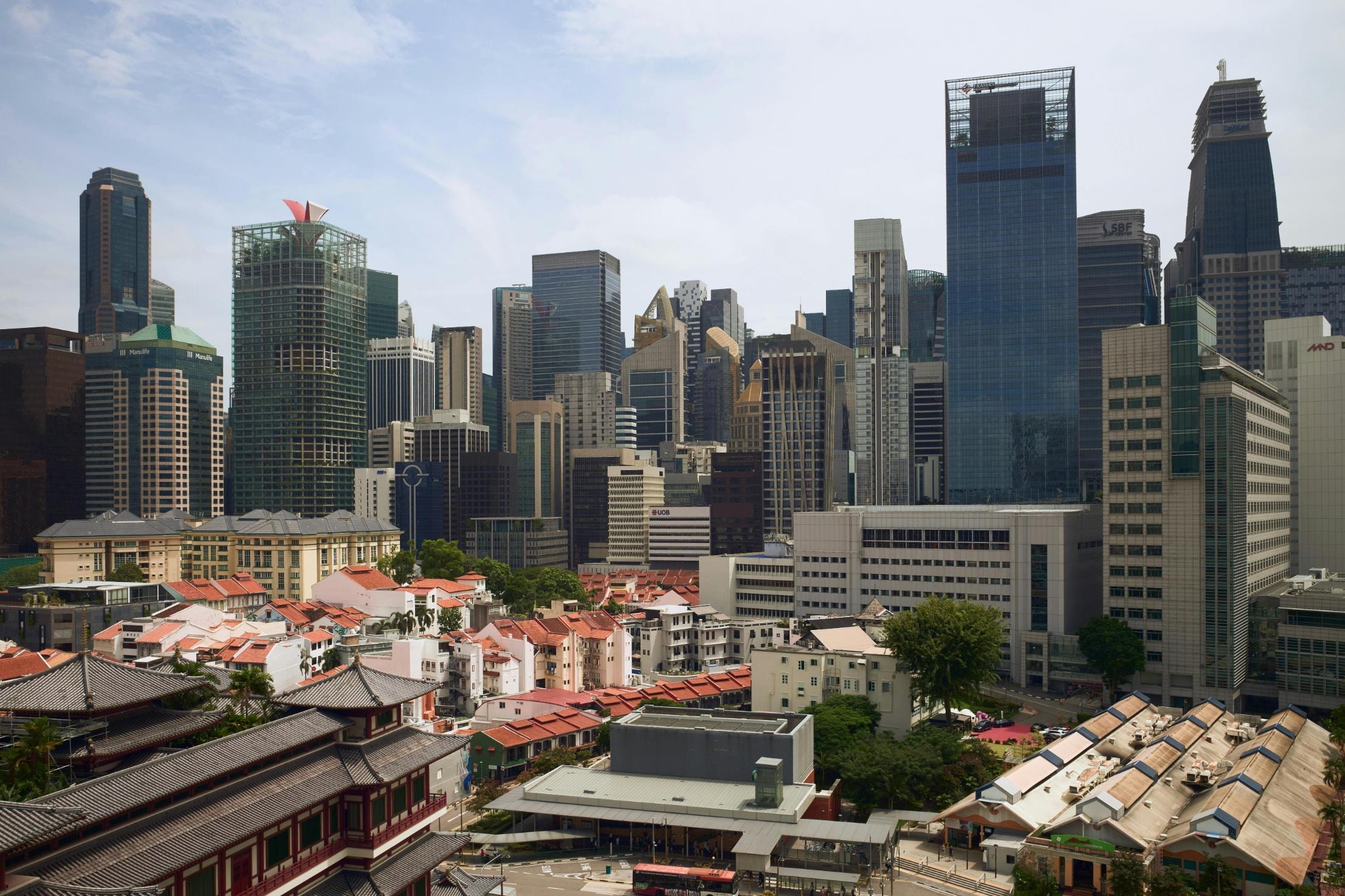
Chinatown’s heritage hub is surrounded by must-see attractions in every direction.
Getting There
MRT: Alight at Chinatown MRT (NE4/DT19), Exit A to step right onto Pagoda Street, or use nearby Outram Park and Telok Ayer stations to access Neil Road, Craig Road, and the Ann Siang/ Club Street area.
Bus & Parking: Major bus routes stop along South Bridge Road and Upper Cross Street. Limited parking is available, but walking tours are best for soaking up the historic district’s rich atmosphere.
Suggested Itinerary and Essentials
Allocate two hours for the Heritage Centre, plus extra time for exploring murals on Kreta Ayer Road, Keong Saik Road murals (famed for their huge mural depicting scenes of everyday life), and sampling street food at Maxwell Food Centre. Bring a camera, comfortable shoes, and water—Singapore’s tropical weather makes shaded rest stops (like Lucky Chinatown) a welcome respite.
Combine Art, Food, and Culture
Round off your day at the Chinatown Complex for local favourites like chicken rice, then stroll to nearby trendy bars or indulge in unique desserts at Ann Siang Hill. Many visitors also make stops at the Buddha Tooth Relic Temple, the oldest Hindu temple—Sri Mariamman—and the striking Nutmeg Mural on Craig Road.
Conclusion: Experience the Best of Chinatown’s Art and Heritage
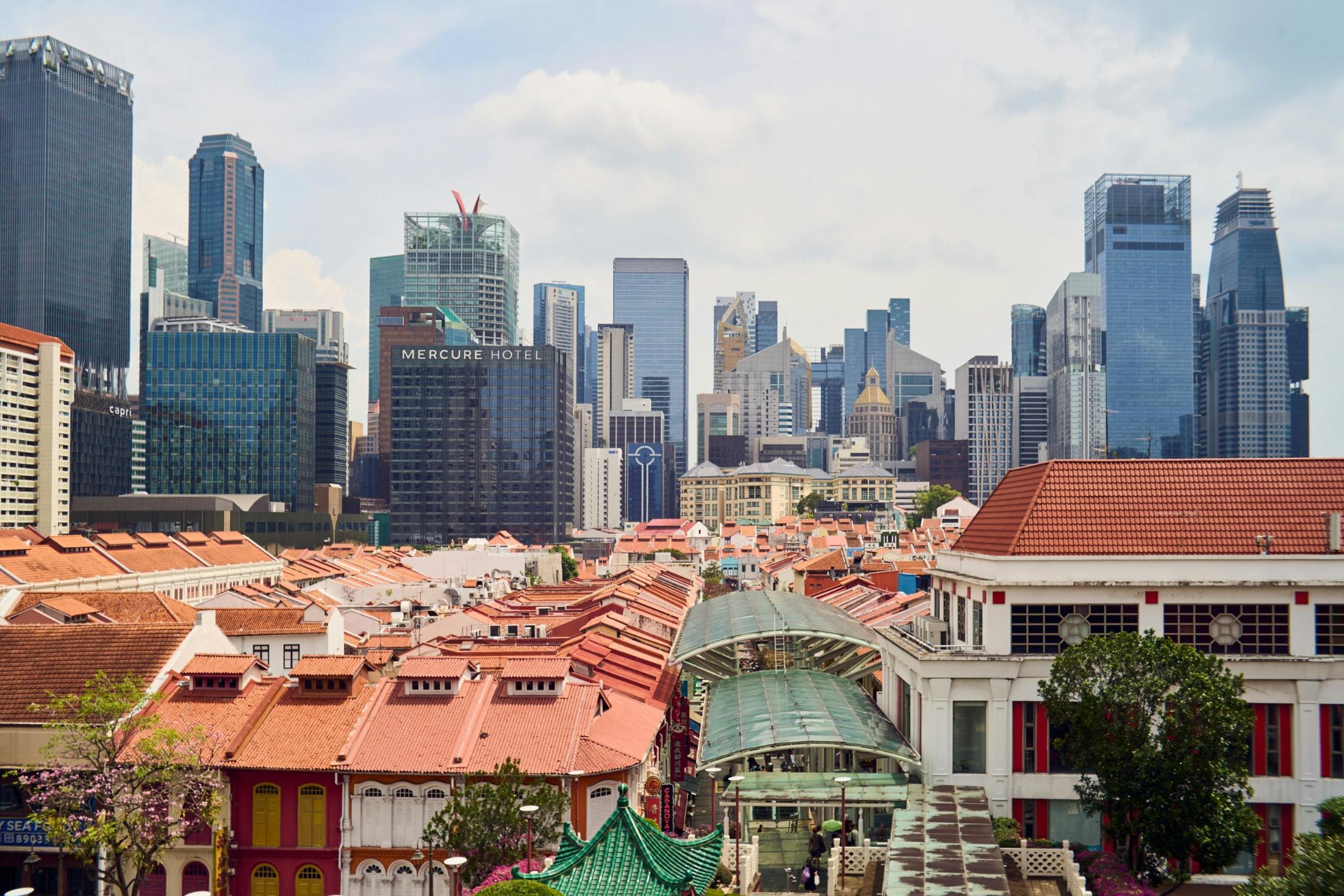
The Chinatown Heritage Centre Singapore is your gateway to a multi-layered adventure through the district’s history, heritage shophouses, and ever-evolving art scene. Lose yourself amidst chinatown street art, ancient temples, and the bustling lanes of modern Singapore—each painted wall and restored shophouse a testament to resilience, creativity, and the district’s enduring spirit.
From heritage alleys to mural-filled streets, Chinatown captures the essence of Singapore’s neighbourhood charm. Continue discovering the city’s hidden gems on neighbourhoodlife.com.sg — where every lane tells a story.
Start planning your own Chinatown Singapore walking tour; explore, experience, and celebrate the vibrant culture that lives on in every mural, market, and courtyard!
Frequently Asked Questions (FAQ)
1. Is the Chinatown Heritage Centre Singapore suitable for children?
Absolutely. The hands-on exhibitions and interactive stories engage visitors of all ages, especially those curious about Singapore’s Chinatown and its heritage.
2. Are Chinatown murals and art spaces free to visit?
Yes, public chinatown murals and galleries are open for all. Entry to the Chinatown Heritage Centre Singapore requires admission but is well worth the immersive experience.
3. Do I need to book Chinatown cultural heritage tours in advance?
It’s best to book ahead online, especially during festival periods and school holidays, to ensure your place on popular walking tours.
4. Is Chinatown wheelchair accessible?
Most streets—including Pagoda Street, Smith Street, and the ground floor of the Heritage Centre—are accessible. Some heritage shophouses may have stairs, so check specific facilities for details.
5. What’s the best route to find street art and murals?
Begin your tour at Chinatown MRT, head along Pagoda Street, Ann Siang Hill, Keong Saik Road, and don’t miss hidden gems on Banda Street, Mohamed Ali Lane, and Craig Road for the most diverse and colourful mural collection.
6. Which nearby food centre should I visit?
Maxwell Food Centre, Chinatown Complex, and Smith Street Hawker Centre are customer favourites. Don’t miss the famous chicken rice or classics like dumplings and street snacks for an authentic taste of Chinatown!