
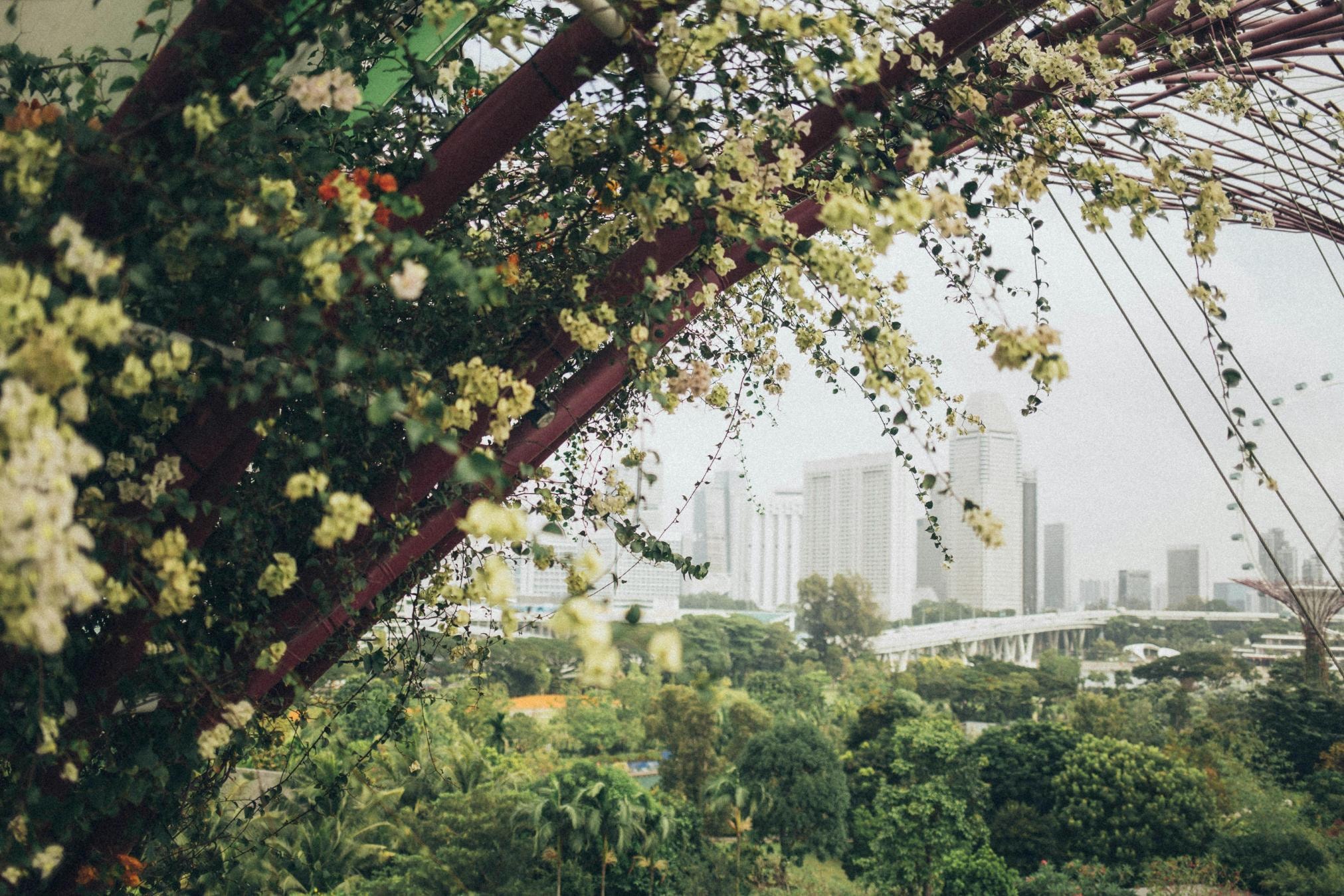
Singapore’s journey from a concrete jungle to a “Garden City” is taking on a delicious new dimension through urban farming Singapore initiatives. Amid skyscrapers and HDB estates, a green revolution is flourishing. With land scarce Singapore facing growing food security concerns, residents, urban farmers, and local farming groups are transforming underused spaces into vibrant urban farms and edible gardens filled with fresh produce, leafy greens, and flourishing herbs.
This comprehensive guide explores the innovative world of urban farming Singapore—from rooftop farms and community gardens to vertical agriculture and edible garden city projects. Discover how you can join these neighbourhood farming communities, grow your own food, and connect with local farmers creating a more sustainable city for all.
The Rise of Urban Farms and Urban Farming Singapore
The momentum behind urban farming Singapore is part of a national movement to boost food security and local food production. With over 90% of food currently imported, Singapore’s “30 by 30” target—to fulfill 30% of its nutritional needs with local food by 2030—has made urban agriculture and city-based farms essential.
Beyond increased food supply and distributing food locally, urban farming brings major environmental benefits. Urban farms help reduce food miles and pesticides, repurpose rooftops and underutilized land, and create more green spaces for nature and life within the city. These gardens and farms support sustainability, offer stress-reducing oases, and foster intergenerational community connections.
Today’s urban agriculture efforts in Singapore include:
Rooftop Gardens & Urban Farms: Vibrant edible garden city spaces found atop HDBs and commercial buildings.
Vertical Farms: High-tech growing systems using hydroponics or aquaponics, maximising space and groundbreaking farming technologies.
Community Garden Plots: Best community gardens managed by passionate community gardeners who grow vegetables, herbs, flowers, and fruits collectively.
Underutilized Spaces: Outdoor void decks, car parks, and even building sides, transformed into green food-producing environments.
Rooftop Farms & Gardens in Urban Farming Singapore
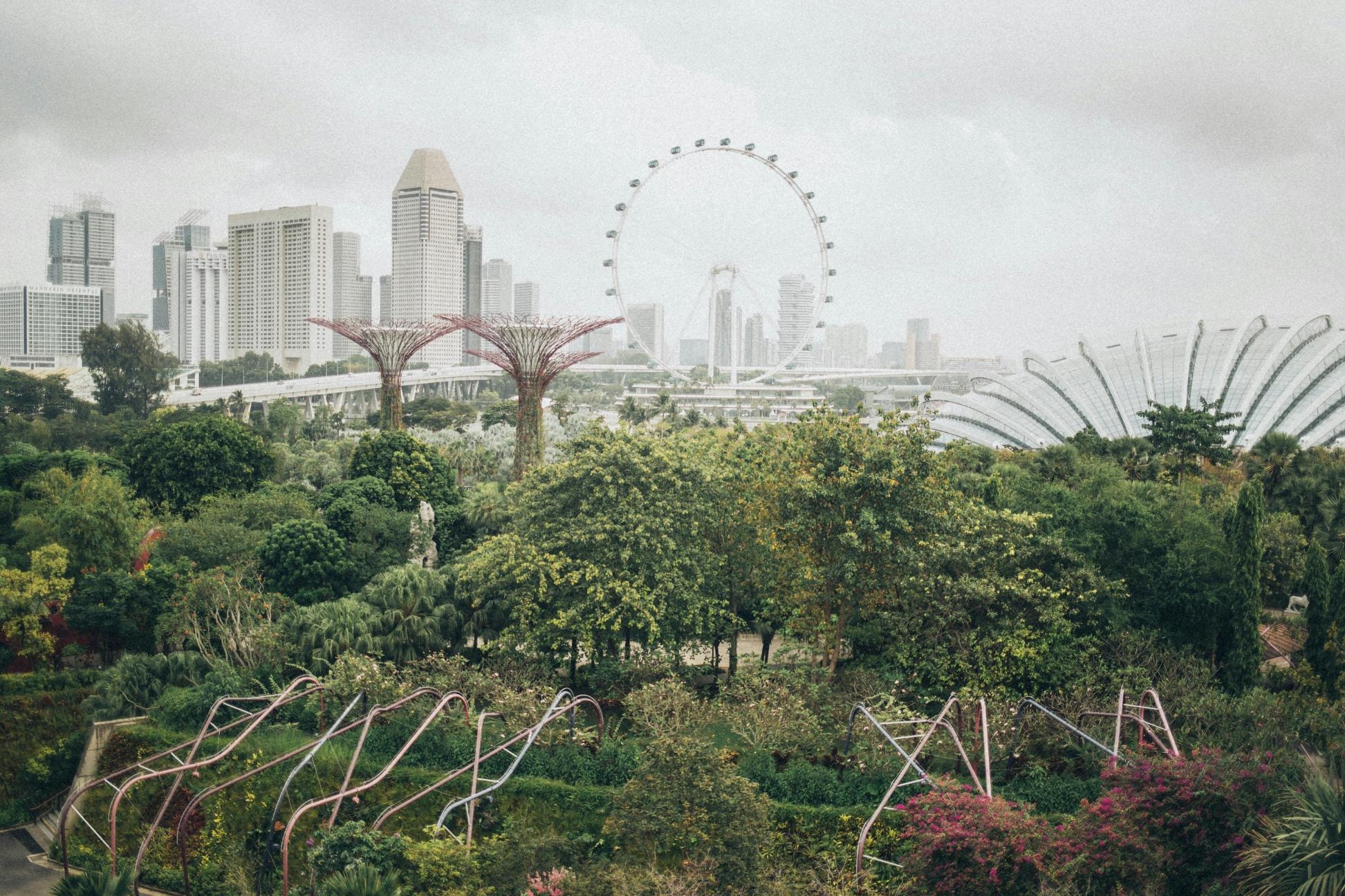
Urban Farms: Rooftop Gardens Singapore HDB
One of the hallmarks of urban farming Singapore is the impressive network of rooftop farms gracing HDB blocks and city buildings. These high-up edible gardens in Singapore enable residents to grow plants and vegetables while making productive use of rooftops.
Edible Garden City & Notable Rooftop Farms
Pioneers like Edible Garden City operate thriving rooftop farms in areas including Queenstown and Raffles City. These farms use modern urban farming technologies and pay close attention to sustainability and food security, supplying their harvests directly to restaurants, residents, and visitors interested in fresh, local food.
Many HDB communities have launched their own rooftop and urban farms, where neighbours collaborate to produce their own food in a shared garden space, supporting communal gardening, social connection, and local food production.
Crops & Growing Ideas
Urban farming Singapore is ideal for robust, tropical crops—leafy greens like kangkong and sweet potato leaves, fruiting plants (okra, long beans, brinjal), as well as herbs such as basil, mint, and pandan. These resilient vegetables and herbs grow well on sunny rooftops, using rainwater collection, organic compost, and environment-friendly gardening practices.
Residents can get involved by checking with their Town Council or looking into Edible Garden City’s projects. Forming a group or joining in as volunteers is a great way to start your rooftop urban farm journey.
Community Garden Spaces: Building Connections through Urban Farming
Community Garden Singapore: The Community in Bloom Programme
Singapore’s best community gardens are thriving, thanks in large part to NParks’ Community in Bloom (CIB) programme—a key name in the landscape of urban farming Singapore and neighbourhood farming. Since 2005, CIB has established over 1,900 community gardens across the island, from Jurong to Pasir Ris. These gardens are buzzing with activity, providing a space for more people to garden, relax, and learn with friends and neighbours.
How to Join or Start a Community Garden
Residents can apply for their own plot, typically about 2.5 square meters, through NParks’ online applications when new gardening sites are announced. Plots are awarded via ballot due to high demand.
To get started, join an existing community gardening group in your neighbourhood—many communities welcome newcomers and volunteers. As you nurture your own vegetables, herbs, and flowers, you’ll also grow friendships, share gardening ideas, and enjoy the benefits of being part of a vibrant, green community.
Alt text suggestion: “community garden Singapore plot with local farmers tending vegetables.”
Innovative Urban Farming: Maximizing Space & Technology
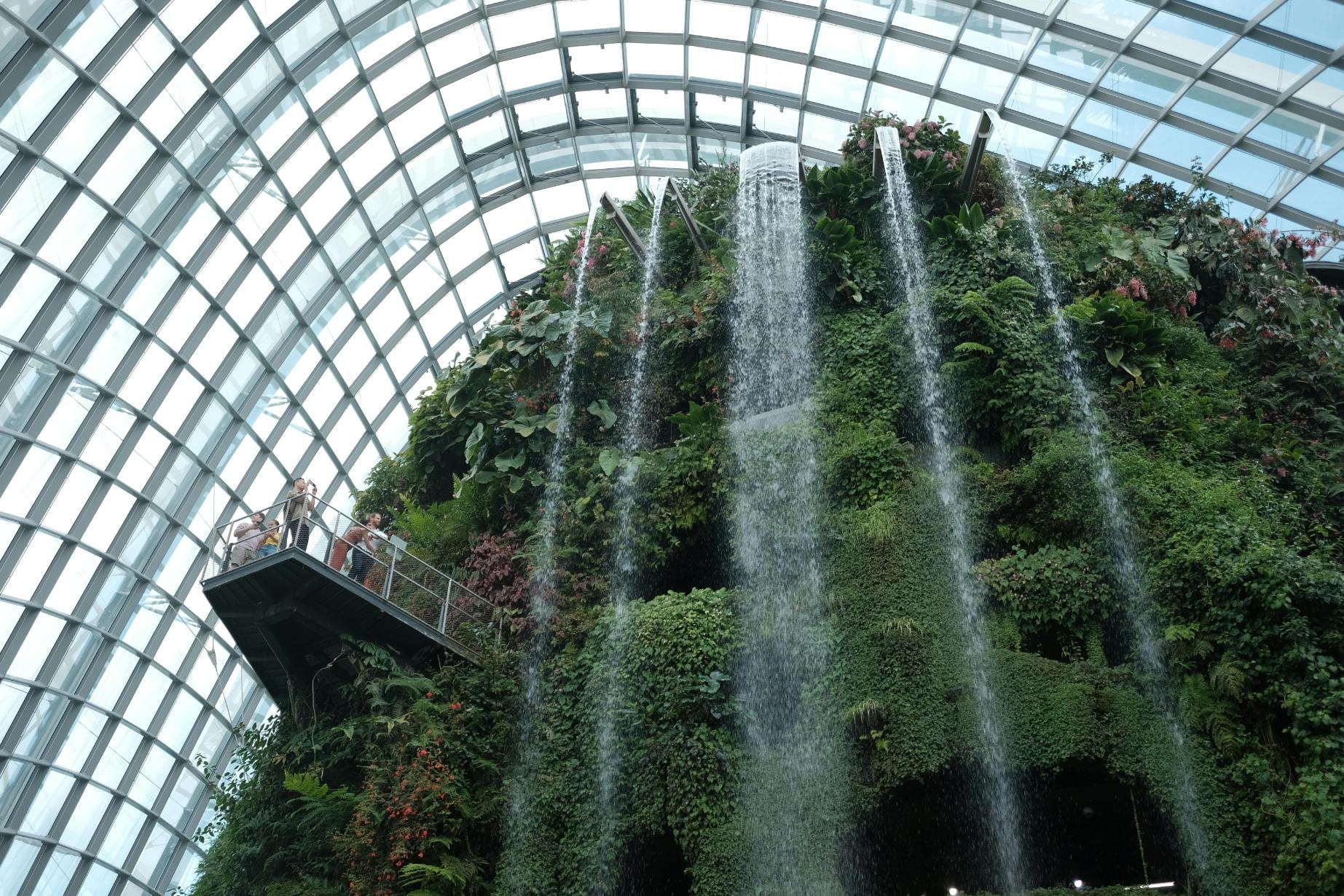
Urban Agriculture Singapore: Vertical Farms & High-Tech Solutions
As urban agriculture HDB spaces have grown, so has the creativity for maximizing every patch of land. Vertical farming Singapore is booming with high-yield systems—including hydroponic and aquaponic setups—for growing food in residences, balconies, or even underutilized car parks.
Home versions of these systems allow residents to cultivate leafy greens and herbs using minimal ground space and water, and without pesticides—perfect for producing clean, nutritious foods in dense cities.
Creative Urban Farm Spaces
Container gardens, balcony pots, and even edible garden city initiatives on multi-storey carparks and void decks harness Singapore’s land scarce environment to grow more sustainable produce. These ideas help urban farmers meet their nutritional needs and beautify daily life.
Urban Farming Singapore: Educational & Social Benefits
Urban farms and community gardens Singapore offer residents much more than food. They become settings for school projects and garden-based learning, intergenerational activities, and research on farming technology. School visits, gardening workshops, and class partnerships supported by government or groups like Edible Garden City introduce the next generation to sustainable living.
Spending time gardening provides a sense of peace and relaxation, reduces stress, and encourages outdoor activity for kids, adults, and seniors. Most importantly, these farms connect people—creating communities that value sustainability, health, and the natural environment.
Getting Started with Urban Farming Singapore: A Practical Guide
Ready to take part in the island’s “grow your own food” revolution? Here’s how to plan your foray into urban farming:
Finding Urban Farms & Community Gardens
Check NParks & Government Sites: For allotment garden availability, locations of the best community gardens, and details on applying for your own plot.
Engage with Town Councils: Ask about current or upcoming urban farming, rooftop farm, and edible garden city projects in your estate.
Use Social Media: Community gardeners often have Facebook groups—great for advice, updates, and joining as a volunteer.
Essential Tools & Popular Crops
You’ll need a good trowel, gloves, watering can, and access to compost or organic fertilizers. Start with leafy greens (kangkong, spinach, sweet potato leaves), herbs (basil, mint), and easy fruiting vegetables. Consider growing microgreens and using recycled containers. Growing your own vegetables in Singapore can be rewarding and cost-effective.
Joining Best Community Gardens
Every neighbourhood has its own character—explore parks in Bishan, Ang Mo Kio, Punggol, and along Orchard Road for inspiration and to discover local farmers in action. Don’t hesitate to join workshops or walk through community garden plots to learn from experienced gardeners.
Conclusion: The Future of Urban Farming Singapore

Urban farming is transforming Singapore from a land-scarce island into a vibrant garden city rich with edible gardens and urban agriculture. Residents are discovering new ways to grow plants, share food, and support local farmers, making every neighbourhood greener, healthier, and more sustainable. Whether you want to visit a rooftop farm, stroll through a community garden, join as a volunteer, or start planning your own edible garden, there’s never been a better time to dig in.
Ready to embark on your urban farming journey? Explore more Neighbourhood Life articles on community gardens, rooftop farms, and sustainable food initiatives—your future as an urban farmer, gardener, or supporter is just a seed away.
Frequently Asked Questions (FAQ) about Urban Farming Singapore
1. How do I apply for a community garden plot in Singapore?
NParks regularly announces new allotment plots for the best community gardens. Apply online and join the ballot for a chance to obtain your own gardening space.
2. Which are the best community gardens to visit in Singapore?
Some top picks include Bishan-Ang Mo Kio Park’s edible gardens, HortPark, and Yishun’s many stunning community gardens, all showcasing the variety of local farmers’ efforts. For more, explore our neighbourhood guides!
3. What can I grow in my HDB urban farm or rooftop gardens Singapore?
Popular choices for urban farm plots are leafy greens, herbs, and fruiting vegetables. Hydroponics systems are also gaining popularity among urban gardeners wanting to grow plants indoors.
4. Are there workshops or research events on urban farming Singapore offers?
Yes! Edible Garden City, City Sprouts, and community clubs frequently offer urban farming and gardening workshops for adults and kids. These include hydroponics, composting, and sustainable gardening classes.
5. How do urban farms support food security and sustainability in Singapore?
Urban farms increase local food production, reduce imports and waste, distribute food efficiently, and educate more people on sustainable living—making communities more resilient for the future.