There is a street in Singapore that feels like a sweet, sun-faded dream. It is a place where pastel hues of rose, mint, and lavender adorn ornate facades, and where every doorway tells a story. This is Koon Seng Road, a jewel in the heart of the Joo Chiat neighbourhood and an absolute paradise for photographers and lovers of Peranakan culture. We love the colourful shophouses and the unique atmosphere that make Koon Seng Road so special. To walk down this road is to step into a living postcard from a bygone era, where the intricate details of colourful shophouses and the rich heritage of the descendants of early settlers are etched into every wall and window.
For anyone who wishes to explore Singapore’s heritage architecture and culture, Koon Seng Road offers a visual feast. Here, you can admire the fusion of Chinese, Malay, and European influences that define the Peranakan style, showcased in the floral motifs and colourful tiles that decorate the buildings. This guide will help you understand the history, appreciate the architecture, and capture stunning photographs of these iconic homes.
Koon Seng Road and the Legacy of Peranakan Culture in Joo Chiat
Before you begin your photography journey or cultural exploration, it’s important to understand the story behind these buildings. The colourful shophouses along Koon Seng Road were built during the 1920s and 1930s, a decade that marked a big chapter in Singapore’s architectural history. These houses are prime examples of Peranakan culture, which is believed to be a unique blend of Asian traditions and European influences, creating a distinctive design style that is both functional and beautiful.
Koon Seng Road itself is named after Cheong Koon Seng, a wealthy Peranakan who lived in the area and owned a rickshaw business. The area was once a humble coconut plantation in Katong but has since evolved into a conservation zone that preserves the architectural heritage of Singapore. Today, these colourful shophouses stand as a testament to the prosperity, wealth, and longevity that Peranakan families hoped to achieve, having been designed as family homes where multiple generations lived together and family heritage was preserved.
Colourful Shophouses and the Art of Architecture on Koon Seng Road
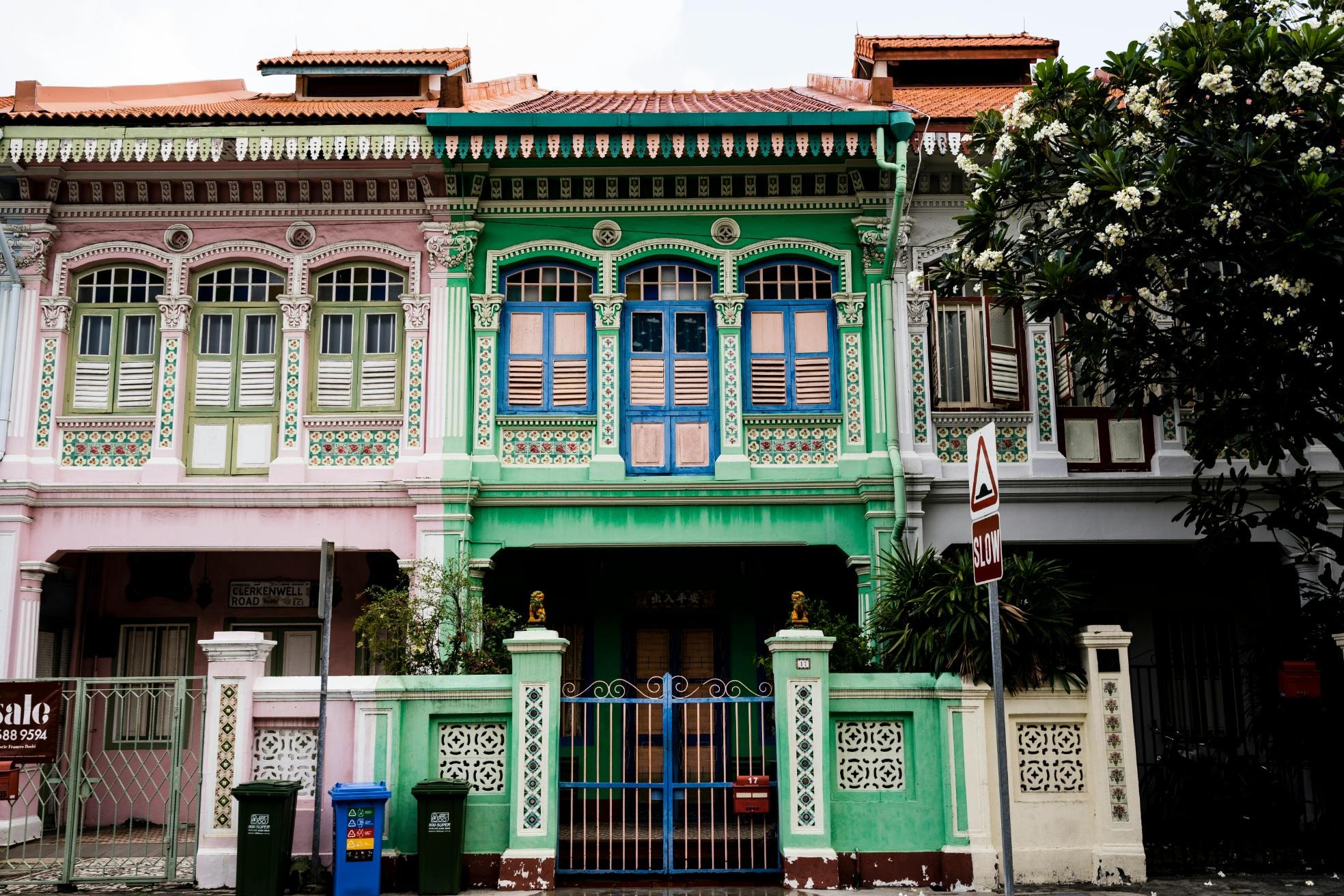
The charm of these Peranakan houses lies in their extraordinary details and design elements. As you walk along the streets, take time to admire the intricate floral motifs and the vibrant colourful tiles that adorn the facades. These tiles were often imported from Europe and Asia, showcasing a range of craftsmanship that symbolised the family’s status and refined taste.
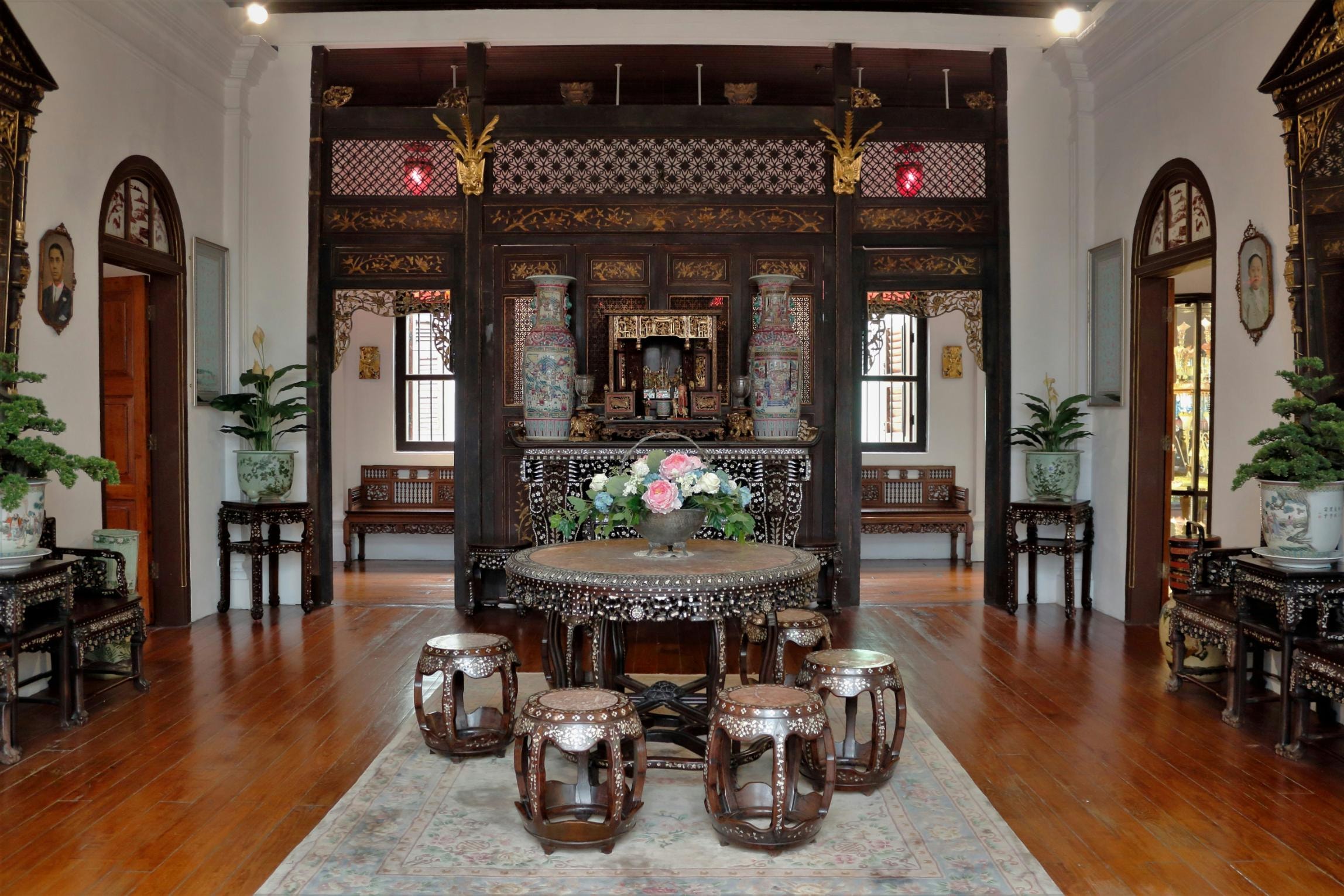
Inside, traditional Peranakan furniture plays a vital role in preserving cultural heritage, with ornate cabinets, chairs, and tables reflecting the artistry and history of these unique homes.
Architectural Features to Admire
Pintu Pagar: One of the most distinctive features is the pintu pagar—waist-high swinging doors that provide privacy while allowing airflow inside the house. These doors are a beautiful example of how design and function blend seamlessly in Peranakan architecture.
Five-Foot Walkways: The covered walkway or five-foot way in front of the shophouses offers shelter from sun and rain, making it a practical feature that also adds to the street’s charm.
Ground Floor Shops and Living Spaces: Many of these buildings were designed with a commercial ground floor, often used as shops or offices, with living quarters on the upper floors. This design reflects the Peranakan family’s entrepreneurial spirit and their integration into Singapore’s bustling urban life.
As you explore, use a keen eye to notice the unique architectural details and craftsmanship that make these shophouses truly special.
Neighbourhood Guide: Exploring the Heart of Joo Chiat
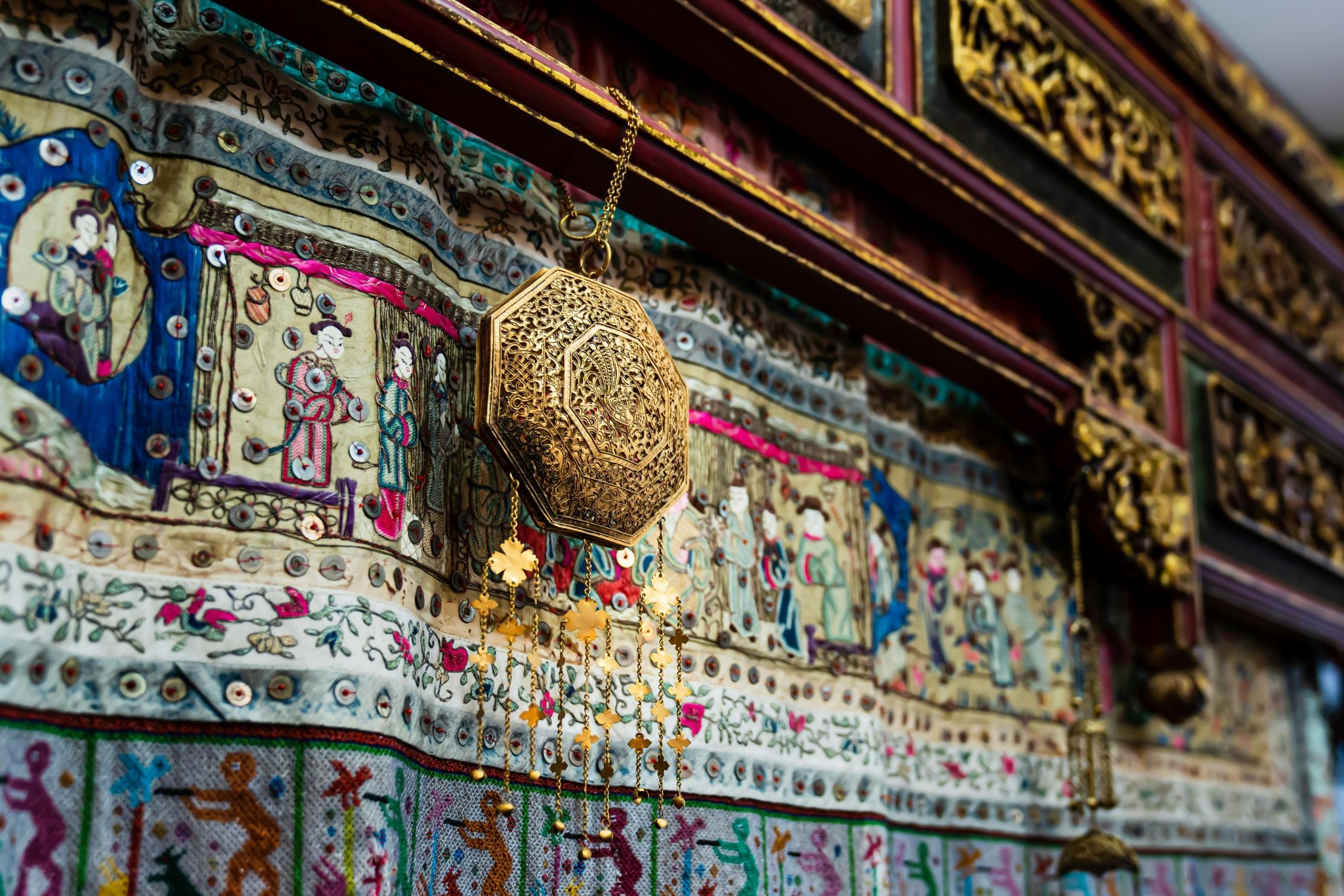
Step beyond Koon Seng Road and you enter a sanctuary of heritage—Joo Chiat, where Singapore’s most contemplative cultural treasures reside in quiet splendor. This quarter stands as a curated testament to Peranakan artistry, each street a gallery of meticulously preserved shophouses that whisper centuries-old stories through their very foundations. As you move through these corridors of memory, the intricate floral motifs and hand-laid tiles reveal themselves like illuminated manuscripts—each surface a meditation on the exquisite marriage of Asian refinement and European sensibilities, crafted by artisans who understood beauty as both heritage and sanctuary.
Joo Chiat transcends mere visual contemplation. It is a living anthology where culture and community unfold in layers of authentic experience. Here, curated moments await the discerning visitor—from carefully tended local markets where traditions are preserved daily, to intimate establishments serving Peranakan delicacies prepared with reverence for ancestral recipes. Allow yourself the luxury of unhurried exploration, where each architectural detail invites deeper appreciation and the atmosphere itself becomes your guide through Singapore’s most treasured cultural inheritance. Whether drawn by history’s quiet wisdom, design’s subtle eloquence, or the desire to witness authentic heritage in its living form, Joo Chiat offers a refined journey into the very soul of Singapore’s cultural tapestry.
Exploring Street Art and More in Joo Chiat and Katong
While the colourful shophouses are the stars of Koon Seng Road, the surrounding area of Joo Chiat and Katong offers a rich cultural experience. Alongside the historic buildings, you will find vibrant street art that adds a modern layer to this heritage neighbourhood. These murals and installations provide a striking contrast and a fresh sense of creativity that complements the past.
There are many interesting things to do and see in Joo Chiat and Katong, such as exploring Peranakan museums, sampling local delicacies at heritage eateries, and discovering unique boutiques and cafes.
Visitors can enjoy guided tours that document the history and stories behind the architecture, street art, and local culture. These tours offer a chance to explore hidden corners, learn about the Peranakan way of life, and appreciate the blend of tradition and contemporary culture that defines this area.
A Photographer’s Paradise: Capturing the Colours and Culture of Koon Seng Road
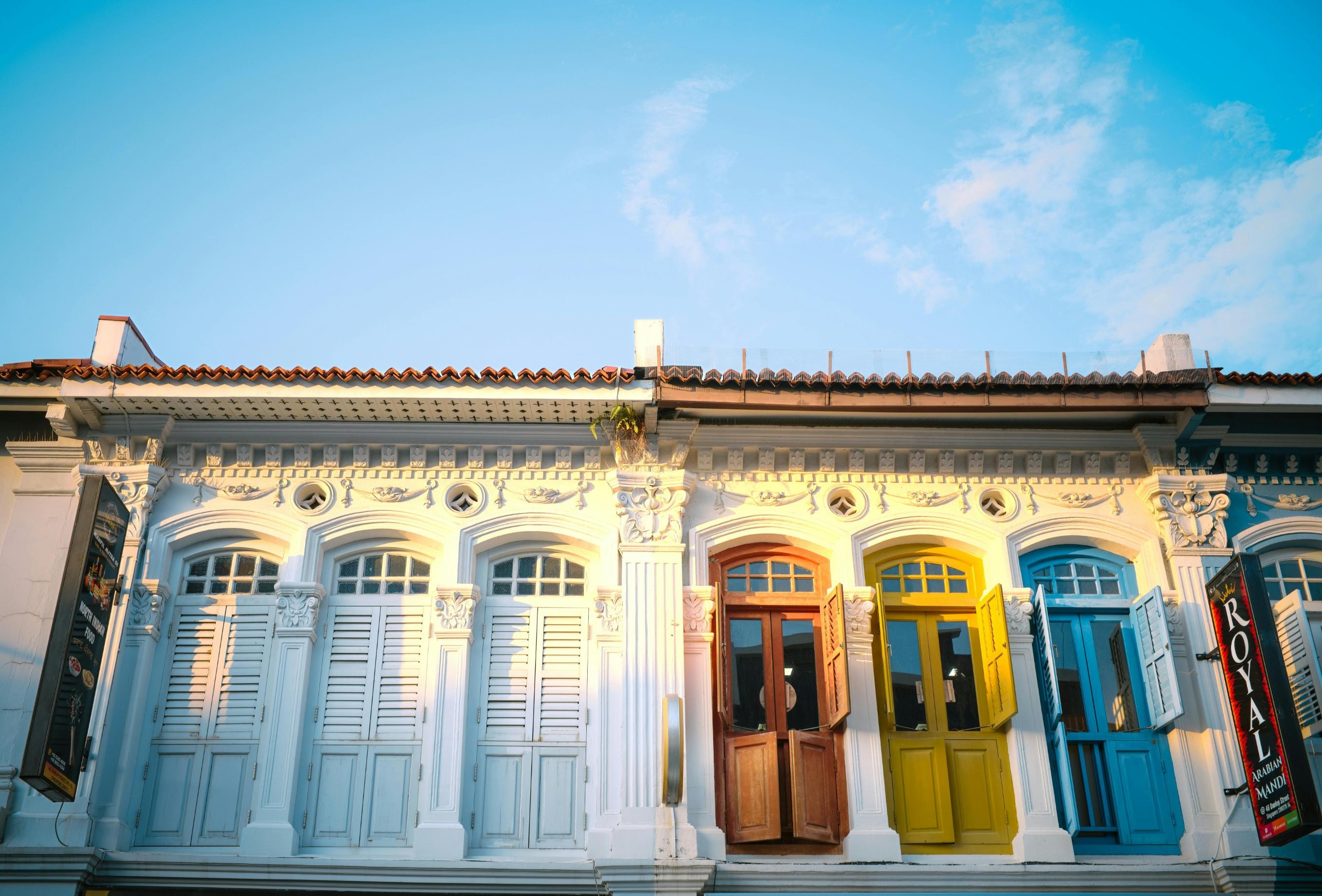
For photographers, Koon Seng Road is a dream come true. The pastel-coloured houses, adorned with floral motifs and colourful tiles, offer endless opportunities for creative shots. Whether you are capturing the play of light on the glazed tiles, the shadows cast by the pintu pagar, or the reflections on the wet pavement after a rain shower, every photo tells a story.
Remember to be respectful of the residents who live in these homes. Keep your distance, avoid blocking doorways, and maintain a low volume to preserve the privacy and peace of the neighbourhood.
For more tips on capturing the best shots of Koon Seng Road, check additional photography guides and resources to enhance your experience.
Preserving the Past: Conservation and Heritage Efforts on Koon Seng Road
The jewel-toned shophouses of Koon Seng Road transcend mere architectural beauty—they stand as a sanctuary of Singapore’s most refined cultural heritage, carefully curated through generations of artisanal craftsmanship. In recognition of their profound significance, Singapore’s custodians and local communities have united in a contemplative endeavor to preserve and restore these heritage sanctuaries, ensuring their distinctive refinement and cultural essence remain undiminished for future generations to savor. Conservation initiatives focus meticulously on honoring the original architectural integrity—from the ornate facades that whisper stories of bygone eras to the vibrant palette that renders these dwellings so extraordinarily distinctive.
Discerning visitors may partake in thoughtfully curated guided experiences that unveil the deeper narratives of these homes, the souls who once graced these spaces, and the ongoing dedication to preserving their cultural legacy. These intimate journeys offer a more profound appreciation for this heritage sanctuary while emphasizing the importance of honoring the tranquility of current residents.
As you traverse Koon Seng Road with mindful presence, allow yourself to contemplate the exquisite shophouses, capture their essence with thoughtful reverence, and remember that you are witnessing a living testament to Singapore’s most cherished cultural refinement. By supporting these conservation endeavors and maintaining the contemplative respect befitting such a place, you become a guardian ensuring this extraordinary sanctuary remains an integral part of Singapore’s cultural legacy.
Practical Information for Your Visit
Getting to Koon Seng Road is easy. The nearest MRT stations are Eunos and Paya Lebar, with bus services and taxis readily available. For those planning their travel, consider visiting during the early morning or late afternoon for the best lighting and fewer crowds. The area is also home to a range of Singapore-based accommodations, including boutique hotels and hostels, perfect for travellers who want to immerse themselves in the local culture.
After a walk along the colourful streets, take time to enjoy the local cafes and eateries that serve traditional Peranakan cuisine and other delights. Don’t forget to pin your favourite spots and share your journey with fellow travellers.
Experience the Past and Present of Singapore’s Peranakan Culture
Koon Seng Road is more than just a street; it is a living museum that showcases the rich heritage of Peranakan culture through its architecture, colours, and community. Visitors can also discover exhibitions on Peranakan culture and heritage, which provide deeper insight into the historical context of Koon Seng Road. For those planning their visit, dedicated online pages and virtual tours are available to help you learn more about the area and plan your experience.
This area invites you to explore, enjoy, and document a unique part of Singapore’s cultural tapestry. Recognized by travelers from around the world for its unique charm, Koon Seng Road stands as a testament to Singapore’s multicultural legacy.
So, whether you are a traveller, a photographer, or simply someone who loves to admire beautiful design, Koon Seng Road offers an unforgettable experience that connects you to the past while celebrating the vibrant culture of today. If you enjoy exploring Singapore’s neighbourhoods, visit Neighbourhood Life SG to dive deeper into the city’s diverse culture and vibrant community life.