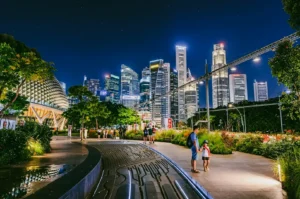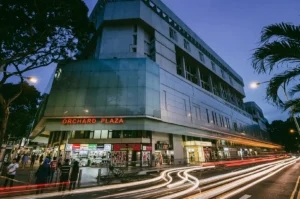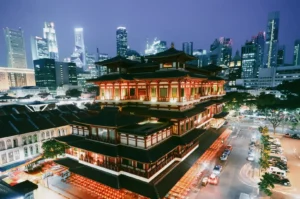
Singapore is a city of rapid development, yet its neighbourhoods quietly preserve the rich cultural heritage that defines its soul. Situated in Asia, Singapore serves as a gateway to the region, connecting diverse cultures and histories. Preserving Singapore’s heritage is more than conserving buildings; it is about safeguarding intangible cultural heritage—the living traditions, arts, and community practices that connect past and present. These traditions are shaped by the diverse beliefs that underpin Singapore’s multicultural identity, fostering unity and mutual respect among its people. This article explores how various communities across the island work closely with the National Heritage Board and other institutions to keep these stories alive for future generations, highlighting Singapore’s achievements as a unique and independent country.
Introduction to Cultural Heritage
Cultural heritage forms the sacred foundation upon which a society weaves its identity—a contemplative sanctuary encompassing both the physical monuments that anchor memory and the living traditions that breathe through generations. In Singapore, this heritage unfolds as an exquisite tapestry of curated historic sanctuaries, national treasures, and enduring cultural practices that whisper stories of the island’s layered past. The National Heritage Board stands as devoted guardian of Singapore’s cultural soul, working with meticulous craftsmanship to safeguard both tangible monuments and the more elusive, intangible threads of cultural wisdom for those who will inherit tomorrow.
Through the artisanal conservation of national monuments and the careful curation of heritage trails, the Board ensures that significant sites and their stories remain accessible—creating pathways for contemplative discovery. These initiatives transcend mere preservation; they nurture architectural sanctuaries while fostering a profound sense of community ownership and quiet pride.
Community heritage projects, crafted in thoughtful partnership with local guardians, invite Singaporeans to connect mindfully with their shared narrative, contributing to the ongoing stewardship of their cultural legacy. By cultivating this contemplative sense of belonging, Singapore continues to honor its unique heritage while inspiring future generations to cherish and preserve the refined values and traditions that define the nation’s essence.
Historic Sites and Community Heritage in Kampong Glam
Kampong Glam, once the seat of Malay royalty, is a prime example of community heritage in action. Its iconic Sultan Mosque and the art deco style Istana Kampong Gelam stand as historic sites reflecting Singapore’s multicultural past. The diverse histories of Kampong Glam’s communities, including unofficial and community-based narratives, have shaped its collective identity. Beyond architecture, the area thrives through its cultural practices—traditional perfume shops on Arab Street, textile traders, and authentic Malay and Middle Eastern eateries where culinary traditions and historic buildings are carefully preserved for future generations.
The National Heritage Board collaborates with local groups like One Kampong Gelam to organise festivals and exhibitions, blending heritage with modernity. Visits to Kampong Glam’s landmarks play a vital role in sustaining its living heritage and connecting people to Singapore’s cultural identity. Events such as Ramadan light-ups and cultural performances turn the district into a vibrant focal point of Singaporean culture, illustrating the island’s identity where East meets West.
Chinatown: A Living Monument of Enterprise and Tradition
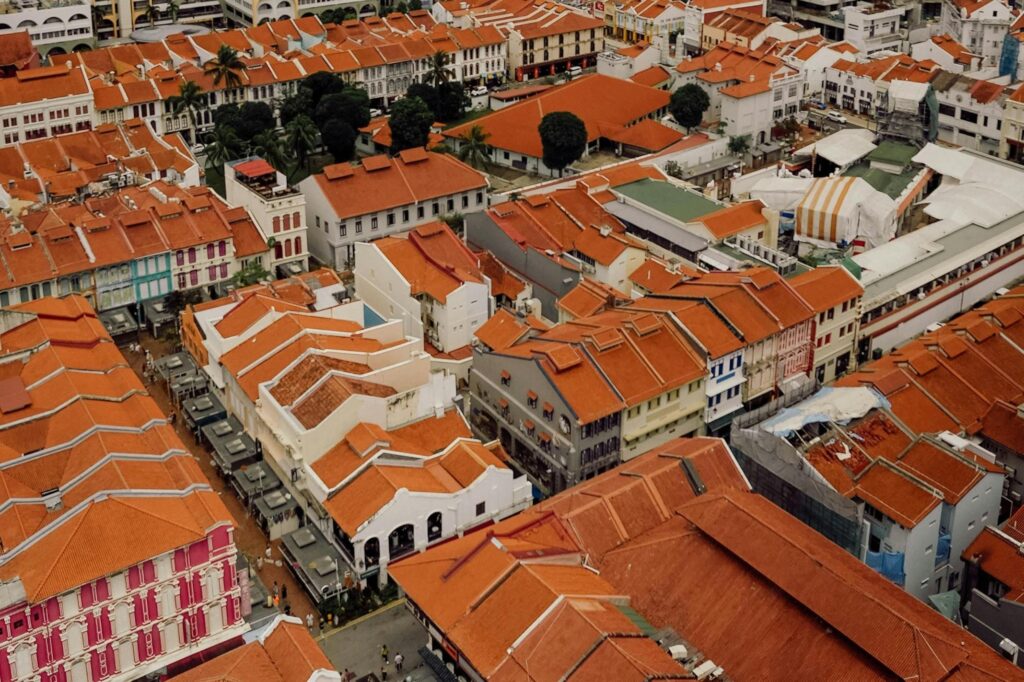
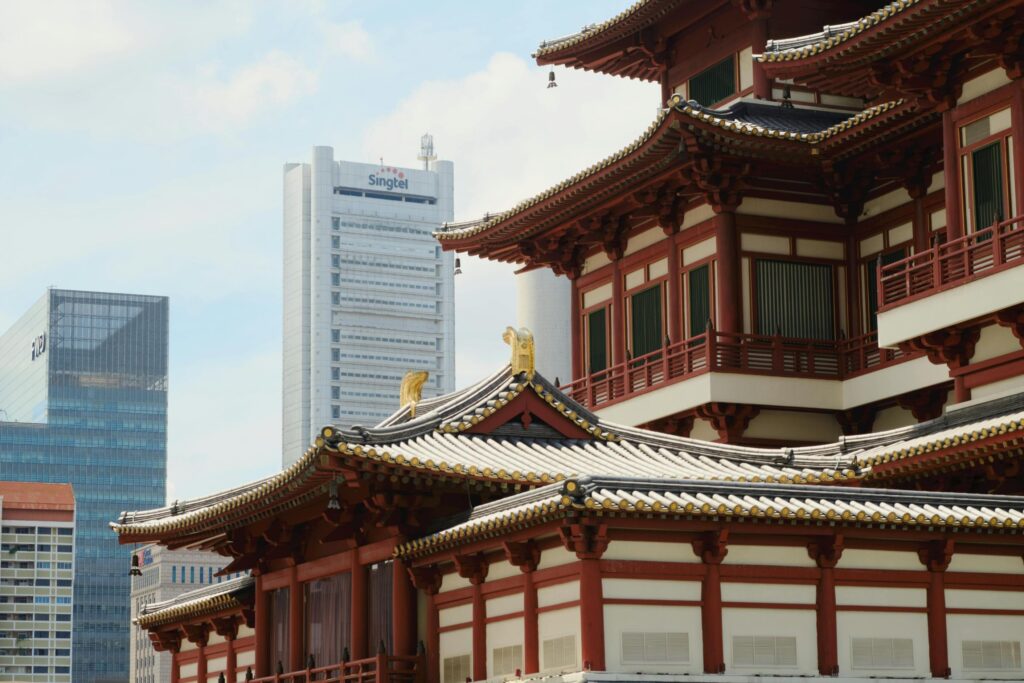
Chinatown showcases Singapore’s historic sites and national monuments that embody the collective memory of early Chinese immigrants. The bustling streets feature clan associations preserving dialects and genealogies, while temples like the Buddha Tooth Relic Temple remain active centres of worship and community life. Traditional crafts such as seal carving and calligraphy are practiced in hidden corners, nurturing intangible heritage. A museum in Chinatown also plays a vital role, showcasing the area’s history and culture, and serving as a hub for engaging with local heritage and creativity. The idea of community here is often loosely defined, reflecting the flexible and evolving nature of cultural categories and practices in Chinatown.
To engage young people, the Singapore Chinatown Cultural Centre offers interactive workshops and heritage trails, ensuring the next generation connects with these cultural practices. The neighbourhood’s annual festivals, including Chinese New Year and the Mid-Autumn Festival, are living exhibitions of community heritage that bring together many Singaporeans and visitors alike.
Joo Chiat and Katong: Preserving Peranakan Cultural Heritage
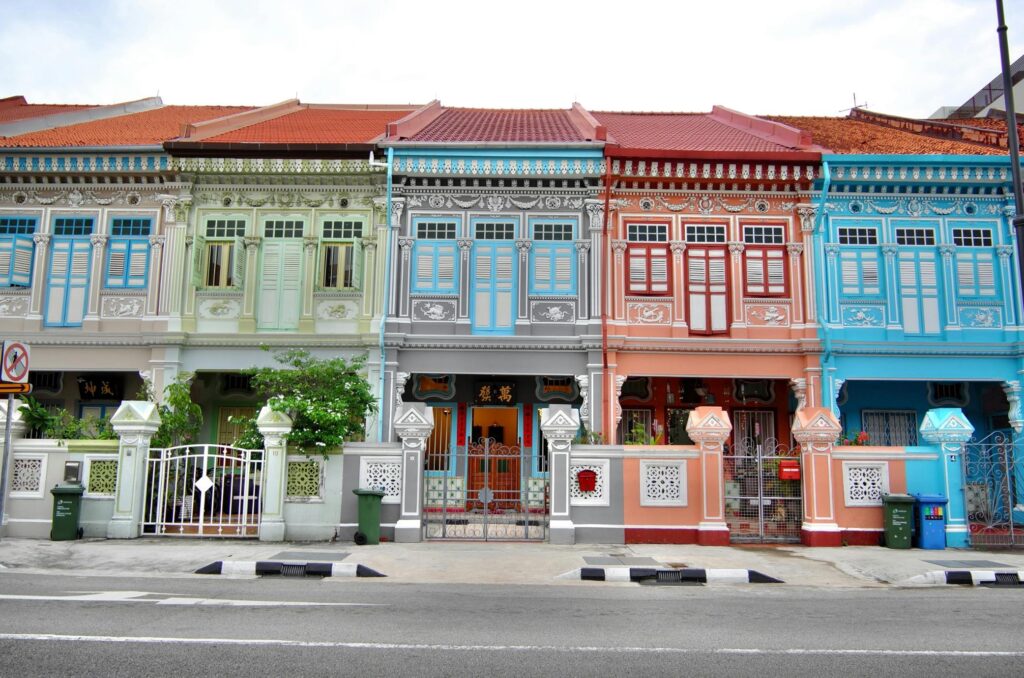
The eastern districts of Joo Chiat and Katong are custodians of Peranakan culture—a unique blend of Chinese and Malay influences. Known for their colourful shophouses, these neighbourhoods preserve Singapore’s built heritage while nurturing traditions like Peranakan beadwork and cooking. Local associations run workshops to sustain these delicate arts, reinforcing the importance of intangible heritage.
Residents actively advocate for the conservation of architectural styles and the low-rise character of the area, complementing government efforts in heritage preservation. The community also works together to build heritage spaces and initiatives that foster a sense of belonging and pride. This community-led approach highlights how preserving Singapore’s heritage involves protecting both built heritage and the living culture within. There are ongoing efforts to develop heritage-based programmes in Joo Chiat and Katong, further strengthening community ties and cultural appreciation.
The Role of Hawker Centres and Traditional Businesses
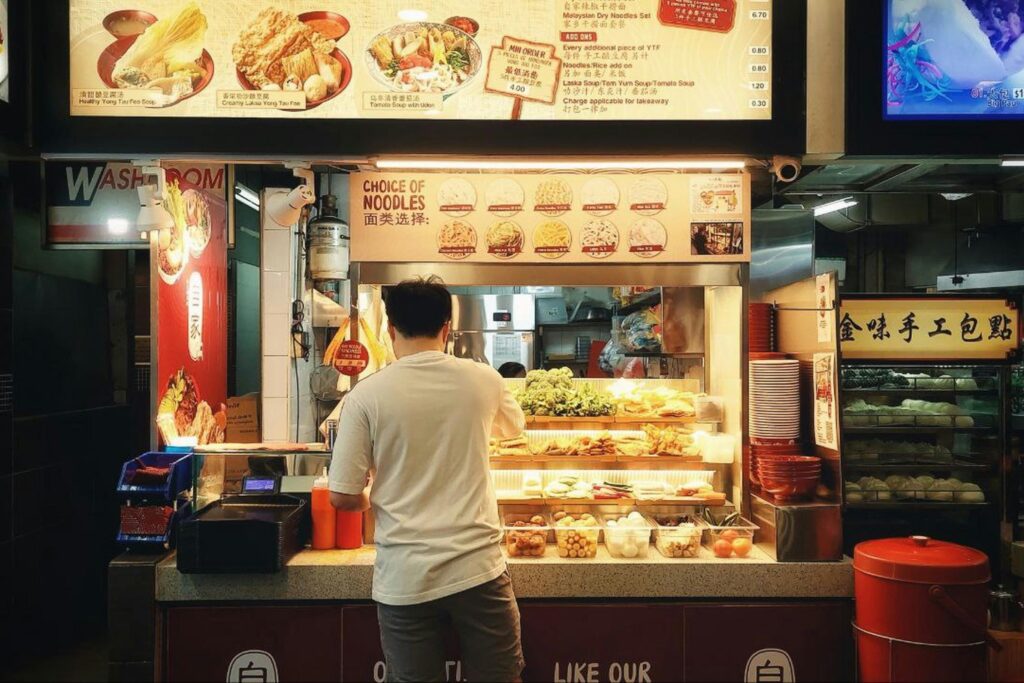
Hawker centres are quintessential to Singapore’s identity, representing a melting pot of Southeast Asian flavours and social interaction. These centres are more than food venues; they are hubs of intangible cultural heritage, where recipes and culinary techniques have been passed down through generations. Hawker centres are meaningful and accessible to most people in Singapore, serving as everyday spaces that foster shared memories and a sense of community. Supporting these establishments is vital for preserving Singapore’s heritage in its most accessible form.
Traditional businesses across neighbourhoods—from bakeries in Tiong Bahru to spice shops in Little India—continue early efforts to maintain cultural heritage. These enterprises embody the social memories and daily life that define the city’s character.
Intangible Cultural Heritage: Traditions Beyond the Tangible
Intangible cultural heritage serves as the profound essence of a nation’s soul, encompassing the carefully preserved traditions, customs, and cultural practices that flow like precious streams through generations. In Singapore, this living heritage is artfully woven into the contemplative rhythm of daily existence, reflecting the exquisite tapestry of Chinese, Malay, Indian, and Eurasian communities that form the nation’s refined social sanctuary. These traditions find their expression through meticulously curated forms—the performing arts, music, and the celebration of cultural festivals that draw communities into moments of shared reverence and connection.
Events such as the National Day Parade emerge as carefully orchestrated showcases of Singaporean refinement, where the country’s intangible cultural heritage unfolds through dynamic performances and contemplative displays that honor independence and unity with profound artistry. Hawker centres transcend their role as mere dining sanctuaries; they serve as hallowed focal points for the preservation and intimate sharing of culinary wisdom, where time-honored recipes and food culture are lovingly maintained and passed on like treasured heirlooms through patient hands and knowing palates.
The preservation of intangible cultural heritage remains essential for maintaining Singapore’s cultural diversity and collective identity—a responsibility approached with the reverence of master craftsmen. Institutions such as the National Heritage Board, in harmonious collaboration with community stewards, assume the crucial role of supporting and documenting these precious traditions with meticulous attention. Their contemplative efforts ensure that the arts, cultural practices, and social memories that define Singaporean society continue to flourish, enriching the lives of each emerging generation with the quiet luxury of authentic heritage.
Heritage Trails and National Monuments: Connecting Past and Present
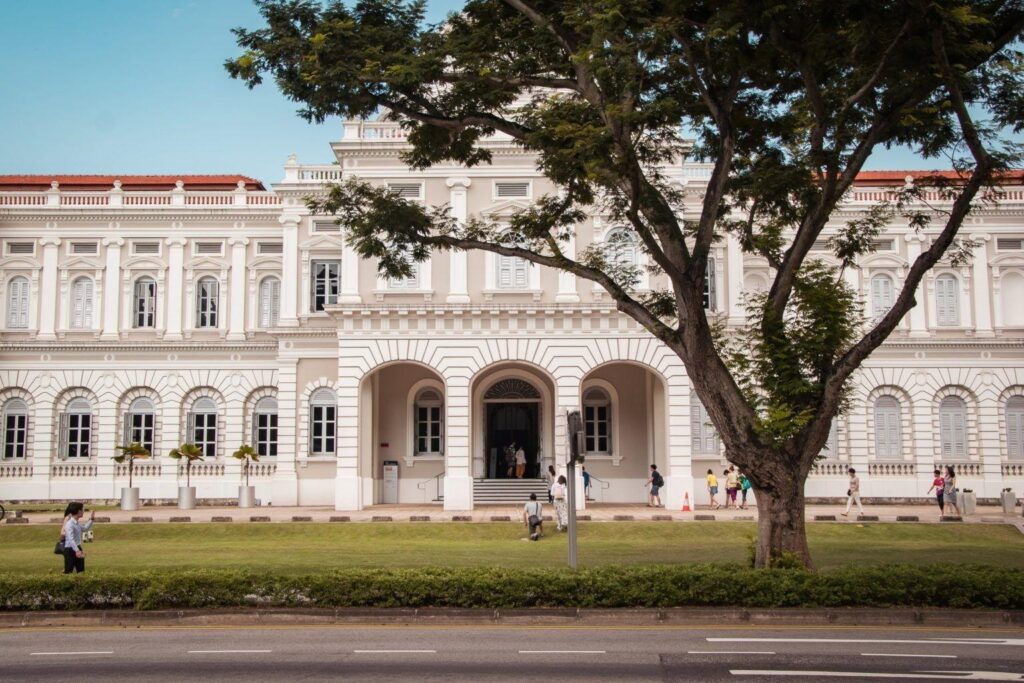
The National Heritage Board has developed numerous heritage trails across Singapore, linking historic sites and national monuments to provide immersive experiences into the island’s history. These trails highlight stories from World War II to the post-independence era, showcasing how Singapore evolved through national development and the influence of other Asian countries. A visit to these sites is significant for understanding Singapore’s history, allowing individuals to connect personally with the nation’s past.
Sites like the former Royal Malayan Navy base and Dakota Crescent estate serve as tangible reminders of the nation’s journey. The preservation of these spaces is crucial for conserving Singapore’s built heritage, ensuring that future generations understand the historical and architectural significance embedded in Singapore’s urban fabric.
Performing Arts and Cultural Expressions: A Living Heritage
Performing arts form an important part of Singapore’s intangible heritage, reflecting the island’s multiculturalism and its position where East meets West. Traditional dance forms like the Malay Zapin and Chinese Lion Dance coexist with contemporary theatre and music festivals, supported by institutions such as the Esplanade.
Government and community groups collaborate to promote various forms of arts, ensuring that young people engage with both traditional and modern expressions. These efforts contribute to a vibrant Singaporean culture that honours its roots while embracing innovation.
Balancing Preservation and Progress
Singapore’s approach to heritage preservation balances conserving built heritage with accommodating urban growth. The government, through the National Heritage Board, works closely with communities to adapt historic buildings for modern use, maintaining their relevance and accessibility.
This dynamic process recognises that heritage is not static but evolves with society. The annual National Day Parade itself is a celebration of the nation’s diverse cultural heritage, reinforcing a shared identity that spans generations.
How You Can Support Singapore Heritage Preservation
Heritage thrives through active participation. You can contribute by:
Visiting historic sites and national monuments to appreciate their stories.
Supporting traditional businesses and hawker centres.
Joining heritage trails and community-led tours.
Participating in workshops to learn traditional crafts and arts.
Attending cultural festivals and performing arts events.
By engaging with these living traditions, each of us helps preserve Singapore’s rich cultural heritage for the next generation.
Singapore’s neighbourhoods are living museums where community heritage and intangible cultural heritage flourish amid modernity. Through the combined efforts of the government, communities, and individuals, the island continues to honour its past while developing confidently into the future. This delicate balance ensures that Singapore remains not only a city of progress but also a nation rich in history, culture, and shared memories.
Our Living Heritage, Our Shared Responsibility
The story of heritage preservation in Singapore is a story of balance—of honouring the past while embracing the future. It proves that tradition is not an obstacle to progress but a vital anchor that provides meaning and identity in a rapidly changing world. The true magic lies in the hands of the communities who live and breathe these traditions every day.
By choosing to engage with our heritage, we do more than just observe it; we become part of its continuing story. We cast a vote for the Singapore we want to live in—a city that is not only smart and efficient, but also rich in soul, character, and shared memories. Go out, discover and explore these Neighbourhood Life SG, listen to their stories, and support the guardians of our culture. Our living heritage is a precious gift, and it is our collective responsibility to cherish it.