Adaptive reuse is quickly becoming a popular and exciting way to give new purpose to old buildings. Instead of tearing everything down and starting fresh, architects and developers are finding creative ways to preserve historic sites while updating them for today’s needs.
In Singapore, organizations like the Urban Redevelopment Authority (URA) and the National Heritage Board (NHB) play a big role in protecting culturally important monuments and sites. They make sure that adaptive reuse projects honor and keep the country’s rich heritage intact.
Let’s dive into what adaptive reuse architecture is all about, check out some iconic projects, and explore why turning historic buildings into something new is both sustainable and culturally rewarding for future generations.
Introduction to Adaptive Reuse
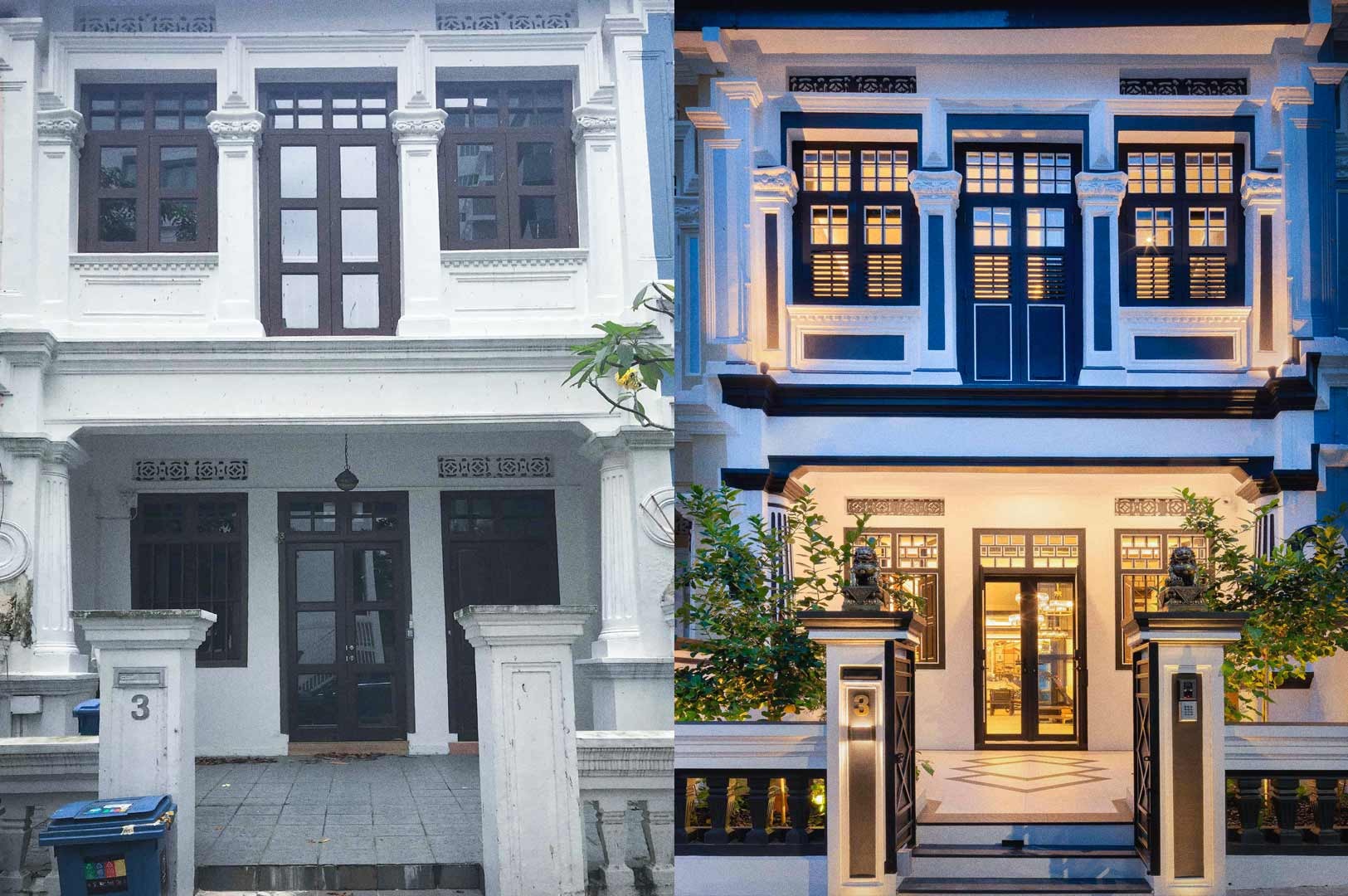
Adaptive reuse isn’t just about saving old buildings; it’s about giving them a fresh start in a changing world. It involves thoughtfully transforming heritage buildings, places that once served their original purpose into new, useful spaces that honor both their history and design. By working with existing structures, adaptive reuse projects conserve historic buildings and landmarks, reducing the need for new construction and minimizing the environmental impact. In Singapore, agencies like the URA and NHB collaborate to protect and promote nationally significant monuments and historic districts, ensuring these heritage buildings serve modern functions while maintaining their historical and architectural importance.
Revitalized heritage sites become vibrant hubs that attract locals and visitors alike, boosting the economic and social life of surrounding neighborhoods. This approach supports sustainable national development by preserving cultural treasures and connecting communities to their past. Through adaptive reuse, cities can balance growth with conservation, breathing new life into historic sites while safeguarding their unique character for future generations.
Cultural Heritage Meets Modern Design
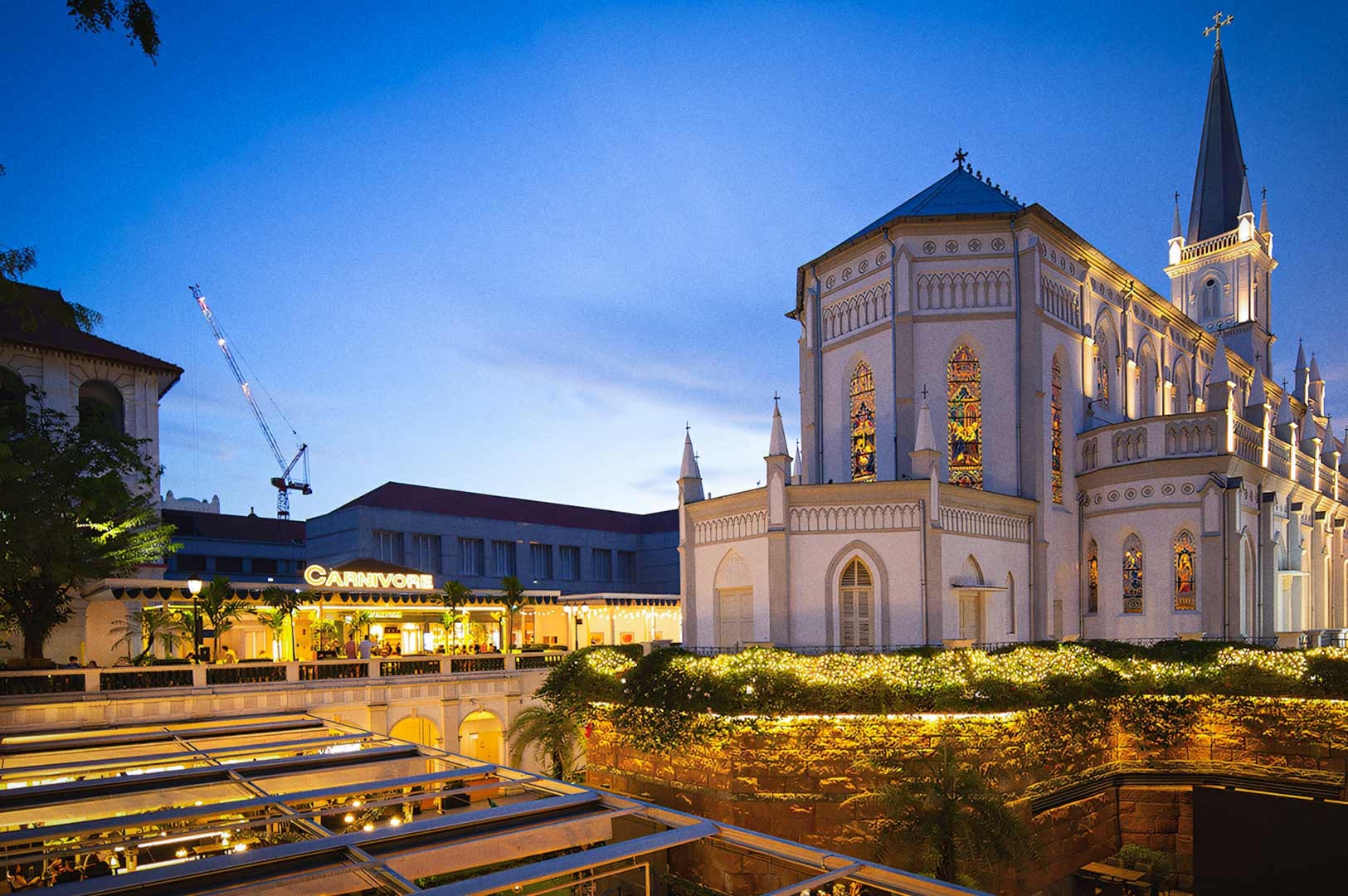
Heritage buildings are more than just old structures; they are living pieces of cultural heritage and history. From ancient monuments to 19th-century buildings, these sites connect communities to their roots while offering new opportunities for functional spaces.
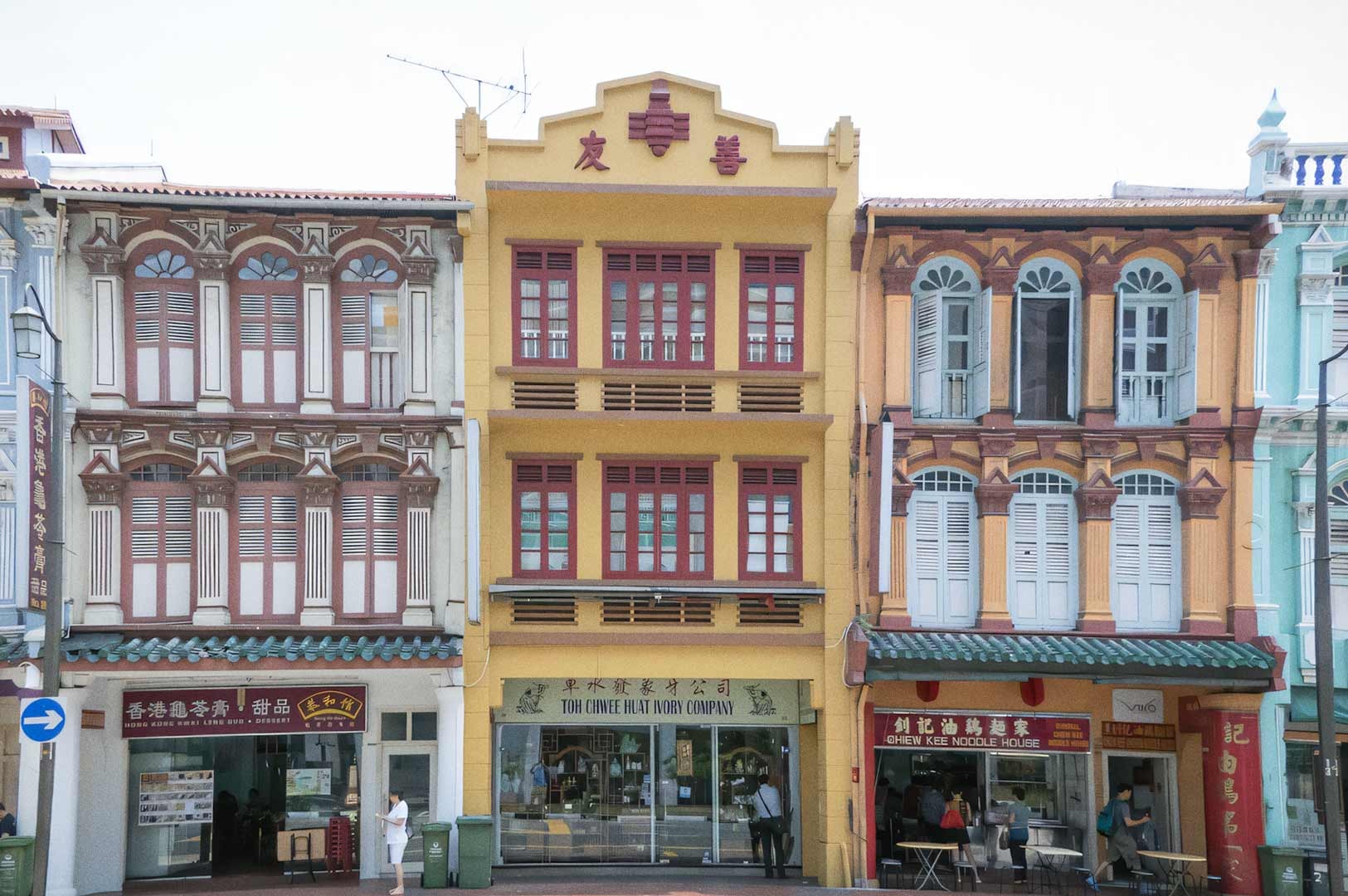
Singapore’s built heritage is a big part of the nation’s identity. Protected by laws like the Monuments Act and managed by the URA and NHB, buildings and sites are chosen for preservation based on their historic importance, reflecting cultural, architectural, or social value. The URA and NHB also set up conservation areas to protect neighborhoods or districts rich in architectural and cultural significance, preserving the unique character of these places.
By the way, Singapore keeps a national register that catalogs and protects historic places and heritage sites. The Monuments Act makes sure these important landmarks get special conservation attention.
Heritage preservation is about celebrating architectural history and preserving cultural identity. With careful restoration, historic landmarks can become thriving contemporary art spaces, sustainable commercial buildings, or even public parks that draw tourists and locals alike.
Heritage Preservation and Adaptive Reuse Projects
The Warehouse Hotel, Singapore: A Masterclass in Heritage Conservation
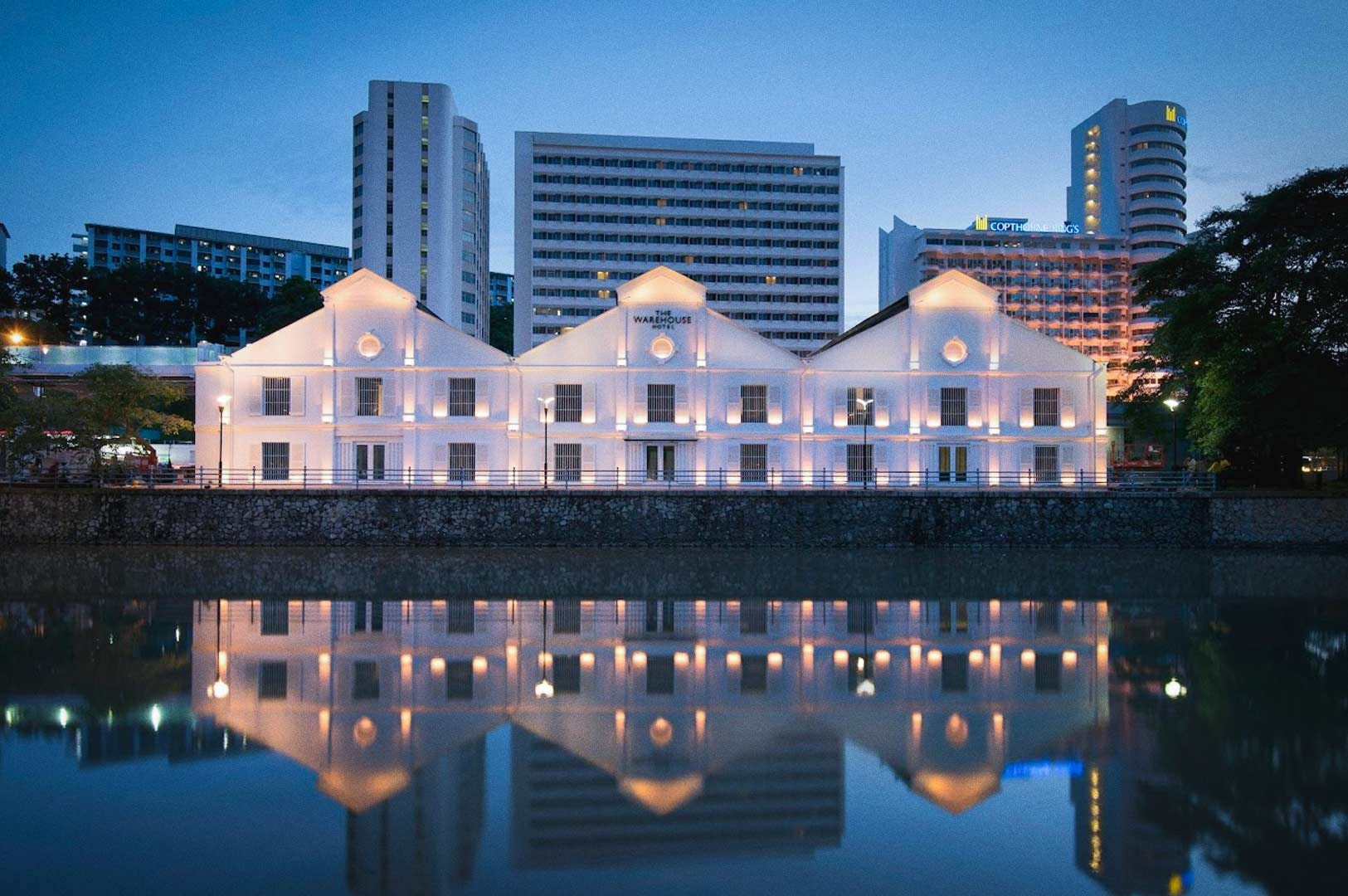
One of Singapore’s most admired gazetted monuments, The Warehouse Hotel, shows just how powerful adaptive reuse can be. Built in 1895 along the Singapore River, this building once served as a busy warehouse central to trade. Over time, it was left unused, but a bold preservation effort transformed it into a luxury boutique hotel.
The project kept the building’s facade, preserving the original look, along with unique features like industrial trusses and pulleys that highlight its historical and architectural value. The design mixes historical charm with modern interiors, creating a space that honors Singapore’s built heritage while attracting tourists and locals alike.
Zeitz MOCAA, Cape Town: A Contemporary Art Space with Historical Integrity
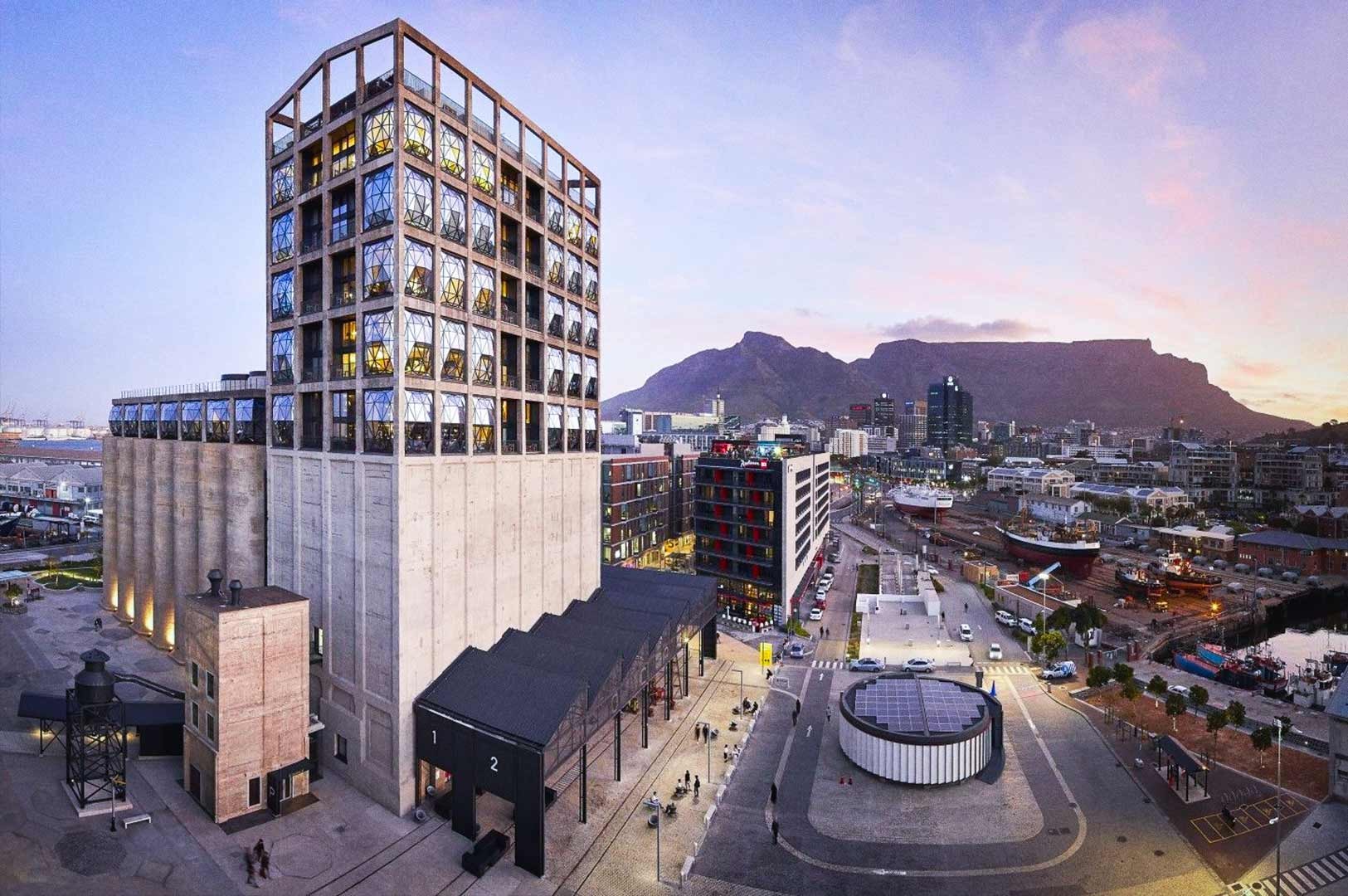
The Zeitz Museum of Contemporary Art Africa (MOCAA) in Cape Town is another fantastic example of adaptive reuse architecture. Originally a grain silo, the building has been transformed into a cultural landmark with huge artistic importance. The restoration carved out a stunning atrium inside the concrete structure, blending new design elements while keeping the original building intact.
By preserving the silo’s historical character, this project shows how old buildings can keep their historical and architectural significance while serving brand-new functions. Adaptive reuse here combines heritage conservation with creativity, offering a sustainable alternative to demolition.
The High Line, New York City: A Park Among Historic Places
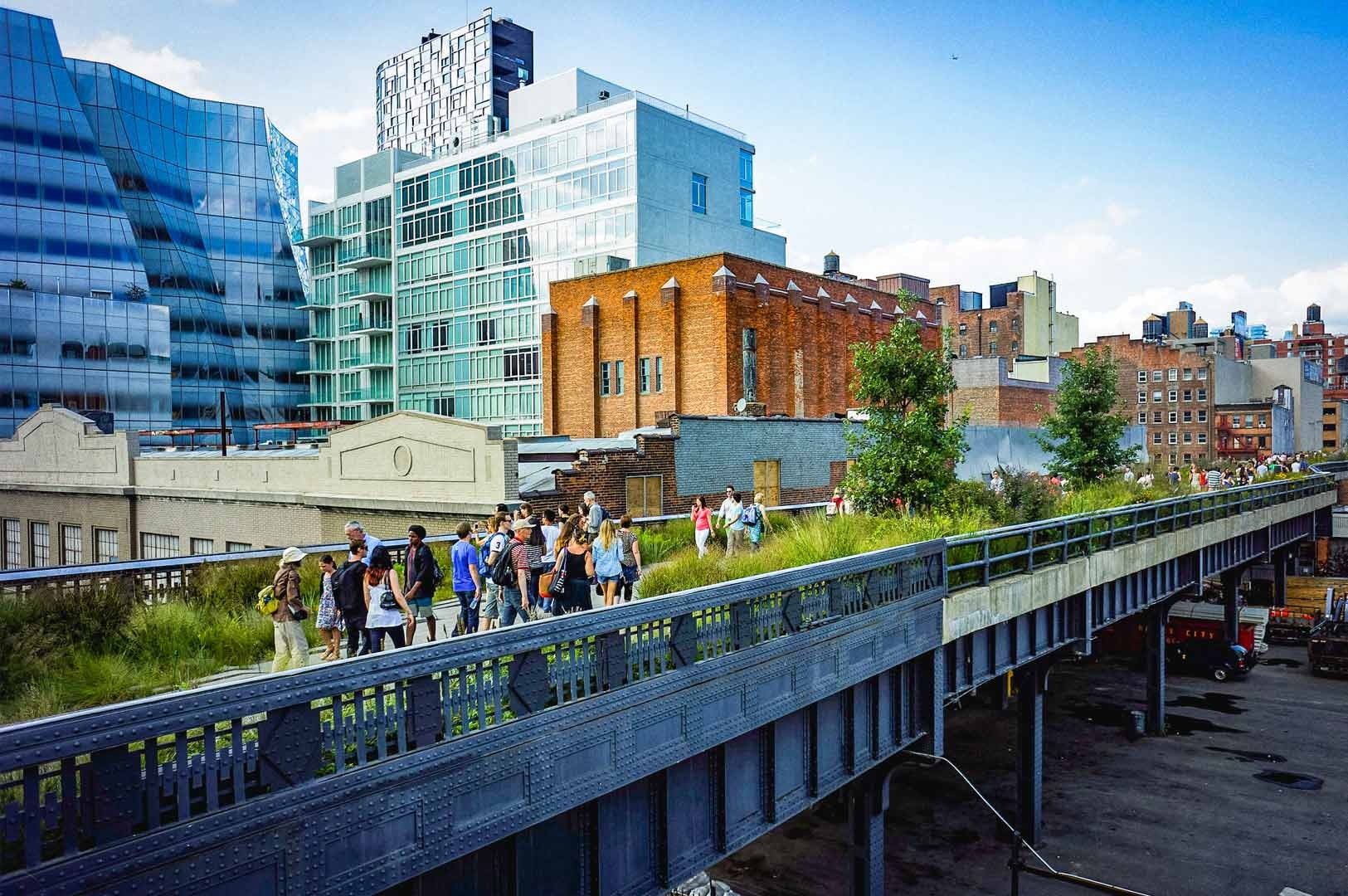
The High Line in New York City is a famous example of turning old structures into functional spaces with cultural meaning. What used to be an abandoned railway line is now a 1.45-mile-long elevated park.
The project cleverly uses natural light, respects the local context, and follows preservation guidelines. The High Line kept important parts of the railway while creating a public park that has become a favorite spot for both visitors and locals.
Battersea Power Station, London: Preservation Efforts for Historic Landmarks
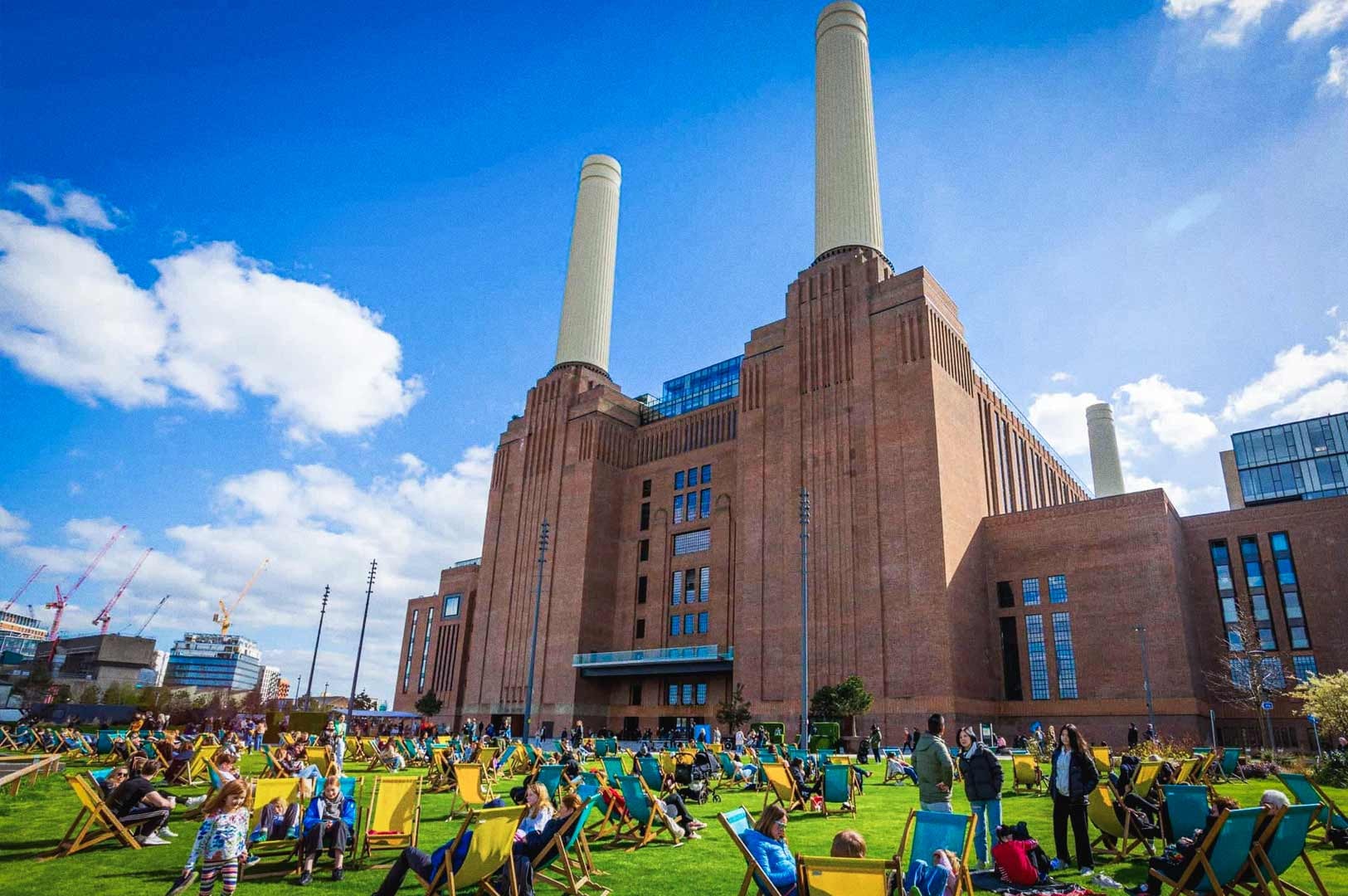
Battersea Power Station in London is a great example of adaptive reuse on a large scale. This once-abandoned industrial site has been restored into a lively community hub with shops, restaurants, and luxury homes.
The restoration carefully preserved the building’s facade and Art Deco interiors, showing deep respect for its architectural heritage. This project highlights how historic preservation can turn nationally significant monuments into spaces that meet modern urban needs while keeping their historical character.
Benefits of Adaptive Reuse Architecture
Here’s why adaptive reuse is such a smart move:
Sustainability: It’s an eco-friendly solution that helps fight climate change by cutting down the carbon footprint from new construction. Reusing materials like steel, concrete, and brick reduces environmental impact. As the National Park Service says, “The greenest building is the one that is already built.”
Community Engagement: Adaptive reuse protects cultural heritage and historic significance, helping communities stay connected to their identity. Conserved buildings like Singapore’s Victoria Theatre enrich cultural life and attract tourists who love architectural history.
Economic Revitalization: Restored heritage buildings add charm and uniqueness to urban areas, drawing businesses and cultural institutions. The High Line, for example, sparked billions in economic activity and revitalized neighborhoods. Battersea Power Station also created a vibrant mixed-use space.
Architectural and Historical Significance: These buildings often feature timeless design and craftsmanship that modern buildings can’t match. Preservation lets future generations enjoy the beauty and value of our architectural heritage.
Challenges and Preservation Methods
Let’s be real: adaptive reuse isn’t always easy. Restoring ancient monuments or heritage buildings means dealing with:
Strict building codes, existing laws, and conservation guidelines
Finding the right balance between historical preservation and modern safety and accessibility standards
Groups like the National Development Board and Monuments Board oversee preservation methods and approve projects, making sure conserved buildings keep their historical and cultural importance while adapting to today’s needs.
The Future of Adaptive Reuse Architecture
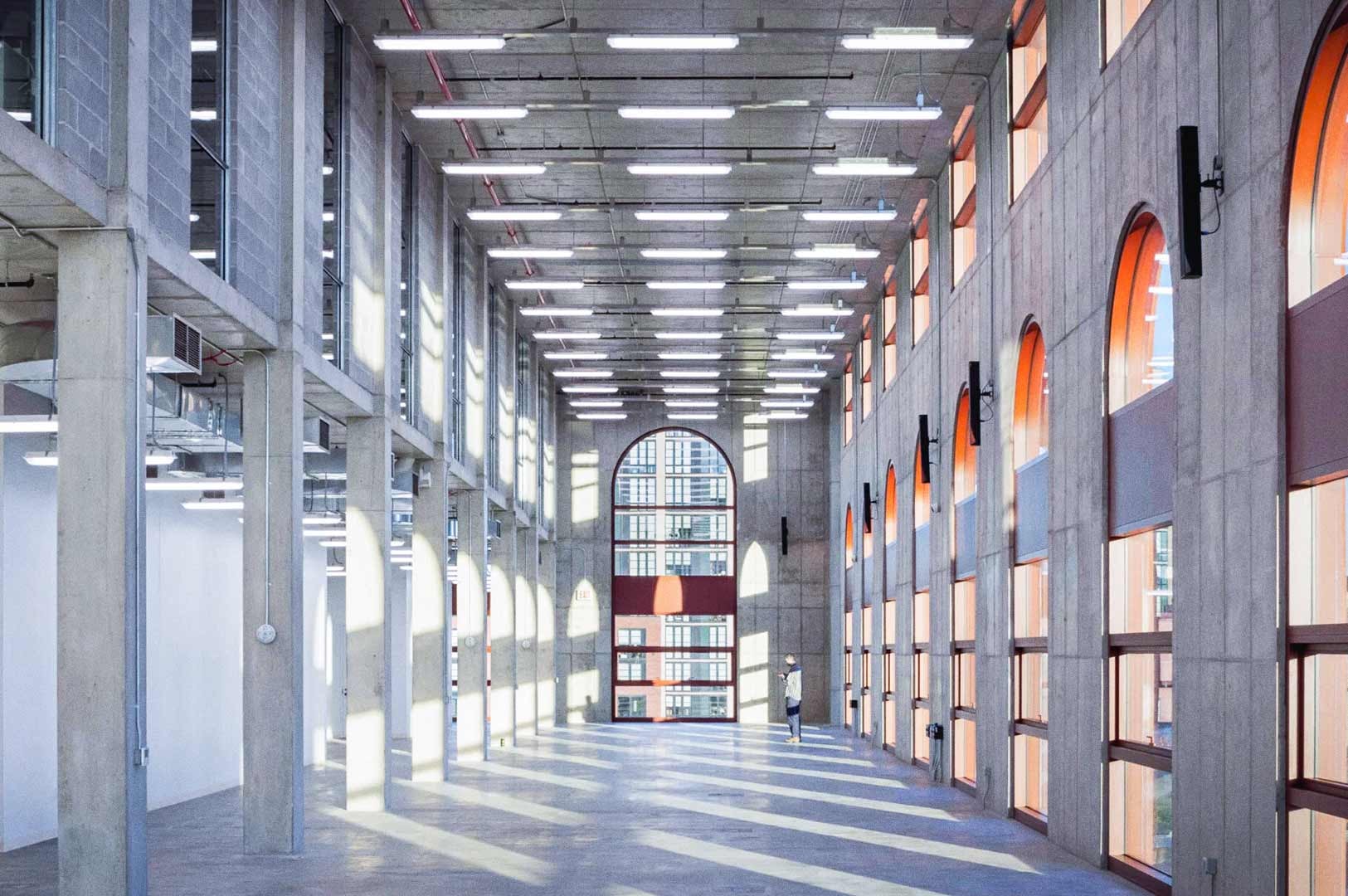
As climate change and urban growth reshape our cities, the need for sustainable and culturally meaningful solutions will only grow. Adaptive reuse offers a way to modernize while respecting the past.
By reimagining historic buildings, we create lively spaces that honor cultural heritage, reduce environmental impact, and enrich community life. These projects protect the best of our built environment, making sure future generations inherit places full of history, beauty, and purpose.
So next time you walk past an old building, take a moment. That quiet courthouse or empty factory might just be tomorrow’s most inspiring destination.
Preserving the Past, Building the Future
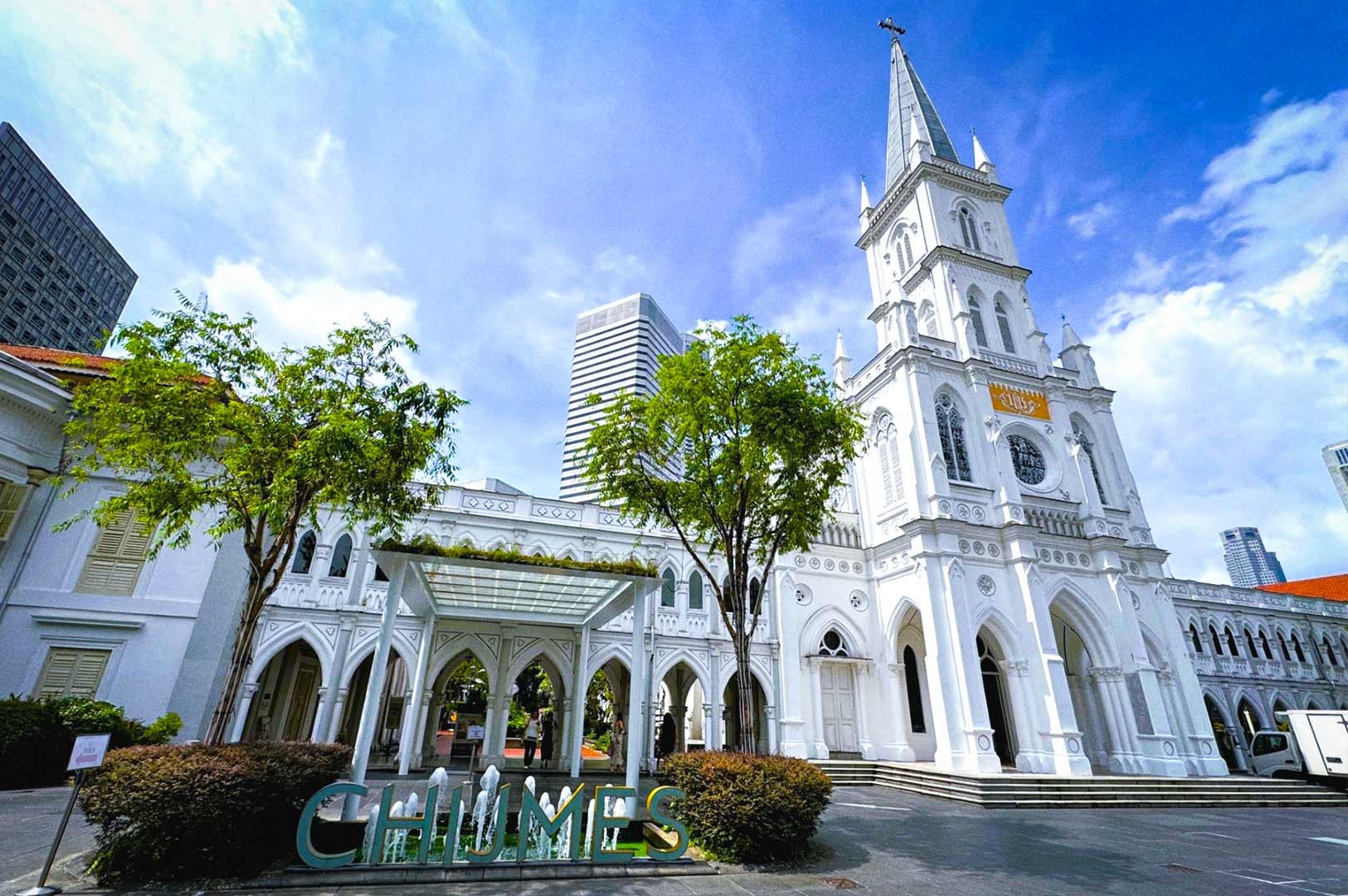
Adaptive reuse architecture is more than a trend; it’s a commitment to preserving cultural heritage and architectural history. From repurposing ancient monuments to revitalizing heritage sites, it offers a sustainable and creative alternative to new construction.
By breathing new life into old spaces, we not only save existing buildings but also keep their stories and spirit alive. Through community engagement, responsible conservation, and innovative restoration, adaptive reuse projects provide a blueprint for the future of urban development.
Let’s respect, protect, and celebrate our historical places—not just as relics, but as vibrant contributors to modern life. Together, we can ensure our heritage inspires generations to come.
Discover more stories, hidden gems, and the heart of Singapore’s neighborhoods at neighbourhoodlife.com.sg.