Cultural Souvenirs: Behind Singapore’s Authentic Singapore Souvenirs and Traditional Crafts
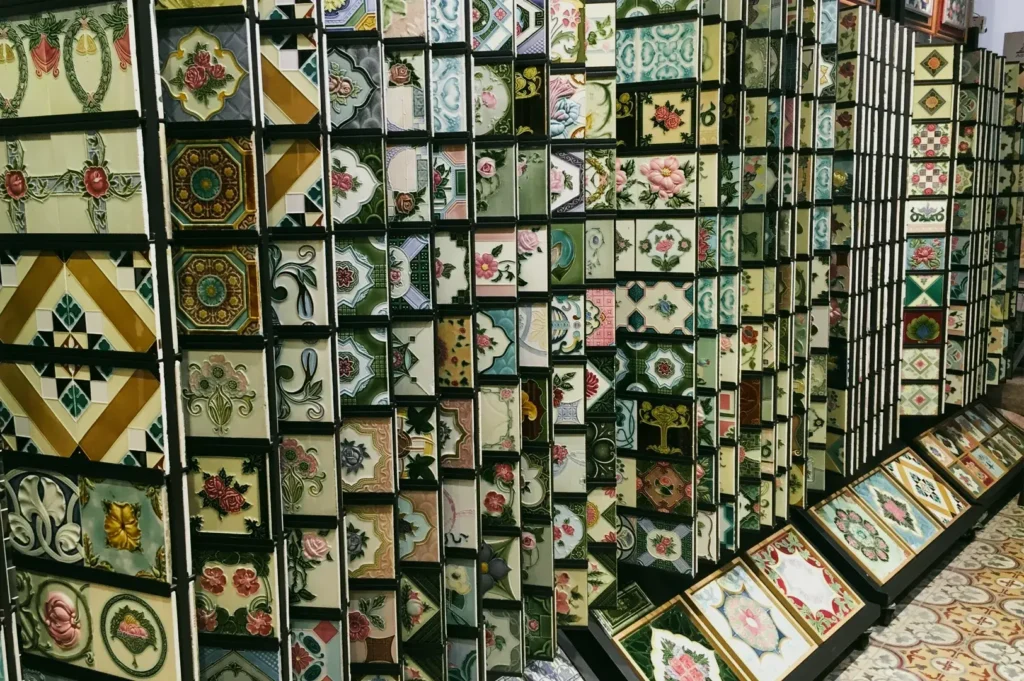
Step off the bustling streets into a neighbourhood craft store, where the hum of city life softens, replaced by the gentle sounds of artisans at work. The air is rich with the scent of raw materials—cotton, beeswax, fired earth, and aged wood. Handmade ceramics, vibrant Batik textiles, and intricate Peranakan tiles fill the space, showcasing generations of cultural heritage through their intricate designs and colours. These shops, offering a blend of traditional and contemporary products, invite customers to explore the stories and skills behind each piece.
Authentic Singapore souvenirs are more than mere keepsakes; they are tangible narratives carrying the history of communities, the skill of artisans, and the resilience of neighbourhoods. Unlike mass-produced trinkets, these crafts bear the subtle imperfections of human hands—signatures of the maker that connect us to centuries of cultural evolution and tradition.
Why Authentic Singapore Souvenirs and Traditional Crafts Matter in Everyday Life
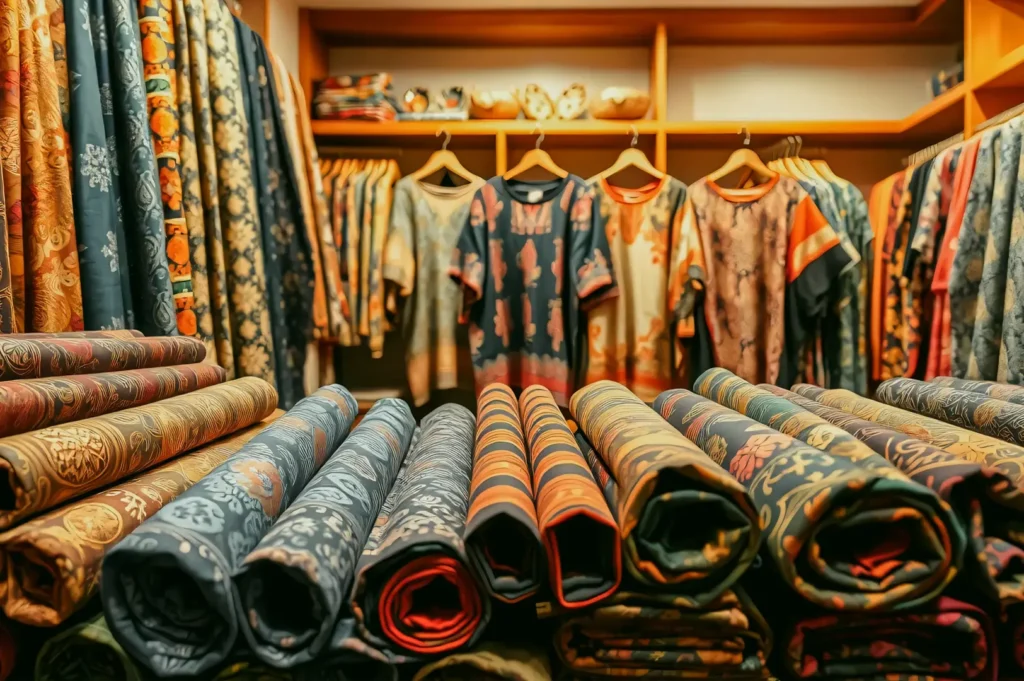
Authentic crafts preserve cultural memory and tell stories of how ancestors lived and what they valued. Items such as hand-painted porcelain spoons or Batik fabrics link us to Singapore’s rich traditions. Examples include:
Batik textiles and fabric shops: Using traditional wax-resist dyeing techniques, these fabrics represent Malay and Indonesian heritage.
Handcrafted ceramics and art materials: Local pottery, often featuring time-honoured glazes and firing methods.
Traditional Peranakan items: Beaded slippers (kasut manek) and hand-painted porcelain wares blending Chinese and Malay cultures.
Nyonya kebaya dresses: Traditional garments combining Indonesian, Arabic, and Chinese elements, found in specialty shops.
Handmade jewellery: Crafted with techniques like filigree or jade carving, reflecting Singapore’s unique fashion and cultural identity.
Choosing these items is an act of cultural appreciation and makes a perfect gift, often enhanced by decorative wrapping for special occasions.
Authentic Singapore Souvenirs: Craft Stores and Shops to Explore
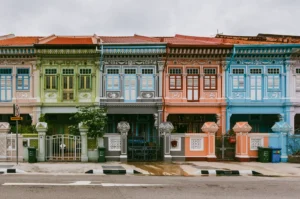
To find these treasures, venture beyond malls into historic enclaves like Chinatown, Kampong Glam, and Little India. Here, legacy craft stores operate quietly, preserving traditional crafts and offering a treasure trove of materials and products.
These neighbourhoods reveal how crafts, food, and architecture intertwine to form Singapore’s cultural landscape. To see how traditions like Peranakan culture continue to thrive across the island, explore more here.
In Chinatown, shops filled with calligraphy pens, fancy papers, and ceramics studios offer a creative environment for artisans. People’s Park Centre provides a range of sewing supplies and fabric shops, while AK Handicrafts offers handmade Nepalese products. Kampong Glam’s Arab Street is renowned for fabric shops specializing in authentic Batik, with shopkeepers sharing stories behind patterns. Little India’s metalworking shops and embroidered silk saris reflect deep cultural roots. Say Tian Hng Buddha Shop specializes in handcrafted Taoist deity statues.
Key Craft Stores in Singapore’s Cultural Districts
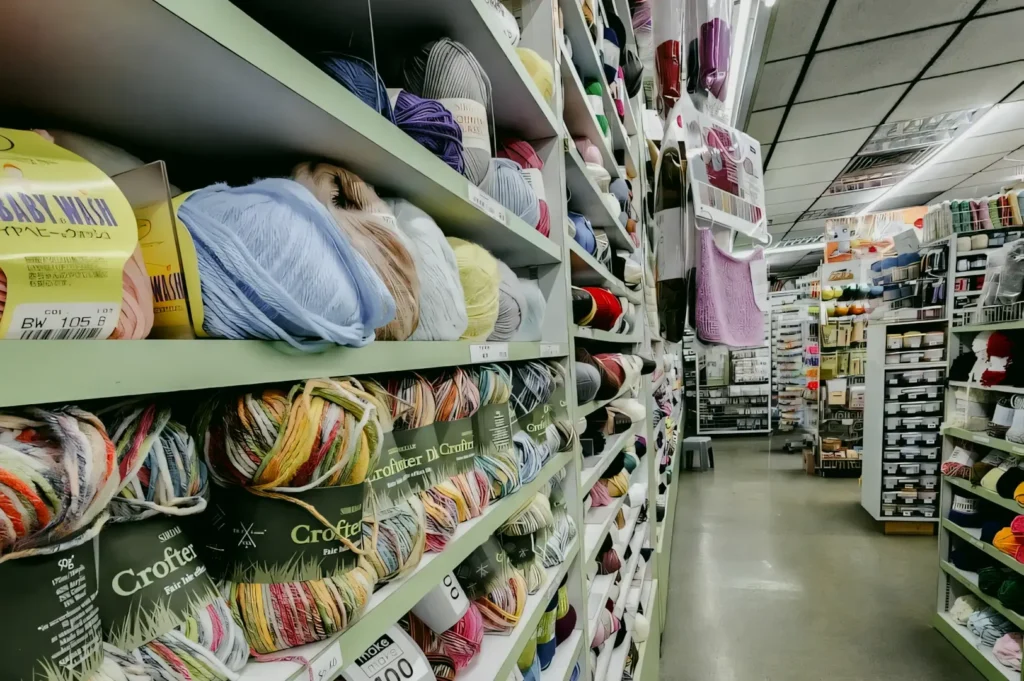
For art materials and craft supplies, City Square Mall and Art Friend stand out as the best craft stores, offering brushes, craft paper, spray paints, and other materials at affordable prices. These stores are the go-to shop for artists, hobbyists, and kids eager to explore creativity and learn new skills.
Golden Dragon is a treasure trove of yarn, beads, and sewing accessories, ideal for those passionate about traditional crafts. Sing Mui Heng offers colourful fabrics, sewing tools, and machines for both beginners and experienced designers. The Peranakan Tiles Gallery preserves the art of Peranakan tiles through expertly crafted antique collections and restoration services.
Community Anchors Preserving Heritage
These shops serve as community anchors, providing a living space for heritage beyond museums, where customers engage with history dynamically.
Jewellery Making and Traditional Crafts: The Artisans Behind the Scenes
Each Singapore handmade craft is a testament to artisans’ dedication and skill, often passed down through generations. Families work together in narrow shophouses, quietly transferring knowledge through observation and practice. Apprentices learn delicate techniques, from carving wooden stamps to melting silver, ensuring preservation of traditional crafts.
A new generation of makers respects tradition while innovating designs, revitalizing Peranakan beadwork and jewellery making by blending traditional stitching with modern styles. Independent ceramics studios use local clay to create minimalist tableware for contemporary homes, illustrating that traditional craft is a living art form.
The physical act of making demands patience and resilience. Artisans specialize in skills like seal engraving, which originated in China’s Han Dynasty and is used for personalized keepsakes, or the niche trade of hand-making traditional Chinese lanterns. The cheongsam, a fitted silk dress, showcases the high skill level required in textile crafts. Supporting these artisans validates their craft and sustains their livelihood.
Art Materials and Supplies: The Tools Behind Singapore’s Creative Traditions
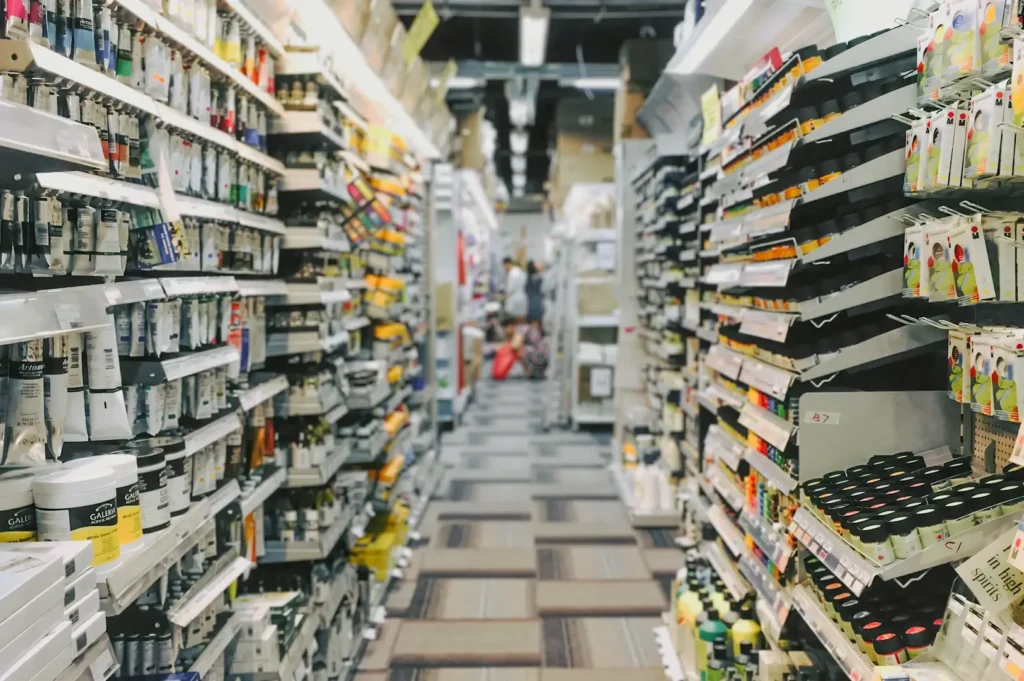
Stepping into Singapore’s craft stores like Art Friend reveals a landscape of possibilities. Walls stocked with brushes, tubes of paint, and pristine canvases invite artists to create and explore. Straits Art and Fancy Papers offer curated collections of watercolours, fine brushes, and specialty papers that connect contemporary creators to artistic traditions.
Fabric shops such as Sing Mui Heng pulse with the rhythm of making, with threads, beads, and bolts of cloth whispering stories of hands that will shape them. Golden Dragon acts as an anchor in the city’s creative ecosystem, supplying yarn and sewing accessories that inspire countless projects. Chinatown’s narrow lanes become galleries where Peranakan tiles and Batik fabrics embody heritage and creativity.
Art materials have seamlessly woven into everyday life, empowering people to personalize tote bags, t-shirts, and even furniture. The rise of DIY culture democratizes creativity, blurring lines between artist and everyday person. Craft supplies have become as essential as groceries, nurturing dreams from professionals to beginners.
Craft, Heritage, and Singapore’s Identity: Exploring Culture Through Craft Stores and Studios
Our creations shape the city’s identity. As Singapore modernizes, cultural souvenirs anchor us to multicultural foundations, where Chinese, Malay, and Indian crafts coexist. Food-related crafts, including chocolate-making workshops and traditional snacks, preserve culinary heritage, adding to the mosaic of Singaporean identity.
Studios provide cozy, inspiring environments for artisans and visitors, enhancing artistic processes and community engagement. Craft also preserves culture by maintaining techniques, stories, and worldviews that might otherwise be lost.
By integrating cultural souvenirs into daily life, whether a hand-painted porcelain spoon or a Batik fabric worn at events, Singapore carries its history forward in a way that feels vibrant and relevant.
Why Authentic Crafts and Craft Stores Still Matter in Everyday Life
Consumers increasingly seek meaningful purchases, valuing origin, maker, and impact. Authentic crafts align with sustainable, mindful buying, opposing throwaway culture. Hand-stitched bags, hand-thrown bowls, and beaded shoes are designed to last and grow more beautiful with use.
Supporting local crafts boosts the economy and preserves neighbourhood culture amid rising rents and retail competition. Buying from reputable Singaporean brands ensures quality and sustains the city’s unique identity. Each purchase is a vote for diversity, independent businesses, and human skill over machines.
Behind every successful craft shop is a passionate team providing guidance, making each purchase meaningful.
Iconic authentic Singapore souvenirs include:
TWG Tea’s “Singapore Breakfast Tea”
Supermama’s contemporary porcelain with local illustrations
The Little Dröm Store’s whimsical gifts celebrating local slang
Popular Bak Kwa brands like Bee Cheng Hiang and Lim Chee Guan
Merlion figurines, Singapore’s iconic symbol
RISIS gold-plated preserved orchids
Pandan chiffon cake from Bengawan Solo
Kaya jam from Ya Kun or Raffles
These crafts tether us to reality in a digital world, grounding us through the textures and forms made by human hands.
Conclusion: Bringing Home More Than Just Souvenirs from Singapore’s Best Craft Stores and Studios
Neighbourhood craft stores and studios offer more than beautiful objects; they embody shared history, diverse cultures, and artisans’ dedication. From Chinatown’s ceramics studios to Kampong Glam’s textile shops, and from Art Friend’s art materials to Golden Dragon and Sing Mui Heng’s collections, these spaces tell stories mass-produced goods cannot.
Creative workshops in Singapore provide unique opportunities to engage with local crafts, learn pottery, painting, leather crafting, and more. Many focus on traditional crafts, allowing participants to create personalized, authentic Singapore souvenirs—a meaningful way to remember a visit. Workshops also offer fun, educational experiences for friends and families, making souvenir-making memorable.
As you explore neighbourhood streets or browse materials at City Square Mall and other craft stores, look beyond the surface. Visit quiet shops, talk to makers, and learn about the history and techniques behind each item. Supporting local artisans and valuing authentic crafts means becoming part of Singapore’s heritage story, ensuring the city’s heart beats on through the hands of its makers.