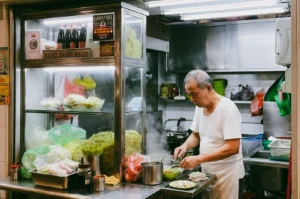
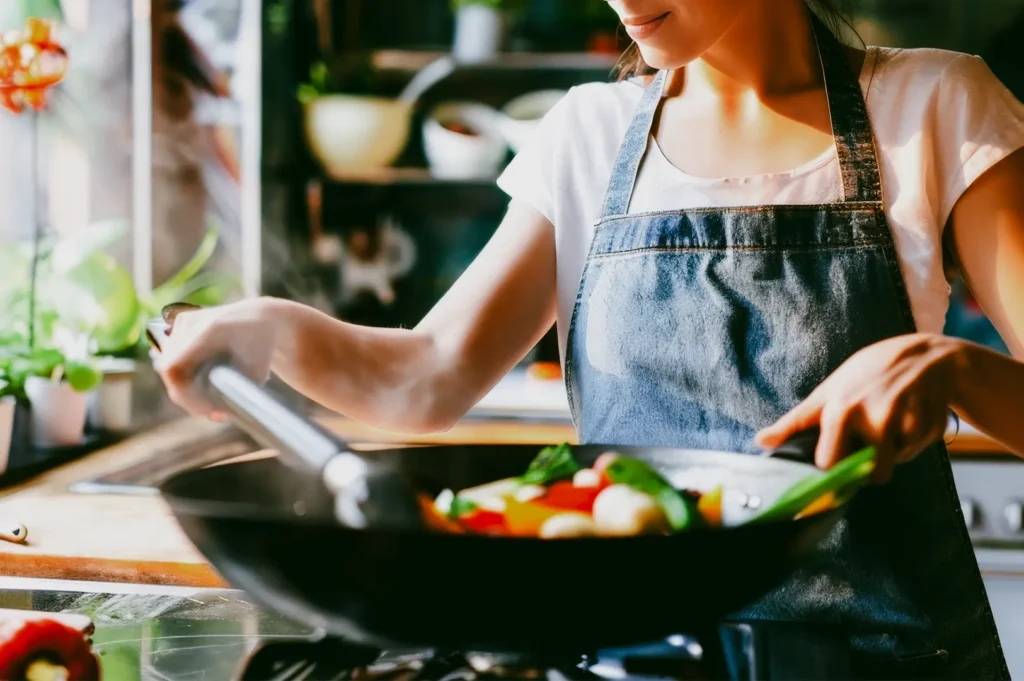
You hear it before you see it, the rhythmic clash of a steel spatula against a seasoned carbon-steel wok at bustling hawker centres. The scent of garlic, shallots, and toasted shrimp paste wraps around you like a warm embrace. This sensory heartbeat of our estates is more than food; it’s a shared cultural language spoken through simmering broths and charred noodles.
Many of us grab fragrant rice on the way to the train station or sit on plastic stools under fluorescent lights after a long day. Yet, the urge to recreate local dishes at home often arises—a desire to capture that intoxicating hawker food magic in our own kitchens.
The Journey from Hawker Stalls to Home Stove: Recreate Local Dishes at Home
Nostalgia often fuels the wish to recreate local dishes at home. Whether you’ve moved away from your childhood estate or want to preserve recipes for your children, cooking these dishes connects you to your roots. However, home kitchens lack the industrial burners and seasoned woks of hawker stalls, so adaptations are necessary. This process transforms public street food into personal tributes, uniquely tailored to your kitchen.
Exploring other recipes can enrich your culinary journey and help you discover new favourites.
History of Hawker Food and Hawker Culture in Singapore
Before hawker centres, Singapore’s food magic thrived on 19th-century streets, where hawkers with pushcarts called out to passersby. Chinese immigrants introduced stir-fried flat rice noodles like char kway teow, layered with Chinese sausage and chili sauce. Malay hawkers offered creamy nasi lemak and sambal sotong, while Indian vendors contributed fragrant curries and rice dishes.
As Singapore developed, the government centralized these stalls into hawker centres like Maxwell Food Centre and Newton Hawker Centre, creating communal hubs where diverse flavours coexist. These centres are more than food courts; they are vital to Singapore’s social fabric, where families and friends gather over beloved dishes like chilli crab and fried chicken.
Understanding the Soul of Neighbourhood Classics in Hawker Culture
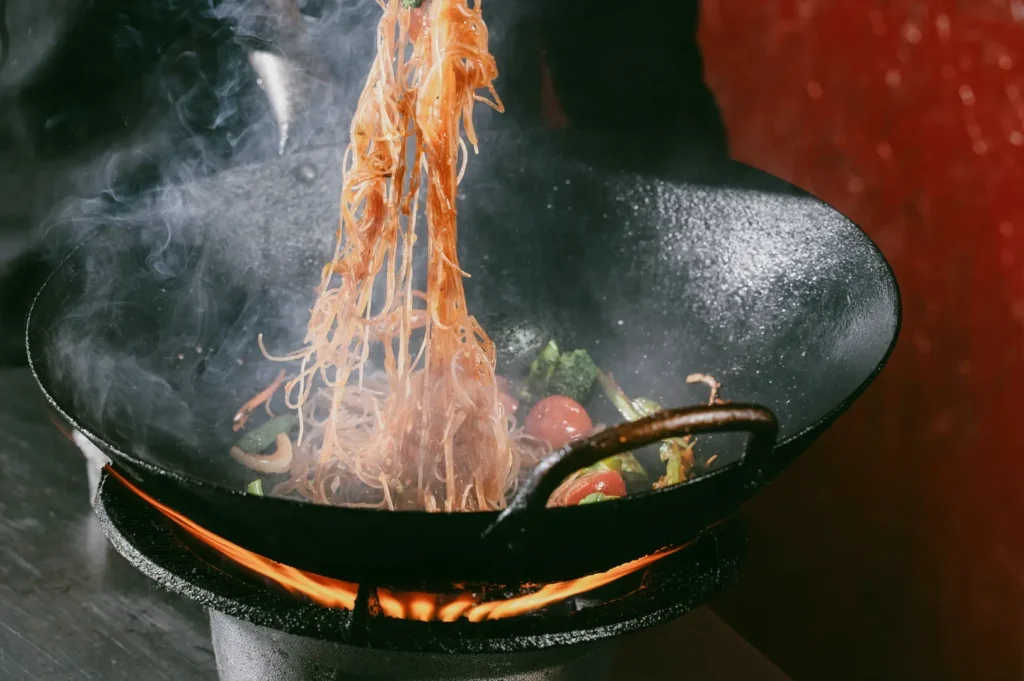
Hawker food’s magic comes from extreme heat and repetition. The legendary wok hei—“breath of the wok”—is achieved by cooking over roaring flames, imparting a smoky aroma and savoury flavour. Hawkers specialize deeply, perfecting broths and spice blends over decades.
Home kitchens lack this intensity and often rely on packaged ingredients like coconut milk or bottled chili sauce. Using hot water to hydrate dried prawns or chilies can boost flavour at home. Foundational skills such as slow-cooking broth and fermenting pastes are essential to capturing authentic taste.
Reimagining Singaporean Recipes in the Home Kitchen
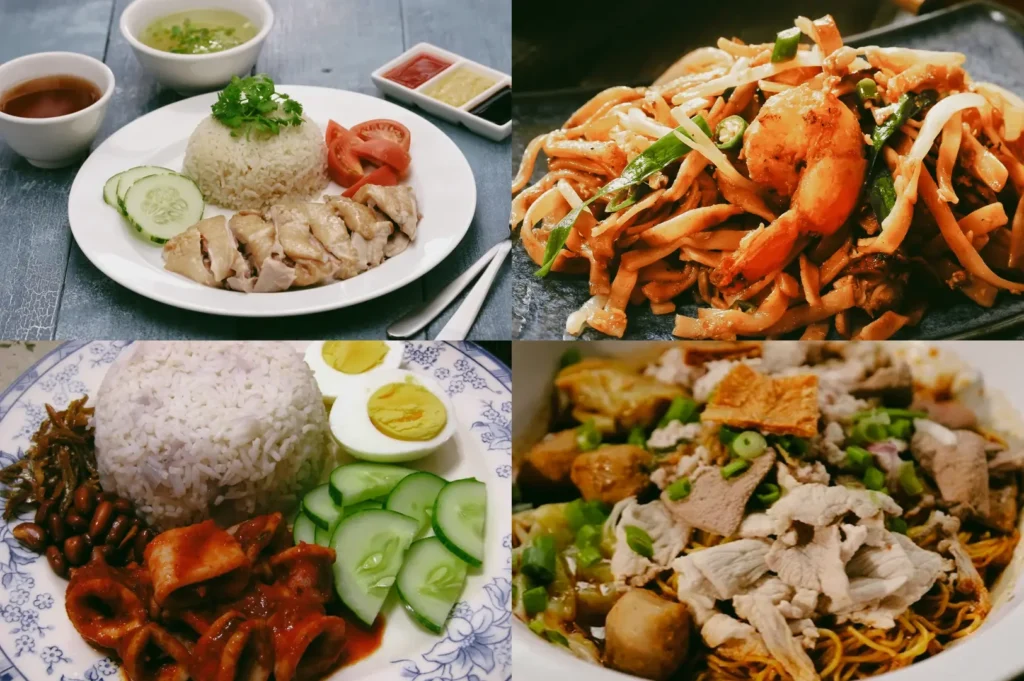
Hainanese Chicken Rice and Fried Chicken: A Complete Meal
At hawker centres like Maxwell Food Centre, Hainanese chicken rice is a beloved dish featuring tender chicken, fragrant rice cooked in chicken broth, and a spicy sauce. Soft boiled eggs or hard boiled eggs often accompany the meal, completing this comforting plate.
Home cooks can replicate this by gently poaching the chicken with aromatics like garlic, ginger, and shallots. Frying rice grains in rendered chicken fat before cooking enhances fragrance. A ginger-garlic paste with smoking hot oil can substitute for hawker chili sauce. Fried chicken adds a crispy, savoury complement.
Char Kway Teow and Flat Rice Noodles: Chasing Wok Hei
Char kway teow, a stir fry of flat rice noodles with Chinese sausage, cockles, and chili sauce, is famous for its smoky wok hei flavor. At home, cook noodles in small batches over high heat to avoid steaming. Blanching noodles in boiling water prevents clumping. A balanced sauce mix of soy sauce, dark soy sauce, and sweet soy sauce creates the savoury flavour. Let noodles sit briefly to caramelize and mimic the authentic char.
Nasi Lemak and Sambal Sotong: Layered Flavours
Nasi lemak, wrapped traditionally in banana leaves, features creamy coconut rice, spicy sambal sauce, crispy ikan bilis, and cucumber slices. To recreate at home, add pandan leaves and lemongrass to coconut milk when cooking rice. Simmer store-bought chili sauce with caramelized onions and tamarind for sambal. Fry dried anchovies gently for crunch.
Sambal sotong, a spicy squid dish, highlights Singapore’s love for bold seafood flavours and is a perfect addition to a zi char spread.
Bak Chor Mee and Mee Siam: Beloved Dishes Rich in Flavour
Bak chor mee, a noodle dish with minced meat and mushrooms in a tangy sauce, comes in dry and soup versions. Mee siam offers a tangy, spicy noodle soup with tamarind and aromatic spices. Both dishes require balancing textures and tastes, making them ideal for home cooking experiments.
Fish Head Curry and Head Curry: A Fusion Dish
Fish head curry, created by an Indian chef catering to Chinese customers who favour fish head, combines creamy curry with the delicate fish head. Served with steamed rice cake or fragrant rice, it represents Singapore’s multicultural culinary heritage and plays a crucial role in hawker culture.
Kueh Dadar and Kaya Toast: Sweet Traditions
Kueh dadar, pandan-flavoured crepes filled with sweet coconut jam, and kaya toast, toasted bread with coconut jam and butter served with soft boiled eggs, are iconic Singaporean desserts and breakfasts. They reflect the fusion of Southeast Asia’s culinary influences and remain staples at hawker stalls and food courts.
Balancing Authenticity and Practicality in Home Cooking
Adapting hawker food at home means balancing authenticity with practicality. Health-conscious swaps, ingredient availability, and kitchen constraints shape recipes. Using paper towel to maintain crispiness in fried foods or substituting commercial pastes when fresh ingredients are scarce are common adaptations.
Authenticity is flexible; a dish becomes authentic when it nourishes and delights your taste buds at your table.
How Recreating These Dishes Supports Hawker Culture
Cooking hawker food at home deepens appreciation for the labour and craft behind each dish. It connects you to the social fabric of Singapore’s food scene, transforming your dining room into an extension of lively hawker centres.
Bringing Hawker Food Home: Your Invitation to Cook and Connect
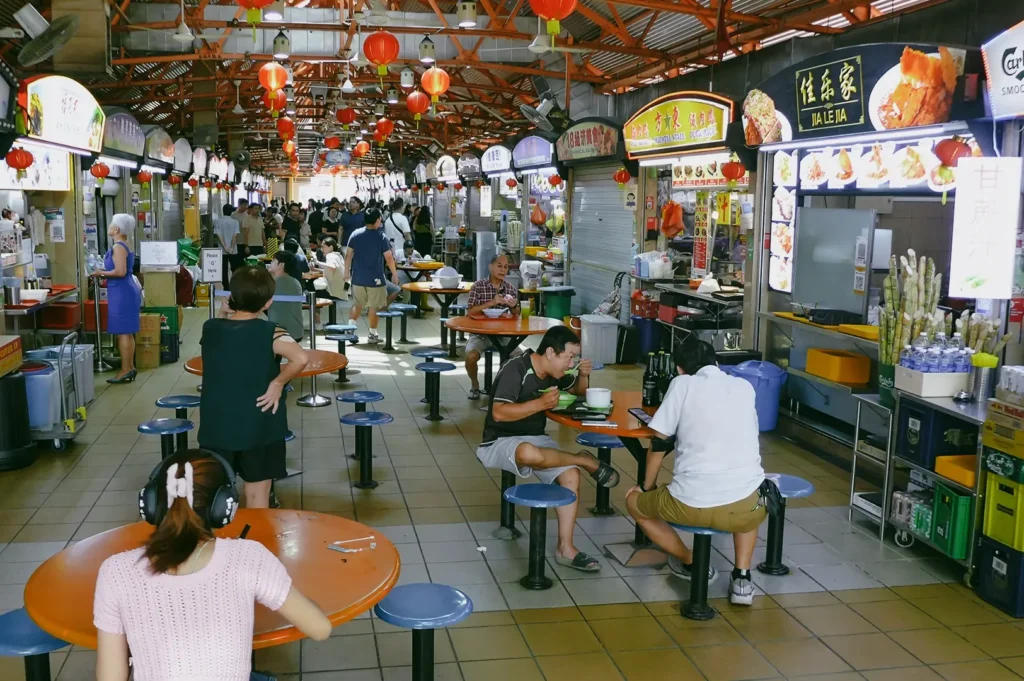
Next time you visit hawker centres like Newton Hawker Centre or Maxwell Food Centre, or explore vibrant neighbourhoods like Little India, observe the cooks’ skill and the rich aromas. These spaces are the culinary soul of Singapore’s central region and its enduring legacy.
You don’t need to be a master chef to recreate local dishes at home. With patience, experimentation, and love for the flavours that define Singapore food, you can stir a pot of soup or wok-fry noodles and feel connected to the vibrant rhythm of the Lion City.
For an authentic touch, try making peanut sauce at home—a classic condiment for satay that brings out Southeast Asia’s true taste. Use a seasoned wok over high heat to achieve wok hei and capture that smoky aroma beloved in hawker food.
Embrace this culinary journey and let the familiar flavours guide you home.