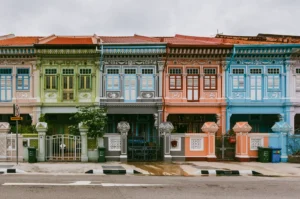
Walk down Koon Seng Road on a quiet Tuesday morning, and you immediately feel the heavy, humid air settle over the street. The sun reflects off the meticulously restored facades of the terrace houses, catching the intricate ceramic tiles and the vibrant pastel walls.
You smell the faint, unmistakable aroma of rempah frying in a nearby kitchen—a sharp blend of lemongrass, galangal, and dried shrimp that cuts through the exhaust fumes of passing cars.
More Than Just a Pretty Facade
Most people come here to capture the colors, taking quick photos of the architecture before retreating to an air-conditioned cafe. But if you slow down and simply observe, you realize that the true essence of this neighborhood does not live on the surface.
The story of Katong and Joo Chiat is often told through its aesthetics, but the reality is far more nuanced. Peranakan culture in Katong and Joo Chiat is not a museum exhibit frozen in time, carefully preserved behind glass. It is a living, breathing identity that continues to adapt. It weaves itself subtly into modern routines, existing in the quiet spaces between the old ways and the new world.
When Heritage Becomes Aesthetic
Over the last decade, we have watched Peranakan visuals become highly stylized and commercialized. Modern cafes borrow traditional floor tiles to give their spaces a rustic feel. Boutiques sell tote bags printed with nonya kebaya motifs. This commercialization is not inherently bad; it keeps the aesthetics alive and introduces the history to a younger generation.
However, we must recognize the difference between adopting an aesthetic and living a culture. A cafe might serve a modern twist on a traditional dessert, but the real culture lies in the tedious, unseen preparation that happens in private kitchens. We enjoy the beautiful patterns and the vibrant colors, but we often forget the deeply ingrained habits and values that originally created them.
The Culture That Continues Quietly
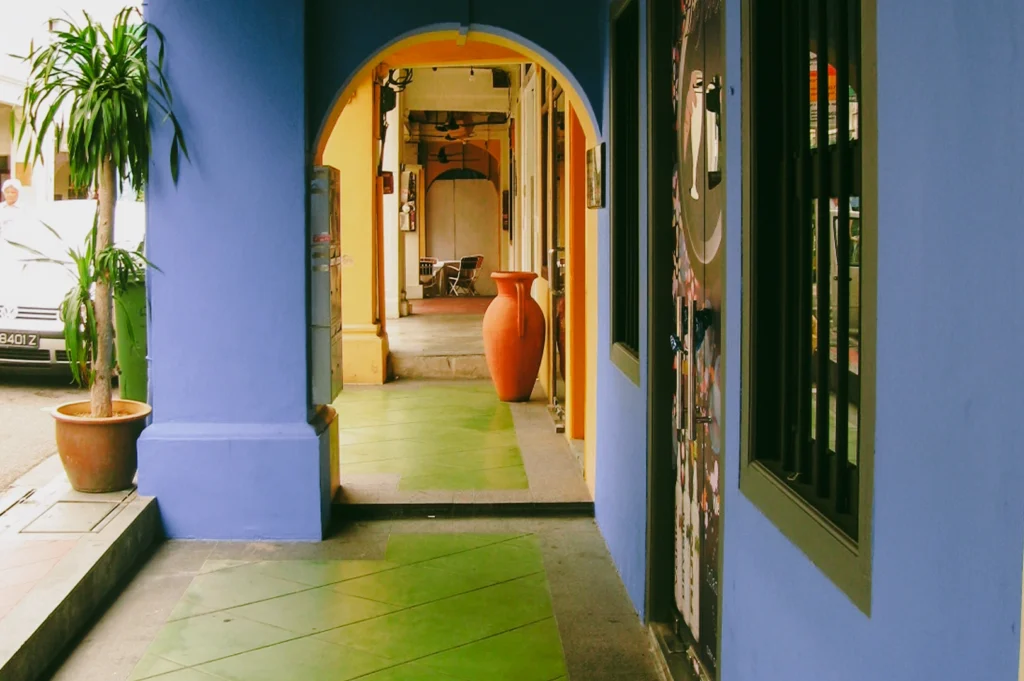
If you want to find the true heartbeat of the neighborhood, you have to look past the main roads. You have to step into the quieter lanes and observe the everyday life where culture persists without any grand announcements. It survives in the mundane routines.
We see it in the way an elderly resident sweeps the five-foot way in front of her home, moving with a quiet, practiced rhythm. We see it in the casual, overlapping conversations at the wet market, where recipes are debated and ingredients are carefully selected. These small, subtle practices are not designed for an audience. They are the invisible threads holding the community together.
Food as Memory, Not Just Menu
Nowhere is this quiet continuation more evident than in the kitchen. When we think of Peranakan food Singapore has to offer, we often picture elaborate spreads in famous restaurants. We think of babi pongteh, ayam buah keluak, and perfectly layered kueh lapis. But the heart of this cuisine does not beat in commercial kitchens. It beats in the homes where these dishes are cooked on a daily basis.
Food serves as a powerful vessel for memory. Home cooking is where recipes are passed down, adapted, and kept alive. Today, a family might use a blender instead of a traditional pestle and mortar to make their spice paste, adjusting the process to fit into a busy, modern lifestyle. Yet, the identity of the dish remains intact. The flavor still connects the family to their ancestors. The cuisine evolves, but the act of gathering around the table to share it continues to define who they are.
Language, Ritual, and Small Traditions
Beyond the kitchen, the culture survives in fragments of language and small, enduring rituals. You can still hear snippets of Baba Malay spoken by the older generation as they navigate the local shops. It is a fading language, but its presence still lingers in the air, adding a distinct rhythm to the neighborhood’s daily soundtrack.
Family customs and festive practices also adapt to survive. The elaborate preparations for a traditional wedding or the meticulous offerings made during cultural festivals may have scaled down over the years. We no longer have the luxury of time that our grandparents had. But the core intentions remain.
We hold onto the small traditions—the specific way a table is set, the strict respect paid to elders, the quiet prayers offered at a home altar. These rituals ground us, providing a sense of continuity in a rapidly changing city.
Living Between Old and New
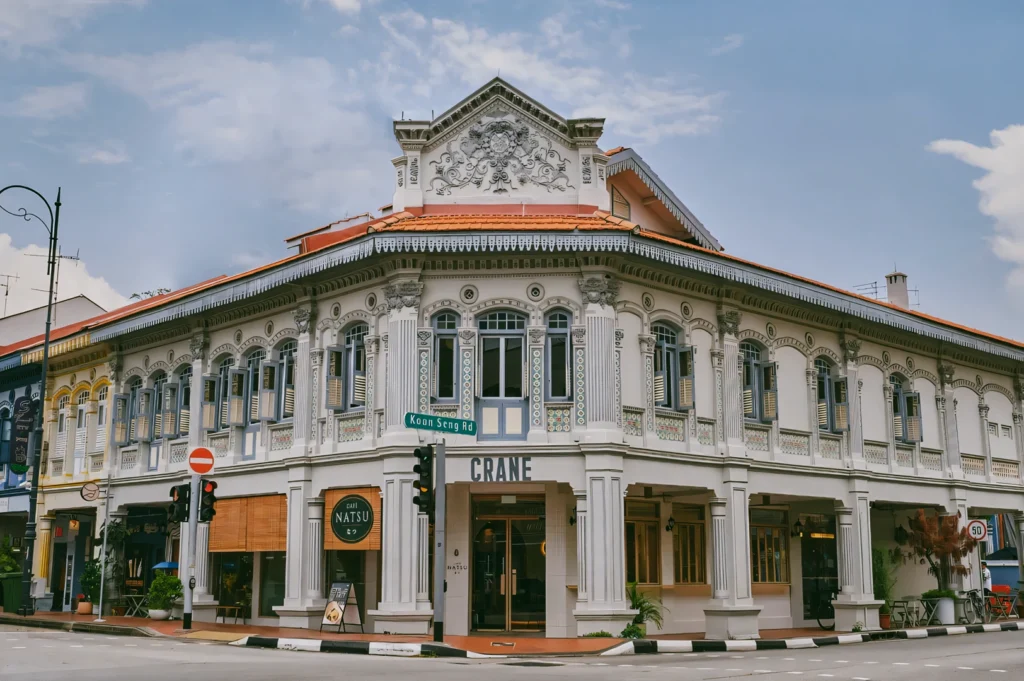
The Katong Joo Chiat heritage story is fundamentally a story of tension and coexistence. The neighborhood stands exactly on the fault line between the old and the new. You see this tension in the demographics, where younger generations move into the area, bringing new lifestyles that gently clash with older traditions.
You also see it in the businesses. A modern, minimalist coffee roaster operates right next door to a traditional provision shop that has stood there for fifty years. They share the same pavement, the same weather, and the same community. The neighborhood does not force a choice between history and progress. It allows both to exist simultaneously, creating a beautiful, chaotic balance that feels entirely natural.
The People Who Carry It Forward
The survival of any culture depends entirely on the people who choose to carry it forward. In Katong and Joo Chiat, you find these individuals everywhere. They are the shop owners who refuse to compromise on the quality of their ingredients, waking up before dawn to prepare their ingredients by hand. They are the residents who organize small community gatherings, ensuring that neighbors still know one another by name.
They are the food makers who spend hours wrapping rice dumplings, knowing that the younger generation might never learn the technique. These people do not view themselves as guardians of history. They are simply living their lives, doing things the way they were taught. Yet, through their daily actions, they ensure that the culture survives another day.
A Neighbourhood That Refuses to Be Static
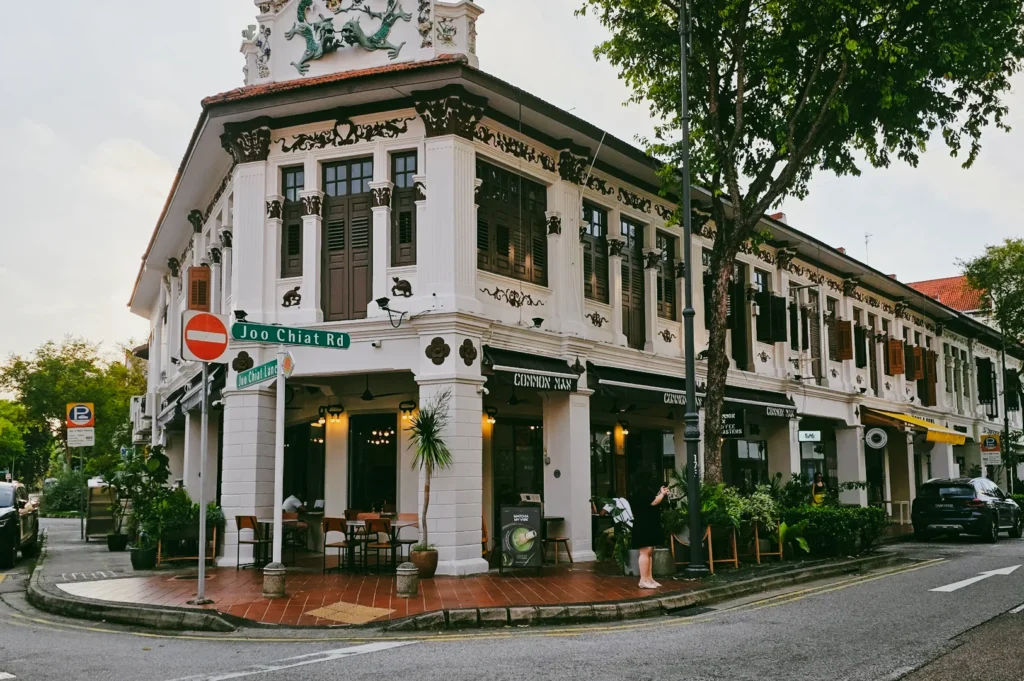
We must let go of the idea that this neighborhood is a preserved museum. Katong and Joo Chiat refuse to remain static. The streets are constantly changing. New cafes open, demographics shift, and the area’s popularity continues to rise. This constant movement is exactly what keeps the neighborhood alive.
If we try to freeze a culture in time, we eventually suffocate it. True heritage must have the space to breathe and adapt. The arrival of modern businesses and younger residents does not erase the past; it simply adds another layer to the ongoing story. The neighborhood absorbs the new while quietly protecting the old.
What Gets Lost, What Stays
When we look closely at this evolution, we realize that not everything survives. Some traditions inevitably fade away, lost to the relentless pace of modern life. The intricate crafts that demand weeks of labor slowly disappear as the master craftsmen retire.
Certain archaic customs are left behind because they no longer fit into the way we live today.
But what stays is often what matters most. The sense of community, the respect for the past, and the deep pride in a shared identity remain firmly rooted. We mourn the things that fade, but we must also celebrate the remarkable resilience of the things that endure. The culture transforms, but its soul remains entirely intact.
Why It Still Matters Today
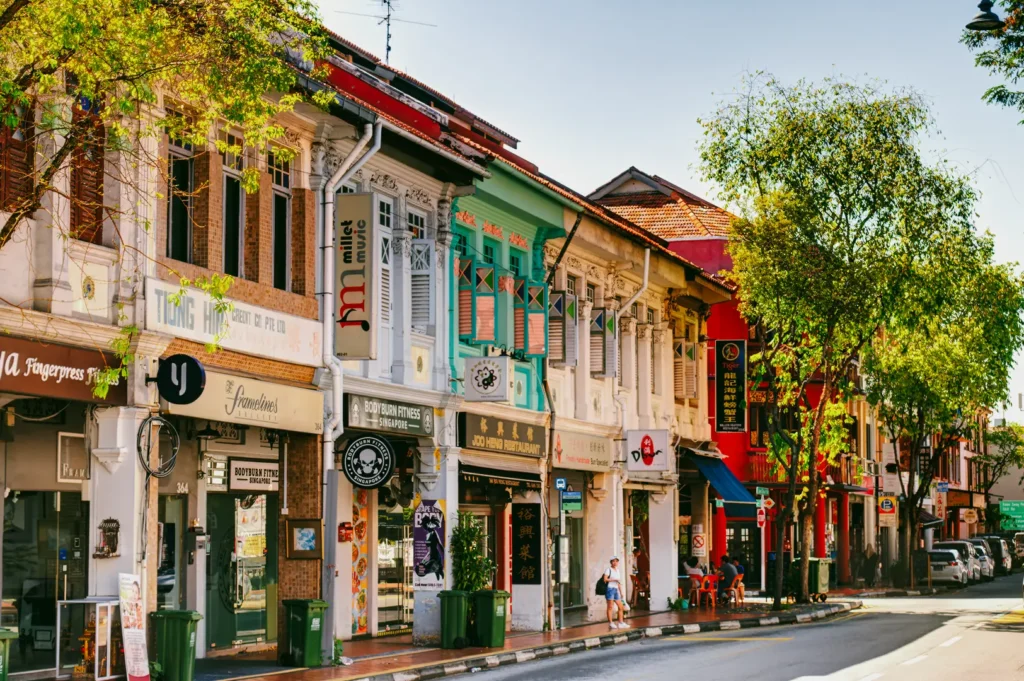
In a modern city that often feels obsessed with the future, the quiet persistence of Peranakan culture Singapore holds is deeply significant. It reminds us that our national identity is not just built on economic progress and towering skyscrapers. It is built on the everyday heritage that exists in our neighborhoods.
Katong and Joo Chiat show us that culture does not have to be loud to be powerful. It does not need to be displayed in a museum to be valid. It matters because it provides us with an anchor. It connects us to the people who walked these streets before us, offering a profound sense of belonging in a world that constantly changes.