Some of the most revealing details in Singapore’s older districts sit quietly above eye level, fading a little more each year without much notice.
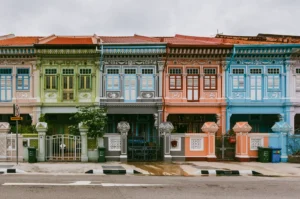
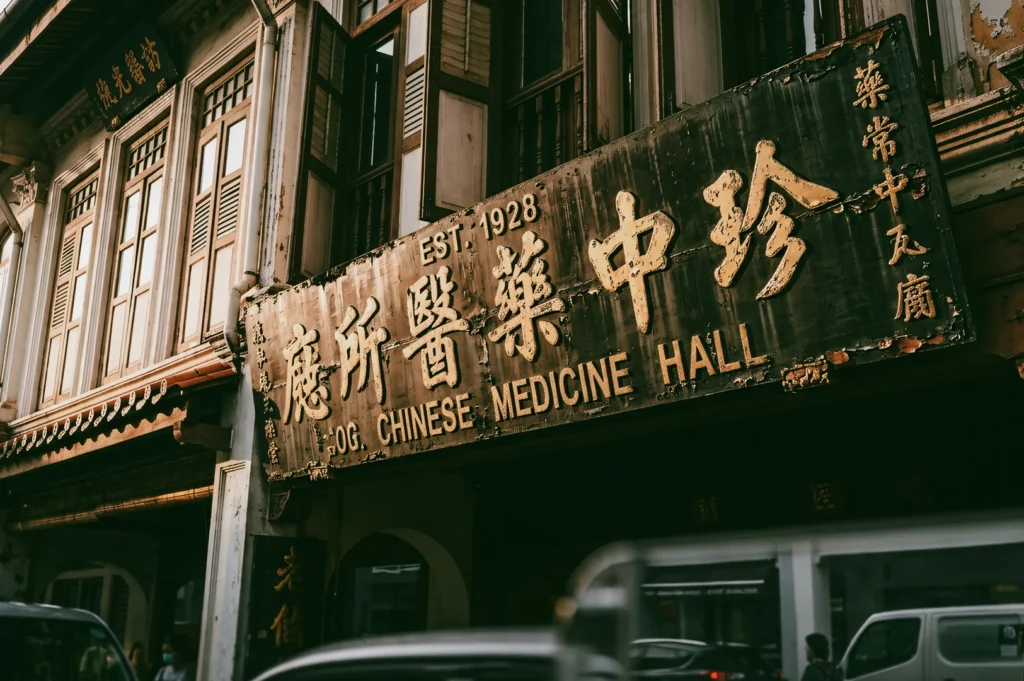
Walk through Jalan Besar, Joo Chiat, or Chinatown early in the morning and look up for a moment. Above the polished café entrances and modern storefronts, older shop signs still linger across the upper facades of ageing shophouses. Gold Chinese characters stretch across weathered blackboards. Rusting metal lettering hangs unevenly over narrow five-foot ways. Hand-painted fonts soften under decades of rain, sunlight, and humidity.
Most people move past them without looking.
Our attention tends to stay fixed on the pavement ahead, traffic crossings, or phone screens. Yet these old signs quietly document the businesses, trades, and families that once shaped the rhythm of the street. They tell a version of Singapore’s history that rarely appears in museums or official heritage markers.
Some signs still belong to businesses operating after generations in the same location. Others remain long after the original tenants have disappeared, suspended above entirely different shops like fragments of another time refusing to fully leave the landscape.
Unlike modern branding designed for uniformity and speed, older shop signs often carried a deeply personal quality. The brushstrokes varied from one storefront to the next. Certain characters were painted larger with deliberate emphasis. Some signs proudly displayed family surnames, traditional trades, or promises of trust and craftsmanship. Even the imperfections felt human.
These visual details shape how a neighbourhood feels, even when we stop consciously noticing them.
As redevelopment continues across Singapore, many older signs quietly vanish alongside traditional businesses and ageing buildings. New signboards arrive brighter, cleaner, and more efficient, but often less distinctive. Streets begin to resemble one another more closely. Small traces of individuality slowly fade from the urban landscape.
Yet when we pause long enough to look upward, these surviving signs reveal a softer layer of the city — one built through ordinary lives, family businesses, and decades of everyday routine.
Sometimes, understanding a neighbourhood begins with simply changing where we direct our attention.