
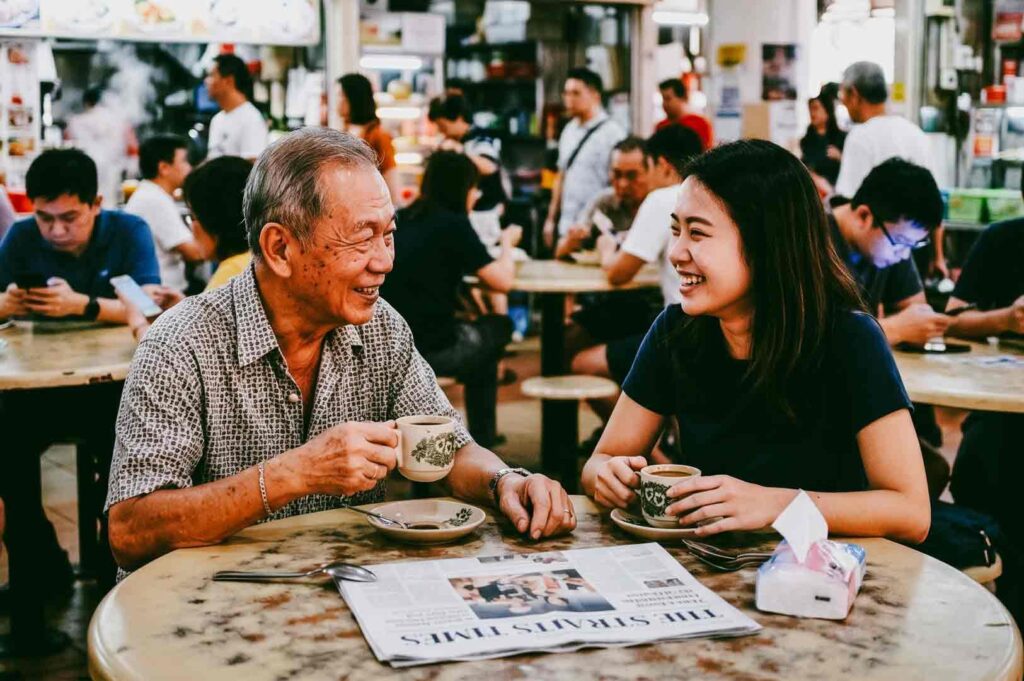
In bustling hawker centres or crowded MRT stations, Singaporeans often find themselves physically close yet emotionally distant, absorbed in their digital devices. Despite living in an age of endless opportunities for online connection, many experience a disconnect in their own neighborhoods. This highlights the continuing importance of community in Singapore, where real world connections through physical spaces and shared routines remain essential for a true sense of belonging.
Always Connected, Yet Isolated: The Paradox of Urban Life in Singapore
Modern life offers constant digital communication, but these interactions often lack the warmth and authenticity of face-to-face engagement. We miss subtle cues like tone, smiles, and shared context when confined to screens.
Many live next door to others for years without meaningful interaction, assuming digital contact suffices. Yet, a social media “like” cannot replace the comfort of a neighbor’s greeting or a shared moment in the physical world. This points to the importance of community in Singapore, where real connections play a vital role in creating a sense of belonging among diverse audiences.
In neighborhoods such as Holland Village and Tiong Bahru, residents enjoy amenities that encourage social interaction, helping students understand the value of community and fostering a lively atmosphere where everyone can play a part in what’s happening around them. The enduring appeal of these areas often comes from the everyday interactions and shared routines that shape local identity, something Neighbourhood Life SG explores through the unique charm of Holland Village.
Why Real World Connections Matter for Community in Singapore
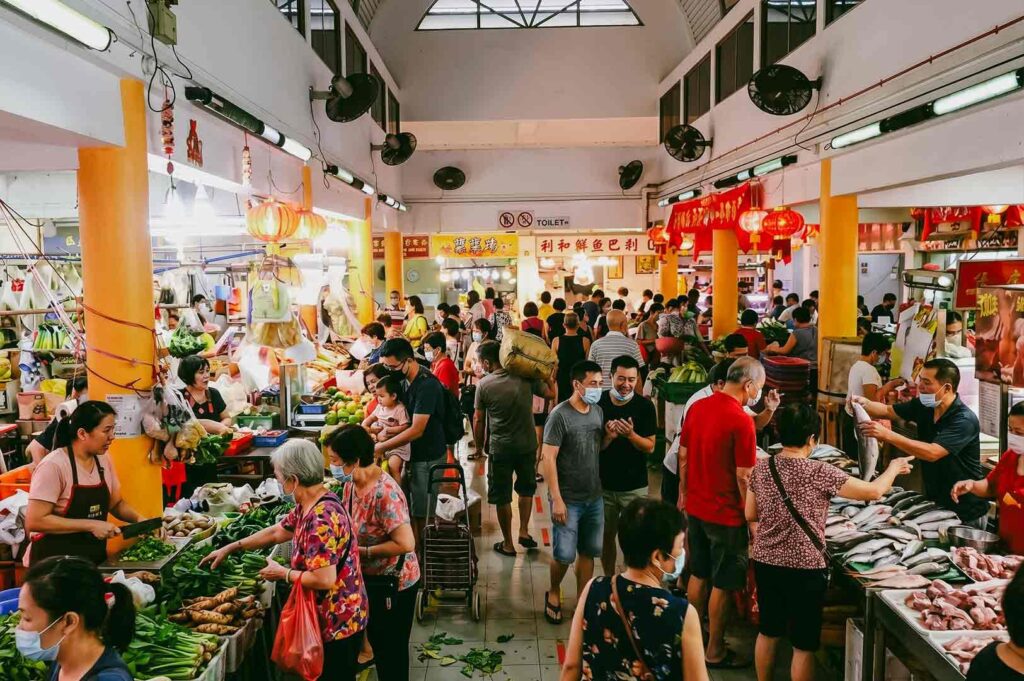
Physical community thrives on familiarity. At local markets or community events, brief exchanges—like a butcher asking after grandchildren—carry emotional weight and build trust. These repeated encounters create a sense of safety and belonging. Recognizing familiar faces transforms neighborhoods from transient spaces into homes, fulfilling our innate need for connection.
This difference between digital and real interactions is especially important in Singapore, where families and children benefit from strong community bonds around housing estates and school environments. When adults and children alike are aware of their surroundings and actively talk with neighbors, it helps everyone feel more connected and supported.
The Role of Community Events and Public Spaces in Fostering Engagement
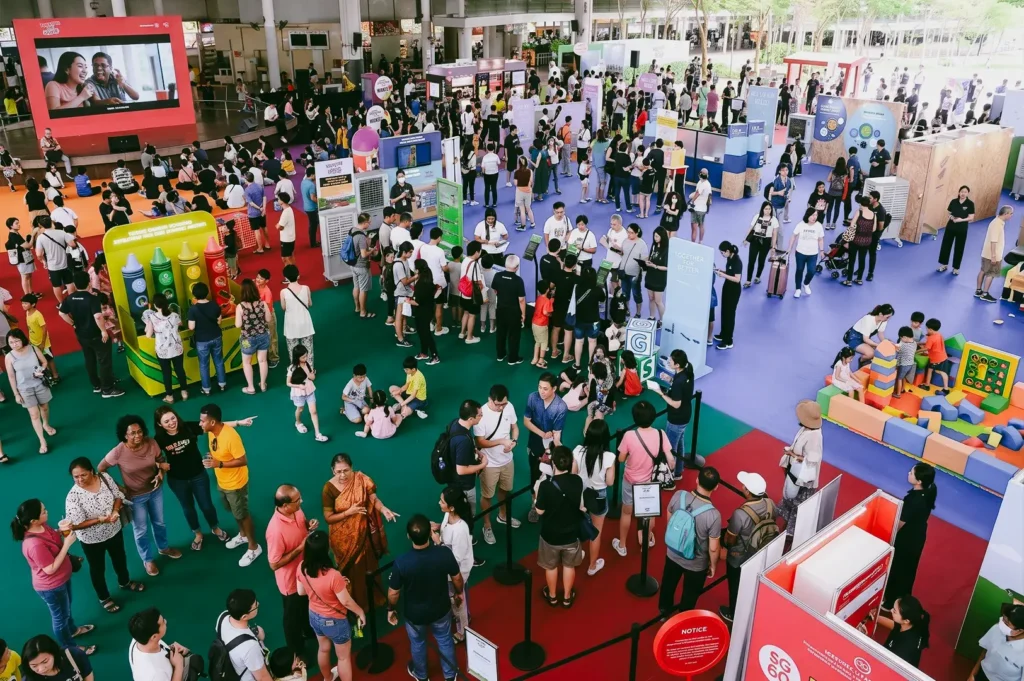
Singapore’s world class infrastructure and thoughtfully designed public spaces encourage spontaneous interaction. Void decks, park connectors, and playgrounds invite residents to slow down, share smiles, and converse. These “third places” like hawker centres and community centres democratize socializing, requiring little effort or expense to participate.
Neighborhoods such as Holland Village, Tiong Bahru, and Tanjong Pagar exemplify these vibrant hubs. Holland Village offers diverse dining options and nightlife; Tiong Bahru combines authentic heritage hawkers with chic cafes and Art Deco charm; Tanjong Pagar provides renowned restaurants and easy access to downtown. Nearby Orchard Road and Robertson Quay add to the mix with shopping, dining, and entertainment, enriching community life with authentic stories and events.
Building Community Through Consistent Engagement
Community is not built overnight or through grand events alone; it grows through everyday interactions. Holding doors, exchanging greetings with security guards, or nodding to fellow dog walkers gradually weaves social fabric. These small, repeated acts develop trust and transform acquaintances into friends, creating a supportive neighborhood.
The Impact of Convenience on Community and Learning

Convenience has dramatically reshaped how we engage with the world around us. The rise of technology-driven services, such as food delivery apps and online grocery shopping, has made it easier than ever to meet daily needs without stepping outside. While these conveniences save time and effort, they also reduce the number of casual, spontaneous interactions that traditionally helped build social connections and community bonds. This shrinking of everyday social circles can lead to feelings of isolation and weaken the fabric of neighborhood life.
This shift is particularly significant in Singapore, where dense urban living and fast-paced lifestyles already challenge opportunities for face-to-face engagement. The ease of digital convenience can unintentionally discourage residents from venturing out to local markets, hawker centres, or community events—places that have historically served as vital hubs for socializing and cultural exchange. As a result, the richness and complexity of real-world engagement, which fosters trust and a sense of belonging, risk being diminished.
The concept of convenience affecting community extends into education as well. Traditional classroom learning benefits immensely when students are encouraged to interact with tangible objects, participate in community activities, and experience field trips outside the school environment. These real-world experiences make lessons more meaningful, helping students see the practical relevance of what they are learning. By applying concepts in authentic contexts, students become more engaged and motivated, which enhances their retention and understanding.
Experiential Learning and Community Engagement
Moreover, experiential learning promotes critical thinking skills by challenging students to solve complex, real-life problems rather than just theoretical ones. This hands-on approach encourages reflection, creativity, and collaboration, equipping learners with tools they will need to navigate future challenges both academically and socially. For example, when students engage with local community projects or environmental initiatives, they develop a deeper connection to their surroundings and a sense of responsibility toward their community.
In Singapore’s multicultural society, fostering real-world connections through education also supports social cohesion. Programs that integrate community involvement help students appreciate diverse perspectives and build empathy, which are essential for harmonious living in a diverse city-state. By participating in events that celebrate different cultures or by working alongside peers from various backgrounds, students gain a broader worldview and a stronger sense of shared identity.
Ultimately, while convenience offers undeniable benefits, it is crucial to balance it with intentional efforts to maintain and nurture real-world community ties and experiential learning opportunities. Doing so enriches both our social lives and educational experiences, fostering a more connected, resilient, and thoughtful society.
Making Real World Connections in Education
Incorporating real world connections into classrooms makes subjects relevant and interesting. When students see how lessons relate to current events or their own lives, motivation and engagement increase. Hands-on experiences and community involvement help students develop empathy, collaboration skills, and authenticity in their learning journey.
Field trips and guest speakers bring lessons alive, providing tangible experiences beyond textbooks. This approach encourages learners to reflect, practice skills, and prepare for real-life tasks. It also fosters a sense of responsibility and connection to their communities, reinforcing the importance of social cohesion.
Why Participation Matters for a Connected Future

Reclaiming community does not require abandoning technology but calls for intentional presence. Simple acts like leaving phones aside at community events, making eye contact, or engaging in conversations signal openness and approachability. Attending pasar malams, neighborhood festivals, or simply exploring local spaces can be fun and meaningful ways to connect.
Conclusion: Embracing Community in Singapore
Technology offers remarkable tools, but it cannot replace the depth of physical connection. Singapore’s neighborhoods, enriched by authentic community events, diverse dining options, and accessible public spaces, provide fertile ground for real world connections. By engaging consistently and intentionally, we can solve problems of isolation, build critical thinking skills, and foster a vibrant, inclusive community.
Next time you walk through your neighborhood—be it Holland Village, Tiong Bahru, or Tanjong Pagar—try putting your phone away. Observe the life around you, share a smile, and participate in the stories unfolding. Meaningful community in Singapore is built quietly, through daily acts of presence, engagement, and care.