Nestled in the heart of Singapore, Bras Basah Bugis (BBB) stands as a unique blend of history, faith, and creativity. This precinct, known as Singapore’s arts district, offers a seamless journey from 19th-century cathedrals to contemporary art galleries, where the scent of incense from bustling temples mingles with aromas from nearby cafés. The area’s cultural landmarks—temples, churches, and creative venues—create a vibrant landscape where diverse communities and traditions coexist, enriched by local and international artists through galleries, public art, and exhibitions.
To dive deeper into this captivating enclave, explore more at Neighbourhood Life.
A Tale of Two Names in Bras Basah Bugis HeritageDecades of History and Renovation in Bras Basah Bugis Heritage
The Bras Basah Bugis precinct has witnessed decades of development and careful renovation that preserve its unique blend of heritage and modernity. Many of the temples and churches, including the iconic Kwan Im Thong Hood Cho Temple and Sri Krishnan Temple on Waterloo Street, have been renovated over the years to maintain their architectural beauty. These renovations respect the original designs, ensuring that the spiritual atmosphere and cultural significance remain intact for visitors and worshippers alike.
The Vicinity and Entrance Experience
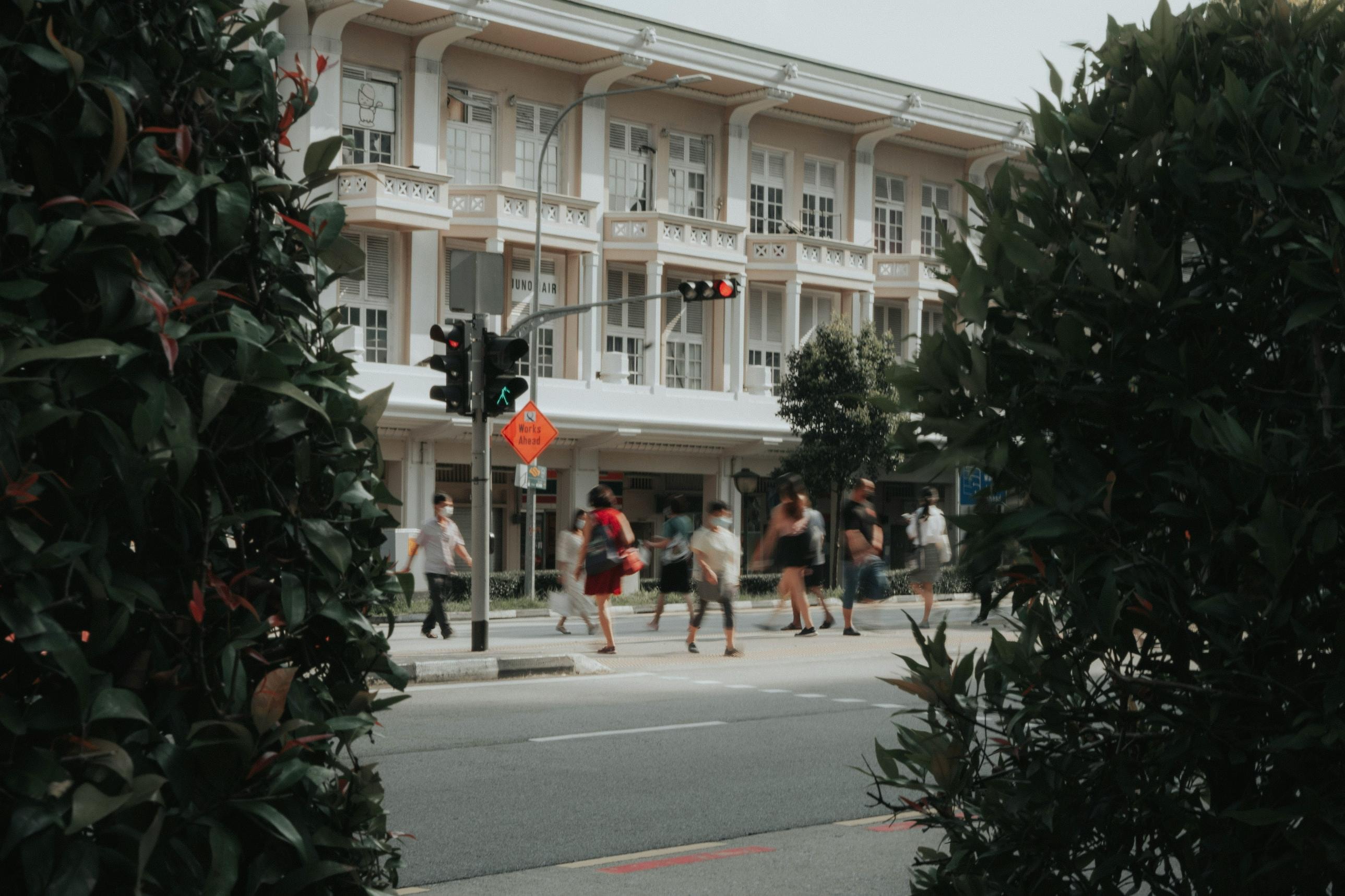
Visitors arriving at the Bras Basah Bugis heritage enclave are often captivated by the vibrant vicinity surrounding the temples and cultural landmarks. The entrances to the Chinese temples, such as the Kwan Im Thong Hood Cho Temple, are adorned with intricate statues and fragrant offerings of lotus flowers and joss sticks.. Along Waterloo Street and nearby Victoria Street, fortune tellers and flower vendors add to the lively street atmosphere, providing services that enrich the visitor experience and reflect the precinct’s deep-rooted cultural practices.
These entrances serve not only as physical gateways but also as spiritual thresholds where visitors transition from the bustling city into spaces of devotion and reflection. The National Heritage Board has played an essential role in conserving these landmarks and enhancing the overall visitor experience across the Bras Basah Bugis area.
“Bras Basah,” meaning “wet rice” in Malay, commemorates the 19th-century practice of drying rice along the Bras Basah River (now Stamford Canal). “Bugis” refers to the seafaring Bugis people from Sulawesi, Indonesia, who established a thriving trading village here. Many original shophouses and religious sites from their era remain, forming the foundation of a district that blends sacred tradition with modernity.
Waterloo Street Temples: Spiritual Heart of Bras Basah Bugis Heritage
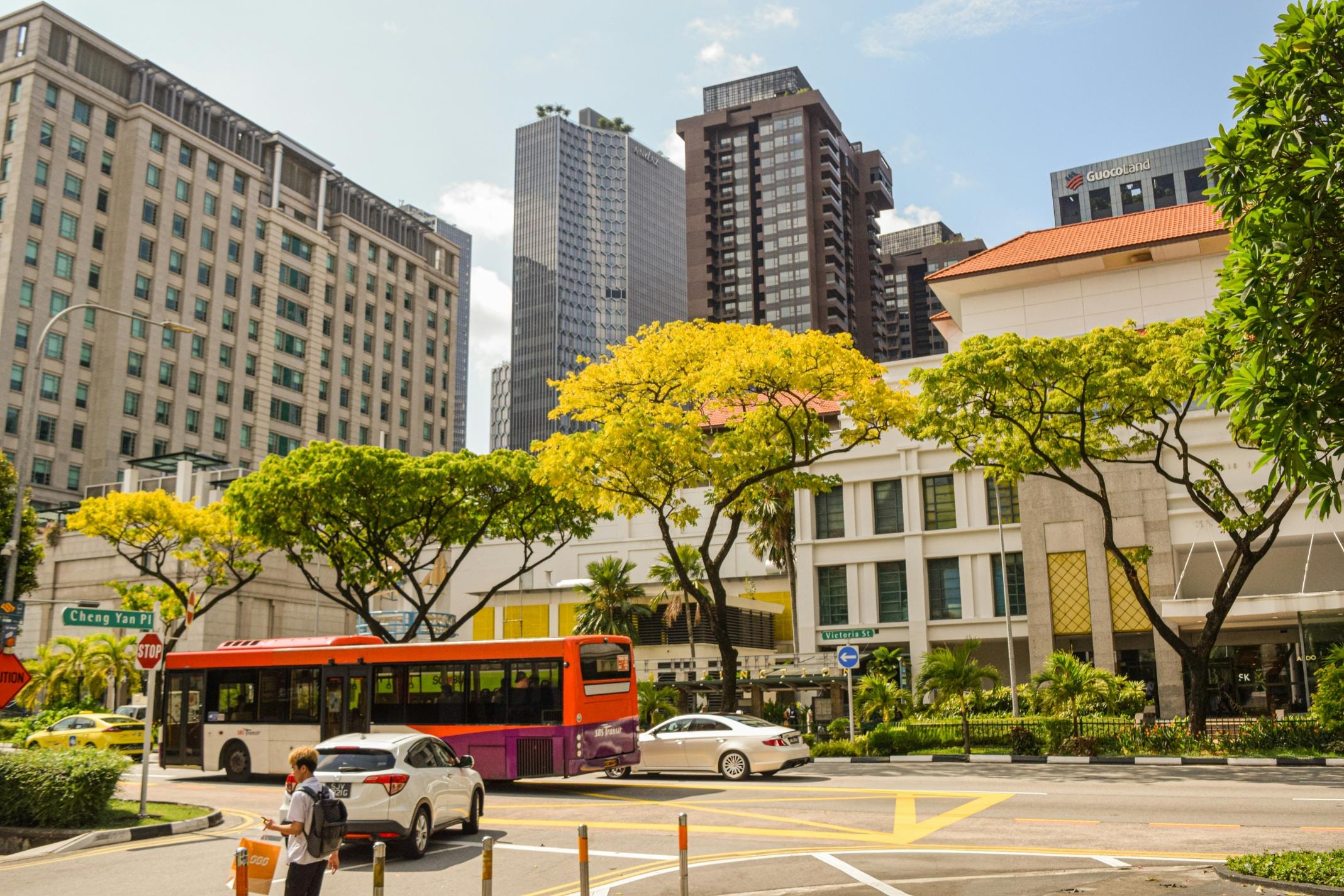
Walking through BBB reveals Singapore’s multicultural harmony which are iconic to the precinct’s spiritual and cultural identity:
-
Kwan Im Thong Hood Cho Temple: This historic Chinese temple honors Guan Yin, the compassionate Lady of Mercy, a revered goddess in the Chinese tradition. It is one of Singapore’s busiest Chinese temples, where many devotees offer prayers, light joss sticks, and present lotus flowers in a powerful display of devotion and culture.
-
Sri Krishnan Temple: Just steps away, this Hindu temple dedicated to Lord Krishna is significant to local Hindus. Many devotees visit both temples, reflecting the district’s spirit of religious coexistence. The pedestrian-friendly Waterloo Street supports these religious and social activities, with fortune tellers offering divination lots and flower vendors adding to its vibrant atmosphere.
Beyond Waterloo Street, other serene landmarks include:
-
Cathedral of the Good Shepherd: Singapore’s oldest Roman Catholic church, completed in 1847, featuring Palladian architecture.
-
Armenian Church: Consecrated in 1836, this neoclassical church offers peaceful gardens and commemorates the early European community, including Jews.
-
Church of Saints Peter & Paul: Built in 1870, known for its stained-glass windows, an important part of Singapore’s religious history.
-
CHIJMES: Originally a Catholic convent constructed in 1852, now a lively dining and entertainment hub, showcasing the district’s blend of heritage and modern use. Its rich CHIJMES history reflects this transformation, making it a key example of adaptive reuse in the arts district.
Visitors are encouraged to dress modestly and respect these living heritage sites.
National Museum and Creative Hubs in Bras Basah Bugis Heritage
Bras Basah Bugis heritage is deeply intertwined with Singapore’s cultural institutions that celebrate art, design, and history, making it the heart of the Singapore arts district:
-
National Museum of Singapore: Located on Stamford Hill, it is the country’s oldest museum, dating back to 1887. The museum offers immersive galleries narrating Singapore’s history through innovative technology and exhibitions that highlight the precinct’s rich heritage.
-
Singapore Art Museum Bras Basah: While its colonial-era buildings undergo renovation, SAM continues to showcase contemporary Southeast Asian art through exhibitions and public installations across BBB, keeping the arts district vibrant and dynamic.
-
National Design Centre Middle Road: Housed in a conserved convent on Middle Road, this centre highlights Singaporean design with rotating exhibitions on architecture, fashion, and visual arts, alongside a design shop and café. It stands as a testament to the district’s commitment to nurturing creative industries.
Victoria Street and Surrounding Cultural Experiences in Bras Basah Bugis Heritage
The district’s creative energy is fueled by premier arts schools and independent spaces nurturing emerging talent, contributing to the ongoing evolution of the Singapore arts district:
-
LASALLE College of the Arts & Nanyang Academy of Fine Arts (NAFA): Their campuses are architectural landmarks hosting vibrant LASALLE and NAFA exhibitions of student and faculty work, showcasing cutting-edge creativity and innovation.
-
Centre 42 theatre Singapore: An essential venue supporting new local writing and traditional arts, enriching the district’s cultural fabric with performances that celebrate Singapore’s diverse heritage and contemporary narratives. The Theatre Practice on Waterloo Street is another key space where many artists and performers bring the precinct’s heritage and modernity to life.
-
Objectifs Centre for Photography & Film: A non-profit space dedicated to photographic and film arts on Middle Road, contributing to the visual storytelling of the arts district.
The Textures of Street Life on Waterloo Street and Victoria Street
The spirit of the Bras Basah Bugis heritage thrives in everyday street scenes, where the district’s history and creativity intersect:
-
Waterloo Street: The main pedestrian artery is alive with fortune tellers offering divination lots, street florists selling lotus flowers and jasmine garlands, and buskers.
-
Albert Centre Market & Food Centre: A bustling hawker centre offering local favorites like yong tau foo, mee hoon kueh, and satay, also found at Lau Pa Sat and Boon Tat Street.
-
Bugis Street Market: A sprawling covered market with trendy clothes, souvenirs, and snacks, embodying the district’s multicultural vibrancy and historical diversity.
Nearby streets like Victoria Street, Boon Tat Street, and North Bridge Road each hold their own character—from traditional markets and heritage shops to restored shophouses. The National Heritage Board recognizes this enclave’s cultural significance, with the National Museum offering insights into its history.
In recent years, heritage buildings have been converted into galleries, museums, and creative spaces. The Theatre Practice on Waterloo Street exemplifies this blend, hosting performances and exhibitions celebrating Singapore’s cultural traditions.
The areas around Bras Basah Road and Bencoolen Street offer art galleries, street performers, and cafés nestled among heritage landmarks. As evening falls, cultural events and festivals enliven the streets, turning them into stages for Singapore’s artistic heritage.
The Guan Yin statue at Kwan Im Thong Hood Cho Temple stands as a serene symbol of mercy, drawing many devotees and visitors alike. Stories of temple creation, artisanal development, and worship practices are woven into the district’s fabric, inviting exploration and reflection.
Flavours and Finds: Shopping and Dining in the Singapore Arts District
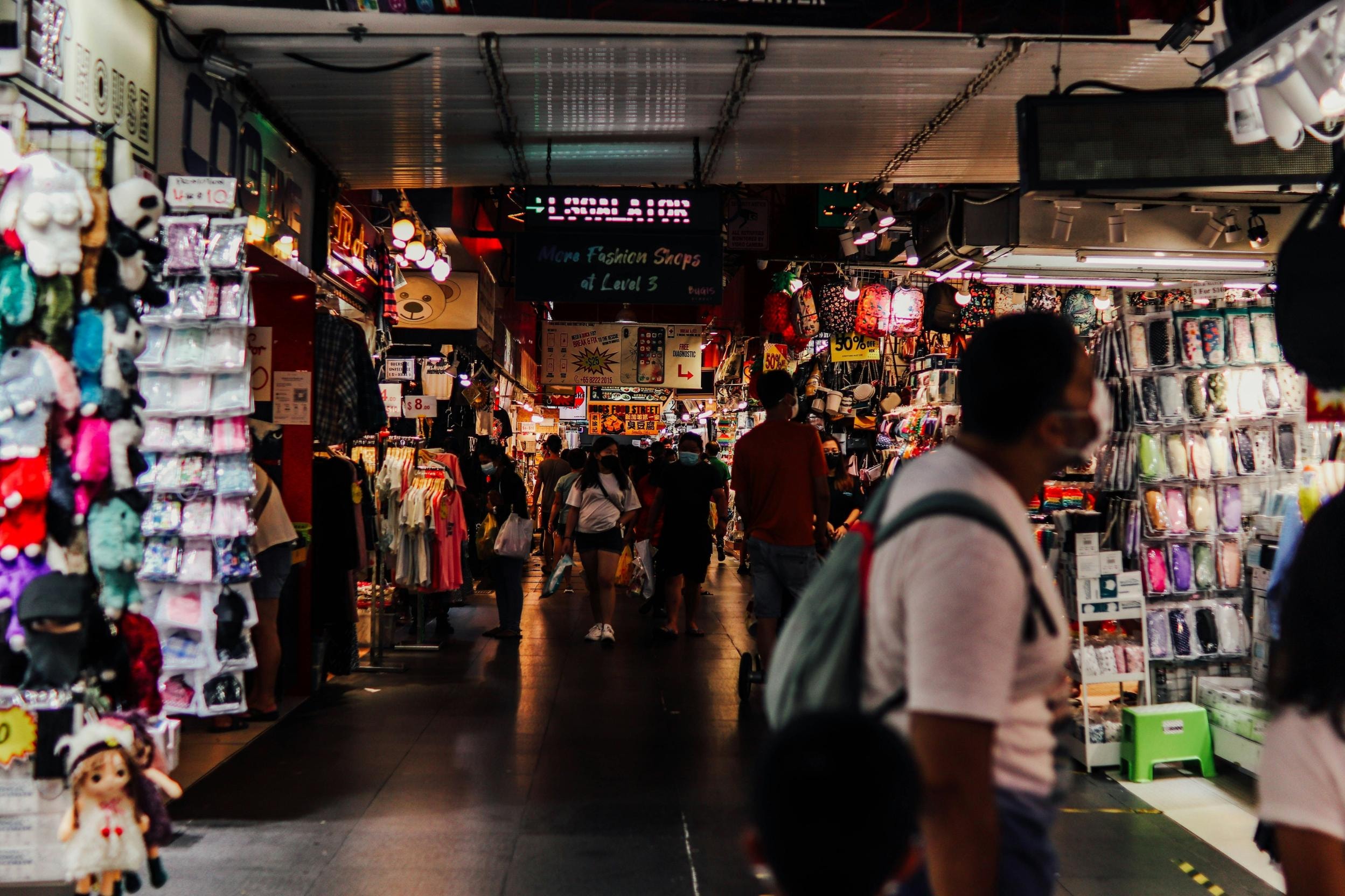
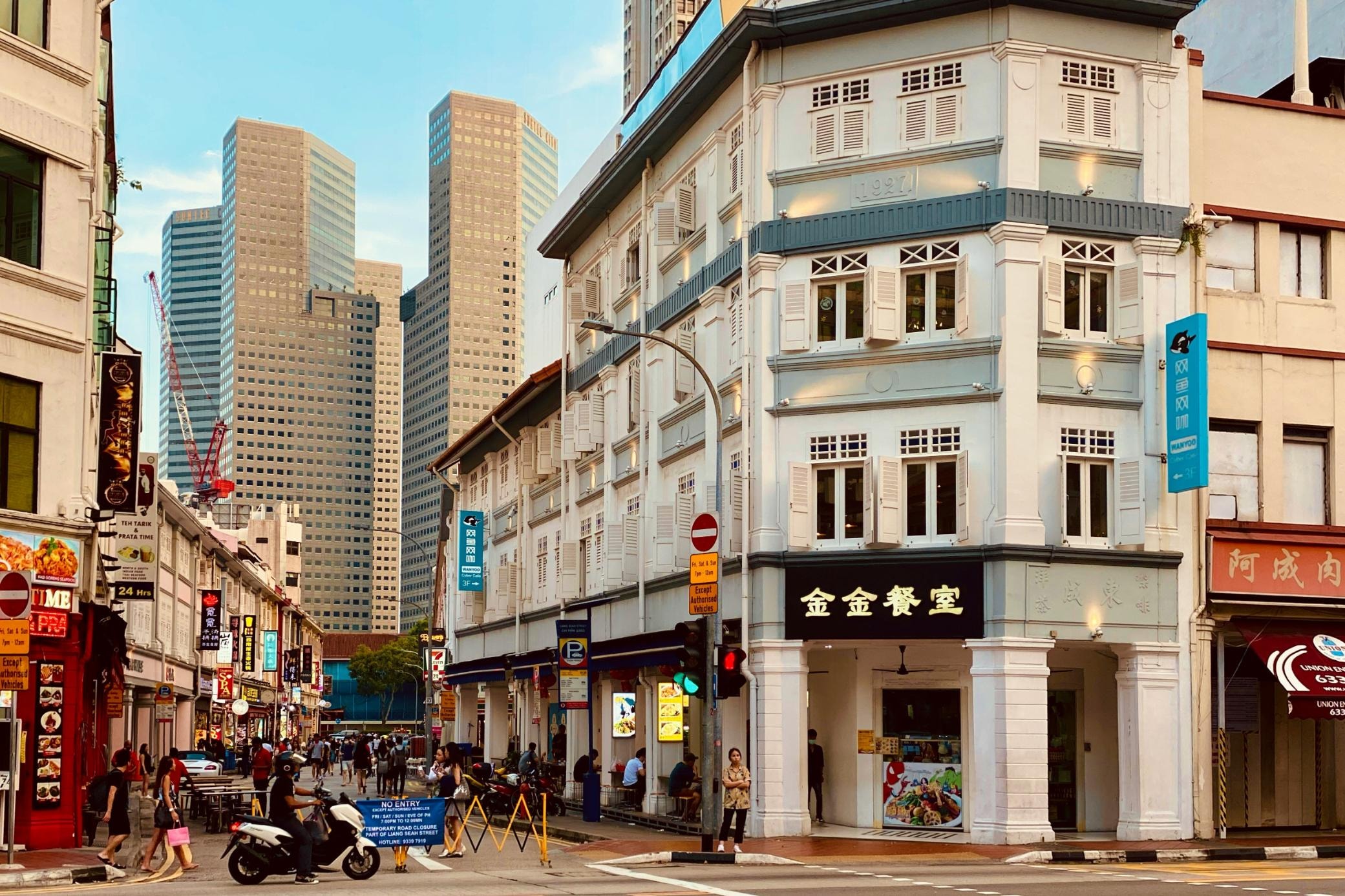
Bras Basah Bugis is a sanctuary where each street corner reveals discoveries, weaving Singapore’s heritage into contemporary rhythms. Along Waterloo Street, Victoria Street, Boon Tat Street, and North Bridge Road, visitors find a rich mix of traditional shops, lively markets, and modern eateries.
At Kwan Im Thong Hood Cho Temple, the air is suffused with the fragrance of burning joss sticks and fresh lotus blossoms, as devotees gather in reverence. Nearby, the Sri Krishnan Temple stands as living testimony to Singapore’s multicultural refinement. Fortune tellers offering divination lots complement flower vendors and traditional merchants, shaping the district’s character.
The National Heritage Board plays a vital role in preserving historic landmarks while nurturing new museums, galleries, and performance spaces. The National Museum offers insights into Singapore’s history, while contemporary art galleries invite exploration of the city’s evolving cultural tapestry.
Culinary connoisseurs will find diverse offerings—from traditional hawker fare to innovative fusion cuisine. Local Indian restaurants honor the Hindu community’s culinary heritage, while hawker centres serve satay and handcrafted noodles.
The arts permeate the district with quiet elegance, as galleries, studios, and venues like The Theatre Practice on Waterloo Street showcase creative vitality. Street art and murals add vibrant splashes to the urban landscape, while curated exhibitions and performances ensure there’s always something new to discover.
When the Sun Goes Down: The Singapore Night Festival Bras Basah
Every August, the precinct transforms for the Singapore Night Festival Bras Basah, with building facades becoming canvases for projection mapping, streets hosting interactive light art, and performances filling the night. This festival brings the spirit of BBB vividly to life, celebrating heritage and creativity with compassion and community spirit.
Preserving the Past: Conservation and Heritage Efforts in Bras Basah Bugis Heritage
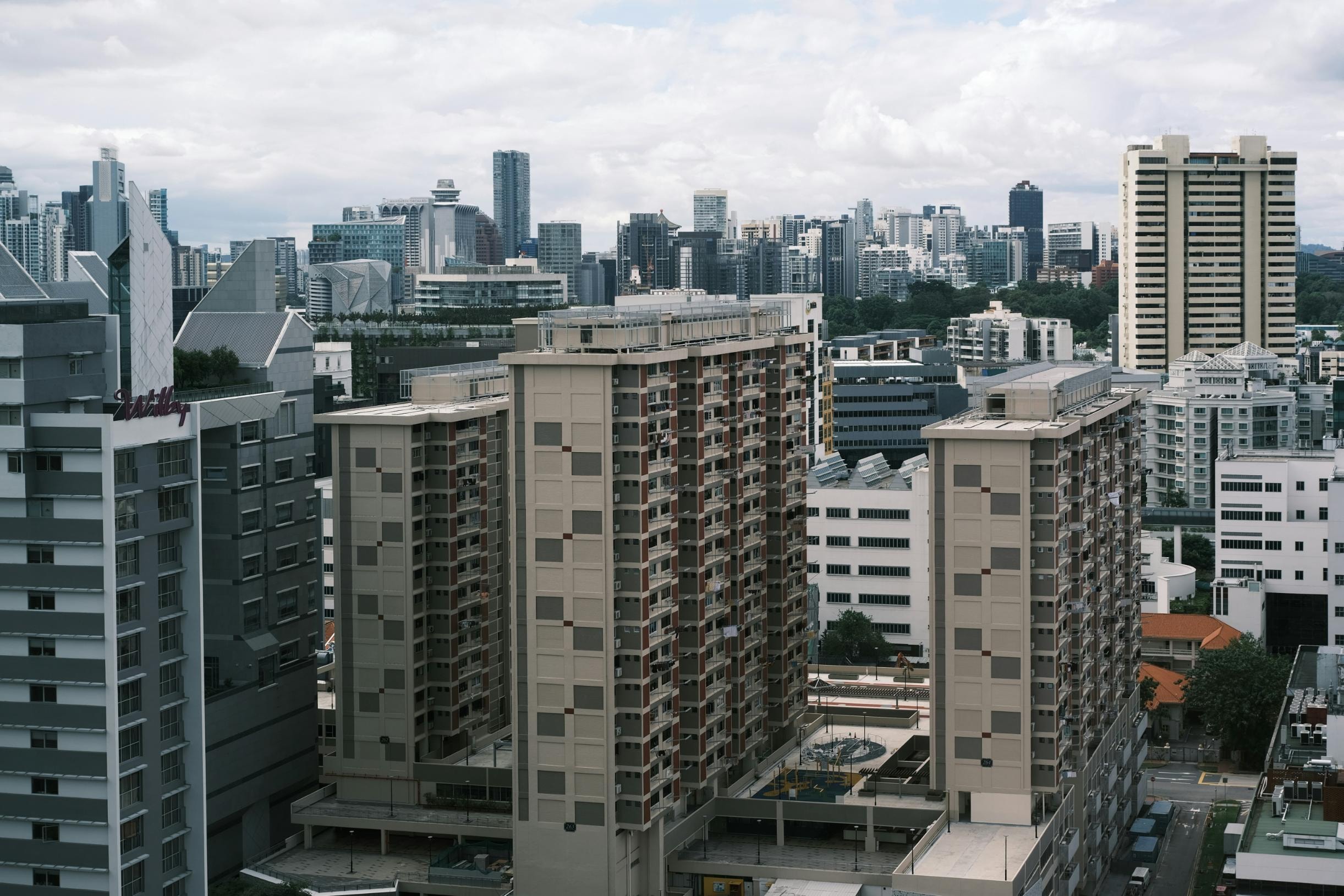
The National Heritage Board carefully preserves Bras Basah Bugis’s stories and architecture for future generations. The restoration of Sri Krishnan Temple honors its multicultural heritage, with vibrant sculptures and the fragrant atmosphere of joss sticks and lotus offerings.
Nearby, the National Museum’s galleries explore narratives spanning Waterloo Street, Victoria Street, and Boon Tat Street, highlighting temples, trade, and transformation. The Theatre Practice nurtures the district’s artistic soul through performances and workshops, while restored 19th-century shophouses create a harmonious streetscape of heritage and creativity.
As night falls, the Singapore Night Festival illuminates the precinct, with the Guan Yin statue at Kwan Im Thong Hood Cho Temple as a focal point of shared reverence. These heritage efforts, championed by the National Heritage Board and embraced by the community, have shaped Bras Basah Bugis into a sanctuary where Singapore’s past and present exist in harmony.
A Practical Guide to Exploring Bras Basah Bugis Heritage
-
Getting There: Easily accessible via Bras Basah (Circle Line), Bugis (East-West & Downtown Lines), Bencoolen (Downtown Line), and City Hall (North-South & East-West Lines) MRT stations.
-
Best Time to Visit: Weekday mornings for a quieter experience; afternoons and weekends for vibrant street life.
-
What to Wear: Lightweight clothing suited to Singapore’s tropical climate; modest attire for religious sites.
Your Invitation to Explore Bras Basah Bugis Heritage
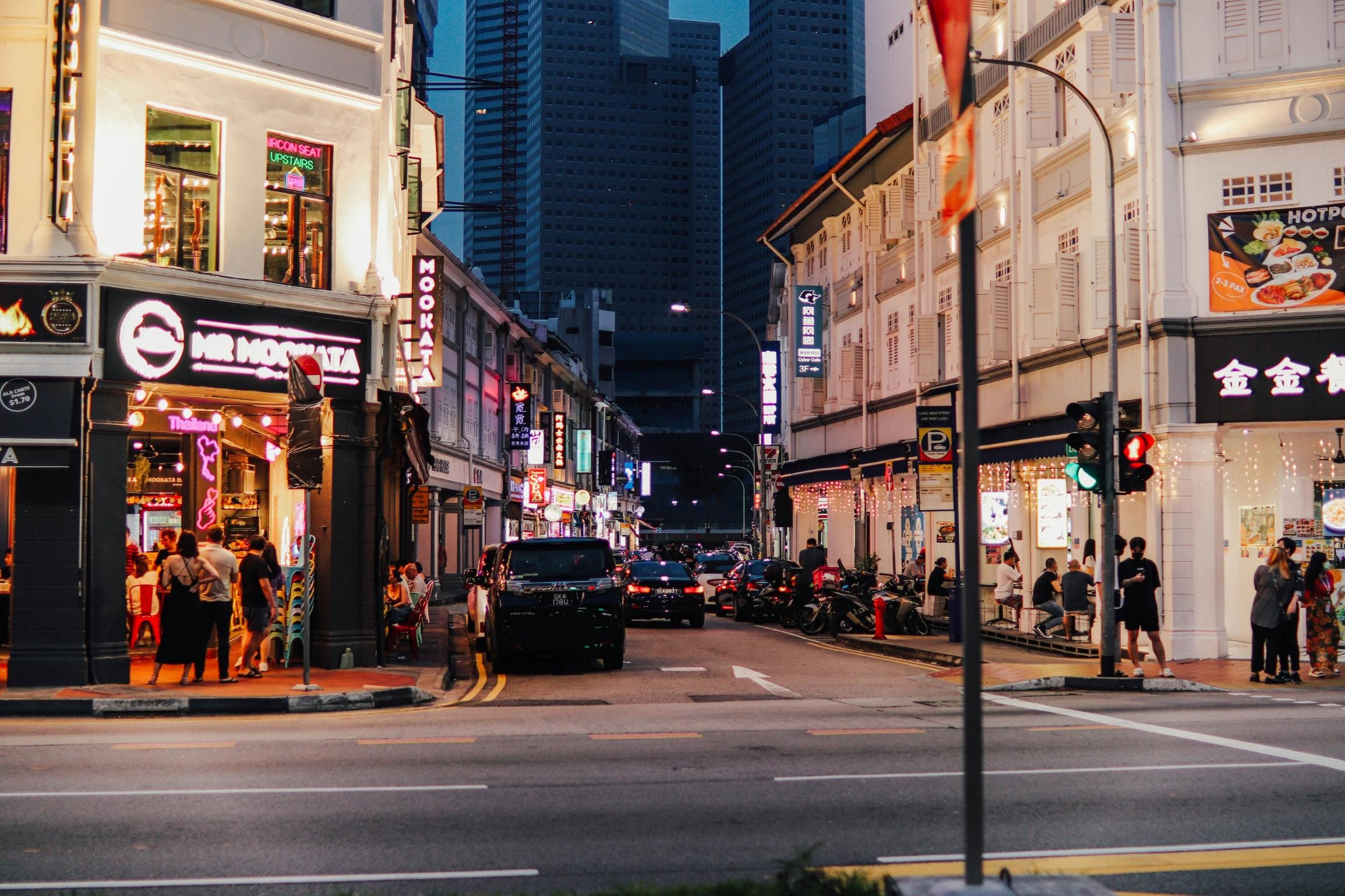
The Bras Basah Bugis heritage lives in the footsteps of devotees, brushstrokes of artists, and laughter shared at hawker centres. It invites you to discover and participate in Singapore’s arts district—a place where history, faith, and creativity converge.
Plan your visit, attend a theatre performance at Centre 42 theatre Singapore, and immerse yourself in the vibrant spirit of BBB. The experience will linger long after you leave its colorful streets.