
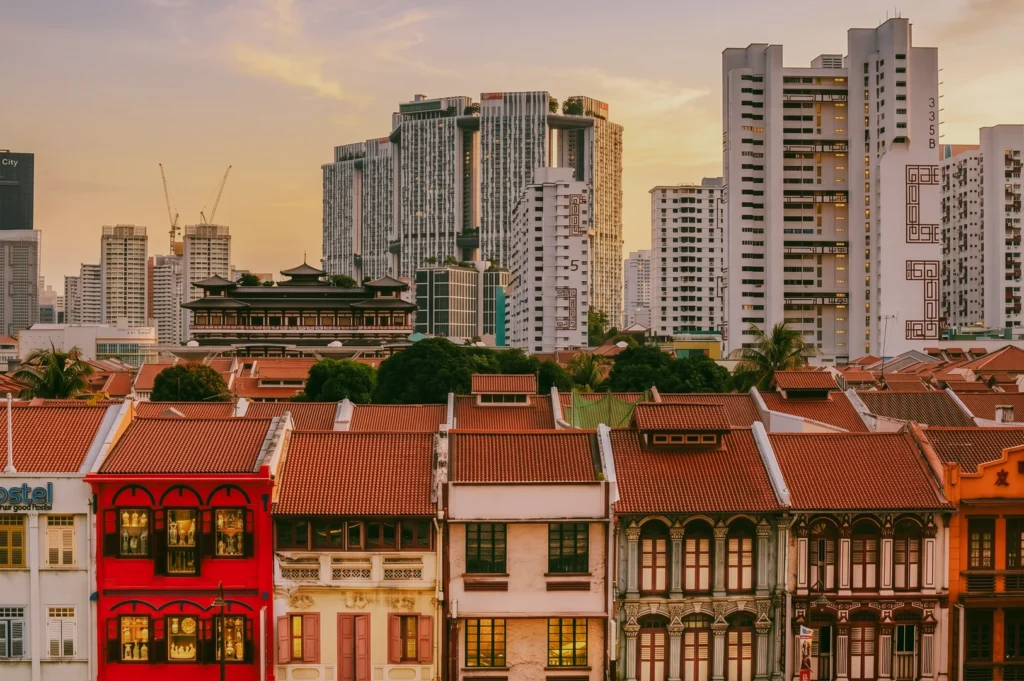
A familiar coffee shop may now be a café. A row of older shops might have been replaced by new businesses. Fresh paint covers walls that once carried decades of wear. New residents move in while longtime neighbours quietly move away. The physical landscape changes so gradually that we often do not notice it until one day we stop and realise the street no longer looks quite the way we remember.
Yet some places still feel unmistakably familiar.
This raises an interesting question: what actually gives a neighbourhood its identity?
It is tempting to think the answer lies in the buildings themselves. After all, architecture creates the backdrop for daily life. Markets, playgrounds, void decks, coffee shops, and shophouses become landmarks that help us navigate both the neighbourhood and our memories.
But buildings alone rarely explain why a place continues to feel like home.
More often, familiarity comes from the routines that survive change.
The uncle who opens his stall before sunrise. The morning walkers following the same route through the estate. The group of retirees gathering at the same coffee shop table every day.
The market that still grows busiest just after breakfast. Food is often one of the strongest ways a neighbourhood stays familiar — from the dishes we queue for to the ones we try making again at home. It is a connection Neighbourhood Life SG continues to explore through everyday local stories.
Even when businesses change or new developments appear, these everyday habits create a sense of continuity.
Memory plays a role too. Streets accumulate stories over time. Residents remember what stood on a corner before a new building arrived. They remember old neighbours, former shopkeepers, and places that no longer exist. Those memories become part of the neighbourhood itself, shaping how people experience the present.
We often find that neighbourhood identity is rarely defined by a single landmark or building. It is created through the relationship between people, place, and routine. It lives in familiar greetings, shared experiences, and ordinary moments repeated over many years.
Perhaps a neighbourhood never truly stays the same. Cities evolve, communities shift, and lifestyles change. What endures is not the absence of change, but the ability of people to carry forward certain traditions, relationships, and rhythms that give a place its sense of belonging.
The buildings may change. The businesses may change. The skyline may look different from one decade to the next.
But as long as people continue creating shared memories and everyday routines, the spirit of a neighbourhood remains surprisingly resilient.