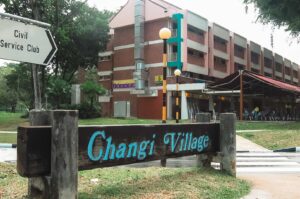
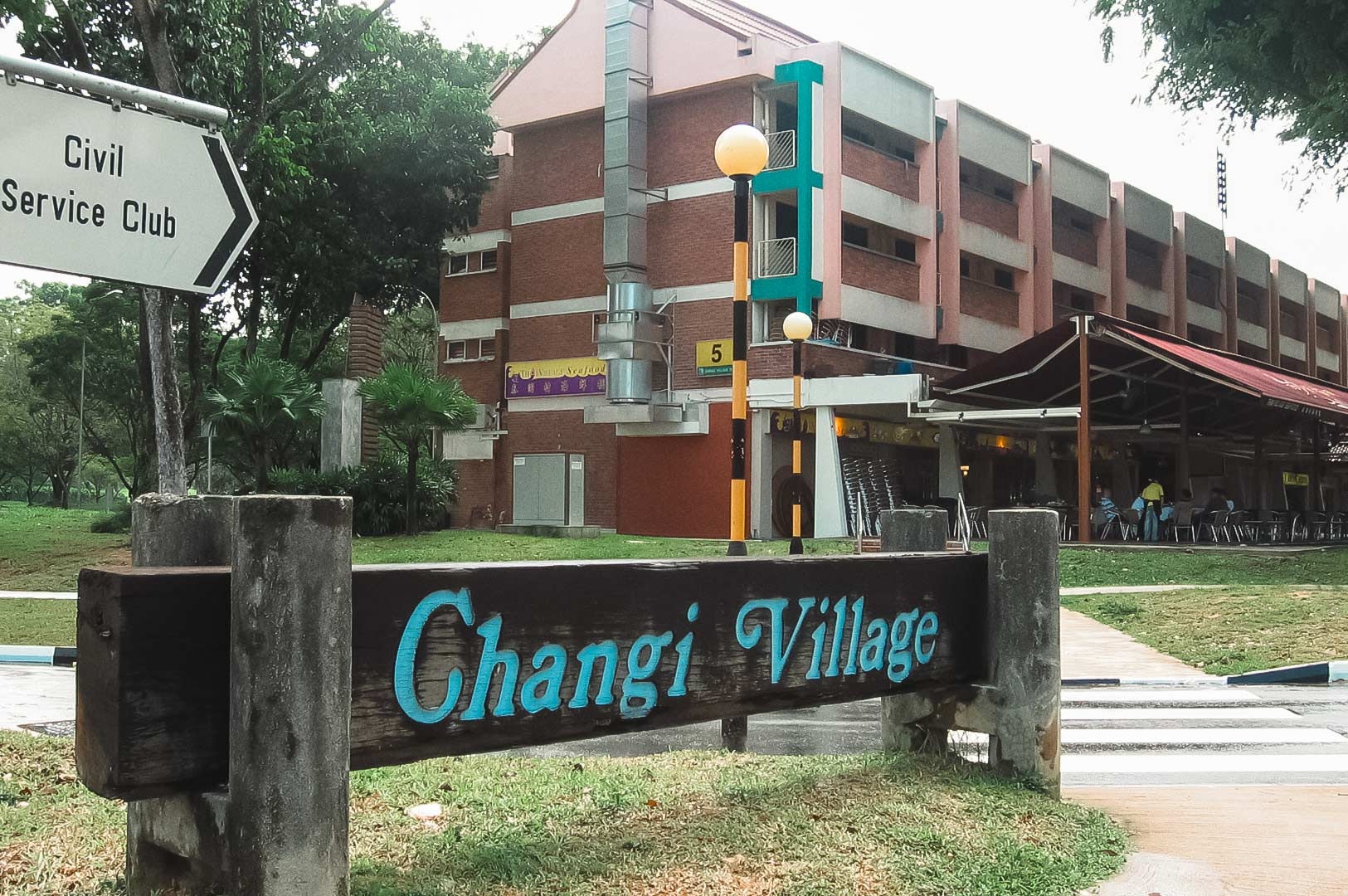
Singapore is often defined by its velocity. In the central arteries of the city—Orchard Road, the Central Business District (CBD), or the relentless connectivity of Bugis—the tempo is set by the tapping of transit cards, the changing of traffic lights, and the brisk pace of pedestrians moving between air-conditioned towers. It is a city of efficiency, verticality, and constant forward motion. Changi Village Singapore, located at the eastern end of the island, offers a distinct contrast to the city’s urban core.
Yet, if you travel east until the highway ends and the concrete softens into coastline, the island offers a different proposition. Here lies Changi Village, a neighbourhood that seems to operate in a time zone of its own. Over the years, the construction and redevelopment of Changi Village—including resorts, military facilities, and airport infrastructure—have shaped its unique character, setting it apart from the rapid development seen in the city centre. It is not merely a geographical location but a shift in atmosphere—a quiet corner of urban Singapore where the frantic energy of downtown dissolves into the salt air and rustic charm.
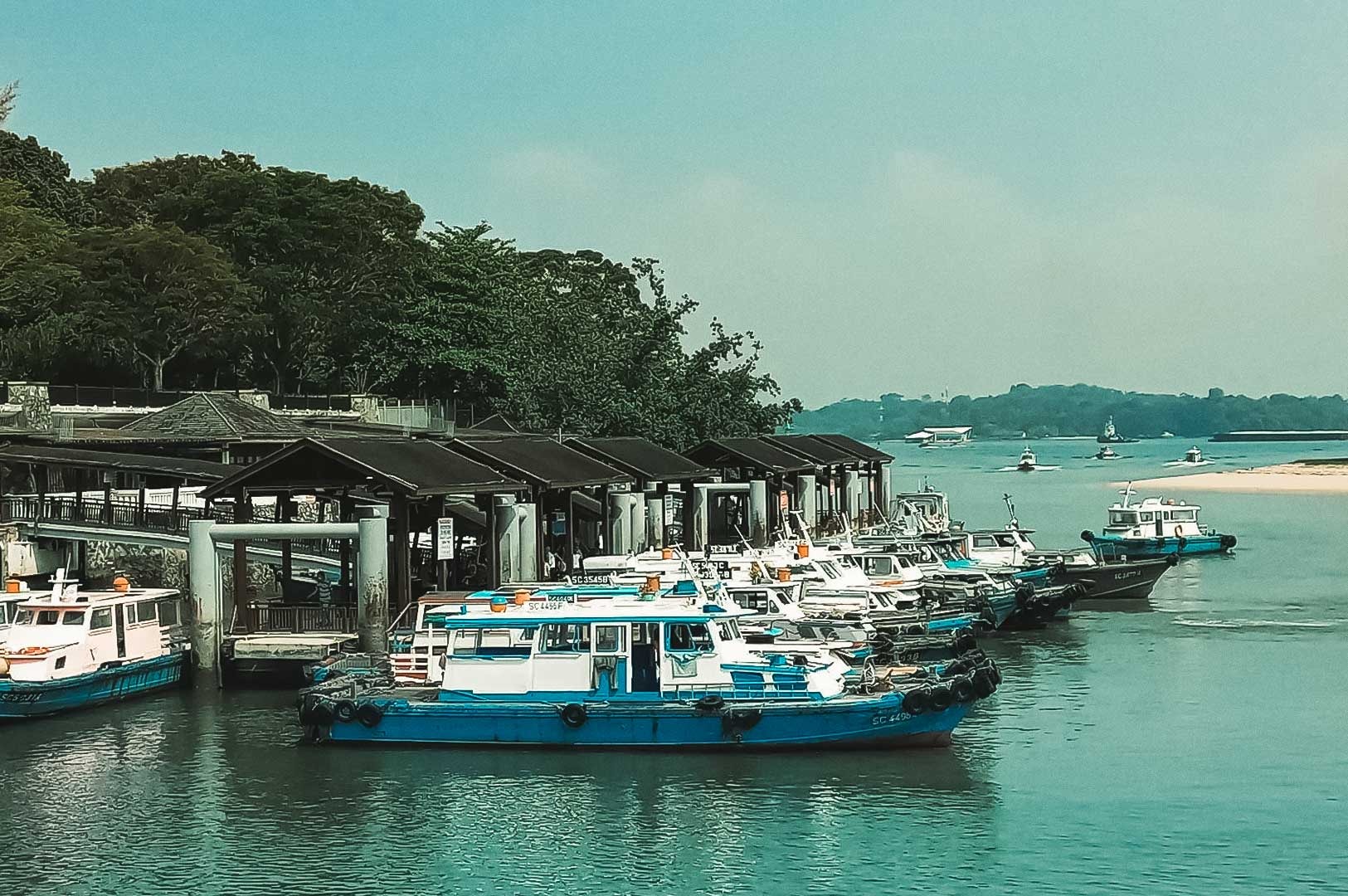
Changi Village stands as a counter-narrative to the standard Singapore story. While the rest of the nation rushes toward the future, this coastal enclave retains the memory of a slower past. It is a place where time is measured not by schedules, but by the tides, the arrival of bumboats at the Changi Point Ferry Terminal, and the leisurely drift of ceiling fans in open-air coffeeshops.
A Legacy of Leisure and Transit in Changi Village Singapore
To understand the current rhythm of Changi Village, one must look at its foundations. Unlike the planned precision of modern housing estates like Punggol or the commercial density of Jurong, Changi has always been a liminal space—a threshold between the land and the sea, the local and the foreign.
Changi Village began as a Kampong village and underwent significant redevelopment by the British in the 1890s. This period saw the construction and transformation of the area, laying the groundwork for its later evolution into a retreat and transit hub. The area’s laid back vibe and proximity to the coastline have made it a favourite getaway spot for locals and expats alike.
Historically, this area was a retreat. In the colonial era, it was a getaway for British officers seeking respite from the city’s heat. The architecture still whispers of this past, with black-and-white bungalows tucked behind rain trees along Changi Village Road, their wide verandas designed for idle afternoons. Even today, the village retains a transient, holiday-like quality. It is a place people go to escape, even if only for a few hours.
This identity as a transit point remains central to its character. As the gateway to nearby Pulau Ubin, the jetty at Changi Point Ferry Terminal is a hub of low-stakes movement. But unlike the intense efficiency of Changi Airport nearby, the movement here is unhurried. The bumboats wait until they have twelve passengers before departing. There is no strict timetable, only a communal agreement to wait. This patience permeates the entire neighbourhood, creating a psychological distance from the “on-demand” culture of the mainland’s core.
The Rhythm of the Coastline and Recreational Activities in Changi Village
Life in Changi Village follows a different cadence than the rest of the island. In residential neighbourhoods like Toa Payoh or Tampines, the morning rush hour is a frantic exodus. In Changi, the morning feels expansive. The area offers a variety of housing options, including condominiums, landed houses, bungalows, and terraced houses, catering to different lifestyles and preferences for tranquility or luxury. This diversity also attracts families and expats seeking easy access to international schools and a quieter lifestyle away from the city’s hustle.
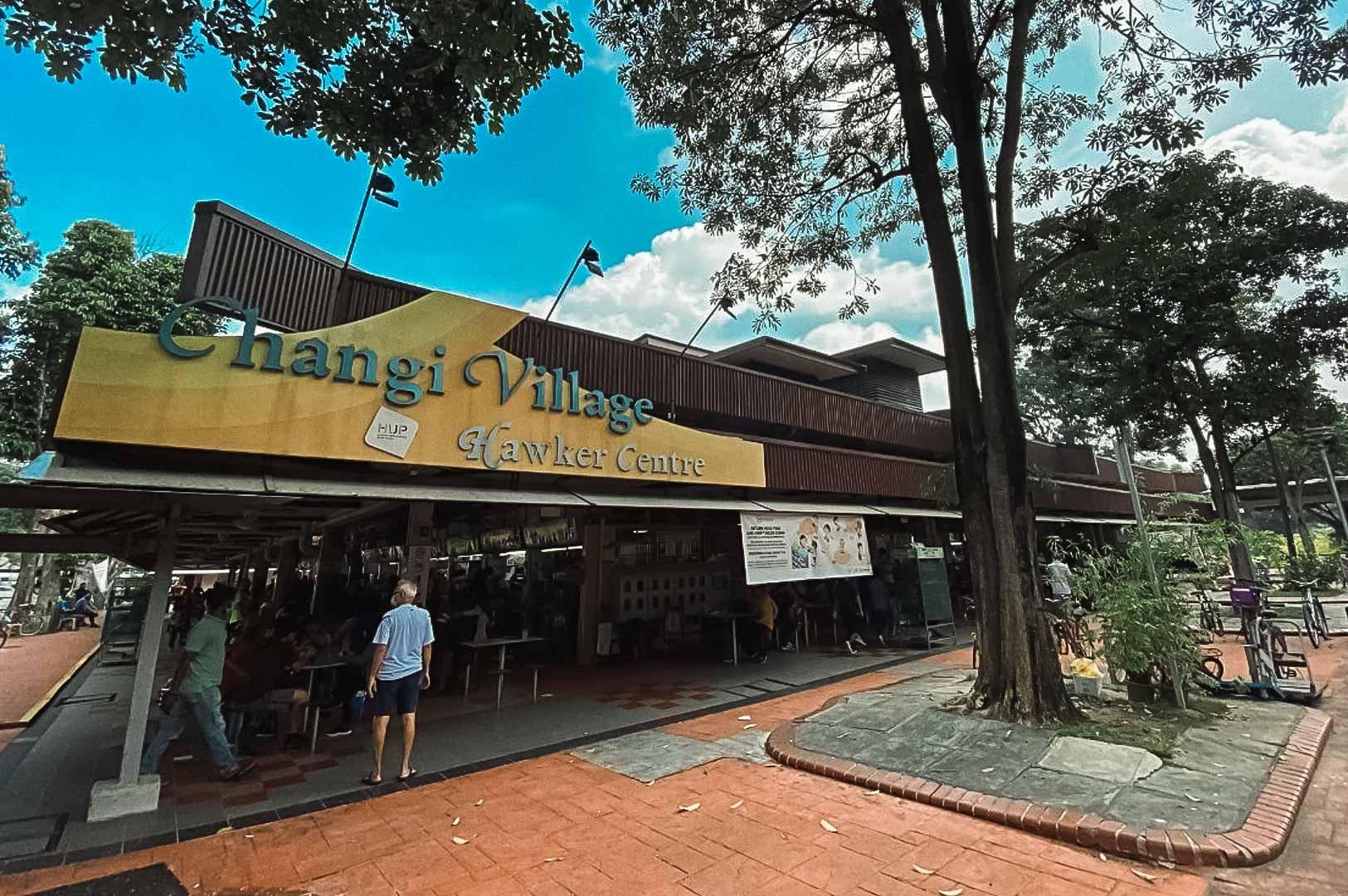
The day begins with retirees gathering at the hawker centre, not for a quick fuel-up, but for prolonged conversations over kopi. Cyclists roll in from the Park Connector Network, their arrival signaling the start of the leisurely weekend crowd. There is a palpable lack of urgency.
Changi Village is also a popular spot for families to gather on weekends for picnics with scenic views of the nearby islands and coastline, making it one of the best neighbourhoods for nature lovers in the east coast region.
Patterns of Daily Life and Culture in Changi Village Singapore
The lifestyle here is defined by open spaces and unscripted time:
The “Kampung” Spirit: While not a literal kampung, the social interactions mimic the village closeness of the past. Shop owners recognise regulars; tables are shared without hesitation; and the boundaries between private and public space feel more porous.
Outdoor Living: Unlike the mall-centric culture of central Singapore, life in Changi happens outdoors. People walk along the boardwalk, fish off the jetties, or sit under the massive angsana trees. The environment invites loitering in the best sense of the word.
The Weekend Shift: Weekdays are quiet, almost sleepy. Weekends bring a surge of visitors—families, NS men booking out, tourists heading to Pulau Ubin—transforming the village into a bustling, yet relaxed, destination, with attractions and amenities just a stone’s throw away.
Changi Village is a prime spot to explore and soak in its serene vibes, offering a laid back vibe that is worth exploring for those seeking respite from the fast pace of downtown Singapore.
Unpretentious Dining at the Changi Village Hawker Centre
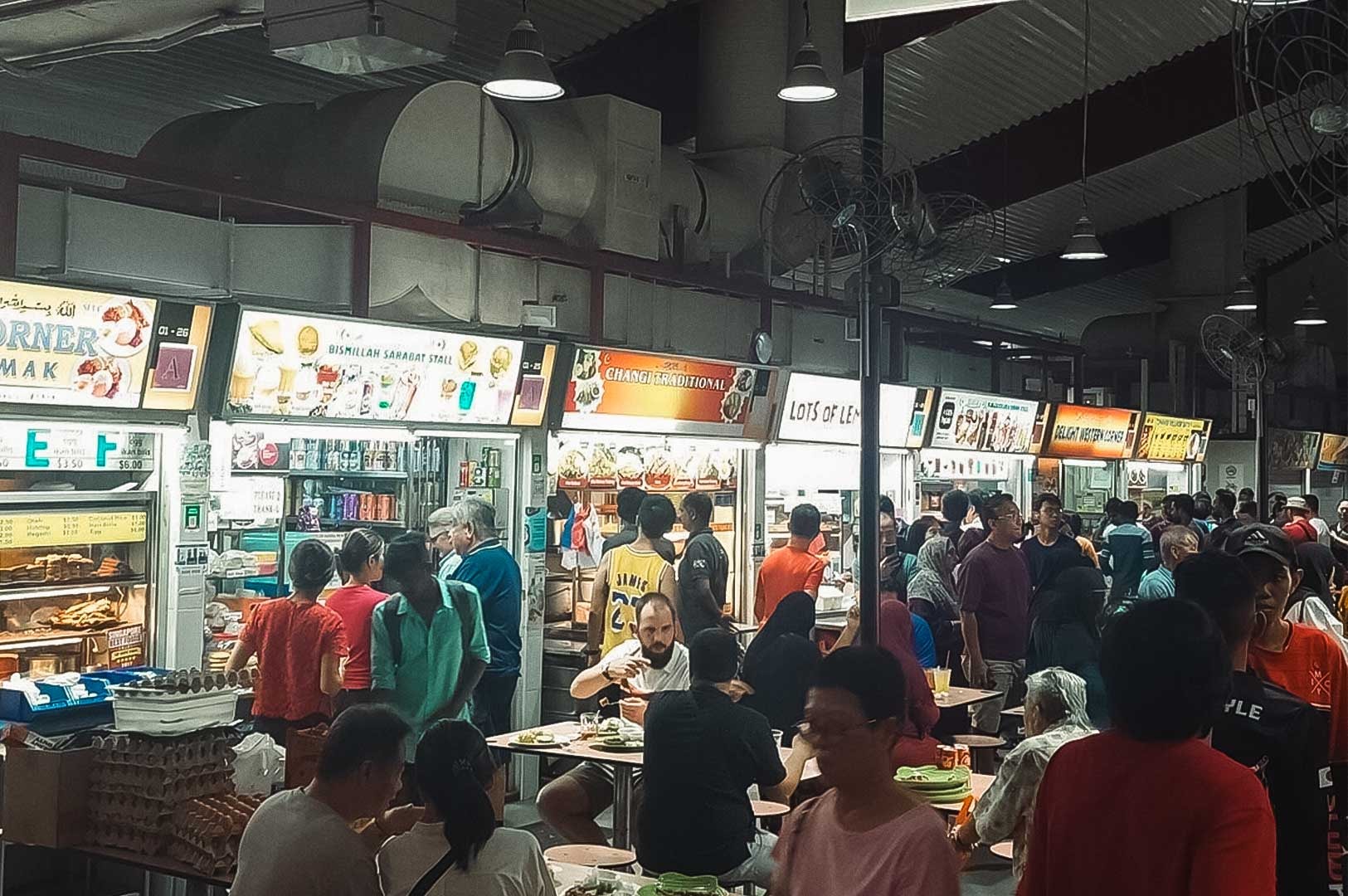
If the city centre is defined by Michelin stars, reservation policies, and concept dining, Changi Village is defined by accessibility and heritage. The food culture here is a direct reflection of its community: diverse, unpretentious, and enduring. Chinese cuisine is also well represented, with a popular Halal-certified spot in Changi Village known for its Dim Sum and Chinese-style seafood dishes.
The Changi Village Hawker Centre is the undisputed anchor of the neighbourhood. It operates not just as a place to eat, but as a social institution. The famous nasi lemak stalls command queues that would be frustrating elsewhere, but here, the waiting is part of the ritual. It is a communal pause.
Key Pillars of Changi’s Food Scene and Hawker Food Culture
Nasi Lemak Legacy: The competition between rival stalls is legendary, yet it drives a standard of quality that makes the village a pilgrimage site for this specific dish.
Supper Culture: In a city that is increasingly sleeping earlier, Changi Village remains a bastion of late-night dining. The vibe at 11:00 PM is often as lively as at noon, catering to night cyclists, shift workers, and friends seeking a place where conversations can run long into the night.
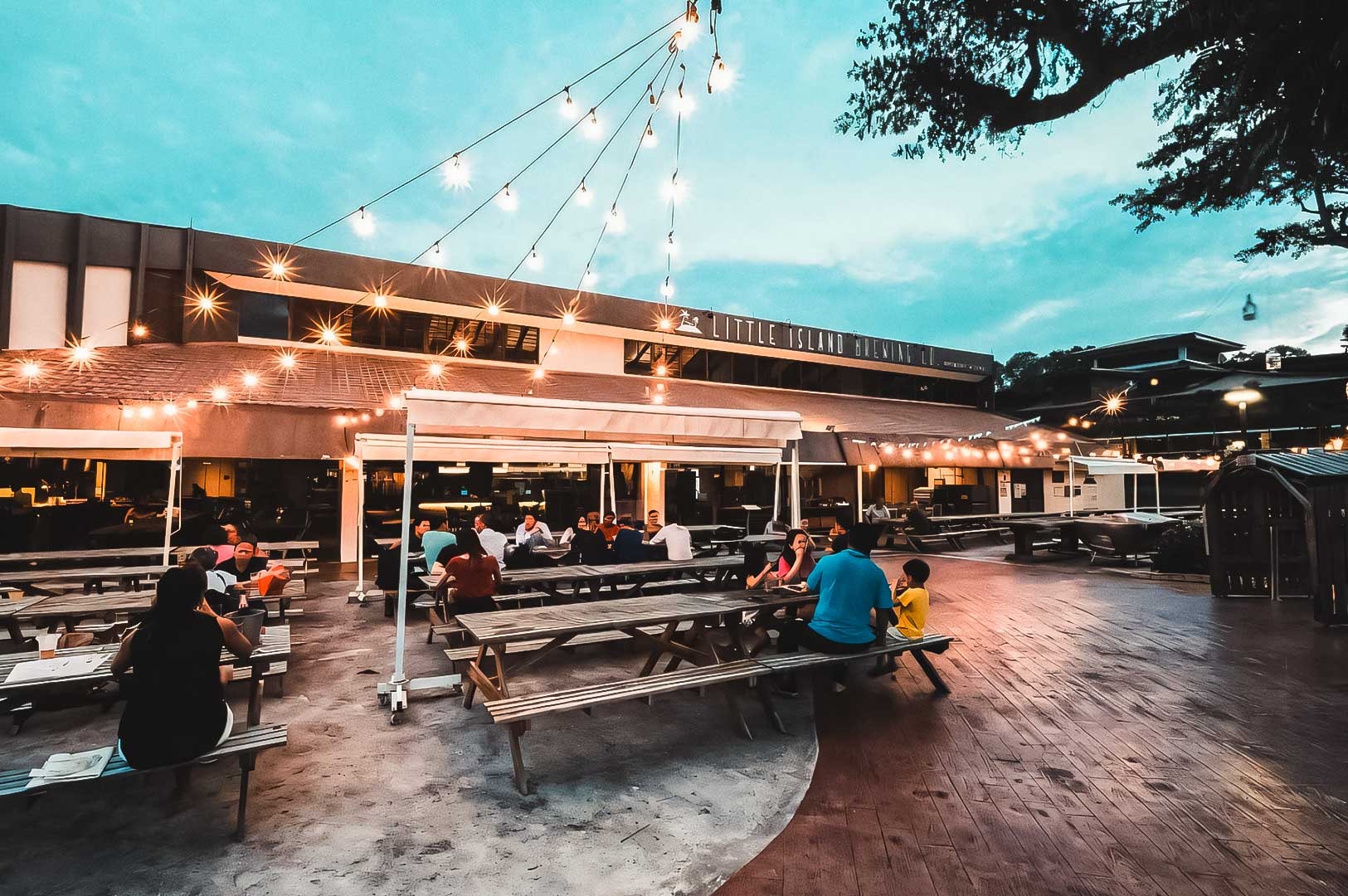
The Absence of Franchise: Notably, the area has fewer chain restaurants compared to typical neighbourhood malls. The aesthetic is dominated by independent operators, older coffee shops, and unique establishments like Little Island Brewing Co., which embraces the alfresco, laid-back setting.
This resistance to homogenisation is crucial. When you dine in Changi, you are not in “Anywhere, Singapore.” You are specifically, undeniably in Changi.
Nature as a Neighbour for Nature Lovers: Changi Coastline and Pulau Ubin
In bustling districts like Bugis or Tiong Bahru, nature is often manicured and contained—vertical gardens on skyscrapers or designated pocket parks. In Changi, nature is a dominant, untamed neighbour.
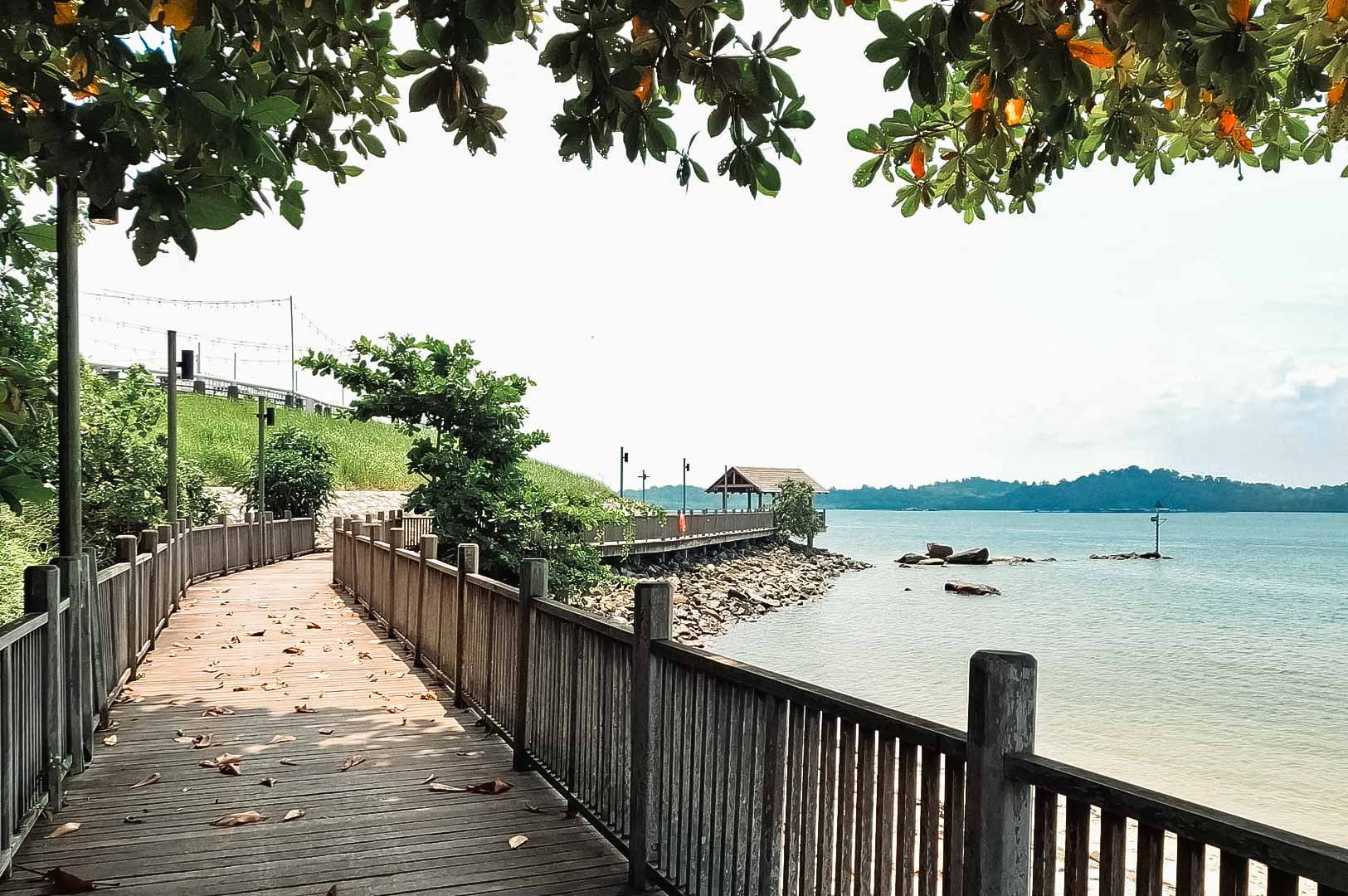
The coastline is not merely a backdrop; it dictates the atmosphere. The smell of the sea is ever-present. The sound of waves lapping against the boardwalk provides a constant, low-frequency soundtrack that lowers the collective blood pressure of the area. Changi Village is known for its scenic coastlines and beaches, which are popular with both locals and tourists. The area is also dotted with quaint cafes, offering a relaxing spot to enjoy the seaside ambiance.
The Changi Point Coastal Walk offers a tangible connection to the island’s edge. Unlike the engineered perfection of Marina Bay, the paths here wind through dense greenery and over rocky shores. You are likely to encounter wild boars, hornbills, and long-tailed macaques. This proximity to wildlife reinforces the sense that this is a frontier, a place where the urban grid has not fully conquered the landscape. The sheer amount of open sky—unbroken by high-rise HDB clusters—creates a sense of visual relief that is rare in high-density Singapore. Changi Beach Park is a popular location for family picnics and features a boardwalk for visitors to enjoy the scenery. The Changi coastal boardwalk is also a great place for jogging or walking while observing local wildlife.
For water sports enthusiasts, the People’s Association Water Venture in Changi Village offers kayaking courses and rentals, making it a hub for outdoor water activities. Adventure Paddlers at Ohana Beach House also provides kayak rentals and eco-tours to Pulau Ubin.
Changi Village serves as a starting point for bumboat rides to Pulau Ubin, where visitors can engage in off-road cycling and kayaking. Pulau Ubin is a rustic island with nature trails and the Chek Jawa Wetlands, offering a glimpse of Singapore’s natural heritage. It is also a prime spot for cycling, with bicycle rentals available for full-day use starting from S$15.
Historical Significance: World War II, Johore Battery, and Changi Village
Changi Village’s history is deeply intertwined with Singapore’s World War II heritage. The area was a strategic location for the British military, and the infamous Johore Battery, located just a stone’s throw away, stands as a full-sized replica of the British coastal artillery defense network.
The nearby Changi Chapel & Museum chronicles the history of POWs and civilians held captive by the Japanese during the war. The old Changi Hospital, built during wartime, and the Sook Ching massacre site at the adjacent Changi Beach Park further mark the region’s profound historical significance.
Transportation and Accessibility: Getting to and Around Changi Village
Positioned at Singapore’s eastern periphery, Changi Village occupies a distinctive space within the island’s urban geography—removed from the city’s concentrated energy yet remarkably accessible to both residents and visitors. The area’s proximity to Changi Airport creates patterns of arrival that reflect Singapore’s broader connectivity, where local exploration and international transit intersect with notable ease.
Public transport networks demonstrate the area’s integration within Singapore’s wider transit systems. The connection through Tanah Merah MRT station, followed by bus service 2 along Loyang Avenue, represents a common approach that traverses the east coast’s residential fringes before reaching the Changi Village Bus Interchange. This terminal’s position adjacent to the established Changi Village Hawker Centre reflects deliberate urban planning that prioritises immediate access to neighbourhood food culture upon arrival.
Additional bus connections from Tampines and Pasir Ris interchange points further illustrate the area’s embedding within eastern Singapore’s transport infrastructure. Road access via the East Coast Park highway establishes direct links to central Singapore and neighbouring eastern districts, while parking availability near the hawker centre and along Changi Village Road accommodates the family-oriented visitation patterns commonly observed in the area.
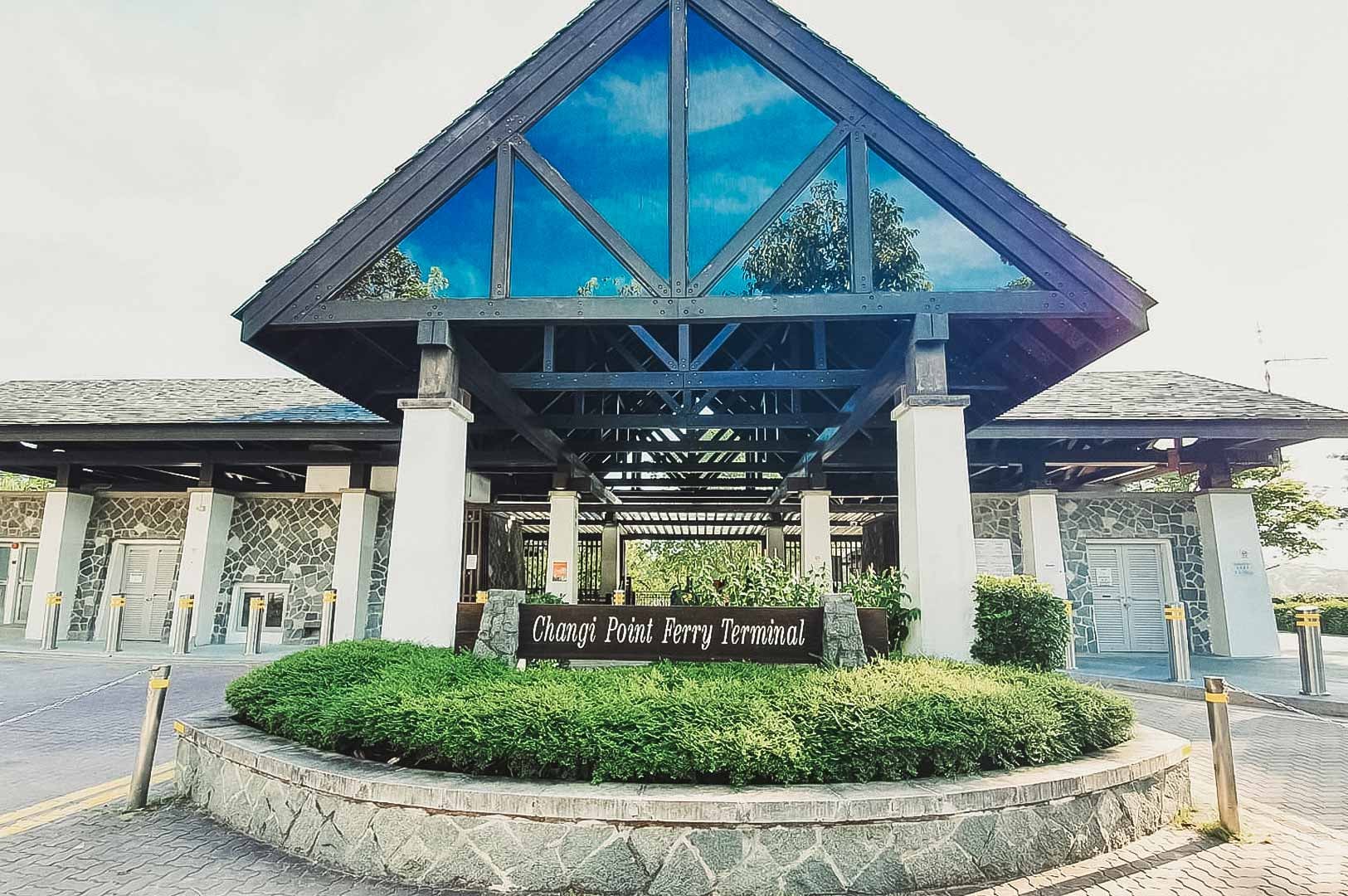
The maritime connection through Changi Point Ferry Terminal represents perhaps the most culturally significant access pattern. Regular ferry services to Pulau Ubin, operating at 15 to 30-minute intervals throughout the day, maintain a transport rhythm that connects urban Singapore to preserved natural landscapes. This cross-water journey exemplifies the area’s role as a transitional space between developed and undeveloped environments.
The neighbourhood’s accessibility patterns align with its established amenities and demographic composition. Local businesses, dining establishments, and recreational venues coexist with proximity to several international schools, creating an environment that particularly attracts expatriate families and residents seeking alternatives to central urban living. These elements combine to support both recreational visits and more sustained community engagement.
Across Singapore’s emphasis on systematic connectivity, Changi Village demonstrates how accessible locations can maintain distinct character while serving as bridges between urban development and natural preservation. The area represents a convergence point where different aspects of island life—metropolitan convenience, cultural authenticity, and environmental access—operate within a single neighbourhood context.
Changi Village vs. The Core: A Study in Contrast with Orchard Road, Holland Village, and Tiong Bahru
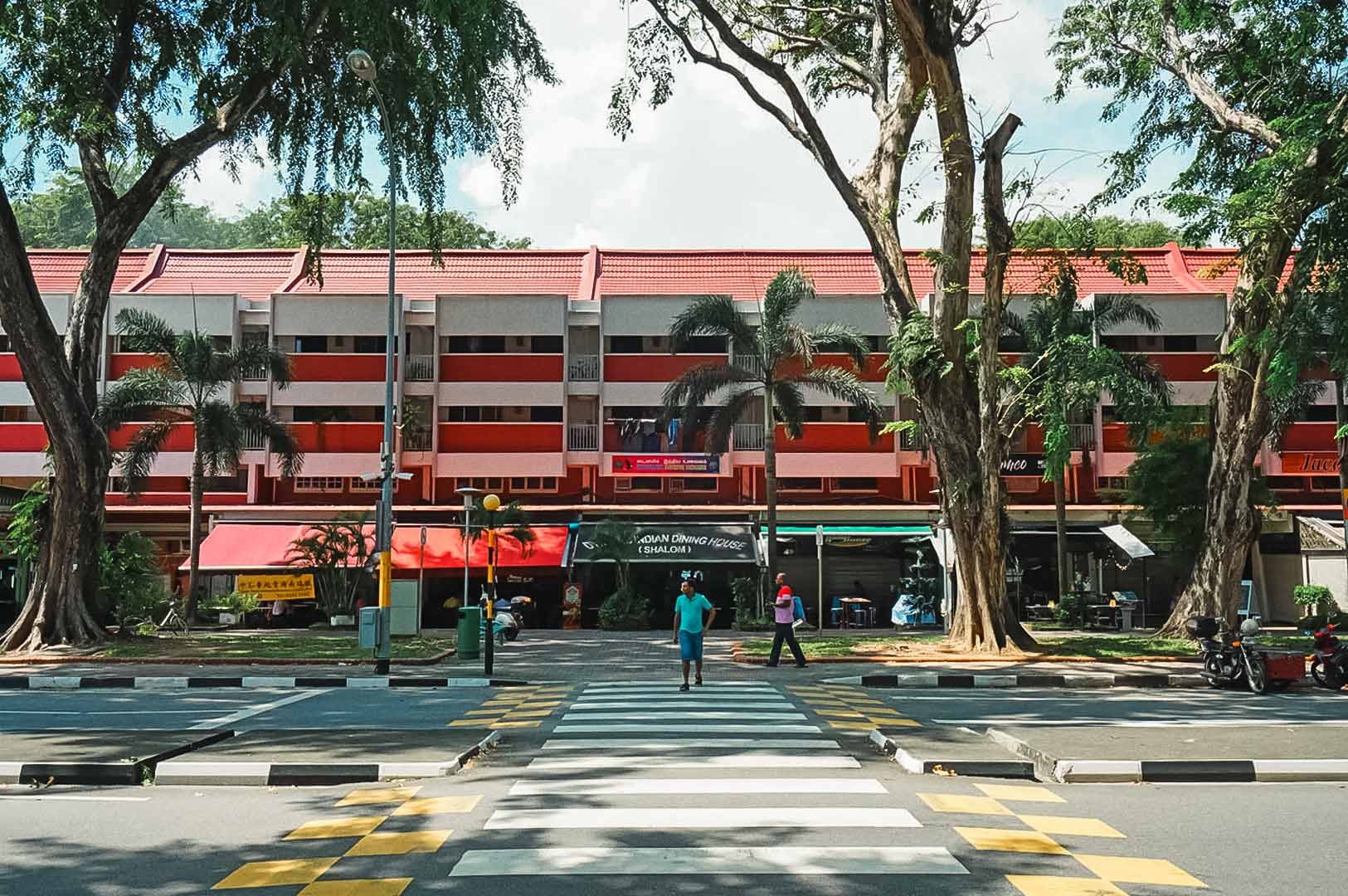
To fully appreciate Changi Village, one must place it in direct comparison with the urban core and other well-known neighbourhoods like Tiong Bahru and Holland Village. The differences go beyond aesthetics; they represent divergent values and ways of living within the same city-state.
Tempo and Density
The Urban Core: Defined by density and maximization of space. Every square foot is monetized or utilized. Movement is rapid, purposeful, and often solitary (earbuds in, eyes on phone). Areas like Orchard Road and Holland Village are bustling hubs with vibrant bars, shops, and restaurants.
Changi Village: Defined by horizontal sprawl and “negative space.” There are gaps between buildings. There are empty benches. Movement is meandering. People look up and out, rather than down and in.
Sensory Experience
The Urban Core: Air-conditioned, sterile, polished surfaces, the hum of traffic, artificial lighting.
Changi Village: Humid, textured, weathered wood and concrete, the sound of water and birds, natural sunlight filtering through rain trees.
Community Interaction
The Urban Core: Transactional. Interactions with service staff are efficient and brief. Neighbours in condos may barely know one another.
Changi Village: Relational. Interactions are often prolonged. The familiarity between stallholders and patrons suggests a long-term weaving of social fabric.
This contrast is essential for Singapore’s urban ecosystem. A city that is entirely “on” cannot sustain itself. Places like Changi Village act as the release valve, the necessary quiet that balances the noise of progress.
Why the Quiet Corners Matter in Singapore's Best Neighbourhoods
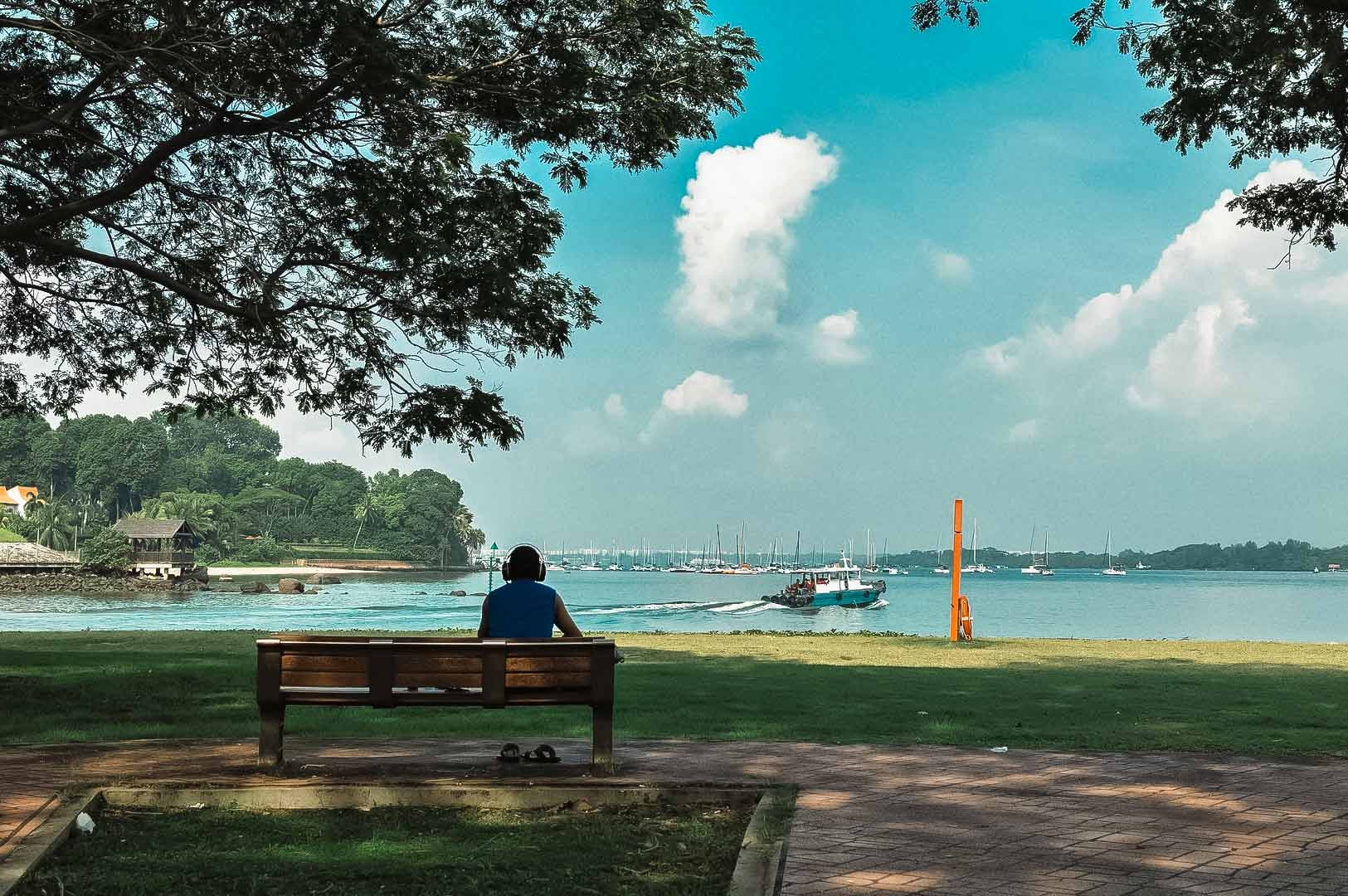
In the narrative of modern Singapore, the focus is often on transformation—the new skyline, the smart nation initiative, the next big development. It is easy to view places like Changi Village as relics, charming but increasingly irrelevant to the future.
However, the Neighbourhood Life SG Team observes that the relevance of Changi Village is actually increasing. As digital connectivity erases the boundaries between work and rest, the physical environment becomes the only true boundary left. We need places that physically enforce a slowdown.
Changi Village offers a form of resistance against the homogenization of experience. It proves that efficient urban planning does not have to mean the erasure of character. It demonstrates that a neighbourhood can be modern and functional while still retaining the soul of a kampung.
For the residents of the east, this is home. But for the rest of Singapore, it is a reminder. It reminds us that the island has edges, that the sea is still there, and that it is possible to sit with a cup of kopi for an hour and do absolutely nothing.
Conclusion: Discover Changi Village Singapore
Changi Village is not trying to compete with Orchard Road, Holland Village, or Tiong Bahru. It does not want to be the next lifestyle hub or the next central business district. Its power lies in its refusal to accelerate. It remains the quiet corner, the deep breath at the edge of the island.
As we navigate the complexities of urban living, paying attention to these quiet neighbourhoods teaches us about balance. It encourages us to find our own pockets of slowness within the rush. Whether it is the patience of a fisherman on the jetty or the dedication of a hawker stirring sambal, the lessons of Changi are subtle, but they are enduring.
We invite you to look closer at the neighbourhoods you pass through. Beyond the guidebooks and the famous food stalls, there are rhythms waiting to be noticed. Join us at Neighbourhood Life as we continue to document the quiet, the everyday, and the authentic stories that make up the real map of Singapore.