Step into any of Singapore’s vibrant hawker centres and you’ll instantly feel the rich tapestry of cultural diversity Singapore is celebrated for. Picture a bustling area, alive with the chatter of locals from many distinct ethnic neighbourhoods, the laughter of friends from different religious beliefs, and the delicious aromas of dishes inspired by China, India, Malaysia, and beyond. Here, a Malay family may be enjoying nasi lemak, while at the next table, Chinese immigrants converse in one of many Chinese dialects, and Indian friends enjoy freshly flipped prata. The city’s hawker centres, often next to trailblazing cultural landmarks like the Chinatown Heritage Centre, the Buddha Tooth Relic Temple, or the colourful shops of Little India and Kampong Glam, embody the everyday harmony woven into the island’s life.
This urban melting pot is globally renowned, not just as a crossroads of southeast asia but as a place where cultural centre is lived, not just visited. In Singapore, multiculturalism shapes everyday life, reflected in everything from food stalls and festivals to neighbourly exchanges. Neighbourhoods, whether in the cultural heart of Geylang Serai or the pastel HDB corridors of Jurong, are ongoing experiments in Singapore ethnic harmony. This article explores the present and past, showing how locals, visitors, and established communities together form a city where cultures, religions, and traditions are always in conversation.
The Foundation of Cultural Diversity Singapore
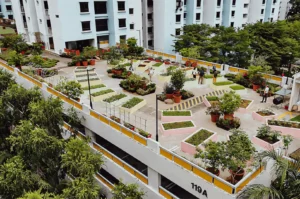
Singapore’s evolution into a beacon of cultural diversity Singapore in southeast asia was guided by thoughtful policies and a shared sense of destiny. After gaining independence, leaders like Lee Kuan Yew saw the importance of forging a multiracial society Singapore could truly call its own. The Ethnic Integration Policy (EIP), introduced in the 1980s, guaranteed that HDB estates—public housing home to the majority of Singaporeans—would mix different ethnicities evenly, organically weaving Chinese, Malay, Indian, and others into close daily contact. This visionary approach went far beyond politics, reconfiguring religious beliefs, traditions, and language on the ground, and shaping the nature of community, school life, and neighbourhood events.
By ensuring that people from a medley of religions and countries live as neighbours, Singapore has set a global standard for social peace. Rather than separate cultural enclaves, the nation’s distinct ethnic neighbourhoods exist in close proximity, leading to real-life understanding, shared histories, and traditions that cross cultural boundaries. In everyday life, walking past a mosque, temple, and church all within minutes is the norm—just as hearing a chorus of languages in the lift or at the market.
Everyday Life: Where Different Cultures and Religions Meet
The living, breathing cultural diversity Singapore enjoys is most visible in the vibrant everyday spaces across the city.
Hawker Centres and Food Courts: The Cultural Heart of the Island
Hawker centres are Singapore’s true cultural centre, where food becomes a language of harmony. Here, in the midst of colourful lights and the clatter of utensils, stalls run by Singaporeans of all backgrounds serve Hainanese chicken rice, spicy Indian curries, Malay kuih, and much more. You’ll see Indian, Chinese, and Malay diners happily sharing a table, with dishes from several cultures in front of them. At popular markets like Geylang Serai Market, locals and visitors alike sample food from across southeast asia, making the eating experience both an expression of tradition and a daily celebration of multicultural unity. Conversations across tables often blend official language with bursts of Singlish, itself a vivid product of different cultures, language mixing, and generations of shared space.
Community Spaces: Forging Unity Through Shared Practice
In the shade of HDB blocks or the leafy spaces of kampong glam, public spaces become venues for deeper understanding. You’ll witness children from different ethnicities and religions at play, malay people discussing festivals, or groups sharing snacks beneath the soft glow of festive colourful lights. Community centres act as learning hubs; cultural festivals, art, and even photography exhibitions rotate through these venues, drawing together diverse crowds for everything from cooking classes on tamil cuisine to lantern-making workshops for Mid-Autumn Festival.
Language: The Living Rich Tapestry of Singapore
Every Singaporean neighbourhood is a crossroads of language. Singlish—inflected by Chinese dialects, Malay, tamil, and more—is a living reminder of history, origins, and the mutual influence of country and community. In everyday life, people greet each other in a blend of English, Mandarin, or Malay, reflecting comfort with official language and the rich, layered heritage of the island.
Neighbourhood Spotlights: Vibrant Hubs of Cultural Fusion
Kampong Glam: A Cultural Centre of Malay Heritage and Modernity
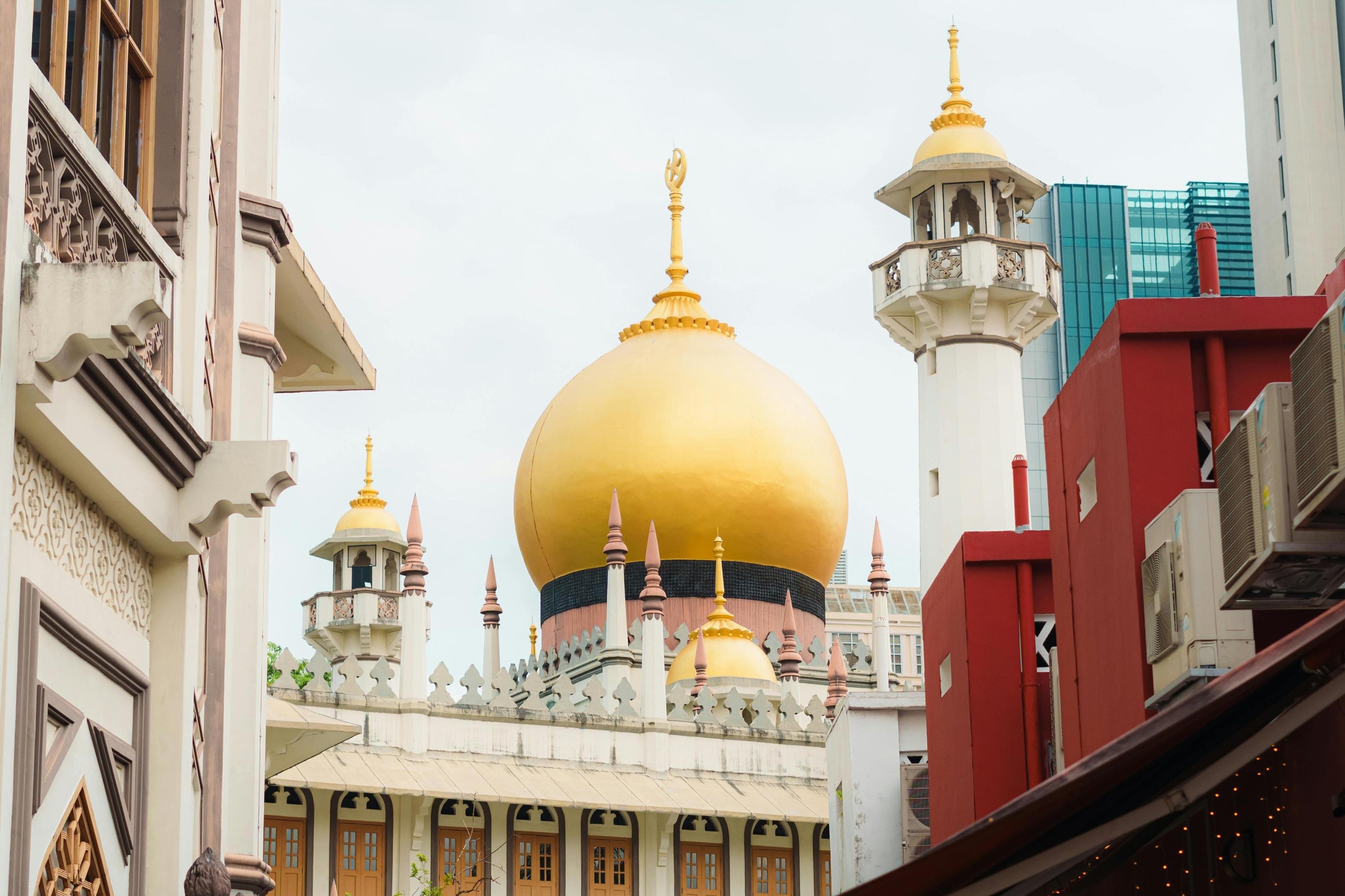
The lanes of Kampong Glam buzz with life, especially during religious and cultural events. The majestic Sultan Mosque and bustling Haji Lane stand beside lively shops overflowing with art, textiles, and crafts. As the city’s historic Malay Quarter, the area merges malay people‘s traditions—spiritual, culinary, and festive—with contemporary energy. During Ramadan, colourful lights and festive bazaars create a cultural heart where locals, artists, and visitors come together, deepening the community’s sense of belonging.
Little India: A Distinct Ethnic Neighbourhoods Jewel
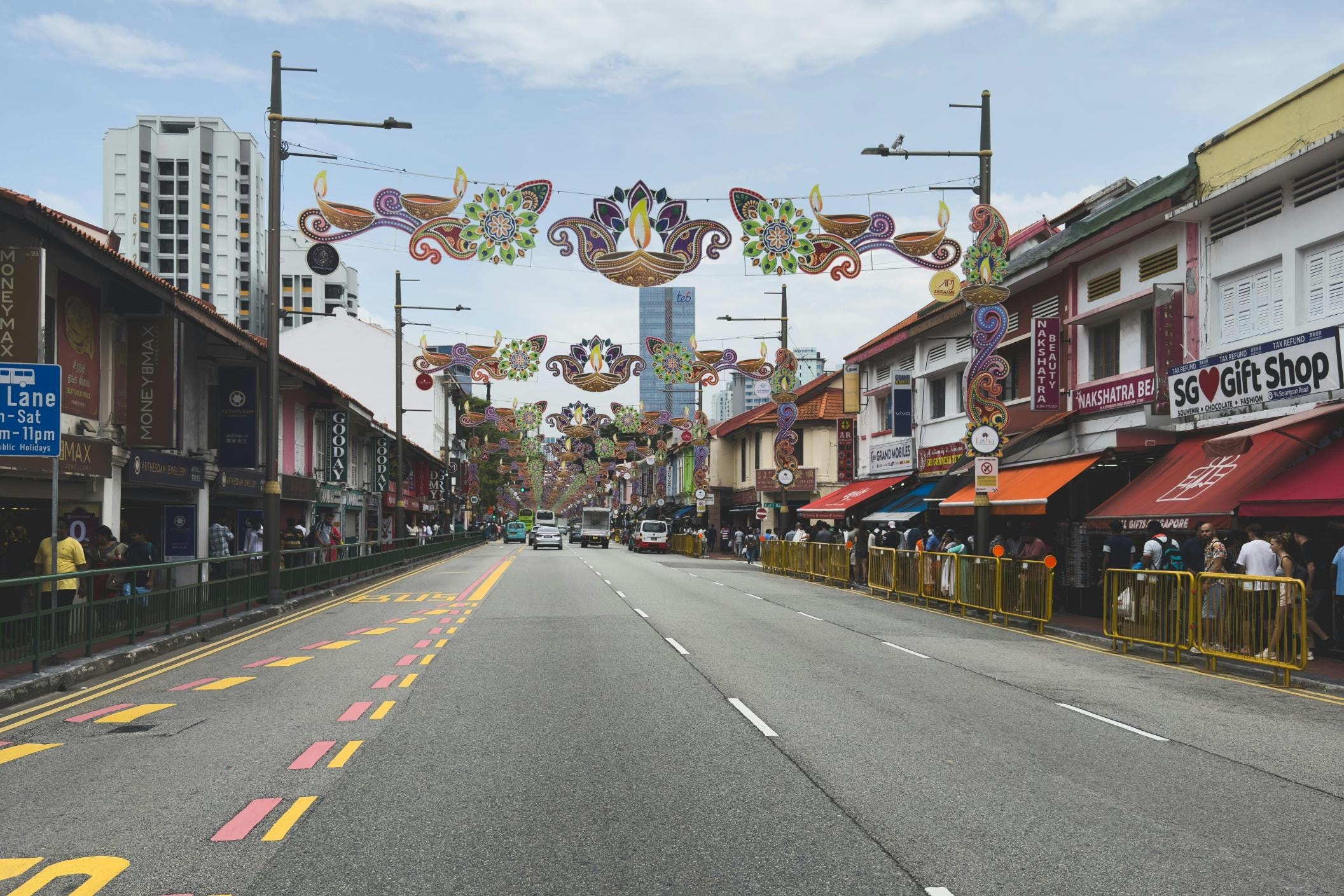
Little India is more than a district; it’s an all-sensory experience, alive with the aromas of jasmine garlands, incense, and curries, as well as the colourful facades of shops and temples. Sri Veeramakaliamman Temple and shops selling traditional attire stand alongside music stores blasting Bollywood hits. This bustling area isn’t just for the Indian community—malay and chinese families shop and eat here too. Visit during Deepavali to witness the streets transformed by illuminated arches and colourful lights—a celebration enjoyed by all, not just those of Indian descent.
Chinatown: Depth of Chinese Heritage, Open to All
Chinatown is a rich tapestry of past and present. The charming shophouses of chinatown heritage centre hold shop after shop, sharing the story of chinese immigrants—from china to the heart of singapore. The area’s iconic buddha tooth relic temple, the historic sri mariamman temple, and the Jamae Mosque, all within a stone’s throw, exemplify different religions living in peace and harmony. Cultural fusions echo not just in the food stalls, but in colourful festivals and photography events that preserve memory and inspire connection.
Geylang Serai: The Malay Melting Pot
Geylang Serai, at the island’s eastern edge, is steeped in the traditions of the Malay community. Visit geylang serai market to see malay vendors selling batik, kuih, and fresh produce, while Indian, Chinese, and even Western foods mingle in the surrounding food courts and markets. Hari Raya brings a special energy to this bustling area—from the festive colourful lights of its bazaar to open homes filled with friends of all backgrounds, reflecting Singapore’s true melting pot spirit.
HDB Heartlands: Singapore Ethnic Harmony in Action
In the HDB heartlands—Ang Mo Kio, Bedok, Jurong West—different ethnicities merge in the most natural ways. Here, the history, culture, and daily practice of integration show in families from multiple races living next door and participating in school, markets, and life together. These neighbourhoods are the real-life laboratory where the policies of the ministry and the work of schools come to fruition, giving rise to long-lasting bonds, traditions, and a truly Singaporean identity.
Festival Celebrations: Singapore’s Calendar of Harmony
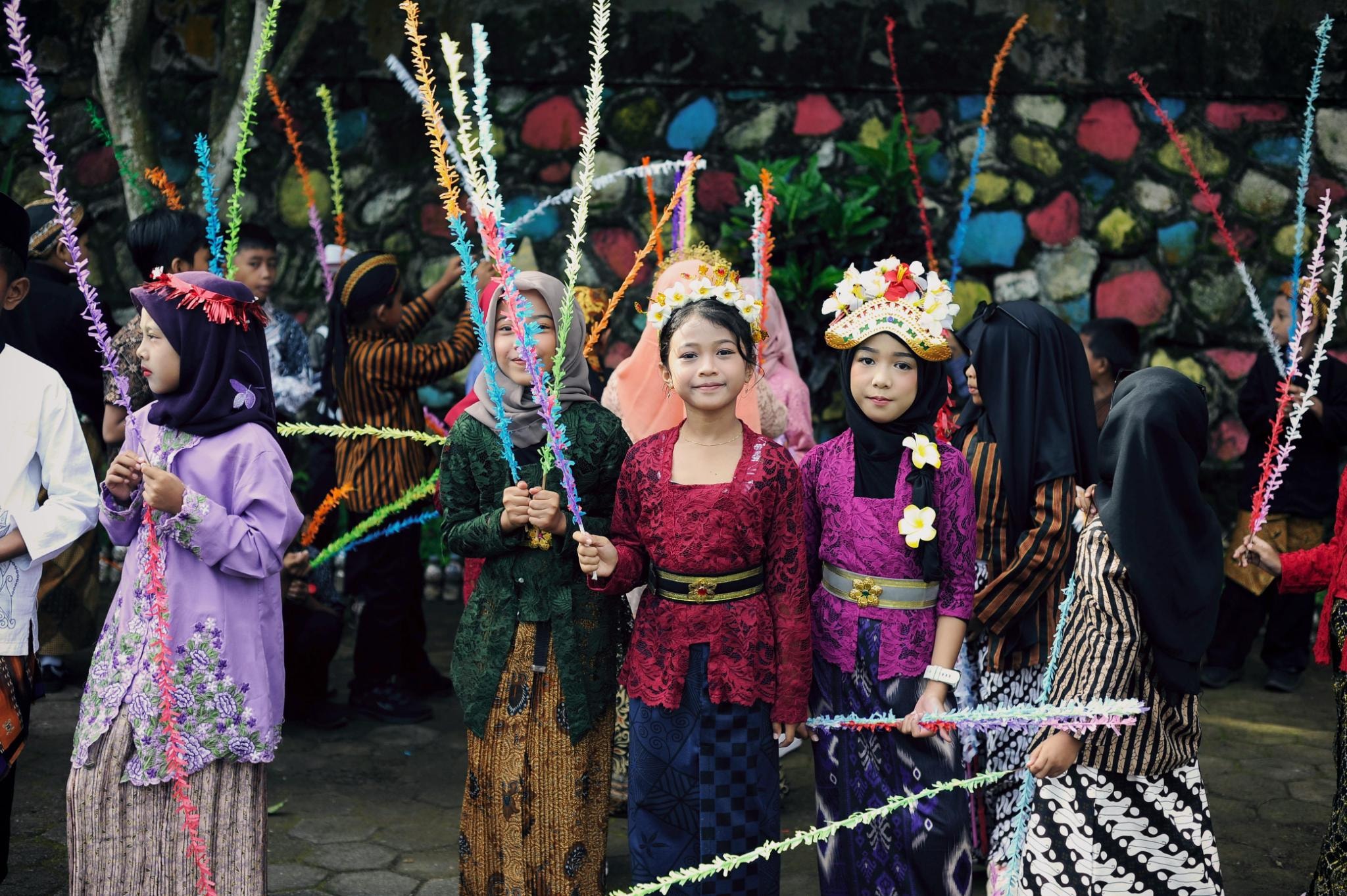
Singapore’s cultural diversity shines brightest during festivals, when traditions become community celebrations. During Chinese New Year, chinatown is washed in red, but open house invitations and special foods cross all boundaries. Hari Raya in kampong glam and geylang serai becomes a reason for the entire city to partake in the joy. In little india, Deepavali draws Singaporeans from every background to marvel at the colourful lights, share sweet treats, and learn about Hindu traditions. And at Christmas, Orchard Road glows with inclusive festivity that embraces christmas as a moment for different religions and individuals to come together. These shared events reinforce the sense of unity and friendship at the heart of the nation.
Food: Singapore’s Living Heritage and Cultural Exchange
Singapore’s hawker centres are living museums of culture, cuisine, and innovation. The famous “laksa wars” or the debate over the best chicken rice are more than food talk—they’re reminders of how flavours, techniques, and beliefs travel between malay, chinese, and indian communities. Markets such as Geylang Serai Market and food stalls in chinatown or little india let Singaporeans and visitors sample dishes that blend ingredients, preparation methods, and heritage.
Halal Chinese food, roti prata at kopitiams, or vegan renditions of traditional dishes reflect both the adaptability and the shared nature of food on the island. It’s in every bowl, every recipe handed down, that food becomes a daily, delicious form of cultural fusion Singapore excels at.
This blending of heritage and everyday dining tells a larger story about how food shapes belonging in Singapore. For a deeper reflection on how cuisine mirrors identity across communities, read more here.
Educational and Social Programs: Strengthening the Cultural Centre
Singapore’s schools, from the kindergarten to the JC, teach the importance of multicultural understanding. Art competitions featuring malay, indian, and chinese legends, school events celebrating major festivals, and language lessons in tamil, Malay, and Mandarin foster mutual understanding early. Community centres serve as anchors of learning, offering heritage workshops, religious study, and practical skills, while the ministry and local groups organize interfaith dialogues to deepen peace and harmony.
Guided heritage trails allow locals and visitors to learn about chinatown’s origins, the significance of buddha tooth relic temple, or the evolving role of kampong glam. These efforts ensure that each generation carries forward the knowledge, pride, and openness that fuel Singapore’s continuous success as a multicultural nation.
Challenges and Continuous Progress in Multiracial Society Singapore
Maintaining cultural diversity Singapore is proud of takes constant effort. As new waves of immigrants arrive, as global trends shift, and as religious beliefs, language, and politics evolve, Singapore must keep nourishing the spirit of unity. The government’s commitment, visible through festivals, school initiatives, and the ever-present importance of religious harmony, ensures any strains are met with proactive dialogue and community care.
Balancing modernity with traditions, embracing the present while respecting the past, and making space for all religions, races, and customs are ongoing challenges for a living melting pot. But in the lanes of haji lane, the crowds of markets, and the classrooms of every school, the island’s people show that harmony is more than a goal—it’s a daily practice.
Conclusion: Celebrating Cultural Heart, Past, and Present
Singapore’s way of blending different cultures, religions, and traditions stands as a model for the region and the world. Its neighbourhoods are the cultural heart—alive with cuisine, festivals, religion, and art—where each street, shop, and festival tells the story of cultural diversity Singapore continues to nurture.
Take the time to visit a place of worship, shop in a different market, try a new dish, or join a neighbourhood celebration. Whether you’re a local, expatriate, or traveller, exploring Singapore’s melting pot of neighbourhoods offers a window into how cultural centre is made real in every smile, every tradition, and every shared table.
Experience, photograph, taste, and most of all, celebrate the unique harmony that is Singapore’s greatest cultural gift.