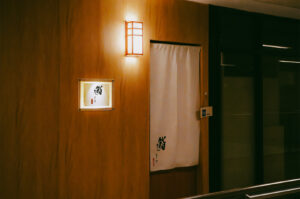
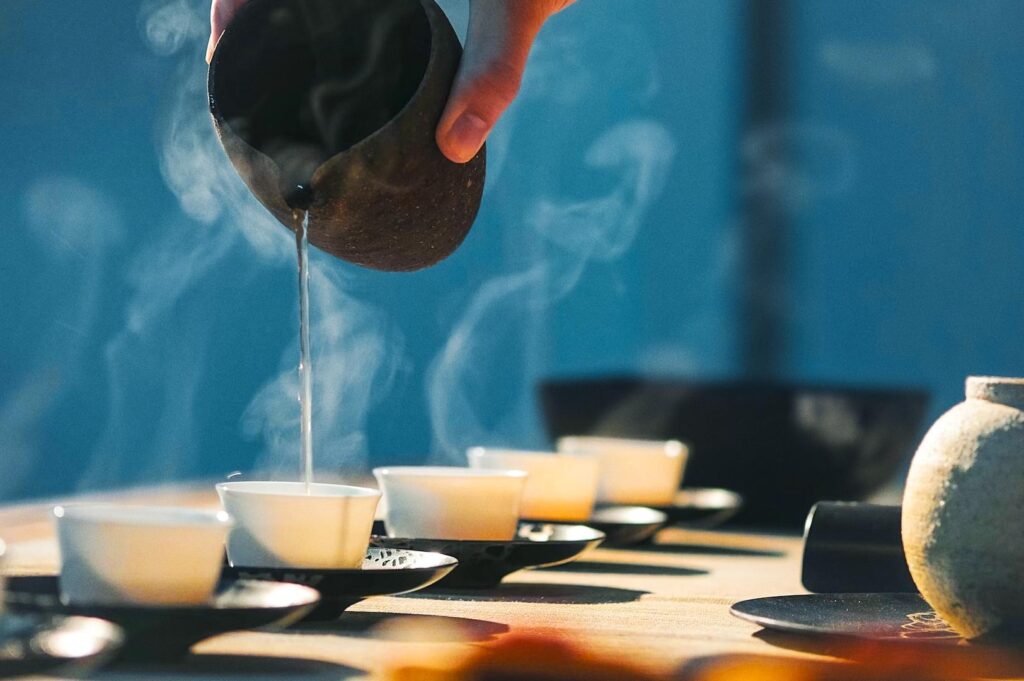
In the bustling city state of Singapore, where modernity and tradition intertwine seamlessly, Chinese tea culture holds a special place, a quiet yet profound thread woven into the fabric of daily life. This is largely because Chinese tea holds a special place in Singapore’s tea culture due to the majority of the population being of Chinese descent. The ritual of drinking tea here transcends the simple act of sipping a cup; it embodies a rich heritage shaped by generations, a celebration of art, patience, and connection.
Each person in Singapore can find personal meaning and connection in Chinese tea culture, making the experience accessible and meaningful for all.
The Poetic Rhythm of Traditional Chinese Tea
Traditional Chinese tea is more than a beverage; it is a language of the senses and an expression of cultural identity. From the delicate unfurling of tea leaves in a porcelain pot to the fragrant aroma rising from a freshly brewed cup, each moment invites tea lovers to slow down and savor the beauty infused in every sip. Much like wine, Chinese teas offer a remarkable complexity and variety, with each type reflecting unique characteristics shaped by region and season.
The floral notes of oolong tea, the creamy smoothness of pu’er, the fresh vibrancy of green tea, and the subtle, naturally sweet taste of white tea all tell stories of their origins, stories shaped by the hands of skilled makers and the terroir of distant Chinese mountains. The flavor and aroma of Chinese tea are also influenced by the climate, including temperature fluctuations and rainfall patterns during the growing season.
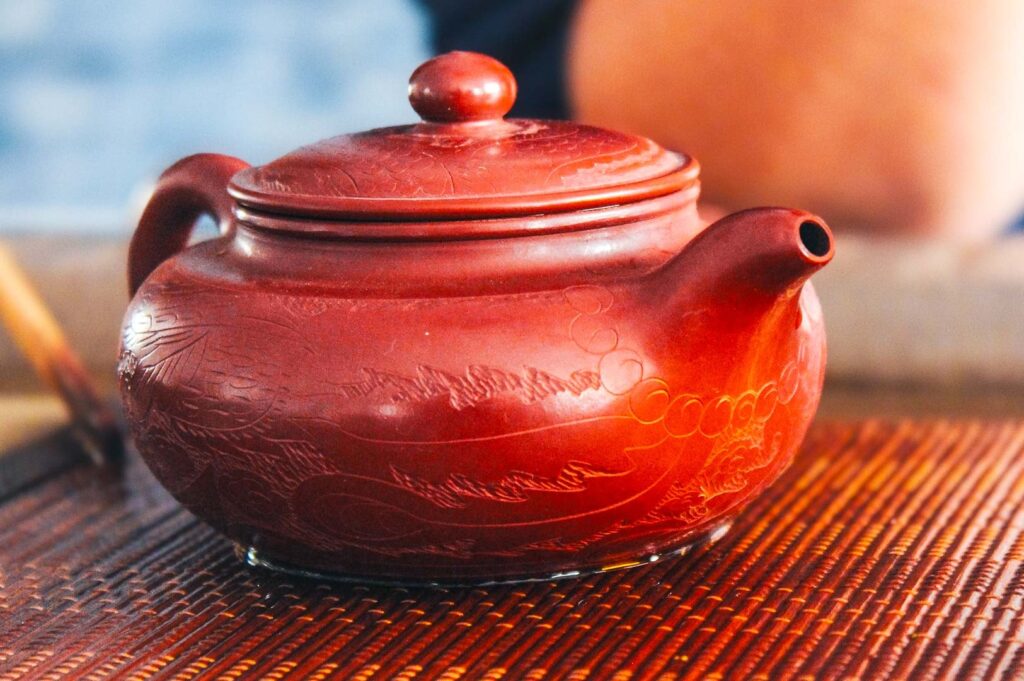
This appreciation is heightened through the mindful practice of tea brewing, where tea ware such as the Yixing teapots become more than tools—they are vessels of tradition and artistry. Their porous clay absorbs the essence of tea leaves over time, deepening the flavors and creating a unique experience with every infusion. The Gongfu tea ceremony, with its deliberate, graceful movements, transforms the preparation of tea into a meditative art form, inviting guests to engage fully with the moment.
Tea Varieties: A Tapestry of Flavours
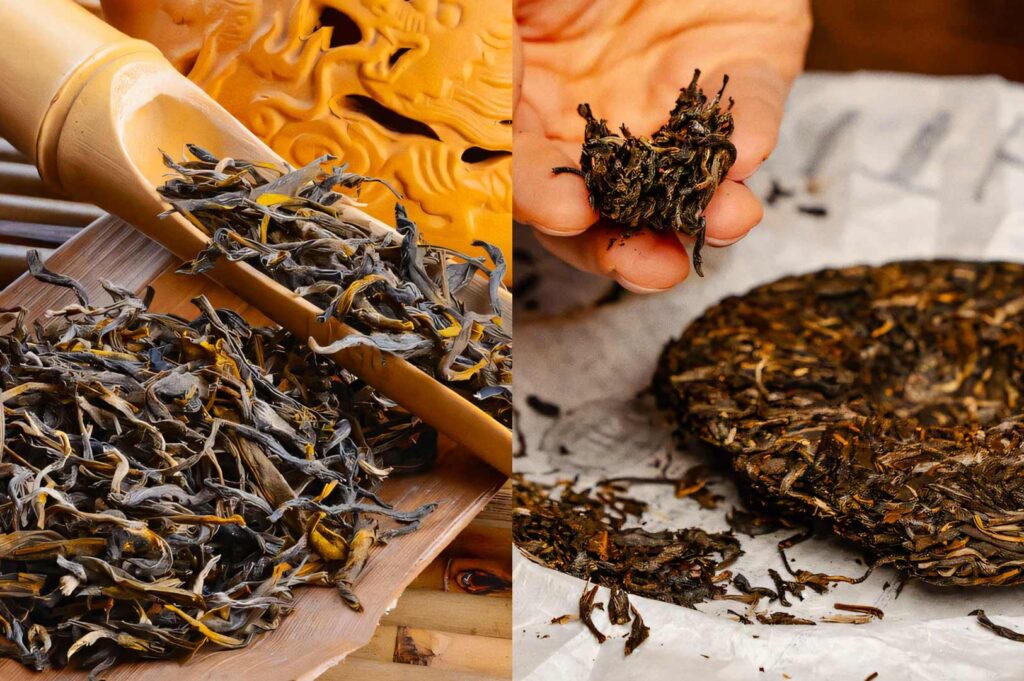
Across Singapore’s tea culture, traditional Chinese varieties form a measured collection that reflects deeper cultural practices and community preferences. Each category serves distinct functions within local tea consumption patterns, from oolong’s structured complexity to black tea’s established presence. Establishments such as Yixing Xuan Teahouse and Silk Tea Bar represent curated approaches to these traditional selections, positioning premium varieties within Singapore’s broader cultural landscape.
Different tea categories address varying community preferences and seasonal rhythms. Green tea maintains consistent appeal through its clear, direct character—qualities that align with contemporary drinking patterns. Oolong varieties demonstrate layered preparation methods and extended appreciation practices, encouraging deliberate consumption habits. The earthier profiles of pu’er and the subtle qualities of white tea serve contemplative functions, supporting quieter social and individual practices.
Within established venues like Yixing Xuan Teahouse, afternoon tea services integrate traditional dim sum offerings with structured tea presentations, utilizing purposeful tea ware selections. These practices reflect ongoing cultural continuity, serving both experienced practitioners and emerging participants in ways that sustain traditional Chinese tea culture’s presence across Singapore’s evolving neighbourhood landscape.
Tea Shops as Sanctuaries of Tradition and Community
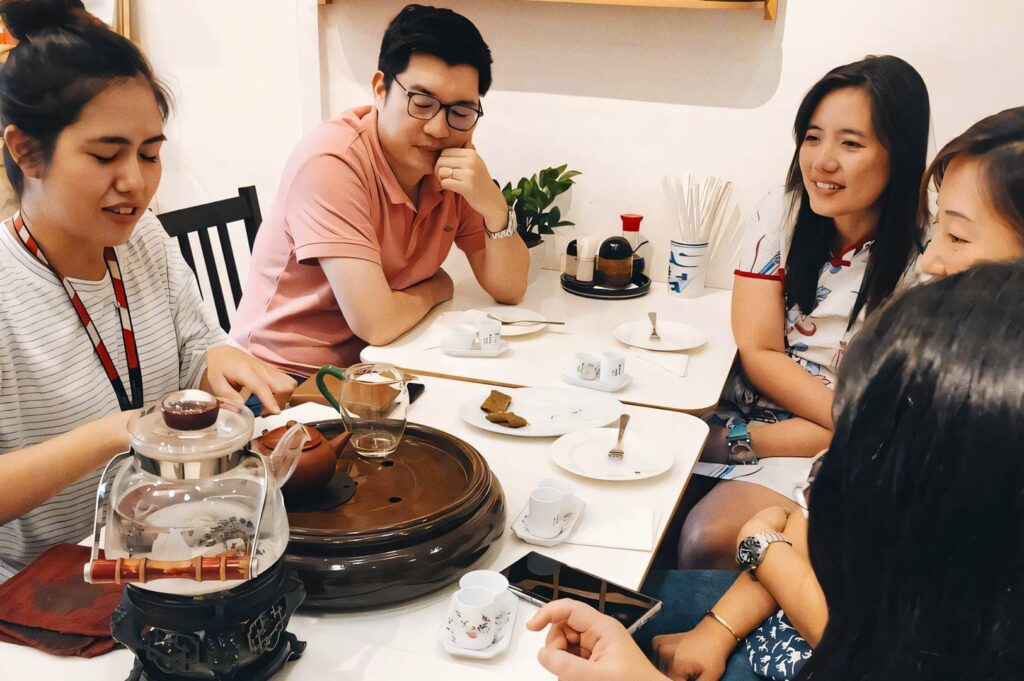
Amid Singapore’s urban pulse, tea shops, often referred to as stores stand as sanctuaries preserving the essence of traditional Chinese tea culture. These stores offer a range of Chinese teas, including seasonal varieties that reflect the harvest cycles from China. Customers can purchase authentic teas and tea ware at these stores to enhance their tea experience. These spaces are imbued with the aroma of premium tea leaves, often sourced directly from trusted growers in China, ensuring authenticity and freshness.
Here, tea appreciation unfolds not only through taste but through the shared experience of brewing and conversation.
The atmosphere in such teahouses provides a tranquil environment for visitors to unwind and relax, evoking a timelessness where the clink of delicate cups and the gentle pour of tea create a rhythm of calm. Traditional tea houses and specialized tea shops in Chinatown also provide environments for tea appreciation courses, deepening the understanding of Chinese tea culture.
The Yixing Xuan Teahouse, for instance, embodies this ethos, offering a space where the art of traditional Chinese tea is honored and where each pot brewed becomes a celebration of heritage. Yixing Xuan Teahouse also offers workshops that explore traditional Chinese tea brewing techniques and tea’s health benefits.
The Subtle Elegance of Tea Appreciation
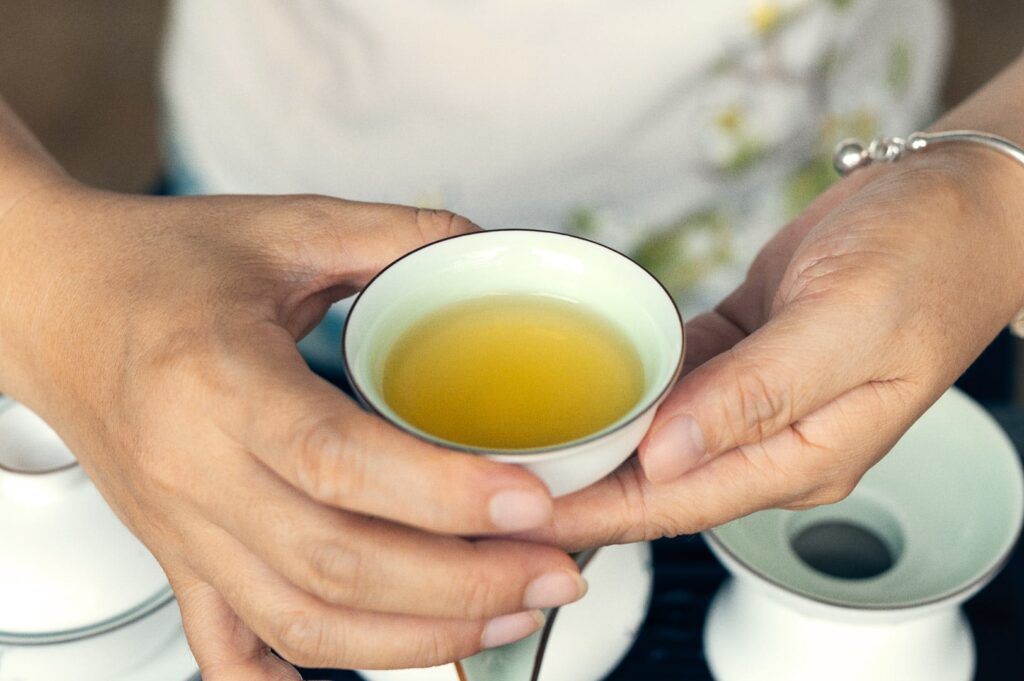
Tea appreciation in Singapore embraces both the old and the new, a reflection of the city’s dynamic identity. The Silk Tea Bar exemplifies this blend, presenting traditional Chinese teas in a setting that encourages reflection and discovery. Here, the nuances of black teas and the delicate complexities of oolong are revealed sip by sip, inviting tea lovers to explore different styles and flavors with curiosity and reverence.
Tea Bone Zen Mind offers a multi-course tea pairing experience that emphasizes the appreciation of tea, guiding guests through a curated journey of flavors and aromas. Tea Chapter provides tea appreciation workshops to deepen understanding of tea culture, allowing participants to engage more meaningfully with the traditions and techniques behind each brew. Tea Room by Ki-setsu features a curated selection of seasonal Chinese teas and places special emphasis on the importance of tea appreciation.
Afternoon tea in this context becomes a ritual of wellness and connection, where the act of drinking tea is paired with moments of quiet indulgence perhaps accompanied by the gentle sweetness of dim sum. Such experiences underscore the profound relationship between tea, food, and social harmony, echoing the traditional Chinese values of balance and respect.
Tea and Food Pairing: Harmony on the Table
Across traditional Chinese communities, tea and food pairing embodies a cultural framework that goes beyond consumption, establishing harmony through flavor composition where each element enhances the other.
Oolong teas, with their floral and fruit notes, pair well with lighter, delicately seasoned dishes, while robust black teas complement richer fare such as chocolate-based items, spiced dishes, or traditional dim sum. Venues like Yixing Xuan Teahouse showcase this thoughtful approach, blending tea and food in a manner that highlights the depth of Chinese tea appreciation.
In contemporary Singapore, these pairing traditions remain relevant, reflecting a living Chinese aesthetic tradition that connects individual experiences to broader cultural patterns. The Yixing Xuan Teahouse, known for its extensive tea collection, traditional tea ware, and historical significance—including hosting Queen Elizabeth II—exemplifies how tea and food pairing serves not only as a dining practice but as a meaningful cultural expression within the vibrant chinese tea culture singapore.
The Cultural Resonance of Tea in a Modern World
Cultural Significance and Social Rituals of Tea in Singapore
The influence of Chinese tea culture in Singapore extends beyond taste and tradition; it is a living narrative of identity and continuity. The presence of tea in daily life, whether in a bustling cafe or a serene teahouse, invites a pause, a chance to reconnect with the past and with one another.
The ritual of serving tea, often accompanied by stories or the sharing of gifts, carries deep symbolic meaning, reflecting hospitality, gratitude, and familial bonds. Tea sets, teapots, and specialty teas are often chosen as a thoughtful gift for loved ones, making gifting an integral part of tea celebrations.
Much of this living tradition continues to unfold in spaces like Singapore Chinatown, where tea shops sit alongside herbal halls, clan associations, and century-old eateries. Here, the ritual of pouring tea is not staged for nostalgia; it remains woven into everyday life. Conversations drift between dialects, porcelain cups are warmed before brewing, and generations gather around round tables where tea anchors both celebration and remembrance.
Popular Teas and Festive Traditions
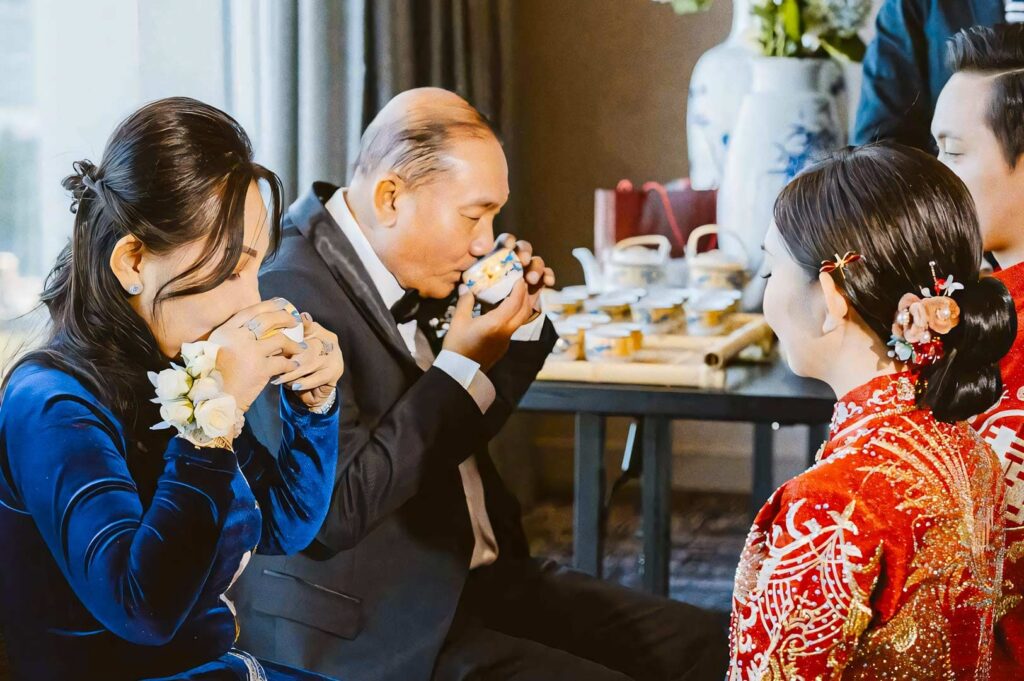
Popular teas in Singapore include oolong, green, black, and Pu’er, all appreciated for their health benefits and unique flavors. During the Chinese New Year, families worship ancestors with offerings of tea and flowers before their reunion dinner, highlighting tea’s role in honoring heritage. The Chinese wedding tea ceremony symbolizes respect and the unification of families; in 2026, traditional wedding tea ceremonies in Singapore continue to symbolize respect and family unity. During these ceremonies, couples often receive gifts such as red packets (ang bao) or jewelry from elders, and wedding tea sets typically feature auspicious motifs, like the Double Happiness symbol and red colors.
Fusion and Evolution of Tea Culture in Singapore
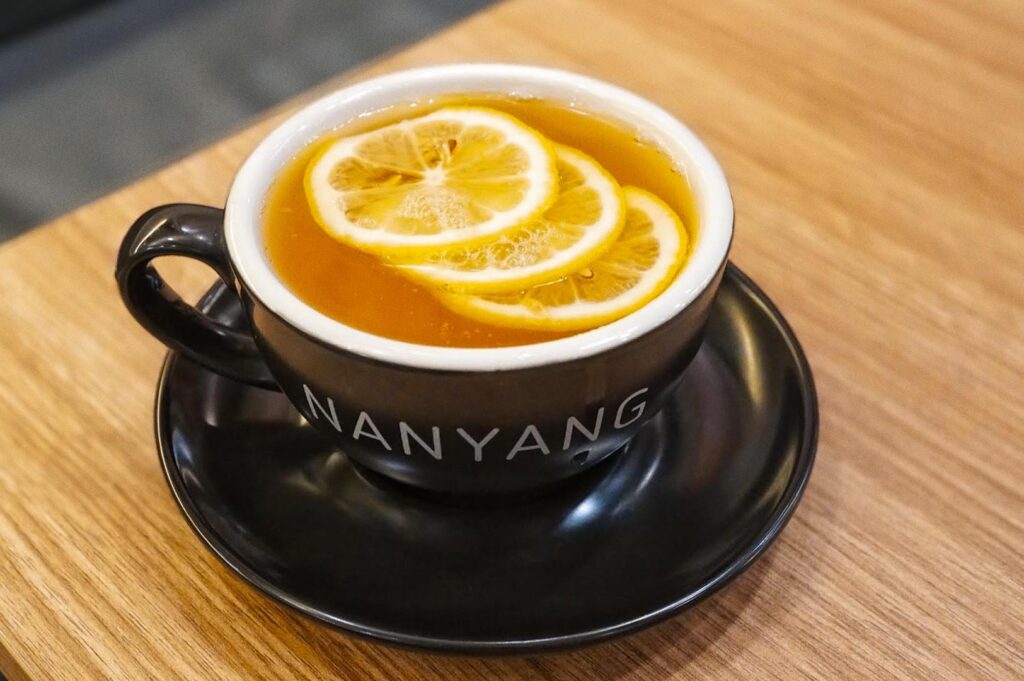
Singaporean tea culture is characterized by a fusion of traditional Chinese practices and British afternoon tea, reflecting the city’s multicultural heritage. Nanyang tea culture involves unique local adaptations, such as roasting tea leaves in a Southeast Asian style, adding a distinct regional flavor. The exhibition ‘Garden of Senses: A Tea Reverie’ explores tea as a human ritual through multiple sensory experiences, further showcasing the evolving and multifaceted nature of tea appreciation in Singapore.
Tea as a Symbol of Legacy and Connection
Even moments when tea is enjoyed casually—a simple cup of tea brewed with care—are imbued with significance, shaped by centuries of cultural evolution and the artistry of tea makers. The legacy is further enriched by historical intersections, such as the visit of Queen Elizabeth II to a traditional teahouse, a testament to the global appreciation and diplomatic resonance of this humble yet profound tradition.
The Timelessness of Tea
In the ever-changing landscape of Singapore, Chinese tea culture remains a steady current, a special place where time slows and senses awaken. It invites us to savour not only the flavors infused in each cup but also the intangible qualities of mindfulness, connection, and heritage.
To drink traditional Chinese tea is to partake in an ancient art that continues to inspire and shape lives. It is a reminder that amidst the rush of the modern world, there is always space to pause, to appreciate the subtle beauty of a well-brewed pot, and to honor the makers and moments that bring us together. In this shared experience, tea becomes more than a drink; it becomes a bridge across generations, cultures, and the ever-flowing river of time.