
URL Slug: exploring-cultural-activity-singapore-kids
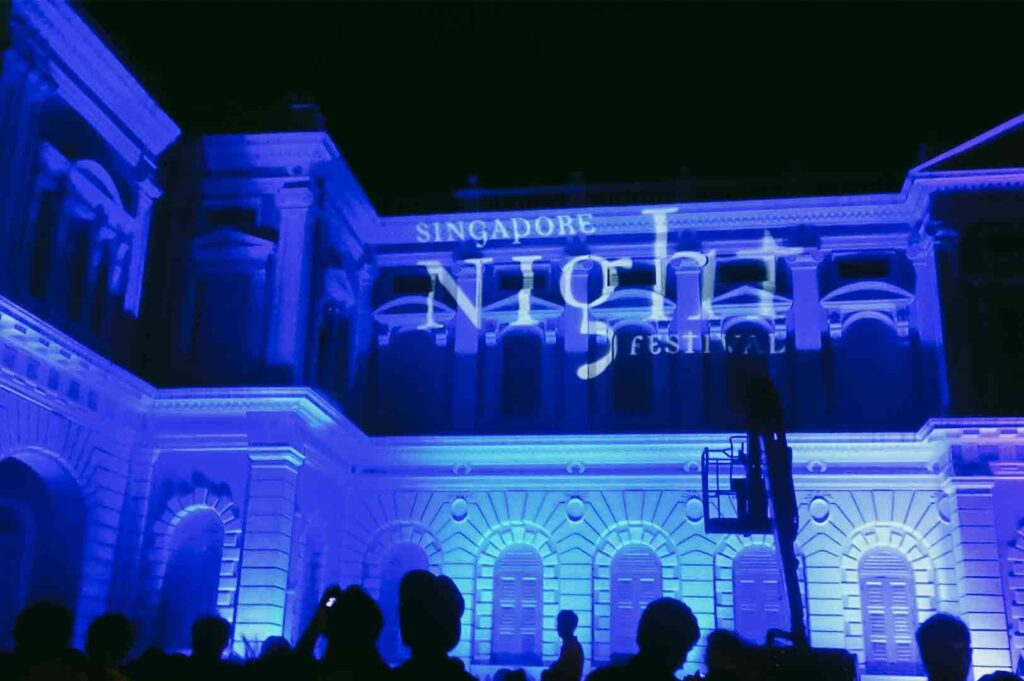
Singapore is a city where culture is not confined within walls or schedules but flows through everyday spaces, infusing the rhythm of life with stories that invite both children and adults to pause, explore, and wonder. As an international hub, the airport welcomes visitors to these rich cultural experiences. Singapore’s cultural scene is a vibrant blend of its Chinese, Malay, Indian, and Peranakan heritage. The city’s unique blend of heritage and modernity offers a canvas on which families can witness the unfolding of history, art, and nature in ways that engage the senses and stir the imagination.
Major arts festivals such as Singapore Art Week and the Singapore Night Festival showcase a diverse range of artistic expressions.
The Pulse of Heritage in the City’s Streets
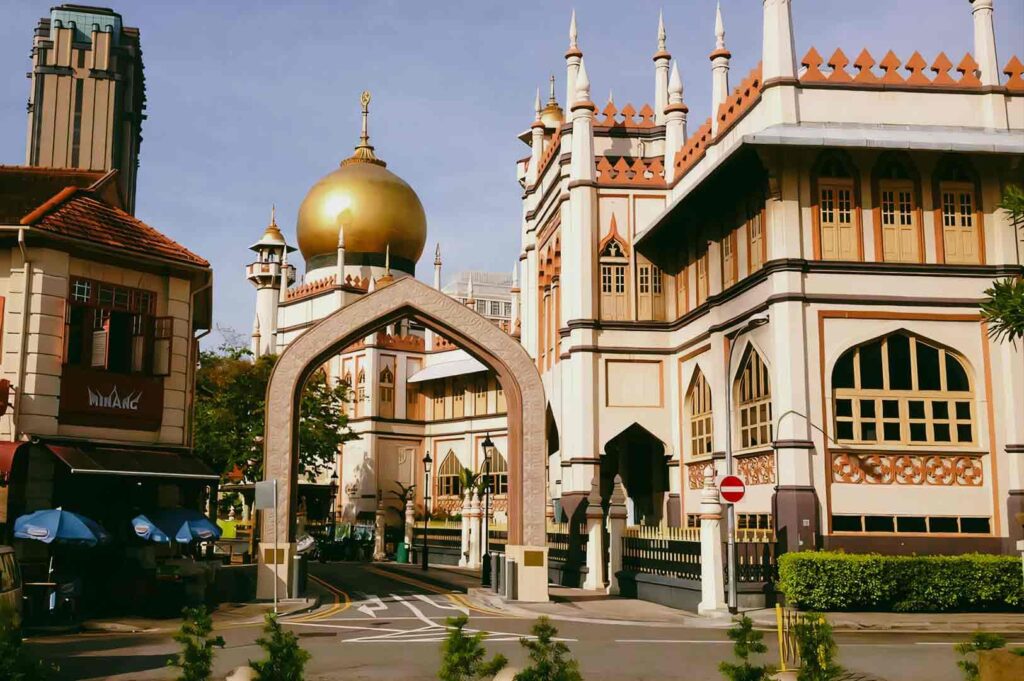
Walking through neighborhoods like Little India and Kampong Glam reveals more than vibrant colors and architectural beauty; it is a journey into layers of identity and memory. Walking through Singapore’s ethnic enclaves is one of the most popular ways to see the city’s multicultural spirit. The streets themselves seem to breathe stories—of migration, resilience, and celebration. Children, with eyes peeled, absorb the sights and sounds: the intricate carvings on temple roofs, the mingling aromas of spices and coffee, the melodic cadence of languages interwoven in daily chatter.
These cultural activities in Singapore are not formal lessons but immersive experiences where younger kids and their families witness the coexistence of tradition and change. Chinatown and Kampong Glam are significant for exploring Singapore’s ethnic roots and religious heritage. The lively markets and quiet corners invite reflection on how culture lives and evolves, how community ties are forged through shared rituals, and how the past quietly informs the present.
If you’re wondering what to do on your next weekend outing, consider heading to one of these neighborhoods, you might hear about a special festival or event you won’t want to miss. Staff and guides in these areas are often helpful, offering insights that make your visit more enjoyable and informative.
Cultural Districts: Where Traditions Meet Today
Singapore’s cultural districts like Chinatown, Little India, and Kampong Glam blend heritage with modern life, showcasing the city’s diverse identity. In Chinatown, traditional temples, markets, and shophouses coexist with contemporary businesses, while local food establishments serve iconic dishes such as hainanese chicken rice singapore. Walking tours help families understand these rich histories.
Little India offers a vibrant sensory experience with music, food, and festivals, where family-run businesses maintain cultural authenticity alongside modern programming. Kampong Glam features landmarks like Sultan Mosque and Arab Street’s shophouses, reflecting Malay and Muslim heritage amid evolving artistic and commercial activities.
These districts are living heritage sites where traditions adapt and thrive within Singapore’s urban landscape, offering family friendly activities that connect past and present.
Nature as a Narrative: Gardens and Trails
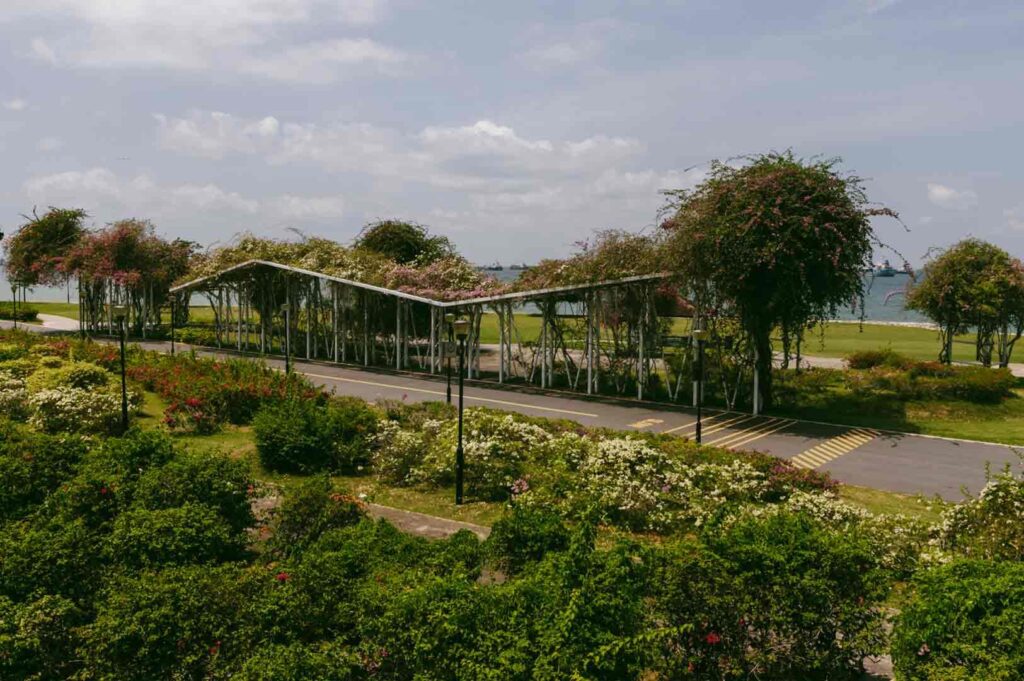
Beyond the city, gardens and walking trails serve as interactive classrooms blending nature and culture. The Flower Dome and Cloud Forest showcase Southeast Asia’s biodiversity, providing kids with educational and awe-inspiring experiences. Early morning visits offer a peaceful atmosphere before crowds arrive.
East Coast Park, a popular beach with walking paths and playgrounds, is ideal for family outings. The Walking Trails @ CDC initiative promotes active lifestyles through digital gamification, encouraging exploration with friends and family. Kid-friendly cycling routes and stroller-friendly hiking trails allow families to enjoy Singapore’s outdoor beauty together.
The Far East Organization Children’s Garden at Gardens by the Bay features water play and educational activities for children. These accessible, family friendly activities make cultural activity Singapore enjoyable and budget conscious. Walking these trails turns exploration into a shared story of place and belonging.
The Symphony of Light and Sound at Marina Bay and Supertree Grove
Evenings in Singapore often find families gathered near Marina Bay or beneath the towering Supertree Grove, where light and sound performances create ephemeral moments of shared awe. The Supertree Grove is a free attraction where visitors can explore vertical gardens and enjoy spectacular light shows at night, making it a must-see for those seeking unique nighttime experiences.
These spectacles are more than entertainment; they are cultural expressions that blend technology, nature, and artistry. Children watch, mesmerized, as the glowing Supertrees pulse in rhythm with music, a modern ritual that connects them to the city’s innovative spirit and reverence for green spaces.
Such events demonstrate how cultural activity Singapore embraces is dynamic, inviting participants of all ages to engage with tradition reimagined. The interplay of light and shadow, sound and silence, fosters a communal experience that transcends words, inviting reflection on how culture adapts and thrives in contemporary contexts.
The Interwoven Fabric of Food and Social Connection
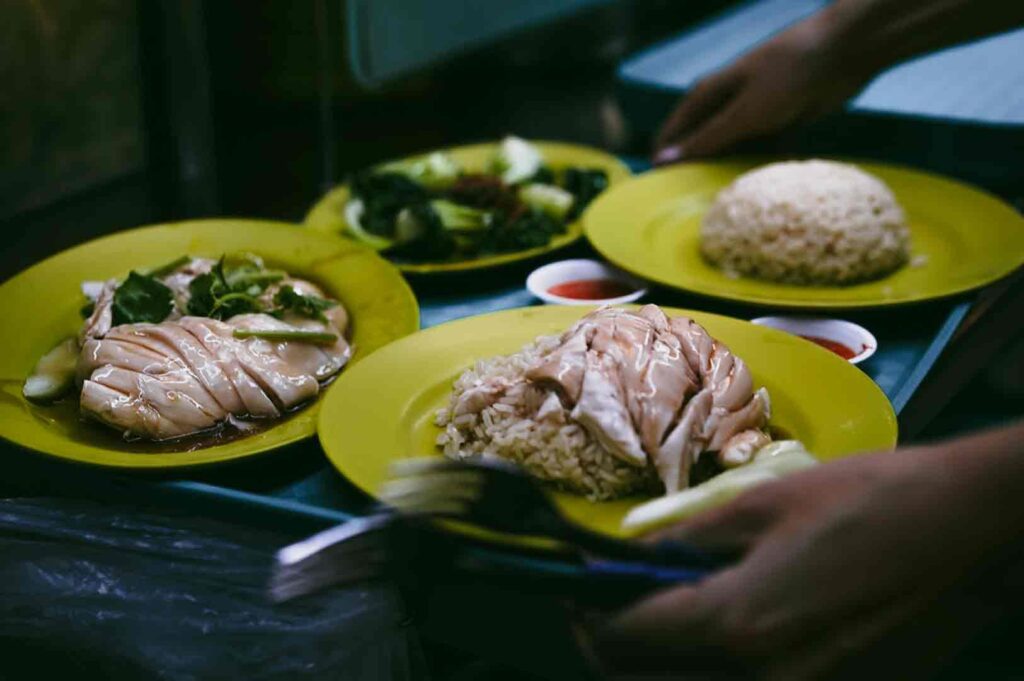
In Singapore, culture is also tasted and shared. The pervasive presence of hawker centers and local eateries where dishes like Hainanese chicken rice are savored speaks to the city’s culinary heritage as a living cultural dialogue. Hawker centres are open-air complexes that house a variety of food stalls offering inexpensive local dishes, making them a popular place to eat for both locals and tourists. Hawker food is considered a national treasure, reflecting Singapore’s diverse culinary heritage and cultural amalgamation.
Popular dishes at Singapore’s hawker centres include Hainanese chicken rice, satay, and dumplings, showcasing the variety of cuisines available. Eating at these venues is not only a cultural activity but also a great way to save money while enjoying authentic flavors.
For children, these moments are sensory gateways to understanding diversity and community. The act of eating together becomes a ritual of belonging, a way to connect with the broader narrative of Singapore’s multicultural identity without words, simply through taste and shared experience.
The Animal Kingdom and Childhood Wonder at Singapore Zoo
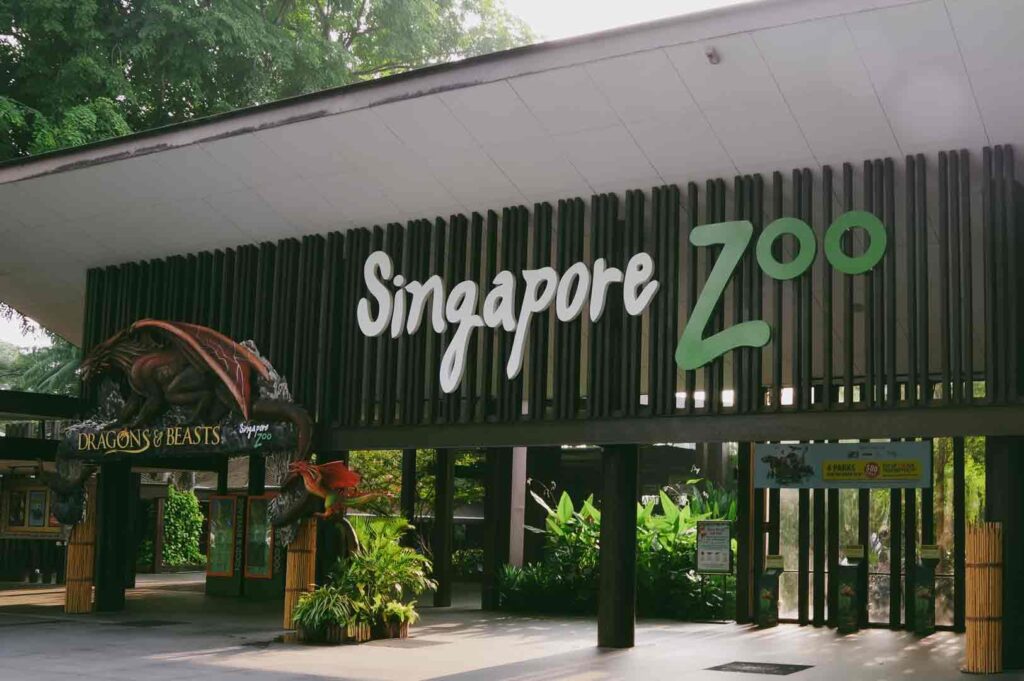
Amidst the urban landscape, the Singapore Zoo offers a different kind of cultural activity—one that bridges human curiosity with the natural world. The zoo’s design, emphasizing open habitats and immersive encounters, invites families to witness the beauty and complexity of wildlife. For children, this interaction fosters empathy and a sense of stewardship, connecting them to stories that extend beyond human history into the broader web of life.
The Night Safari, a favourite thing for many families, offers a unique wildlife experience where visitors can observe nocturnal animals in their natural habitats—an adventure especially suitable for children over the age of five and something you won’t want to miss.
The zoo becomes a space where fun things and learning coexist, where the thrill of seeing exotic animals blends with quiet moments of reflection on conservation and coexistence. Visitors can interact directly with animals through feeding sessions or participate in engaging workshops. Singapore’s cultural experiences also include unique workshops such as pottery and scent creation, allowing participants to interact with local artisans and explore their creativity.
The Quiet Power of Everyday Spaces
Perhaps most profound is how cultural activity in Singapore permeates the ordinary—the parks, the playgrounds, the sidewalks where families gather and children play. These everyday spaces are where culture is lived rather than observed, where the rhythms of community and childhood unfold naturally. Whether it is the lazy river winding through a water park or the simple joy of a wave pool on a sunny afternoon, these moments are imbued with cultural significance as sites of connection, play, and growth.
They cater to all ages and invite participation without pretense, reminding us that culture is not static but a living, breathing force shaped by those who engage with it daily.
Navigating the City’s Rhythms: Getting Around and Planning
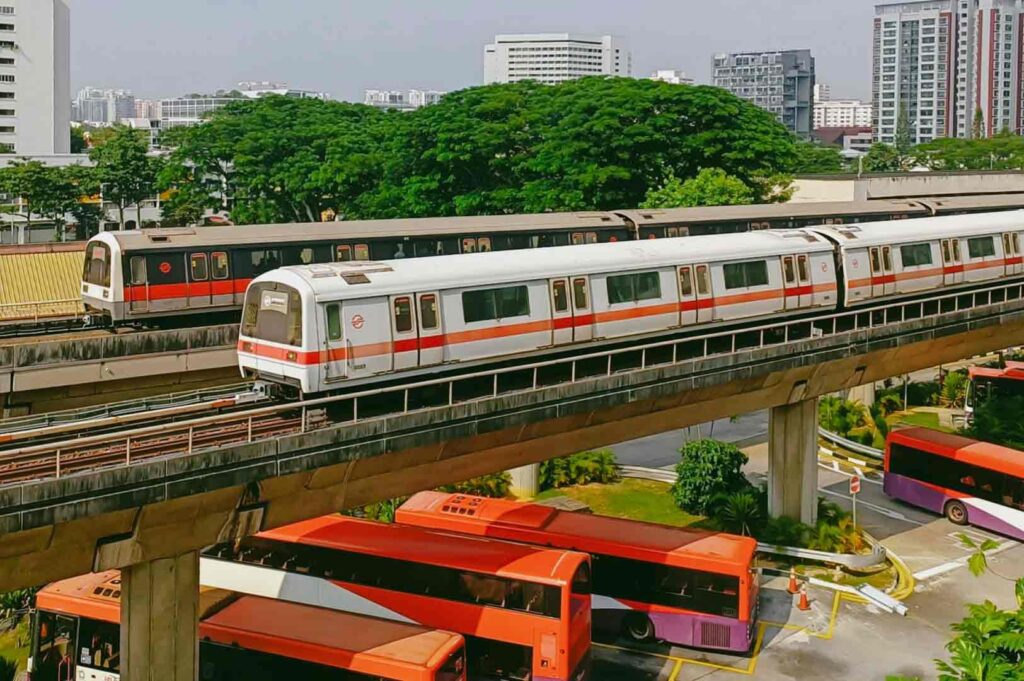
Singapore’s efficient public transport system, including the MRT, buses, and taxis, connects diverse districts from bustling Marina Bay to peaceful parks. Walking routes complement this network, linking urban and natural spaces.
Walking trails like East Coast Park and Gardens by the Bay’s Cloud Forest and Flower Dome integrate nature within the city, serving as community hubs for all ages to enjoy recreation and environmental engagement.
Tourism infrastructure offers coordinated information on attractions like Universal Studios and Supertree Grove, balancing popular sites with quieter garden spaces. This reflects Singapore’s approach to blending cultural offerings with community needs and urban planning.
By combining transport accessibility, cultural attractions, and family-friendly amenities, Singapore exemplifies Southeast Asia’s trend toward livable, culturally rich cities that support both residents and visitors, blending local life with global connectivity.
Reflections on a Shared Journey
In Singapore, cultural activity is a mosaic of stories, experiences, and connections that invite families to explore the world within their city and beyond. It is a journey that blends heritage with innovation, nature with urbanity, and tradition with everyday life. Through walking tours, shared meals, festivals, and quiet moments in gardens or at the zoo, children and parents alike are woven into a narrative that is at once local and global.
This ongoing dialogue between past and present, community and individual, teaches us that culture is not merely to be seen or heard but to be felt and lived. It shapes how we understand ourselves and others, fostering empathy, curiosity, and a sense of belonging that resonates far beyond any single trip or event.
As families move forward together, these experiences become part of their collective memory—a foundation of respect and wonder that will guide them through the complexities of the world with open hearts and eyes peeled for the stories waiting to be discovered at every turn.