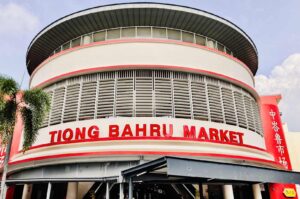
Step away from the gleaming skyline and into the historic Serangoon area, and you’ll discover a side of Singapore where tradition, community, and flavor blend seamlessly. The scent of freshly roasted coffee emanates from bustling kopitiams along Serangoon Garden Way, while the sizzle from local hawker stalls fills the air near Chomp Food Centre. Residents—families and young professionals alike—greet neighbors as they shop for everyday essentials at FairPrice Finest or browse fresh produce in Serangoon Garden Market.
This Serangoon neighborhood guide is your invitation to experience a harmonious blend of heritage and modern living, revealing why so many call Serangoon home. We’ll explore the area’s storied past, unique Serangoon Gardens community, vibrant food scene, and how this dynamic residential estate has become one of Singapore’s most beloved and livable districts. Whether you’re a local, expat, or visitor, you’ll find genuine connections and light-hearted nostalgia along every street.
A Journey Through Time: Serangoon's Rich History
For many, the heart of Serangoon beats with memories of childhood, family, and shared meals. The Serangoon neighbourhood traces its roots to the early kampongs and plantations that occupied the area where Serangoon Central and Serangoon Avenue now stand. The name “Serangoon” is thought to derive from the local bird Rangon Ranggong or the phrase “di-serang dengan gong,” referencing villagers warding off wild animals—a testament to its natural heritage.
Serangoon Road, a key artery, linked Little India and Hougang, fostering rich exchanges of local culture, religion, and trade. Over the decades, Serangoon evolved into a vibrant residential estate—home to seven subzones, notable landmarks like Serangoon Stadium and Good Counsel Church, and important community institutions such as the Burghley Squash & Tennis Centre. The area was shaped by British colonial influences, visible in the architecture and street names of Serangoon Garden Estate. Heritage is preserved not just through architecture but in the stories passed down at the Serangoon Garden Bakery and traditional shops along Serangoon Garden Way.
Modernity hasn’t erased Serangoon’s roots. The community continues to honor local history, seen in festivals, friendly matches at the tennis centre, and the enduring presence of red zinc roofs and heritage homes. The national museum and connections to other Singapore heritage districts provide context, welcoming all to this living tapestry of cultures and stories.
To experience Serangoon beyond dates and landmarks is to listen closely to its everyday rhythms—morning market runs, kopi conversations, and stories exchanged across generations. Neighbourhood Life explores neighbourhoods like Serangoon through these lived moments, uncovering how history, food, and community continue to shape daily life across Singapore’s estates. It’s an invitation to see places not just as locations on a map, but as shared spaces filled with memory, connection, and meaning.
Where Old Meets New: Serangoon's Architectural Character
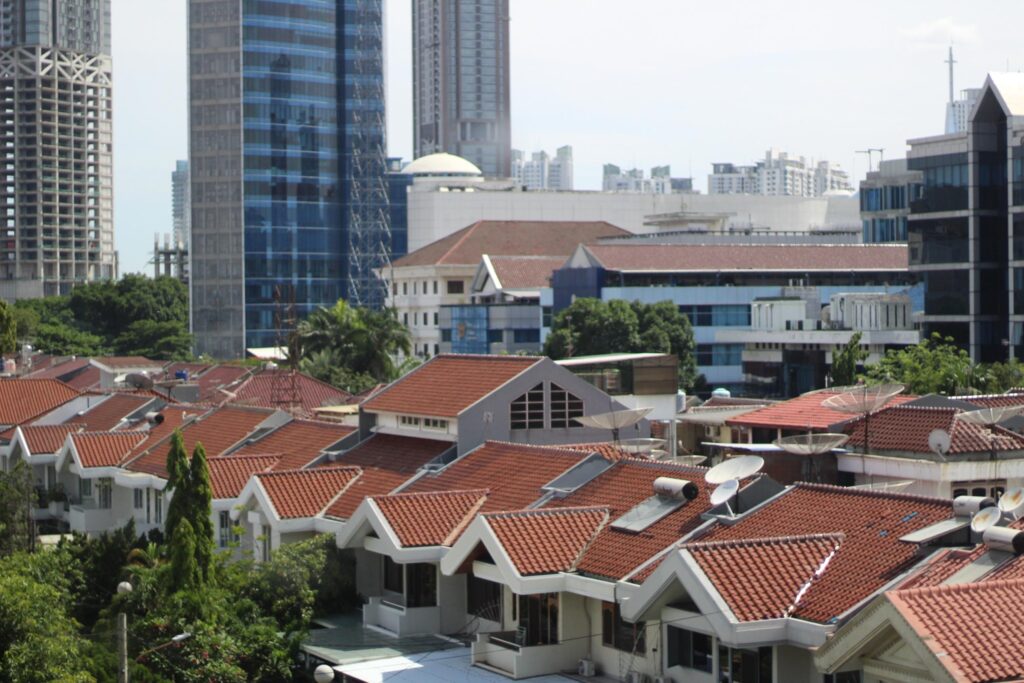
The charm of Serangoon architectural heritage lies in its blend of colonial echoes and contemporary design. Walk along Serangoon Avenue or Lorong Chuan and you’ll see rows of restored shophouses—some retaining their original wooden shutters, others adapted into modern cafés and shops. These buildings, with their narrow facades and five-foot ways, are a tribute to Singapore’s shophouse tradition.
Among these, colonial-era black-and-white houses and spacious landed homes dotting Serangoon Garden Estate speak to the area’s British past and the influx of French expats and international families who now reside here. The Serangoon area features both heritage architecture and new developments—such as NEX Mall, the biggest mall in the North East Line corridor, seamlessly connected to the Serangoon MRT Station and bus interchange. The result is a neighbourhood where old and new live side by side, offering every modern convenience while preserving community spaces and a sense of place.
Serangoon Gardens: A Heritage Residential Estate & Food Haven
No Serangoon neighborhood guide is complete without exploring the iconic Serangoon Gardens. Established in the 1950s as a British and expatriate enclave, Serangoon Garden Estate is renowned for its quiet streets lined with mature trees, family bungalows, and strong neighborhood ties. Serangoon Garden Circus—its iconic roundabout—anchors the district, with beloved arteries like Serangoon Garden Way leading to a concentration of dining options, local shops, and cafes.
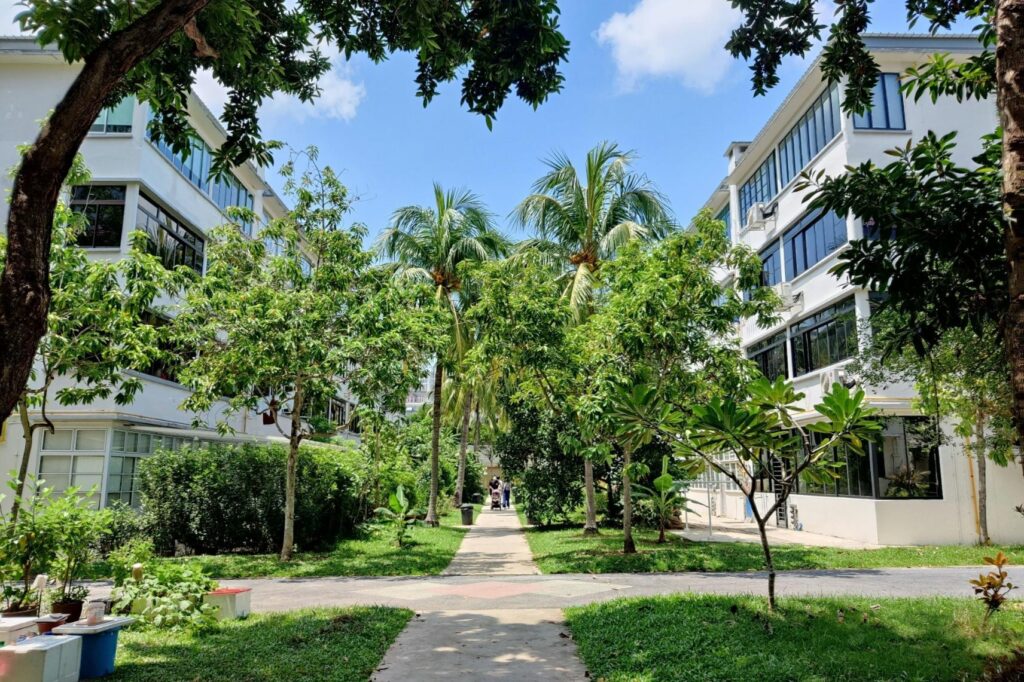
A community built on the values of neighborliness, Serangoon Gardens also hosts several international schools, including the French School of Singapore (Lycée Français de Singapour), contributing to its cosmopolitan feel. Residents enjoy modern convenience while taking pride in family-owned establishments like Serangoon Garden Bakery, cafes like Wimbly Lu, and major hubs such as Chomp Chomp Food Centre and Serangoon Garden Market. Sporting facilities, from the Burghley Squash and Tennis Centre to nearby parks and running tracks, ensure families and friends have spaces to gather, play, and celebrate life.
Food Centre Experiences: Tasting Serangoon’s Best
If you’re hungry to explore the Serangoon food scene, the neighbourhood is a veritable paradise, celebrated for its array of local hawker fare, international cuisines, and family-run restaurants.
Best Hawker Food Serangoon & Everyday Essentials
- Serangoon Garden Market & Food Centre: Home to stalls like Garden Street Kway Chap and Ah Seng Braised Duck Rice, this food centre is a daily stop for residents buying fresh ingredients or grabbing Singaporean staples. Enjoy the bustling market atmosphere and grab a pastry from the historic Serangoon Garden Bakery.
- Chomp Chomp Food Centre: An institution for supper and late-night bites! The smoky aroma of barbecued stingray, satay, and fried Hokkien mee is irresistible. Chomp Chomp’s opening hours stretch late, catering to locals and visitors seeking unforgettable hawker experiences.
- NEX Mall Food Court: The largest mall in the North East, NEX offers everything from household essentials (FairPrice Finest, Cold Storage) to a modern, air-conditioned dining experience. The food court is a must for convenient local and international options under one roof, making it a popular Serangoon outlet.
- Hidden Gems & International Cuisine: Explore Lorong Chuan, Serangoon Central, and the streets around Serangoon Avenue for lesser-known but excellent dining options, from Peranakan eateries to trendy burger spots and cafes. The area’s many restaurants cater to every palate, and with Little India and Bishan nearby, you’re always close to even more delicious choices.
Traditional Coffee Shops, Family Eateries, and Neighborhood Favourites
Serangoon’s kopitiams and home-style restaurants have deep roots. Families flock to local favourites for Teochew porridge, laksa, roti prata, and traditional Nanyang coffee. Generational eateries thrive here, their recipes and friendly service drawing regulars and newcomers alike.
These coffee shops are more than places to eat—they are social anchors where generations overlap and routines endure. Kopi Tiam Singapore: The Secret to Singapore’s Coffee Culture takes a closer look at how kopitiams continue to shape neighbourhood life across Singapore, from heartland estates like Serangoon to the city centre.
Serangoon Garden: Community, Shops, and Local Culture
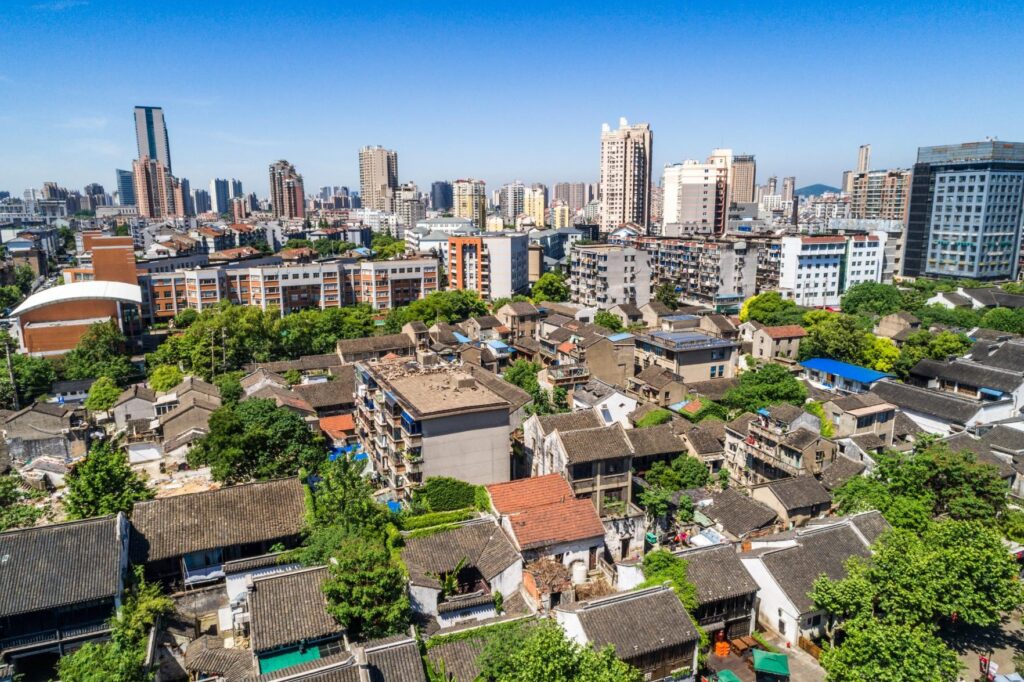
The Serangoon Garden community exemplifies the warm, light-hearted nostalgia that makes the estate so loved. Along Serangoon Garden Way and nearby streets, you’ll find a harmonious blend of homes, bakeries, friendly match parks, family-run shops, and speciality grocers. Residents and visitors enjoy tennis at the Burghley Centre, swimming at Serangoon Swimming Complex, and shopping for international specialties at Cold Storage or FairPrice Finest.
Chomp Food Centre, iconic restaurants, and casual bistros offer something for every family gathering or solo lunch date. Beyond food, Serangoon Garden’s connection to local culture shines through in its strong presence of schools, churches like Good Counsel and other community institutions, fostering bonds among neighbours and welcoming new families to the estate.
From morning grocery runs to casual chats outside bakeries, these shared spaces quietly shape how people relate to one another. Community Markets captures similar neighbourhood dynamics across Singapore, showing how markets and local hubs continue to anchor community life.
Living Serangoon: Parks, Schools, Modern Living & More
Serangoon is more than a food lover’s dream—it’s a town that values active, modern living and community wellness. Enjoy Serangoon Community Park’s greenery or jog along the running tracks at Serangoon Stadium. The area is packed with amenities, from the largest mall on the North East Line (NEX Mall) to neighbourhood parks and playgrounds where children, locals, and expats gather.
Schools abound, including international options for global families, while community centers on Lorong Lew Lian and Burghley Drive offer sports, arts, and cultural activities. The integration of the Serangoon MRT Station, Serangoon bus interchange, shops, and restaurants ensures daily convenience for residents. Modern developments provide a high quality of life, balancing Singapore’s drive for progress with preserving beloved estate charm.
Navigating Serangoon: A Practical Guide to the Serangoon Area
Exploring Serangoon is easy, thanks to well-planned routes and multiple connectivity options:
- Serangoon MRT Station & Bus Interchange: Serving both the North East Line and Circle Line, the Serangoon MRT station is the gateway to the neighborhood, with the bus interchange just upstairs at NEX Mall.
- Best Times & Walking Routes: Visit food centres for lunch (11 AM-2 PM) or dinner (6 PM-9 PM); Chomp Chomp is a favorite after 7 PM for supper. For a heritage stroll, start at Serangoon Central or the MRT station, heading past residential blocks and parks before exploring Upper Serangoon Road and the charming streets of Serangoon Garden estate.
- Accessibility & Everyday Essentials: The Serangoon outlet of FairPrice Finest and NEX Mall provide for all shopping needs, while cold storage, local wet markets, and family-run provision shops cater to everyday essentials. With easy access to Hougang, Bishan, and other nearby towns, this area is truly well connected.
Conclusion: Serangoon Neighbourhood Guide & Heritage for All
Serangoon stands as a testament to Singapore’s ability to blend history, food, international schools, sports, and local culture into a thriving neighbourhood. With its welcoming community spaces, dynamic Serangoon Gardens, vibrant food centre experiences, and practical modern living, this Serangoon neighborhood guide offers a snapshot of a warm, evolving district. The Serangoon heritage Singapore journey is one of families, students, expats, and locals—each adding to the story. Come for the food, stay for the community, and make your own memories in this remarkable corner of Singapore.
Frequently Asked Questions (FAQ)
1. What makes Serangoon Gardens unique in the Serangoon neighbourhood?
Serangoon Gardens is famed for its food scene, Chomp Food Centre, serene streets, and strong sense of community among locals and expats alike.
2. How do I reach Serangoon Garden and Food Centre from the MRT?
Take the North East Line to Serangoon MRT Station, located at NEX Mall, then hop on a bus or taxi to reach Serangoon Garden Market or Serangoon Garden Way.
3. What are the best things to do in Serangoon for first-time visitors?
Explore local hawker stalls at Serangoon Garden Market, relax at Serangoon Community Park, tour the shops along Serangoon Garden Way, dine at Chomp Food Centre, and discover unique shops and bakeries.
4. Where can I find facilities like schools, parks, and sports centers in Serangoon?
Serangoon is well-stocked with amenities: international schools, Burghley Squash & Tennis Centre, swimming complexes, playgrounds, and the large running tracks at the stadium.
5. What’s the best time to explore the Serangoon area’s dining options?
Lunch and dinner hours are the best for hawker and restaurant experiences, while Chomp Food Centre thrives in the evening and NEX Mall is busiest on weekends and during sales.