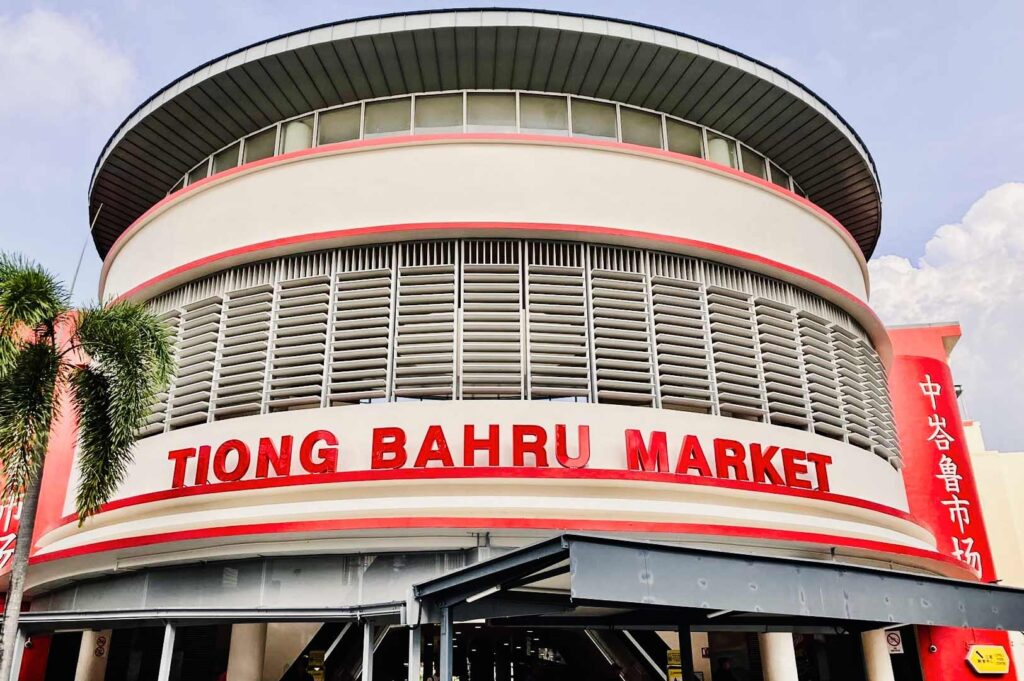
There is a particular light that settles over the Tiong Bahru area in the early morning, filtering softly through the curved balconies of its pre-war flats. This light softens the stark white façades and casts shifting shadows from the broad tropical leaves overhead. In this moment, the neighbourhood reveals itself as a space suspended between eras, a living tableau where heritage and modernity converse through the language of Tiong Bahru food.
At the heart of this vibrant food scene is Tiong Bahru Market, located at 30 Seng Poh Road, Singapore 168898—often simply referred to as ‘30 Seng Poh‘ by locals. Tiong Bahru Market is the primary hub for affordable, heritage local food, featuring several Michelin-recognised stalls and a wide variety of good food that draws both locals and tourists. The area around 30 Seng Poh Road is also home to several hotels, making it convenient for visitors who want to stay close to the market and enjoy easy access to its culinary offerings.
Walking along Tiong Bahru Road, the air is layered with an evocative blend of aromas. The sharp, smoky notes of kopi from old-school kopitiams mingle with the buttery sweetness wafting from the ovens of Tiong Bahru Bakery. This sensory interplay captures the essence of the Tiong Bahru food scene, where hawker food and artisanal cafés coexist, each enriching the other’s narrative.
The Palimpsest of Tiong Bahru Market Food Centre
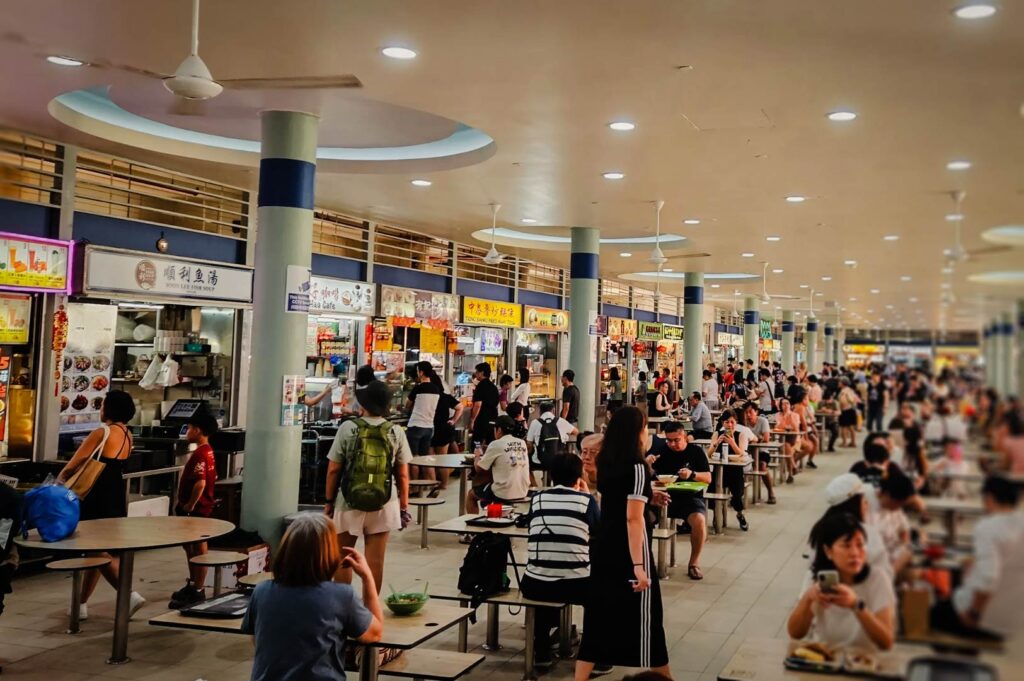
At the heart of this neighbourhood lies the Tiong Bahru Market, a vibrant food market and food centre that has long been a crucible for community and culinary tradition. The market’s second floor, alive with the clatter of woks and the murmur of conversations in Hokkien and Mandarin, is a testament to the enduring vitality of hawker centres in Singapore’s cultural fabric. Tiong Bahru Market serves over 100 food stalls offering a wide variety of local dishes, and many of these stalls are still run by the same families since its opening.
Iconic Dishes and Stalls
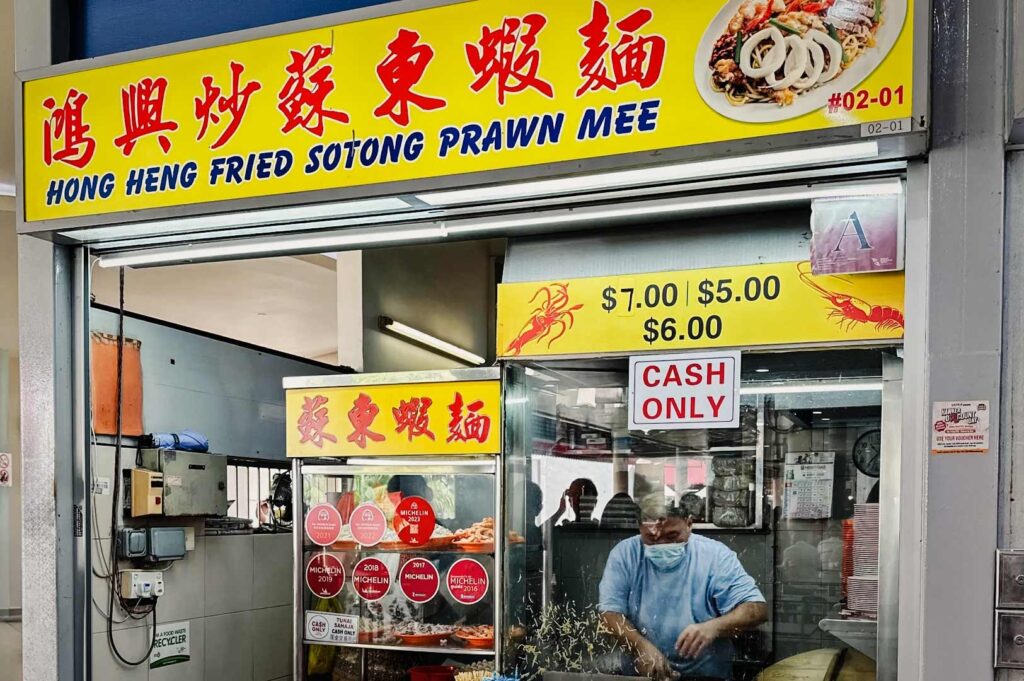
Here, dishes like fried sotong prawn mee and lor mee are more than mere sustenance; they are carriers of history. The fragrant broth of hokkien mee, enriched with prawns and fish cakes, and the thick, starchy gravy of lor mee evoke memories of generations who have gathered here. The long queues at stalls such as Hong Heng, a Michelin Bib Gourmand awardee, reflect a collective reverence for these time-honoured flavours. Many of these dishes feature braised egg as a key component, especially in traditional fare like kway chap and lor mee, where the braised egg is carefully prepared and integrated for authentic flavor.
Tradition Meets Innovation
Yet, the market is not frozen in time. Stalls like Jian Bo Shui Kueh serve chwee kueh topped with preserved radish and sesame seeds, blending traditional ingredients like chye poh with the rhythms of contemporary life. Nearby, Hwa Yuen Porridge offers a comforting bowl of century egg congee, a dish that Anthony Bourdain once celebrated for its unpretentious depth.
Diversity of Flavours
The presence of vegetarian glutinous rice and yam cake alongside braised eggs and chee cheong fun illustrates the market’s embrace of diversity within a shared culinary heritage. This is a food centre where the past is tasted in every bite, yet the present is palpably alive in the bustle and innovation. Every day, cooks prepare and cook fresh food, filling the air with enticing aromas. With so many other stalls to explore, Tiong Bahru Market offers an unmatched breadth of food choices for every palate.
Layers of Identity in Tiong Bahru Food and Chicken Rice Traditions
Tiong Bahru’s food culture is inseparable from its architectural and social history. The estate’s Streamline Moderne buildings, with their rounded corners and spiral staircases, create a backdrop that is both nostalgic and vibrant. This architecture echoes in the food—each dish a reflection of the community’s layered identity and the country’s rich culinary heritage, making Tiong Bahru a must-visit for anyone exploring local cuisine in Singapore.
Kopitiam Culture and Old-School Eateries
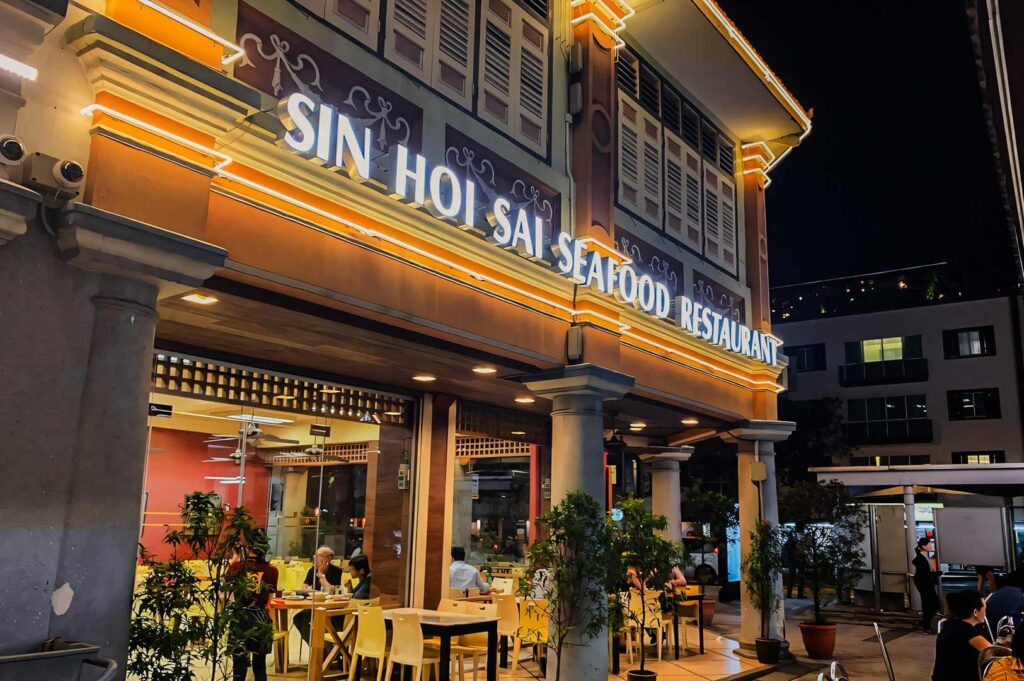
The kopitiam culture, with its old-school eateries, stands as a quiet counterpoint to the neighbourhood’s evolving café scene. Sin Hoi Sai Seafood Restaurant is a notable old-school eatery in Tiong Bahru, renowned for its hearty tze char fare and classic local dishes. Places where locals savor chicken rice or sip on kopi O from thick ceramic cups carry forward traditions that resist the rush of modern life.
The Significance of Chicken Rice
Chicken rice, in particular, holds a quiet authority within the neighbourhood’s culinary rhythm. Served with fragrant rice glistening in chicken fat, tender slices of poached meat, and a trio of chilli, ginger, and dark soy, it is a dish that feels both humble and ceremonial. Its enduring presence in kopitiams and hawker stalls across the island speaks to its cultural weight, something we explore more deeply in our reflection on Hainanese Chicken Rice Singapore: What Makes It the National Dish? In Tiong Bahru, each plate becomes more than a meal; it is a continuation of a story shared across generations, shaped by migration, adaptation, and memory.
Cafés and Bakeries: A Culinary Dialogue
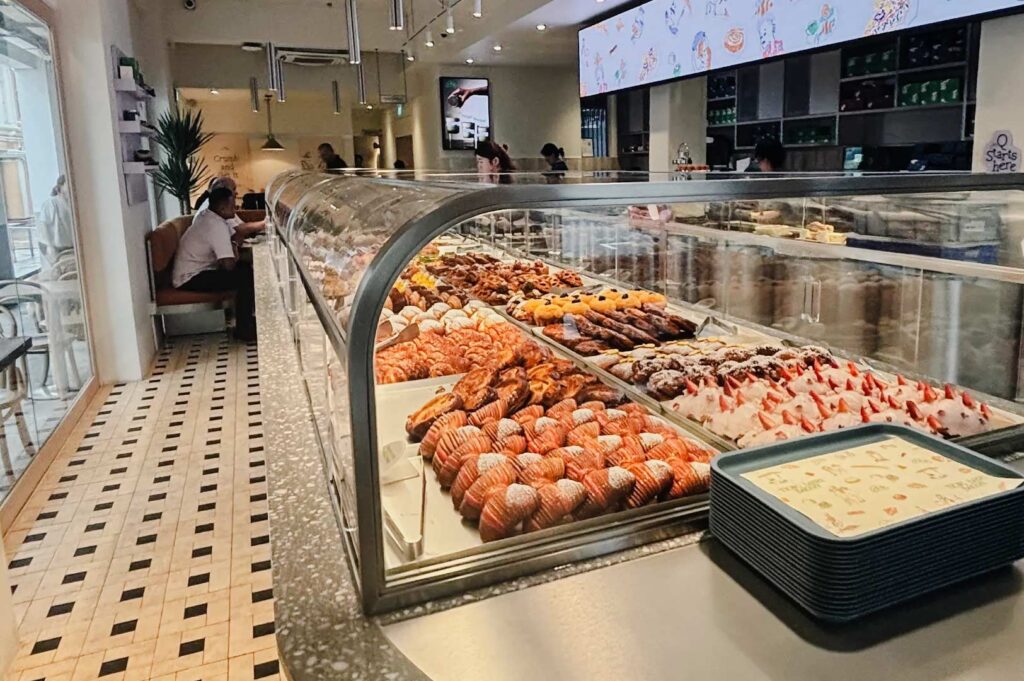
Simultaneously, the area’s cafés and bakeries, such as Tiong Bahru Bakery, embody a different kind of craft—one that honors French techniques while weaving in local sensibilities. The pastries here, alongside dishes like ayam buah keluak served at Peranakan Petit, reveal a culinary dialogue that spans continents and generations.
The Rhythm of Daily Life, Opening Hours, and Dining in Tiong Bahru Food Centre
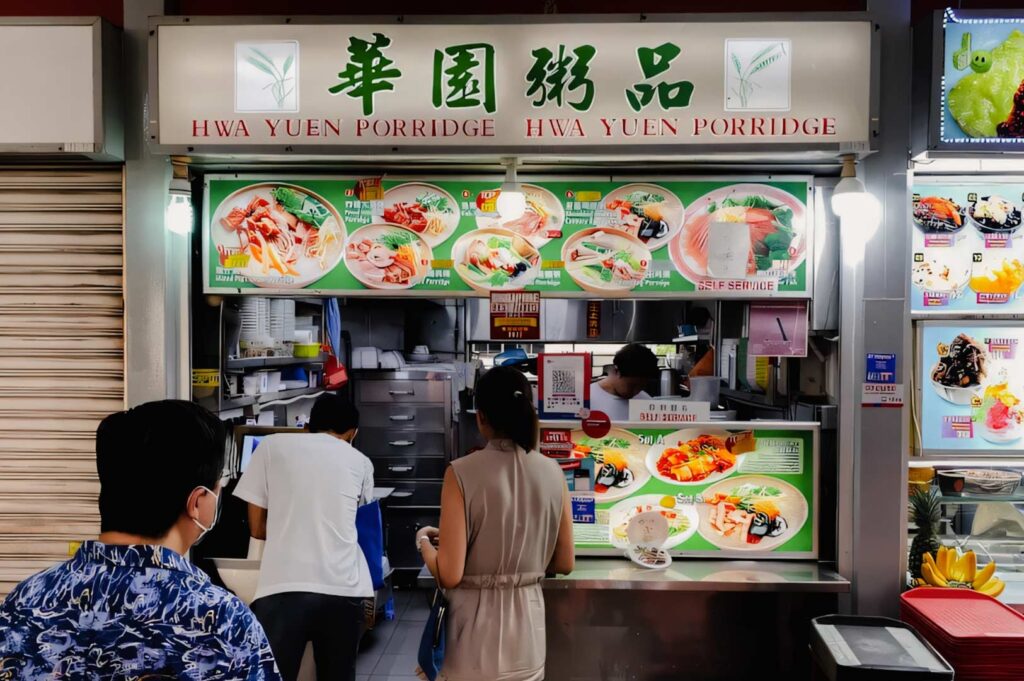
The ebb and flow of Tiong Bahru’s food scene is marked by rhythms as tangible as the opening hours of its stalls and shops. Early mornings belong to the hawker food stalls, where breakfast plates of chwee kueh or bowls of Hwa Yuen porridge nourish the neighbourhood’s early risers.
As the day progresses, the food centre pulses with activity, the long queues at popular stalls a quiet testament to the enduring appeal of these dishes. By afternoon and evening, the cafés and restaurants take on a different role—spaces for reflection, socializing, and the slow enjoyment of meals and cocktails. For dinner, visitors can choose from a wide variety of options at the food centre and surrounding restaurants, with cuisines ranging from local specialties to international fare.
When planning a visit, it’s helpful to know that prices at the food centre are affordable and up-to-date, making it easy to enjoy a meal without breaking the bank. The best time to visit Tiong Bahru Market is Wednesday to Sunday between 6am and 2pm, with Sunday being a particularly popular day for both locals and visitors.
This daily cadence, anchored in tradition yet open to change, shapes the experience of eating in Tiong Bahru. It is a living ritual that binds the community to its history while inviting new interpretations.
Food as a Mirror of Place and People in the Tiong Bahru Area
In Tiong Bahru, food is more than nourishment; it is a mirror reflecting the essence of the neighbourhood. The interplay between familiar hawker food and emerging culinary expressions speaks to a place that honors its roots while embracing transformation.
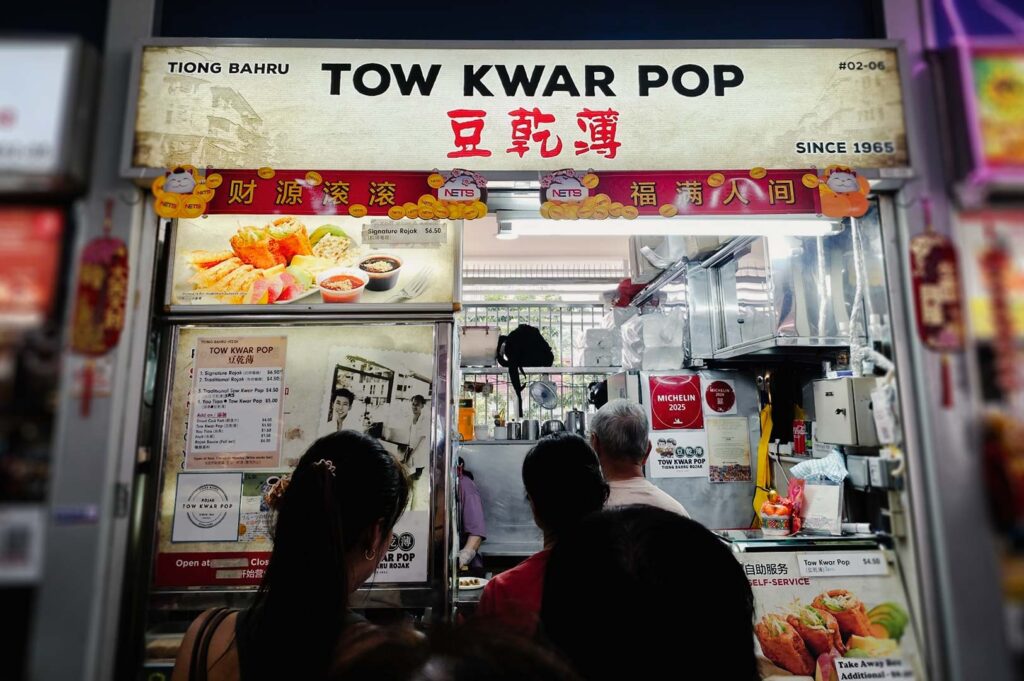
Dishes like sotong prawn mee and chicken rice are threads in a larger tapestry woven from fresh produce, preserved radish, pork, and the hands of cooks who have inherited recipes and adapted them. Pork features prominently in local specialties, from comforting pork porridge to crispy pork and pork ribs in zi char fare. The market’s stalls, packed with locals and punctuated by long queues, are stages where stories unfold daily. Among the unique offerings is Tow Kwar Pop at Tiong Bahru Market, serving a distinctive rojak with crispy stuffed tau pok tossed with fresh fruits and shrimp paste.
This culinary landscape is textured by the presence of old-school eateries alongside contemporary establishments, by the mingling of sweet and savory, steamed and grilled, humble and refined. It is a space where food carries memory and meaning, inviting those who partake to taste both the past and the present.
Conclusion: Tasting the Layers of Tiong Bahru Food
To engage with Tiong Bahru food is to enter into a dialogue with history, culture, and community. It is a journey through a neighbourhood where every dish is imbued with stories of families who have run stalls for decades, of recipes passed down and reimagined, of a city’s evolving palate.
Beyond the immediate pleasure of eating, the food here invites reflection on continuity and change, on how places shape and are shaped by what is cooked and shared. Tiong Bahru stands as a living testament to the power of food to bridge time and identity, a reminder that to eat is to connect deeply with the textures of life itself.