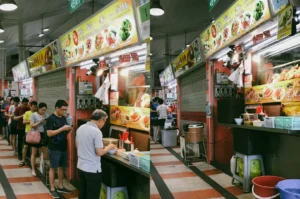
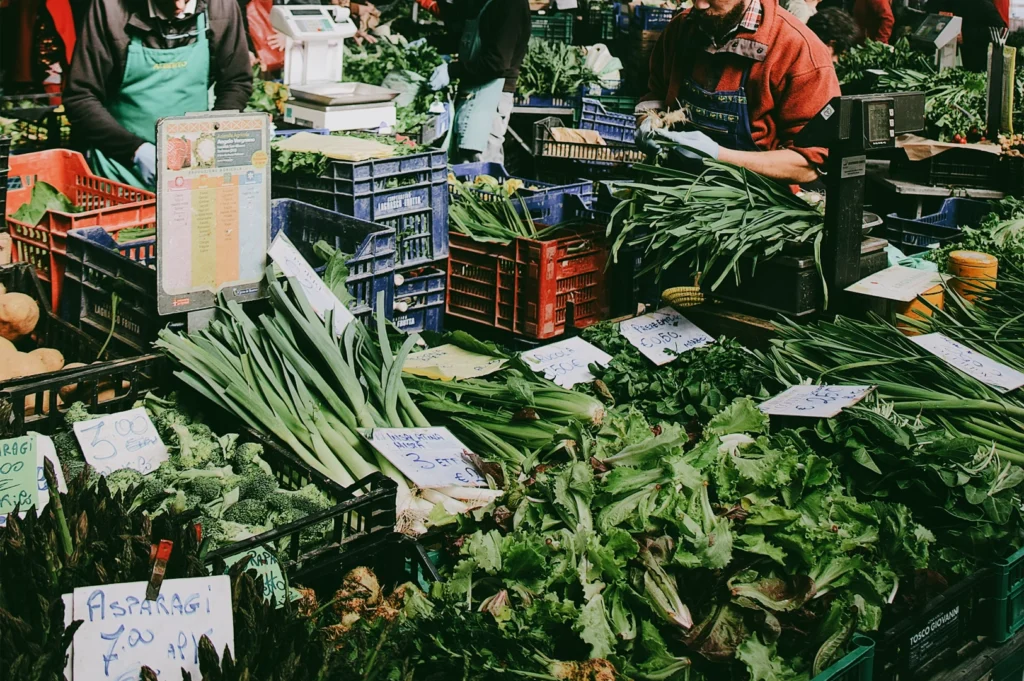
Long before the heat of the midday sun settles over the neighbourhood, a quiet transformation takes place in open squares and sheltered pavilions. Trestle tables are set up, canvas tents are pitched, and wooden crates overflowing with damp, vibrant greens are stacked high.
A farmers’ market is waking up. Within an hour, the quiet space becomes a lively hum of activity. You hear the rustle of canvas tote bags, the soft thud of ripe melons being inspected, and the overlapping murmurs of neighbors stopping to greet one another.
Beyond Fresh Produce and Transactions
While the primary function of these spaces is commerce, seeing them purely as outdoor grocery aisles misses their true significance. Farmers’ markets operate as vital neighbourhood gathering spaces.
They bring locals together through the shared language of food, the comfort of weekly routines, and the quiet establishment of trust. In an era where grocery shopping often involves silent self-checkout lanes and hurried digital deliveries, these markets remind us of the simple, grounding power of shared community habits.
Why Farmers’ Markets Matter to Local Communities
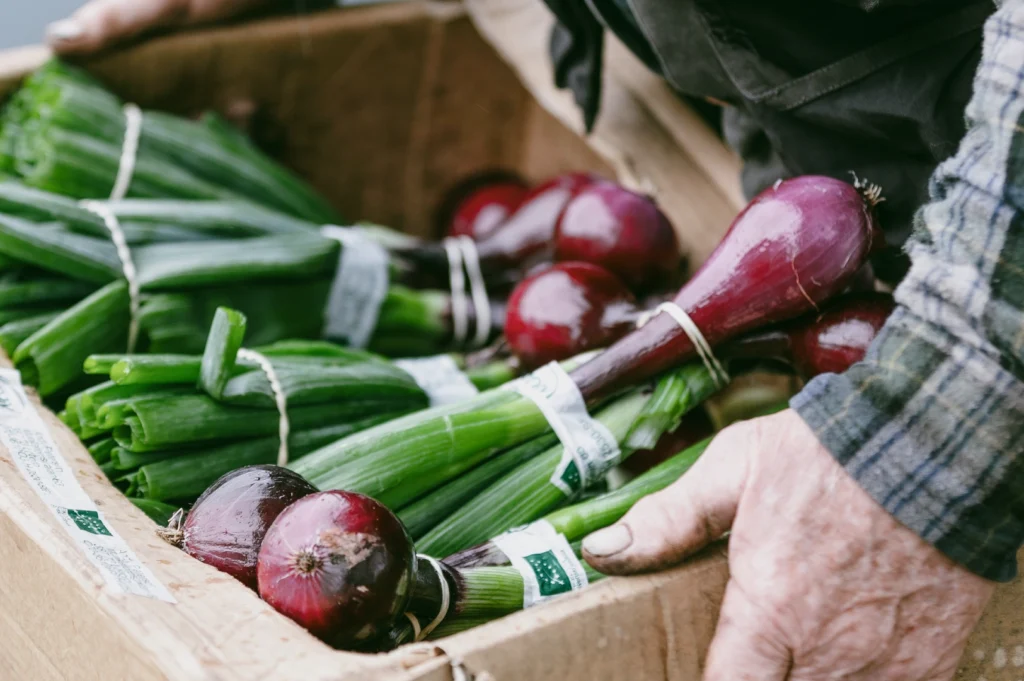
We often measure the health of a neighbourhood by its parks, schools, and public transport. However, the presence of active community markets provides an equally important metric for social wellbeing. These markets matter because they create an organic environment for face-to-face exchange. When residents gather in a central location every weekend, they do more than purchase groceries. They actively participate in the local economy and claim a stake in their community’s identity.
A market stall offers a completely different social dynamic compared to a supermarket aisle. The physical openness of the space encourages lingering. We pause to ask a question about an unfamiliar vegetable, which leads to a conversation with the person standing next to us. These seemingly small interactions accumulate over time.
They weave a quiet but resilient social fabric, transforming strangers who happen to live in the same postal code into a connected network of familiar faces. The social value of this regular, unforced interaction cannot be overstated when it comes to healthy neighbourhood life.
Fresh Produce as a Shared Neighbourhood Experience
There is a distinct rhythm to shopping at a farmers’ market, entirely dictated by the shifting seasons. The fresh produce we carry home acts as a shared neighborhood experience. When the first heavy monsoon rains give way to dry spells, the tables reflect the change. We notice the sudden abundance of bright citrus, the arrival of fragrant local herbs, or the short-lived appearance of a specific seasonal fruit.
This shared seasonality creates a profound sense of connection. When everyone in the community is buying the same bunches of fresh basil or the same ripe tomatoes, a natural dialogue emerges. Conversations around produce naturally transition into conversations about cooking. We hear shoppers exchanging family recipes, debating the best way to preserve excess chilies, or discussing how to prepare a newly discovered root vegetable.
Food, in its rawest form, becomes the medium through which we relate to one another. We share our culinary traditions over wooden crates, passing down knowledge and making the simple act of eating feel like a collective neighbourhood event.
The People Behind the Stalls
The foundation of any thriving market rests on the people who show up before dawn to set up their displays. These growers, makers, bakers, and small food business owners do much more than sell goods. The local vendors serve as the anchor for the entire market experience. Unlike anonymous food distributors, these individuals bring a deeply personal element to the food we consume.
When we buy directly from the people who grew the vegetables or baked the sourdough, we engage in an exchange built on accountability and trust. Over time, these repeated interactions build a comforting familiarity. The vendor learns our preferences, saving a bundle of our favorite leafy greens before they sell out. We learn about their growing methods, the challenges they faced with the recent weather, and the pride they take in their harvest.
This relationship shifts our perspective. We stop viewing food merely as a commodity and start seeing it as the result of someone’s hard work. Supporting local producers becomes a meaningful weekly habit rather than an occasional novelty.
How Farmers’ Markets Create Community Bonding
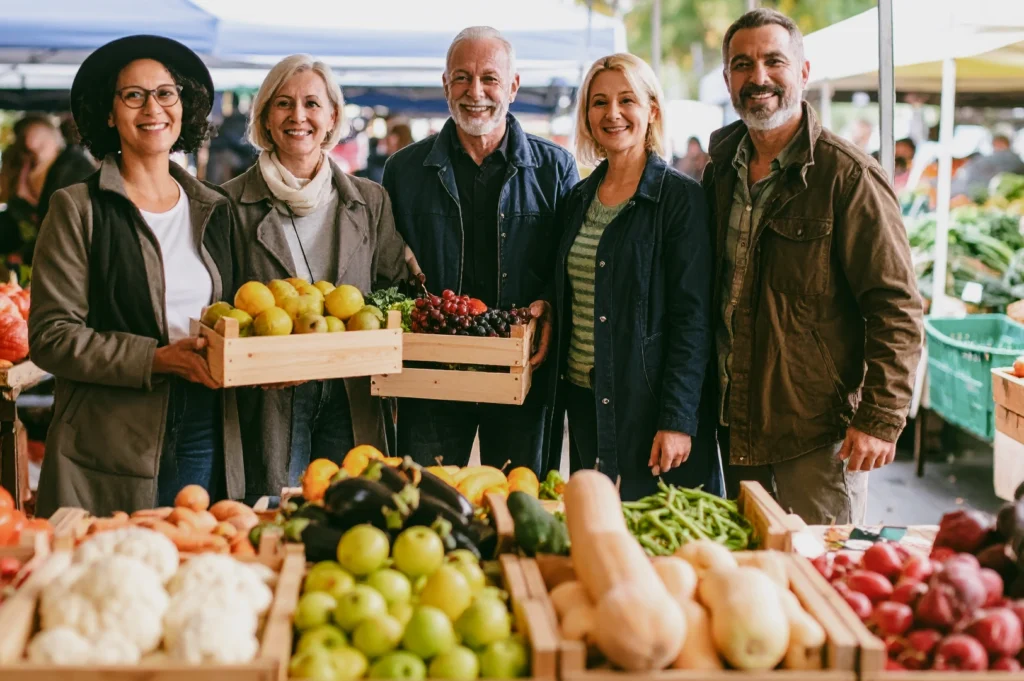
The architecture of a market naturally fosters connection. Without the physical barriers of store aisles or the rush of automated checkout machines, people naturally slow down. This relaxed environment facilitates community bonding in several distinct ways:
- Neighbours meeting in casual, low-pressure settings: The open-air layout provides a neutral ground where residents can stop and chat without feeling rushed, turning a quick errand into a social event.
- Families creating weekend routines: A Saturday morning trip to the market becomes an anchor for household routines, giving families a shared activity that takes them out of the house and into the neighborhood.
- Residents supporting local producers: Spending money directly with farmers and makers keeps resources within the community, fostering a sense of mutual support and economic solidarity.
- Shoppers exchanging cooking ideas and recommendations: The sight of fresh, unfamiliar ingredients prompts spontaneous conversations, allowing people to share culinary tips and cultural recipes.
- Children learning where food comes from: Markets offer an educational space where younger generations can see food in its natural state, interact with growers, and develop a healthier relationship with what they eat.
- Communities gathering around seasonal events and shared meals: Many markets host small seating areas, live acoustic music, or seasonal tasting events, transforming the space into an informal dining room for the entire neighborhood.
A More Sustainable Way to Shop and Connect
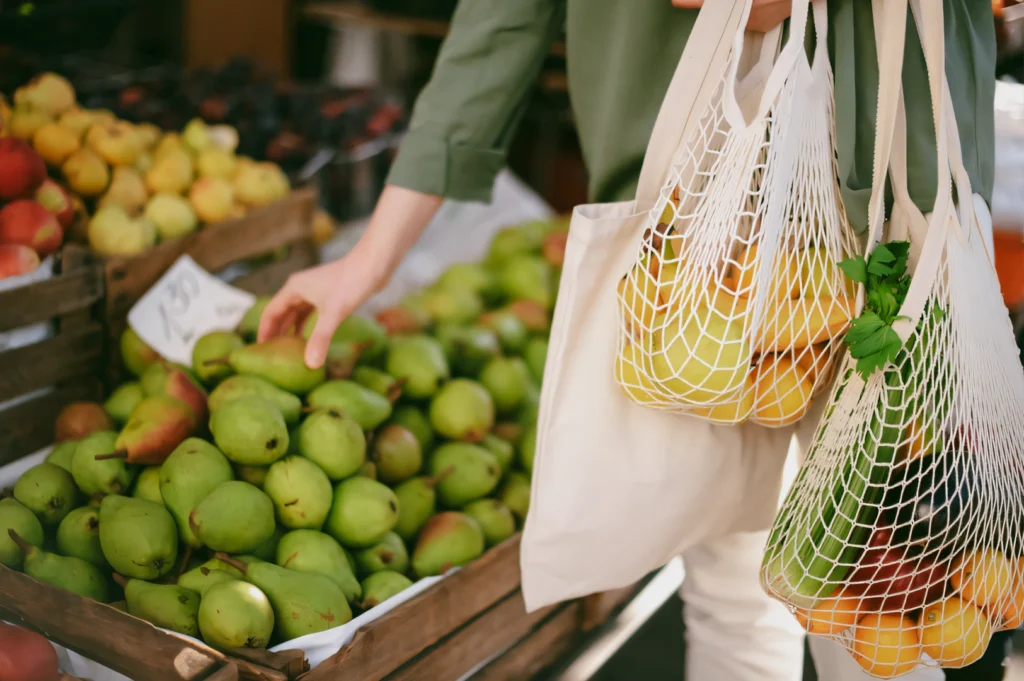
As our awareness of environmental impact grows, so does the appeal of community markets. They offer a more sustainable way to shop, aligning our daily habits with our broader values. When we purchase local produce, we actively support shorter supply chains.
The food travels a fraction of the distance required by imported supermarket goods, significantly reducing the carbon footprint associated with our meals.
A More Mindful Way to Shop and Eat
Furthermore, these markets encourage mindful consumption. We buy what looks fresh and what is currently in season, naturally aligning our diets with the local climate. Packaging is often minimal, relying on reusable cloth bags or simple paper wrappings rather than rigid plastic containers.
Supporting sustainable food practices in this way feels accessible and practical. The market environment proves that sustainability does not require dramatic lifestyle overhauls. It simply involves making deliberate, community-focused choices about where we source our food, while simultaneously connecting with the people who provide it.
The Cultural Value of Community Markets
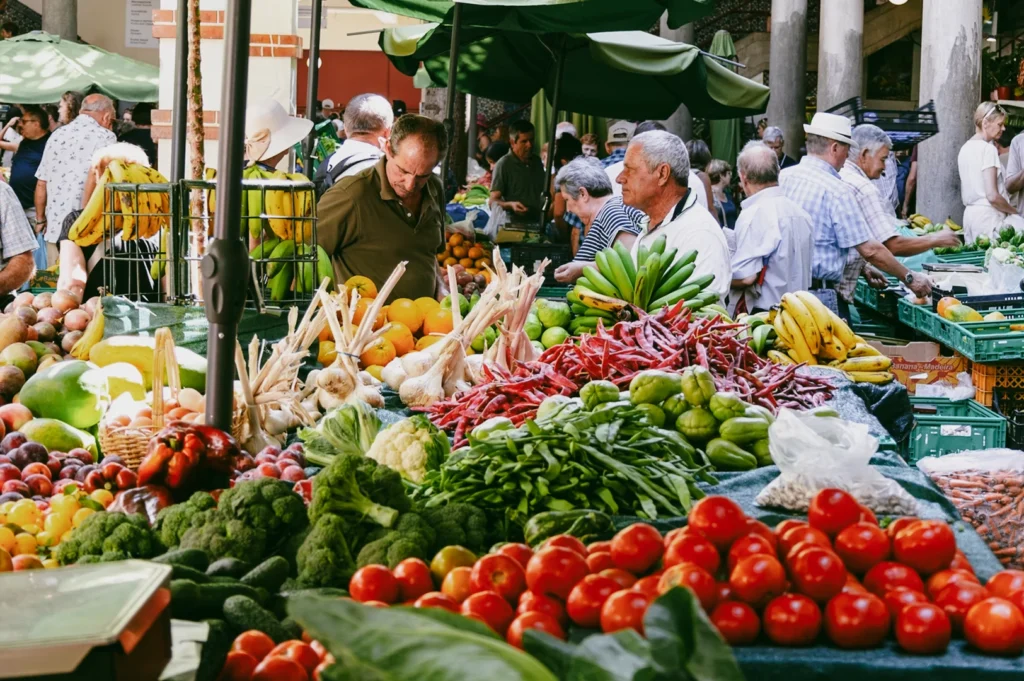
Food serves as one of the clearest reflections of cultural identity. When we walk through a vibrant community market, we see a cross-section of our neighbourhood’s diverse heritage. The stalls display an incredible variety of ingredients, reflecting the shifting demographics and the rich tapestry of local food habits. A vendor selling traditional Asian greens might stand next to a baker offering European-style artisan breads.
This proximity encourages cultural exchange. We are introduced to ingredients and flavor profiles outside of our own traditions. A shopper might ask a vendor how to properly cook a specific type of gourd, inadvertently learning about a traditional dish from another culture. These exchanges foster a deep cultural appreciation.
Fresh produce markets possess the rare ability to bridge generational and cultural divides. They create a space where food traditions are preserved, shared, and celebrated, ensuring that our neighbourhoods remain vibrant, inclusive, and culturally engaged.
What We Bring Home Beyond the Market Bag
We all need places that ask us to slow down, look around, and acknowledge the people who share our community. Farmers’ markets offer exactly that. They remind us that the simple act of buying food can be a profoundly social experience.
When we choose to shop in these open-air spaces, we walk away with much more than fresh vegetables and artisan bread. We carry home a stronger connection to our local environment, a deeper appreciation for the people who grow our food, and a quiet sense of belonging.
The next time the weekend rolls around, take a morning walk to a market near you. Bring a sturdy canvas bag, strike up a conversation with the person selling you your tomatoes, and take a moment to look at the crowd around you. You might find that the most valuable thing you bring home is not the produce, but the feeling of being an active, engaged part of your neighbourhood.