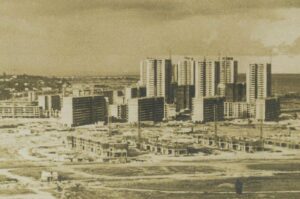

The air in Serangoon Gardens at dusk carries a specific, almost sacred, scent. It’s the smell of charcoal catching fire, marinated meat hitting a hot grill, and peanut sauce simmering in a large pot. This smoky perfume comes from the popular Chomp Chomp Food Centre, the beating heart of the neighbourhood, drawing people from all corners of Singapore. Serangoon Gardens was formerly a residential estate for British soldiers and airmen until the early seventies.
The name Serangoon likely derives from burong ranggoon, a species of stork, and the area is fondly known as ang sar lee by the local Chinese, referring to the red zinc roofs of the houses. This unique blend of suburban tranquility and foodie frenzy was forged over seventy years, shaped by British soldiers, settlers, and generations of hawkers.
Beyond the food centre, Serangoon Gardens offers a rich community spirit and a unique suburban charm. The estate’s layout reflects its British colonial roots, with streets named after UK locations and a village-like atmosphere. Residents cherish the strong sense of neighbourliness and gatherings that continue to thrive. Today, Serangoon Gardens remains a great place to enjoy diverse food at Serangoon Gardens, blending heritage and modernity in a vibrant neighbourhood that honors its past while embracing new culinary experiences.
Food at Serangoon Gardens: Built for the British — The Early Foundations of Serangoon Garden Estate
In the 1950s, Singapore was a very different place. As a key British colony, it housed a large number of military and civil service personnel. A housing crunch led to the development of a new kind of estate, one designed not for the local population, but for the expatriate community. Serangoon Garden Estate was conceived as a self-contained English village, a suburban oasis dropped into the tropical landscape.
The estate’s layout, designed in the mid-1950s, was a masterclass in British town planning. Streets radiated from a central roundabout, the Serangoon Garden Circus, creating a focal point for the community. The road names themselves were a map of nostalgia for the British residents: Kensington Park Road, Tavistock Avenue, Chartwell Drive, and Serangoon Garden Way. The houses were single-story terraces with modest gardens, their red zinc roofs a familiar sight for those from the English countryside. Importantly, 5.56 acres of land were allocated specifically for community facilities, reflecting how land use planning was central to the estate’s development and the shaping of its neighborhood character.
This design fostered a specific way of life. For the British families stationed here, it was a slice of home. The wide, tree-lined streets were perfect for afternoon strolls, and the backyards were venues for weekend barbecues. The community was tight-knit, anchored by amenities like the Serangoon Gardens Country Club and the old Paramount Theatre. This period cemented the estate’s identity as an expatriate enclave, earning it the affectionate local nickname “Little Australia” due to the significant number of Australian servicemen who also called it home.
Serangoon Garden Market and Food Centre: A Neighbourhood Finds Its Own Identity Along Serangoon Garden Way

The withdrawal of British forces from Singapore in 1971 was a pivotal moment for Serangoon Gardens. As the expatriate families departed, a new chapter began. The properties were sold to an emerging Singaporean middle class, and the neighbourhood started to find a new, distinctly local identity.
The architectural shell remained, but the soul of the community began to shift. The weekend barbecues slowly gave way to steamboat dinners. The sound of children playing cricket in the garden was joined by the clacking of mahjong tiles drifting from open windows. The estate became a desirable address for Singaporeans who valued its spacious layout, landed properties, and village-like atmosphere, a stark contrast to the high-rise public housing that was beginning to dominate the nation’s landscape.
During this transition, the Serangoon Garden Market solidified its role as the community’s daily heartbeat. It was where new residents and old-timers mingled, where the aunty selling fresh vegetables knew her customers by name, and where the day’s news was exchanged over a morning cup of kopi. The market and its adjoining food centre were, and still are, the engine room of the neighbourhood, a place of commerce that fosters genuine social connection. The food centre is home to numerous individual hawker stalls, each running its own business and contributing to the vibrant atmosphere and economic activity that make food at Serangoon Gardens so appealing.
Chomp Food Centre and the Rise of Food at Serangoon Gardens
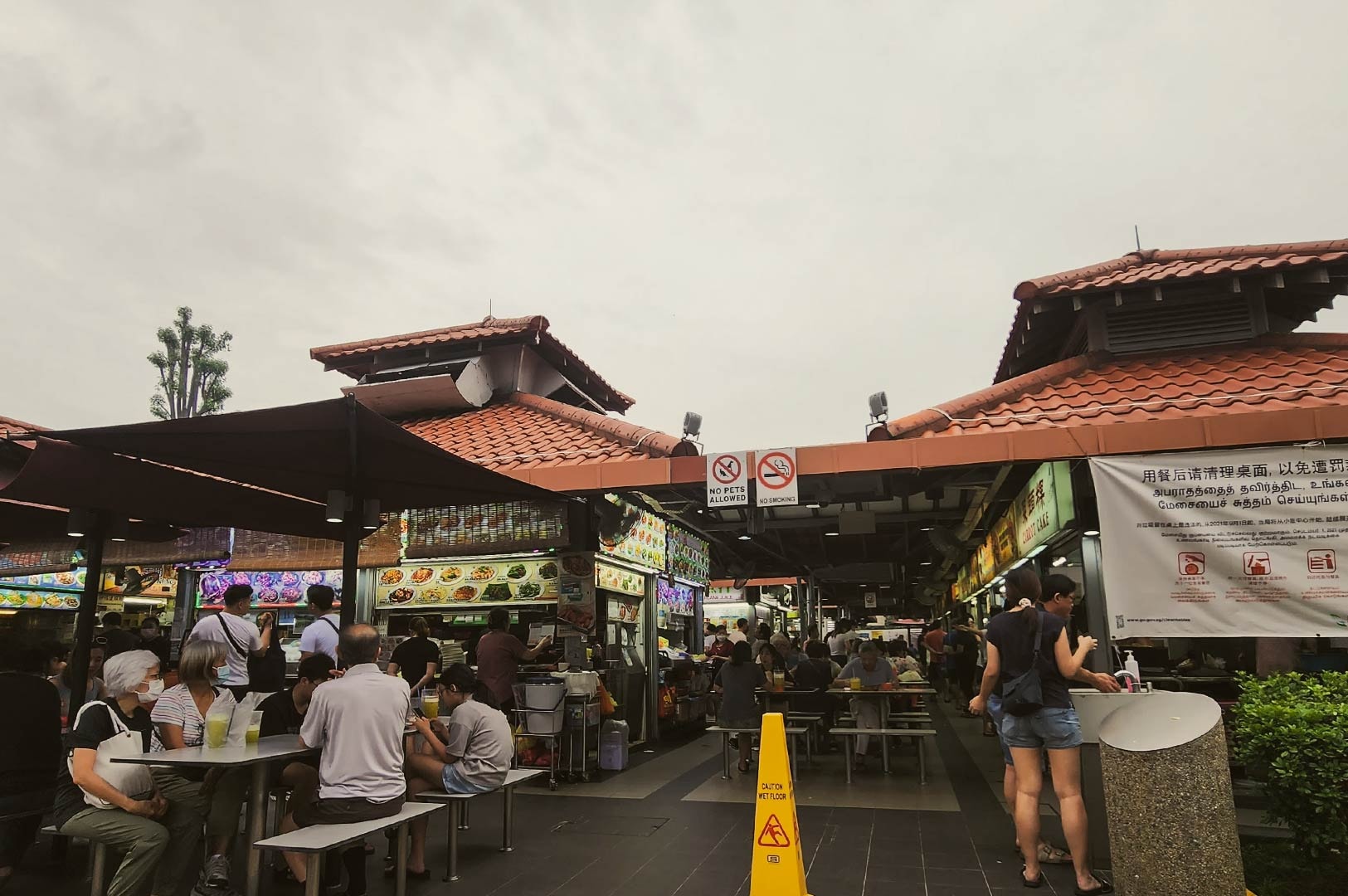
While the market served the daytime needs of residents, the neighbourhood’s destiny as a food paradise was forged after dark. The turning point was the formal establishment of Chomp Chomp Food Centre in 1972 along Kensington Park Road. What began as a loose collection of street hawkers was consolidated into a purpose-built, open-air hawker centre. Chomp Chomp Food Centre underwent major renovations completed in January 2026, including the installation of canopies to accommodate more diners and protect them from rain.
Unlike other food centres designed for quick, everyday meals, Chomp Chomp’s identity was different from the start. It was a supper spot. It opened in the evening and came alive late at night, drawing crowds from far beyond the estate’s boundaries. Its compact, slightly chaotic layout and smoky, vibrant atmosphere became its signature. The focus was on indulgent, communal food—dishes meant for sharing and savouring. In 1998, Chomp Chomp Food Centre had a major upgrading where a new roof was installed. This is where the Serangoon Gardens food identity was truly born.
The hawker culture here shaped the neighbourhood’s reputation. Iconic dishes became synonymous with the Serangoon Gardens name:
-
BBQ Satay: Skewers of marinated chicken, pork, and mutton, grilled over charcoal and served with a rich, chunky peanut sauce.
-
BBQ Stingray: A slab of stingray slathered in spicy sambal, grilled in a banana leaf until tender and smoky.
-
Hokkien Mee: A wok-fried noodle dish swimming in a rich prawn and pork broth, often considered one of the best in Singapore.
-
Chicken Rice: Fragrant rice served with tender poached or roasted chicken, often accompanied by a perfectly cooked fried egg and chilli sauce.
-
Sugar Cane Juice: Freshly squeezed and served in large, towering mugs, the perfect antidote to the heat and spice.
-
Chomp Chomp Food Centre also serves a variety of local dishes including satay and barbecued chicken wings, with some stalls offering set (sat) meals or dishes for added value and variety.
Each stall at Chomp Chomp carefully prepares its dishes, often using traditional methods to enhance flavor and presentation. Popular stalls frequently have long waiting times, a testament to the quality and demand for their food. Despite renovations and upgrades, prices at the stalls remain affordable, and many stall owners have chosen not to raise their prices, ensuring value for money for all visitors.
The rise of Chomp Chomp created a ripple effect. Soon, the shophouses surrounding the Serangoon Garden Circus and along Serangoon Garden Way began to fill with other eateries, from old-school stalwarts like the 24-hour RK Eating House to modern cafes and bistros. The quiet suburb had found its main character: food.
The Suburban Charm of Serangoon Gardens Along Upper Serangoon Road and Maju Ave

What makes the food at Serangoon Gardens so special is its setting. Unlike other food hubs in dense urban areas, the dining experience here is framed by unique suburban tranquility. Low-rise buildings allow you to still see the sky, while tree-lined streets create a green canopy that softens the urban edge. This balance is key to its enduring appeal. You can enjoy a lively dinner at Chomp Chomp Food Centre and then take a quiet walk back to peaceful residential streets like Cooling Close.
The neighbourhood is both a destination and a sanctuary, where families have lived for generations, kids cycle on the roads, and a strong community spirit thrives through gatherings and house parties.
A pet-friendly dual-concept space features a bakery cafe by day and a gelato lab at night, catering to pet owners and dessert lovers alike. Its proximity to arterial roads like Ang Mo Kio Ave, Upper Serangoon Road, Yio Chu Kang Road, and Toa Payoh ensures easy access while retaining its village-like charm. The estate’s history, from rubber estates to Japanese occupation, and land allocation for community facilities, has shaped the character and development of Serangoon Gardens.
To understand Serangoon Gardens fully, it helps to widen the lens beyond its supper tables and suburban streets. The broader Serangoon area carries layers of history that predate the estate itself—stories of plantations, wartime occupation, and early settlement that quietly shaped the district long before satay smoke filled the night air. These deeper roots add texture to the neighbourhood’s present-day charm and community spirit. For a closer look at the district’s wider historical journey, read here.
Heritage, Reinvention and What Lies Ahead for Serangoon Gardens

Today, Serangoon Gardens faces the familiar Singaporean tension between preservation and redevelopment. The original 1950s single-story houses are becoming rarer, often torn down to make way for multi-story modern homes. While this reflects the aspirations of a new generation, it also slowly erodes the original architectural character that gave the estate its charm.
Changing Architectural Landscape
The demographics are also shifting. It remains a popular choice for expatriates, echoing its “Little Australia” past, and is home to a French international school, adding another layer to its multicultural fabric. The challenge for the community is to welcome this evolution while holding onto the heritage that makes it unique.
Preserving Heritage Through Community Efforts
Community leaders like Mabel Wee have played a crucial role in documenting and celebrating Serangoon Gardens’ rich history through initiatives like the recent book project that chronicles the estate’s story, from its British roots to its modern-day multicultural identity. The book includes nostalgic reflections on childhood days, the red zinc roofs that gave the estate its local nickname ang sar lee, and the legacy of the late father of many families who helped build this neighbourhood.
Evolution of Food Scene and Business

The story of the Serangoon Gardens history is a powerful reminder that a neighbourhood’s identity is never static. It is constantly being renegotiated. The nostalgia for the “good old days” is strong, but the area’s ability to reinvent itself is what has kept it relevant. The new cafes, ramen shops, and brunch spots opening along Maju Ave and Lorong Chuan are simply the latest chapter in a long story of adaptation.
New outlets continue to launch, adding fresh concepts and flavors to the food at Serangoon Gardens, and reflecting the dynamic business environment of the area. The diversity of restaurants and food stalls here contributes to the neighbourhood’s vibrancy and economic activity, drawing steady customer flow and supporting thriving businesses. Don’t miss out on the latest food experiences in Serangoon Gardens ’cause there’s always something new to discover before you miss the chance.
Conclusion
Serangoon Gardens is more than just a collection of famous food stalls and a historic food centre. It is a living document of Singapore’s journey. It began as a blueprint for British life, was adopted and adapted by a generation of post-independence Singaporeans, and has now evolved into a vibrant, multicultural enclave that is both deeply local and comfortably cosmopolitan.
To visit Serangoon Gardens is to trace this story. You see it in the street names, in the mix of old and new architecture, and most of all, in the food. The satay skewer is a link in a chain that connects the British officer’s backyard barbecue to the modern foodie’s supper craving.
We encourage you to go beyond the plate as you explore in Neighbourhood Life, discovering the rich stories and vibrant community that make Serangoon Gardens truly special. After your meal at Chomp Chomp, take a walk through the quiet, winding streets. Notice the way the moonlight filters through the trees. Listen to the hum of the cicadas.
You will find that the true magic of Serangoon Gardens lies not just in what you eat, but in the enduring spirit of a place that feels, even after all these years, like a village.