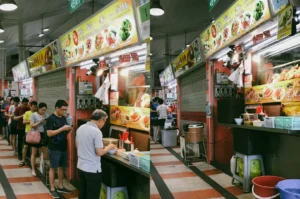
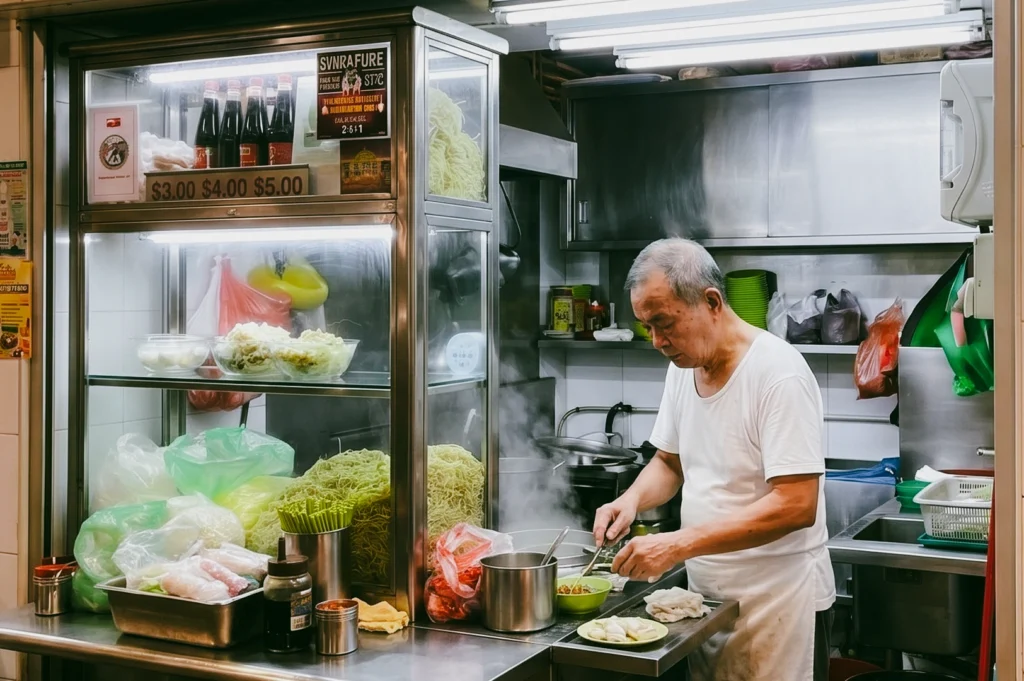
It is six in the morning, and the air inside the neighborhood wet market is already thick with the heavy, comforting scent of roasted belacan and boiling pork bones. I am standing near a corner stall watching an elderly uncle prepare handmade fishball noodles. He moves with a quiet, practiced rhythm.
He scoops a portion of minced yellowtail fish, presses it through his curled fingers, and drops perfect, uneven spheres into a pot of simmering water. The sound of his metal spatula hitting the side of the wok is a familiar morning soundtrack.
These quiet breakfast rituals still shape entire neighborhoods across the island. From handmade fishball noodles in old coffee shops to steaming kaya toast sets and traditional porridge stalls, many of Singapore’s most comforting morning meals are deeply tied to the people who wake up before sunrise to prepare them.
Some of these stories still survive in places featured in Traditional Singapore Breakfast Favorites Still Loved Across Neighborhoods, where old-school breakfast traditions continue to hold communities together.
A Fading Heritage
We take scenes like this for granted. We join the queue, buy our breakfast, and assume the stall will always be there. But if you look closely, you notice the uncle’s hands shake slightly as he lifts the heavy strainer. You notice the fading signboard above his head. Most importantly, you notice that there is no one younger standing behind him to learn the trade.
Across the island, traditional Singapore recipes are quietly fading away. As our older hawkers retire and grandmothers step out of the kitchen, we are losing more than just familiar flavors. We are losing the stories, the techniques, and the deeply personal heritage that shaped our local food culture.
The Hawkers Still Cooking the Old Way
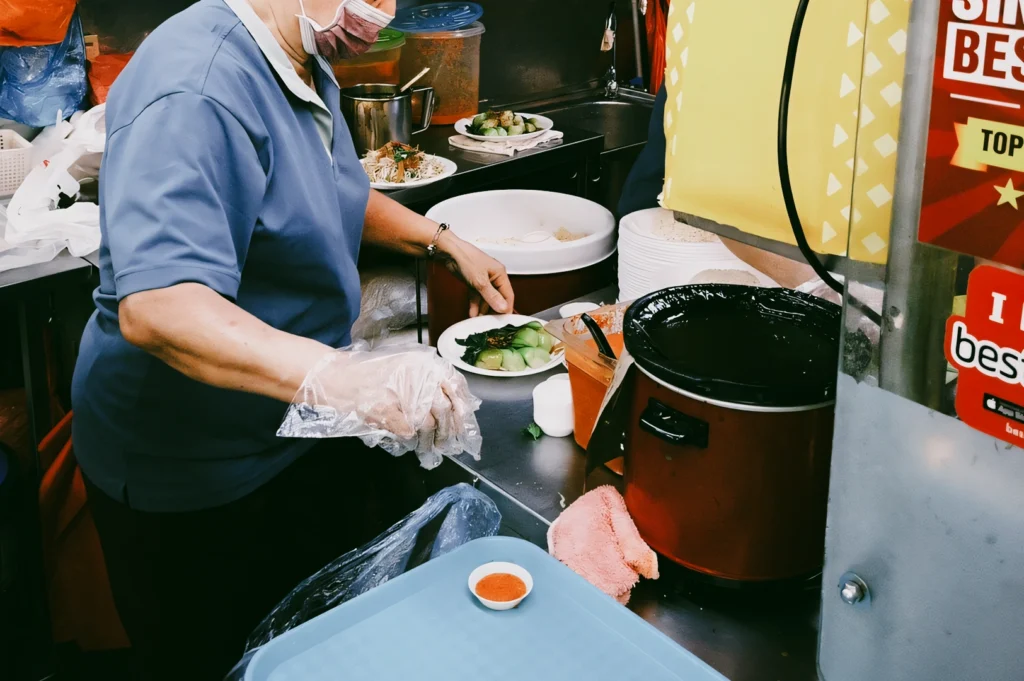
Despite the convenience of modern cooking, there are still a few hawkers stubbornly cooking the old way. They refuse to take shortcuts, preserving the authentic taste of old-school Singapore food through sheer willpower and physical labor.
You can taste this dedication in traditional thunder tea rice.
The authentic version requires the hawker to meticulously chop several different types of vegetables, roast peanuts, and grind tea leaves, basil, and mint into a thick, fragrant paste using a wooden pestle. You taste it in old-school curry puffs, where the buttery, flaky crust is rolled and pinched by hand every single morning.
You see it at the stalls selling Cantonese-style steamed dishes, where the fish is chosen fresh from the market at dawn and steamed with exactly the right amount of ginger and scallions.
Guardians of a Culinary Art Form
These hawkers are the guardians of Singapore hawker culture. They endure the intense heat of the kitchen and the grueling physical demands because they take immense pride in their craft. They know that a machine-made fishball will never have the same irregular, springy bounce as one made by hand.
Why Younger Generations Are Walking Away
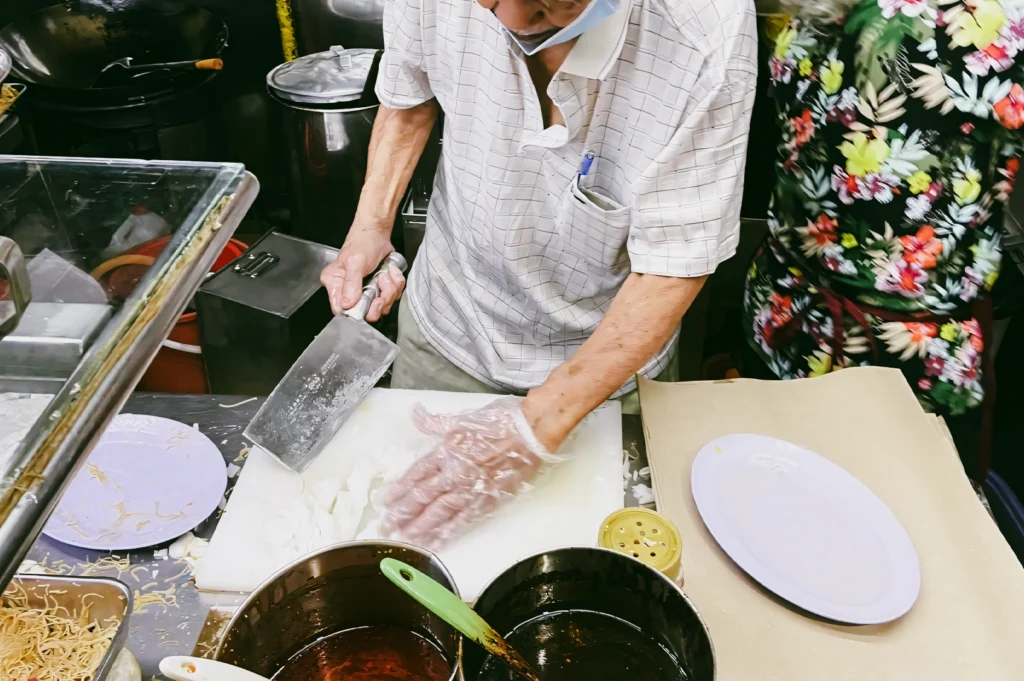
It is easy to feel sad about disappearing recipes Singapore is losing, but it is also important to understand why this is happening. We cannot place the burden of preserving neighborhood food Singapore culture entirely on the shoulders of the younger generation. The reality of running a traditional food business is incredibly harsh.
Cooking these generational recipes requires backbreaking work. A hawker selling traditional herbal soups often arrives at their stall before 4:00 AM to start boiling the broth. They stand over hot stoves for fourteen hours a day, navigating rising ingredient costs, increasing stall rents, and customers who complain if a bowl of noodles goes up by fifty cents.
Younger people are naturally seeking different paths. They want manageable working hours, steady incomes, and a lifestyle that allows for rest. Many children of hawkers watched their parents sacrifice their physical health to keep the family stall running, and those parents often encourage their children to pursue office jobs instead. The choice to walk away is rarely about a lack of respect for the food. It is usually a matter of survival and practicality.
The Quiet Disappearance Happening Across Singapore
This slow loss of Singapore heritage food is not happening with a loud crash. It is happening quietly, one stall at a time.
You visit your favorite coffee shop one morning, only to find the shutters pulled down and a” For Rent” sign pasted on the wall. The uncle who spent thirty years perfecting his old-school Hokkien mee techniques has finally decided his knees can no longer handle the hours. A few weeks later, a new stall opens in its place, selling factory-made noodles bathed in a generic sauce. The food is fine, but the soul is gone.
We are slowly trading craftsmanship for convenience. We accept commercially produced kueh because it is faster and cheaper, even though the texture feels slightly rubbery and lacks the rich scent of freshly squeezed coconut milk. As these mass-produced foods become the norm, our collective palate forgets what the original, painstakingly made dishes actually tasted like.
A Simple Way to Hold On
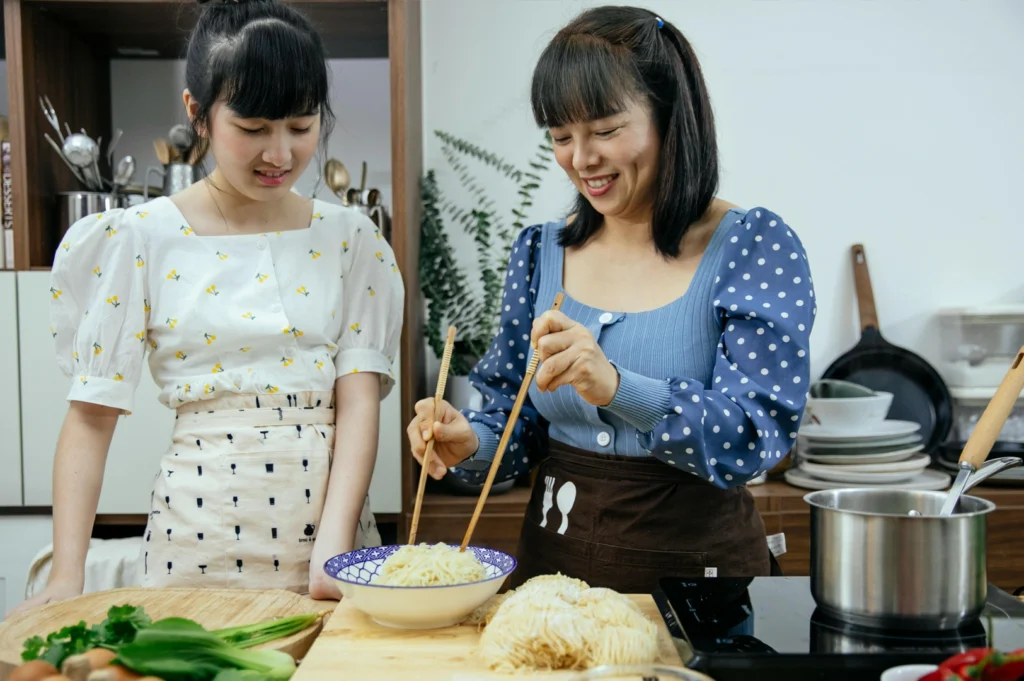
We cannot stop time, and we cannot force anyone to spend fourteen hours a day standing over a hot wok. However, we can change how we value and interact with the people who still practice these culinary traditions.
The next time you eat a bowl of handmade noodles or bite into a perfectly flaky curry puff, take a moment to really taste it. Recognize the effort, the tired hands, and the years of practice required to put that food on your plate. Support the family-run food businesses in your neighborhood. Pay the extra fifty cents without complaining. Tell the hawkers that their food brings you joy.
More importantly, look inside your own home. Sit down with your parents or grandparents. Ask them how they make your favorite soup. Stand in the kitchen with them, watch how their hands move, and learn what “agak agak” feels like. Do not wait for someone else to write it down. The best way to keep a recipe alive is to simply cook it, share it, and pass it on.