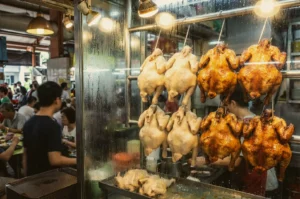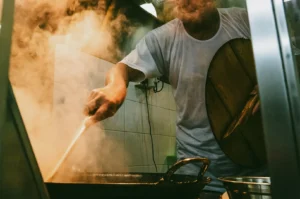
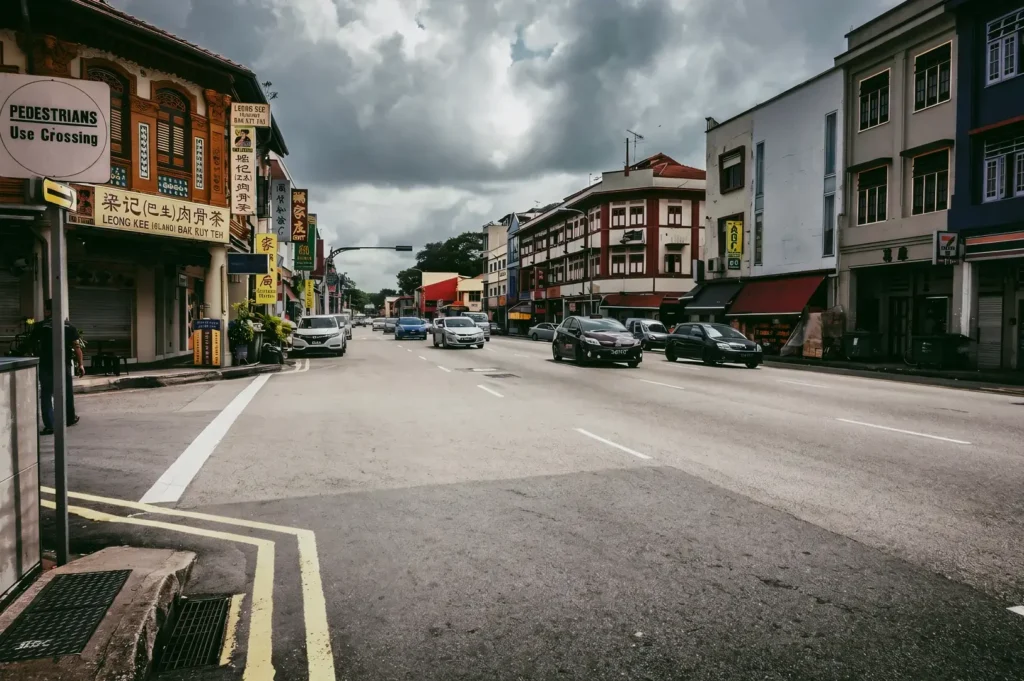
The fluorescent hum of neon signs cuts through the thick evening humidity. As you walk down the main artery of Geylang Road, the sensory input is immediate and overwhelming. The sharp, unmistakable scent of durian mingles with the heavy smoke of charcoal grills. Traffic crawls at a deliberate pace, with drivers craning their necks to spot a parking space outside their favorite late-night supper spots.
Geylang’s location within Singapore is defined by its boundaries: to the east lies Bedok, to the south is Marine Parade, to the north is Kallang, and key roads such as Still Road and Eunos Link help delineate the district.
To the uninitiated, this is exactly what Geylang is supposed to look and feel like. It is a place painted in broad, dramatic strokes. It carries a heavy reputation that precedes it, often whispered about in polite company or strictly categorized by its most famous exports.
Geylang is also part of Singapore’s western area that experienced significant urban development and architectural diversity, reflecting a blend of historical influences.
The Quiet Lorongs: A Shift in Narrative
Yet, if you step off the main road and wander down the narrower lorongs, the narrative begins to shift. The blinding lights give way to quiet, dimly lit residential streets. The frantic energy of the supper crowds dissolves into the calm of neighborhood clan associations and silent temples. Geylang is not a single, easily definable space.
It is one of the most complex, layered Singapore neighbourhoods, offering a living breathing look at a city in constant motion, with Paya Lebar Central standing out as a major commercial and cultural hub within the region.
History Geylang: From Coconut Plantations to Urban Melting Pot
Mention Geylang to almost anyone in Singapore, and you usually get one of two immediate associations. It is either the designated red light district or the ultimate destination for late-night durian feasting. Both of these elements undeniably exist.
They are woven into the fabric of the Geylang area and contribute heavily to its nocturnal economy. Over time, the land in Geylang has undergone a remarkable transformation—from agricultural land dominated by plantations to a dense urban district—shaping its architecture and social dynamics.
From Plantation Roots to Urban Growth
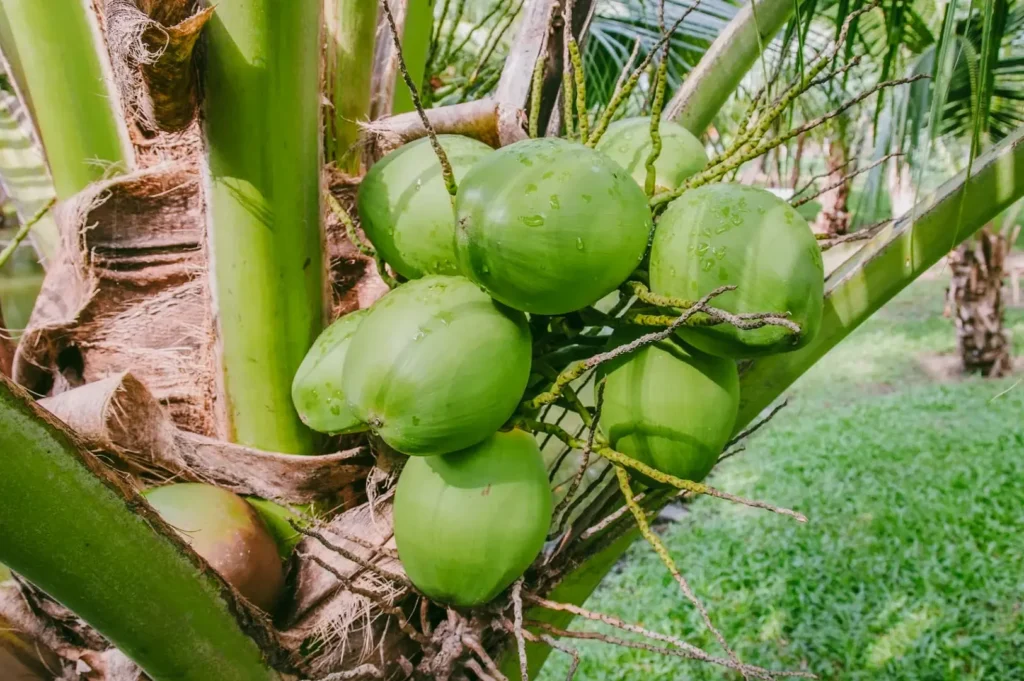
Historically known as Geylang Kelapa, the area was once dominated by coconut plantations along the banks of the Geylang River, near the Kallang Basin. The name Geylang itself may derive from the Malay word “kilang,” meaning press or factory, referencing the lemongrass processing factory that once operated here in the 19th century. Lemongrass, or serai, was cultivated as a cash crop, and this gave rise to the name Geylang Serai.
The Orang Laut, sea nomads originally residing at the mouth of the Singapore River, were resettled here by the British Government in the early 1840s, leading to the establishment of the first Malay kampong, Kampong Melayu (now known as Geylang Serai). The Japanese occupation during World War II brought hardship, with many plantations replaced by tapioca crops, further shaping the area’s identity.
Cultural Heritage and Community Evolution
Today, Geylang has evolved from predominantly agricultural land into a modern residential district while retaining its cultural heritage, particularly through the preservation of its Malay community and the Geylang Serai market, which remains a hub for traditional Malay cuisine and cultural practices.
Geylang Serai Market and Culinary Riches: A Food Lover’s Paradise
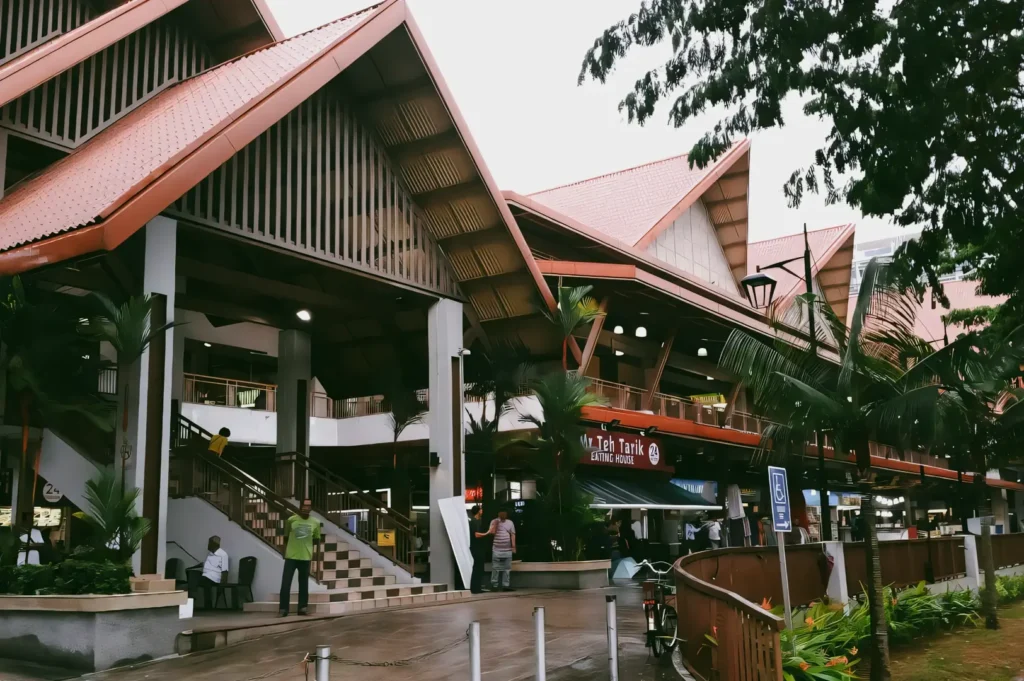
If there is one thing that universally unites people in this district, it is the pursuit of a good meal. The Geylang Serai Market, one of the largest wet markets in Singapore, is a vibrant hub offering a dazzling array of Malay dishes, Indian Muslim specialties, and traditional spices. It remains a cultural heartland for the Malay community, preserving traditional foodways and practices.
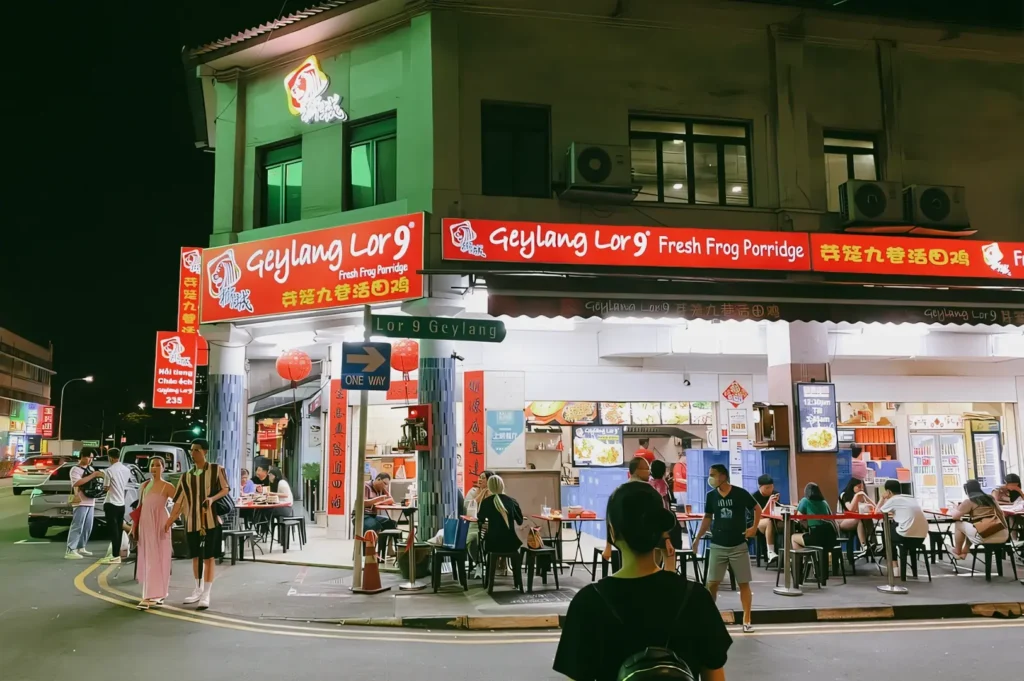
The food scene along Geylang Road and surrounding streets like Dunman Road, Sims Avenue, and Jalan Eunos is legendary. Here, many restaurants open late into the night, serving authentic local favorites such as frog porridge, satay, and durian. These dishes reflect the multicultural melting pot of Geylang, where Malay, Chinese, and Indian influences blend seamlessly.
The Red Light District and Nightlife: A Complex Reality
Geylang’s reputation as Singapore’s red light district is centered primarily along the even-numbered lorongs, especially between Lorong 2 and Lorong 24. Brothels and related establishments are concentrated here, but the area is generally safe, with many locals and visitors reporting comfort walking around at night. The odd numbered lorongs, in contrast, are mainly residential and commercial, with traditional shops and clan associations.
Despite its notoriety, Geylang remains a vibrant nightlife hub where many restaurants and food stalls operate well past midnight, attracting food lovers from across the city. The district’s nightlife is a blend of cultural vibrancy and pragmatic coexistence, shaped by both its history and ongoing urban redevelopment authority plans.
Geylang Architecture: A Living Timeline of Singapore’s Urban Evolution
Walking through Geylang planning area is like traversing a timeline of Singapore’s architectural history. The district showcases an impressive range of traditional houses and shophouses, from early 20th-century colonial styles to Art Deco influences. These structures, many protected under conservation efforts by the Urban Redevelopment Authority, reflect the cultural diversity and social changes of the district.
The Geylang architecture along the main Geylang Road and its lorongs features intricate Peranakan tiles, wooden shutters, and Malay-inspired roof forms. The mix of low-rise bungalows and rows of shophouses contrasts with the modern residential district developments sprouting along Paya Lebar Road and Sims Drive, highlighting the tension between preservation and progress.
Masjid Khadijah and Religious Diversity in the Central Area
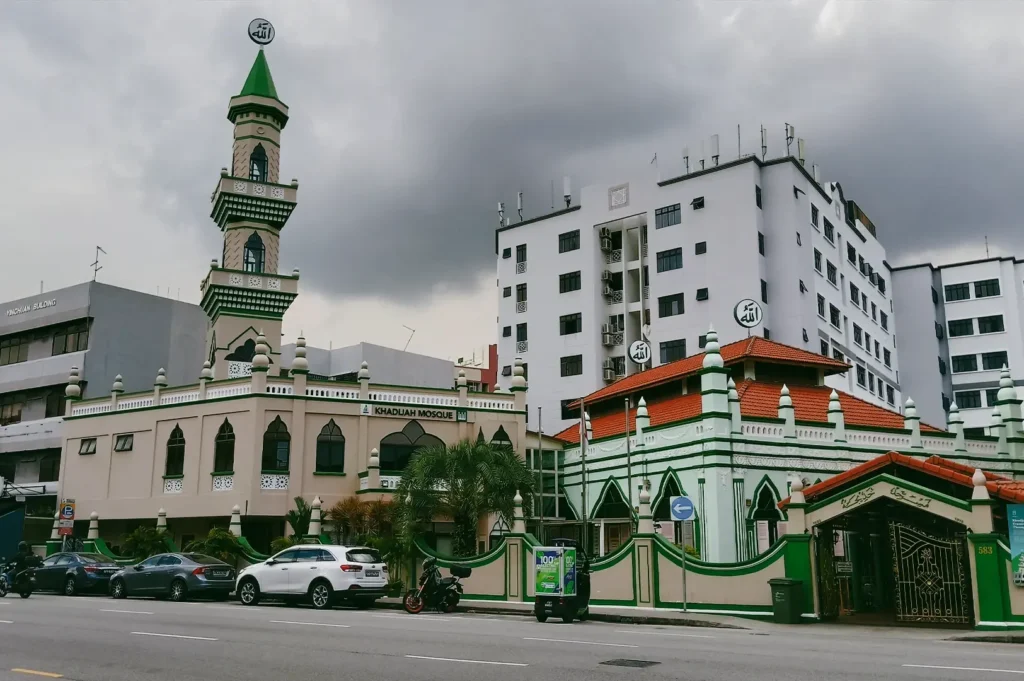
Among the many religious institutions in Geylang, Masjid Khadijah stands out as a historical and cultural landmark. Its location at 583 Geylang Road places it at the heart of the district, making it a significant point of reference within Geylang’s vibrant landscape. Established by the Indian Muslim community, this mosque exemplifies the district’s religious diversity and rich heritage. It is one of several places of worship that serve the local Malay, Indian Muslim, and Chinese communities, reinforcing Geylang’s role as a melting pot located on the eastern fringe of Singapore’s central region.
Living and Visiting Geylang: A District of Many Faces
Beyond the commercial buzz, Geylang remains a deeply entrenched residential zone. This is a fact often overlooked by weekend visitors. People actually live here, carrying out their quiet, everyday routines amidst the chaos. The area is well connected by major roads such as Airport Road, Paya Lebar Road, and Aljunied, with multiple MRT stations providing easy access to the central area and beyond.
Residents and visitors alike enjoy the many restaurants, shops, and services that create a lively community atmosphere. While the red light district is a known feature, much of Geylang remains generally safe, with active community networks and ongoing urban renewal projects aimed at improving living conditions while preserving cultural identity.
Why Geylang Continues to Matter in Singapore’s Urban Landscape
In a city that prides itself on immaculate urban planning and pristine environments, Geylang is a necessary anomaly. It matters precisely because it is unpolished. It offers a raw, unfiltered look at the mechanics of city life.
This neighborhood provides space for the things that do not fit into the manicured perfection of other districts. It is a sanctuary for marginalized communities, a hub for working-class migrants, and a haven for those seeking experiences outside the mainstream. It reminds us that a healthy, vibrant city requires texture.
Furthermore, the cultural and social diversity found here is irreplaceable. Where else can you find a historic mosque like Masjid Khadijah, a bustling Geylang Serai Market, a late-night frog porridge stall, and a modern cafe occupying the same short stretch of road? This density of experience fosters a unique kind of tolerance and shared space that is increasingly rare in modern urban environments.
Seeing Geylang Differently: Embracing Its Full Spectrum
Shifting your perspective on this district requires a deliberate effort. It means letting go of the easy, sensational narratives and choosing to observe what is actually in front of you. When you search for things to do in Geylang, look beyond the obvious late-night supper spots.
Visit the area on a quiet Tuesday morning. Walk into one of the traditional clan associations and admire the Geylang architecture. Strike up a conversation with a hawker who has been frying noodles on the same corner for thirty years. Notice the intricate details on the facades of the old shophouses.
When you move from assumption to observation, the neighborhood opens up. You stop seeing a label and start seeing a lived-in, fiercely resilient community.
A True Reflection of the City: Geylang’s Place in Singapore’s Central Region
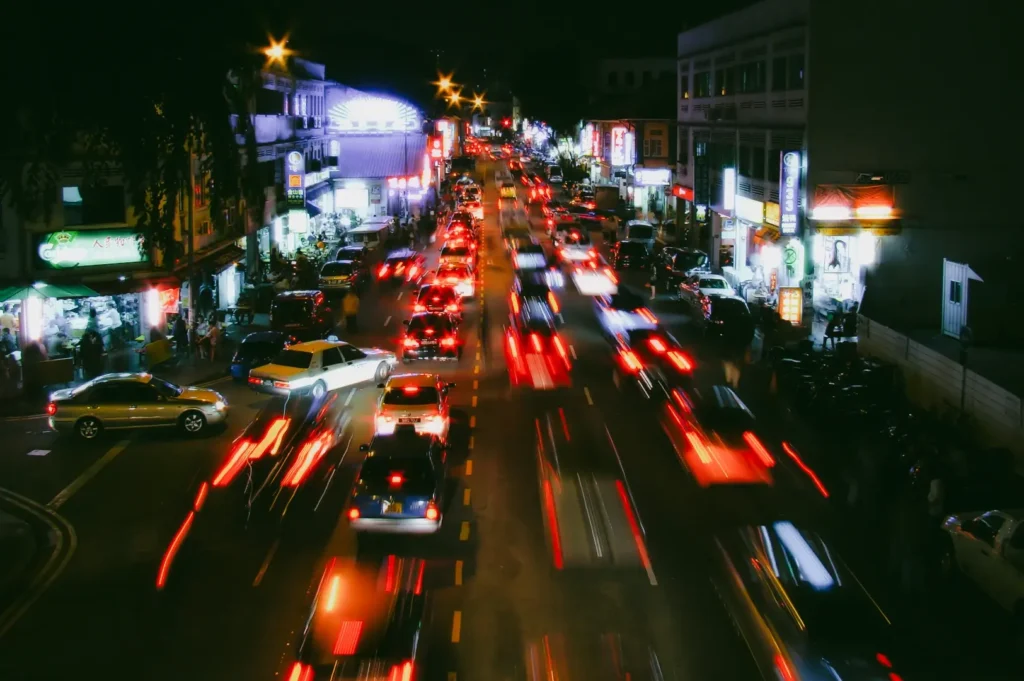
As the night deepens, the crowds on the main road finally begin to thin. The neon lights reflect off the damp pavement, and the shuttered stalls signal the end of another frantic cycle. Yet, even in these quiet hours, the district never feels entirely asleep. It simply rests, gathering energy for the next day.
Geylang is not defined by a single narrative, and it refuses to be neatly categorized. It is a sprawling, chaotic, beautiful reflection of Singapore itself. When you think of Geylang, vivid images of bustling streets, vibrant food stalls, and colorful shophouses often come to mind. This district, rich in history and culture, offers far more than its notorious reputation suggests.
Step beyond the surface, and you’ll discover a neighborhood alive with culinary delights, architectural gems, and a resilient community that embodies Singapore’s diverse spirit. Instead of relying on hearsay, take a moment to explore Geylang firsthand—wander through its lively lorongs, savor the local flavors, and witness the layers of history etched into its streetscape.