
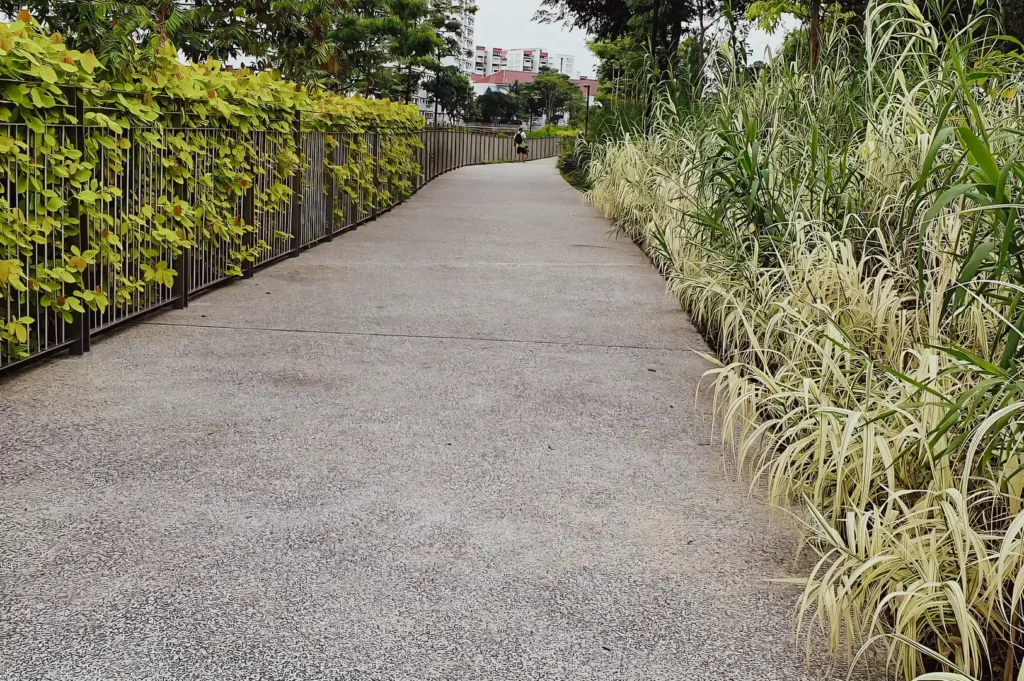
Concrete pathways and towering flats define the architecture of our city, but the spaces that truly breathe life into our neighborhoods are often painted in shades of green. Nestled between bustling roads and busy train lines, our park connectors and community gardens offer a quiet refuge. They do not demand our attention with bright lights or loud music. Instead, they wait patiently, offering a rare commodity in our fast-paced lives: a place to simply slow down.
Walk along any park connector in the early morning, and you will witness a beautiful, unspoken choreography. You see brisk-walking retirees sharing the path with cyclists heading to work. You pass young parents pushing strollers under the wide canopy of rain trees, while neighbors exchange familiar nods. These green corridors do more than link one housing estate to another. They connect us to a shared rhythm. Away from the glare of screens and the rush of traffic, the park connector becomes a level ground where the community naturally gathers and unwinds.
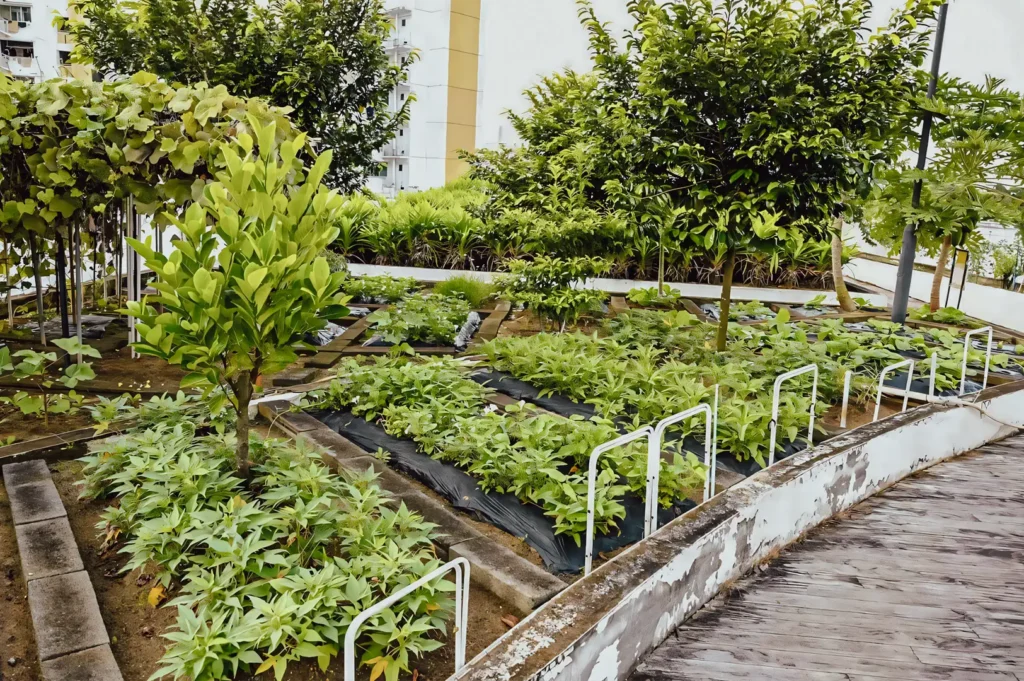
Just a few steps away, tucked at the edge of the void deck or occupying a sunlit rooftop, you will often find the neighborhood community garden. This is where the magic of shared labor unfolds. If you spend a few minutes observing, you will see residents tending to neat rows of pandan, bitter gourd, and bird’s eye chilies. These gardens are meticulously cared for by hands that know the soil. When an auntie harvests a bunch of sweet potato leaves and passes them to her neighbor over the chain-link fence, she is not just sharing food. She is weaving a tight social fabric. These small plots of land break down the walls of our high-rise apartments, turning strangers into friends over a shared love for growing things.
These green pockets also serve as our quietest, most effective teachers of sustainability. In a landscape driven by convenience and rapid consumption, a community garden forces us to respect the slow, deliberate pace of nature. We watch residents creatively upcycle plastic bottles into self-watering planters. We see them compost coffee grounds and eggshells to nourish the soil. This grassroots environmentalism is not driven by grand campaigns. It is rooted in a simple, profound care for the immediate environment. It reminds us that sustainability starts right outside our front door.
We often measure the success of our neighborhoods by the convenience of their amenities or the efficiency of their transport links. Yet, the true soul of an estate lies in these quiet green spaces. They ground us when the urban hustle becomes overwhelming. They provide a safe haven for local wildlife, a playground for our children, and a sanctuary for our mental well-being.
The next time you walk home from the train station, take the slightly longer route through the park connector. Stop to admire the thriving papaya tree in the community garden. Breathe in the scent of damp earth and crushed leaves. In these small, green pockets of our city, we find the space to pause, connect, and grow together.