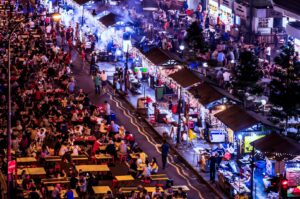
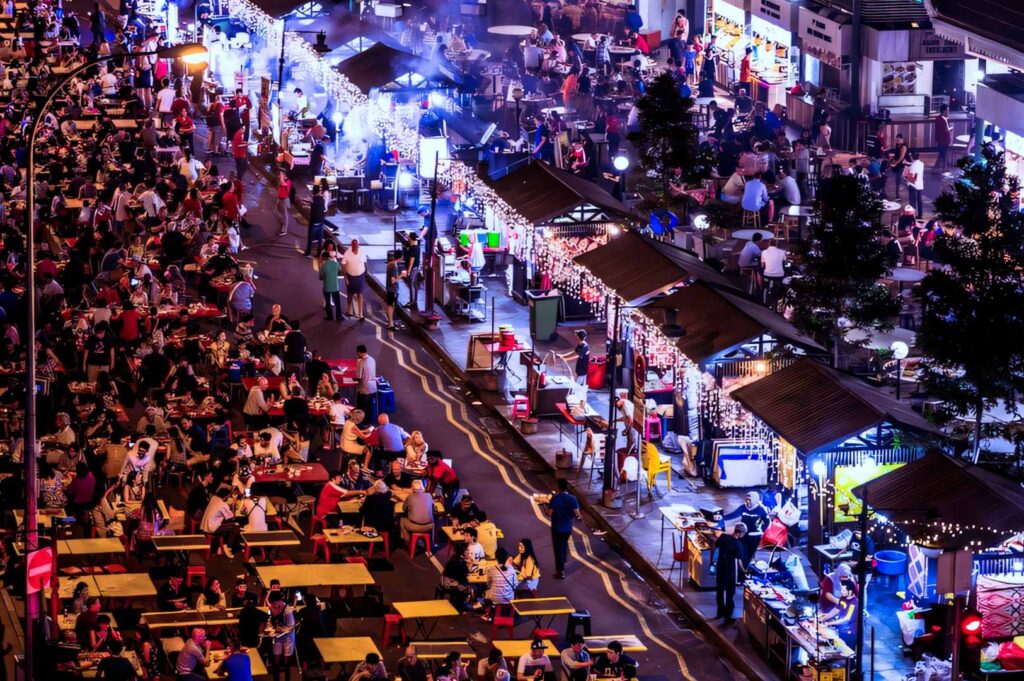
To truly understand Singapore, look beyond the iconic skyline to its bustling hawker centres—vibrant community dining rooms where ceiling fans whirl above Formica tables, and the air is rich with the irresistible aromas of frying garlic, pandan leaves, and charcoal smoke. Here, people from all walks of life gather daily, sharing meals and stories in a unique melting pot of cultures and cuisines. The hawker culture singapore perfectly embodies this spirit, remaining the authentic anchor of the city’s identity amid rapid modernization and urban growth.
At any hawker centre, from early morning Kopi O Kosong drinkers to late-night roti prata enthusiasts, you witness a living ritual of coexistence. Hawkers respond to what customers demand, offering personalized, affordable dishes that make these centres the heart of Singapore’s food heritage. This dynamic interaction between street food vendors and patrons highlights the adaptability and vibrancy of Singapore’s hawker culture.
Behind the Stalls: The Rich History of Singapore’s Hawker Culture
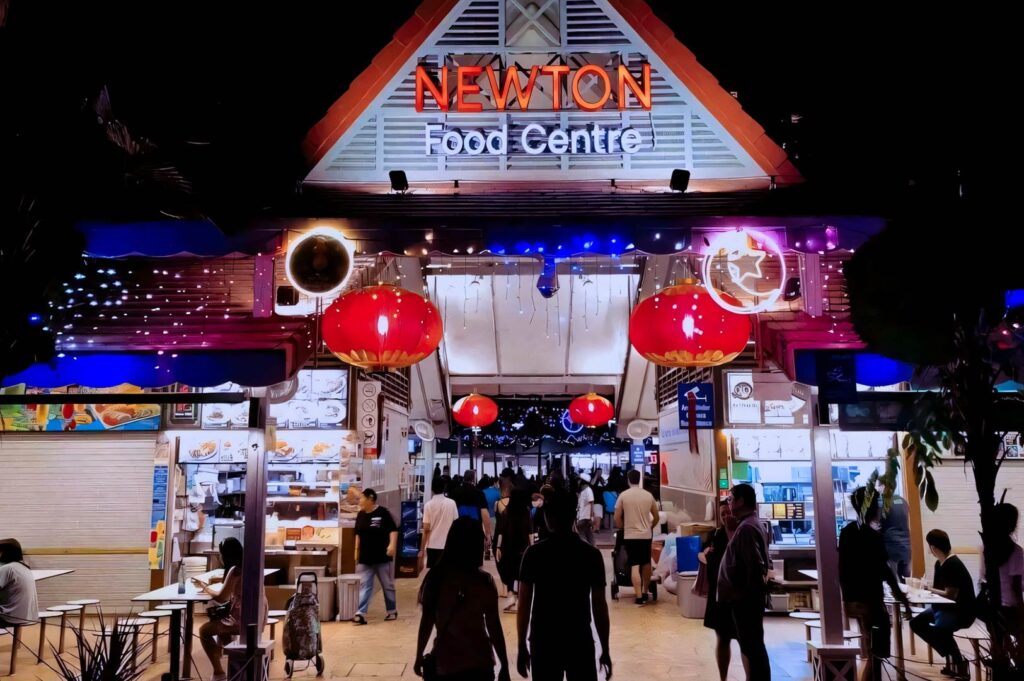
Places like Newton Food Centre and Maxwell Food Centre are not just food courts; they are living rooms of the nation, where generations bond over affordable, comforting hawker food. These centres serve as social equalizers and vital community spaces, maintained by the National Environment Agency to ensure cleanliness, safety, and affordability.
They offer a wide range of hawker dishes, reflecting Singapore’s diverse tastes and culinary soul. Hawker centres represent a rare example of how food culture can unite diverse ethnicities in a multicultural urban context, making them essential to Singapore’s social fabric.
Many of these beloved centres have stories that stretch far beyond their most famous stalls. From historic architecture to generations-old recipes, they represent more than just places to eat; they are living landmarks within Singapore’s culinary landscape. A closer look at some of the most iconic Singapore hawker centres reveals how deeply they are woven into the nation’s food heritage and everyday life.
The Origins of Singapore’s Food Markets and Hawker Culture
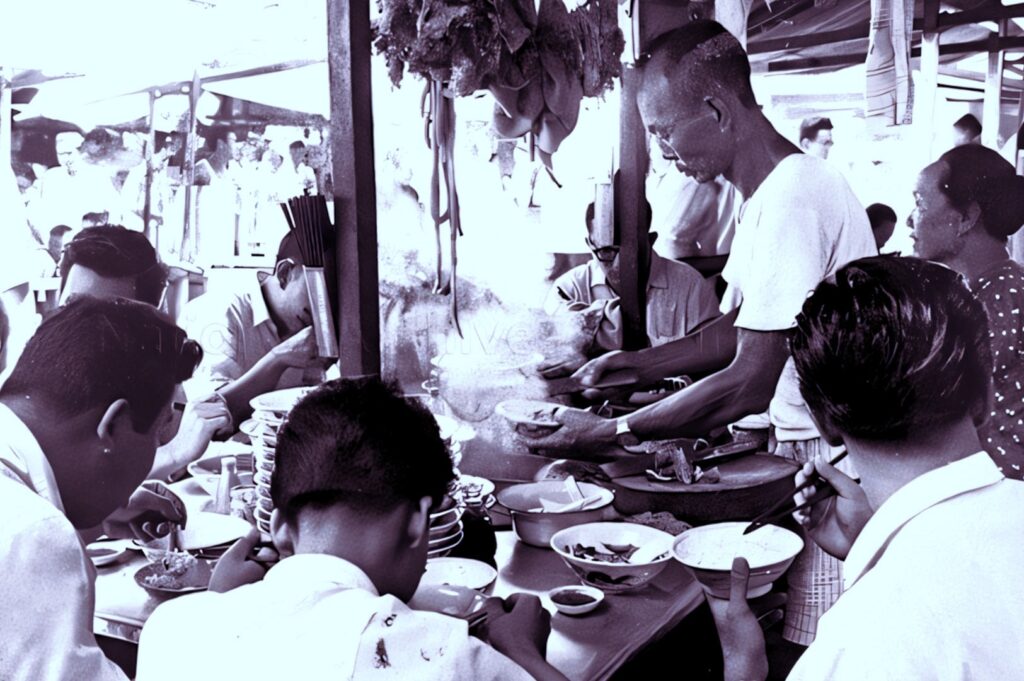
The roots of Singapore’s hawker culture trace back to the 19th century when the island was a thriving port city attracting migrants from China, India, Malaysia, and beyond. Early street hawkers including Chinese hawkers balancing mobile kitchens on bamboo poles sold hot meals and fresh produce near bustling wet markets.
While vibrant, this street food scene posed challenges. Poor hygiene, waste, and safety concerns led the colonial government to regulate hawking. After the Second World War, the number of street hawkers surged, prompting the government in the 1960s and 70s to relocate them into purpose-built hawker centres with proper amenities.
The Hawker’s Department Special Squad was formed to tackle illegal hawkers and maintain order, with public health inspectors playing a crucial role in ensuring food safety. By 1986, 54 hawker centres had been built, including iconic locations in the old kallang airport estate. Today, over 110 centres operate, serving as vital culinary and social hubs that continue to evolve with the city’s needs.
Types of Food Establishments and Community Dining
Singapore’s hawker centres are more than just places to eat; they are dynamic community dining spaces where strangers share tables and stories. The wet market atmosphere persists in many centres, with market stalls offering everything from fresh milk to spicy satay.
The National Environment Agency oversees these centres, ensuring they remain safe and welcoming. The chope system reserving tables with a packet of tissue is a unique social etiquette learned through communal experience, reflecting the harmony and respect embedded in hawker centre culture.
Icons That Shaped Singapore’s Hawker Centres
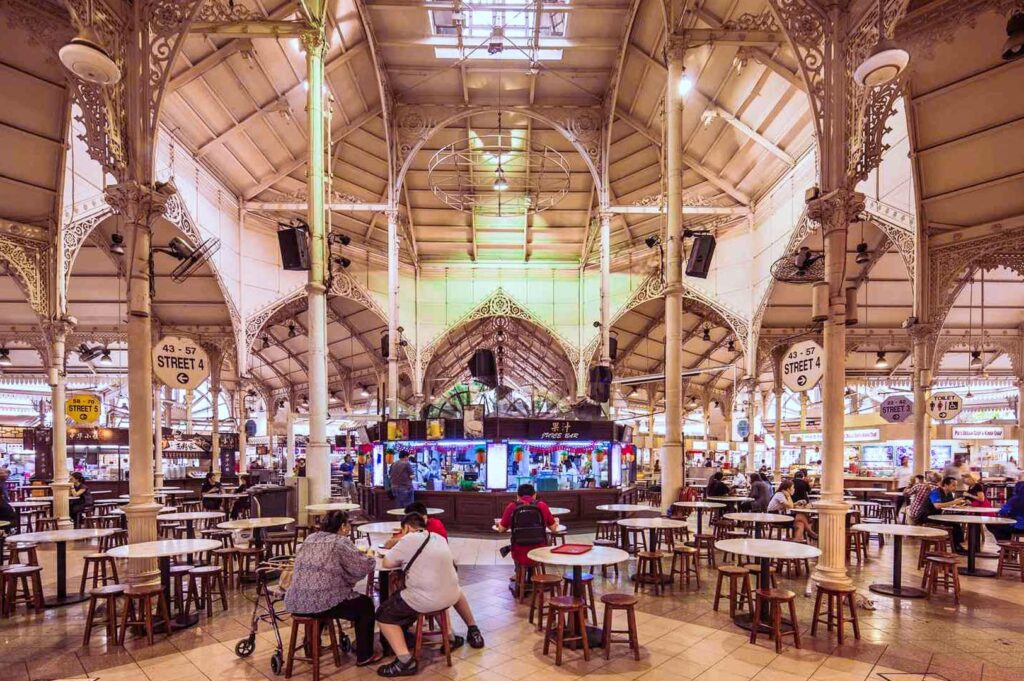
Several food centres have become national landmarks. Lau Pa Sat, with its Victorian cast-iron architecture, transforms nightly into Satay Street, famous for the best satay grilled over charcoal. Nearby, Newton Food Centre, featured in Crazy Rich Asians, offers a garden setting and is renowned for seafood and BBQ dishes like chilli crab and hokkien mee.
Maxwell Food Centre is famed for its Michelin-recognized Tian Tian Hainanese Chicken Rice stall, a must-try hawker dish. Chinatown Complex Food Centre, Singapore’s largest with 260 stalls, is a gritty haven for traditional Cantonese fare.
In Tekka Centre, the vibrant mix of Indian, Malay, and Chinese food reflects the city’s multicultural roots, with fragrant biryanis and fresh teh tarik. The Airport Road Food Centre (also known as Old Airport Road Food Centre) is beloved for its legendary stalls and authentic comfort food.
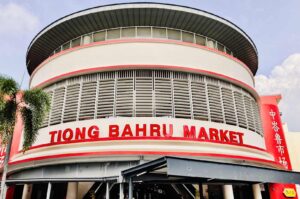
Tiong Bahru Market & Food Centre is known for its cleanliness and well-organized stalls, while East Coast Lagoon Food Village offers a unique beachfront dining experience, combining local tastes with a scenic setting.
Culinary Practices and Signature Dishes
Singapore’s hawker culture in singapore thrives on a rich tapestry of culinary practices. The bustling kitchens of hawker stalls fill the air with the sizzle of woks and the aroma of spices. Signature dishes like laksa, roti prata, char kway teow, and Hainanese chicken rice are staples, each perfected over decades and passed down through generations.
The diversity of hawker food reflects the city’s multicultural fabric. Malay hawkers grill satay over charcoal flames, while Chinese hawkers toss noodles with skill honed over years. The food is generous, affordable, and deeply satisfying—a true comfort food experience that appeals to both locals and visitors alike.
Airport Road Food Centre: A Culinary Landmark
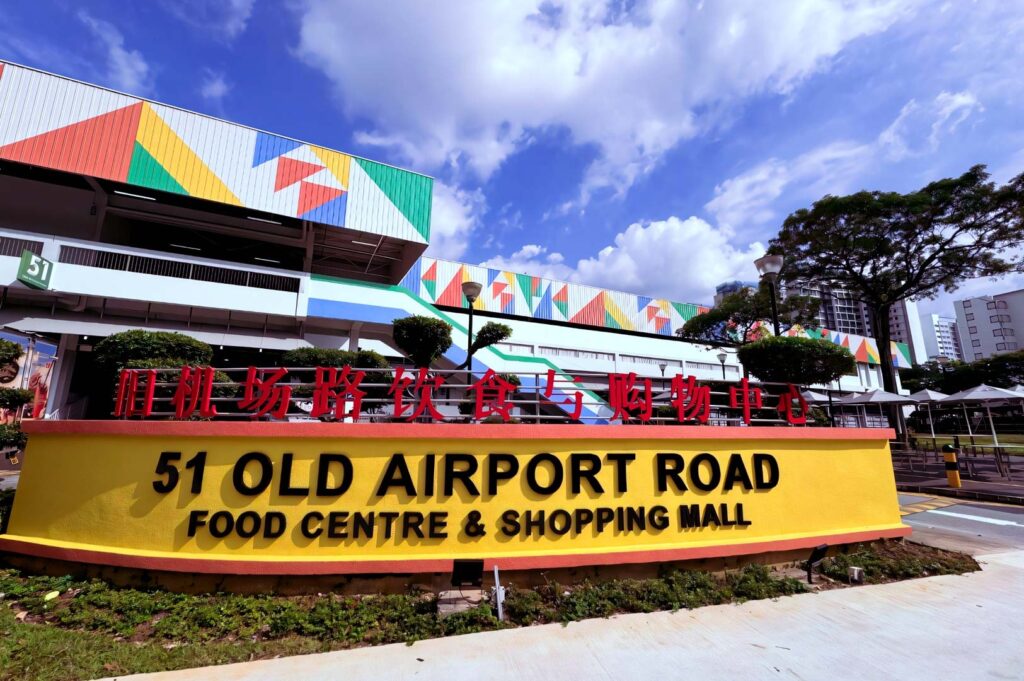
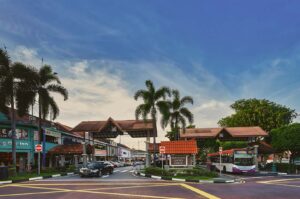
The Airport Road Food Centre holds a special place in Singapore’s food heritage. Located in the kallang airport estate, it is a hub for some of the city’s most beloved hawker dishes. The centre is a favorite among locals for its authentic flavors and long-standing stalls, where queues for hokkien mee and char kway teow are a common sight.
This food centre embodies the spirit of Singapore’s street hawker scene—a place where diverse communities and social backgrounds gather daily over hot meals, sharing the same culinary experience that has defined the city for generations.
Hawker Culture Singapore: A Cultural Heritage of Humanity
In 2020, hawker culture singapore was inscribed on the UNESCO Representative List of the Intangible Cultural Heritage of Humanity, recognizing its vital role in Singapore’s identity. This honor reflects the culture’s rich history, its role as a social equalizer, and its embodiment of multicultural urban life.
The recognition also highlights challenges: many veteran hawkers are retiring, and younger generations face barriers to continuing the trade. Initiatives by the National Heritage Board and merchants associations aim to preserve culinary practices and support hawkers through training, apprenticeships, and promotion.
Why Hawker Centres Still Matter Today
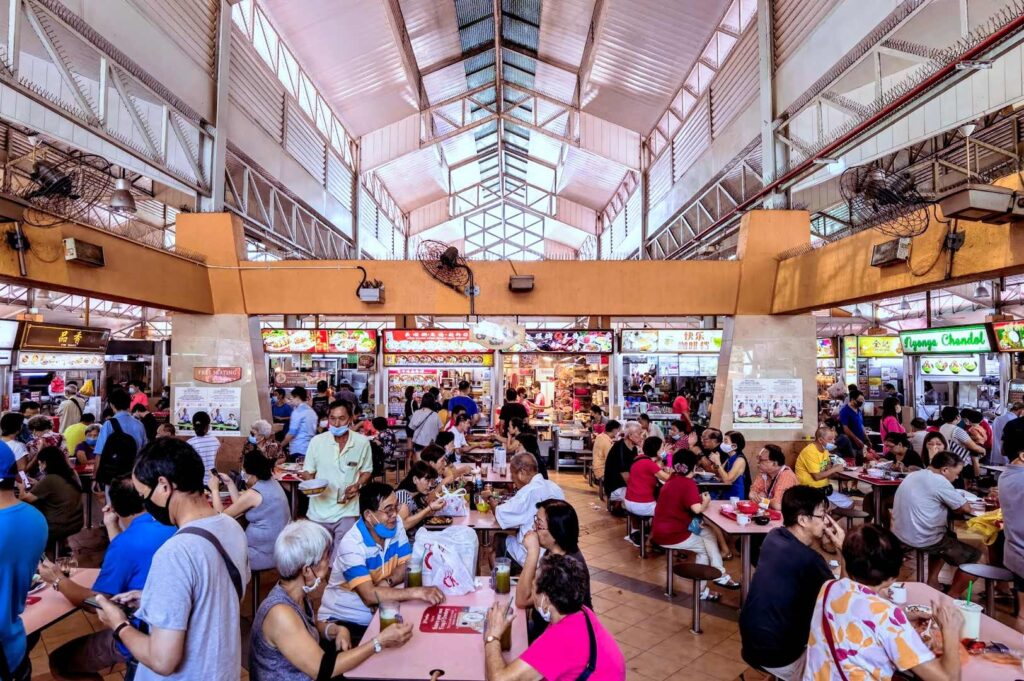
Despite modern alternatives, hawker centres remain central to Singapore’s social fabric. They offer affordable, freshly cooked meals in a communal setting, preserving traditions in a rapidly globalizing city.
These centres foster intergenerational bonding and community cohesion, serving as classrooms for food knowledge and tolerance. The hawker culture is a living testament to Singapore’s multicultural heritage and culinary soul, where office workers and families alike share in the joy of daily meals.
The Future of Hawker Culture
The future of Singapore’s hawker centres depends on balancing tradition with innovation. Young entrepreneurs are introducing new flavors while respecting classic recipes, ensuring the culture evolves without losing authenticity.
Government programs continue to upgrade facilities and support hawkers, while community efforts document and celebrate this unique heritage. Plans to build new hawker centres equipped with sustainable features reflect a commitment to preserving this cultural treasure. As long as there are people craving late night roti prata or the best satay, Singapore’s hawker culture will endure.
Conclusion
Visiting a Singapore food centre is to experience the city’s soul. These bustling hubs are vibrant social spaces where diverse communities come together over shared meals. From the street hawkers of the past to today’s modern hawker stalls, the culture represents the heart of Singapore’s identity.
At Singapore’s hawker centres, you can taste a particular dish that tells a story of heritage and innovation, reflecting the multicultural urban context that defines the city. While once seen as a public nuisance, these centres have evolved into cherished institutions, supported by the government sought initiatives to preserve and promote this unique hawker culture Singapore.
These centres are living museums of Singapore’s cultural heritage, where the spirit of street hawking thrives in a clean, organized environment. Even as new challenges arise, the commitment to sustaining this intangible cultural heritage ensures that Singapore’s hawker centres will continue to be a beloved gathering place for locals and visitors alike, preserving the culinary soul and social fabric of this dynamic city.
So next time you sit down at a hawker centre, savor not just the food but the history and community that make Singapore’s hawker culture truly special.