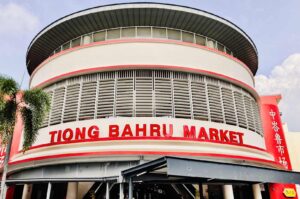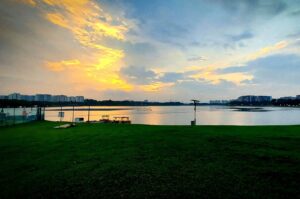
Nestled within Singapore’s bustling heart, Tiong Bahru stands as a sanctuary of time-honored charm amid the city’s fast-paced, modern travel landscape. Known as Singapore’s first planned public housing estate, Tiong Bahru estate has earned its legacy through a unique blend of history, meticulous architecture, and a close-knit community spirit. The Art Deco architecture here shines alongside Streamline Moderne style, stainless steel railings, and distinctive brick work, making the area a focal point for those interested in Singapore conservation and urban design. This iconic housing estate isn’t just a historic district—it’s a living, breathing museum where residents, business owners, and passionate locals are the lifeblood of ongoing community preservation initiatives. Their dedication proves that Tiong Bahru heritage is about more than just buildings; it’s about the people and their stories that give these places meaning.
To explore more neighborhoods like Tiong Bahru and uncover the stories, people, and hidden gems that define Singapore’s communities, Neighbourhood Life offers thoughtful features on local heritage, culture, and everyday places, helping readers experience Singapore beyond the usual tourist trails.
Development of Tiong Bahru: From Kampong to Modern Housing Estate
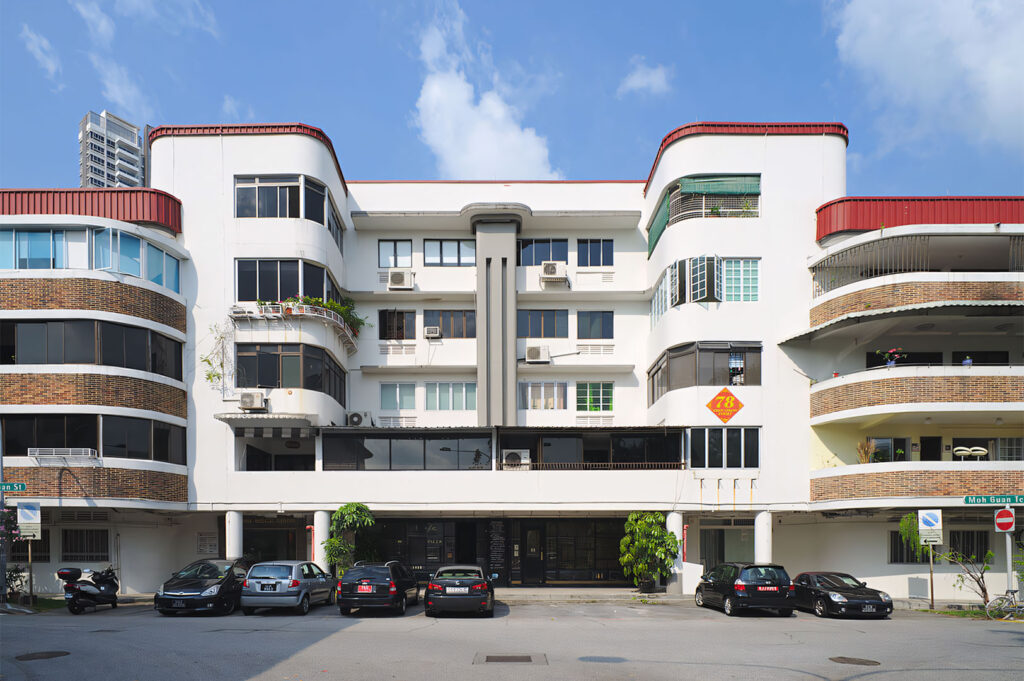
The development of Tiong Bahru began in the 1930s, when the Singapore Improvement Trust (SIT) took bold steps to address a growing population’s need for decent living spaces. Transforming what was once Kampong Tiong Bahru—a rural settlement with small attap huts and open spaces—the SIT sought inspiration from the global Art Deco movement and Streamline Moderne style, leaving a permanent mark on the estate’s landscape. Characteristics like clean lines, vertical lines, curved shapes, flat roofs, aerodynamic lines, and iconic porthole windows define the design of Tiong Bahru, reflecting both Western influences and local adaptation.
The Tiong Bahru flats along Seng Poh Road, Lim Liak Road, Moh Guan Terrace, Guan Chuan Street, and Boon Tiong Road, as well as landmarks like the renowned horseshoe block, Tiong Bahru Market on Seng Poh Road, and SIT-built blocks, are vital pieces of Tiong Bahru history. Notable names such as Tan Tock Seng, Seah Eu Chin, architect Alfred G. Church, and Chua Seah Neo are closely linked to the continual growth and legacy of the neighborhood. As the Singapore Improvement Trust gave way to the Housing and Development Board (HDB) and private developers, new low rise apartments were added, blending old and new in an evolving architectural tapestry.
Art Deco: Architectural Identity of Tiong Bahru
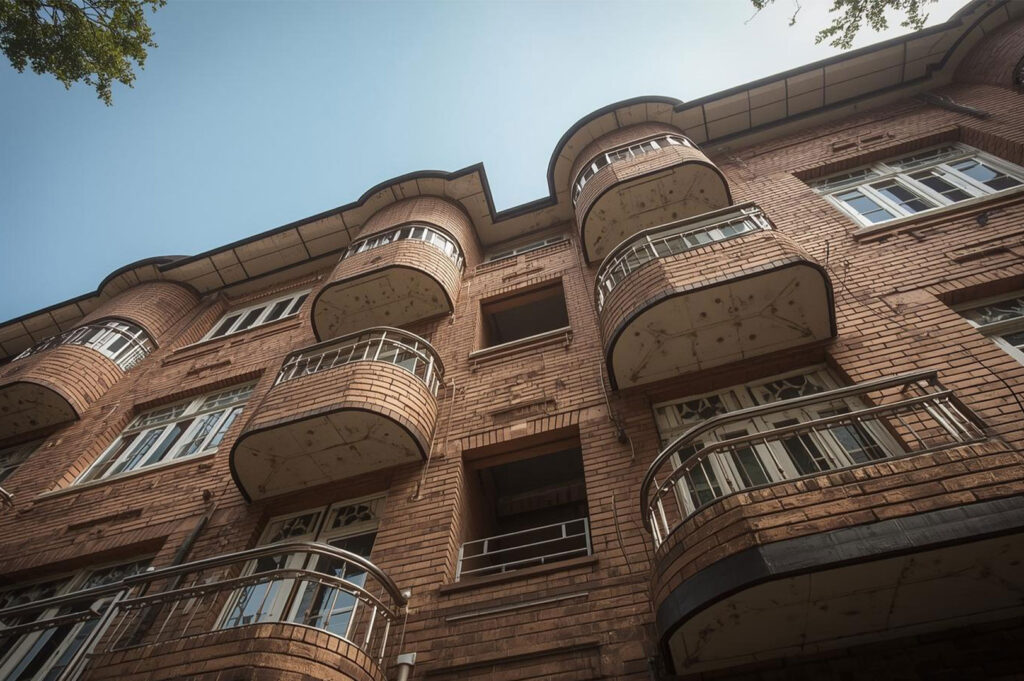
Tiong Bahru’s allure is unmistakably anchored in its art deco and Streamline Moderne styles. The four storey flats feature horizontal speed lines, rounded corners, curved staircases, and aerodynamic lines, standing out in Singapore’s urban landscape dominated by skyscrapers. The addition of stainless steel railings, brick work, mosaic tiles, and unique porthole windows exemplifies the creative blend of function and beauty that defined these public housing projects.
Incorporating open green spaces, community centres, and strategically placed blocks, the Art Deco architecture Singapore is a testament to skilled town planners and designers who foresaw the importance of healthy, engaging environments for house residents. The thoughtful placement of open areas along Tiong Bahru Road and Seng Poh Road also continues to support a sense of community and well-being in the estate today.
Design of Tiong Bahru: Functional Beauty and Social Connection
One of Tiong Bahru’s most enduring contributions to Singapore’s architectural heritage is its alignment of aesthetics with community values. The design of Tiong Bahru prioritized spaciousness, green spaces, airflow, and sunlight—all rare qualities in early public housing. Flat roofs, larger windows, and clever orientation resulted in cool interiors, while vertical lines and curved shapes lent the flats their distinctive facade. The estate’s original layout encouraged gatherings in shared courtyards and at the famous bird corner along Seng Poh Road. Open spaces, linked housing blocks, and communal amenities like the air raid shelter on Moh Guan Terrace fostered a resilient and united neighborhood, resilient even through the hardships of World War II and postwar urban renewal.
Challenges to Tiong Bahru Heritage Conservation
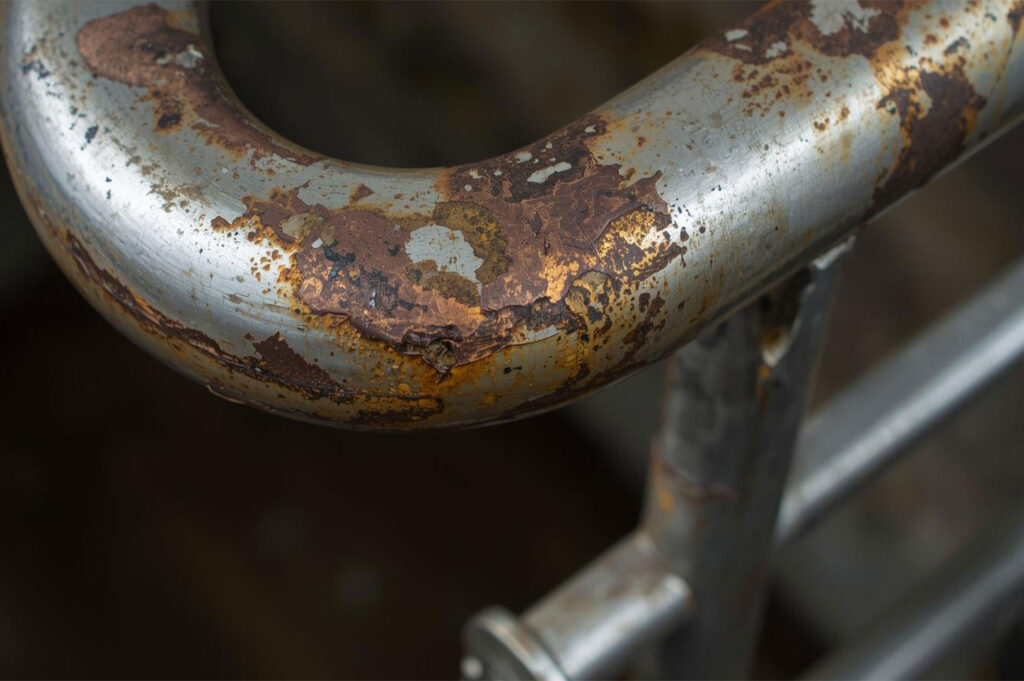
The journey to safeguard Tiong Bahru heritage in a dynamic city-state is as complex as the estate’s architectural details. As demand for land surges, private developers covet the area’s prime location along Tiong Bahru Road, Outram Road, and Boon Tiong Road—leading to the threat of losing irreplaceable flats and communal assets. The tension between conserving the past and adapting for future needs is constant, as seen in debates over the balance between renewing older Tiong Bahru flats and respecting established conservation guidelines enforced by the Urban Redevelopment Authority.
Gentrification and modern amenities—trendy cafes, boutique eating houses, and new businesses—offer vibrancy but risk eroding the neighborhood’s authentic identity. Rising property values threaten to displace long-time residents, many of whom can trace their stories back to early public housing projects or the kampong era. Another challenge is aging infrastructure: the SIT-built flats, with their signature brick work and original features, require careful and sometimes costly maintenance, from restoring stainless steel railings to modernizing plumbing and electrical systems.
Community-Led Initiatives: Heart of Tiong Bahru Heritage
House residents of Tiong Bahru set a powerful example for community preservation initiatives throughout Singapore. The Tiong Bahru Heritage Volunteers group organizes walking tours along heritage points like Moh Guan Terrace, Seng Poh Road, Lim Liak Road, and Guan Chuan Street, highlighting the history behind every building, curved window, and open courtyard. Local oral history efforts preserve tales of World War II air raid drills in the air raid shelter—Singapore’s first civilian shelter built within a housing estate—and celebrate the shared experiences of life in both four shop blocks and four storey flats.
Neighborhood festivals enliven the Tiong Bahru estate, especially around sites like the community centre on Kim Pong Road and the vibrant Bird Corner. Here, kids, seniors, and newcomers all play a role in making history visible and relevant. Artistic workshops, mural projects, and live performances bridge generations, ensuring the name Tiong Bahru is never forgotten.
Hu Lu Temple, Air Raid Shelter, and Other Unique Heritage Sites
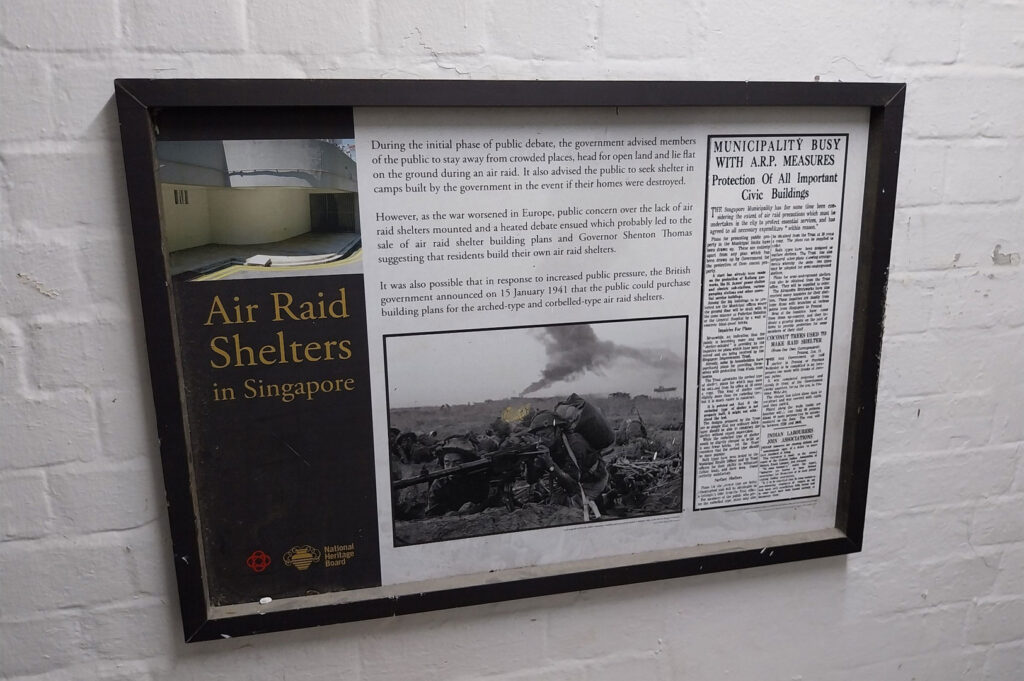
Among the most remarkable features of Tiong Bahru’s heritage are its spiritual and historical sites, such as the Hu Lu Temple and the famous air raid shelter on Moh Guan Terrace. Both serve as reminders of the area’s enduring spiritual, cultural, and practical significance. The temple, once a hub for local worshippers, and the air raid shelter, a sanctuary during the darkest days of World War II, are still honored by preservation and restoration projects led by residents and boosted by the support of heritage activists.
“Heritage is not about looking backward. In Tiong Bahru, it’s about the stories we continue to write every day,” reflects a long-term resident, underscoring the living, ever-evolving nature of conservation in the estate.
The Role of Small Businesses in Tiong Bahru Heritage
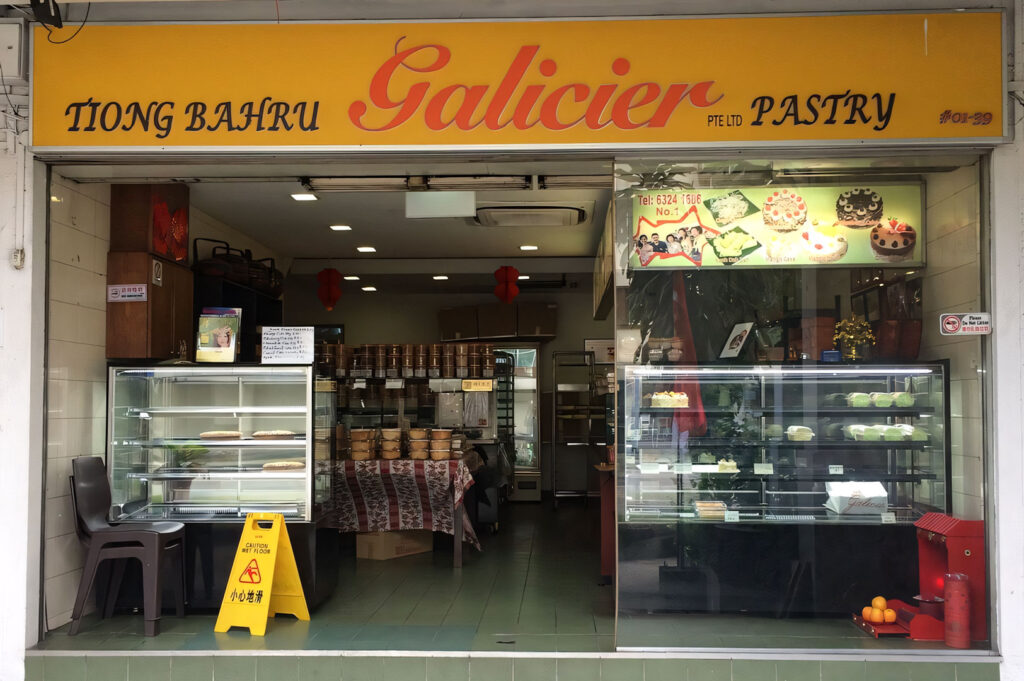
Independent businesses on Moh Guan Terrace, Seng Poh Road, and Guan Chuan Street play an essential part in upholding Tiong Bahru heritage. Bakeries like Galicier Pastry keep culinary tales alive with Nonya kueh recipes, while art galleries and bookstores connect the past and present through events and literature about Tiong Bahru history and architectural heritage. The ambiance of trendy cafes, filled with original mosaic floors and references to streamline moderne style, echoes the legacy of flat roofs, curved facades, and open community spaces.
Even new businesses are steered by the area’s legacy—many deliberately incorporate art deco flourishes and brick work in their design, fostering a consistent aesthetic and sense of place for house residents and visitors alike.
To see how the kueh sold in neighborhood bakeries like those in Tiong Bahru evolved from home kitchens into today’s creative dessert counters, Singapore Desserts: From Traditional Kueh to Modern Treats traces specific flavours, techniques, and stories behind these sweets. It’s a focused look at how pandan, gula melaka, and rice flour traditions continue to shape modern Singapore desserts—perfect for readers curious about what’s changed, what hasn’t, and why these treats still matter.
Government Policies and Urban Redevelopment Authority’s Conservation Role
The Urban Redevelopment Authority (URA) is pivotal to heritage conservation. In 2003, conservation status was awarded to 20 blocks of pre-war SIT-built flats, enforcing protection for key features like porthole windows, stainless steel railings, and the estate’s characteristic curved shapes. Conservation guidelines by the URA and HDB dictate color schemes, renovations, and building materials, creating a coordinated approach to maintaining the soul of Tiong Bahru estate.
Collaboration between the government, HDB, and residents extends beyond regulations to practical incentives such as renovation grants, advice for integrating new utilities behind preserved facades, and ongoing maintenance support. These measures illustrate the importance of joint stewardship in sustaining iconic housing projects and heritage sites for future generations.
Digital and New-Generation Preservation Steps
Modern preservation in Tiong Bahru seamlessly integrates the digital realm. Community-driven archives, interactive maps, and social media groups document everything from the transformation of Tiong Bahru flats to daily life in the estate’s famous open spaces and green areas. Virtual tours highlight the former Hu Lu Temple, Bird Corner, four shops, and the unique layout of four storey flats around Moh Guan Terrace and Seng Poh Road.
Digital initiatives ensure that Tiong Bahru heritage reaches new audiences, especially the youth, and encourage ongoing interest in Singapore improvement trust projects and design principles from past decades.
Cultural Programs and Arts in Tiong Bahru
Artistic and cultural projects are core to keeping Tiong Bahru heritage vibrant. Literary classics, independent films, and art exhibitions inspired by the design of Tiong Bahru are set against the backdrop of Seng Poh Road, Lim Liak Road, and Ou tram Road. The annual Tiong Bahru Heritage Festival draws crowds to admire mural art, attend performances, and participate in guided walks—each connecting the kampong Tiong Bahru of yesterday to the thriving estate of today. Community workshops at the estate’s community centre and other venues teach skills and share stories, cultivating a wider appreciation for Singapore’s architectural, culinary, and social legacy.
Case Study: Community Triumph – Saving the Qi Tian Gong Temple and Hu Lu Temple
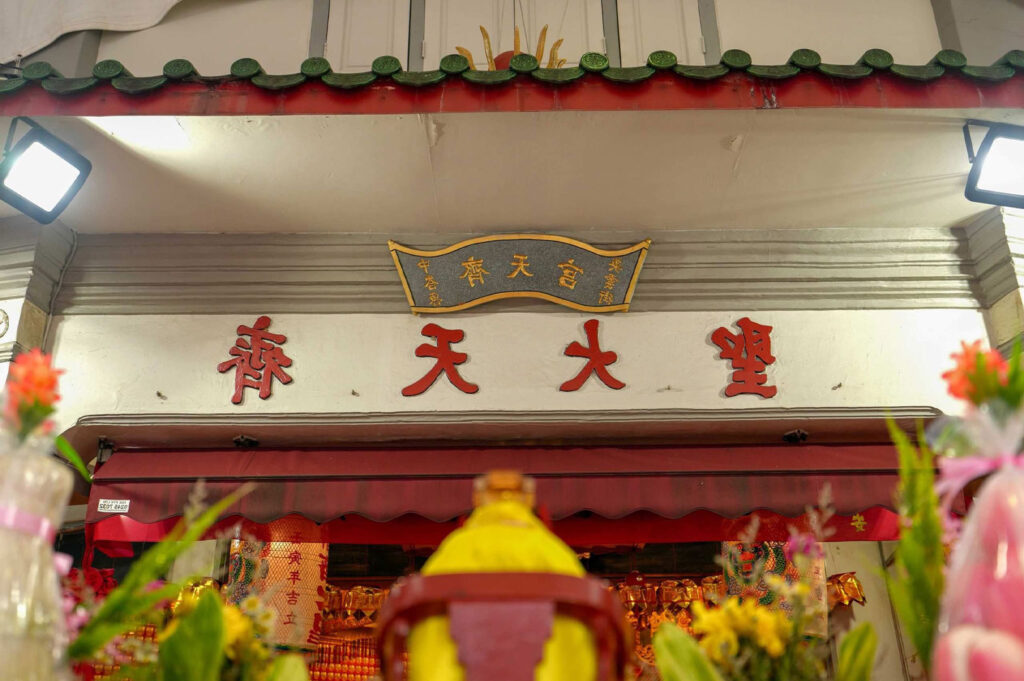
The preservation of sacred spaces like Qi Tian Gong Temple and the former Hu Lu Temple provides a blueprint for community action. When redevelopment threatened these sites, house residents and supporters from all walks of Singapore’s life joined forces. The resulting campaign, encompassing research, heritage walks, lobbying, and direct negotiation with the Urban Redevelopment Authority, succeeded in protecting both sites. The coexistence of spiritual and architectural legacy stands as a tribute to the strength of community-led conservation efforts within the Tiong Bahru estate.
Conclusion and Sustainable Future for Tiong Bahru Heritage
As a living symbol of Singapore’s progressive urban development and reverence for history, Tiong Bahru remains a testament to best practices in heritage conservation. The careful maintenance of art deco architecture, distinctive Tiong Bahru flats, open green spaces, and the spirit of active house residents ensures that the estate’s essence is not lost amid modern urbanization and renewal efforts.
As Tiong Bahru estate continues to attract new generations, the challenges of commercialization, upzoning, and evolving community fabric will persist. However, the ongoing partnership between residents, the Urban Redevelopment Authority, private developers, and championing small businesses strengthens the social and architectural fabric of the area. Visitors are encouraged to embrace the Tiong Bahru heritage, support local artisans and businesses, and immerse themselves in this unique housing estate—a living museum that celebrates the past, present, and future of Singaporean architecture.
Timeline: Key Milestones in Tiong Bahru Heritage Conservation
1930s: Singapore Improvement Trust (SIT) launches first large-scale public housing estate
1941: Horseshoe block, four storey flats, and air raid shelter at Moh Guan Terrace are completed
WWII: Air raid shelter used by house residents; area endures occupation and postwar renewal
2003: 20 pre-war SIT-built blocks receive URA conservation status
2010s: Community preservation initiatives restore Bird Corner, Hu Lu Temple site, and promote digital archiving
Map: Tiong Bahru Heritage Points of Interest
Tiong Bahru Market (Seng Poh Road)
Air Raid Shelter (Moh Guan Terrace)
Bird Corner (Seng Poh Road)
Guan Chuan Street (heritage flats and temple sites)
Community Centre (Kim Pong Road)