URL Slug: hidden-side-tanjong-pagar
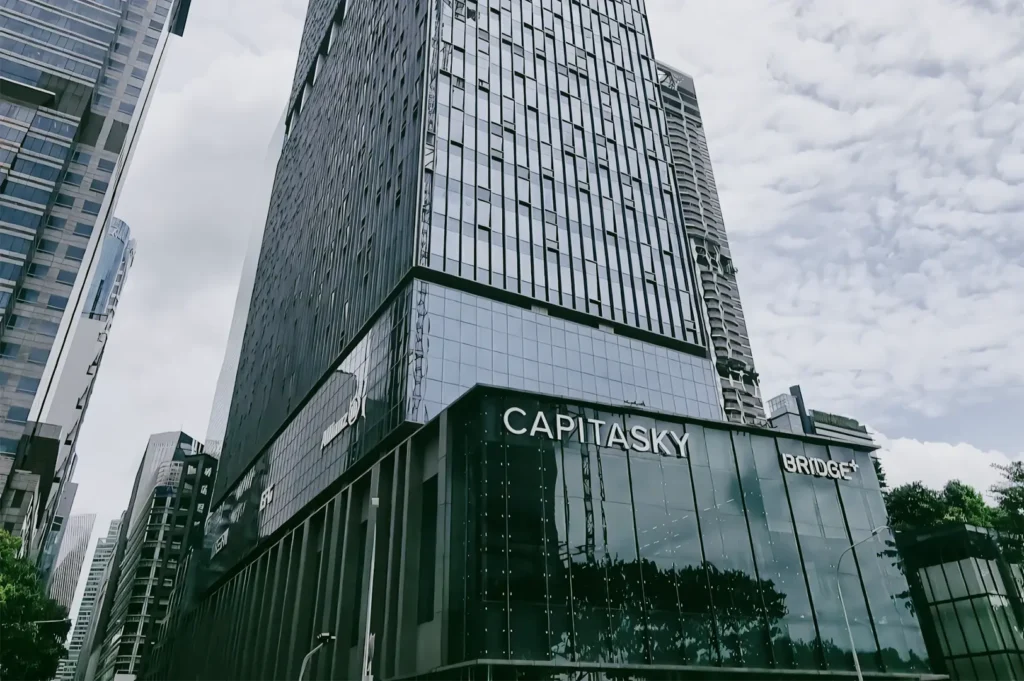
When you stand at the intersection of Robinson Road and Maxwell Road, the sky feels entirely framed by glass and steel. Tanjong Pagar is undeniably the beating heart of Singapore’s central business district. During the morning rush, a river of people flows relentlessly from the Tanjong Pagar MRT Station. They wear sharp suits and carry essential coffees, moving with the distinct purpose that defines corporate life. On the surface, this neighborhood appears entirely devoted to commerce, ambition, and the relentless pursuit of progress.
Yet, if you step just one street away from the towering office blocks, the atmosphere undergoes a sudden, dramatic shift. The sharp edges of the corporate world soften into something far more intimate. Behind its gleaming exterior, a deeply multifaceted neighborhood thrives. Uncovering the hidden gem Tanjong Pagar offers feels like peeling back the layers of a beautifully bound book. It is a place where old-world charm quietly resists the rapid pace of modern development.
To truly understand this district, you must learn to look past the shadows cast by the high-rises. You have to wander without a rigid agenda. When you allow yourself to get slightly lost in its winding backstreets like Craig Road and Duxton Road, Tanjong Pagar reveals a profound duality. It is both a hyper-modern financial engine and a deeply nostalgic community hub.
Tanjong Pagar: A Business Hub with a Storied Past and Rich Diversity
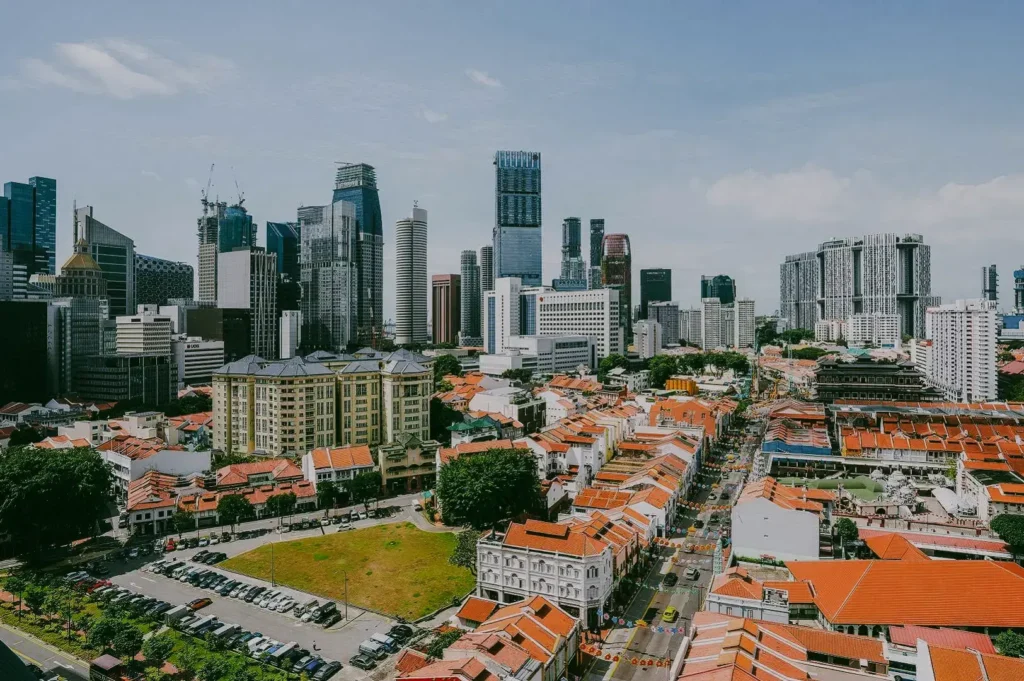
The transformation of Tanjong Pagar is one of the most remarkable stories in Singapore’s history. Centuries before the first glass tower pierced the clouds, this area was a humble fishing village. Its name translates to “cape of stakes,” a nod to the kelongs (wooden fishing traps) that once lined its coast. As trade expanded, the district evolved into a bustling port area, choked with godowns, rickshaws, and laborers from across the globe.
This rich, chaotic history laid the foundation for the neighborhood we navigate today. The transition from a gritty maritime hub, once managed by the famed Tanjong Pagar Dock Company, to a polished financial center did not erase its past. Instead, the area simply built upon it. Walking through these streets, you can still feel the echoes of early immigrants who sought a better life on this land. The determination of those early settlers seems woven into the very concrete of the modern sidewalks.
The true magic of the district lies in this quiet juxtaposition. You can stand in the shadow of the Guoco Tower—a key landmark and the tallest building in Singapore—and still smell the charcoal smoke of a traditional coffee roaster. This layered history turns a simple afternoon walk into an exercise in time travel.
The Heritage That Still Lives Here: Shophouses, Temples, and Local Boutiques
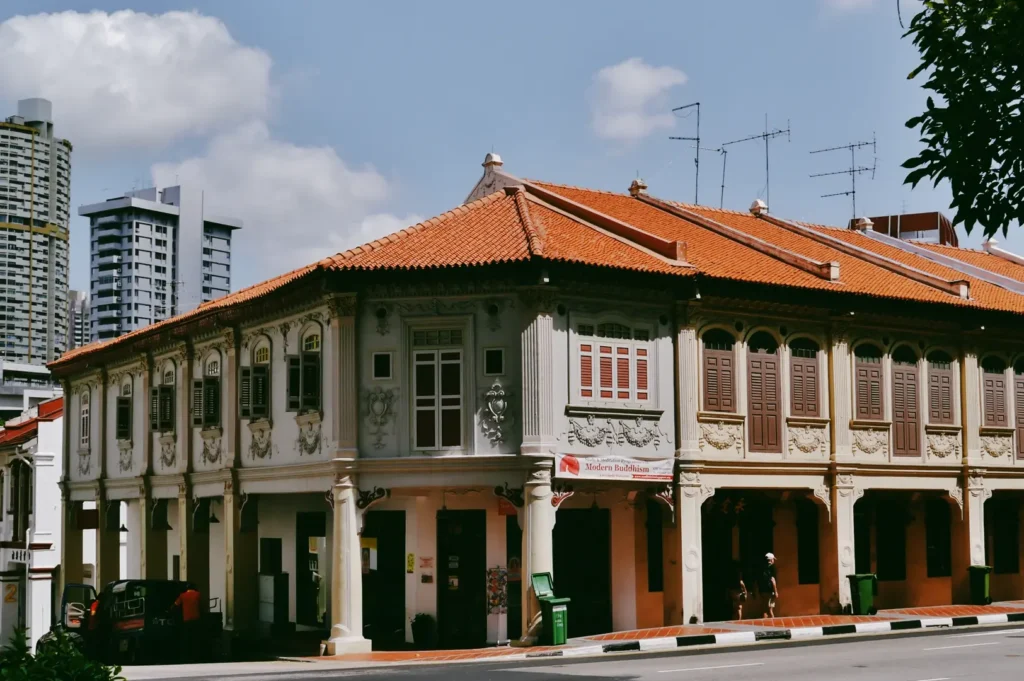
History here is not confined behind velvet ropes or locked inside museum display cases. The heritage Tanjong Pagar protects is actively lived in and utilized every single day. The pre-war shophouses that line streets like Neil Road, Craig Road, and Duxton Road stand as vibrant, breathing monuments. Their ornate pastel facades and intricately carved wooden shutters decorate the streetscape, offering a stark, beautiful contrast to the sterile geometry of the office towers.
Life in these historic corridors moves at a noticeably slower rhythm. Under the shaded five-foot ways, the frantic energy of the business district dissipates. You might spot an elderly resident carefully tending to a collection of potted orchids outside a heavy timber door or locals gathering to pray at a nearby temple. Down the street, traditional clan associations remain quietly active, bridging generations with dialects and customs that have survived the test of time.
Alongside these historic establishments, a variety of local boutiques and independent shops have arrived, offering visitors a chance to shop unique products under one roof. These hidden gems provide a slice of Singapore’s creative community and a refreshing alternative to the typical mall experience.
Tanjong Pagar Plaza: A Hub of Community Life and Local Flavour
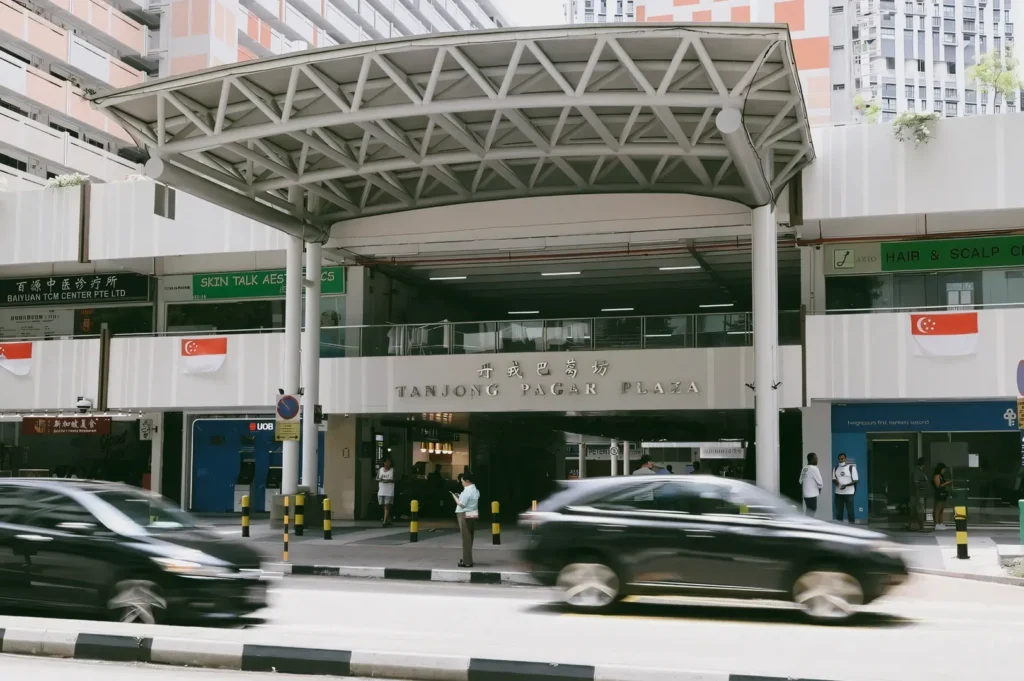
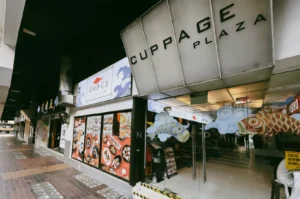
Tanjong Pagar Plaza is a key establishment that brings together residents and visitors alike. Located on a short walk from the Tanjong Pagar MRT Station, this complex houses a mix of hawker stalls, cafes, and shops. The plaza’s inviting atmosphere is a testament to the community spirit that still thrives here. It is a place where people gather to eat, shop, and connect—a slice of everyday life in the middle of the city.
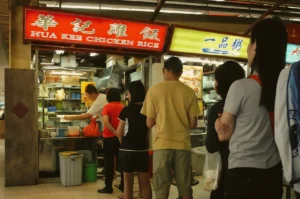
The hawker centre within Tanjong Pagar Plaza serves a variety of food at affordable prices, from traditional noodles to flavorful beef dishes. This bustling spot is often centre stage for locals craving authentic tastes without the fuss. Whether you are hungry for a quick bite or want to grab a leisurely meal, the plaza offers a diversity of options that reflect the multicultural fabric of the district.
Tanjong Pagar Distripark: Where Art and Industry Meet
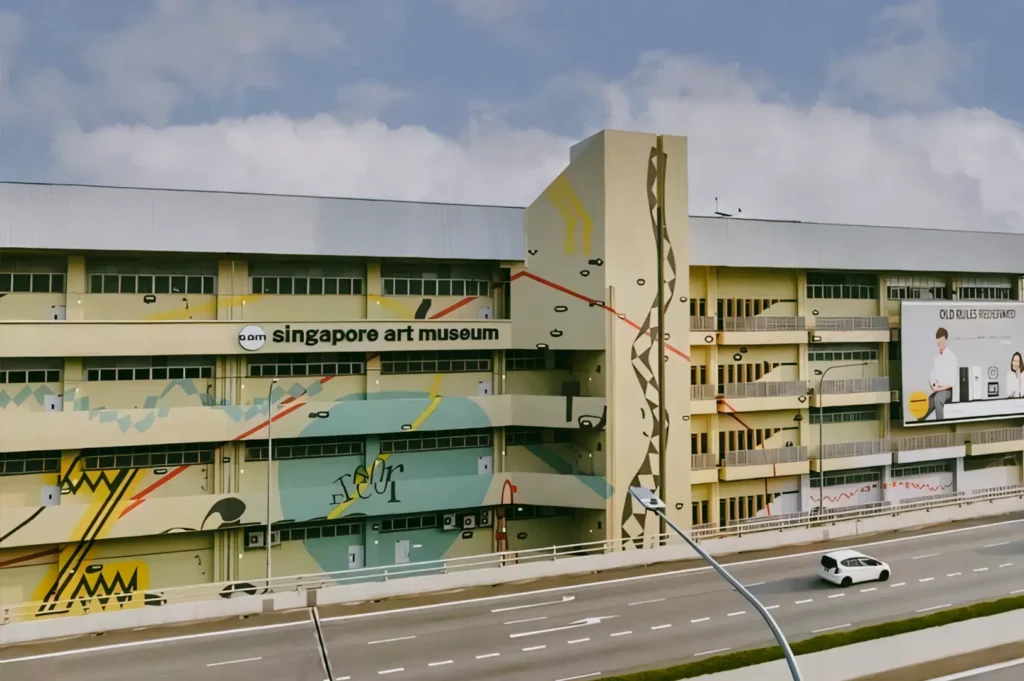
Housed within the industrial landscape of Tanjong Pagar Distripark is a surprising cultural gem. The Singapore Art Museum’s satellite exhibitions here offer a deep dive into contemporary art, showcasing works by local and international artists. The juxtaposition of art installations against the backdrop of warehouses and shipping containers speaks to the district’s unique ability to blend old and new, commerce and creativity.
Visitors can expect to find exhibitions that challenge perceptions and invite reflection, all within a space that once served as a key node in Singapore’s maritime trade. This creative use of land is a testament to Tanjong Pagar’s ongoing transformation and its commitment to preserving community life while embracing innovation.
Tanjong Pagar’s Inviting Atmosphere: Cafes, Food, and Nightlife
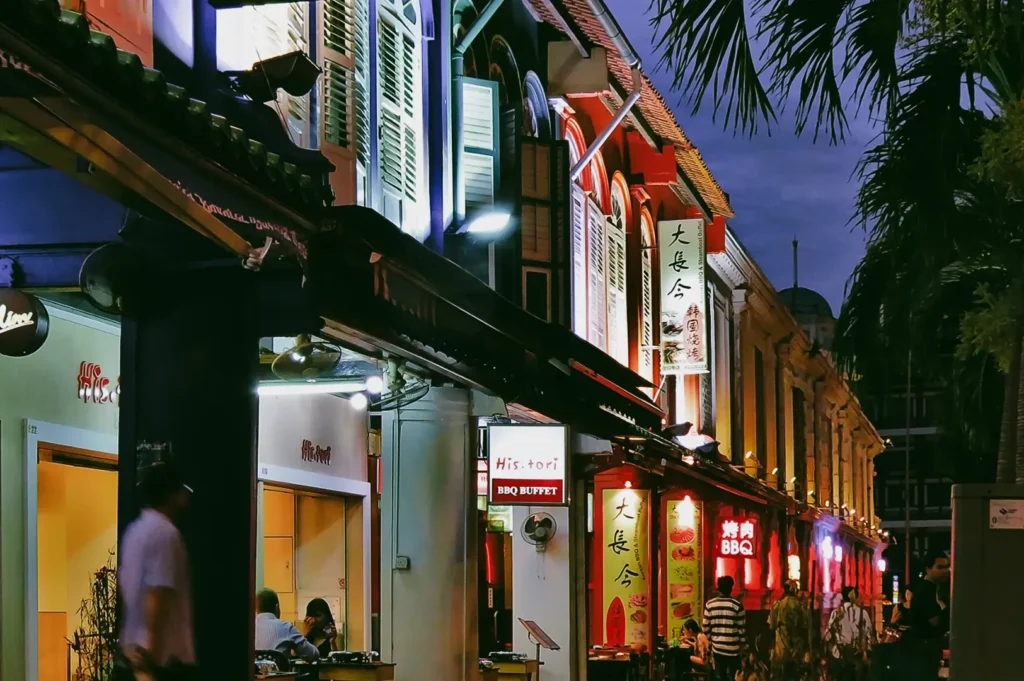
The culinary landscape of this district is famed for its high-end restaurants and buzzing Korean barbecue joints, but the most rewarding local experiences are often tucked completely out of sight. Hidden in the narrow alleys or perched on the second floors of old shophouses, a network of independent cafes thrives, offering an inviting atmosphere where you can slow down and savor a perfect cup of coffee or a bowl of authentic noodles.
These quiet establishments operate largely on word-of-mouth. They are the kinds of places where the owner knows the names of their regular customers and remembers exactly how they like their tea. Whether you want to eat Korean, Japanese, or local Singaporean fare, keep your eyes peeled for these hidden gems to grab a delicious meal.
When night falls, Tanjong Pagar’s nightlife springs to life. Streets like Duxton Road become a lively hub of bars and pubs, where you can expect a mix of craft beers, exotic cocktails, and an ambience that invites you to linger under the city lights.
Cultural Experiences Amid the Skyscrapers and Shophouses
The narrative of this neighborhood is not defined by business alone. Tanjong Pagar has organically evolved into a dynamic cultural melting pot. This vibrant diversity is proudly displayed not just in its food, but in its visual arts and community celebrations. The district actively challenges the notion that financial hubs must be culturally barren.
Wander down any of the major side streets, and you are likely to encounter massive, colorful murals painted directly onto the sides of historic buildings. This street art tells the stories of early immigrants, traditional trades, and neighborhood folklore. These murals serve as open-air galleries, breaking up the visual monotony of the urban grid and sparking spontaneous conversations among passersby.
Throughout the year, the neighborhood also plays host to various cultural festivals and community-led events. Whether it is a weekend craft market in a shaded plaza or a traditional performance organized by a local clan association, the area pulsates with creative energy. These cultural experiences weave seamlessly into the daily routine of the district. They prove that art and commerce can not only coexist but actively enrich one another.
The Future of Tanjong Pagar: A Balancing Act Between Past and Progress
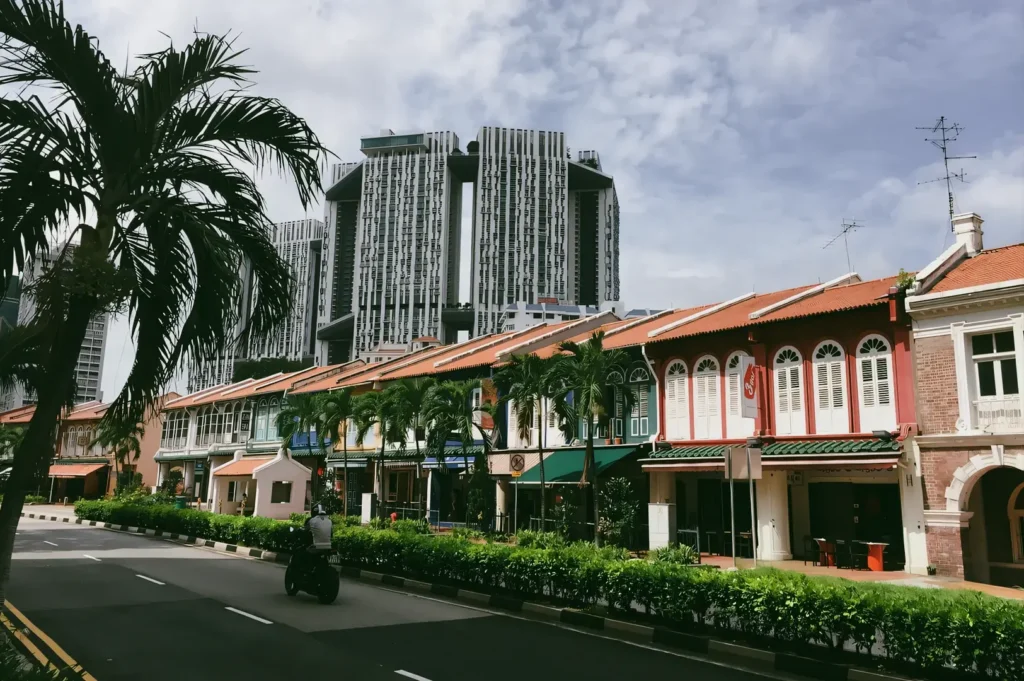
As Singapore continues to look toward the future, Tanjong Pagar finds itself standing at a fascinating crossroads. The area is earmarked for massive redevelopment, most notably with the gradual transformation of the nearby port terminals into a futuristic waterfront city. This impending growth brings an undeniable air of excitement, promising new opportunities and cutting-edge architecture.
However, this rapid modernization requires a delicate, intentional balancing act. The challenge lies in embracing the future without paving over the soul of the past. The local community remains fiercely protective of the neighborhood’s unique character. There is a collective, unspoken agreement that the historical architecture, the independent businesses, and the quiet green spaces must be preserved.
Watching this district evolve is like watching a master artist at work. Planners and residents alike are striving to ensure that the towering skyscrapers do not eclipse the human elements of the streetscape. The future of the neighborhood depends on maintaining this beautiful friction between the old and the new. It is this very tension that keeps the area feeling vibrant, relevant, and deeply authentic.
Embracing the Duality: A Testament to Singapore’s Rich Tapestry of Life
Tanjong Pagar is a neighborhood of brilliant contradictions. It is a place where billion-dollar deals are finalized in sleek boardrooms, just meters away from where a hawker meticulously folds a traditional dumpling. It is a district driven by intense, modern ambition, yet deeply grounded by a profound respect for its heritage.
This duality is exactly what makes the area so endlessly fascinating. You can visit the same street a dozen times and still discover a new architectural detail, a hidden cafe, or a quiet story waiting to be heard. The corporate exterior is nothing more than a polished shell protecting a warm, beating heart.
Tanjong Pagar has far more than meets the eye. The next time you find yourself navigating its busy intersections, resist the urge to rush. Take a detour down an unfamiliar alleyway. Look up at the wooden shutters, listen to the ambient hum of the historic streets, and let its hidden gems reveal themselves to you. This is where the true spirit of Singapore lives, a perfect blend of life, history, and discovery.