For decades, Jurong was synonymous with heavy industry—factories, smokestacks, and manufacturing hubs powering Singapore’s early economy. Today, it is evolving into a vibrant, sustainable urban district known as the Jurong Lake District (JLD), Singapore’s second central business district (CBD). Strategically located in the west, Jurong offers excellent connectivity to Singapore’s city centre and is envisioned as a thriving hub for work, living, and leisure.
This transformation represents a significant shift in urban planning and economic strategy, aiming to decentralize Singapore’s commercial activities and reduce congestion in the city centre. The Jurong Lake District is designed to be a mixed-use development that balances business, residential, and recreational needs, creating a dynamic environment where people can live, work, and play within close proximity.
These developments facilitate easy access to and within the district, making it an attractive location for businesses and residents alike. The Jurong Lake District is poised to become a model for future urban developments in Singapore, exemplifying innovation, sustainability, and holistic urban living.
To discover more about the exciting developments and lifestyle opportunities in Jurong Lake District, visit Neigbourhood Life SG for in-depth articles and updates.
Jurong Lake District: A New Urban Vision
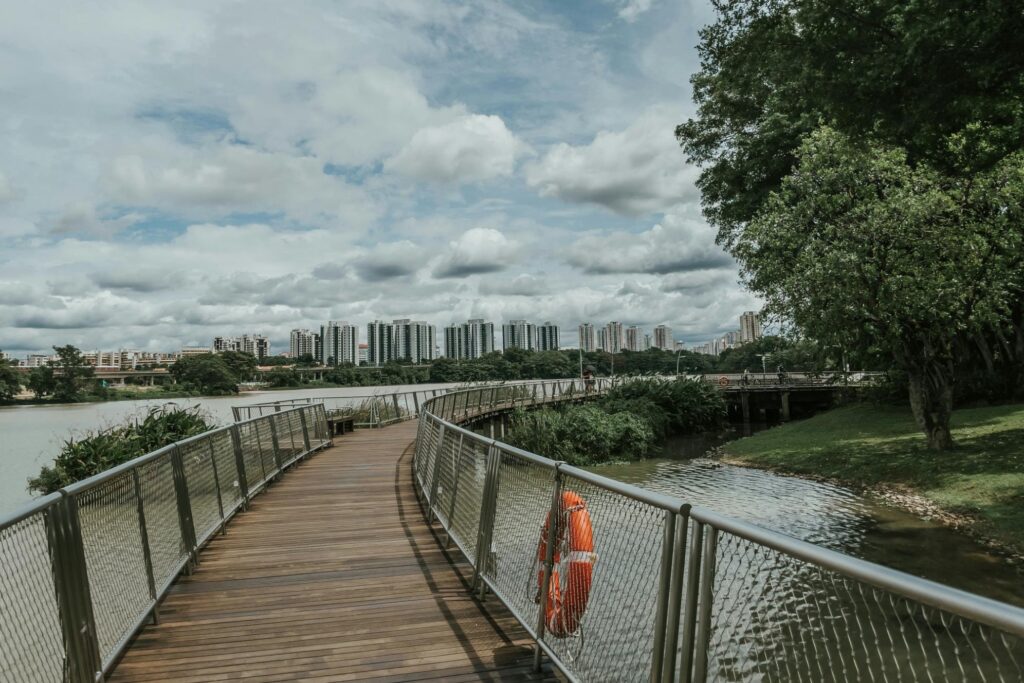
Spanning over 360 hectares, the Jurong Lake District is planned as Singapore’s largest commercial district outside the city centre. It consists of two main precincts: Jurong Gateway and Lakeside. Jurong Gateway is a bustling commercial hub featuring extensive office space, retail malls, and residential developments. It offers around 146,000 sqm of office space, attracting companies with modern facilities and proximity to public transport, including the Jurong East MRT station.
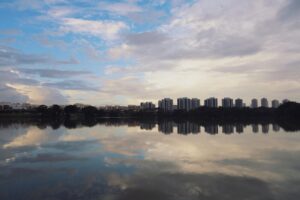
Lakeside precinct focuses on leisure and recreation, with green spaces, recreational facilities, and attractions centered around Jurong Lake. Visitors and residents can enjoy the Japanese Garden, convivial plazas, intimate public spaces, and lakeside promenades, creating a perfect blend of nature and urban living.
The district’s design emphasizes sustainability and community well-being, integrating a network of green corridors and parks that promote biodiversity and provide residents with ample opportunities for outdoor activities. This thoughtful urban planning ensures that Jurong Lake District not only serves as a commercial and residential hub but also as a model for sustainable living in Singapore.
Connectivity and Transport Networks: Jurong East MRT Station and More
Connectivity is key to Jurong’s transformation. The district is served by three MRT stations, including Jurong East MRT station, and is linked by major expressways and public transport networks. The upcoming Jurong Region Line (JRL) and Cross Island Line (CRL) will enhance accessibility within the west and beyond. A network of underground pedestrian links, elevated walkways, and ground-level paths ensure seamless movement within the district, connecting office spaces, retail outlets, and recreational areas. The planned J Link will further improve local connectivity, encouraging car-lite living.
Though the Kuala Lumpur-Singapore High-Speed Rail (HSR) project is currently deferred, its planned terminus in Jurong underlines the district’s strategic importance as a gateway to Malaysia and the region. These transport enhancements not only facilitate convenient commuting for residents and workers but also support the district’s goal of sustainable living by reducing reliance on private vehicles. The integration of multiple transport modes—including buses, MRT lines, and pedestrian pathways—creates a comprehensive mobility network that caters to diverse travel needs.
Moreover, the proximity of Jurong Lake District to major expressways such as the Ayer Rajah Expressway (AYE) and Pan Island Expressway (PIE) ensures efficient road connectivity to other parts of Singapore, further boosting its appeal as a business and residential hub.
This well-planned transport infrastructure is a critical factor in attracting businesses and residents to the district, reinforcing Jurong’s evolution into a vibrant, accessible, and sustainable urban centre.
Sustainable Living at the Core of the Lake District
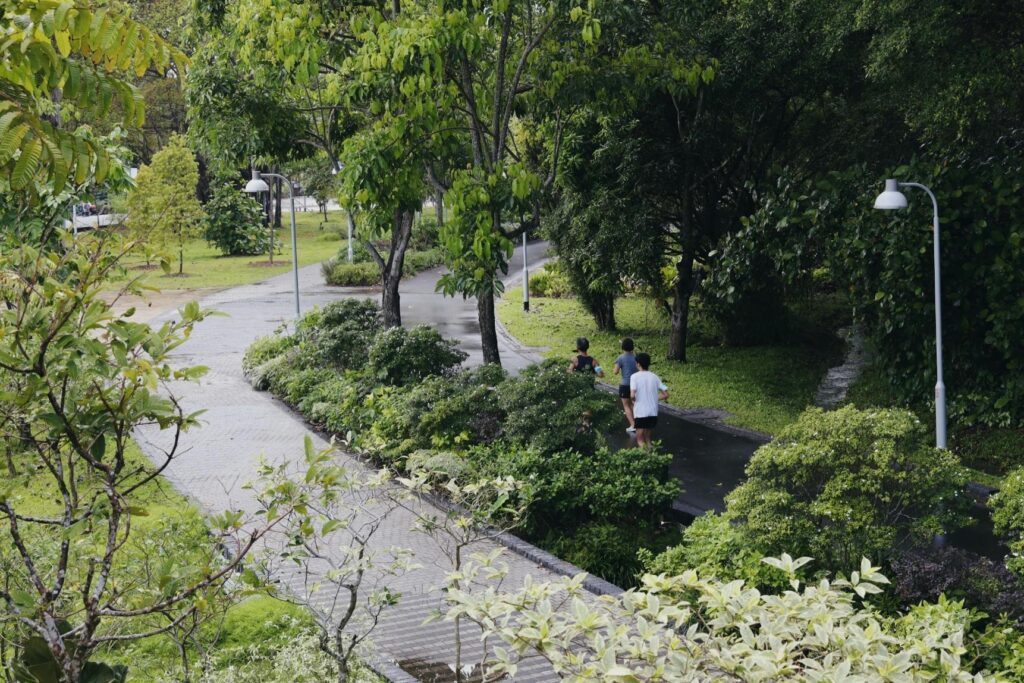
Sustainability is central to the district’s design. The Urban Redevelopment Authority (URA) champions green spaces, energy-efficient developments, and eco-friendly infrastructure throughout the JLD. The district integrates lush gardens, parks, and water bodies to mitigate urban heat and provide residents with serene natural retreats.
Developments are guided by a price revenue tender approach, where master developers submit concept proposals and tender prices. These proposals are carefully evaluated to ensure projects align with sustainability goals and community needs, fostering a balanced, green urban environment.
In addition to environmental considerations, the district places strong emphasis on social sustainability. This includes creating accessible and inclusive public spaces that encourage community interaction and support diverse lifestyles. Innovative urban design features, such as green roofs, rain gardens, and smart energy management systems, are incorporated to reduce the carbon footprint and enhance resilience against climate change. The URA continuously engages with developers, residents, and stakeholders to ensure that sustainability remains a core principle throughout the district’s ongoing development and future phases.
Community-Centric Development with Intimate Public Spaces and Convivial Plazas
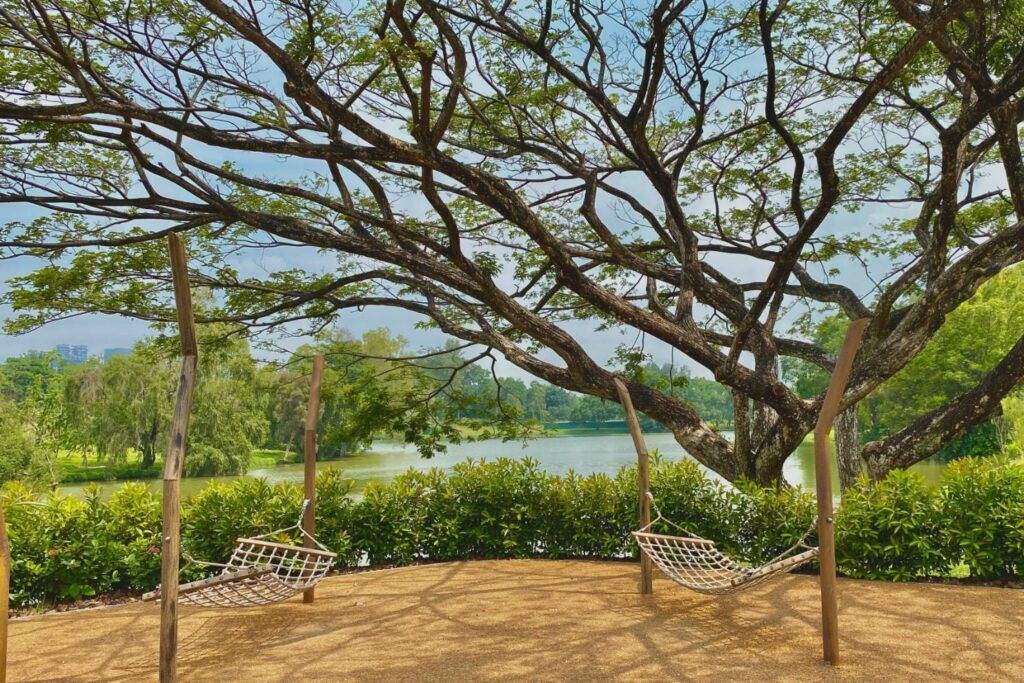
The URA has engaged extensively with residents, companies, and stakeholders to shape the district’s evolution. This collaborative approach has influenced the creation of intimate public spaces, recreational facilities, and convivial plazas that encourage social interaction and community bonding.
The district offers a harmonious mix of office, retail, and leisure amenities, supporting a vibrant live-work-play environment. Food and beverage options, entertainment venues, and other facilities cater to residents, workers, and visitors alike, enhancing the district’s appeal and meeting growing demand.
This thoughtful integration of diverse amenities ensures that Jurong Lake District is not just a place for business but also a community where people can connect and unwind. The design of these spaces prioritizes accessibility and inclusivity, making them welcoming to individuals of all ages and backgrounds. By fostering a sense of belonging and engagement, the district aims to create a lively atmosphere that supports mental well-being and social cohesion.
Overall, the blend of functional amenities and thoughtfully designed social spaces positions Jurong Lake District as a model for modern urban living, where economic vitality and community well-being go hand in hand.
Economic Impact and Business Opportunities Led by Master Developer Initiatives
Jurong Lake District provides an attractive alternative to Singapore’s city centre for companies seeking modern office space and connectivity. Its proximity to industrial clusters, research institutions, and transport hubs creates a dynamic ecosystem to create new opportunities for innovation and commerce.
The government expects to create over 100,000 jobs within the district, spanning sectors such as technology, maritime services, finance, and infrastructure. The development of white sites and land sales, following the price revenue tender approach, invites developers to submit visionary concept proposals that meet the district’s ambitions.
These initiatives are part of a broader strategy to decentralize economic activities from Singapore’s traditional city centre, fostering growth in the western region and supporting a more balanced urban development. By attracting a diverse range of businesses, Jurong Lake District aims to become a vibrant commercial hub that complements the existing Central Business District.
Phased Development and Future Outlook: Head to June and Beyond
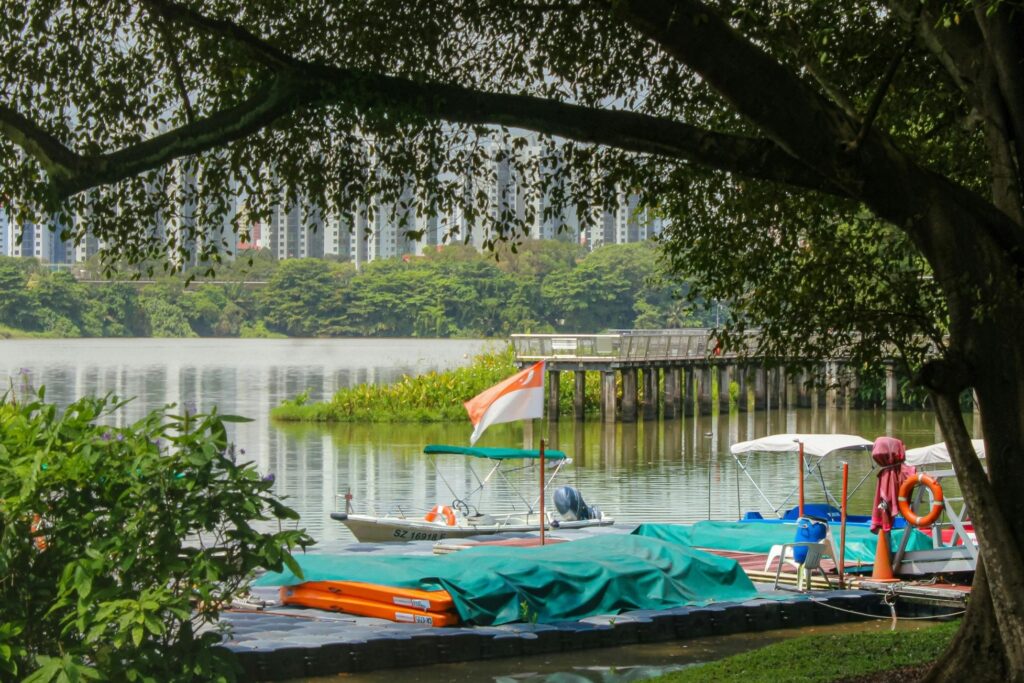
The Jurong Lake District’s transformation is planned in phases to ensure sustainable growth and infrastructure capacity. The current phase includes the release of a 6.5-hectare white site, expected to yield about 1,700 residential units and 146,000 sqm of office space, with retail, food and beverage, and entertainment facilities.
This phased approach allows for careful integration of new developments with existing infrastructure, ensuring that transportation, utilities, and community amenities keep pace with population and business growth. Each phase is designed to complement the district’s overall vision, balancing commercial expansion with green spaces and recreational facilities to maintain a high quality of life.
The Urban Redevelopment Authority (URA) continues to monitor progress and engage stakeholders to address challenges and opportunities as the district grows. With green spaces, intimate public spaces, and convivial plazas integrated throughout, the district is set to become a model of sustainable living and urban vibrancy.
Future phases will focus on enhancing connectivity, introducing innovative urban solutions, and expanding mixed-use developments to support a diverse range of industries and lifestyles. This ensures that Jurong Lake District remains adaptable to evolving economic trends and community needs, reinforcing its role as Singapore’s premier second central business district.
Visit Jurong Lake District: Experience a Dynamic Network of Spaces for Living, Leisure, and Work
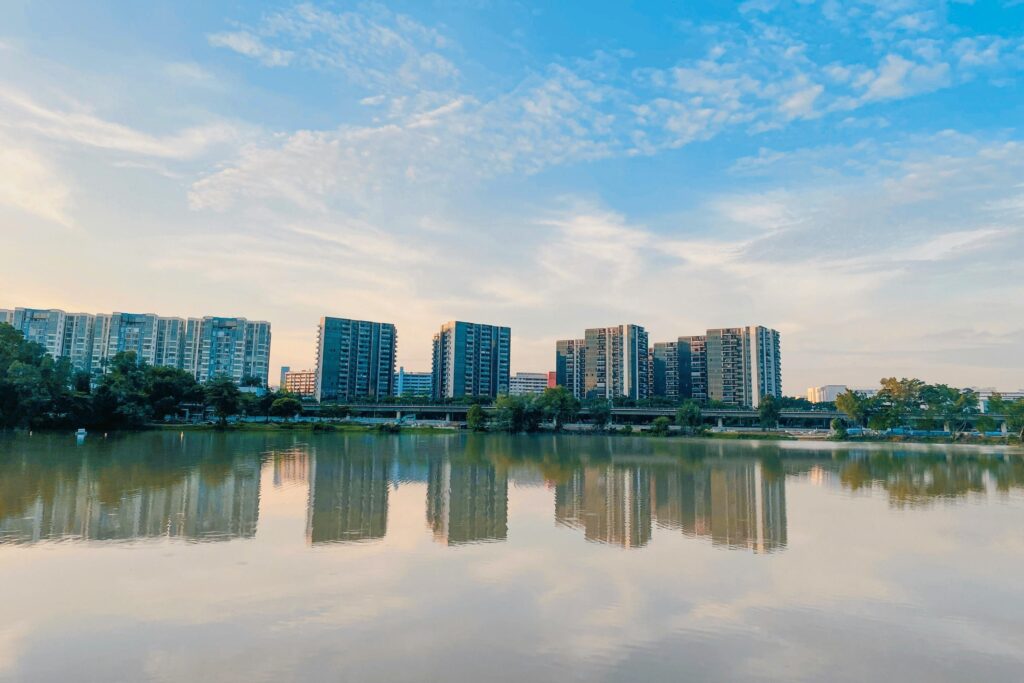
As Jurong continues to evolve, visitors are encouraged to explore its attractions—from the scenic Jurong Lake and Japanese Garden to the bustling Jurong Gateway precinct. The district exemplifies Singapore’s commitment to thoughtful urban planning, sustainable living, and economic decentralisation, marking a new chapter in the city’s development.
Beyond its natural beauty and commercial vibrancy, the district offers a diverse range of recreational facilities and intimate public spaces designed to foster social interaction and well-being. With its seamless integration of green spaces and modern infrastructure, Jurong Lake District stands as a model for sustainable urban living.
The government’s master developer approach, involving carefully evaluated concept proposals and price revenue tender submissions, guarantees that future developments will align with the district’s vision of sustainability, innovation, and community focus. As Jurong Lake District continues to grow, it is poised to become a vibrant, inclusive, and sustainable urban hub that balances economic opportunities with quality of life for all its users.