
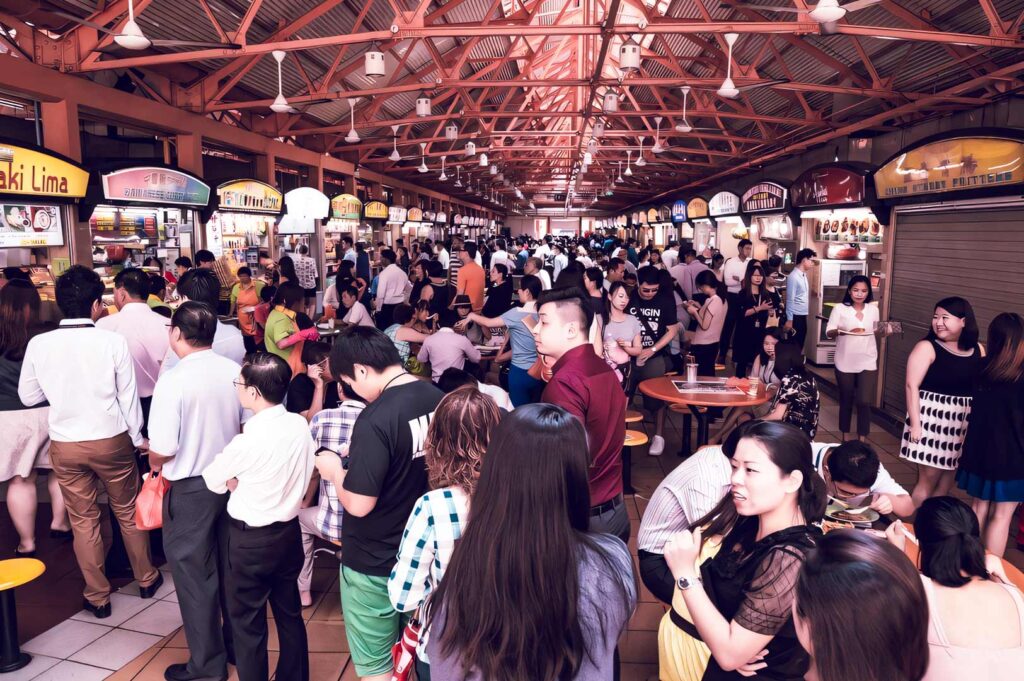
It’s noon on a weekday, and the hawker centre is buzzing. I’m standing with a tray of chicken rice, searching for an empty seat. As I navigate the lunchtime crowd, a question pops into my head: Does eating alone make me seem lonely or independent?
Eating alone during the workday is a common ritual for many of us, yet it’s layered with unspoken anxieties. I watch the large groups of office colleagues laughing over a shared meal, the pairs of friends dissecting their morning, and I can’t help but feel a flicker of something that feels a lot like loneliness. The act of eating is inherently communal. It’s a time for connection, for sharing stories, for a brief respite from the pressures of the day. To do it alone feels like a departure from that norm.
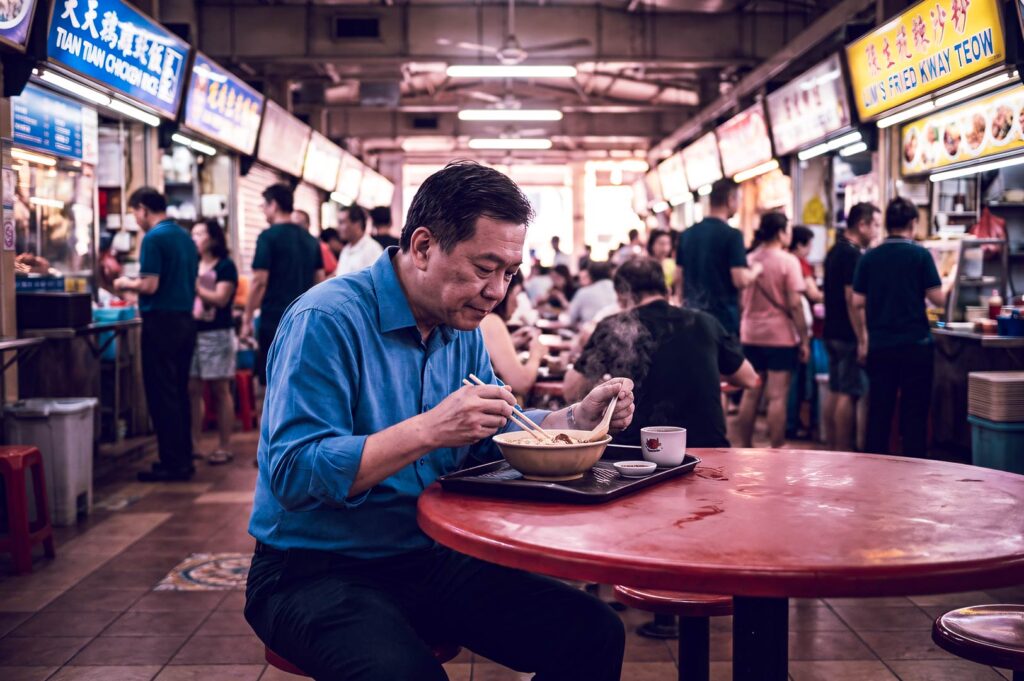
I wonder what others see. Do they see a confident individual, someone self-assured enough to enjoy his own company? Or do they see someone pitiful, a person with no one to share a meal with? In a society that values community as much as ours, the lone diner can sometimes feel like an anomaly. We’ve all felt that silent judgment, whether real or imagined. It’s the reason we instinctively reach for our phones, creating a digital shield to avoid making eye contact, to signal that we are busy and important, not just solitary.
Yet, on other days, I see it differently. There’s a quiet power in dining solo. It’s a moment of true independence in a day otherwise dictated by meetings, deadlines, and other people’s demands. It’s a chance to choose exactly what I want to eat without negotiation or compromise. I can go to that fish soup stall with the notoriously long queue that my colleagues would never wait for. I can sit and simply observe the world around me, noticing the small details of daily life that get lost in the noise of conversation.
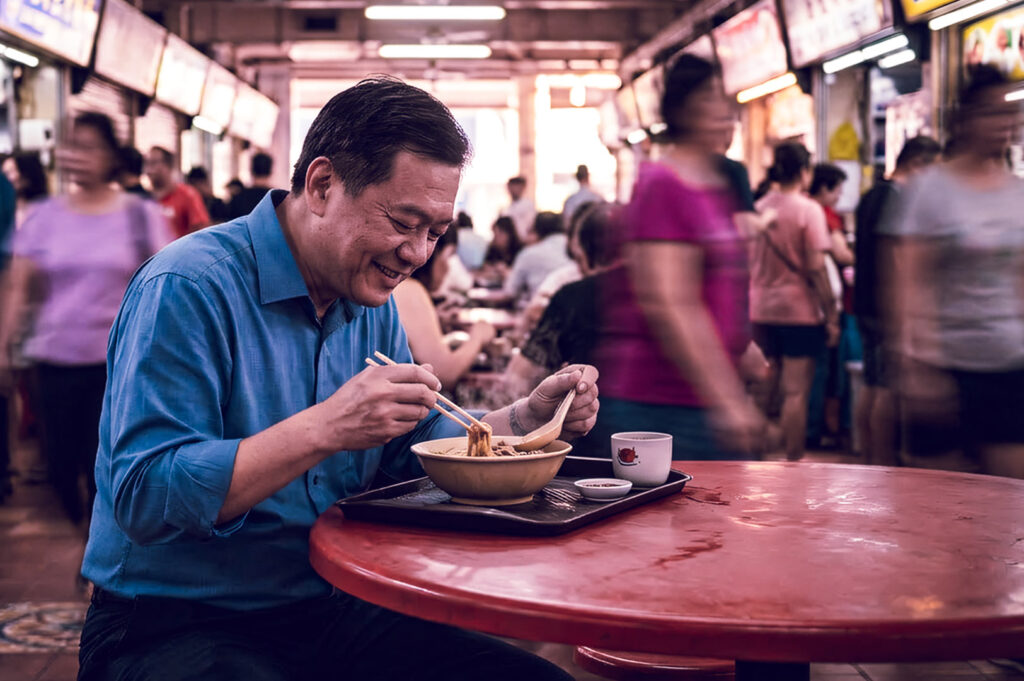
In these moments, eating alone isn’t a sign of lack; it’s an act of reclamation. It’s carving out a small pocket of time that belongs only to me. There’s no pressure to perform, no need to engage in small talk. It is a brief, meditative pause. I can be fully present with my food, savoring the flavors without distraction. It’s a form of self-care, a way to recharge before diving back into the afternoon’s chaos.
Perhaps the truth is that eating alone for work is both lonely and liberating, often at the same time. The experience is a mirror, reflecting our own state of mind. On days when I feel disconnected, the solo meal amplifies that feeling. On days when I feel centered and in control, it reinforces my sense of autonomy.
Maybe the real question isn’t about how others perceive us, but how we choose to see ourselves. We can view that single seat at a crowded table as a symbol of isolation, or we can see it as a space of quiet strength. It is a reminder that being alone does not have to mean being lonely. Sometimes, it just means we are taking a moment to ourselves, and in the hustle of modern life, that might be the most valuable lunch companion of all.