Marine Parade Singapore: Life on Singapore’s First Reclaimed Land Neighbourhood
Imagine standing on the sandy shores of East Coast Park, watching ships drift lazily along the horizon. It’s hard to believe that this beautiful spot was once just open sea. Right beneath your feet lies a remarkable achievement in Singaporean land reclamation—a project that not only expanded the island but also reshaped how people live and play. Marine Parade isn’t just another housing estate; it’s a symbol of Singapore’s bold ambitions and innovative spirit. From its early days as a daring idea to the lively community it is today, Marine Parade truly captures the essence of a nation that turns challenges into opportunities. After all, Singapore is a chronically undersized country, so creating more space through land reclamation and smart urban planning has been key.
Let’s take a stroll through the history, development, and charm of Marine Parade Singapore. We’ll explore its role in Singapore’s land reclamation projects, the unique lifestyle it offers, and why the East Coast district continues to be such a beloved part of the city.
Marine Parade: Singapore’s First Land Reclamation Project
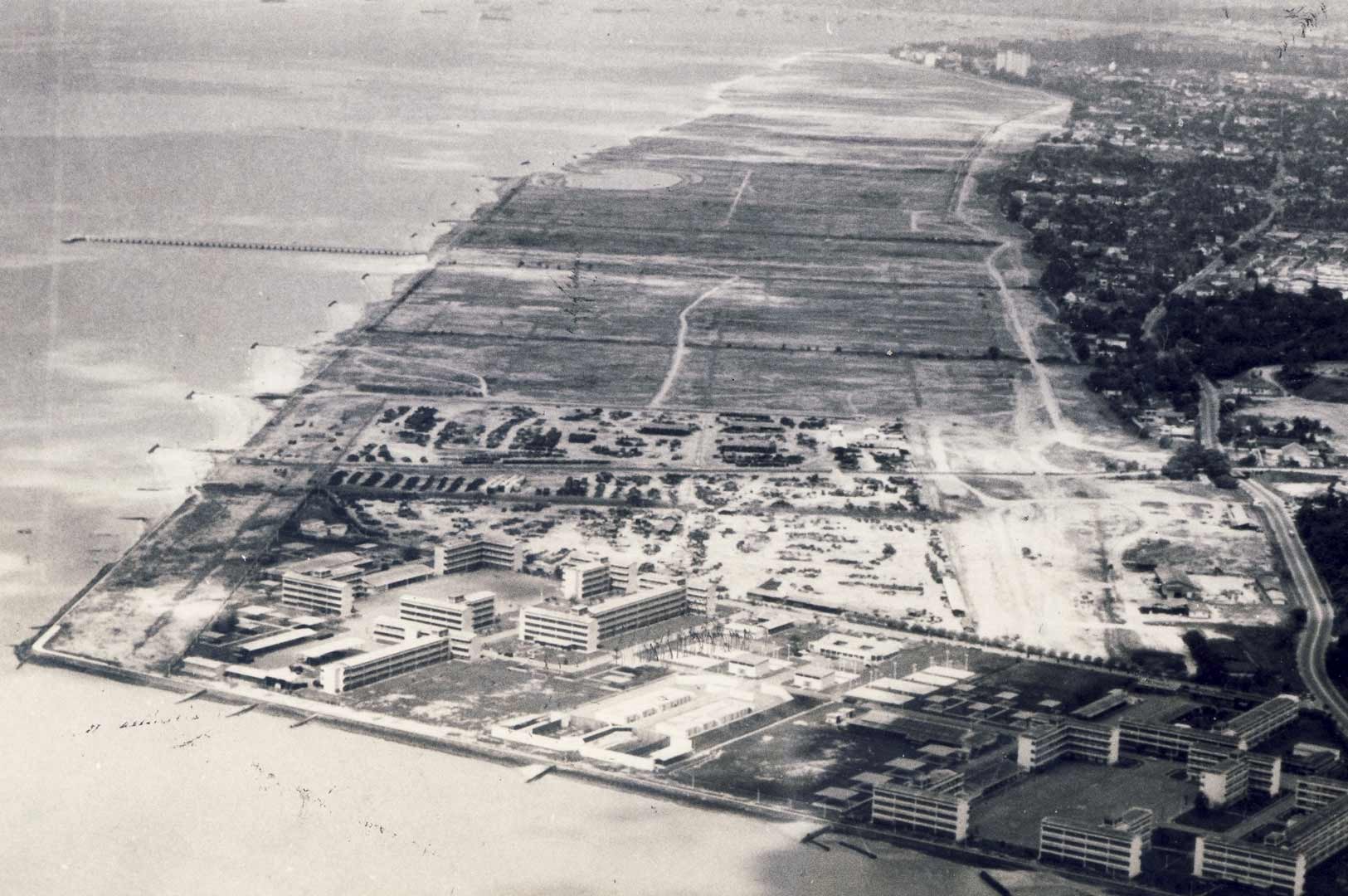
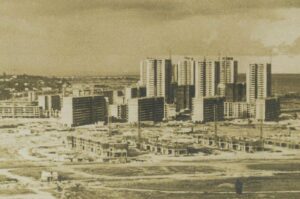
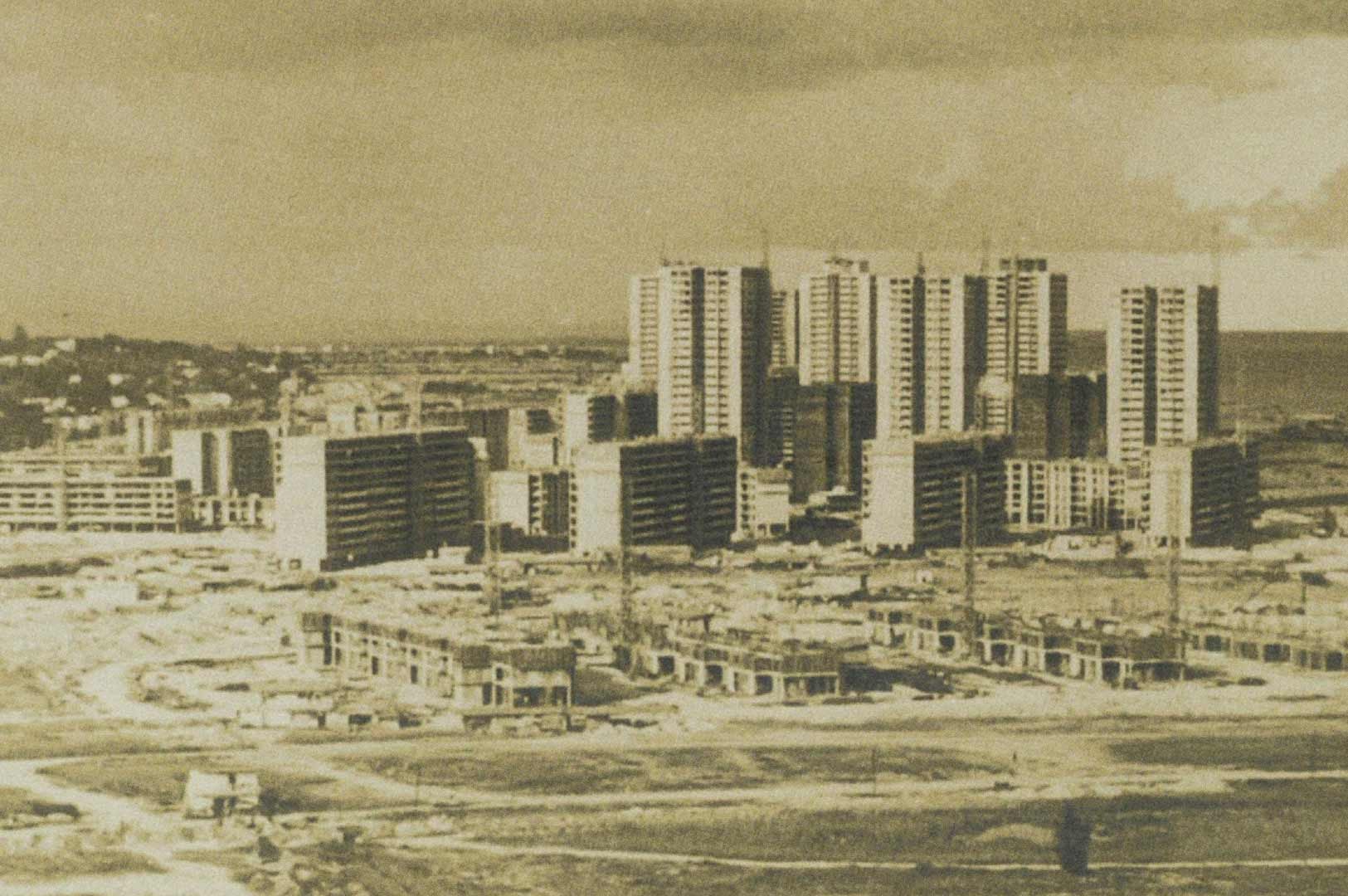
To really get what Marine Parade is all about, let’s rewind to the 1960s. Back then, this area was nothing but open sea, with waves gently lapping against the original shoreline near Katong. The quaint shophouses along East Coast Road used to sit right by the water’s edge. But as Singapore grew, space became precious. Under the visionary leadership of Lee Kuan Yew and with guidance from the Urban Redevelopment Authority, the government kicked off the East Coast land reclamation project in 1966. This was a game-changer, the start of a massive transformation of Singapore’s coastline. It was the first big reclaimed area in Singapore and laid the groundwork for the country’s future growth.
How the Reclamation Process Began
The way Singapore tackled land reclamation was pretty clever. They levelled hills from Bedok, Siglap, and other nearby spots, then used a huge conveyor belt system to move all that earth out to sea as fill material. This method made the whole project efficient and effective—especially for what was, at the time, one of Singapore’s most ambitious reclamation projects. In total, they added over 1,500 hectares of land, setting the stage for a vibrant residential and recreational neighbourhood.
Aims of Marine Parade’s Development
Because the land was reclaimed from scratch, planners had a clean slate to work with. Unlike older estates that grew up around existing villages, Marine Parade was designed with a fresh vision. The goal? To create a breezy, open neighbourhood with easy access to the coast. The reclamation method was all about using land efficiently and building a modern urban space that took full advantage of its seaside location. It was a bold experiment, mixing public housing with community facilities, all while making the most of that beautiful coastal setting.
East Coast Park: The Jewel of Marine Parade Singapore
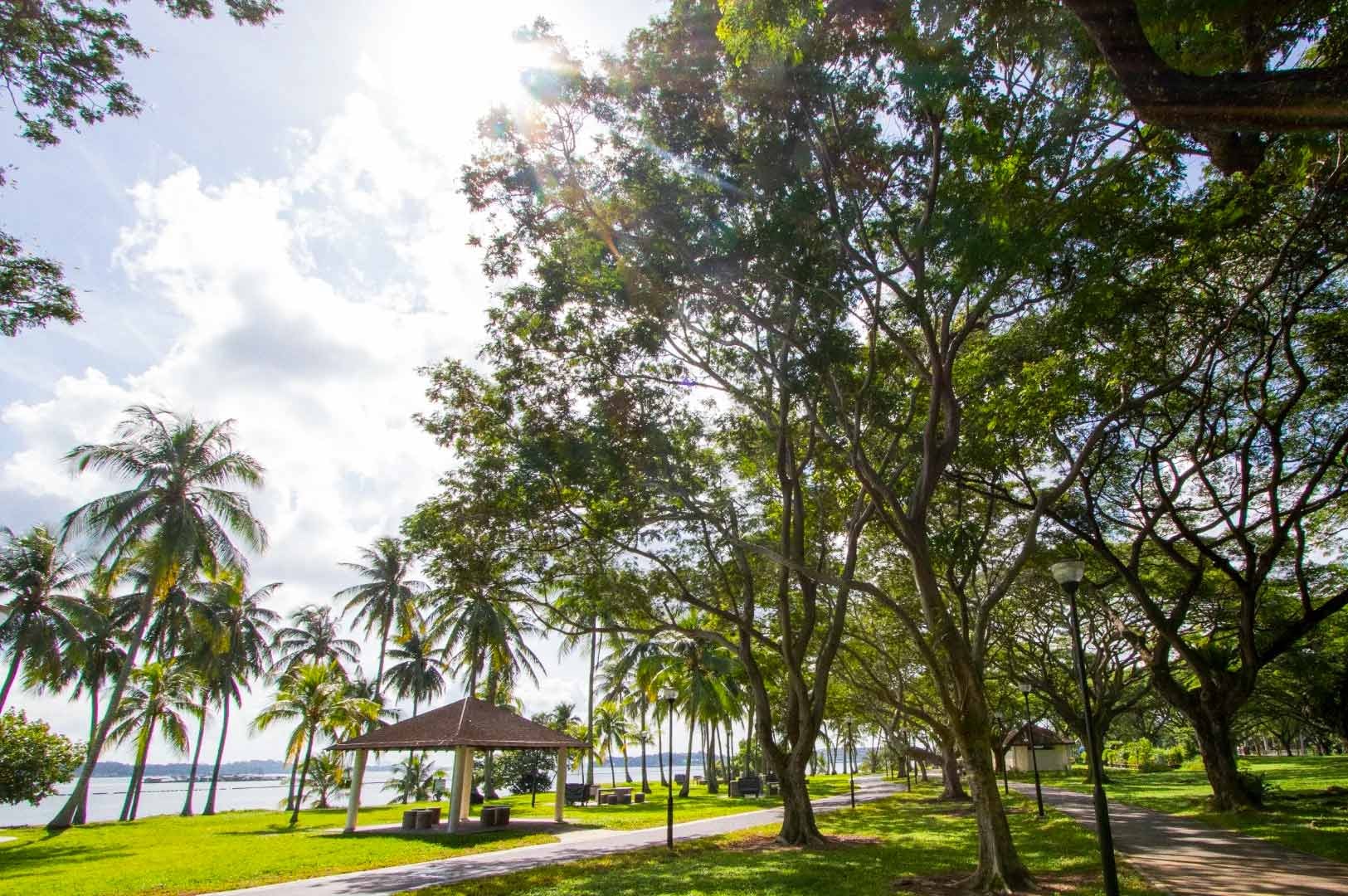
If you ask locals what makes Marine Parade special, many will point to East Coast Park. This beloved park, built on reclaimed land, stretches along the southeastern coast, offering residents a slice of seaside paradise. For people living in Marine Parade, East Coast Park isn’t just a weekend escape, it’s part of everyday life.
A Coastal Lifestyle Like No Other
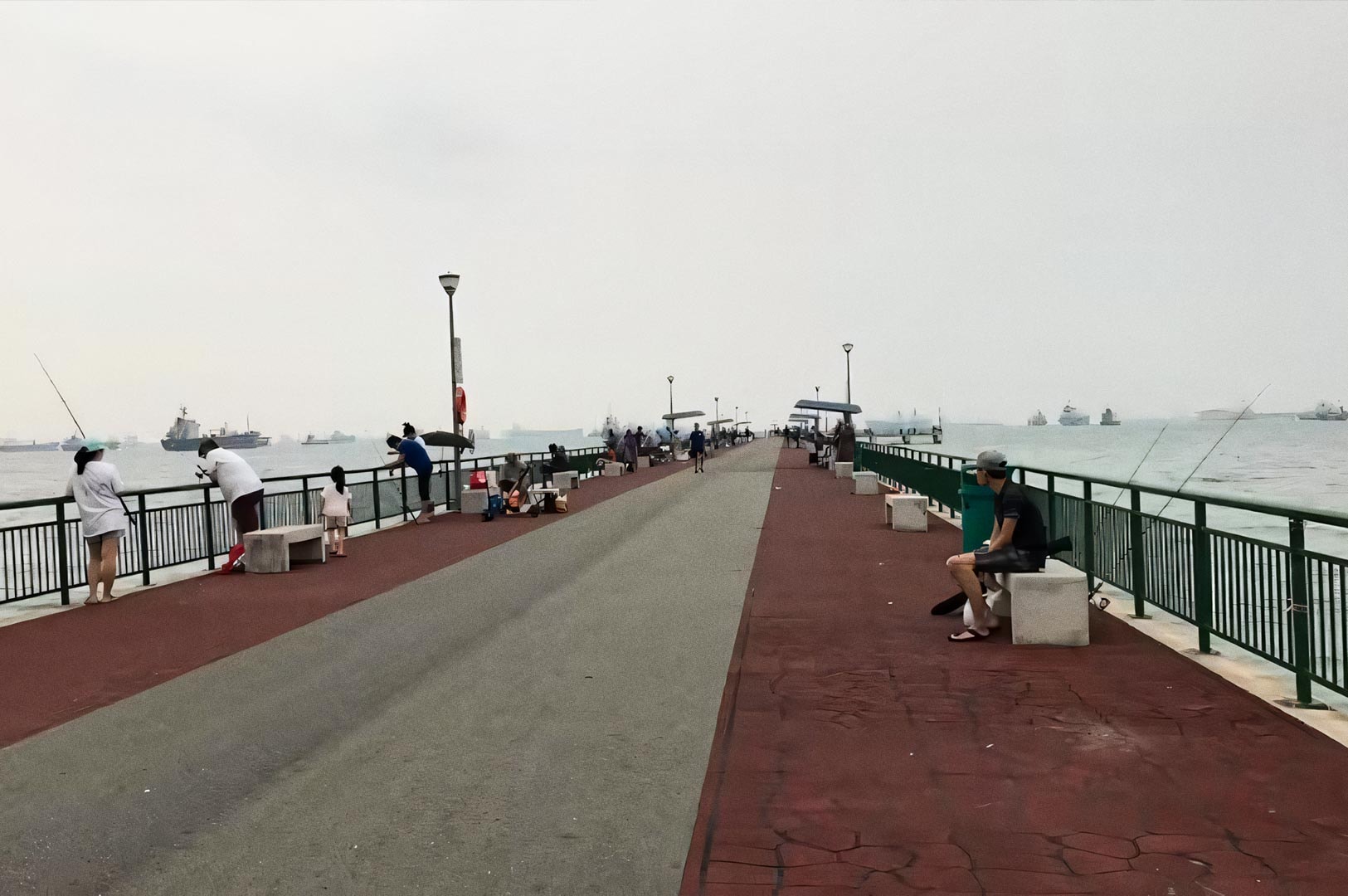
Whether you’re jogging, cycling, or just hanging out with family, East Coast Park’s peaceful coastline sets the perfect scene. Bedok Jetty, tucked inside the park, is a hotspot for fishing and catching stunning sunsets. The park perfectly showcases how Singapore’s land reclamation projects have turned what was once open sea into a lively community hub.
East Coast Living and Community Spirit
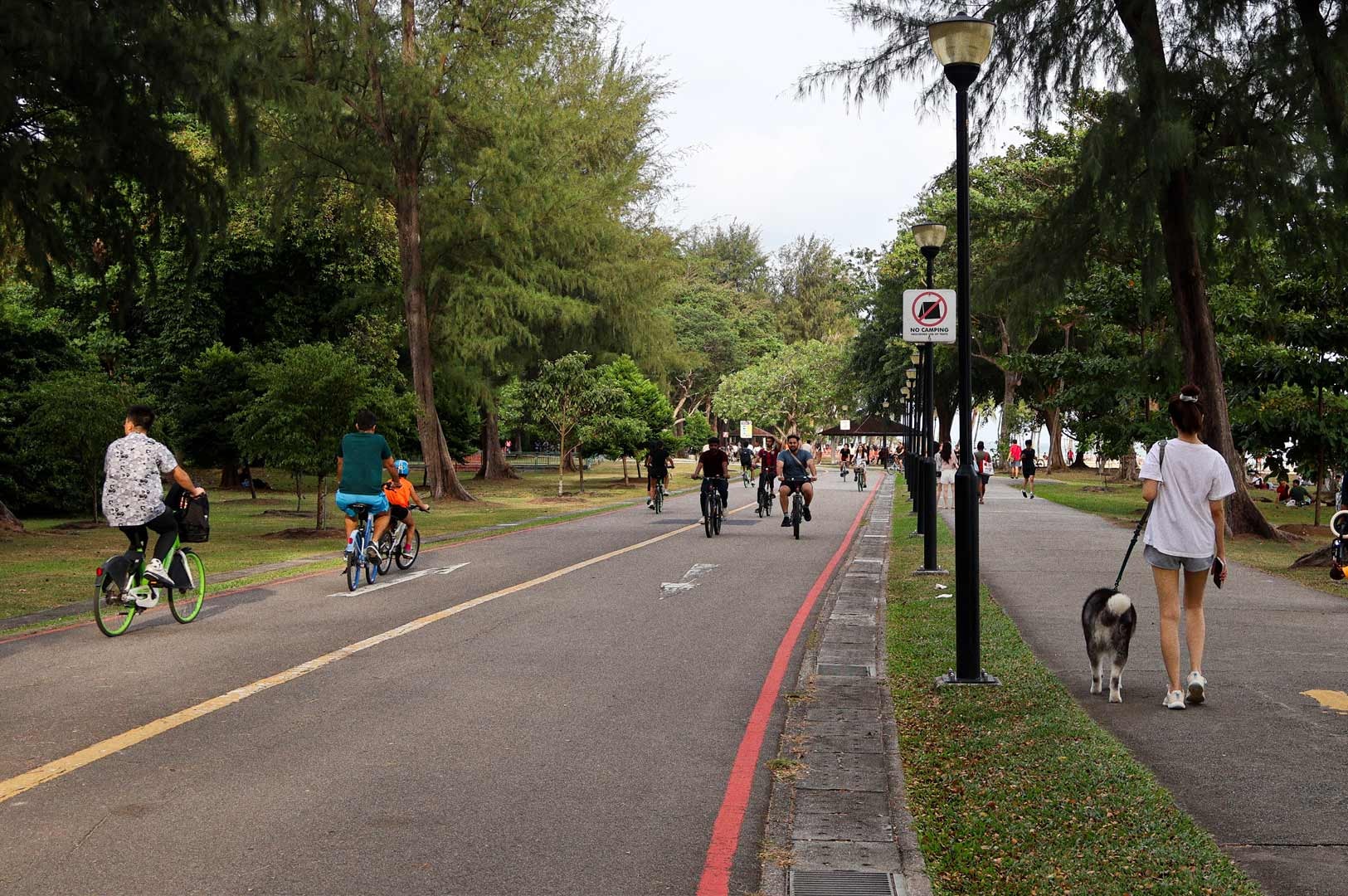
Marine Parade blends the best of modern city life with the relaxed vibe of coastal living. Residents might start their day with a jog along the park’s trails or unwind by the beach in the evening. The East Coast district has become synonymous with outdoor fun and a strong sense of community.
Building a Community on Reclaimed Land
By the early 1970s, the first phase of Marine Parade was ready, and it quickly became a shining example of public housing done right. The planners made sure public transport was in place so residents could get around easily. The HDB flats were thoughtfully designed to offer sea views, something that used to be a luxury only private developments could offer.
Distinctive Architectural Features
Marine Parade’s buildings reflect the optimism of their time. The iconic HDB blocks along Marine Parade Road are known for their point blocks with sweeping views of the Singapore Strait. Some even sport retro murals that locals instantly recognize, adding a splash of colour and character to the neighbourhood.
Marine Parade Central: The Heart of the Estate
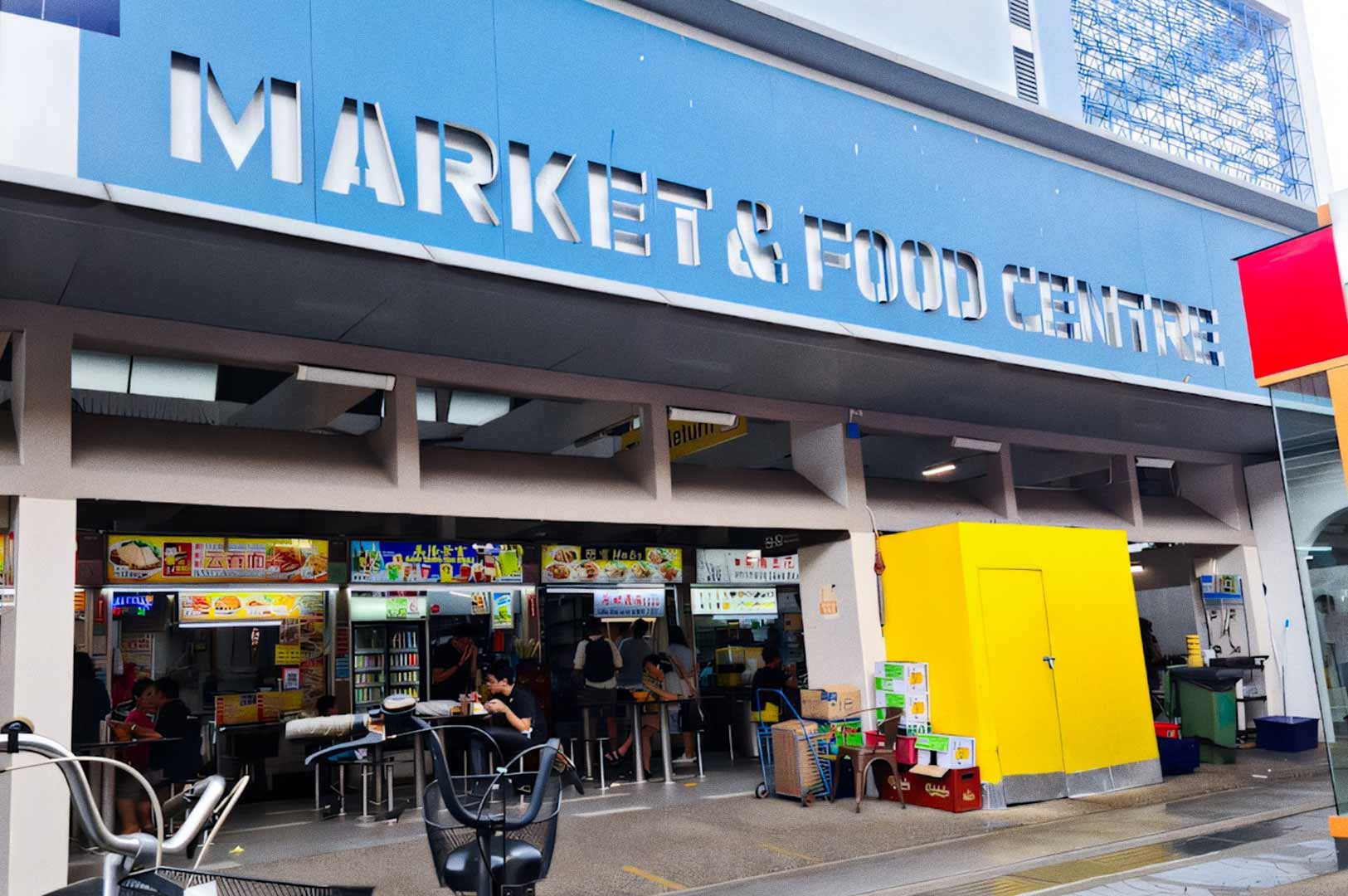
Right at the centre of it all is Marine Parade Central, a bustling spot full of life. The Marine Parade Market and Food Centre is famous for its hawker stalls, drawing in both residents and visitors. Just nearby, Parkway Parade, one of Singapore’s first suburban malls, offers a convenient mix of shopping, dining, and entertainment. Since opening in 1984, it’s adapted well to the changing needs of the community.
A Legacy of Land Reclamation in Singapore
Marine Parade’s story is just one chapter in Singapore’s bigger tale of land reclamation. Since the 1800s, Singapore has been expanding its territory through various reclamation projects. Early efforts included filling the Telok Ayer Basin and reshaping the Singapore River to create Boat Quay, a vital landing spot back in the days of Stamford Raffles. The south bank of the Singapore River was actually the site of the very first reclamation in 1822. The drive to found Singapore as a modern city involved a lot of land reclamation and resource gathering, especially through importing sand. Later projects helped create the Central Business District, the Marina Bay area, and even Changi Airport. Expanding Tanjong Pagar through reclamation allowed for a new port, which was crucial for Singapore’s rise as a global trade hub. Of course, in the process, Singapore erases a lot of its old landscapes and communities, reshaping itself for the future.
New Reclamation Projects and Methods
Singapore isn’t slowing down. It’s constantly innovating in land reclamation projects, adopting greener and more sustainable methods to tackle challenges like rising sea levels. Recently, Singapore started using a new reclamation method to boost efficiency and sustainability. These techniques aim to reduce Singapore’s reliance on imported sand and other materials. The creation of Jurong Island formed by merging smaller islands like Pulau Ayer Merbau, Pulau Seraya, Pulau Ayer Chawan, Pulau Merlimau, Pulau Pesek, and Pulau Sakra, shows just how forward-thinking Singapore’s approach is. And upcoming projects near Marina East promise even more growth for the industrial estate and new opportunities.
A Sustainable Future
The Singapore Tourism Board and National Development agencies are working hard to balance growth with protecting the environment. Efforts to cut down on sand mining and explore alternative materials reflect a real commitment to sustainability. This ensures that Singapore’s land reclamation in Southeast Asia continues to support growth without harming its unique coastal ecosystems.
Marine Parade Today: A Blend of Old and New
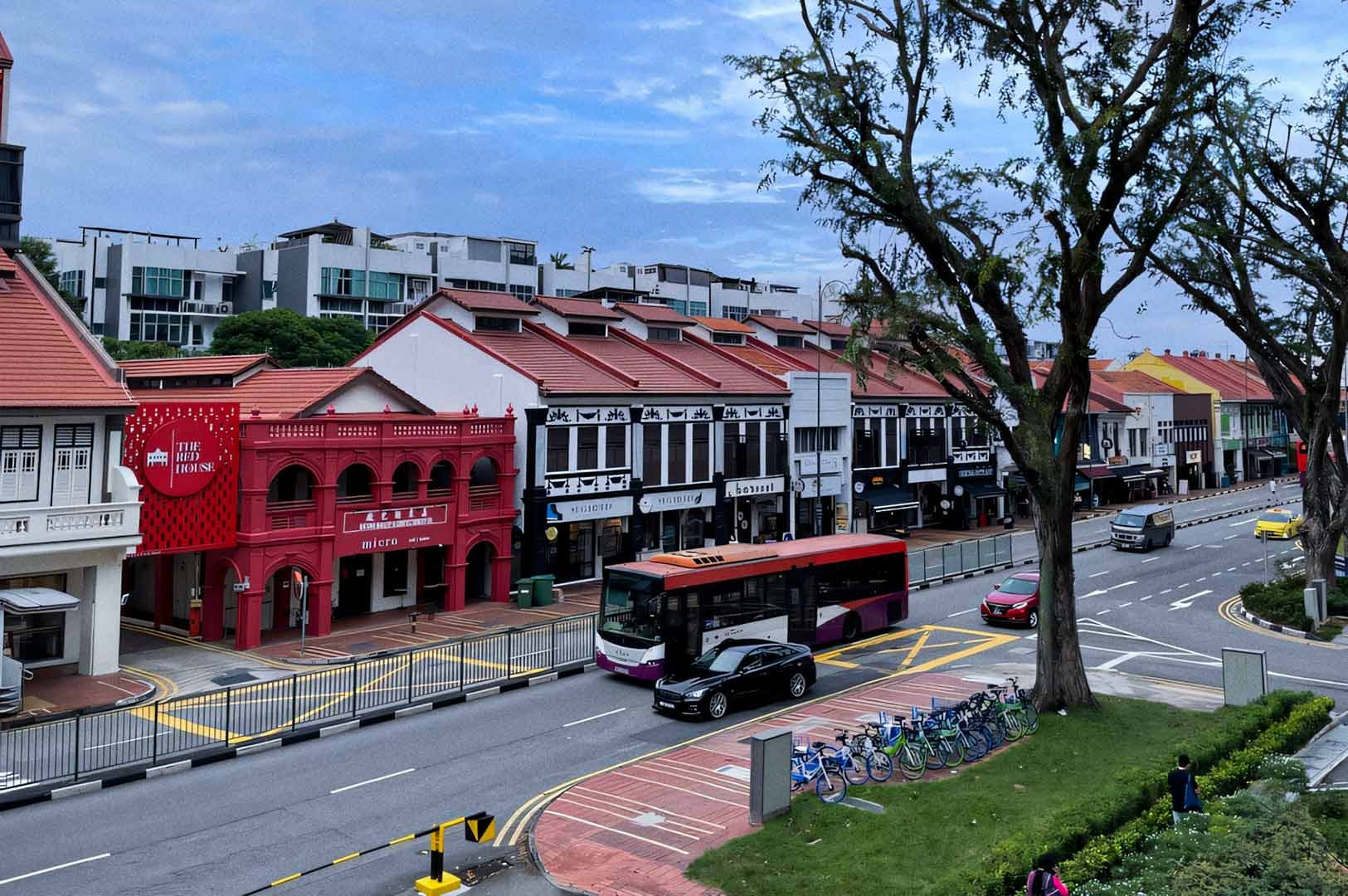
Today, Marine Parade has matured into a lively, multi-generational community. It’s a place where the nostalgia of old Singapore meets the convenience of modern living, making it one of the most sought-after spots in eastern Singapore.
A Melting Pot of Generations
Marine Parade’s mix of longtime residents—from those who moved in during the 1970s—to young families and professionals creates a vibrant, diverse atmosphere. The recent opening of the Thomson-East Coast Line (TEL) has made getting to central Singapore easier than ever, bringing a fresh wave of new residents.
Food Culture and Gastronomic Delights
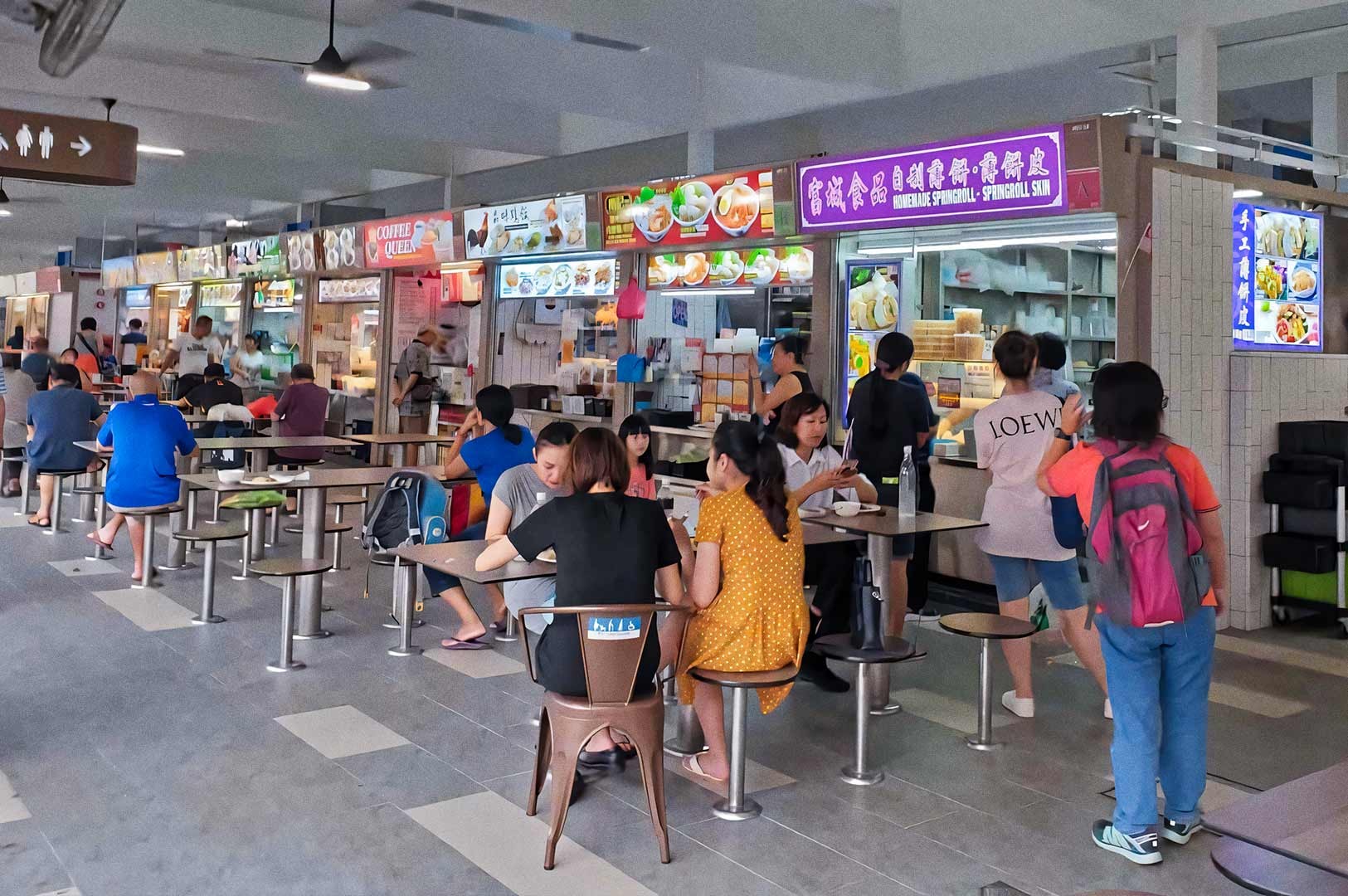
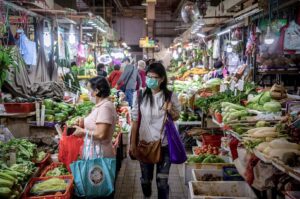
Food lovers will feel right at home here. Marine Parade is famous for its hawker centres and is close to the culinary hotspots of Katong and Joo Chiat. Whether you’re craving the iconic Katong Laksa or a trendy café, there’s something for everyone. The quieter Marine Terrace Market offers a more intimate peek into the local food scene.
Notable Landmarks and Hidden Gems
Marine Parade is full of landmarks that tell its unique story. Whether you live here or are just visiting, these spots are worth a look.
Nearby, the National Library stands tall as a treasure trove of Singapore’s history and culture. The National University of Singapore, the country’s leading university, plays a big role in shaping education and identity.
Kallang Airport, once hailed as the finest airport in the world, is a proud symbol of Singapore’s engineering prowess.
Urban development here, especially land reclamation, has sparked conversations from people like William Jamieson, who remind us that such projects can sometimes erase the area’s rich history.
Parkway Centre
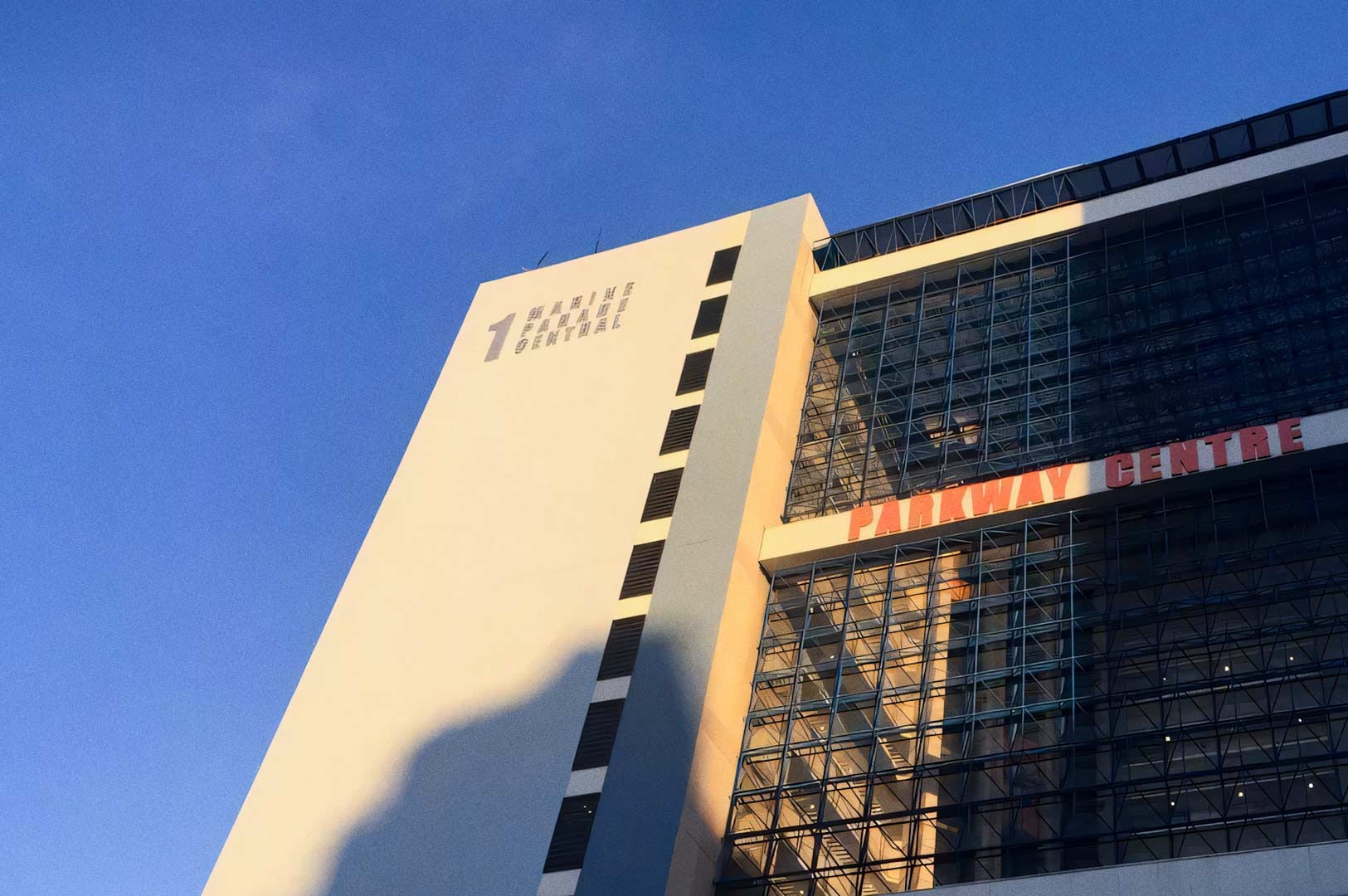
While Parkway Parade is the big name, Parkway Centre is the go-to place for education and enrichment. Known as the “tuition mall,” it’s a family favourite and home to old-school barber shops and traditional Chinese medicine clinics, adding a nostalgic touch to the estate.
Marine Parade Community Club
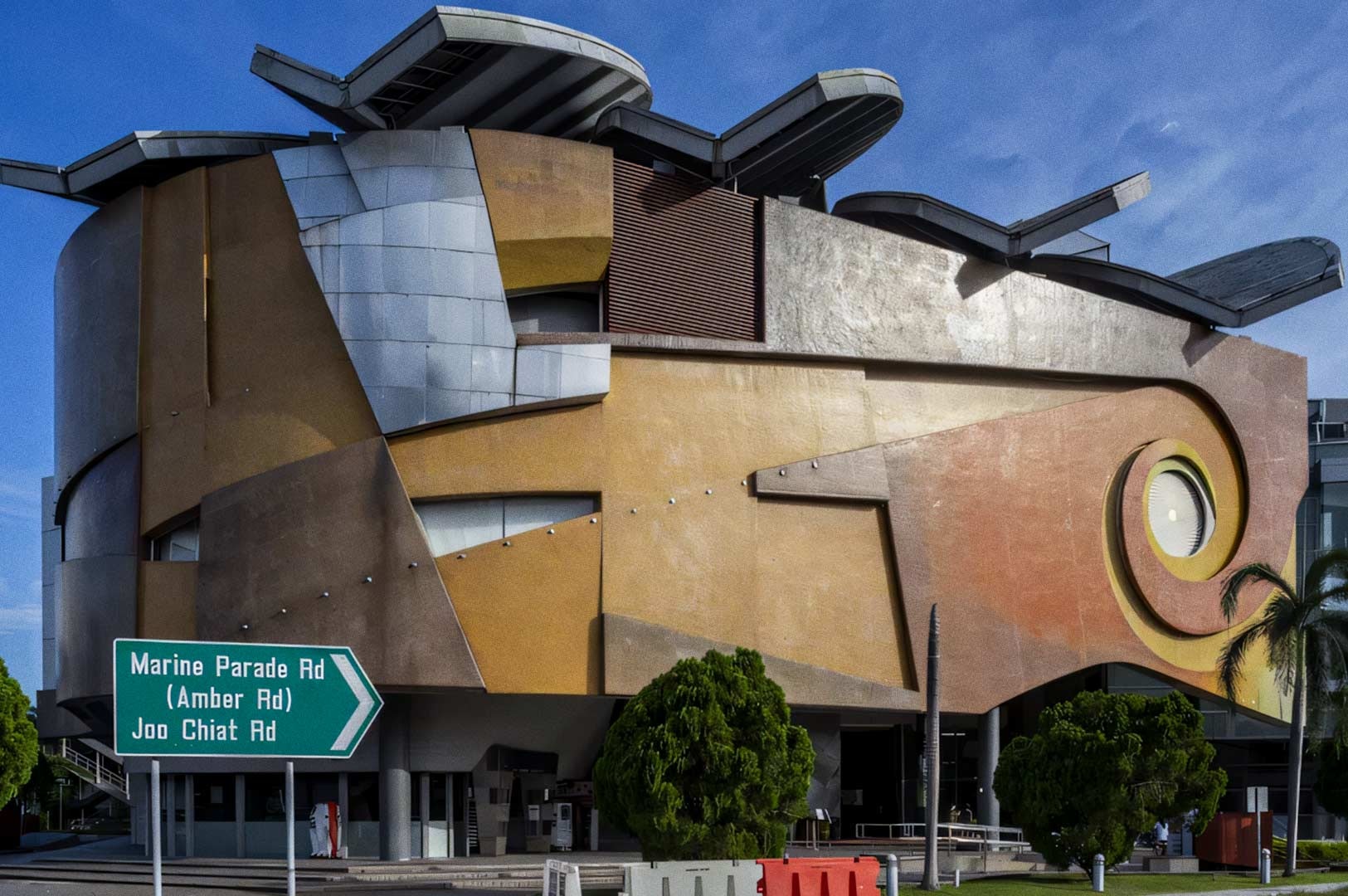
The Marine Parade Community Club is where arts and culture come alive. Its famous mural, “The Drummer” by artist Chen Wen Hsi, celebrates the community’s spirit. The club hosts events that bring people together, reflecting the vibrant energy of Marine Parade.
Marine Life and Natural Features
The reclaimed land here once supported a mangrove swamp, and there are ongoing efforts to keep the connection to marine life alive. East Coast Park remains a haven for biodiversity, showing how nature and urban life can go hand in hand.
Upcoming Events in Marine Parade Singapore
The Singapore Tourism Board and local groups regularly host events in Marine Parade—from outdoor festivals at East Coast Park to cultural celebrations at the community club. Be sure to check out what’s happening and experience the neighbourhood’s lively vibe.
A Neighbourhood Like No Other
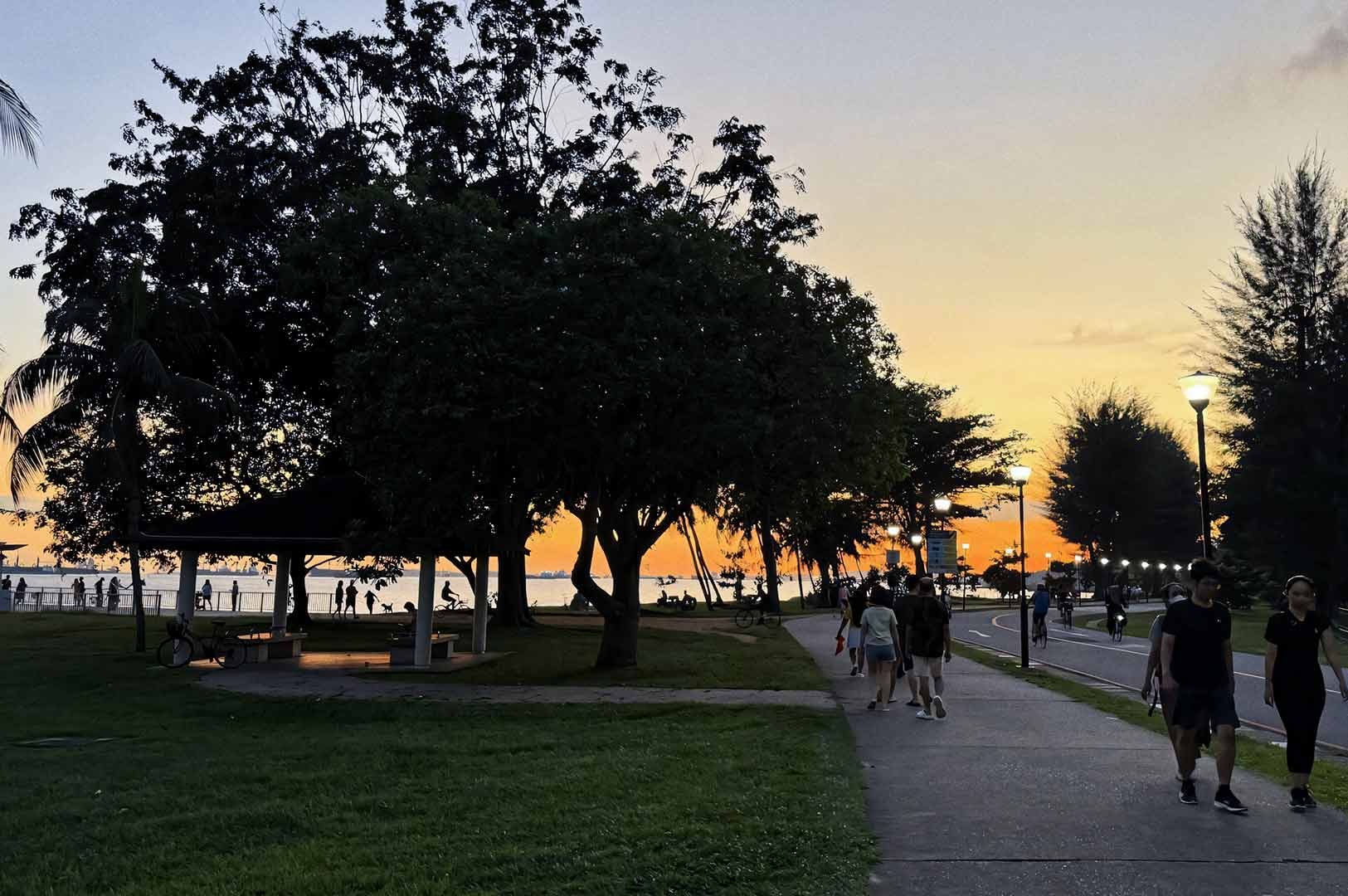
Marine Parade isn’t just another HDB estate; it’s a vibrant community built on the foundation of Singapore’s first reclaimed land project. It’s where history meets innovation, and coastal charm blends with urban living.
Whether you’re strolling down Marine Parade Road, enjoying a hawker meal, or cycling through East Coast Park, you’ll feel the unique spirit that makes this neighbourhood special. It’s a place where ambition and community thrive side by side, a true highlight of eastern Singapore and a shining example of what makes Singapore land reclamation such a remarkable story.
Come Explore Marine Parade
With its perfect mix of coastal beauty, modern amenities, and rich history, Marine Parade offers a lifestyle that’s hard to beat. Thoughtfully planned, it gives residents plenty of green spaces, recreational spots, and easy access to the sea.
Marine Parade was a pioneering urban planning effort, showing how Singapore maximizes land use and quality of life despite its small size. Today, it stands as a proud example of how nature and city life can blend beautifully, with land reclamation shaping the community’s identity and charm.
Ready to discover more hidden gems and heartwarming stories from around Singapore? Head over to neighbourhoodlife.com.sg—where community and discovery meet.