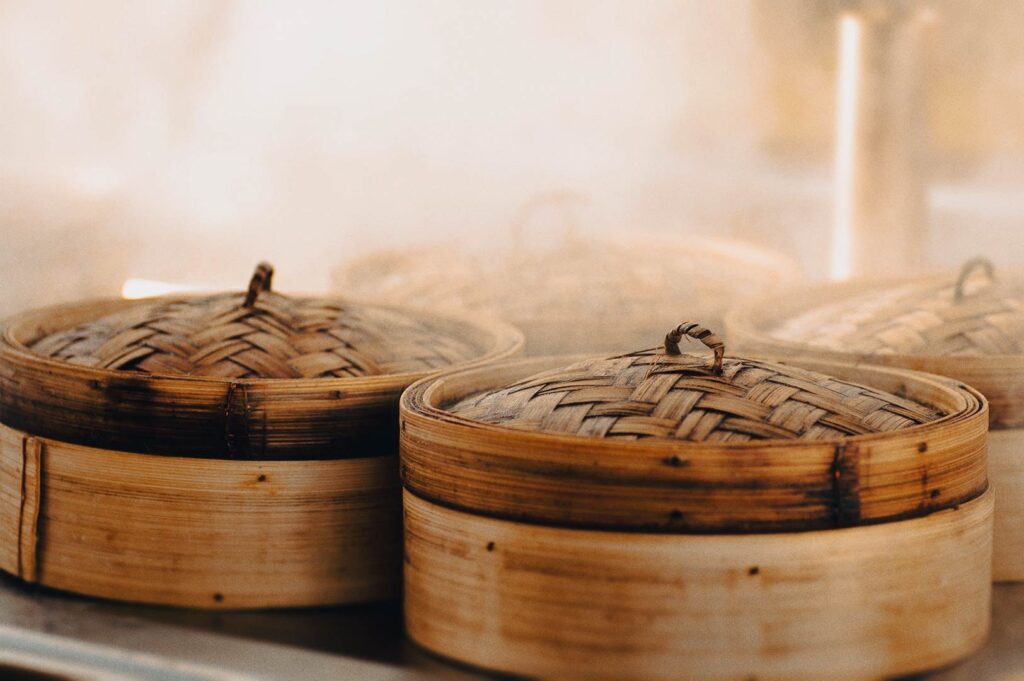
There is a distinctive rhythm to the early hours in a dim sum restaurant in Singapore. The clink of porcelain spoons against bowls, the gentle hiss of steam escaping bamboo lids, and the soft snip of scissors cutting through chee cheong fun create a symphony that signals the start of the day.
Chee Cheong Fun refers to rice noodle rolls, often filled with shrimp or char siew, and is available at Dim Sum Haus, a popular spot for traditional Hong Kong-style dim sum. These sounds, combined with the murmur of Cantonese, Hokkien, and English conversations, form a comforting backdrop to an age-old ritual: the morning dim sum Singapore style.
The Communal Heartbeat of Yum Cha and Traditional Dim Sum
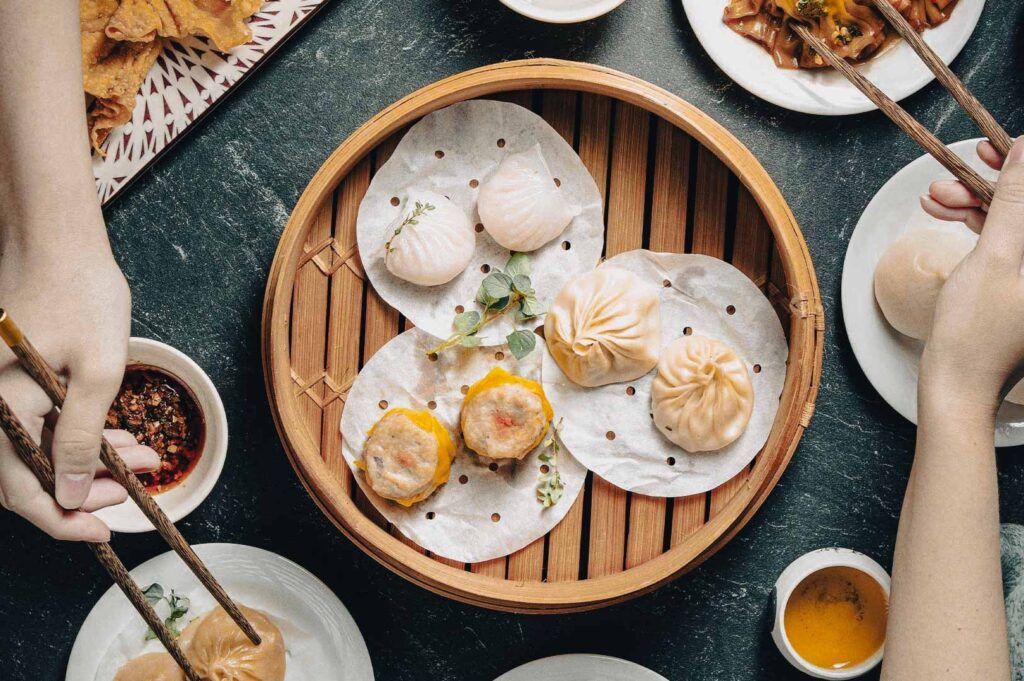
Dim sum is more than just a meal; it is a communal experience rooted deeply in tradition. The practice of yum cha is literally “drinking tea” that invites diners to gather, share, and savor an array of dim sum delights. Each dim sum dish served, from the delicate steamed prawn dumpling to the indulgent fried dumplings, is an invitation to slow down and connect.
The dim sum menu is a tapestry of classic dim sum and dim sum classics, where handmade dim sum like the translucent har gow and the open-topped steamed siew mai reveal the chef’s craftsmanship.
The interplay of textures; the snap of fresh prawns, the tender folds of dough, and the crispness of fried carrot cake creates a sensory journey that is both nostalgic and timeless. Liu Sha Bao refers to salted egg custard buns, found at Swee Choon, Victor’s Kitchen, and Yi Dian Xin, and is another classic item often shared during yum cha.
The Artistry Behind Dim Sum Delicacies
At the heart of every memorable dim sum experience lies a dedication to freshness and technique. The skin of each dumpling, whether steamed or fried, must strike a delicate balance—thin enough to reveal the vibrant fillings yet sturdy enough to hold its form. This craftsmanship is evident in the handmade dim sum that defines many dim sum restaurants in Singapore, where chefs rise before dawn to prepare these treasures.
Beyond the food, Chinese tea plays a pivotal role. The robust aroma of Pu-erh or the floral notes of Tie Guan Yin cleanse the palate, cutting through the richness of the pork lard and fried offerings, such as the beloved deep fried prawn dumpling. The tea ritual itself is an unspoken language of respect and tradition, enhancing the communal nature of the meal.
The Spectrum of Dim Sum Experiences: From Humble to Upscale
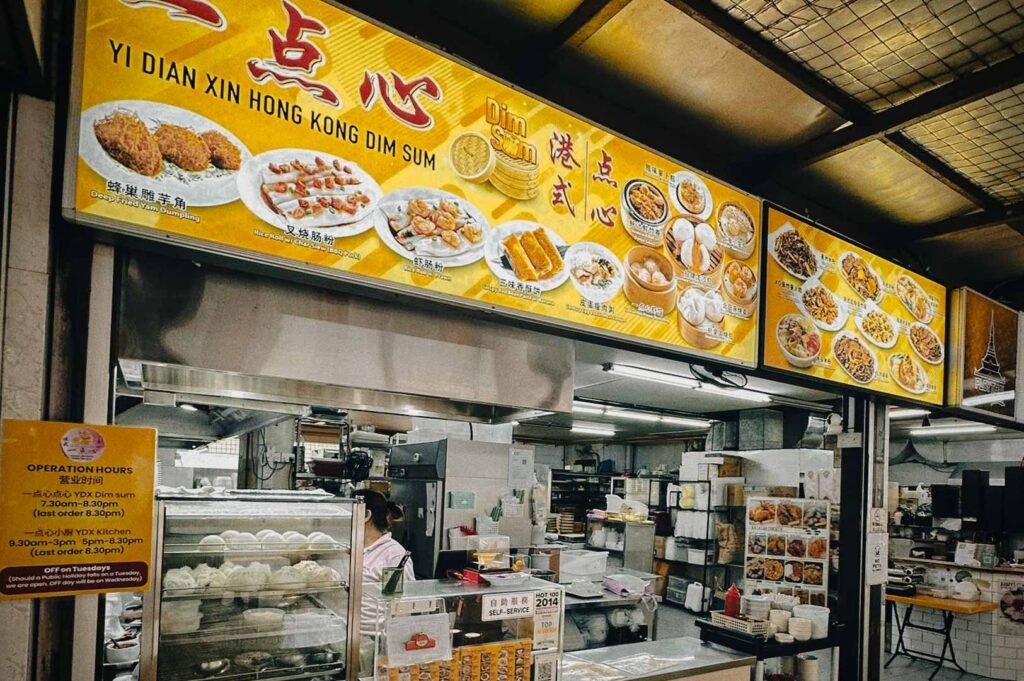
Singapore’s dim sum scene spans a broad spectrum, reflecting the city’s rich culinary tapestry. On one end, modest eateries serve as affordable dim sum spots where the focus is on hearty, satisfying fare that fuels early mornings and late nights alike. Yi Dian Xin Hong Kong Dim Sum is a popular, affordable, no-frills dim sum spot. 126 Dim Sum Wen Dao Shi is famous for its wallet-friendly fare, including popular items like Shrimp Dumplings and Fried Prawn Rolls.
These places often evoke a sense of nostalgia, with traditional dim sum served alongside bustling crowds and the clatter of pushcarts. On the other end of the spectrum lie the upscale dim sum restaurants, where fine dining meets Cantonese culinary heritage. Here, the dim sum offerings are elevated, with an extensive menu featuring luxurious ingredients and refined presentations. Tim Ho Wan is often called the most affordable Michelin-starred restaurant in the world, known for its Pork and Shrimp Dumplings in Hot and Spicy Sauce.
The atmosphere is serene, fostering a contemplative appreciation of the artistry behind each dim sum delicacy. Between these poles, the city hosts a variety of experiences—from the vibrant energy of yum cha restaurants where the communal spirit thrives, to the quiet elegance of venues that blend modern aesthetics with classic Cantonese cuisine. Mouth Restaurant stands out as an established dim sum dining establishment with a wide selection of handmade dim sum dishes. Red Star Restaurant is a classic venue known for its traditional pushcart service and nostalgic experience.
The Enduring Allure of Dim Sum Brunch and Buffets
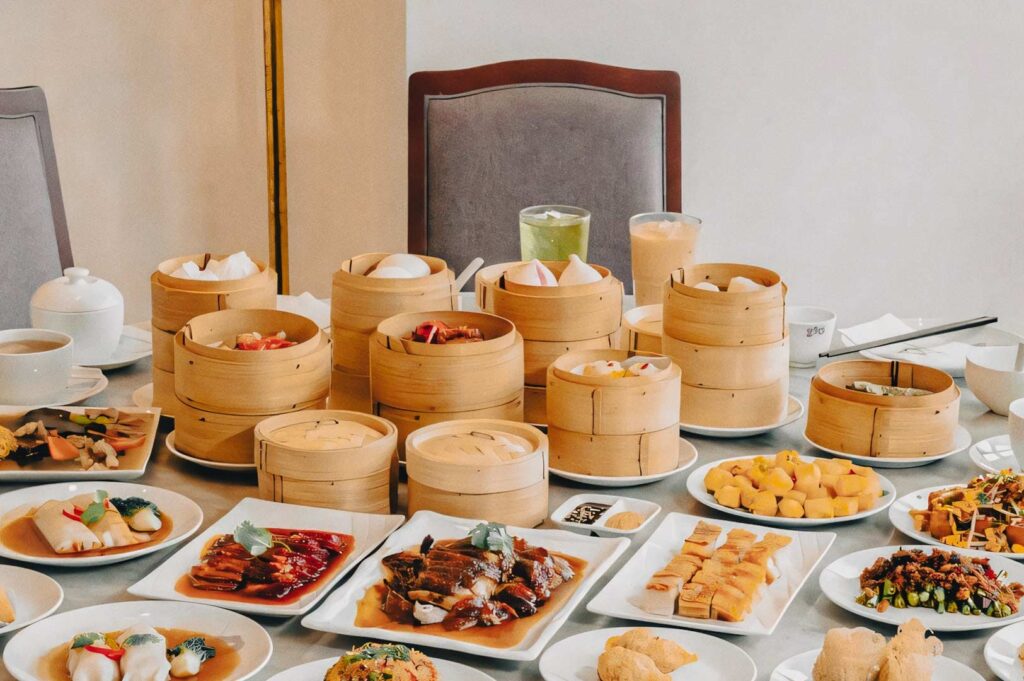
The concept of dim sum brunch and dim sum buffets has gained prominence, offering diners a relaxed pace to indulge their dim sum cravings. Special weekend dim sum brunch offerings are now popular, where restaurants serve dim sum in buffet or set-menu style, perfect for family or group gatherings. These meals extend the traditional morning ritual into leisurely afternoons, where plates of fried dim sum, pan fried carrot cake, and steamed xiao long bao arrive in waves.
These dishes invite shared enjoyment and conversation. Man Fu Yuan is renowned for its weekend dim sum brunch buffet and refined ingredients, making it a top choice for those seeking quality and variety. Hai Tien Lo offers a luxurious dim sum brunch buffet at Pan Pacific Singapore, featuring high-end ingredients like lobster and abalone, elevating the experience for diners. These restaurants serve dim sum during brunch or buffet hours, providing more opportunities to enjoy this beloved cuisine.
Such settings highlight the social nature of dim sum—meals meant to be savored over conversation and connection. The buffet format, in particular, allows for exploration across a vast array of dim sum dishes, satisfying both the curious and the devoted dim sum aficionado.
The Cultural Resonance of Dim Sum in Singapore’s Urban Fabric
Dim sum in Singapore is more than a culinary delight; it is a cultural thread weaving through the city’s diverse communities. The ritual of sharing bamboo baskets and pouring tea transcends mere sustenance, embodying values of togetherness, respect, and heritage. Many dim sum restaurants in Singapore, from the bustling Chinese restaurant in Chinatown to modern eateries, offer unique and modern twists on traditional dim sum dishes.
The tradition of dim sum here includes a variety of small dishes served with Chinese tea, making it a cherished communal dining experience. Whether in the lively environs of a Chinatown point or the refined spaces of a Cantonese restaurant or Chinese restaurant specializing in traditional Cantonese cuisine, the act of serving dim sum sustains a living tradition. Singapore boasts a wide variety of style dim sum, including Hong Kong-style, Cantonese, Teochew, and innovative modern interpretations. It connects generations and backgrounds, reminding us that food is a vessel of memory and meaning.
Dim Sum Delivery and Takeaway: The Modern Ritual
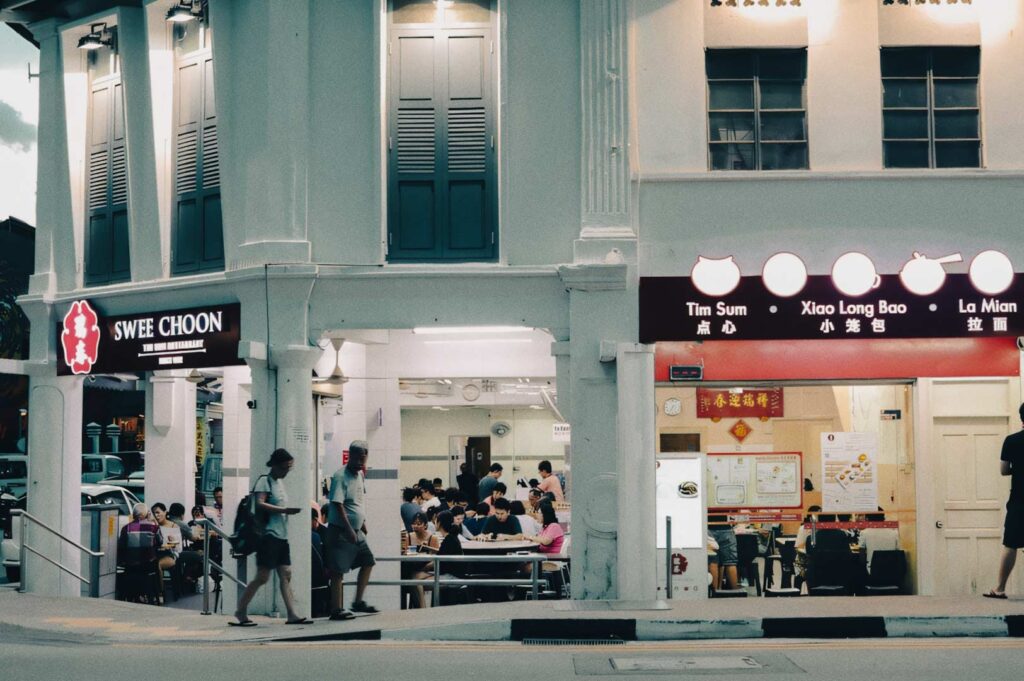
Across Singapore, shifting rhythms of urban life have prompted a notable transformation in how traditional dim sum culture intersects with contemporary dining patterns. The familiar sounds of bamboo baskets and the distinctive aroma of steamed siew mai now extend beyond restaurant boundaries, reaching residential spaces throughout the island. This evolution reflects broader changes in food consumption habits, where delivery and takeaway services have become integral to how communities engage with established culinary traditions.
Established restaurants like Tim Ho Wan, Victor’s Kitchen, and Swee Choon Tim Sum Restaurant have adapted their operations to include comprehensive delivery and takeaway options. This shift encompasses both traditional offerings—har gao, siew mai, and the popular liu sha bao—and demonstrates how heritage establishments maintain relevance in changing times. Simultaneously, the emergence of halal-certified dim sum venues such as The Dim Sum Place and Tang Tea House represents the ongoing diversification of Singapore’s dim sum scene.
Across Singapore, shifting rhythms of urban life have prompted a notable transformation in how traditional dim sum culture intersects with contemporary dining patterns. This evolution reflects the broader story of how local cuisine moves between hawker heritage and fine dining refinement — a journey thoughtfully explored by Neighbourhood Life in its look at Singapore’s food culture evolution from street food to fine dining.
Premium Dining Meets Delivery
Within the premium dining segment, restaurants like Hai Tien Lo and Summer Palace have reconfigured their approach to off-premise dining, offering curated selections that translate fine-dining dim sum experiences into home settings. These establishments navigate the challenge of maintaining quality standards for dishes like handcrafted siew mai, roasted pork belly, and Peking duck while adapting to delivery logistics. The phenomenon illustrates how even upscale dining concepts have embraced flexibility, extending their reach beyond traditional restaurant spaces to meet evolving consumer expectations.
Operational Considerations in Dim Sum Delivery
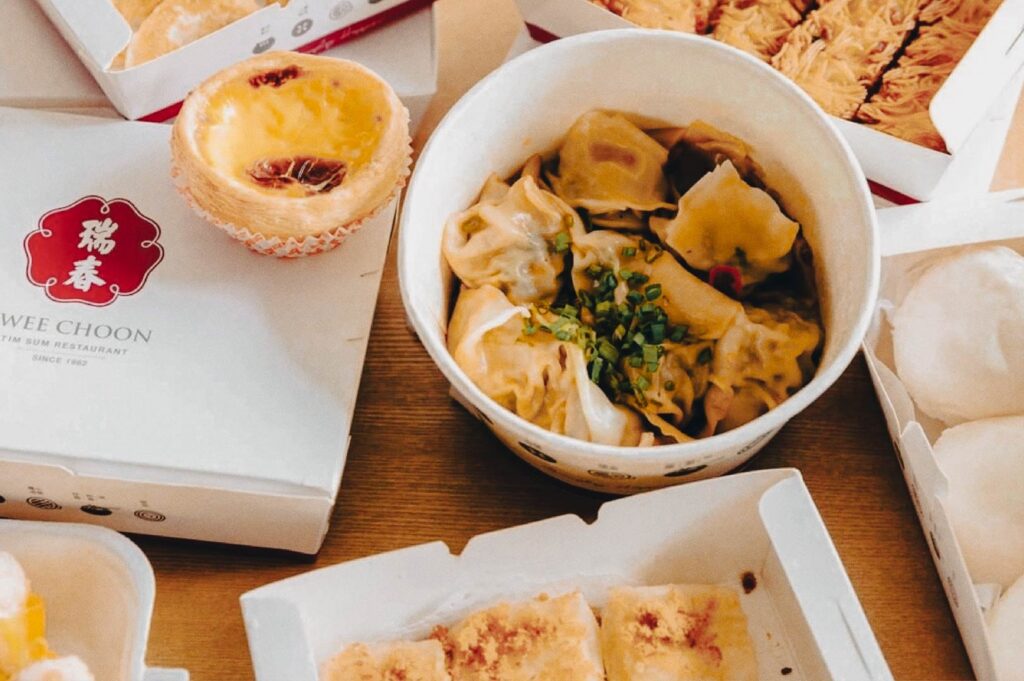
The operational framework surrounding dim sum delivery has developed its own set of conventions and considerations. Minimum spend requirements, delivery fees, and advance ordering protocols have become standard elements that shape how these services function. Certain establishments implement restrictions on availability, particularly during peak periods, while others maintain limited à la carte menu selections that reflect the practical constraints of off-site food preparation and transportation. These operational patterns reveal how traditional dining formats adapt to the logistical demands of modern food delivery systems.
Evolving Cultural Connections
In recent years, the boundaries of dim sum consumption have expanded well beyond conventional restaurant settings and weekend yum cha traditions. This transformation represents more than mere convenience—it reflects deeper changes in how communities maintain cultural connections while adapting to contemporary lifestyles. The integration of delivery services into dim sum culture demonstrates the resilience of food traditions, showing how established practices evolve to remain accessible across different contexts and living arrangements throughout Singapore’s diverse neighborhoods.
Reflecting on the Dim Sum Experience
In an age marked by haste and individualism, the morning dim sum experience in Singapore stands as a gentle counterpoint. It invites us to pause, to share, and to savor not just the delicious dim sum but the human connections they foster.
The clatter of plates, the aroma of freshly brewed tea, and the communal passing of baskets create a space where time slows and relationships deepen. This is the enduring magic of dim sum—a tradition that nourishes both body and spirit, anchoring us to a shared cultural heritage amidst the ever-changing rhythms of the city.