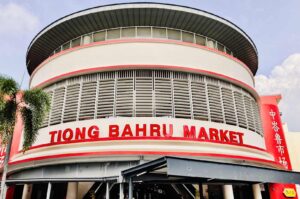
Singapore Music Venues: Musical Heritage of Singapore – Neighbourhood Sound and Performance Spaces
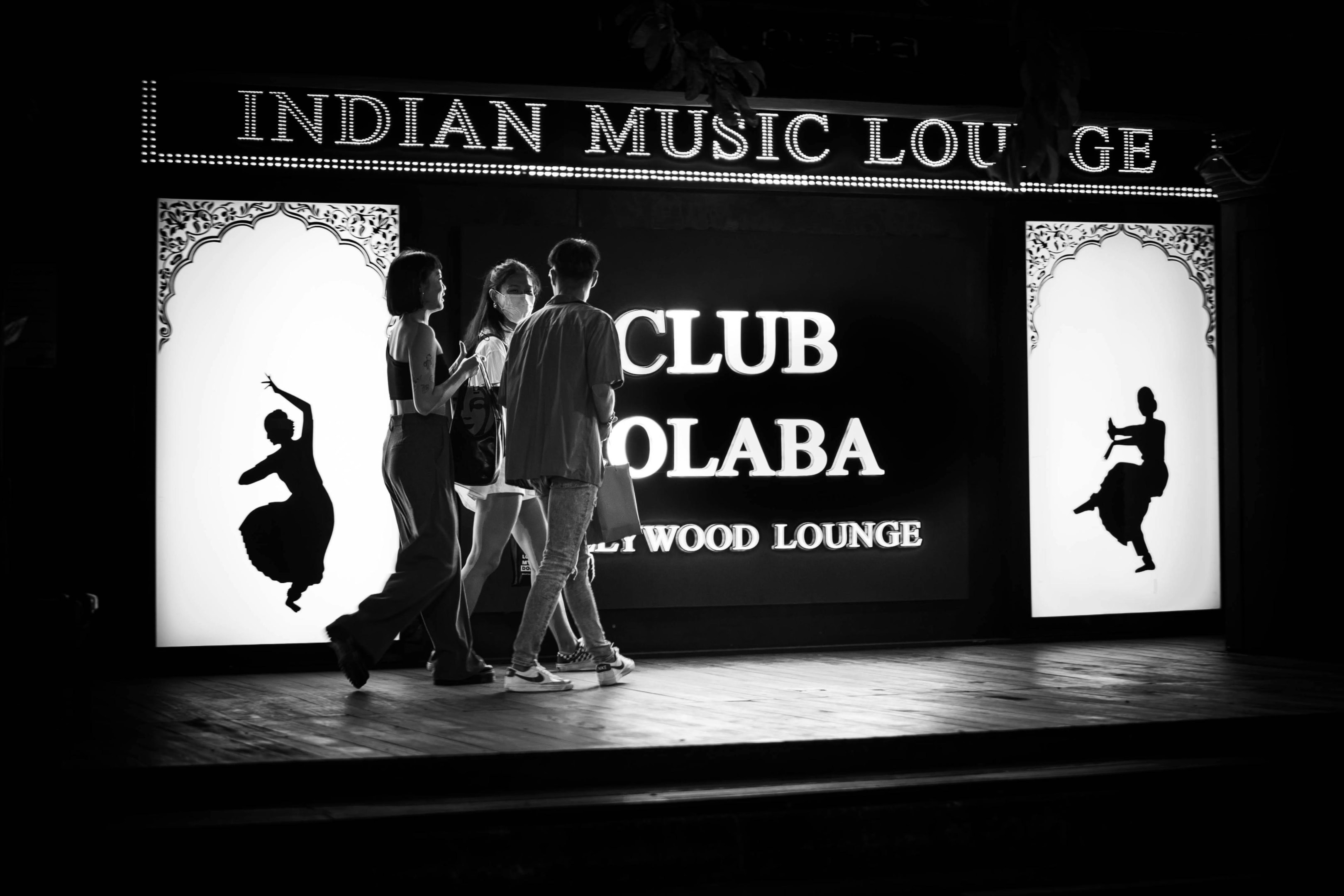
The soundscape of Singapore is as diverse and layered as its multicultural identity. From the resonant gongs of a Chinese opera in a bustling street to the soulful strains of an Indian classical music raga drifting from a shophouse in Little India, music is the lifeblood of Singapore’s neighbourhoods. Beyond the grand concert hall, true Singapore music heritage thrives in intimate community settings and vibrant music venues in Singapore—spaces where traditional music, rock bands, jazz, and world music converge.
This guide explores the rich tapestry of cultural music Singapore offers in its local districts. You’ll discover Singapore music venues that celebrate traditional music and modern genres alike: from dedicated performance spaces to HDB void decks, music education programs, and neighbourhood gigs. Understanding where to find these venues in Singapore is essential for appreciating the soul of the city. Join us at Neighbourhood Life as we traverse the live music neighbourhoods Singapore is proud of, and see why the local neighbourhood music scene Singapore matters for audiences, musicians, and cultural preservation.
Traditional Music: The Roots of Singapore’s Musical Heritage
To understand the present music scene, we must explore the roots of traditional music Singapore. The island’s sound emerged from waves of immigration and the unique blend of early settlers, each bringing instruments and genres from their homeland.
Sounds from Early Settlers
-
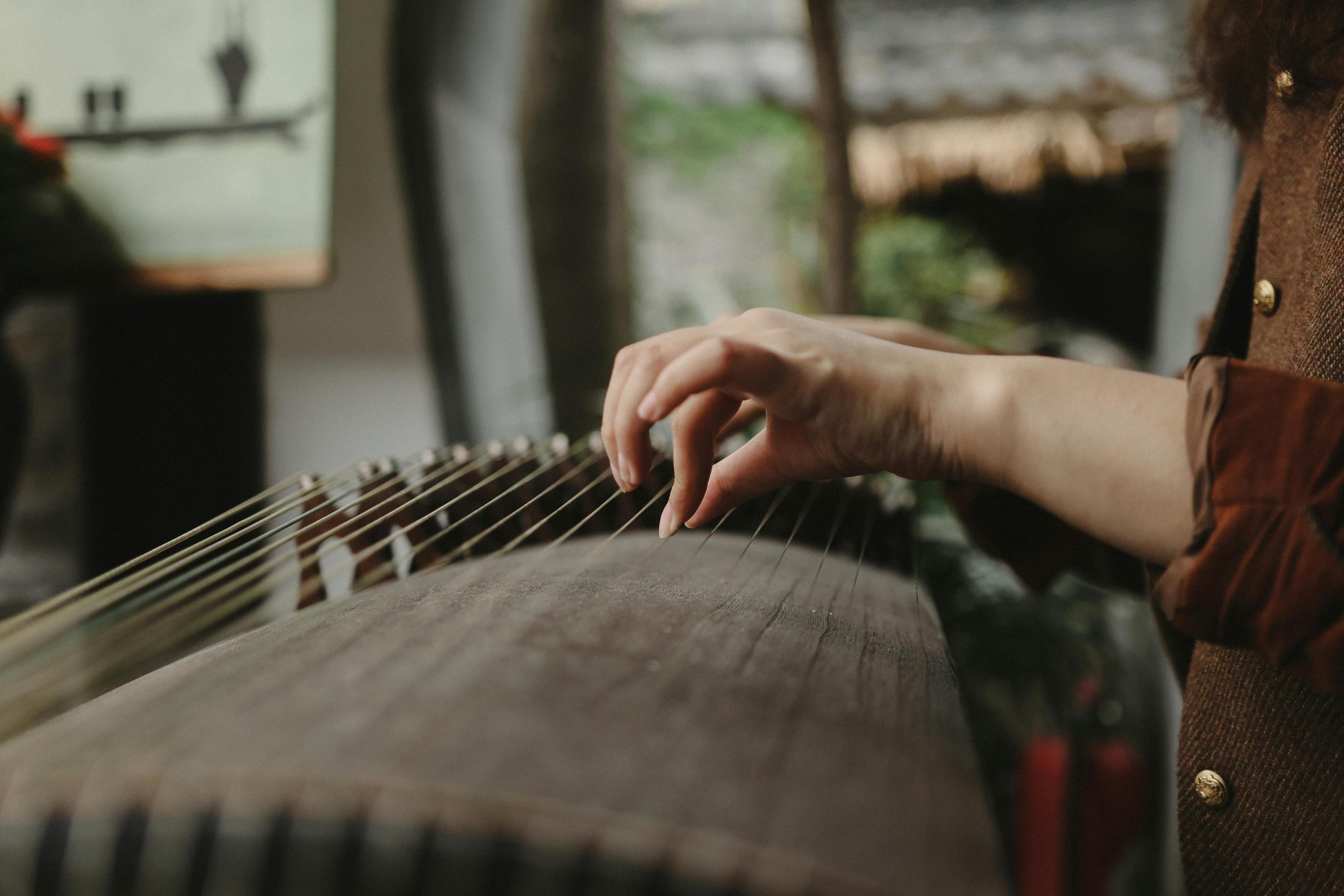
Chinese Music: Early Chinese immigrants enriched Singapore with Chinese opera, performed in community venues and during Chinese festivities. Intricate melodies on the erhu and pipa—as well as Teochew opera and Mandarin ballads—became musical staples.
-
Malay Music: Malay opera and gamelan (percussive ensembles with gongs and metallophones) remain central to Malay popular music. The hypnotic rhythms and celebratory songs enliven events in Geylang and Kampong Glam.
-
Indian Music: Indian classical music, both Carnatic and Hindustani, fills Little India with raga, tala, and finely tuned vocal performances. Many forms are performed during festivals and in dedicated Singapore music venues.
Music in Singapore was—and still is—integral to weddings, theatre performances, community gatherings, and celebrations such as Chinese New Year and Hari Raya. These genres created the foundation for both traditional and modern music education and continue to influence new musical forms today.
Music Education: Keeping Heritage Alive
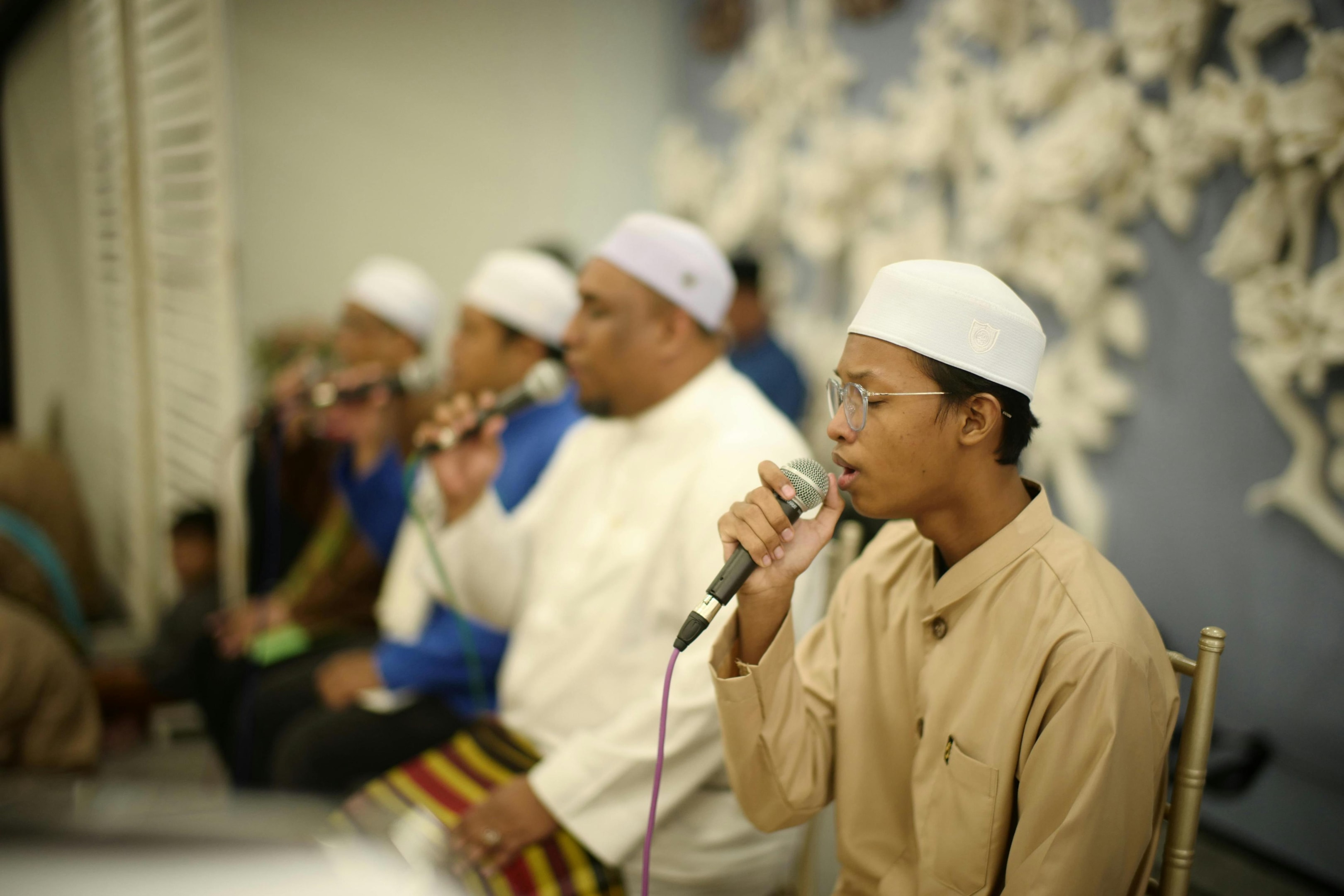
Music education is central to sustaining Singapore’s musical heritage. From the early days, music was taught in temples, clan associations, and family homes. Today, music education programs flourish in schools, community centres, and through the National Arts Council, which funds initiatives to teach both western classical music and traditional Chinese, Malay, and Indian forms.
Institutions like the National University of Singapore and the Yong Siew Toh Conservatory have nurtured local musicians, composers, and conductors. Outreach by the Singapore Symphony Orchestra brings musical forms—from jazz to western classical—to wider audiences, inspiring future performers.
Live Music: Experiencing Singapore’s Vibrant Music Scene
The live music scene has exploded in recent decades, with Singaporean music played everywhere from laid-back bars on Clarke Quay to high-octane concerts at large venues in Singapore.
Live Music Neighbourhoods Singapore Loves
-
Chinatown & Telok Ayer: Head to Kreta Ayer People’s Theatre or Tea Chapter for Chinese music. During Chinese festivities, lion dance bands and opera troupes light up venues along Smith Street and South Bridge Road.
-
Kampong Glam: Home to Malay music, vibrant jazz, and contemporary acts. Gamelan performances at Malay Heritage Centre and indie bands at Aliwal Arts Centre make the area a must-visit for fans of both tradition and fusion.
-
Little India: Indian classical music flourishes at venues like the Indian Fine Arts Society and Sri Veeramakaliamman Temple, with music shops on Serangoon Road for aspiring instrumentalists.
-
Heartland HDBs & Community Centres: Pop-up concerts, band rehearsals, and karaoke clubs thrive in these neighbourhood performance spaces Singapore values for inclusivity.
Singapore Symphony Orchestra and Western Classical Music
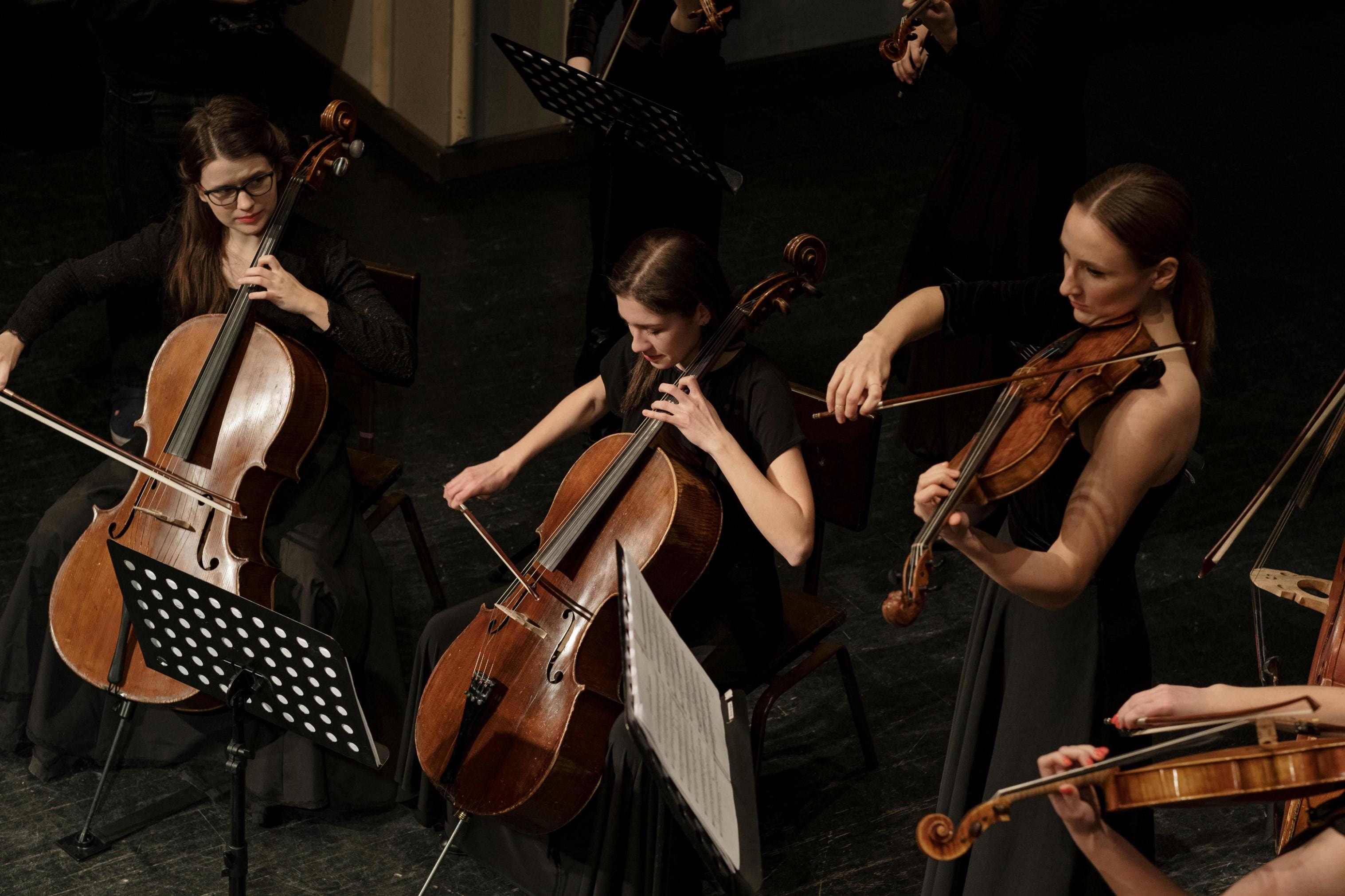
The Singapore Symphony Orchestra (SSO), founded in 1979, is the flagship of Singapore’s western classical music. Its home is the Esplanade Concert Hall, arguably the most prestigious concert hall in the country. The SSO and ensembles like the Singapore Chinese Orchestra and chamber groups from Victoria Theatre regularly showcase world-class performances, ranging from the works of Mozart and Beethoven to contemporary Singaporean composers.
Western classical music, jazz, and latin music are taught and performed in dedicated venues in Singapore like the School of the Arts and the National University of Singapore Centre for the Arts.
Chinese Music: Preserving Tradition in Modern Spaces
Chinese music retains a special place in Singapore’s cultural heart. Venues in Chinatown, from the historic Kreta Ayer People’s Theatre to modern music bars, regularly present performances. Teochew opera groups and Mandarin pop bands keep the tradition alive, while younger musicians remix traditional melodies with modern genres.
Special mention should be made of Singapore’s Chinese orchestras—often performing in community centres, bringing together young and old to play time-honoured classics. Annual festivals on Pagoda Street and Temple Street give audiences a chance to enjoy traditional forms up close.
Music Scene: Contemporary Creativity Across Genres

Singapore’s contemporary music scene is a melting pot of genres. From rock music and pop to jazz and fusion, music venues in Singapore cater to every taste.
Rock Music and Local Bands
The 1990s saw the rise of iconic Singaporean rock bands like Concave Scream, inspired by both western and regional influences. Today, Singapore’s music scene supports indie, rock, and experimental artists through clubs like Timbre, Hood Bar, and the Annexe Studio at Esplanade.
Events such as Baybeats and Music Matters Live showcase new local acts and international guests, giving a platform to the next generation of Singaporean music makers.
Music Bars, Clubs, and Multi-Genre Venues
Popular music bars in Clarke Quay, Boat Quay, and Holland Village host live bands nightly. Some venues specialize in jazz or world music, bringing in musicians from Malaysia, China, and beyond. Hybrid spaces blend restaurant, bar, and club with live music, ensuring a genre for every listener.
Malay Popular Music – Legacy and Modernity
Malay popular music is celebrated in Kampong Glam and Geylang, where performance spaces Singapore enjoys host traditional opera, pop bands, and emerging fusion artists. Cultural events and music festivals, often supported by the National Arts Council, keep genres like dangdut, joget, and contemporary pop relevant for today’s audiences.
Concert Hall and Theatre Experiences
Singapore’s major concert halls—Esplanade, Victoria Theatre, and the Singapore Conference Hall—host everything from traditional music and choral concerts to rock shows and international orchestras. These venues in Singapore are also home to the Singapore International Jazz Festival and too much drama theatre productions featuring local singers and world-renowned acts.
Venues in Singapore’s Neighbourhoods: An Inclusive Music Scene
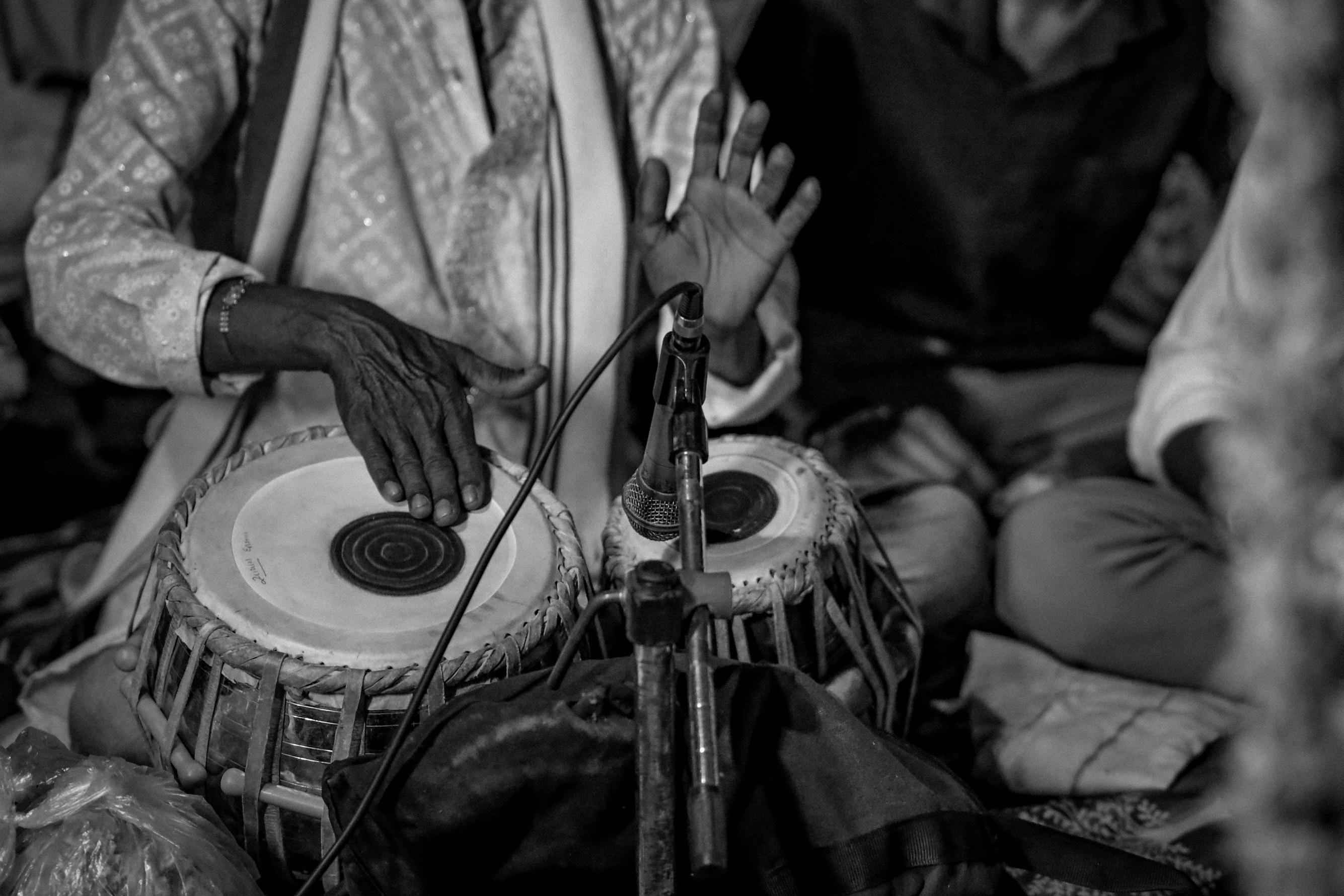
Performance venues extend beyond downtown. Void decks, community centres, and even public libraries transform into concert stages, making the city’s music accessible to all. These venues in Singapore support traditional music performances, school concerts, and open mic nights—a testament to Singapore’s promise of music for every community.
Preserving Singapore Music Heritage: Tradition Meets Modern Life
Efforts to keep Singapore music heritage alive come from both government (National Arts Council, Ministry of Culture) and grassroots organisations. Music education programs teach instrumental skills and the stories behind genres, preparing the younger generation for both the stage and the audience.
Whether it’s a Teochew opera on Neil Road, jazz at a club on Singapore River, or a gamelan workshop at Victoria Theatre, music continues to reflect Singapore’s evolving identity. Festivals, collaborations, and multi-cultural events showcase the ever-changing blend of tradition and innovation in Singaporean music.
Too Much Drama? The Future of Singaporean Music
From “too much drama” in the lively theatre district to rock bands pushing boundaries at indie venues, Singapore’s music scene remains effervescent and unexpected. Local musicians aren’t afraid to take risks, ensuring Singapore’s story is told not just in words or images—but in song.
Conclusion
Singapore’s music heritage is a living, breathing journey through sound. From the drama of opera to the riffs of rock, from music education programs to neighbourhood jam sessions, every corner of the country pulses with melody and meaning. Supporting Singapore music venues and neighbourhood music spaces ensures that both traditional and contemporary forms will continue to thrive.
Step beyond the concert hall, explore local bands at your favourite club, catch a gamelan performance on your next walk, or learn a Chinese instrument at your community centre. In every venue, you’ll find that music in Singapore is not just performed—it’s lived.
Next time you seek a night of musical adventure, look to the performance spaces, clubs, and community venues in Singapore’s vibrant neighbourhoods. You never know where—and when—your new favourite song will begin.
Discover more stories about Singapore’s creative culture, heritage, and neighbourhood life on Neighbourhood Life — your window into the sound, soul, and spirit of every district.