
There is a quiet moment that settles in just before an omakase dining experience begins. You are seated at a smooth wooden counter, often cypress, that feels both ancient and alive. Across from you stands the chef, the itamae, arranging tools with a calm precision that seems to slow down time itself. There is no menu to clutch, no list of options to weigh. There is only the clean slate of the counter, the hushed anticipation in the room, and the silent agreement you have just made: to trust.
This unique dining experience, sitting at the intersection of food, art, and connection, is the essence of the omakase experience. Omakase is a celebrated part of Japanese food culture, representing a distinctive approach within the broader world of Japanese cuisine. While it has become a buzzword in modern fine dining culture, associated with premium sashimi and exclusive reservations, its core is far simpler and more profound. Omakase is not just a type of meal; it is a philosophy deeply rooted in Japanese cuisine and hospitality. Unlike kaiseki, which is one of the few formal dining experiences in Japanese food and is known for its highly ritualized structure and presentation, omakase is more informal and chef-driven, focusing on spontaneity and the chef’s creativity. Stripped down to its most basic translation, omakase means “I leave it up to you.”
Explore the art of omakase dining with expert tips and insights! Take a look at Rubbish Eat Rubbish Grow’s article for the ultimate guide to the best Singapore omakase.
The Japanese Dining Philosophy Behind Omakase
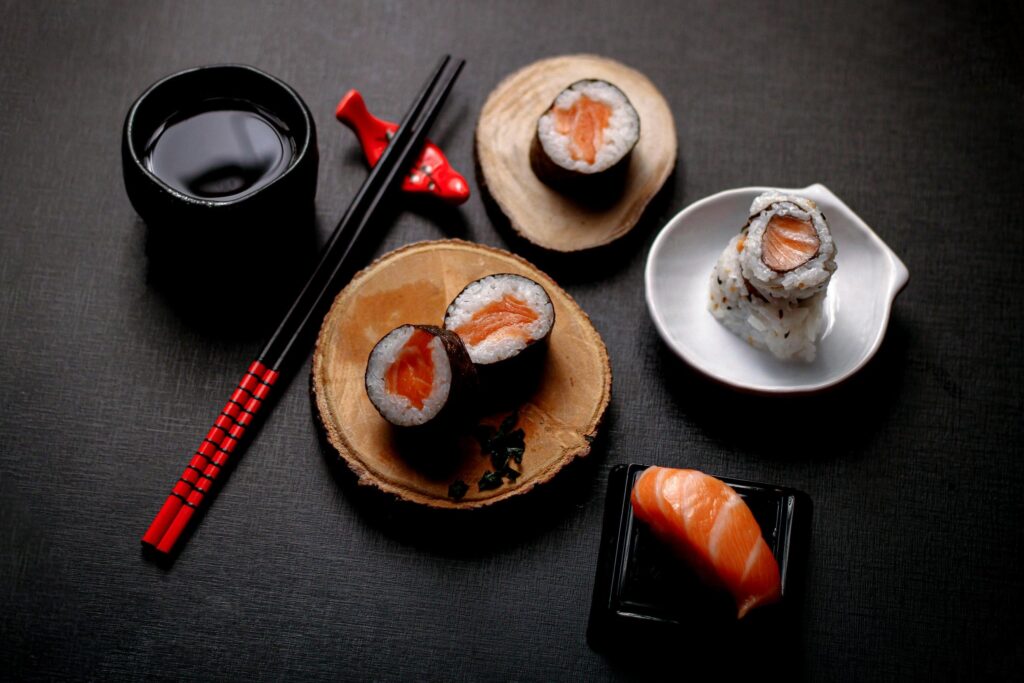
The phrase omakase shimasu is a polite expression used in various contexts in Japan, signaling a deference to another’s expertise. Its journey into the culinary world is closely tied to the rise of sushi bars and counters in mid-20th century Japan. As diners became more familiar with sushi, they began to trust skilled chefs to select the best fish of the day, moving beyond standard orders of tuna or shrimp. This evolution reflects the Japanese concept of shinrai (trust) and shun (seasonality), two pillars that shape the omakase menu. The Japanese concept of ‘shun‘ emphasizes eating ingredients at their peak of freshness and flavor, a philosophy that has influenced global food trends. After all, in omakase dining, there is no menu to clutch—typically, the chef chooses what to serve based on seasonal availability, creating a menu-free experience that highlights the best of each season.
At its heart, omakase is a conversation without words. The chef observes, and you receive. The experience is guided by a set of principles that value more than just taste:
- Trust (Shinrai): The foundation of the entire experience. You trust the chef’s judgment, and the chef trusts you to appreciate the craft.
- Seasonality (Shun): The menu is a direct reflection of what is at its peak freshness at that moment, whether it’s a specific fish available for only a few weeks or spring vegetables just reaching maturity.
- Craftsmanship (Takumi): It showcases the chef’s years of training and commitment to quality, from the perfect slice of fish to the forming of the rice and the delicate application of soy and sauces.
- Restraint: Omakase is not about extravagance. It is about highlighting the natural beauty and balance of premium ingredients with minimal intervention. Each course is a lesson in elegant simplicity.
This framework elevates a meal from a transaction to a personal, narrative-driven experience. It is dining as storytelling, with the chef as narrator and the seasonal ingredients as characters. The omakase dining experience can vary significantly based on the chef’s philosophy and cooking style.
The Omakase Room: A Stage for Culinary Art and Connection
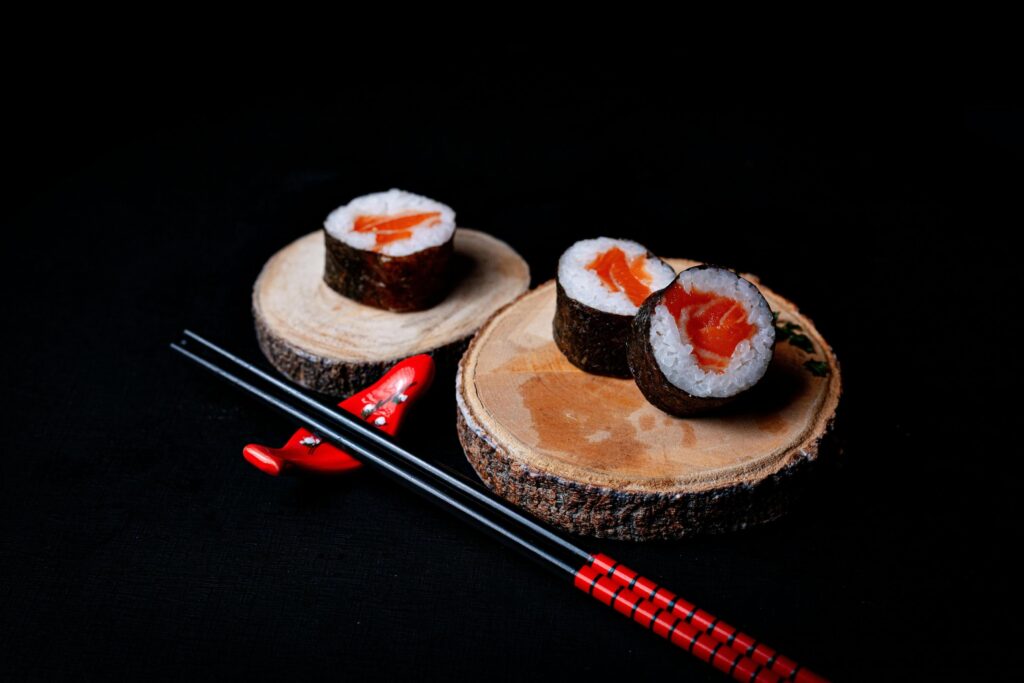
The intimacy of an omakase dining experience is no accident. The setting, typically a small counter or sushi bar within the restaurant, is designed to foster a direct connection between guests and the chef. Traditionally, the omakase experience takes place at a small counter with seating for 8–14 guests, allowing for personal interaction and engagement with the chef. This is not a back-of-house operation. The kitchen is the dining room, and the counter is the stage where every action is visible.
You watch the chef’s hands move with an economy of motion honed over thousands of hours. You see the blade of the hocho glide through a piece of fish with the perfect slice that defines traditional Japanese cooking. You notice the subtle shift in focus as the chef presses rice into the ideal texture, a technique that takes years to master. This proximity changes how you perceive the food. It is no longer an anonymous plate arriving from a hidden kitchen; it is a creation you witnessed being served and born.
The Rhythm and Balance of the Omakase Menu
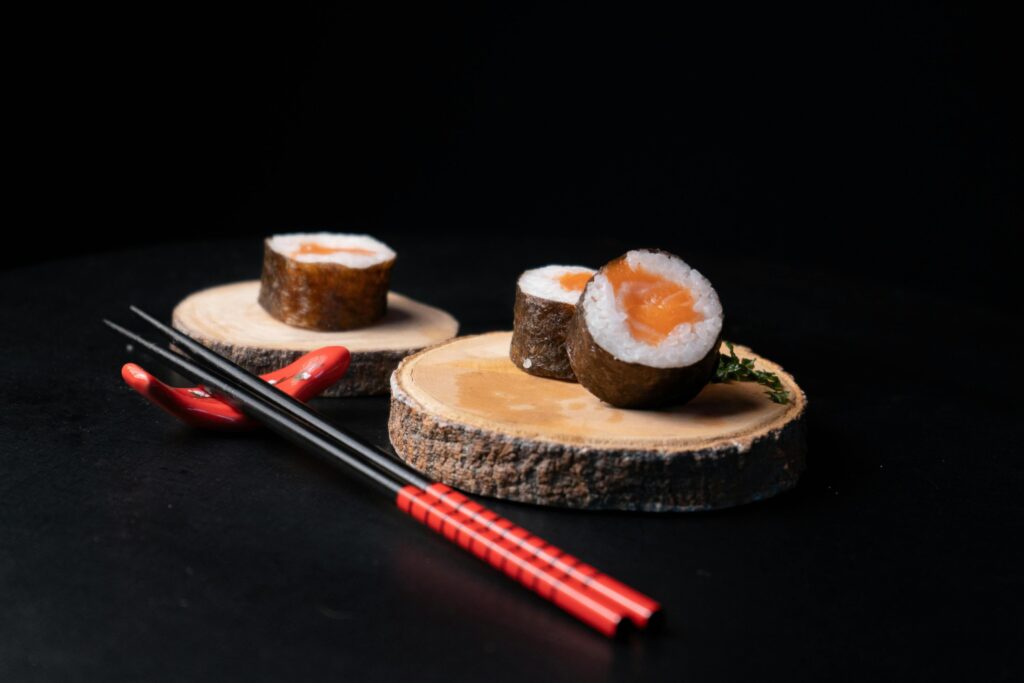
The experience is paced with intention. It is not a rush of dishes but a curated progression. The chef builds a narrative arc, often starting with lighter, more delicate sashimi and spring dishes, and gradually moving toward richer, more powerful flavors like fatty tuna or uni. Omakase meals often begin with sashimi and finish with a warm soup, guiding the palate through a journey from subtle to complex tastes. Each piece is a new chapter in a meal that celebrates the profound impact of Japanese philosophy on food.
This rhythm asks something of you as a diner. It asks you to be present. Without a phone to scroll through or a menu to study, your attention is drawn to the details: the texture of the fish, the temperature of the rice, the subtle hint of yuzu zest, the balance of sweet, salty, and sour flavors that delight the palate. Diners are encouraged to eat each piece of nigiri immediately as it is served to maintain optimal flavor and texture. In omakase, adding extra seasoning is often discouraged, as each dish is pre-seasoned by the chef to achieve perfect balance. You are not just eating; you are tasting, observing, and feeling. It becomes a multisensory exercise in mindfulness and respect for tradition.
Why Omakase Has Become a Spiritual Companion to Japanese Dining
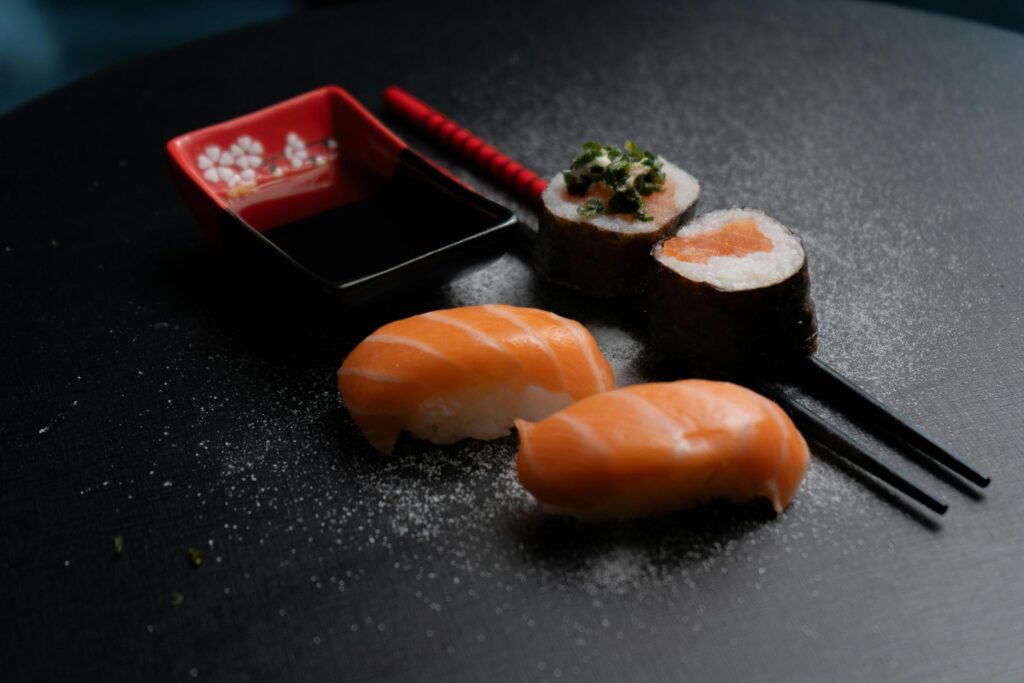
In a culture that champions endless choice, why has an experience defined by its lack of options become so popular? Omakase is often perceived as a high-end dining experience due to its premium ingredients and the direct interaction with the chef. Perhaps it is because we are exhausted by decisions. From what to watch on streaming services to which of the 25 types of olive oil to buy, modern life is saturated with choice. Omakase offers a rare moment of release from this decision fatigue.
The spirit of omakase is appearing in other formal dining experiences, including tempura counters, ramen shops, and even dessert bars. From Tokyo to York, the global spread of Japanese cuisine and omakase reflects a growing desire for authentic, expert-led experiences over standardized, mass-market consumption. Japanese dining rituals elevate the experience, reminding diners that meals are not just physical but also emotional and cultural. It reminds us that sometimes, the best choice is to make no choice at all and simply leave it in good hands.
Creating Lasting Memories Through Tradition and Hospitality
Ultimately, an omakase meal is more than a sequence of beautifully crafted dishes. It is an exploration of a fundamental human interaction: trust. You are trusting a stranger to nourish you, to surprise you, and to respect your unspoken agreement. The chef, in turn, is offering you the very best of their skill, their knowledge, and the season.
The experience lingers long after the final course is cleared. It encourages us to think differently about our relationship with food and the people who prepare it. It suggests that there is value in slowing down, in paying attention, and in placing our faith in the expertise of others. In a world that moves at a dizzying pace, omakase invites us to sit still, to watch closely, and to enjoy the simple, profound pleasure of being taken care of at the table.
For those interested in exploring the rich tapestry of Singapore’s culinary scene, our article “Celebrating Multicultural Identity Through Singapore Food Culture” offers a vibrant perspective, while “Singapore Food Culture: Evolution from Street Eats to Fine Dining” traces the journey from humble beginnings to sophisticated gastronomy.