
You can tell a lot about a neighbourhood not by when it wakes up, but by when it goes to sleep. In a city celebrated for its 24/7 energy, there is a quiet story told by the shops that pull their shutters down at 6 PM, the eateries that sell out by midafternoon, and the streets that fall silent long before midnight. These early closures are not a sign of failure; they are a map of the community’s rhythm.
When you walk through a neighbourhood where the lights go out early, you are walking through a place that serves a different master. It is not governed by the demands of a late-night workforce or the whims of a transient crowd. Instead, its tempo is set by the school run, the dinner table, and the quiet unwinding of the day. These are often older, more settled communities, where the population skews towards families and retirees. Life is structured around domestic routines rather than commercial imperatives.

Observe the hardware store that closes at dusk. It knows its customers are weekend DIY-ers and retirees who do their pottering in the daylight hours. The small bakery that sells its last loaf by 4 PM understands that its patrons are on their way home, picking up bread for the next day’s breakfast. It doesn’t need to cater to the post-dinner impulse buy. These businesses are woven into the fabric of daily life, their operating hours a direct reflection of the lives they serve.
This contrasts sharply with neighbourhoods that never seem to sleep. Areas filled with supper spots, late-night dessert bars, and 24-hour convenience stores are usually younger, more dynamic, and denser. They cater to a demographic that lives and works on a different schedule. The pace is quicker, the energy more restless.
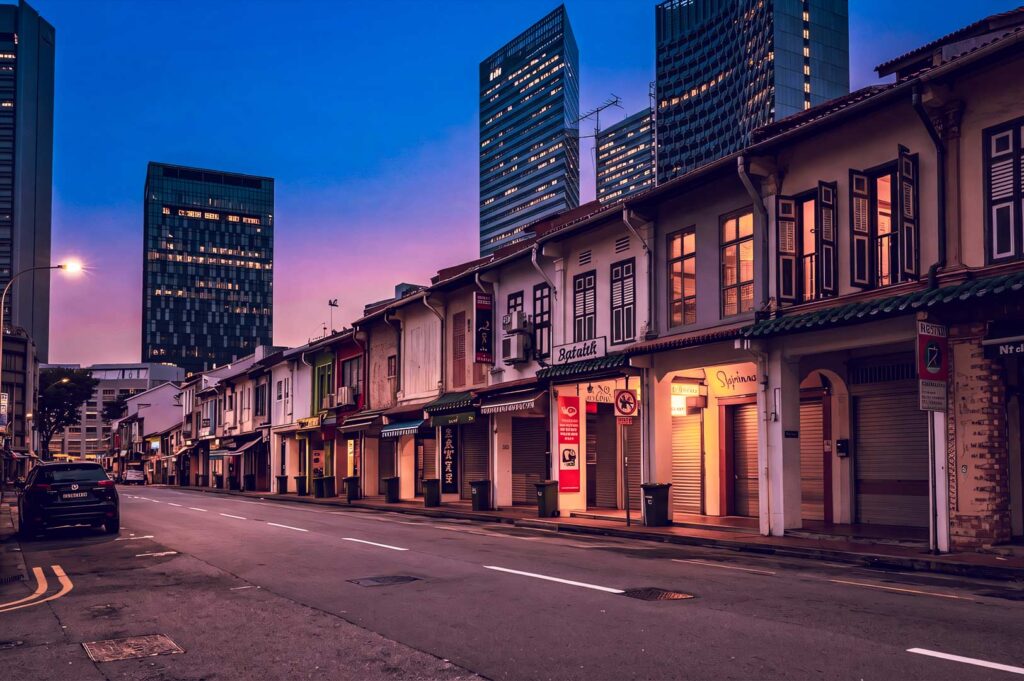
But in the quiet neighbourhoods, the early shutters signify a different kind of wealth. It is the luxury of a community that has found its pace and sees no need to accelerate. There is a confidence in closing early, an unspoken statement that the day’s work is done and it is now time for rest. It suggests a balance has been struck between commerce and life.
These places force you to slow down, too. You learn to run your errands before the sun sets. You learn that if you want that specific curry puff, you have to go in the morning. You adapt to the neighbourhood’s rhythm, not the other way around. In doing so, you become more attuned to the subtle shifts in the day and the quiet patterns of the people around you.
The next time you find a shop closed when you expect it to be open, pause for a moment. Look at the darkened storefront not as an inconvenience, but as a clue. It is telling you something about the priorities of the people who live there, about the quiet hum of a community that values the evening’s peace as much as the day’s business.