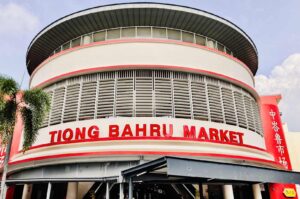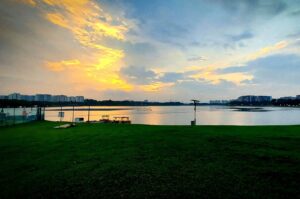
Imagine finding a moment of profound peace not in a grand cathedral or ancient temple, but in the shared quiet of a neighborhood garden at dawn, or a spontaneous pause by the Singapore River as you watch the city walk by. In Singapore, sacredness often reveals itself in intimate restaurants with a relaxed atmosphere, a chat with friends at a small food stall in a local park, or under the shade of a heritage tree in a residential estate. Whether you’re resting in the calm at East Coast Park, sitting with family in the ground floor void deck for a community gathering, or discovering a single altar situated close to a bustling street, you’re brushing up against the spiritual side of the Lion City. This guide explores spiritual places Singapore treasures in plain sight, from hidden gems to sacred spaces Singapore neighborhoods lovingly maintain, revealing the city beyond its famous temples and mosques.
Discover where to find spiritual peace in Singapore—whether it’s beneath the branches of a tree in Bukit Timah Nature Reserve, beside memorial walls, or within intimate restaurants near the water. Uncover natural and architectural landmarks, tranquil waterside and community spaces, and food spots that weave reflection and daily life together.
Understanding Sacred Spaces Singapore: A Look Beyond Temples
What transforms an ordinary corner into a sacred space in Singapore? Here, it isn’t only grand Buddhist temples or iconic sites like the Central Sikh Temple, the Buddha Tooth Relic Temple, or Sri Mariamman Temple that invite spiritual meaning. In this diverse range of cultures, sacredness can be found in a private space where neighbors chat, an own food gathering under a void deck’s ceiling, or even a walking path in the Botanic Gardens, a recognized UNESCO World Heritage Site.
For Singaporeans, community gathering spaces serve as the spiritual heart. Across religions and backgrounds, every neighborhood hosts its own forms of reflection—be it Chinese altars for deities tucked in corner shops, a park used for collective tai chi, neighbourhood shrines cared for by residents, or remembrance walls in the local park. Malay communal gardens, Indian rituals to the Hindu Goddess Kali, Buddhist prayer corners, and even art installations show how spiritual significance in Singapore neighborhoods is born from shared experience, intention, and collective memory.
In Little India and Kampong Glam, you see how different cultures and other religions shape the ways a place becomes sacred. In other religions, too, you’ll find unique ways of sanctifying homes, streets, and parks, underscoring the city’s harmonious blend.
Natural Sacred Spaces Singapore: From Bukit Timah to East Coast
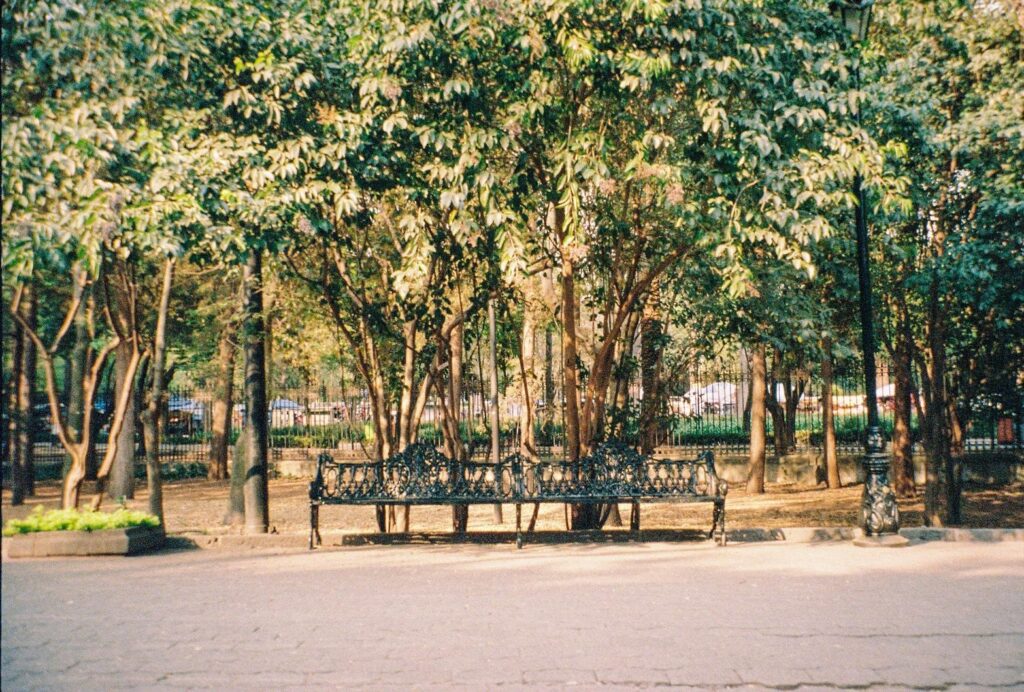
Heritage Trees and Ancient Groves: Calm in the Natural World
Some of Singapore’s most spiritual places are sheltered beneath ancient canopies—think of the legendary banyan trees along Serangoon Road, or the whispering branches of the Bukit Timah Nature Reserve. These are hidden gems for those seeking calm, often enhanced by light hearted nostalgia. Around neighborhoods like Bishan, Pasir Ris Park, and even the southern ridges, specific trees are seen as local guardians. Community rituals—such as leaving offerings, planting flowers, or simply sitting for a quiet break—give these natural monuments a deeper connection.
In the main island’s parks, residents find sacredness by stopping to rest, reflect, or conduct brief rituals under the branches. Whether you walk with a friend along East Coast Park or wander a shaded park in Hougang, spiritual quiet is always close.
Hidden Gardens and Pocket Parks: Community-Created Oases
Community spaces like green pockets along Lorong Chuan, the neighbourhood plots behind Serangoon Garden Estate, and rooftop parks at nex mall stand out as sacred spaces Singapore residents form out of love and need. These peaceful reflection spots Singapore often double as urban farms, sites for tai chi, or settings for children to play. Community gardens can serve as contemplation sites, forming connections to both earth and neighbor—elevating everyday modern living and planning.
Architectural and Historical Spiritual Places Singapore
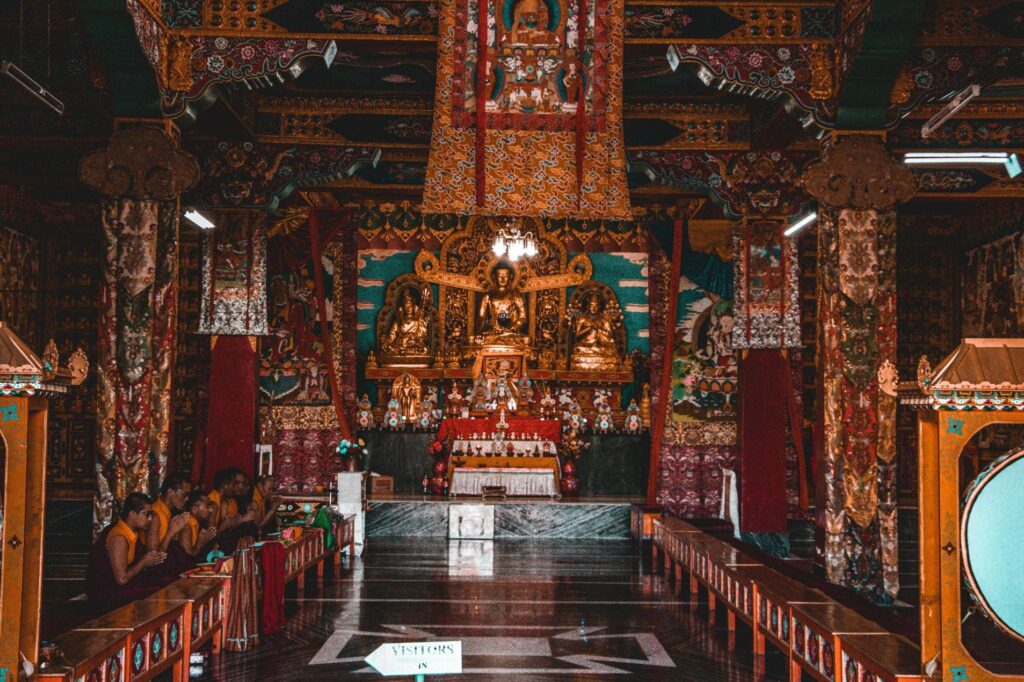
Void Decks and Ground Floor Shrines: A Lion City Signature
Singapore’s ground floor void decks are more than practical shelters in the rain. They’re also vital neighbourhood spiritual spaces. Across the Serangoon area and beyond, void decks host wakes, weddings, prayers, and friendly match games, seamlessly blending the sacred with the everyday. Permanent shrines to Chinese deities, ancestral spirits, or Hindu gods such as Kali are common, and these altars—sometimes a single bowl of incense, sometimes elaborately decorated—show that spiritual life is rooted at street level.
Repurposed Heritage Buildings: Where Sacred Meets Modern
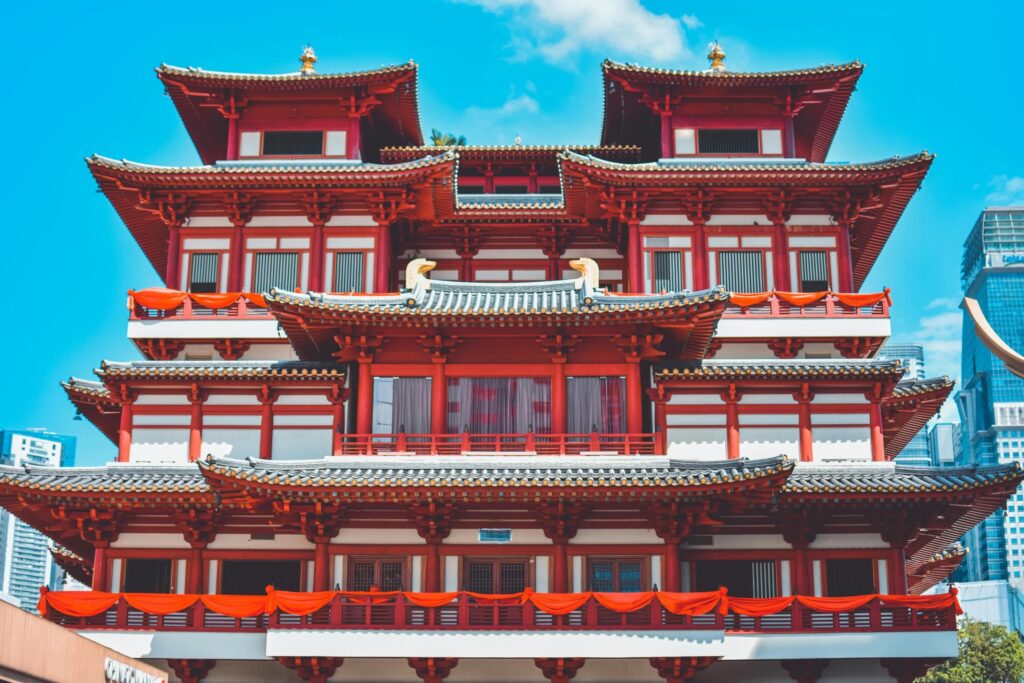
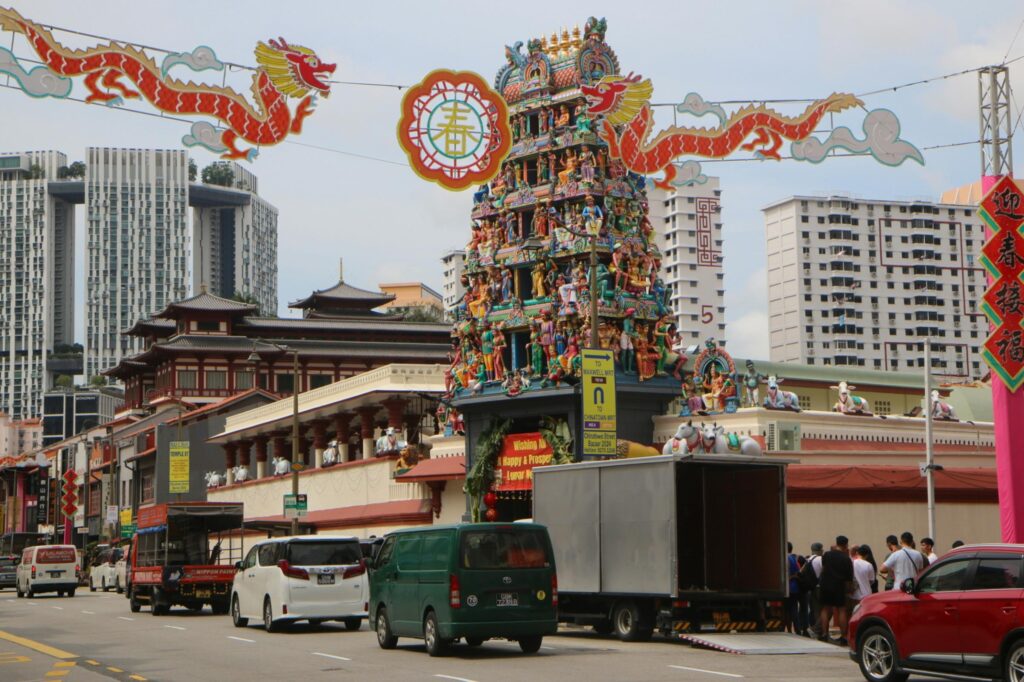
Some of Singapore’s storied landmarks, such as Bright Hill Temple (Kong Meng San Phor Kark See Monastery) and the iconic Buddha Tooth Relic Temple in Chinatown, now serve dual purposes. Once reserved for spiritual rites, these buildings regularly host multicultural community gathering spaces Singapore style—public lectures, art, music, and even food fairs that draw together different cultures.
Venues like CHIJMES, a former convent and chapel, bring together different religions and traditions in elegant halls for both celebration and personal reflection. Marina Bay Sands and Marina Bay itself, while famous for their nightlife and entertainment, also offer small, quiet corners and intimate restaurants where reflection comes as naturally as conversation.
Waterside Sacred Spaces Singapore: Meditative Parks and River Walks
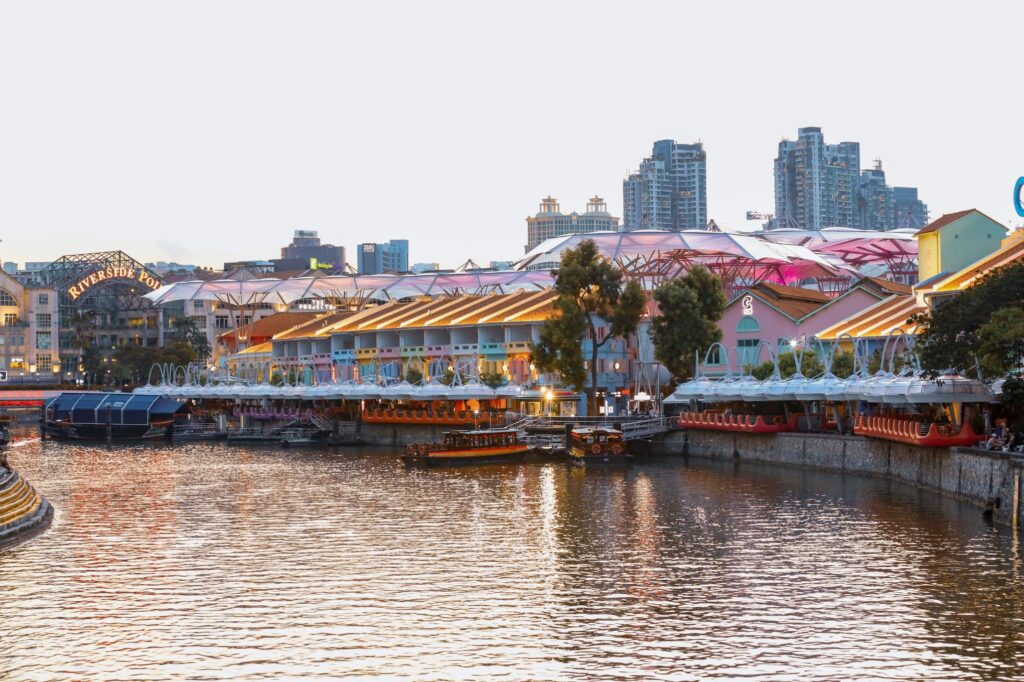
Singapore River & Clarke Quay: Spiritual Reflection Amid Fun
Singapore River, winding past Clarke Quay and under modern city lights, has been a site of trade, migration, and spiritual transition for centuries. Early in the day or after the last tourist boat docks for the night, the stone steps and riverside benches become peaceful reflection spots Singapore residents and workers frequent. Meditation, casual conversation, or even shared food among friends transforms the quays into informal sanctuaries.
Canals, Reservoirs, and the Southern Ridges
Throughout the city—from Bedok Reservoir to parks in Pasir Ris and along the Southern Ridges—natural and manmade water features host rituals at sunrise and sunset. Runners and cyclists enjoying the connectors find their own spiritual pace, while others pause to recline by the water, appreciating the stillness or the sound of a distant bell.
In East Coast Park, you may notice families or friends gathering in little alcoves for quiet meals or for small, significant ceremonies. Across the main island and on Pulau Ubin as well, water serves as the perfect way for Singaporeans to reconnect with both nature and themselves.
Community-Created Sacred Spaces Singapore: Memorials, Art, and More
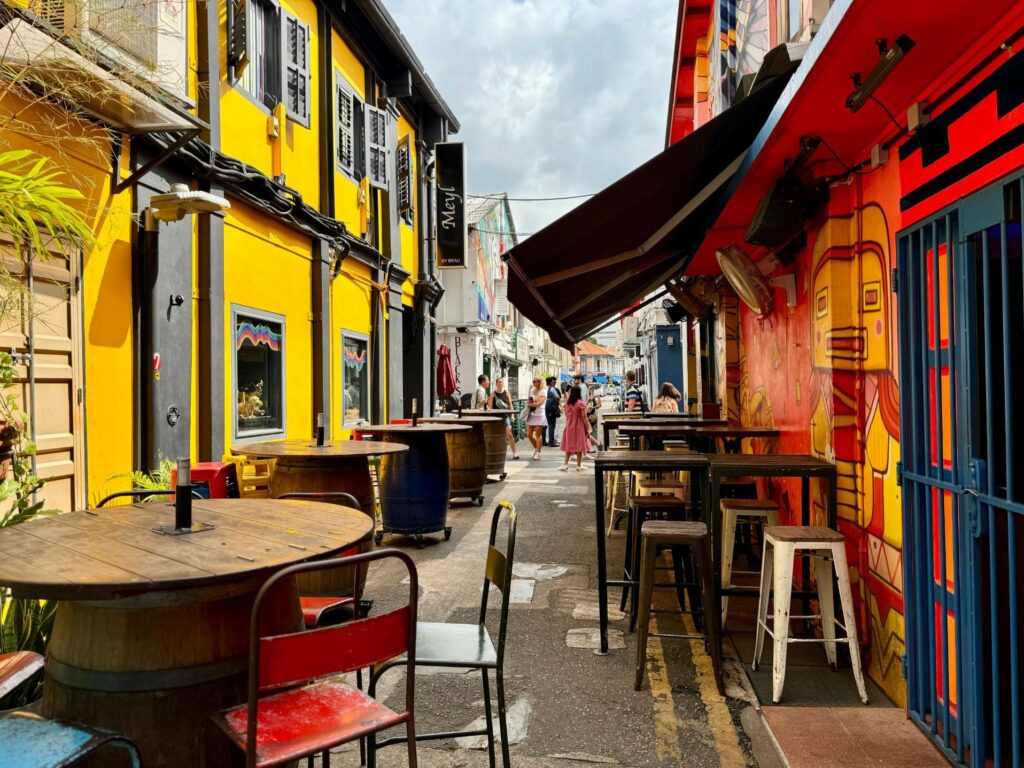
Memorial Walls, Remembrance Corners, and Neighborhood Art
From painted murals along Haji Lane to remembrance walls in Good Counsel parish or at community clubs, Singapore’s neighbourhoods create sacredness through shared memory. Local artists often infuse life into parks and alleys, transforming them into gathering points for rest, reflection, and even fun.
Community Gardens and Urban Farms
Whether found in the Serangoon Garden area, along Lorong Lew Lian, or beside an international school, these gardens—sometimes lovingly referred to as cosy “oases”—offer a relaxed atmosphere for mindfulness and spiritual renewal. Locals often bring their own food and sit together for informal meals, further blurring the line between the spiritual and the social.
Small Restaurants, Food Stalls, and Reflection
Asia’s spiritual fabric weaves through its food. In a small restaurant along Serangoon Garden Way, or at a beloved food centre in Little India, people find spiritual quiet in the bustle—a brief chat across a table, a comforting meal, or a moment spent savoring the beauty of a dish. Local restaurants and restaurants all around Singapore provide intimate, hidden gems for the soul.
Practical Guide: Experiencing Spiritual Places Singapore
Best Times to Visit: For true peace, spend time in these spaces early in the morning, especially on weekdays. Parks, riverside steps, and smaller rooms in community centers offer the most privacy after lunch hours.
Etiquette: Always be respectful—this might mean removing shoes in a Hindu temple, keeping quiet by a single altar, or simply sitting unobtrusively in a park. If you’re planning to engage with a ritual, ask permission from hosts or observe respectfully. At all times, appreciate that these are vital, living spaces for their communities.
How to Engage: Whether your journey is about discovering the sacred in nature, food, or art, the perfect place is often the one where you feel safe to rest, reflect, or simply catch the city’s rhythm. Enjoy Singapore’s blend of spiritual and everyday life, and remember to support the local hawker stalls and small businesses that contribute to the neighbourhood’s heart.
Conclusion: Rediscovering Sacred Spaces Singapore
The spiritual pulse of Singapore hums quietly outside of its grand temples and main island mosques—often in a hidden gem of a park, along the banks of the river, in a private space in a residential estate, or in an unexpected corner of a bustling city mall. Whether you’re looking for intimate restaurants, peaceful parks, or sacred spaces made by different cultures, Singapore is a great place for reflection and community—a true island sanctuary. Embrace these spiritual places Singapore lovingly maintains and explore the many ways the Lion City offers you peace.
Discover more hidden corners, meaningful places, and neighbourhood stories across Singapore at neighbourhoodlife.com.sg—where the city’s quieter moments are brought into view.