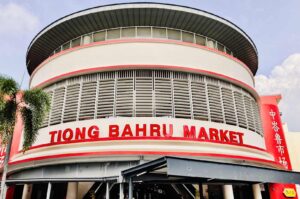
The air shimmers with the rich aroma of roasted coffee beans, freshly toasted bread, and the sweet hint of pandan. It’s early morning, and the city hums to life as aunties and uncles, office workers, students, and tourists alike find their favorite kopitiam table. Ceramic cups clink, spoons ring against glass, and orders for iced coffee and traditional kopi fill the air. This is the heartbeat of kopi tiam Singapore—not just a place to get your caffeine fix, but a living part of the coffee culture that shapes local daily life. From sharing a table with strangers to the multi-lingual melody of “Kopi C Siew Dai, please!”, these coffee houses are essential to understanding Singapore’s unique blend of traditions, tastes, and togetherness.
Coffee Culture: The History of Kopitiams in Singapore
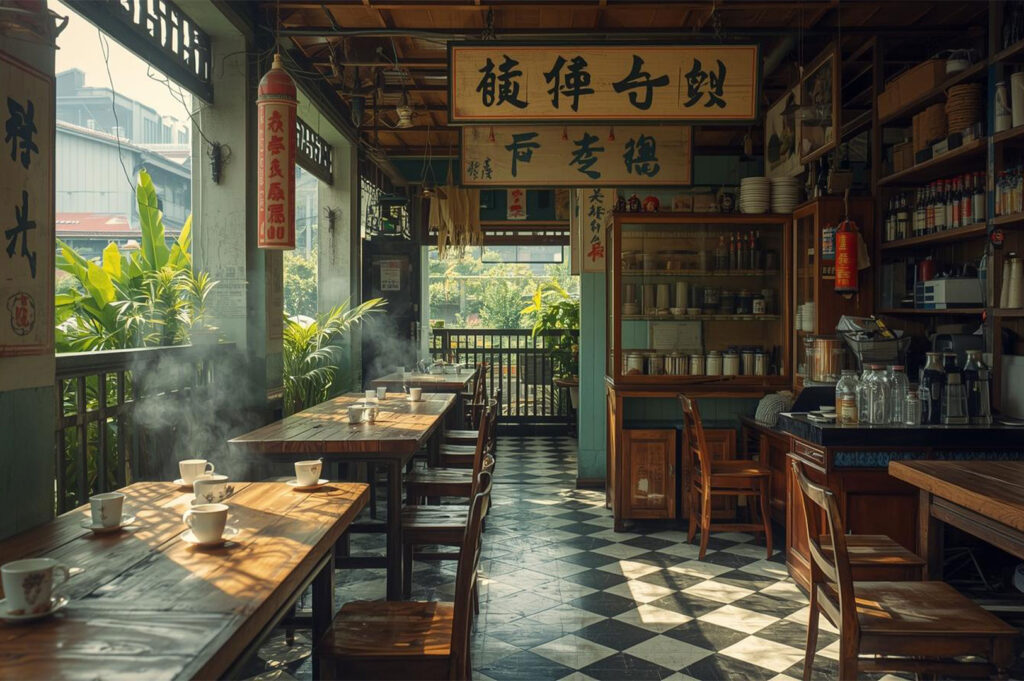
The roots of kopitiam run deep in Singapore’s heritage. “Kopitiam” comes from the Malay word for coffee (“kopi”) combined with the Hokkien word for shop (“tiam”), and these gathering places have shaped the island’s social and culinary fabric for generations. Early kopitiams were established by Hainanese and other Chinese immigrants during the colonial period. They were simple houses—often located near docks or markets—serving strong kopi and simple food as affordable nourishment for coolies, clerks, merchants, and families.
As the country evolved, so did the kopitiam. Today, you’ll find them in the heart of the city, tucked into HDB estates, and as fixtures in bustling neighborhoods. While modern cafes and specialty coffee shops now dot Singapore, traditional kopitiams remain central, recognized even by the Singapore Coffee Association for their role in nurturing local coffee appreciation and brewing mastery. Whether air-conditioned or open-air, the enduring spirit of kopitiams in Singapore persists—adapting with coffee trends while never losing sight of their beloved traditions.
Specialty Coffee: The Art of Kopi – Traditional Brewing Methods
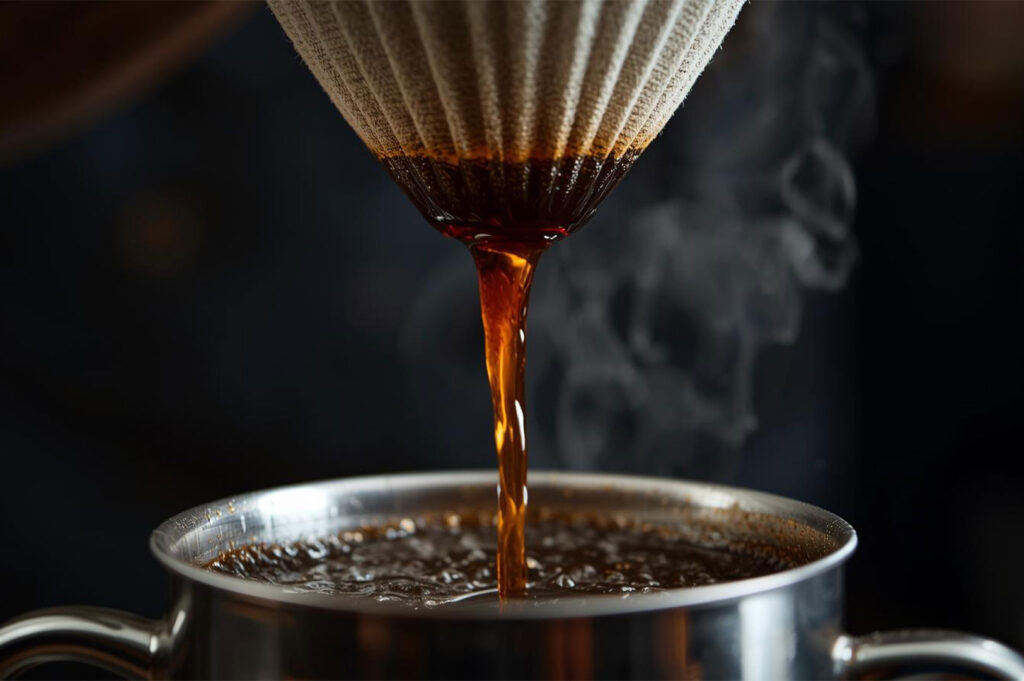
What makes kopi in a kopitiam so distinct from cappuccinos and cold brew? It’s all in the beans and the brew. Traditional kopi uses mostly robusta beans (sometimes blended with arabica beans) for a robust cup with a bold, earthy flavour and higher caffeine content. The beans are roasted with sugar and butter or margarine, giving an unmistakable caramelized aroma and deep, smoky notes—an essential twist in the Singapore style that sets it apart from Western brewing.
Brewing is a visual art. Grounds are spooned into the iconic kopi socks (tall, flannel filters), and hot water is poured over to extract the richest essence. The kopi master then “pulls” the coffee—pouring it from high above between mugs or pots to aerate the beverage and create a smooth texture. Unlike espresso machines favored in modern cafes, this method yields a concentrated, aromatic brew perfect for both a quick caffeine boost or a lingering chat over breakfast. The result? A robust cup, its bitterness mellowed by the butter and sugar roast, and finished with your pick of condensed milk, evaporated milk, or just sugar—a true taste of Singapore’s coffee scene.
Kopi Socks: Decoding the Kopi Menu

One of the joys of Singapore coffee shops is mastering the local lexicon. Here’s your go-to guide for ordering at a kopi tiam Singapore:
Kopi: Traditional black coffee brewed in kopi socks, sweetened with condensed milk for that creamy, smooth finish.
Kopi-O: Black coffee with sugar only—no milk, just a strong brew.
Kopi-C: Coffee with evaporated milk and sugar, yielding a lighter, silkier cup.
Kopi Kosong: “Kosong” means zero—no sugar, no milk, just pure black coffee for those who savor the boldest flavour.
Kopi Siu Dai / Siew Dai: Less sweet, with less sugar or condensed milk—a favorite for those who enjoy a less sugary cuppa.
Kopi Peng: Iced coffee—the essential Singapore refresher, especially on sweltering afternoons.
Kopi Gu You: Old-school butter coffee, where a slab of butter is dropped into hot black coffee for an extra-rich, velvety texture.
You can also mix terms. Order “Kopi-C Kosong Peng” for an unsweetened, evaporated milk iced coffee, or “Kopi O Siew Dai” for a less-sweet black. Some shops let you customize further, reflecting the personalized service that draws regulars and office crowds day after day.
Kaya Toast: The Kopitiam Experience
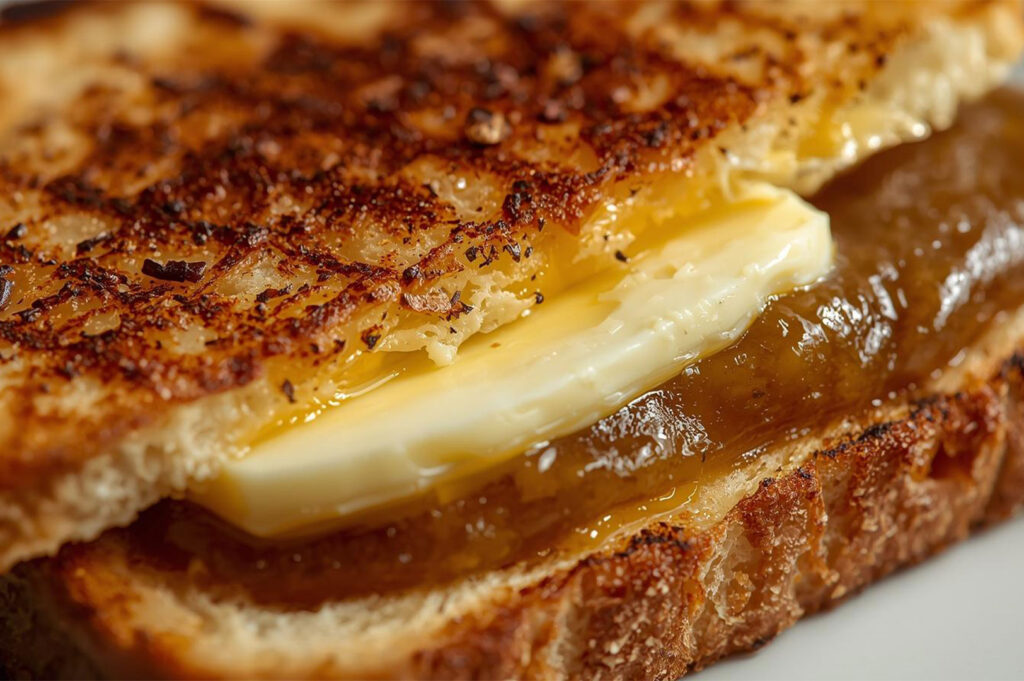
A trip to a kopi tiam Singapore wouldn’t be complete without the classic kaya toast set—a must for both locals and tourists seeking a true Singapore coffee culture experience. The breakfast ritual begins with crusty toast grilled over charcoal, slathered in sweet coconut jam (kaya) and a slab of cold butter. Paired with perfectly soft-boiled eggs, seasoned with dark soy sauce and white pepper, and your preferred coffee or milo, it’s a breakfast that’s both nostalgic and deeply satisfying.
Kopitiams serve as informal community centers, where regulars discuss everything from neighborhood happenings to the latest updates on Google or world news. The relaxed etiquette (sharing tables, shouting orders across the shop, nurses on night shift mixing with school kids grabbing iced coffee before class) and the friendly banter from both first- and second-generation owners—like those at Killiney Kopitiam and Heap Seng Leong—showcase the living culture of Singapore’s kopi scene. Here, families, retirees, and the office crowd all find their place, sharing the essential cuppa that brings the city together.
Fun Toast & Ya Kun: Must-Visit Kopitiams Across Singapore
If you want to appreciate the breadth of kopi tiam Singapore, here are some legendary and favorite stops across the island—each shop with its own personality, blend, and beverage twist:
Central
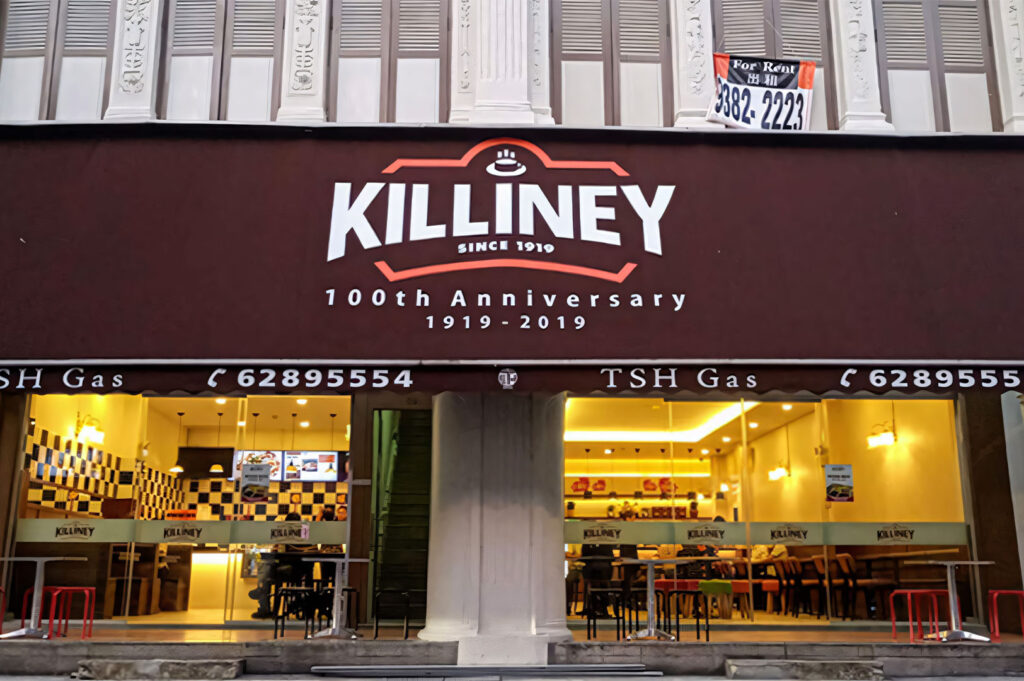
Kopitiam: Founded in 1919, this historic spot is synonymous with a good cup and generous kaya toast; a must for visitors near Orchard.
Tong Ah Eating House: Off Chinatown, famed for crisp kaya toast and strong kopi in a classic setting.
Ya Kun Kaya Toast: Perhaps the most recognized chain, Ya Kun excels at consistent quality and brings the traditional kopitiam feel to malls and transport hubs, serving both locals and tourists alike.
East
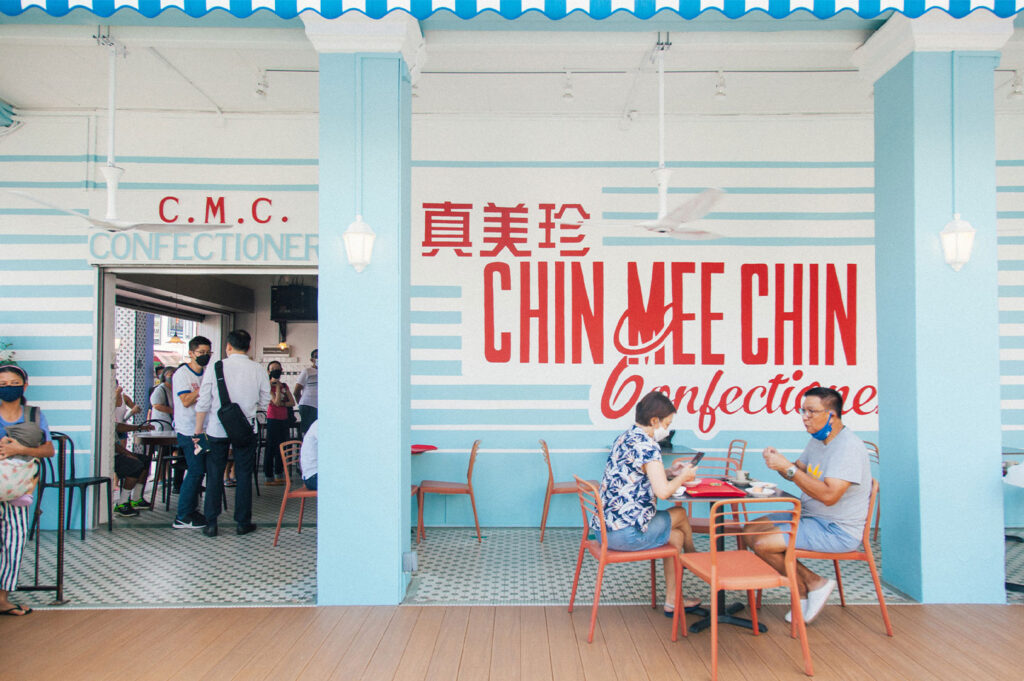
- Chin Mee Chin Confectionery (Joo Chiat): Old-school, with marble tables and signature kaya buns—immortalizing the early days of Singapore’s coffee culture.
- Joo Chiat Traditional Coffee: A no-nonsense house serving robust cups alongside a loyal crowd, tucked in the heart of a residential market.
North, South, West
- Sembawang Traditional Kopitiam: A retro haven for classic breakfast and smooth-textured kopi O or kopi C.
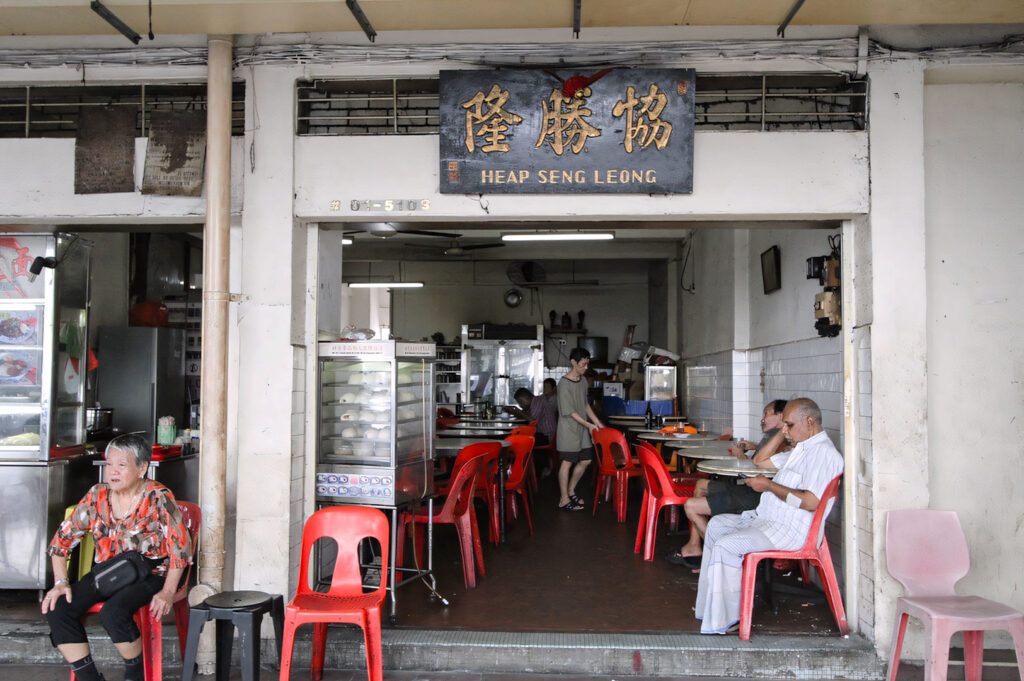
Heap Seng Leong: Near Lavender, it remains one of the few places offering the nostalgic kopi gu you (butter coffee), with a décor frozen in the 1970s.
Traditional Coffee Shop at Sunset Way: Known for friendly service and affordable breakfast sets—a favorite among west-side residents.
Modern Options
Fun Toast: Reinventing tradition with new takes on local breakfast and beverages, as well as innovative flavor pairings for adventurous consumers.
Specialty Coffee shops: Across the island, cafes now blend Nanyang kopi methods with single-origin beans and contemporary presentation, blending worlds and welcoming coffee lovers from every background.
You’ll see this mix especially clearly in places like Holland Village, where old-school kopitiams and newer cafés share the same streets, each with their own regulars and rhythms, something Neighbourhood Life has explored through the lens of everyday life.
The New Wave: Specialty Coffee, Fusion Concepts & Coffee Trends

The kopitiam revolution is ongoing. Inspired by local roots but informed by global coffee trends, new-wave cafes and young entrepreneurs are elevating traditional kopi to an art. Some emphasize sourcing their own beans or experimenting with blends that highlight robusta beans’ muscle or arabica beans’ smoothness. Others reinterpret the kopi menu with options like cold brew, housemade oat “milk,” or cappuccinos—melding tradition with the specialty coffee movement sweeping across Asia.
This fusion isn’t just trendy—it’s vital marketing for Singapore’s coffee scene, keeping heritage relevant while satisfying younger generations’ evolving palates. Second-generation owners work alongside their parents, preserving the special brewing “pull,” even as they update the ambiance or offer digital menus. These specialty coffee shops add to Singapore’s reputation as a caffeine capital—one where kopi, iced, sweet, strong, or light, is more than just a beverage; it’s a cultural movement.
Kopi’s quiet evolution feels a lot like what’s happening across Singapore’s food scene as a whole — tradition holding its ground while slowly adapting, a shift that Neighbourhood Life often looks at through everyday dishes and neighbourhood eating habits.
Kopi Tiam Singapore: National Identity & Community Life
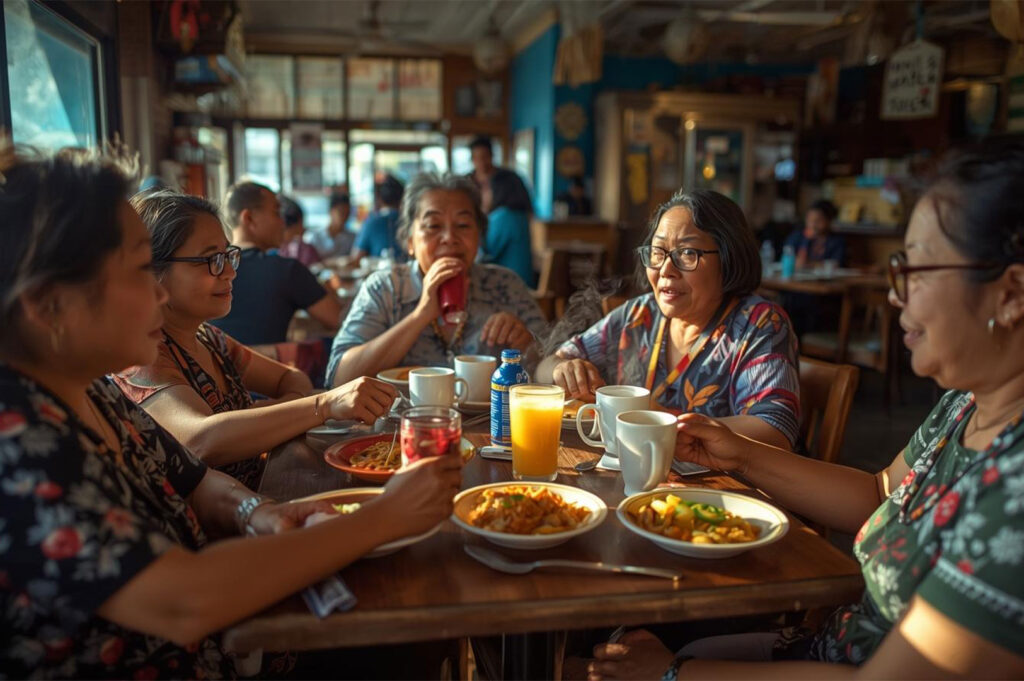
No other coffee culture in Asia melds heritage, convenience, local flavour, and social connection quite like Singapore’s kopi tiam. Government and the Singapore Coffee Association recognize their role, with initiatives to preserve storied coffee houses and ensure future generations appreciate the unique mix of Chinese, Malay, Indian, and Western influences that define the country’s caffeine rituals. Some kopitiams have even branched out to Malaysia and China, spreading this distinctly Singaporean appreciation abroad.
Far beyond their function as stalls or shops, kopitiams act as living museums, marketing Singapore’s most authentic side to the world. Whether you’re a regular customer, a first-timer eager for your morning kopi c siew dai, or a tourist drawn by their retro charm, every cup links the island’s past and future in a single, affordable, and memorable experience.
Conclusion: The Essential Singapore Coffee House
Kopitiams are far more than convenient places to eat or drink—they’re the house of Singapore’s collective memory, blends, and daily rhythms. Across shifts, neighborhoods, and generations, these shops anchor the coffee scene—offering strong brew, kaya toast, or iced kopi at every turn. They’re an essential stop for any visitor who wants to understand Singapore, and a morning ritual for locals that speaks of heritage, identity, and love for one good cup.
Practical Tips for Visitors
Best Times: Mornings (7 AM – 9 AM) are best for peak atmosphere and to observe office crowds starting their day with a robust cup.
Etiquette: Share tables, smile when asking for a seat, and note that most kopitiams are self-service—collect and pay at the stall.
Pricing: Still among the most affordable luxuries; expect S$1.20–$2.50 for hot drinks, with slightly higher prices at specialty coffee stalls.
Photo Tips: Discreet photos are fine, but remember these shops are living, working spaces for locals first.
Experience the vibrant world of kopi tiam Singapore—where every fresh cup is an invitation to appreciate the island’s enduring coffee culture, one sip at a time.
Kopitiams remind us that some of Singapore’s best food experiences aren’t about trends or technique, but about habit — the cup you order without thinking, the table you always end up sharing, the taste that feels familiar no matter how much the city changes. If you enjoy discovering Singapore through these everyday food moments and neighbourhood rituals, you’ll find more stories like this on neighbourhoodlife.com.sg.