
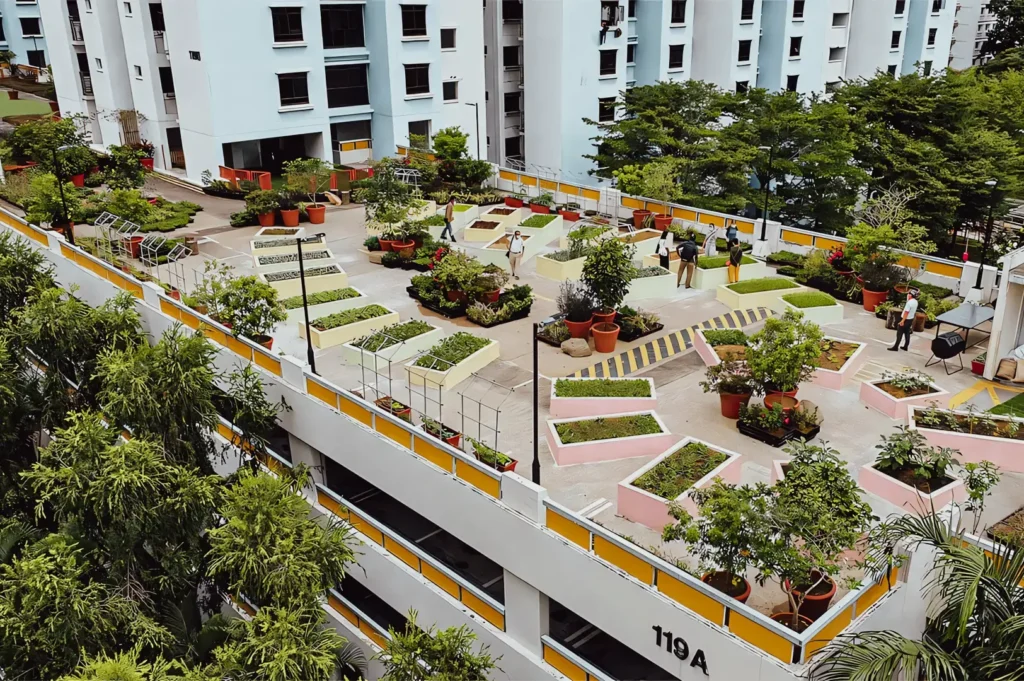
Morning light falls on HDB blocks, illuminating vibrant raised beds bursting with bitter gourd, bird’s eye chilies, pandan, and other edible plants. These community gardens, nestled between multi-storey carparks and playgrounds, are more than just green spaces—they are vital hubs where neighbours cultivate not only vegetables and ornamental plants but also meaningful connections.
The rhythmic sound of watering cans signals gardeners tending their crops—Thai basil, long beans, and more—while neighbors exchange tips on pest control and fertilization. These interactions happen across hundreds of estates in Singapore, embodying the spirit of Singapore community gardening initiatives: unpolished, organic, and deeply human. Here, residents grow more than fresh produce; they nurture community.
The Rise of Community Gardens in Singapore’s Garden City
Singapore’s transformation from kampungs to high-rise living meant losing immediate access to garden space and the neighborly bonds it fostered. Early landscaping in HDB estates was passive—neatly trimmed grass and shade trees that invited admiration but little interaction. Today, many neighbourhoods are embracing forms of urban farming Singapore, where shared plots, rooftop gardens, and community initiatives transform everyday spaces into productive green corners.
This changed with grassroots efforts to reclaim gardening space, often starting with potted plants in corridors and void decks. Recognizing this, government officials and the National Parks Board (NParks) launched the Community in Bloom (CIB) initiative in 2005 at Mayfair Park Estate, adapted from Canada’s ‘Communities in Bloom’ movement. Since then, most community gardens in Singapore have been established under this program, with over 2,000 gardens across HDB estates, schools, and private organizations.
Citizens interested in starting a garden form groups, seek approval from management committees, and apply through NParks. These gardens have evolved into sophisticated urban farms, proving that in land scarce Singapore, growing your own food and fostering community are not mutually exclusive.
More Than Just Plants: Growing Bonds Through Edible Garden City Initiatives
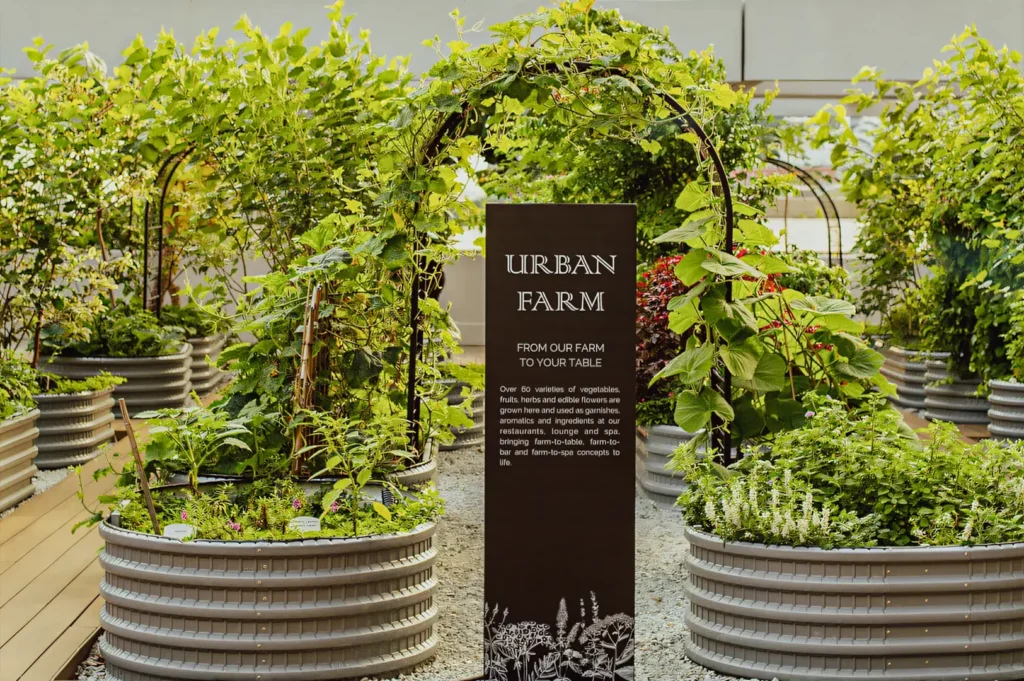
The true harvest of these edible gardens is social cohesion. In high-rise estates where residents rarely know their neighbors, community gardens serve as natural icebreakers. Volunteers organize events, maintain garden space, and create welcoming environments.
Gardening promotes mental well-being, offering relaxation, reducing anxiety, and fostering optimism through contact with nature. These best community gardens support:
Shared planting and harvesting days that build neighborhood spirit.
Workshops passing down gardening skills among peers.
Seed and plant exchanges fostering generosity and cultural exchange.
Intergenerational learning where seniors mentor youth in horticulture.
Community gardens also promote environmental education and support local biodiversity, making them classrooms and sanctuaries for all ages.
Stories from Singapore’s Community and Allotment Gardens
Each garden reflects its community’s character. In Tampines, a forgotten patch transformed by retirees into a thriving food forest grows passionfruit, leafy greens, and more. In Bukit Panjang, rooftop gardens atop multi-storey carparks combine technology and tradition, with residents growing kale, Swiss chard, and basil monitored by smart sensors.
Residents may also lease allotment plots, raised beds about 2.5m by 1m, for up to three years through NParks’ 2016 Allotment Gardening scheme. These allotment gardens expand garden space in land scarce Singapore, enabling residents to grow a variety of vegetables and fruits for personal use and community sharing.
Such involvement fosters ownership and pride, reducing vandalism and littering as residents become active stewards of their environment.
Rooftop Gardens: Green Oases in Urban Singapore
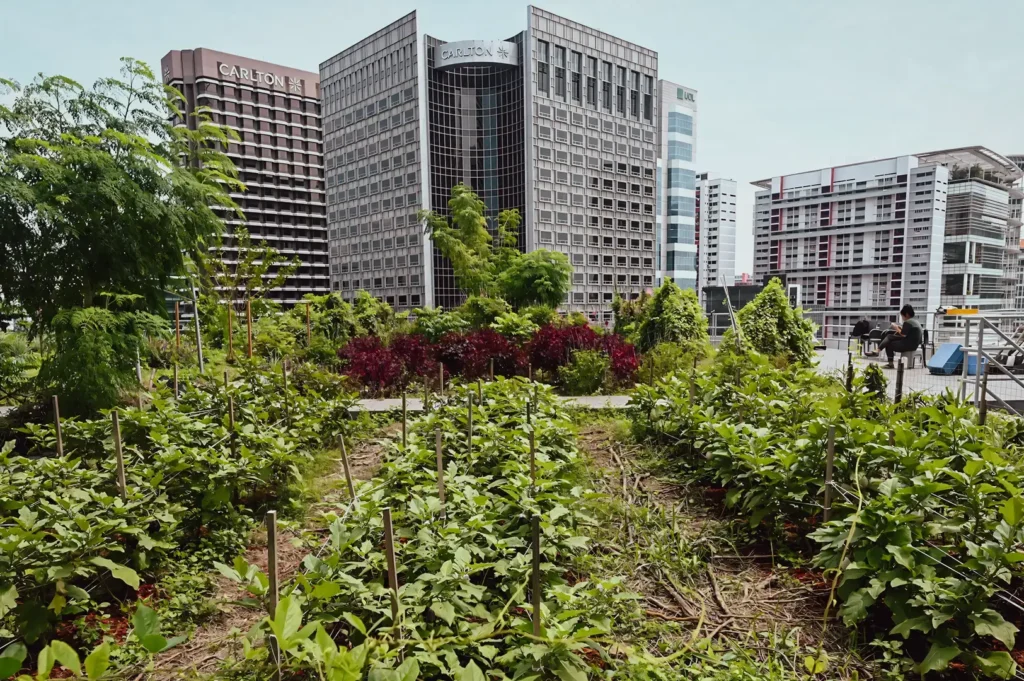
Singapore’s rooftop gardens offer serene escapes above the city buzz. These spaces align with the edible garden city vision championed by NParks and the Singapore Food Agency. Growing fresh produce like basil, tomatoes, and herbs just steps from home reduces food miles and reconnects urbanites with nature.
Community workshops welcome novices, sharing knowledge on composting and plant care. Gardens flourish across HDB blocks, community clubs, and even along Orchard Road, attracting birds and butterflies that enrich biodiversity.
Media outlets like Channel News Asia and The Straits Times spotlight these initiatives, amplifying public interest and participation.
Sustainability and Food Security at the Heart of Community Gardening
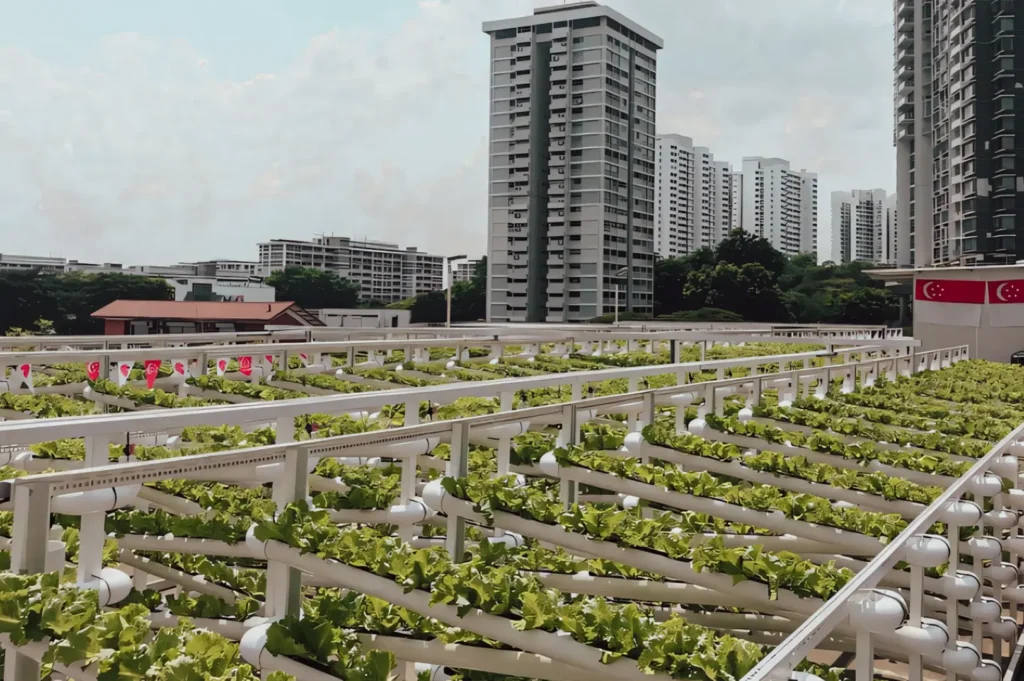
Community gardens are frontline contributors to Singapore’s food security and sustainability goals. With over 90% of food imported, local cultivation of vegetable gardens and edible plants helps reduce reliance on external supply chains.
Campaigns such as Gardening with Edibles, which distributed over 800,000 seed packets during the COVID-19 pandemic, empower residents to grow own food and build food resilience. These gardens also recycle organic waste via composting, turning coffee grounds and leaves into fertilizer, reducing landfill burden.
Beyond food, gardens enhance urban ecosystems, attracting pollinators and mitigating the urban heat island effect by increasing more green spaces.
The Role of Community Clubs and Government Officials in Encouraging Home Gardening
The success of Singapore community gardening initiatives hinges on collaboration between community clubs, government officials, NParks, and residents. These partnerships assist with site selection, garden management, and organizing workshops that encourage home gardening and sustainable practices.
The Mayfair Park Estate remains a landmark as the first CIB site, inspiring many best community gardens recognized through annual CIB Awards. Public institutions like the National Library Board support education and outreach, while academic publishers such as NUS Press disseminate knowledge on urban gardening and sustainability.
The Quiet Future of Urban Gardening in Urban Singapore
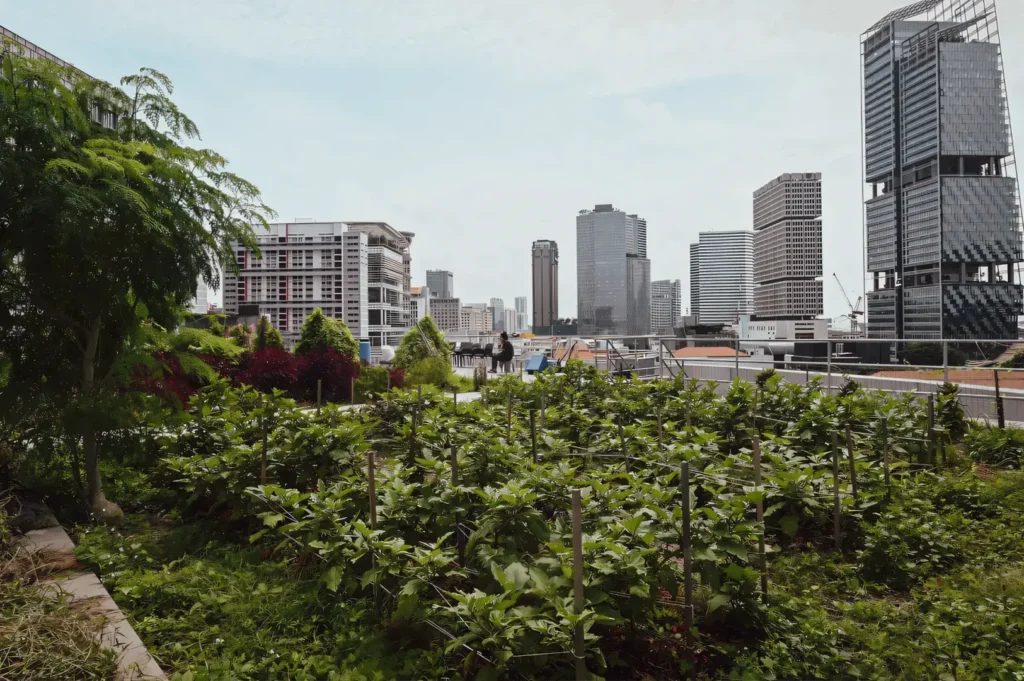
The demographic of community gardeners is evolving. Younger, environmentally conscious Singaporeans embrace permaculture, regenerative agriculture, and digital coordination, while valuing advice from experienced gardeners. The garden remains a great equalizer across generations.
Community gardens continue to provide essential green spaces that improve mental health, foster social cohesion, and promote environmental stewardship. Therapeutic gardens support seniors and those with cognitive challenges, enhancing well-being.
As Singapore’s cityscape densifies, these gardens will be vital lungs and sanctuaries, embodying the spirit of the garden city.
Conclusion
Passing by a community garden in Singapore reveals a quiet urban miracle. Amid the city’s pace, these green plots nurture connection—to nature, to neighbors, and to ourselves.
Singapore community gardening initiatives are about more than growing food; they are about cultivating a resilient, caring society. They remind us that true sustainability is as much about nurturing human bonds as it is about managing resources.
If you haven’t visited your local garden, take a moment to join in. You might leave with fresh mint and a deeper sense of belonging.
If this story resonates with you, we invite you to explore more of the everyday moments that shape life across Singapore’s neighbourhoods here at Neighbourhood Life SG. From quiet community gardens and bustling morning markets to heritage streets and local food traditions, every corner of the island carries stories waiting to be noticed.