
The clatter of plastic chopsticks dropping onto a melamine table usually marks the beginning of a good meal. On a damp Tuesday evening in a busy heartland kopitiam, it marked the start of a quiet war. Two friends sat across from each other, their half-empty glasses of iced barley sweating onto the table.
One leaned forward, gesturing with a chili-stained spoon, insisting that a specific corner stall in his estate served the undisputed best chicken rice in Singapore. The other simply shook his head, offering a condescending smile before defending his own childhood haunt near Maxwell Road.
We watch these casual debates unfold every single day. They happen over office pantry countertops, inside taxi cabs caught in evening traffic, and across crowded hawker center tables. These arguments are fierce, highly detailed, and completely unwinnable. We defend our chosen food stalls with the kind of blind loyalty usually reserved for family members or hometown sports teams.
It's Never Just About the Food
Yet, if you listen closely to these conversations, you quickly realize they are rarely about the food itself. A heated disagreement over a plate of roasted meat or a bowl of spicy noodles is a proxy for something much deeper. We are not just arguing about recipes. We are arguing about our neighborhoods, our daily routines, and the exact places we call home.
Where the Argument Begins: More Than Just Taste
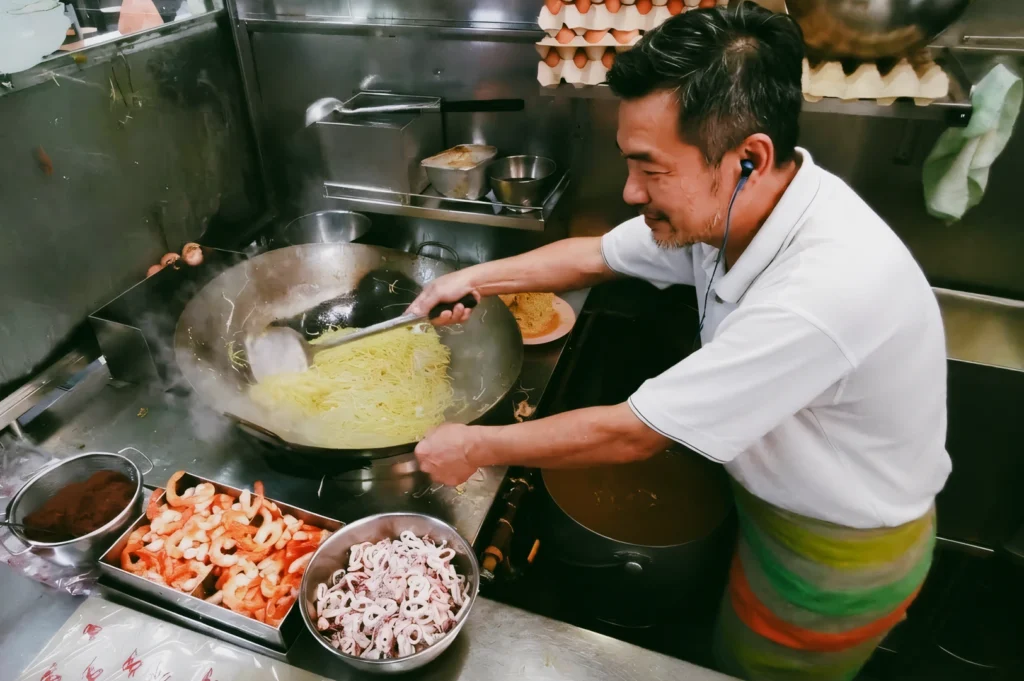
A food debate in our city often starts casually enough. Someone mentions a craving for a specific dish, and another person immediately offers an alternative suggestion. Within minutes, the conversation escalates into a passionate defense of culinary superiority. We rattle off reasons why one uncle’s chili sauce packs more punch, or why a certain auntie’s clear soup tastes sweeter.
But when a person passionately defends a specific hawker stall, they are doing much more than reviewing a meal. They are defending their personal geography. We attach our identities to the places we frequent. The stall where the uncle knows your face, remembers your exact order, and gives you an extra slice of cucumber without asking becomes an extension of your own living room. When someone dismisses that stall, they inadvertently dismiss the careful, quiet routine you have built your life around.
The Role of Memory in Taste
Our taste buds are incredibly subjective, but our memories are stubborn. The flavor profiles we champion are almost always the ones we grew up eating. Memory acts as the ultimate seasoning. It colors our perception of a dish long before we even take the first bite.
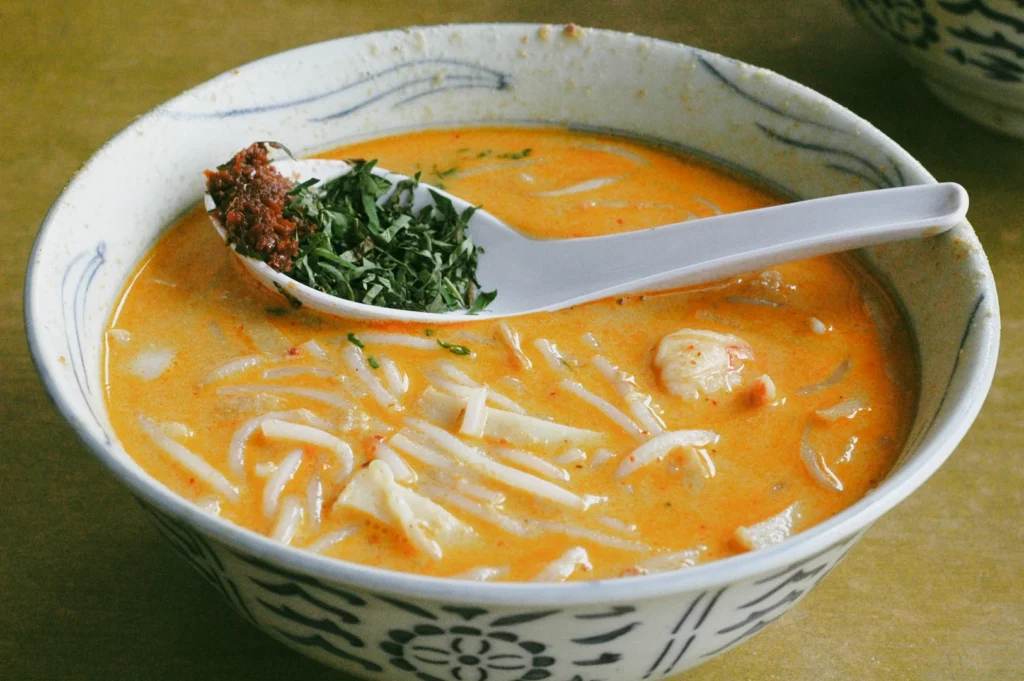
When you argue that a specific bowl is the best laksa in Singapore, you are likely not judging it against a strict culinary standard. You are judging it against the memory of a rainy Sunday morning when your father took you to the market. You remember the heat of the soup fogging up your glasses and the comfort of sitting shoulder-to-shoulder with your family. Another neighborhood might boast a stall with a richer coconut broth or a more complex spice paste. It does not matter.
The taste of your own childhood will always win. We remain fiercely loyal to the flavors that raised us.
The Quiet Rivalries Between Neighbourhoods
Because we tie our personal memories so closely to our meals, entire neighborhoods eventually become the unofficial guardians of specific dishes. We do not just have favorite stalls; we have geographical strongholds. This creates a fascinating, ongoing Singapore food rivalry that simmers just below the surface of our daily lives.
Take the famous East versus West divide. The eastern neighborhoods proudly claim ownership over certain styles of dining, resting heavily on the historic legacy of Katong and Joo Chiat. Mention laksa in the East, and you immediately invoke a very specific, fiercely guarded tradition of short noodles meant to be eaten only with a spoon. Meanwhile, residents in the West or the bustling central districts hold their own ground, championing their local legends tucked away in massive, labyrinth-like food centers.
These rivalries are entirely informal. No official council ever declared that one district owns a dish. The ownership is organic, built slowly over decades by the sheer willpower of long queues, word-of-mouth recommendations, and neighborhood pride.
Hawker Culture and the Idea of Ownership
Our hawker centers serve as the ultimate battlegrounds for these quiet rivalries. These spaces are democratic, noisy, and beautifully chaotic. Over time, a successful stall becomes permanently tethered to the identity of its estate.
A famous chicken rice stall in a historic district does not just operate there; it belongs there. The hawkers themselves become neighborhood elders. We watch them age behind their counters, their movements growing slower but more precise with every passing year. The community takes a collective sense of ownership over their success.
When a local stall gets written up in a major newspaper or receives a prestigious culinary award, the entire block feels a surge of pride. We feel as though we helped build their legacy simply by showing up for lunch every Tuesday.
The Regulars Who Keep the Rivalry Alive
A hawker stall without its regulars is just a kitchen. The people standing in line are the ones who truly keep the neighborhood rivalry alive and breathing. They are the retirees who gather at the same plastic table every morning at dawn. They are the office workers who loosen their ties and endure the midday heat for a taste of comfort.
These regulars are deeply invested, and they are never shy about voicing their opinions. You can hear their soft, daily critiques keeping the hawkers on their toes. They act as the unofficial quality control board for the estate, armed with observations like:
- “Too sweet already, uncle.”
- “The soup not rich enough today.”
- “Rice not fragrant like last time.”
These complaints are rarely meant as insults. They are declarations of care. The regulars complain because they are invested in the stall’s standard. They need their local champion to remain flawless so they can confidently defend it in their next argument with a friend from across town.
Why No One Actually Wants a Final Answer
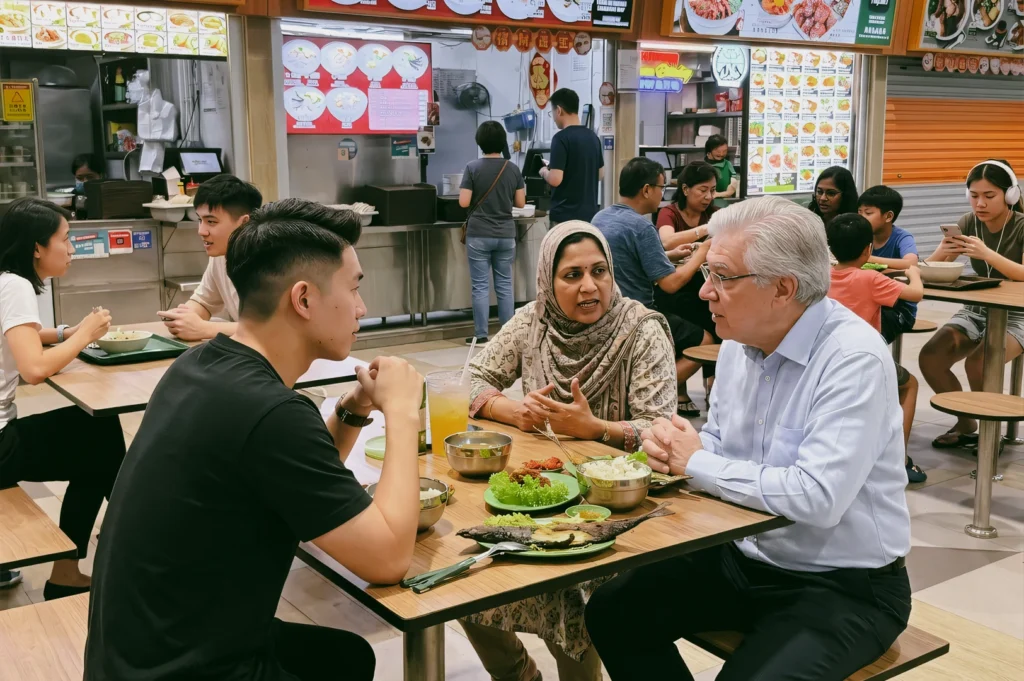
We put so much energy into these debates, yet a strange truth sits at the center of it all. We do not actually want a final answer. If a supreme authority descended tomorrow and objectively declared one specific plate of noodles as the absolute best in the nation, we would all feel a profound sense of loss.
A definitive answer would kill the conversation. These arguments are a national pastime. They give us an easy, passionate way to connect with strangers and bond with friends. The lack of a clear consensus is exactly what makes our food scene so dynamic and personal. It forces us to keep exploring, keep tasting, and keep talking to one another.
The Joy of Taking Sides
There is a genuine, simple joy in taking a side. When you declare your allegiance to a specific stall, you anchor yourself to a community. You proudly wear your neighborhood preference like a badge of honor.
Choosing a side gives us a comforting sense of belonging in a rapidly changing metropolis. New high-rise buildings replace old estates, and familiar landmarks disappear behind construction hoarding. But the fierce debate over a local bowl of noodles remains wonderfully constant. It is a reliable, comforting argument that reminds us of exactly who we are and where we stand.
A City Held Together by Small Disagreements
We live in a dense, fast-paced city where millions of people share a very small plot of land. We are incredibly diverse, bringing different languages, histories, and traditions to the table. In many ways, our society functions precisely because we are so strongly opinionated yet deeply connected.
Our micro-disagreements over food reflect the broader nature of our community. We can argue passionately with a neighbor about the correct ratio of chili to dark soy sauce, and then seamlessly share a table with them during the lunchtime rush. The food rivalry does not divide us; it binds us together. It provides a shared language of care, nostalgia, and mutual respect.
The next time you find yourself caught in a heated debate about the best chicken rice in Singapore, do not rush to prove your point. Listen to the passion in the other person’s voice. They are telling you a story about their childhood, their neighborhood, and their daily life. Do not try to end the argument. Instead, step out into the humidity, walk the streets of a new estate, taste the difference for yourself, and maybe—just maybe—reconsider where you stand.