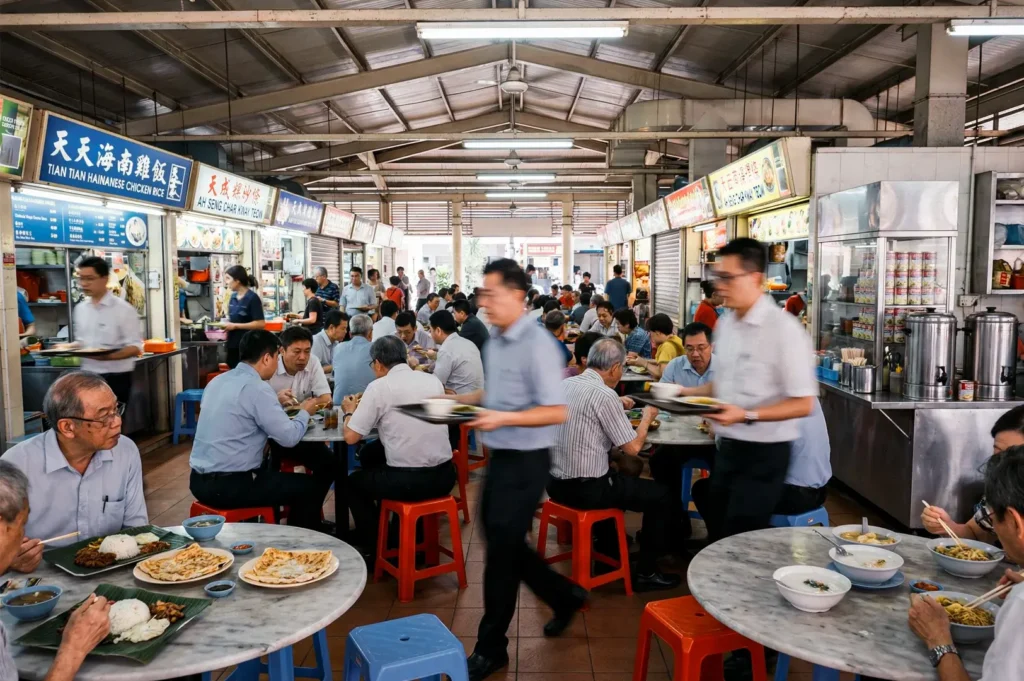
The air in the hawker centre hums with a familiar, comforting rhythm. It is a Saturday morning, and the vast, open-sided space is a theatre of everyday life. At a round table near the drinks stall, three generations are gathered. The grandfather, his movements slow and deliberate, points with his chin toward a stall selling fishball noodles, recounting to his grandson how the original owner, one of the early pioneers of the hawker trade, used to carry his wares on a bamboo pole through the nearby alleys.
The boy’s mother returns to the table, her hands expertly balancing a tray laden with steaming bowls of congee, plates of chee cheong fun, and a stack of small saucers filled with fiery chili paste. Among the hawker dishes are local favourites like chicken rice and nasi lemak, reflecting Singapore’s love for comfort food. The youngest member of the family, a girl no older than seven, watches intently as her father shows her how to correctly dip a piece of fried dough into a half-boiled egg. There is a gentle chaos to the scene—a mix of Hokkien, English, and the universal language of shared food.
This simple, unscripted gathering is taking place at countless tables across Singapore hawker centres. In a city that relentlessly pursues the future, these neighbourhood food spaces serve as vital anchors to the past. They are more than just places to eat street food. They are the living rooms of our community dining rooms, the classrooms of our culinary practices, and the stages where family recipes and local heritage unfold, one shared meal at a time.
The Hawker Table as a Family Gathering Place in Singapore’s Multicultural Urban Context
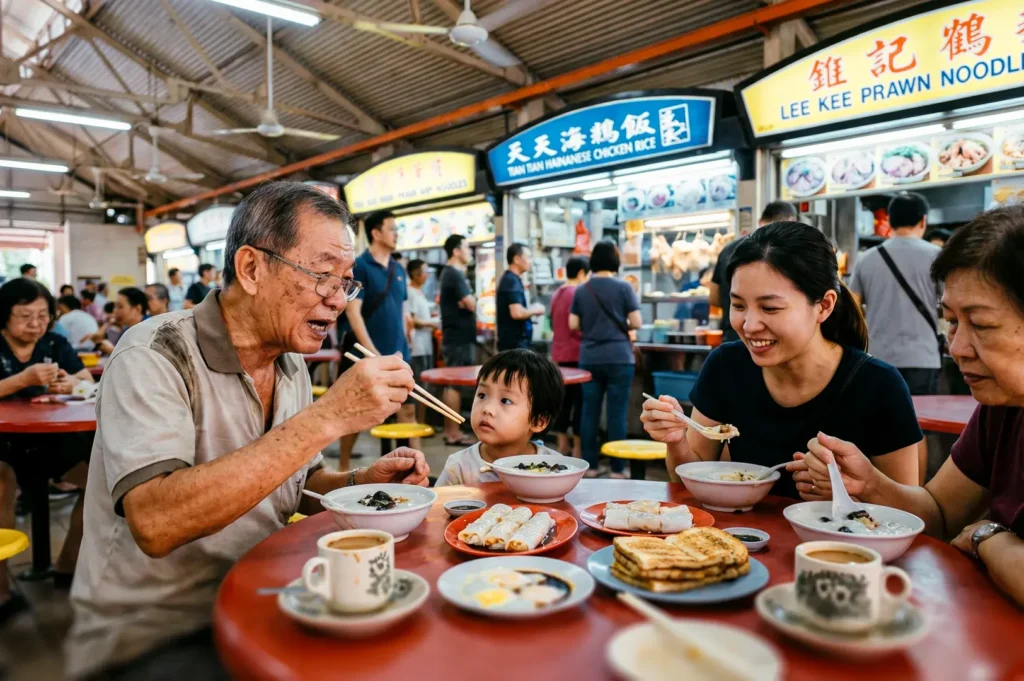
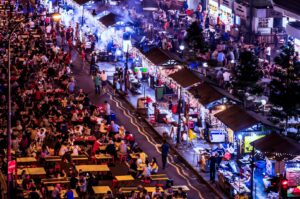
The enduring appeal of hawker centres in Singapore has cultivated a unique dining experience integral to the social fabric of Singaporean life. These spaces are masterpieces of democratic design, offering a staggering variety of affordable, high-quality hawker food in an environment that is open and accessible to all ethnic communities. There are no reservations, no dress codes, and no intimidating menus. This inherent lack of pretension is precisely what makes them the perfect intergenerational meeting point where diverse backgrounds gather.
For many families, the weekend trip to the local hawker centre, such as the iconic Newton Hawker Centre, is a non-negotiable ritual. It is a practical solution to the challenge of feeding multiple generations with diverse tastes. The grandmother can have her favourite Teochew porridge, the parents can indulge in spicy nasi lemak or Indian food like roti prata, and the children can opt for a familiar bowl of wanton noodles or chicken wings. The hawker centre accommodates everyone’s local tastes and preferences.
This accessibility has allowed the hawker table to replace the formal dining room for many families. It is where weekly news is exchanged, where milestones are celebrated, and where life’s small joys and sorrows are shared over the clatter of porcelain bowls and the sizzle of hot woks. The open, communal setting fosters a sense of community dining and shared experience that a quiet restaurant often cannot replicate.
Food Memories and Family Recipes Passed Down Through Singapore’s Hawker Culture
Food is the primary language through which we transmit our food heritage. In Singapore, this education begins at the neighbourhood table. Grandparents, often the keepers of the family’s culinary memory, play a crucial role in this process. They introduce their grandchildren to the complex flavours of their own childhoods, explaining the significance of a particular herb or the correct way to appreciate the “wok hei”—the smoky, elusive “breath of the wok” that defines a good plate of fried noodles.
These early experiences create a powerful, lifelong bond between a person and their local food. The taste of a specific hawker dish becomes intertwined with the memory of a loved one. The act of eating becomes an act of remembrance.
Many dishes central to Singapore food culture have become generational touchstones, passed down through family dining routines:
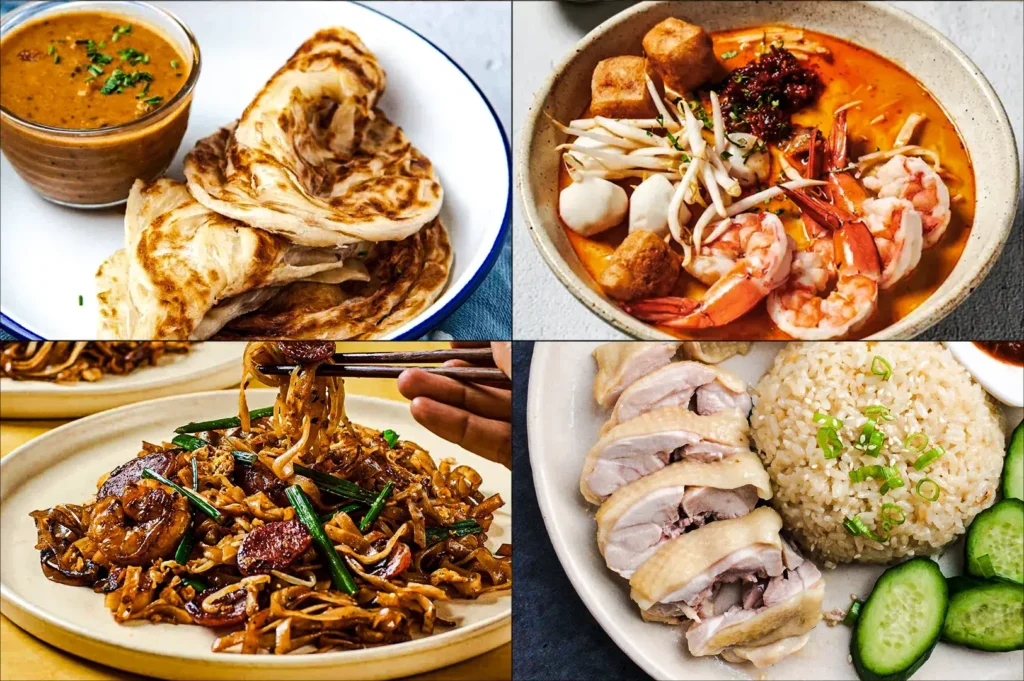
Hainanese Chicken Rice: A deceptively simple dish whose perfection lies in its details—the fragrant rice, the silky-smooth chicken, and the fiercely guarded chili sauce recipe.
Char Kway Teow: Flat rice noodles stir-fried over intense heat with dark soy sauce, cockles, and bean sprouts, a dish that embodies the smoky essence of hawker cooking.
Laksa: A rich, spicy noodle soup with a coconut milk base, its specific flavour profile often fiercely debated and defended depending on which neighbourhood you grew up in.
Roti Prata: A flaky, pan-fried flatbread of South Indian origin, enjoyed by all ages, especially when served with a side of savory curry.
Satay: Skewered, grilled meat served with a rich peanut sauce, often eaten at outdoor stalls in the evenings.
Kaya Toast and Kopi: The quintessential Singaporean breakfast of coconut jam toast, soft-boiled eggs, and strong, pulled coffee from places like Ya Kun, a ritual that connects generations of early risers.
When a parent orders these dishes for their child, they are doing more than just providing a meal. They are continuing a story that was started by their own parents, ensuring that the family’s palate and its associated memories are carried forward.
Different Generations, Different Perspectives on Hawker Culture in Singapore
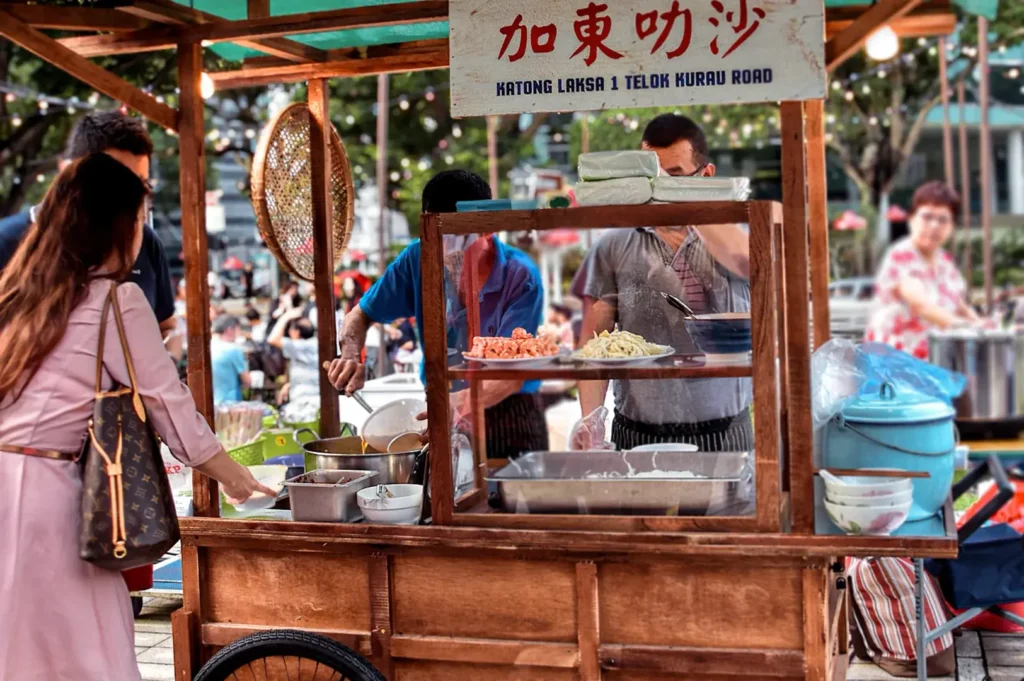
While the food may remain the same, the way each generation experiences these neighbourhood spaces differs greatly. For the older generation, the hawker centre is a space steeped in nostalgia. They remember a time before permanent hawker stalls, when food was sold from mobile carts by vendors who announced their arrival with distinctive calls or the rhythmic clacking of bamboo sticks. They can trace the lineage of a stall from its humble origins to its current, more established form. For them, a bowl of noodles is a direct link to a Singapore that has largely vanished.
For the middle generation—the parents of today—the hawker centre is often associated with the comfort and routine of their own upbringing. It is the taste of after-school meals, of family dinners on weekends, and of the first tastes of independence when they were old enough to order and pay for their own food. Their experience is a bridge between the raw, street-side origins their parents remember and the more regulated, modern environment their children are growing up in, supported by efforts from the National Environment Agency to uphold public health standards.
For the youngest generation, the hawker experience is being shaped by a new set of influences. They may document their meal on Instagram before taking the first bite or compare the stall’s offerings to a review they read on a food blog. They are as comfortable with ordering a trendy cup of bubble tea or cold drinks as they are with a traditional glass of sugarcane juice. Their perspective is less about nostalgia and more about discovery and social sharing. Yet, it is at this shared table that these different worldviews meet and find common ground.
Neighbourhood Food Spaces as Living Heritage and Intangible Cultural Heritage
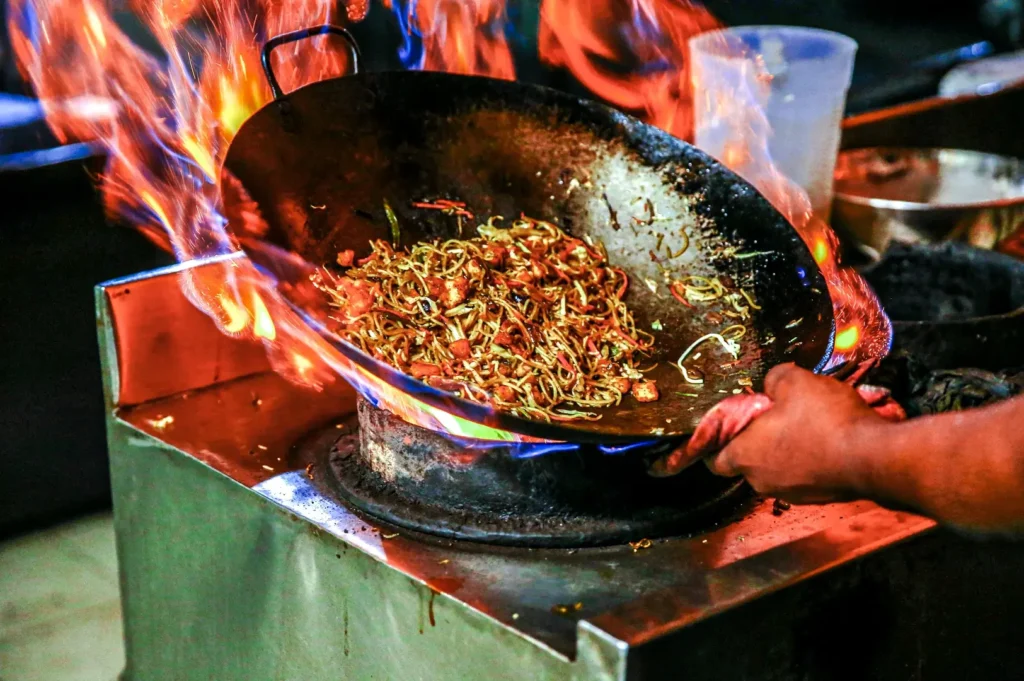
In our relentless pursuit of progress, it is easy to relegate heritage to museums and history textbooks. But in Singapore, our most vibrant food heritage is alive and well in our neighbourhood hawker centres. These spaces are not static exhibits; they are dynamic, functioning environments where culture is practiced and preserved on a daily basis.
The family routines built around these food spots are the invisible threads that sustain our local traditions. The continued patronage of a multi-generational family ensures the survival of a hawker stall. It signals to the vendor that their time-honoured recipe is still valued. This simple, repeated act of commerce is, in fact, a powerful act of cultural preservation.
Singapore’s hawker culture was inscribed on UNESCO’s Representative List of the Intangible Cultural Heritage of Humanity in 2020, recognizing its integral role in the multicultural urban context of the city-state. Community organisations, merchants associations, and the National Heritage Board actively promote and safeguard this culinary experience for future generations.
In a fast-paced urban society where families often lead separate, busy lives, the act of coming together for a shared meal takes on an even greater significance. The neighbourhood food table becomes a sanctuary, a protected time where work and school pressures fade into the background. It is a space for reconnection, for checking in, and for simply being present with one another.
Conclusion: Singapore’s Hawker Culture and Family Legacy
The story of Singapore’s hawker culture and family is not just about recipes and ingredients. It is about the people who gather to share it. The neighbourhood food table is a remarkable space where the past and the present converge, where memories are served alongside meals, and where the simple act of eating together becomes a profound expression of love and continuity.
As our city continues to evolve, the importance of these shared, intergenerational experiences will only grow. They are the quiet rituals that bind us together, reinforcing the bonds of family and community with every single bite.
So the next time you gather with your loved ones around a hawker centre table, whether at Newton Hawker Centre or your local stall, take a moment to look around. You are not just having a meal. You are participating in a tradition, strengthening a legacy, and keeping the heart of Singapore’s hawker culture alive, right there, at the same table.